ग्रेविटी कास्टिंग बनाम डाई कास्टिंग पर बहस अक्सर यह निर्धारित करती है कि क्या एक महत्वपूर्ण घटक लोड के तहत विफल रहता है या अपने पूरे सेवा जीवन के लिए विश्वसनीय रूप से कार्य करता है, वारंटी के दावों और क्षेत्र की सुरक्षा पर सीधा प्रभाव पड़ रहा है. गलत प्रक्रिया चुनने से छिपे हुए जोखिम उत्पन्न होते हैं जो उत्पादन में देर से सामने आते हैं, ज़्यादा बुरा, तैनाती के बाद. अनियंत्रित आंतरिक सरंध्रता वाला एक हिस्सा प्रारंभिक क्यूसी को पार कर सकता है लेकिन विनाशकारी यांत्रिक विफलता का कारण बन सकता है, महंगे उत्पाद को वापस मंगाना और आपकी कंपनी को महत्वपूर्ण देनदारी में डालना.
यह मार्गदर्शिका सूचित निर्णय लेने के लिए एक तकनीकी रूपरेखा प्रदान करती है. हम गुरुत्वाकर्षण प्रवाह बनाम उच्च दबाव इंजेक्शन के मूल यांत्रिकी को तोड़ देंगे, फिर टूलींग और प्रति-यूनिट लागत के आधार पर आर्थिक ब्रेकईवन बिंदु स्थापित करें. हम उत्पादन गति की तुलना भी करेंगे, आयामी सटीकता, और यांत्रिक अखंडता का महत्वपूर्ण मुद्दा, यह दर्शाता है कि प्रक्रिया चयन में सरंध्रता अक्सर अंतिम डीलब्रेकर क्यों होती है.
त्वरित तुलना तालिका
गुरुत्वाकर्षण और दबाव कास्टिंग के बीच का चुनाव अग्रिम टूलींग निवेश और आवश्यक प्रति-भाग उत्पादन गति और ज्यामितीय जटिलता के बीच सीधा व्यापार-बंद है।.
विनिर्माण प्रक्रिया और चक्र समय
मुख्य परिचालन अंतर भरने की विधि है. ग्रेविटी कास्टिंग सांचे को भरने के लिए प्राकृतिक गुरुत्वाकर्षण प्रवाह का उपयोग करती है, के चक्र समय के साथ एक धीमी प्रक्रिया 2-10 मिनट. प्रेशर डाई कास्टिंग उच्च दबाव पर पिघली हुई धातु को इंजेक्ट करती है, आम तौर पर 150 को 1200 छड़, बस एक चक्र पूरा करना 10 को 60 सेकंड. यह गति अंतर उपयुक्त भाग की ज्यामिति को निर्धारित करता है. मोटी दीवारों के साथ सरल आकृतियों के लिए ग्रेविटी कास्टिंग सर्वोत्तम है (3-10मिमी), जबकि प्रेशर कास्टिंग पतली दीवारों के साथ जटिल डिजाइन तैयार करने में उत्कृष्ट है (1-5मिमी).
यांत्रिक गुण और अंतिम गुणवत्ता
अंतिम भाग की गुणवत्ता और प्रदर्शन में काफी भिन्नता है. गुरुत्वाकर्षण कास्टिंग धीमी है, नियंत्रित भरण बहुत कम आंतरिक सरंध्रता वाले घने भागों का निर्माण करता है, यांत्रिक गुणों को बढ़ाने के लिए गर्मी उपचार के लिए उन्हें असाधारण रूप से उपयुक्त बनाना. दबाव ढलाई, बेहतर आयामी सटीकता प्रदान करते हुए (±0.1मिमी) और एक उत्कृष्ट सतह फिनिश (रा 0.8-3.2μm), अपने तीव्र इंजेक्शन चक्र के दौरान गैस को फँसाता है. इसके परिणामस्वरूप होने वाली सरंध्रता दबाव वाले भागों को आम तौर पर गर्मी उपचार के लिए अनुपयुक्त बना देती है, क्योंकि यह प्रक्रिया फफोले और विकृति का कारण बन सकती है.
टूलींग लागत और आदर्श उत्पादन मात्रा
आर्थिक निर्णय पूरी तरह से उत्पादन की मात्रा पर निर्भर करता है. ग्रेविटी कास्टिंग के लिए मध्यम प्रारंभिक टूलींग निवेश की आवश्यकता होती है, इसे कम से मध्यम मात्रा में चलाने के लिए लागत प्रभावी बनाना. प्रेशर डाई कास्टिंग कॉम्प्लेक्स के लिए उच्च प्रारंभिक निवेश की मांग करती है, टिकाऊ साँचे लेकिन इसकी उच्च दक्षता और स्वचालन के कारण बड़े पैमाने पर उत्पादन में प्रति-भाग लागत बहुत कम होती है.
- गुरुत्वाकर्षण कास्टिंग: निम्न-से-मध्यम मात्रा में उत्पादन के लिए चयन करें, बड़े हिस्से, या घटकों को अधिकतम मजबूती के लिए पोस्ट-कास्ट ताप उपचार की आवश्यकता होती है.
- प्रेशर डाई कास्टिंग: उच्च मात्रा के लिए सही विकल्प, कॉम्प्लेक्स का बड़े पैमाने पर उत्पादन, पतली दीवार वाले घटक जहां सख्त सहनशीलता और बेहतर सतह फिनिश महत्वपूर्ण हैं.
गुरुत्वाकर्षण प्रवाह बनाम. उच्च दबाव इंजेक्शन
यह विकल्प बड़े पैमाने पर उत्पादन की गति और मिशन-महत्वपूर्ण अनुप्रयोगों के लिए आवश्यक धातुकर्म अखंडता के बीच सीधा समझौता है.
मोल्ड भरने की विधि और उत्पादन गति
उच्च दबाव इंजेक्शन पिघली हुई धातु को दबाव के बीच एक सांचे में डालता है 150 और 1200 छड़. यह विधि अविश्वसनीय रूप से तेज़ है, मोल्ड को मिलीसेकंड में भरना और केवल चक्र समय प्राप्त करना 10 को 60 सेकंड. ऐसी गति इसे बड़े पैमाने पर उत्पादन के लिए मानक बनाती है, एक ही मशीन को अधिक उत्पादन करने में सक्षम बनाना 200 प्रति घंटा भाग. इसके विपरीत, गुरुत्वाकर्षण कास्टिंग सांचे को भरने के लिए केवल प्राकृतिक गुरुत्वाकर्षण बल का उपयोग करती है. यह धीमा, अधिक नियंत्रित प्रवाह से चक्र का समय काफी लंबा हो जाता है 2 को 10 मिनट, आउटपुट को एक सीमा तक सीमित करना 30-50 प्रति घंटा भाग और इसे छोटे उत्पादन संचालन के लिए उपयुक्त बनाना.
घटक अखंडता और सामग्री गुण
ग्रेविटी कास्टिंग धीमी है, लैमिनर भरने की प्रक्रिया अशांति को कम करती है, परिणामस्वरूप बहुत कम आंतरिक सरंध्रता वाले सघन भाग प्राप्त होते हैं. यह बेहतर धातुकर्म गुणवत्ता गुरुत्वाकर्षण-कास्ट घटकों को बढ़ी हुई ताकत के लिए गर्मी उपचार के लिए अत्यधिक ग्रहणशील बनाती है और गारंटीकृत वायुरोधीता की आवश्यकता वाले अनुप्रयोगों के लिए आदर्श बनाती है।. उच्च दबाव इंजेक्शन एक उत्कृष्ट सतह फिनिश प्रदान करता है (रा 0.8-3.2μm) और सख्त आयामी सहनशीलता (±0.1मिमी), चूँकि बल साँचे के हर बारीक विवरण को पकड़ लेता है. समस्या यह है कि इसके तेजी से भरने से हवा फंस सकती है, आंतरिक सरंध्रता का निर्माण करना जो गर्मी उपचार क्षमता और सीलिंग प्रदर्शन से समझौता करता है.
टूलींग निवेश और अनुप्रयोग उपयुक्तता
उच्च दबाव इंजेक्शन टूलींग के लिए प्रारंभिक निवेश अधिक है. अत्यधिक सहन करने के लिए डाइज़ को मजबूत टूल स्टील से बनाया जाना चाहिए, बार-बार चक्र, जो केवल उच्च मात्रा में उत्पादन के लिए आर्थिक रूप से संभव है. यह इसे विनिर्माण परिसर के लिए लागत प्रभावी विकल्प बनाता है, बड़ी मात्रा में पतली दीवार वाले घटक. ग्रेविटी कास्टिंग टूलींग कम जटिल है और इसके लिए अधिक मध्यम निवेश की आवश्यकता होती है, इसे छोटी से मध्यम मात्रा में चलाने के लिए व्यावहारिक विकल्प बनाता है. इसे बड़ा उत्पादन करने के लिए सबसे अच्छा उपयोग किया जाता है, सरल भाग जहां संरचनात्मक अखंडता और न्यूनतम सरंध्रता जटिल डिजाइन या तीव्र आउटपुट की तुलना में अधिक महत्वपूर्ण हैं.
शून्य-दोष घटकों के लिए IATF-प्रमाणित डाई कास्टिंग
लागत विश्लेषण: आर्थिक ब्रेकईवन बिंदु ढूँढना
सही कास्टिंग प्रक्रिया का चयन एक ब्रेकइवेन विश्लेषण पर निर्भर करता है जहां उच्च अग्रिम टूलींग लागत को उच्च मात्रा में उत्पादन और कम प्रति-यूनिट व्यय द्वारा उचित ठहराया जाता है।.
प्रारंभिक निवेश का मानचित्रण: टूलींग और एनपीआई
किसी भी कास्टिंग प्रोजेक्ट में प्राथमिक निश्चित लागत मोल्ड विकास है, जिसे हम आम तौर पर लागत दक्षता और गहन इंजीनियरिंग विशेषज्ञता का लाभ उठाने के लिए अपने चीन प्रौद्योगिकी केंद्र में निष्पादित करते हैं. प्रक्रियाओं के बीच निवेश का स्तर काफी भिन्न होता है. प्रेशर डाई कास्टिंग मोल्ड्स के लिए उच्च प्रारंभिक निवेश की आवश्यकता होती है, अक्सर अधिक $20,000, क्योंकि वे अत्यधिक इंजेक्शन दबाव का सामना करने के लिए उच्च श्रेणी के टूल स्टील से बने होते हैं. ग्रेविटी कास्टिंग मोल्ड सरल होते हैं और अधिक मध्यम निवेश का प्रतिनिधित्व करते हैं. इस प्रारंभिक बजट में नए उत्पाद परिचय का भी हिसाब होना चाहिए (एनपीआई) लागत, जिसमें डिजाइन सत्यापन के लिए तेजी से प्रोटोटाइप और परीक्षण और अनुमोदन के लिए प्रारंभिक नमूनों का उत्पादन शामिल है.
परिवर्तनीय प्रति-इकाई उत्पादन लागत की गणना
परिवर्तनीय प्रति-इकाई लागत तीन प्रमुख कारकों का एक संयोजन है. सबसे पहले कच्चे माल की लागत है, जिसे हम ADC12 जैसे मिश्र धातुओं के लिए मौजूदा बाजार दरों के आधार पर ट्रैक करते हैं, ए 380, या ज़माक 5, सभी उत्पादन आधारों पर भौतिक स्थिरता सुनिश्चित करना. दूसरा है विनिर्माण उपरिव्यय, जिसमें श्रम और मशीन का समय शामिल है. ये लागत हमारे चीन के बीच अलग-अलग है, मेक्सिको, और वियतनाम सुविधाएं, हमें उत्पादन को विशिष्ट बजट या लॉजिस्टिक लक्ष्यों के साथ संरेखित करने की अनुमति देता है. तीसरा घटक किसी भी आवश्यक माध्यमिक संचालन की लागत है, जैसे कि सटीक सीएनसी मशीनिंग, पाउडर कोटिंग की तरह सतह की फिनिशिंग, या उप-असेंबली कार्य.
टैरिफ और लॉजिस्टिक्स को लैंडिंग लागत में एकीकृत करना
प्रति भाग की अंतिम लागत-भूमिगत लागत-कारखाने के गेट से आगे तक फैली हुई है. हम सक्रिय रूप से आयात शुल्क के प्रभाव का मॉडल तैयार करते हैं, टैरिफ अनुकूलन के लिए हमारे वैश्विक पदचिह्न का लाभ उठाना. उदाहरण के लिए, हमारी वियतनाम सुविधा और उसके मूल प्रमाणपत्र का उपयोग करना (सी/ओ) कुछ पश्चिमी बाज़ारों में ग्राहकों के लिए शुल्कों को उल्लेखनीय रूप से कम किया जा सकता है. हमारे मॉडल सभी लॉजिस्टिक्स चरों को भी ध्यान में रखते हैं, माल ढुलाई सहित, बीमा, और प्रत्येक संभावित शिपिंग मूल से सीमा शुल्क निकासी. न्यूनतम आदेश मात्रा (MOQs) यहां महत्वपूर्ण भूमिका निभाएं; वियतनाम और मैक्सिको से शिपमेंट के लिए, अनुशंसित को पूरा करना 3,000-5,000 टुकड़ा MOQ अधिक इकाइयों में निश्चित शिपिंग लागत को कम करने में मदद करता है, प्रति-भाग उतराई लागत को कम करना.
प्रक्रिया चयन के लिए वॉल्यूम सीमाएँ निर्धारित करना
ब्रेकईवन बिंदु वह है जहां एक प्रक्रिया की कुल लागत दूसरी प्रक्रिया की तुलना में अधिक किफायती हो जाती है. दबाव डाई कास्टिंग, इसकी उच्च टूलींग लागत लेकिन तीव्र चक्र समय के साथ (जितना कम 10-60 सेकंड), उच्च-मात्रा वाले रन के लिए बनाया गया है जहां कम प्रति-यूनिट लागत प्रारंभिक निवेश को तुरंत कम कर देती है. गुरुत्वाकर्षण कास्टिंग, इसकी टूलींग लागत कम है लेकिन चक्र समय धीमा है (2-10 मिनट), छोटे से मध्यम उत्पादन मात्रा के लिए लागत प्रभावी विकल्प बना हुआ है, आम तौर पर कुछ सौ से लेकर 50,000 वार्षिक भाग. निर्णय पूरी तरह से वित्तीय नहीं है; गुरुत्वाकर्षण कास्टिंग उन हिस्सों के लिए तकनीकी रूप से बेहतर विकल्प है जिन्हें यांत्रिक गुणों को बढ़ाने के लिए बाद में गर्मी उपचार की आवश्यकता होती है, क्योंकि इसकी धीमी भरण प्रक्रिया के परिणामस्वरूप कम छिद्रपूर्ण आंतरिक संरचना बनती है.
स्वामित्व परिदृश्यों की कुल लागत का मॉडलिंग
हम एक स्पष्ट सूत्र का उपयोग करके स्वामित्व की कुल लागत का मॉडल तैयार करते हैं: कुल लागत = टूलींग + (प्रति इकाई लागत × आयतन) + रसद + शुल्क. यह विभिन्न रणनीतिक परिदृश्यों के बीच सीधी तुलना की अनुमति देता है. अमेरिकी बाजार के लिए एक उच्च-मात्रा वाली परियोजना सबसे अच्छा टीसीओ दिखा सकती है जब मेक्सिको में नजदीकी गति के लिए या टैरिफ लाभ के लिए वियतनाम में उत्पादित किया जाता है।. यूरोपीय संघ के बाजार के लिए एक समतुल्य परियोजना से पता चल सकता है कि हमारे चीन बेस से प्रत्यक्ष उत्पादन सबसे कुशल मार्ग है. इन नंबरों से परे, हम आपूर्ति श्रृंखला लचीलेपन को एक वास्तविक वित्तीय कारक मानते हैं. हमारा “चीन + 2” वैश्विक लेआउट क्षेत्रीय व्यवधानों के विरुद्ध बैकअप प्रदान करता है, राजस्व की रक्षा करना और आपूर्ति निरंतरता सुनिश्चित करना, जो दीर्घकालिक लागत मॉडलिंग का एक महत्वपूर्ण घटक है.
उत्पादन क्षमताएँ: रफ़्तार, शुद्धता, और जटिलता
उच्च दबाव डाई कास्टिंग को बड़े पैमाने पर उत्पादन के लिए इंजीनियर किया गया है, जटिल वितरण, उच्च परिशुद्धता और गति के साथ नेट-आकार के हिस्से, जो बड़ी मात्रा के ऑर्डर पर प्रति-यूनिट लागत को सीधे कम करता है.
बड़े पैमाने पर मात्रा के लिए उच्च गति उत्पादन चक्र
हमारी स्वचालित दबाव डाई कास्टिंग प्रक्रिया कम से कम समय में चक्र निष्पादित करती है 10 को 60 प्रति भाग सेकंड, उच्च-मात्रा विनिर्माण के लिए बनाई गई दर. यह दक्षता प्रक्रिया को ऑर्डर के लिए आदर्श बनाती है 3,000 को 5,000 इकाई या अधिक, जहां टूलींग में प्रारंभिक निवेश को बड़े उत्पादन दौर में प्रभावी ढंग से परिशोधित किया जाता है. तीव्र, ऑटोमोटिव विनिर्माण और 5जी दूरसंचार जैसे मांग वाले क्षेत्रों की आपूर्ति के लिए लगातार आउटपुट आवश्यक है, जहां पावरट्रेन सिस्टम और उपकरण बाड़ों जैसे घटकों को पैमाने और विश्वसनीयता दोनों की आवश्यकता होती है.
सख्त सहनशीलता और सतही फिनिश हासिल करना
हम किसी सुविधा के पहले 25 मिमी के लिए लगातार ±0.1 मिमी की आयामी सहनशीलता रखते हैं, महंगी माध्यमिक मशीनिंग की आवश्यकता को कम करना. परिशुद्धता के इस स्तर को बेहतर एज़-कास्ट सतह फिनिश के साथ जोड़ा गया है, आमतौर पर रा के बीच 0.8 और 3.2μm, जो सीधे उपयोग के लिए उपयुक्त है या पाउडर कोटिंग या एनोडाइजिंग जैसे बाद के उपचारों के लिए तैयार है. इन विशिष्टताओं की गारंटी के लिए, हमारी सभी सुविधाएं कोऑर्डिनेट मेजरिंग मशीन का उपयोग करके घटक गुणवत्ता को सत्यापित करती हैं (सीएमएम) पूर्ण आयामी निरीक्षण और एक्स-रे दोष का पता लगाना, यह सुनिश्चित करना कि प्रत्येक भाग IATF से मेल खाता हो 16949 मानकों.
जटिल ज्यामिति और पतली दीवारों वाले हिस्सों का निर्माण
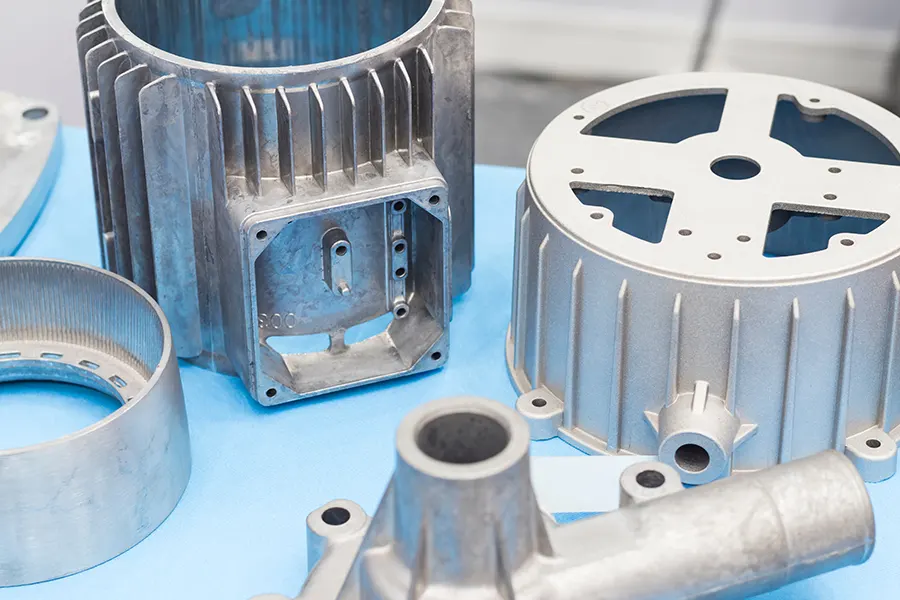
उच्च दबाव वाली इंजेक्शन प्रक्रिया पतली दीवारों वाले जटिल भागों के निर्माण के लिए विशिष्ट रूप से अनुकूल है, 1 मिमी से 5 मिमी तक. पिघली हुई धातु को मोल्ड गुहा के प्रत्येक विवरण में डाला जाता है, हमें एकीकृत हीट सिंक जैसी जटिल सुविधाएँ डालने की अनुमति देता है, संरचनात्मक पसलियां, और बॉस को सीधे घटक में माउंट करना. हल्के वजन के निर्माण के लिए यह क्षमता महत्वपूर्ण है, नई ऊर्जा वाहन के लिए उच्च शक्ति वाले हिस्से (एनईवी) प्रणाली, औद्योगिक स्वचालन सेंसर, और अन्य अनुप्रयोग जहां डिज़ाइन जटिलता और वजन में कमी प्राथमिक इंजीनियरिंग लक्ष्य हैं.
यांत्रिक अखंडता: क्यों “सरंध्रता” डीलब्रेकर है
सरंध्रता अदृश्य आंतरिक कमज़ोरियाँ पैदा करती है जो ताकत और वायुरोधीता से समझौता करती है, इसे लोड-बेयरिंग या सीलबंद डाई-कास्ट घटकों में प्राथमिक विफलता बिंदु बनाना.
फंसी हुई गैस कैसे आंतरिक रिक्तता पैदा करती है
उच्च दबाव वाली डाई कास्टिंग अत्यधिक गति और दबाव पर पिघली हुई धातु को एक सांचे में बदल देती है, एक ऐसी प्रक्रिया जो अनिवार्य रूप से परिवेशी वायु और घुली हुई गैसों को फँसा लेती है. यह अशांति सूक्ष्म बुलबुले बनाती है जो धातु के तेजी से जमने पर स्थायी रिक्त स्थान बन जाते हैं. ग्रेविटी कास्टिंग मौलिक रूप से भिन्न दृष्टिकोण का उपयोग करती है. यह धीमा है, नियंत्रित भरने की प्रक्रिया पिघली हुई धातु को सांचे में आसानी से प्रवाहित करने की अनुमति देती है, भाग के जमने से पहले गैसों को बाहर निकलने का समय देना. परिणाम सघन है, न्यूनतम आंतरिक रिक्तियों के साथ अधिक ठोस आंतरिक संरचना.
शक्ति पर प्रभाव, सील, और हीट ट्रीटमेंट
सरंध्रता एक गंभीर संरचनात्मक दोष है, कोई मामूली कॉस्मेटिक दोष नहीं. प्रत्येक आंतरिक शून्य तनाव एकाग्रता बिंदु के रूप में कार्य करता है, एक सूक्ष्म कमजोर स्थान बनाना जो यांत्रिक भार या कंपन के तहत दरारें या फ्रैक्चर शुरू कर सकता है. हाइड्रोलिक मैनिफोल्ड्स या सीलबंद 5G एनक्लोजर जैसे अनुप्रयोगों के लिए, ये आंतरिक रिक्तियाँ दबाव सील बनाए रखने की भाग की क्षमता से सीधे समझौता करती हैं, घटक विफलता की ओर ले जाता है. किसी छिद्रयुक्त भाग को ताप-उपचार करने का प्रयास भी अप्रभावी है. गर्म होने पर फंसी हुई गैस फैलती है, जिसके परिणामस्वरूप अक्सर सतह पर छाले हो जाते हैं और घटक की संरचनात्मक अखंडता को और अधिक नुकसान होता है.
उच्च-घनत्व घटकों के लिए प्रक्रिया चयन
कास्टिंग विधियों के बीच चयन पूरी तरह से भाग की कार्यात्मक आवश्यकताओं पर निर्भर करता है. ग्रेविटी कास्टिंग उन घटकों के लिए पसंदीदा प्रक्रिया है जहां यांत्रिक शक्ति और दबाव की जकड़न गैर-परक्राम्य डिजाइन मानदंड हैं. इन महत्वपूर्ण अनुप्रयोगों के लिए, आंतरिक संरचना को मान्य करना एक अनिवार्य गुणवत्ता नियंत्रण कदम है.
- हम एनईवी पावरट्रेन के लिए घटकों की आंतरिक अखंडता का निरीक्षण और सत्यापन करने के लिए एक्स-रे दोष का पता लगाने का उपयोग करते हैं, सीलबंद बाड़े, और अन्य मिशन-महत्वपूर्ण अनुप्रयोग.
सतही समापन & सामान्य दोष
भाग के प्रदर्शन को सुनिश्चित करने के लिए सतह की फिनिश को नियंत्रित करना और दोषों को रोकना गैर-परक्राम्य है, उपस्थिति, और मांग वाले अनुप्रयोगों में दीर्घकालिक विश्वसनीयता.
उपलब्ध सतही फिनिशिंग विकल्प
हम विविध कार्यात्मक और सौंदर्य संबंधी आवश्यकताओं को पूरा करने के लिए इन-हाउस सतह परिष्करण प्रक्रियाओं के एक पूरे स्पेक्ट्रम का प्रबंधन करते हैं. इसमें टिकाऊपन और रंग मिलान के लिए पाउडर कोटिंग और वेट पेंटिंग जैसे मजबूत विकल्प शामिल हैं, चालकता और पहनने के प्रतिरोध के लिए विभिन्न प्लेटिंग सेवाओं के साथ. विशिष्ट सामग्री आवश्यकताओं के लिए, हम एल्यूमीनियम मिश्र धातु भागों के लिए एनोडाइजिंग और धातुओं के प्राकृतिक संक्षारण प्रतिरोध को बढ़ाने के लिए पैसिवेशन जैसे विशेष उपचार प्रदान करते हैं।. गंभीर, हमारे परिष्करण मानक चीन में सभी तीन विनिर्माण आधारों पर एकीकृत हैं, मेक्सिको, और वियतनाम. यह गारंटी देता है कि किसी भी सुविधा में उत्पादित घटक की उपस्थिति लगातार बनी रहेगी, बनावट, और प्रदर्शन, वैश्विक उत्पाद एकरूपता सुनिश्चित करना.
सामान्य कास्टिंग खामियों की पहचान करना
उच्च दबाव डाई कास्टिंग एक तीव्र प्रक्रिया है, और सामान्य खामियों को रोकने के लिए सटीक नियंत्रण आवश्यक है. इन संभावित मुद्दों को समझना उन्हें उत्पादन से ख़त्म करने का पहला कदम है. हम दोषों को तीन मुख्य समूहों में वर्गीकृत करते हैं:
- सतही मुद्दे: कोल्ड शट जैसे दोष, गर्म आँसू, और जेटिंग आम तौर पर मोल्ड के भीतर अनुचित धातु प्रवाह गतिशीलता या तापमान प्रवणता से संबंधित होती है. ये रेखाओं के रूप में प्रकट होते हैं, दरारें, या भाग की सतह पर प्रवाह के निशान.
- आंतरिक शून्यता: गैस सरंध्रता सबसे आम आंतरिक दोष है, यह अत्यधिक गति और दबाव में पिघली हुई धातु को डाई कैविटी में इंजेक्ट करने के कारण हवा के फंसने के कारण होता है. ये रिक्तियां भाग की संरचनात्मक अखंडता और वायुरोधीता से समझौता कर सकती हैं.
- आयामी विचरण: विकृति या विकृति तब होती है जब कोई भाग समान रूप से ठंडा नहीं होता है या साँचे से बाहर निकलने के दौरान अत्यधिक तनाव का अनुभव करता है. इससे अंतिम भाग अपनी निर्दिष्ट ज्यामितीय सहनशीलता से विचलित हो सकता है.
दोष निवारण एवं निरीक्षण विधियाँ
यह गारंटी देने के लिए कि प्रत्येक भाग अपने डिज़ाइन विनिर्देशों को पूरा करता है, हम उन्नत मेट्रोलॉजी और परीक्षण उपकरणों का उपयोग करके एक बहुस्तरीय निरीक्षण रणनीति अपनाते हैं. यह दृष्टिकोण हमें विनिर्माण प्रक्रिया के हर चरण में संभावित मुद्दों की पहचान करने और उन्हें ठीक करने की अनुमति देता है.
- एक्स-रे दोष का पता लगाना: हम कास्टिंग की आंतरिक संरचना का गैर-विनाशकारी निरीक्षण करने के लिए औद्योगिक एक्स-रे सिस्टम का उपयोग करते हैं. यह प्रक्रिया गैस सरंध्रता या सिकुड़न जैसे छिपे हुए दोषों को उजागर करती है जो सतह पर दिखाई नहीं देते हैं, भाग की यांत्रिक सुदृढ़ता सुनिश्चित करना.
- सीएमएम पूर्ण आयामी निरीक्षण: एक समन्वय मापने की मशीन (सीएमएम) पूर्ण आयामी विश्लेषण करने के लिए उपयोग किया जाता है. सीएमएम जांच मूल 3डी सीएडी मॉडल के मुकाबले भाग की ज्यामिति को मापती है, यह सत्यापित करना कि सभी महत्वपूर्ण सहनशीलताएं और विशेषताएं विनिर्देश के अंतर्गत हैं.
- नमक स्प्रे परीक्षण: हमारी कोटिंग्स के प्रदर्शन को मान्य करने के लिए, हम एक नियंत्रित कक्ष में नमक स्प्रे परीक्षण करते हैं. यह त्वरित संक्षारण परीक्षण विधि पाउडर कोटिंग और चढ़ाना जैसे फिनिश के स्थायित्व और प्रतिरोध की पुष्टि करती है, यह सुनिश्चित करना कि भाग अपने इच्छित परिचालन वातावरण का सामना करेगा.
निष्कर्ष
गुरुत्वाकर्षण और डाई कास्टिंग के बीच का चुनाव पूरी तरह से वॉल्यूम के लिए आपके प्रोजेक्ट के लक्ष्यों पर निर्भर करता है, लागत, और घटक प्रदर्शन. ग्रेविटी कास्टिंग उच्च यांत्रिक अखंडता और गर्मी उपचार के विकल्प की आवश्यकता वाले कम-वॉल्यूम भागों के लिए एक लागत प्रभावी समाधान प्रदान करती है. उच्च दबाव वाली डाई कास्टिंग बड़े पैमाने पर उत्पादन में उत्कृष्टता प्राप्त करती है, जटिल वितरण, उच्च परिशुद्धता और गति के साथ पतली दीवार वाले हिस्से जो प्रारंभिक टूलींग निवेश को उचित ठहराते हैं.
यदि आप किसी नए घटक के लिए आर्थिक ब्रेकईवन बिंदु की गणना कर रहे हैं, हमारी इंजीनियरिंग टीम आपको लागतों का मॉडल तैयार करने में मदद कर सकती है. हम इष्टतम प्रक्रिया और विनिर्माण आधार-चीन का चयन करने में सहायता करेंगे, मेक्सिको, या वियतनाम—अपने बजट और आपूर्ति श्रृंखला रणनीति के साथ संरेखित करने के लिए.
अक्सर पूछे जाने वाले प्रश्नों
क्या ग्रेविटी कास्टिंग डाई कास्टिंग से अधिक मजबूत है??
जबकि प्रेशर डाई कास्टिंग में अक्सर कास्ट-स्ट्रेंथ अधिक होती है, गुरुत्वाकर्षण कास्ट भागों में सघन और कम छिद्रपूर्ण आंतरिक संरचना होती है. यह गुण उन्हें ताप उपचार के लिए अत्यधिक उपयुक्त बनाता है, जो डाई-कास्ट भागों की तुलना में बेहतर अंतिम ताकत और स्थायित्व प्राप्त करने के लिए अपने यांत्रिक गुणों में काफी सुधार कर सकते हैं, जिनका ताप-उपचार करना कठिन होता है.
ग्रेविटी और डाई कास्टिंग के बीच लागत में क्या अंतर है??
प्राथमिक लागत अंतर टूलींग और प्रति-यूनिट कीमत में निहित है. ग्रेविटी कास्टिंग में मध्यम प्रारंभिक टूलींग लागत होती है ($5,000 – $50,000), निम्न से मध्यम उत्पादन मात्रा के लिए इसे और अधिक किफायती बनाना. इसके विपरीत, प्रेशर डाई कास्टिंग में उच्च टूलींग लागत शामिल होती है ($20,000 – $100,000+), लेकिन इसके तीव्र चक्र समय और उच्च दक्षता के कारण उच्च मात्रा में बड़े पैमाने पर उत्पादन में प्रति यूनिट लागत बहुत कम हो जाती है.
क्या ग्रेविटी कास्ट भागों को ताप उपचारित किया जा सकता है??
हाँ, ग्रेविटी कास्ट हिस्से गर्मी उपचार के लिए उत्कृष्ट रूप से उपयुक्त हैं. उनका घना, कम छिद्र वाली आंतरिक संरचना उन्हें प्रभावी ढंग से गर्मी उपचार से गुजरने की अनुमति देती है. यह प्रक्रिया एक प्रमुख लाभ है, क्योंकि यह उनके अंतिम यांत्रिक गुणों को महत्वपूर्ण रूप से बढ़ाता है, जैसे मजबूती और स्थायित्व.
किस प्रक्रिया में सतह की फिनिश बेहतर होती है?
प्रेशर डाई कास्टिंग बेहतर सतह फिनिश उत्पन्न करती है. यह आम तौर पर सतह की खुरदरापन के साथ एक उत्कृष्ट फिनिश प्राप्त करता है (आरए) 0.8-3.2μm का, अच्छे फिनिश की तुलना में (रा 3.2-12.5μm) गुरुत्वाकर्षण कास्टिंग का. उच्च दबाव इंजेक्शन धातु को चिकनी मोल्ड सतह पर कसकर फिट होने के लिए मजबूर करता है, जिसके परिणामस्वरूप बेहतर समापन हुआ.
ग्रेविटी कास्टिंग के लिए न्यूनतम दीवार की मोटाई क्या है??
गुरुत्वाकर्षण कास्टिंग के लिए सामान्य न्यूनतम दीवार की मोटाई 3 मिमी है. यह प्रक्रिया प्रेशर डाई कास्टिंग की तुलना में मोटे खंड वाले हिस्सों के लिए बेहतर अनुकूल है, जो 1 मिमी तक पतली दीवारें प्राप्त कर सकता है.
डाई कास्टिंग टूलींग अधिक महंगी क्यों है??
डाई कास्टिंग टूलींग अधिक महंगी है क्योंकि मोल्ड को प्रक्रिया की चरम स्थितियों का सामना करने के लिए इंजीनियर किया जाना चाहिए. इसमें बहुत अधिक दबाव में डाली गई पिघली हुई धातु को संभालना शामिल है (10,000-50,000 साई) और तेजी से सहन कर रहा है, दोहराए जाने वाले तापीय चक्र. इसके लिए अधिक जटिल डिज़ाइनों की आवश्यकता होती है, उच्च श्रेणी की सामग्री, और गुरुत्वाकर्षण कास्टिंग के लिए उपयोग किए जाने वाले सरल सांचों की तुलना में अधिक मजबूत निर्माण.