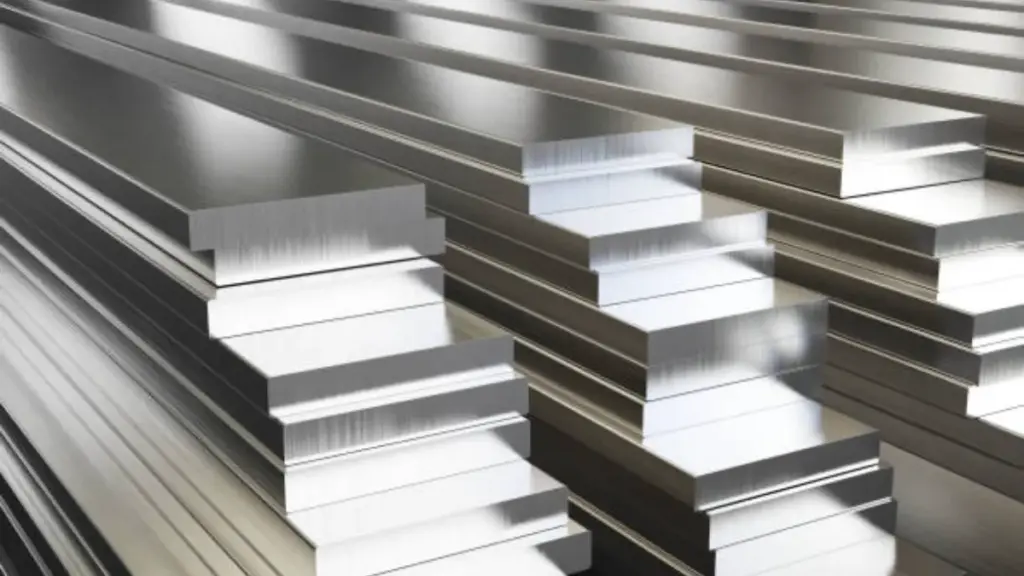
Il blocco motore è la spina dorsale strutturale di qualsiasi motore a combustione interna. Ospita i cilindri, passaggi del liquido di raffreddamento, gallerie dell'olio, e punti di montaggio praticamente per tutti i principali componenti del motore. La scelta del materiale giusto per questa parte critica non è solo una decisione ingegneristica: è un processo di produzione, costo, e decisioni relative alle prestazioni che incidono sull’intero ciclo di vita del veicolo. COSÌ, di che materiale sono fatti i blocchi motore?, e perché è così importante? Questo articolo analizza tutto, dalla tradizionale ghisa alle moderne leghe di alluminio, ed esplora come la pressofusione di precisione stia rimodellando la produzione di blocchi motore.
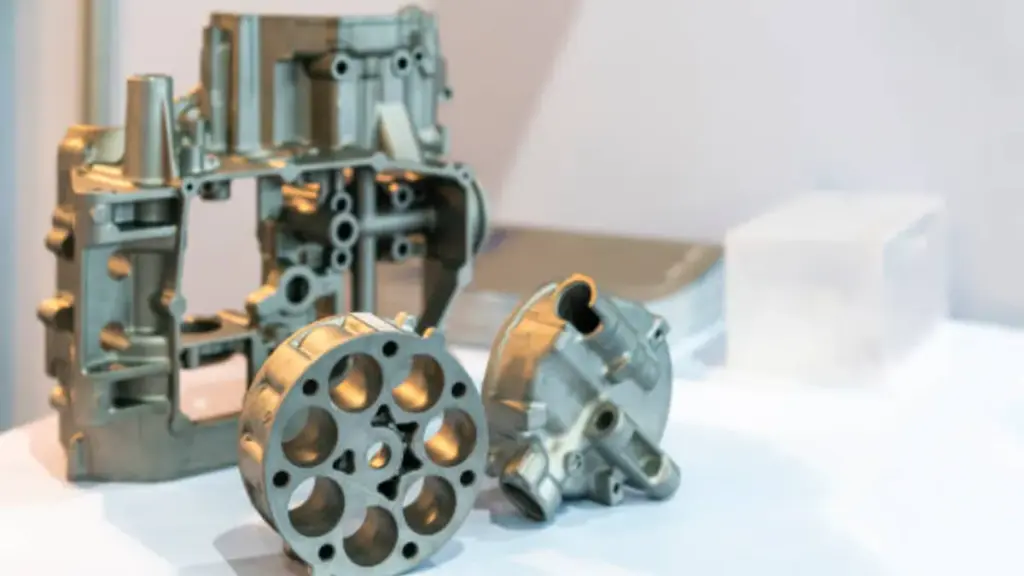
I materiali più comuni utilizzati oggi nei blocchi motore
Storicamente, i blocchi motore erano realizzati quasi esclusivamente in ghisa grigia. È denso, forte sotto compressione, e relativamente economico da produrre mediante fusione in sabbia. Per decenni, ha servito bene l'industria automobilistica, in particolare negli autocarri pesanti, motori diesel, e V8 di grande cilindrata dove la forza bruta era la priorità.
Tuttavia, il panorama automobilistico moderno è cambiato radicalmente. Norme sul risparmio di carburante, norme sulle emissioni, e l’avvento dei motori turbocompressi di piccola cilindrata hanno favorito un’importante transizione verso la lega di alluminio come materiale principale per la produzione dei blocchi motore.
Oggi, i due materiali dominanti sono:
- Lega di alluminio (per esempio., ADC12, A380, AlSi9Cu3) — utilizzato nella maggior parte dei motori delle autovetture
- Ghisa grigia/a grafite compatta – ancora prevalente nei motori diesel, camion pesanti, e applicazioni ad alte prestazioni
Un piccolo numero di applicazioni speciali utilizza anche leghe di magnesio o materiali compositi, ma questi rimangono di nicchia a causa dei costi e della complessità della produzione.
Alluminio contro ghisa: Quale materiale del blocco motore vince
Il dibattito tra alluminio e ghisa non riguarda semplicemente quale sia “Meglio” — si tratta di abbinare le proprietà del materiale ai requisiti dell'applicazione. Ciascuno presenta vantaggi e compromessi distinti.
| Proprietà | Lega di alluminio | Ghisa Grigia |
|---|---|---|
| Densità | ~2,7 g/cm³ (leggero) | ~7,2 g/cm³ (pesante) |
| Conducibilità termica | ~150–200 W/m·K (eccellente) | ~40–50 W/m·K (moderare) |
| Resistenza alla compressione | Moderare (richiede rinforzo) | Alto (eccellente sotto carico) |
| Dilatazione termica | ~23 µm/m·K (più alto) | ~11 µm/m·K (inferiore) |
| Lavorabilità | Eccellente (Più veloce, minore usura degli utensili) | Bene (ma più lento, maggiore usura dell'utensile) |
| Riciclabalità | Molto alto (Tasso di recupero di circa il 95%.) | Alto (ma rifusione ad alta intensità energetica) |
| Applicazione tipica | Autovetture, ibridi, Veicoli elettrici | Diesel, pesante, motori da corsa |
Per la maggior parte delle moderne applicazioni per veicoli passeggeri, la lega di alluminio è il chiaro vincitore. Ma per motori diesel ad alta compressione o applicazioni in cui la rigidità del blocco sotto carico estremo è fondamentale, la ghisa mantiene ancora la sua posizione.
Conduttività termica e peso
Due proprietà guidano costantemente la selezione dei materiali per i blocchi motore: conducibilità termica e peso.
Conducibilità termica determina l'efficienza con cui il calore viene trasferito lontano dalle zone di combustione. L’alluminio dissipa il calore circa 3-4 volte più velocemente della ghisa. Nei moderni motori turbocompressi e ad alti regimi, questa differenza è fondamentale poiché riduce il rischio di hotspot, migliora l'efficienza della combustione, e consente tolleranze da foro a foro più strette. Una gestione efficace del calore significa anche che il sistema di raffreddamento può funzionare in modo più efficiente, contribuendo al risparmio complessivo di carburante del veicolo.
Riduzione del peso è altrettanto avvincente. Un blocco motore in alluminio pesa tipicamente il 40-50% in meno rispetto al suo equivalente in ghisa. A livello di sistema del veicolo, questa riduzione abbassa il baricentro, migliora il rapporto peso/potenza, e sostiene direttamente gli obiettivi di efficienza del carburante. Per gli OEM sotto pressione per soddisfare gli standard CAFE o EU CO₂ per le flotte, la riduzione di 20-30 kg del gruppo propulsore rappresenta un vantaggio competitivo significativo.
Insieme, Queste due proprietà spiegano perché l’alluminio è diventato il materiale scelto per i blocchi motore della maggior parte delle nuove piattaforme di autovetture lanciate negli ultimi vent’anni.
Perché la lega di alluminio domina la moderna produzione di blocchi motore
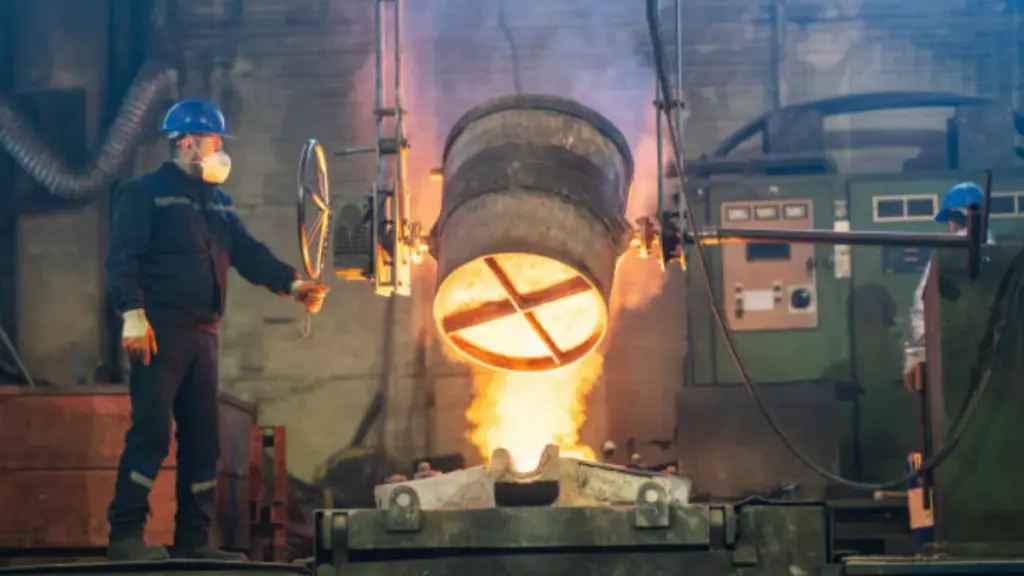
Oltre la prestazione, Il predominio dell’alluminio è guidato anche dall’economia manifatturiera. Le leghe di alluminio sono altamente compatibili con la pressofusione ad alta pressione (HPDC), un processo che consente geometrie complesse a forma di rete, pareti sottili, e funzionalità integrate come i condotti del refrigerante, tutto in un unico colpo. Ciò riduce drasticamente il numero di operazioni di lavorazione secondaria rispetto ai blocchi di ghisa in sabbia.
OEM e livelli moderni 1 i fornitori hanno investito molto nelle infrastrutture di pressofusione dell’alluminio perché sono in linea con tre priorità strategiche:
- Obblighi di alleggerimento guidati dalle normative globali sulle emissioni
- Elettrificazione — I propulsori elettrici e ibridi si affidano alle compatte, componenti strutturali leggeri in alluminio
- Efficienza produttiva — tempi ciclo più brevi e costi di post-lavorazione inferiori rispetto alla fusione in ghisa
Capire di che materiale sono fatti i blocchi motore nei veicoli di oggi porta quasi sempre all'alluminio, in particolare le leghe di alluminio pressofuso ottimizzate per la fluidità della fusione, resistenza meccanica, e compatibilità post-elaborazione.
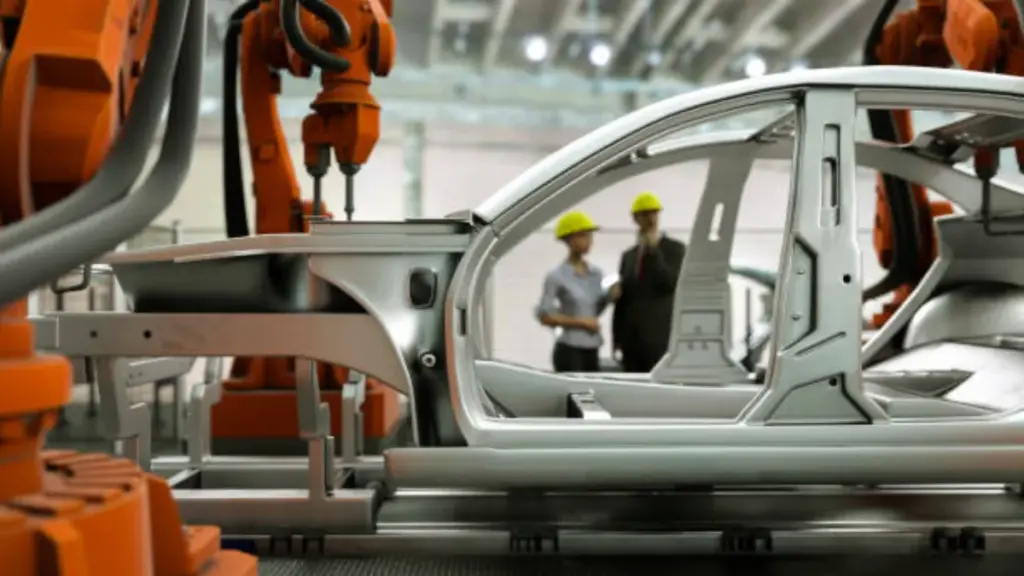
I blocchi motore in alluminio sono solo una parte del più ampio cambiamento in ciò che è moderno sono fatte le automobili nell’era della produzione leggera.
HPDC vs fusione per gravità
Non tutti i processi di fusione dell’alluminio sono uguali. I due metodi principali utilizzati per i blocchi motore sono la pressofusione ad alta pressione (HPDC) e colata per gravità (compresa la fusione in stampo permanente a bassa pressione). Ciascuno produce una microstruttura diversa e quindi proprietà meccaniche diverse.
HPDC inietta alluminio fuso in uno stampo di acciaio a pressioni di 700–1.000 bar. La rapida solidificazione produce una microstruttura a grana fine con eccellente finitura superficiale e consistenza dimensionale. Tuttavia, l'iniezione ad alta velocità può intrappolare aria, creazione di porosità: una preoccupazione fondamentale nei componenti che sopportano pressione come i blocchi motore. Le linee HPDC avanzate mitigano questo problema attraverso la pressofusione assistita sotto vuoto, controllo della temperatura dello stampo in tempo reale, e design ottimizzato del gate.
Colata per gravità riempie il dado sotto la sola forza gravitazionale, con conseguente solidificazione più lenta e una struttura a grana più grossolana. Mentre la porosità è inferiore a causa del riempimento più delicato, i tempi di ciclo sono più lunghi e lo spessore della parete deve generalmente essere maggiore per garantire la completezza del riempimento. Questo processo è spesso preferito per componenti critici per la sicurezza o ad alta integrità in cui la solidità interna ha priorità rispetto al tempo di ciclo.
Per la produzione di blocchi motore automobilistici in grandi volumi, L'HPDC, in particolare l'HPDC assistito dal vuoto, è diventato lo standard del settore, offrendo la velocità, precisione, e l’efficienza dei materiali richiesta su larga scala.
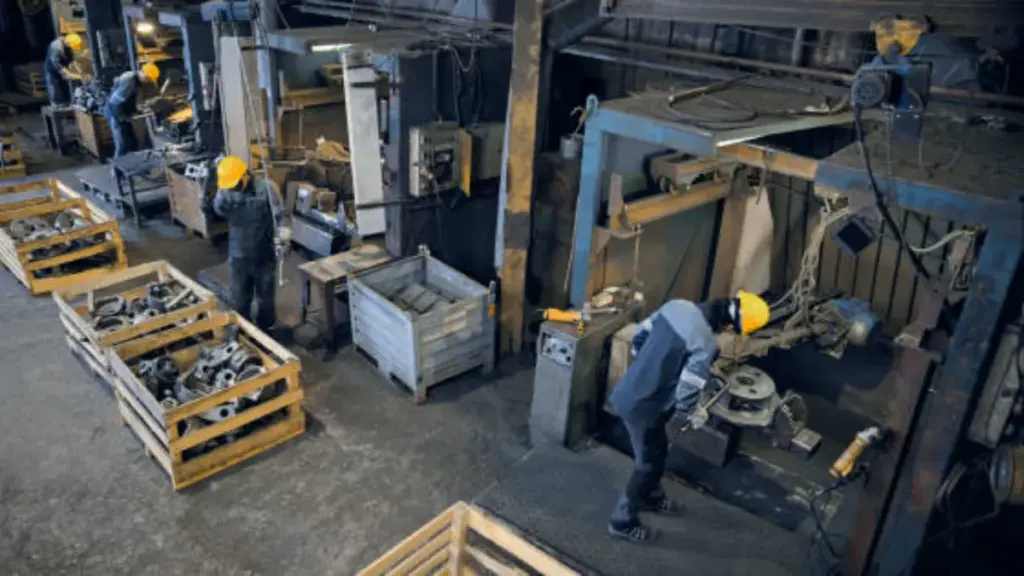
Leghe ADC12 e AlSi: Controllo della porosità nei blocchi motore pressofusi
La lega specifica scelta per la pressofusione di un blocco motore ha un impatto diretto sulla porosità, restringimento, e prestazioni meccaniche. Tra le leghe più utilizzate troviamo l'ADC12 (equivalente all'A383) e AlSi9Cu3 (ENAC-46000).
| Lega | Se Contenuto | Caratteristica chiave | Uso tipico |
|---|---|---|---|
| ADC12 / A383 | 9.6–12% | Ottima fluidità, basso ritiro, buona resistenza alla corrosione | Componenti generali del motore, alloggiamenti |
| AlSi9Cu3 (ENAC-46000) | 8–10% | Alta resistenza, buona lavorabilità, rischio di porosità moderata | Blocchi motore strutturali, teste dei cilindri |
| AlSi12 (A413) | 11–13% | Migliore fluidità, ritiro più basso, ideale per colate a parete sottile | Blocchi di geometria complessa, componenti integrati |
| A380 | 7.5–9,5% | Forza e lanciabilità bilanciate, ampiamente disponibile | Parti strutturali automobilistiche, Standard del mercato nordamericano |
Il controllo della porosità è la sfida centrale nei blocchi motore pressocolati. La porosità interna (vuoti microscopici lasciati dal gas intrappolato o dal ritiro) può compromettere l'integrità della pressione e la durata a fatica. I migliori produttori affrontano questo problema:
- Pressofusione assistita sotto vuoto per rimuovere l'aria dalla cavità prima dell'iniezione
- Simulazione del flusso dello stampo (Magmasoft, Flusso-3D) per ottimizzare la posizione del cancello e la sequenza di riempimento
- Ispezione radiografica e TC per verificare la solidità interna dei componenti critici
- Temperatura dello stampo controllata per gestire il fronte di solidificazione e minimizzare la porosità da ritiro
Quando la porosità è controllata al di sotto 0.5% in volume nelle zone critiche, I blocchi motore in alluminio pressofuso possono raggiungere valori di tenuta ai gas paragonabili o superiori alle alternative in ghisa in sabbia.
Soluzioni di pressofusione di alluminio di precisione per la produzione di blocchi motore
Per OEM e Tier 1 fornitori che acquistano componenti di motori in alluminio pressofuso, la scelta del partner produttivo conta tanto quanto la scelta della lega. BIAN Il cast (Foshan Nanhai Beyond Metal Co., Ltd.) è un produttore unico di pressofusione di alluminio in Cina, offrendo servizi completamente integrati dallo sviluppo degli utensili fino al prodotto finito, componenti controllati pronti per il montaggio.
Le capacità di BIAN Die Cast includono:
- Pressofusione a camera fredda con macchine che vanno da 160 T a 1.250 T, coprendo piccoli componenti di staffe fino a grandi alloggiamenti motore e blocchi strutturali
- Lavorazione CNC interna con 100+ centri di lavoro multiasse per la finitura di fori, lavorazione superficiale critica, e caratteristiche di stretta tolleranza
- Pressofusione sotto vuoto e analisi del flusso dello stampo per applicazioni automobilistiche sensibili alla porosità
- Trattamento superficiale completo capacità: rivestimento in polvere, anodizzazione, galvanica, e passivazione
- IATF 16949 e ISO 9001 certificato sistemi di qualità, con CMM, Raggi X, spettroscopia, e test in nebbia salina interni
Oltre la Cina, BIAN opera a Pianta del Messico per servire i clienti nordamericani con produzione near-shore, tempi di realizzazione ridotti, e soluzioni di catena di fornitura favorevoli alle tariffe. Questo “Cina + Messico” Il modello a doppia base offre ai clienti OEM la resilienza della catena di fornitura e la capacità di ottimizzare l'efficienza dei costi e la velocità di consegna.
Esplora la gamma completa di BIAN prodotti di pressofusione E parti automobilistiche, oppure contatta direttamente il team per discutere i requisiti di approvvigionamento dei componenti del motore.
FAQ
Il blocco motore in alluminio è davvero più costoso della ghisa??
La risposta dipende da come lo definisci “costo.” Il costo della materia prima dell’alluminio è maggiore per chilogrammo rispetto alla ghisa. Tuttavia, quando si tiene conto dell’intera economia della produzione, l'alluminio spesso esce in vantaggio:
- Tempi di ciclo più rapidi in HPDC rispetto alla fusione in sabbia per il ferro
- Lavorazione notevolmente inferiore è richiesto a causa della capacità di pressofusione a forma quasi netta
- Minore usura degli utensili sulle apparecchiature CNC per la lavorazione dell'alluminio rispetto al ferro
- Peso di spedizione più leggero riduce il costo logistico per unità
- Valore di scarto più elevato — l’alluminio recupera l’85–95% del suo valore materiale alla fine del suo ciclo di vita
Per la produzione automobilistica in grandi volumi, il costo totale di proprietà di un blocco motore in alluminio pressofuso è spesso competitivo o inferiore rispetto a un blocco equivalente in ghisa quando sono inclusi tutti i processi successivi.
Quanto dura un blocco motore in alluminio?
Un blocco motore in alluminio adeguatamente progettato e prodotto può durare l'intera vita utile del veicolo, in genere 200,000 miglia o più in condizioni operative normali. Le variabili chiave sono la selezione della lega, Trattamento termico, rinforzo dell'alesaggio del cilindro (tramite rivestimenti in ghisa o rivestimenti a spruzzo termico), e la qualità del processo di pressofusione stesso. Difetti di porosità, se presente, sono la fonte più comune di fallimento prematuro, ecco perché rigorosi test a raggi X e di pressione sono essenziali nella produzione di livello automobilistico.
Un blocco motore in alluminio può gestire motori diesel ad alta compressione?
Questa è l'applicazione principale in cui la ghisa conserva un vantaggio. Motori diesel ad alta compressione: applicazioni commerciali particolarmente pesanti che funzionano a 18:1 A 22:1 rapporti di compressione: sottopone il blocco a pressioni estreme del cilindro e cicli termici. La minore resistenza alla compressione dell’alluminio e il coefficiente di dilatazione termica più elevato creano sfide di montaggio e tenuta a questi estremi. Tuttavia, moderna ghisa a grafite compattata (CGI) e le leghe di alluminio avanzate con strutture dei fori rinforzate stanno iniziando a sfidare questo presupposto anche nelle applicazioni diesel di media portata.
Quale lega è più comunemente utilizzata nei blocchi motore in alluminio?
ADC12 (Standard giapponese/asiatico) e il suo equivalente A383 (Standard nordamericano) sono le leghe più utilizzate nei componenti dei motori pressofusi a livello globale, grazie alla loro eccellente combinazione di fluidità di lancio, stabilità dimensionale, e resistenza alla corrosione. Per applicazioni strutturali ad alta resistenza nelle piattaforme automobilistiche europee, AlSi9Cu3 (ENAC-46000) è la lega preferita. Tutte queste leghe vengono regolarmente lavorate tramite HPDC con assistenza del vuoto per il blocco motore e i componenti strutturali adiacenti al motore.