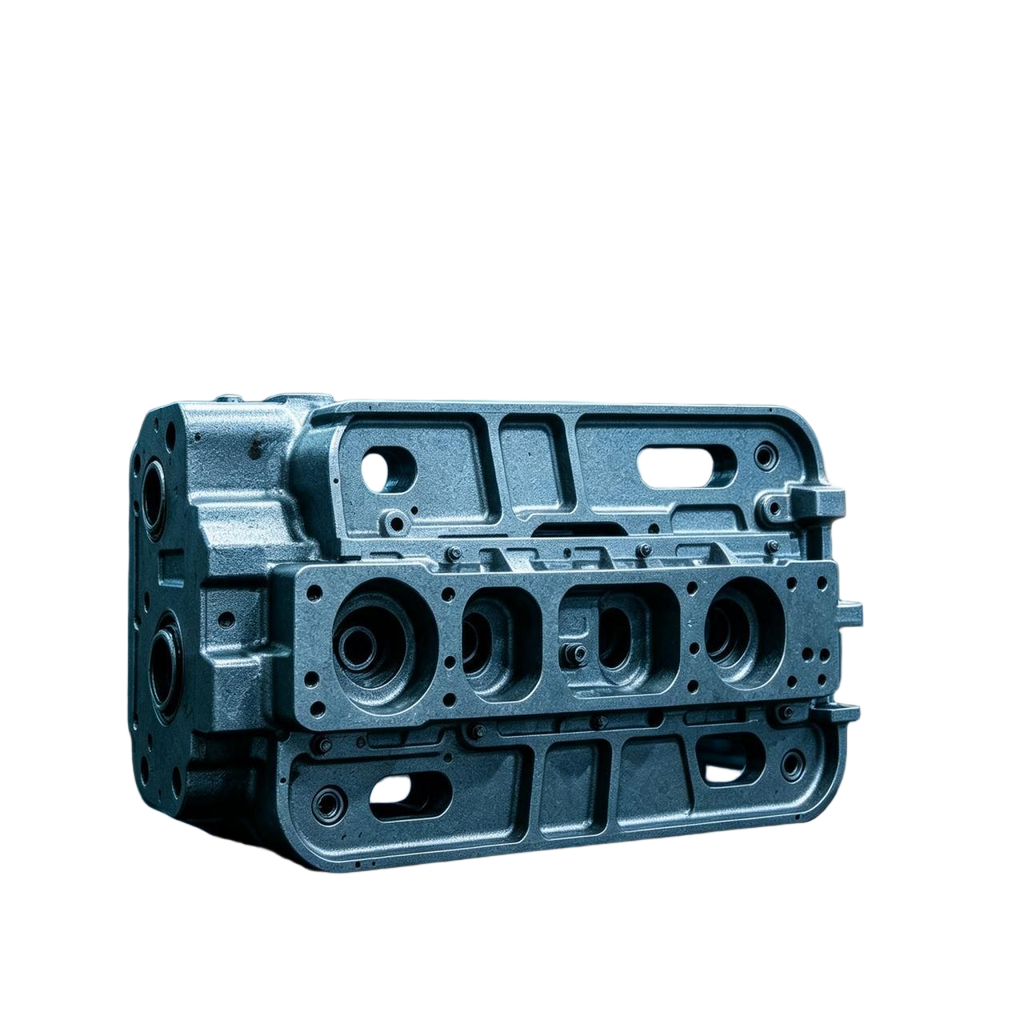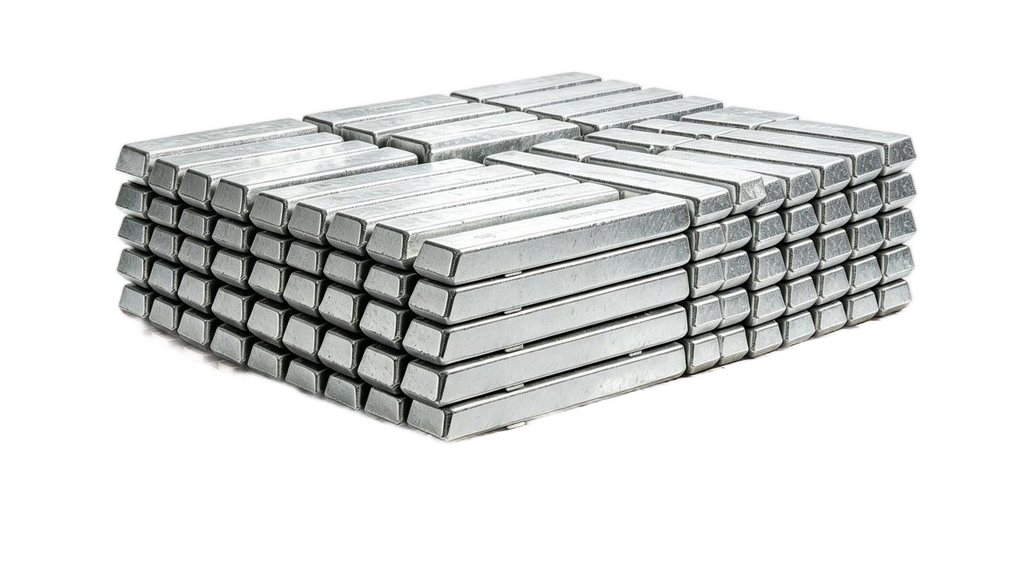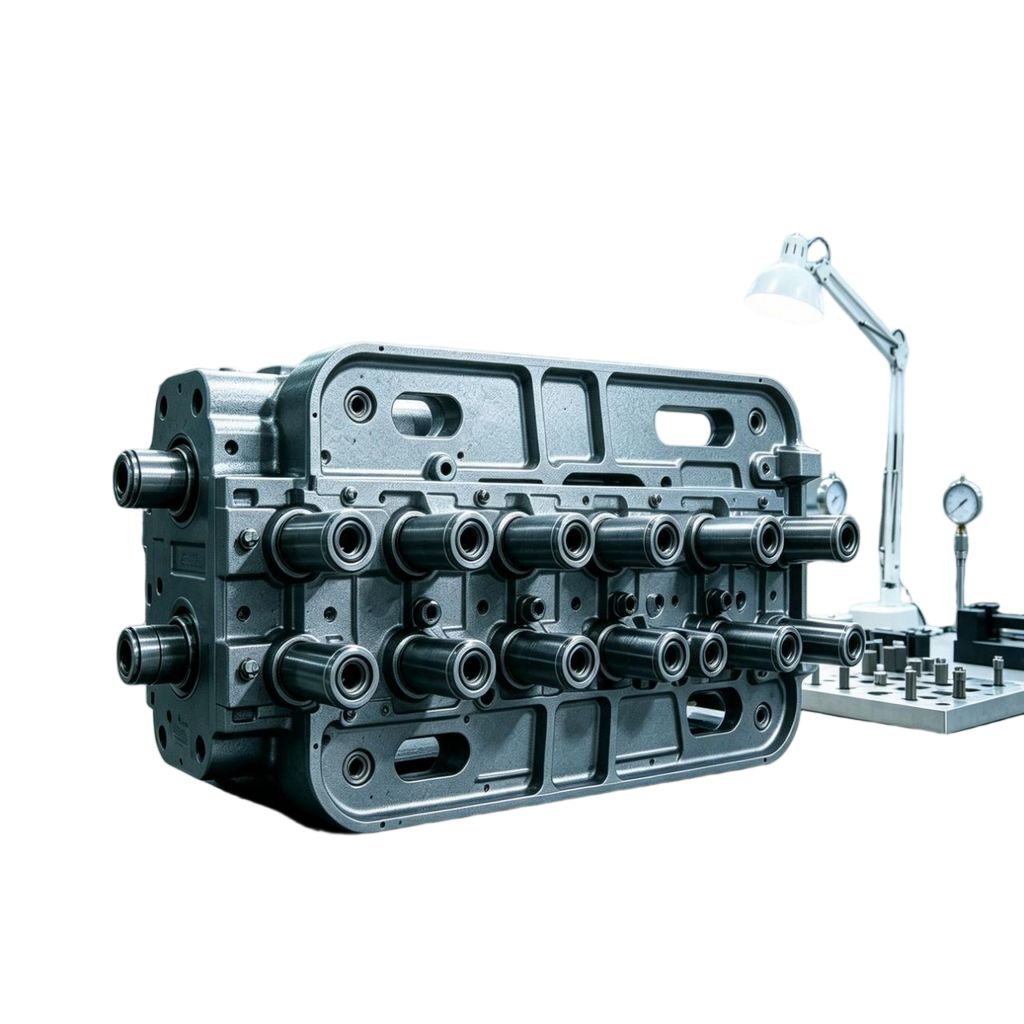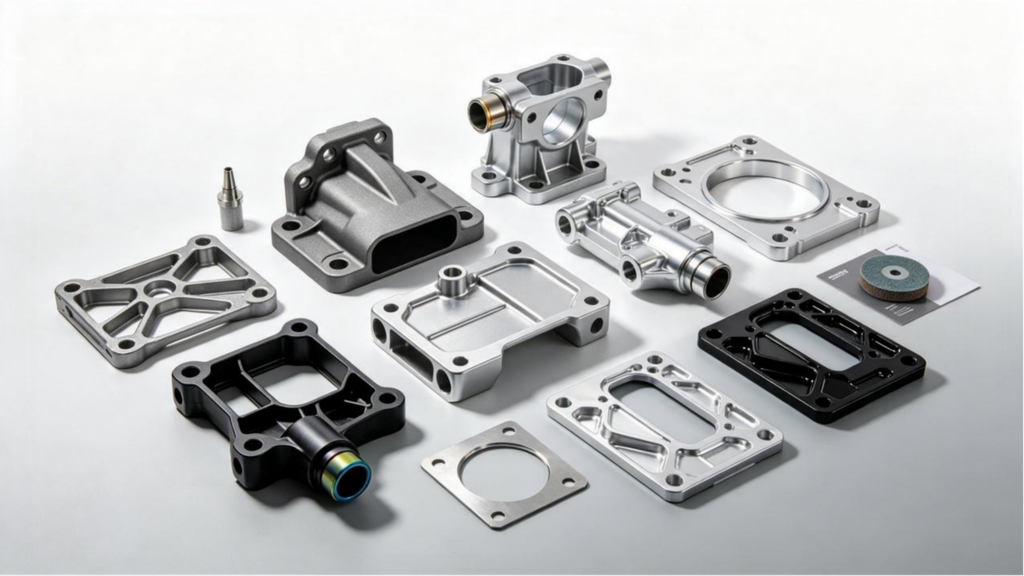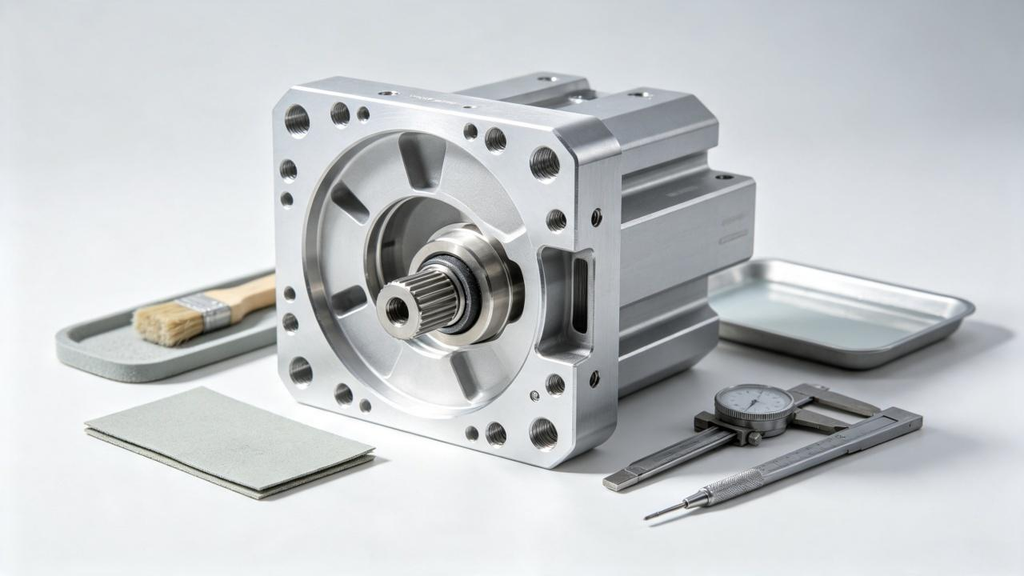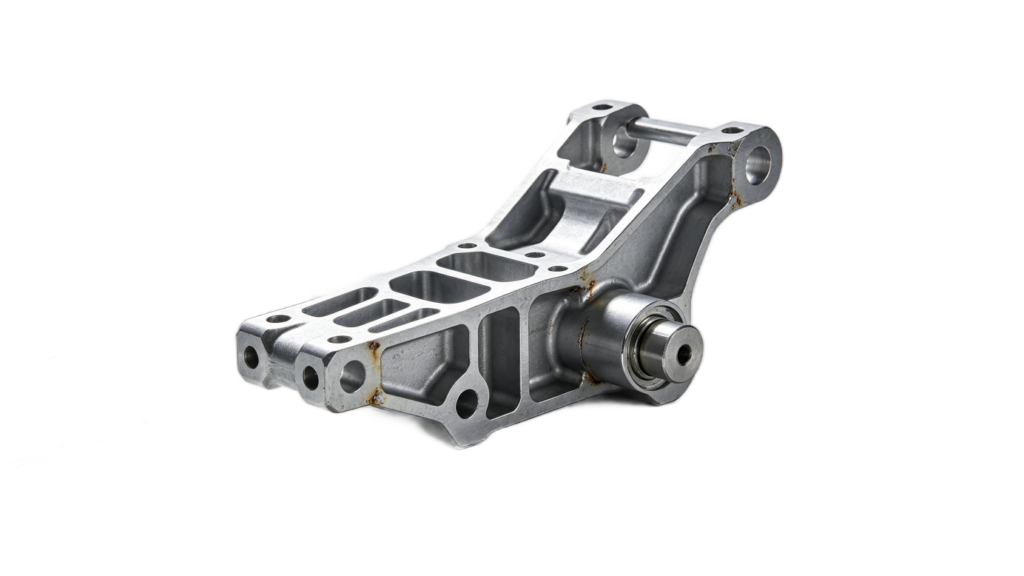
Zinc die casting is a manufacturing process in which molten zinc alloy is injected into a precision steel mold cavity under high pressure, producing high-precision, complex-shaped metal components. Zinc alloys offer exceptional fluidity, good electrical and thermal conductivity, excellent corrosion resistance, and minimal tool wear – making them particularly suitable for high-volume production of intricate, thin-walled, high-precision, and high-surface-quality parts.
Zinc die castings are widely used in automotive precision parts, electronic and electrical components, locks and hardware, telecom enclosures, plumbing fittings, and medical devices. The superior castability and excellent plating/painting compatibility of zinc alloys make them the ideal material choice for both decorative and functional precision components.
Why Choose Zinc Die Casting?
Exceptional fluidity – Zinc alloys offer significantly superior fluidity compared to aluminum, capable of filling complex thin-wall areas and fine details with wall thicknesses down to 0.5mm – reducing the need for secondary machining on intricate features.
Extended tool life – Zinc’s lower melting point (approximately 380-390℃) compared to aluminum (640-680℃) significantly reduces thermal shock on dies – resulting in mold life of 200,000-500,000 shots – 2-5 times longer than aluminum molds – significantly lowering per-part tooling amortization costs.
Good mechanical properties – Zinc alloys provide excellent strength, hardness, and toughness – meeting the mechanical requirements of functional structural components. Tensile strength of some grades can reach 280-440 MPa, exceeding standard aluminum alloys.
High dimensional precision – Zinc die castings achieve excellent dimensional stability and accuracy up to IT5-IT7 – many features can be cast to final dimensions, eliminating secondary machining and reducing overall manufacturing costs.
Surface finishing friendly – Zinc alloy surfaces readily accept plating (chrome, nickel, zinc, etc.), painting, powder coating, and chemical conversion coatings – high gloss and excellent appearance after electroplating – widely used in decorative components.
Good electrical and thermal conductivity – Suitable for electrical and electronic applications such as grounding terminals, conductive connectors, and thermal management components.
Good corrosion resistance – Zinc alloys provide good atmospheric corrosion resistance – further enhanced through appropriate surface treatments for indoor and outdoor applications.
Economical production cost – Lower casting temperatures reduce energy consumption – extended tool life lowers tooling amortization – high material utilization with recyclable scrap – strong cost competitiveness in precision component manufacturing.
100% recyclable – Zinc scrap and returns can be fully recycled – supporting environmental and sustainability requirements.
Common Die Casting Zinc Alloys – Compari
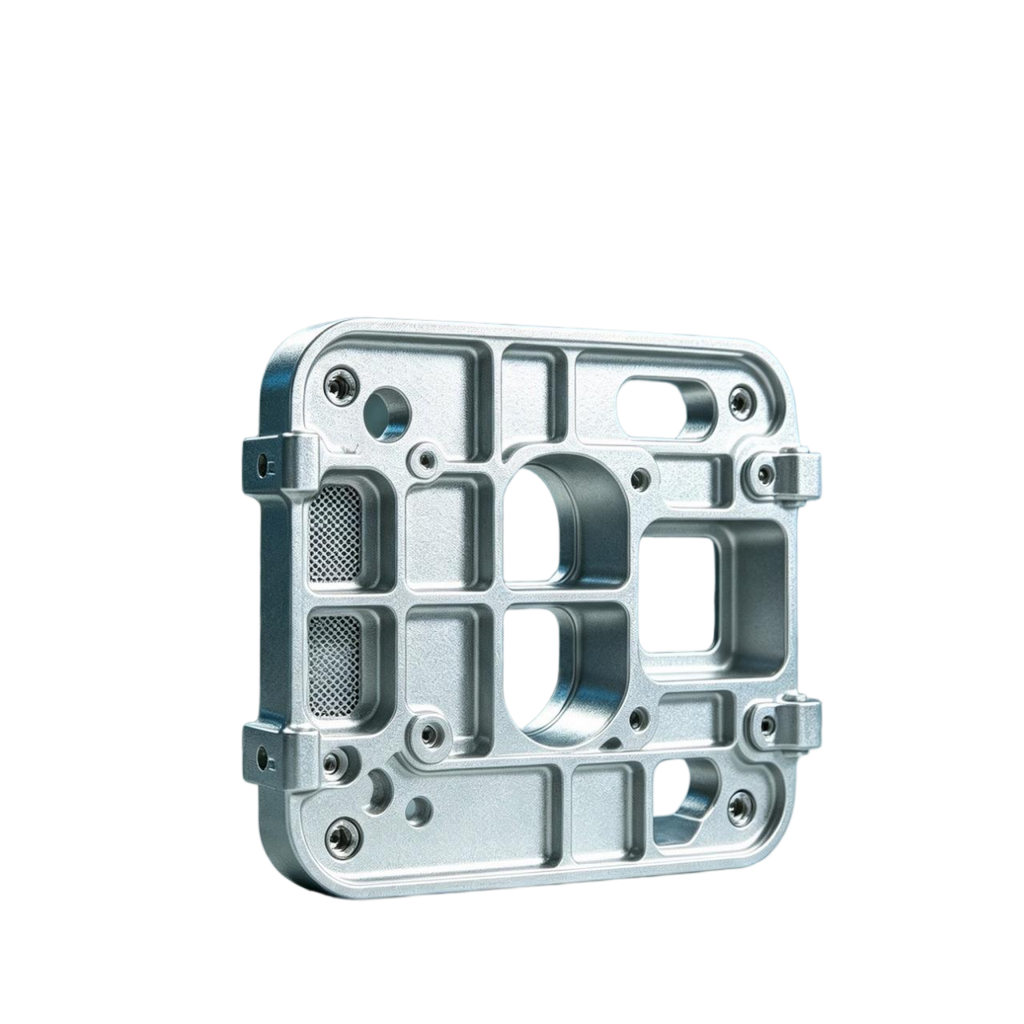
Our Zinc Die Casting Capabilities:
- Raw materials: Zamak 3 / Zamak 5 / Zamak 2 / ZA series (other grades available upon request)
- Casting method: Hot-chamber die casting (precision small parts – high efficiency, excellent surface quality)
- Clamping force range: 88T – 1,800T (covering precision parts to medium-large components)
- Part weight range: 0.001kg – 10kg
- Minimum wall thickness: down to 0.5mm (suitable for precision thin-wall parts)
- Dimensional accuracy: up to IT5-IT7
- Tool life: 200,000 – 500,000 shots (zinc alloy characteristic)
- Post-processing: CNC machining, drilling/tapping, deburring, surface finishing (plating/painting/powder coating)
- Surface finishing: Electroplating (chrome/nickel/zinc), powder coating, liquid painting, chemical conversion coatings, etc.
- Quality certifications: IATF 16949 (automotive quality management) / ISO 9001
Typical Applications of Zinc Die Castings:
- Automotive Components – Sensor housings, door lock mechanisms, seat latches, seatbelt buckles, shift mechanism housings, parking brake assemblies, sunroof rail components, instrument panel structural parts, HVAC actuator components, fuel system parts, airbag housings
- Electronic & Electrical – Relay housings, contactor housings, circuit breaker components, capacitor housings, connector housings, thermostat housings, potentiometer enclosures, terminal blocks, switch panel internal structures, security sensor housings
- Locks & Hardware – Smart lock housings, lock cylinder components, handle bases, hinge components, door stops, window hardware, furniture hardware
- Plumbing & Bathroom – Faucet handles, shower brackets, bath accessories, shower components, bathroom fixture bases, angle valve housings
- Telecom Equipment – Fiber optic connector housings, antenna bases, communication interface housings, RF connector housings
- Medical Devices – Surgical instrument handles, dental handpiece housings, diagnostic equipment structural parts, medical cart hardware
- Consumer Goods – Luggage locks and buckles, zipper pullers, garment hardware fasteners, eyeglass frame hinges, stationery hardware
- Power Tools – Switch housings, speed control knobs, locking mechanisms, structural support brackets
The Significant Advantage of Extended Tool Life
- One of the most attractive features of zinc die casting is its exceptionally long tool life. Because zinc alloys have a lower melting point (approximately 380-390℃), significantly lower than aluminum alloy melting temperatures, zinc die casting molds experience substantially reduced thermal cycling stress – significantly delaying the onset of thermal fatigue cracks.
- Zinc die casting mold life: Typically 200,000-500,000 shots – simple molds can exceed 1,000,000 shots
- Aluminum die casting mold life: Typically 80,000-100,000 shots
- This means: With the same tooling investment, per-part tooling amortization costs for zinc die casting are significantly lower than aluminum – supporting the cost-effectiveness of high-volume production.
Zinc Alloy Die Casting Surface Treatment Advantages
A key advantage of zinc die castings is their excellent surface finishing adaptability:
- Excellent plating performance – Zinc alloys offer good plating adhesion – high gloss and strong adhesion after plating – particularly suitable for chrome, nickel, and zinc plating for decorative and functional applications. Zinc plated parts are widely used in automotive interior/exterior trims, plumbing hardware, and locks where appearance is critical.
- Good painting compatibility – Zinc alloy surfaces provide good adhesion for powder coatings and liquid paints – enabling multiple color and texture options.
- Chemical conversion coatings – Phosphating, passivation, and other chemical conversion treatments can be applied to enhance corrosion resistance and coating adhesion.
- No-treatment advantage – Many zinc parts achieve sufficient surface quality directly after casting – eliminating additional surface finishing costs.
Quality Control & Testing Capabilities:
- Incoming inspection: Zinc ingot chemical composition analysis (spectrometry)
- Process control: Real-time monitoring of die casting parameters (temperature, pressure, speed)
- First article inspection: CMM full dimensional report
- In-process inspection: SPC statistical process control
- Non-destructive testing: X-ray inspection (internal quality inspection)
- Functional testing: Leak testing, mechanical property testing (optional)
- Surface quality inspection: Visual inspection + surface roughness measurement
- Final inspection: Visual inspection + dimensional sampling + packaging verification
Why Choose Our Zinc Die Casting Services?
- Dual-facility advantage – Foshan, China + Monterrey, Mexico (20,000㎡ each) – provides localized logistics and after-sales support for North American customers, effectively reducing cross-border supply chain risks and transportation costs, with potential tariff benefits under the USMCA agreement.
- One-stop delivery capability – Tooling + Zinc die casting + CNC machining + Surface finishing (plating/painting) – all completed under one roof – customers manage one supplier instead of multiple vendors, significantly reducing supply chain management and communication costs.
- In-house tooling capabilities – Independent mold design and manufacturing – fully leveraging the extended tool life advantage of zinc alloys – ensuring tooling quality and casting efficiency from the source.
- Experienced engineering team – Deep technical expertise in zinc die casting – full-process technical support from DFM (Design for Manufacturability) and gating system design to production optimization.
- Comprehensive quality system – IATF 16949 certified – established end-to-end quality management system from incoming materials to shipment.
- Flexible partnership models – Supports custom tooling, contract die casting, and finished part delivery (including surface finishing) – service scope and delivery standards tailored to customer requirements.
Contact us for a zinc die casting project quote.