Half the purchase orders that say customized alloy need no custom metallurgy. The other half ask for a new alloy system and get quoted a development program nobody budgeted for. The phrase sits between what sourcing teams mean, that standard grades miss the requirement, and what foundries hear, that you want a new metal melted to order.
Both sides lose a week of emails before anyone asks the useful question, which level of customization the part actually needs. This guide maps that ladder and names what each alloying element buys. It gives the test for when a buyer should request a customized alloy, and when a stock grade is the honest answer.
What Customized Alloy Actually Means in Die Casting
A customized alloy, in practice, is any metal whose composition is chosen or adjusted beyond the default grade for a casting program. In high-pressure die casting that spans a ladder, not a switch. Picking a different stock grade is the bottom rung. Specifying tighter limits inside a standard’s published bands is the middle. Funding a proprietary composition from an ingot supplier is the top.
The distinction saves money in a specific way. Grade swaps reuse metal that already has a casting history, tool-wear data, and a supply chain. Proprietary compositions invent all three again. Buyers who can name which rung they stand on get honest quotes. Buyers who cannot get either an over-engineered development program or a foundry quietly substituting ADC12 and hoping nobody measures.
Four Levels of Customization, Cheapest First
Level 1 is picking a different stock grade. Every capable foundry carries more than one alloy, and the standards give real breadth. JIS offers ADC1, ADC3, ADC10, and ADC12. ASTM adds A356, A360, A380, A383, and A413. EN covers AC-44300, AC-46000, and AC-47100, and Chinese YL grades run YL102 through YL113. Same quote line, genuinely different behavior in the bath and across a heat sink.
Level 2 is choosing a cross-standard twin on purpose. ADC12 and A380 are near-twins, not identical. ADC12 carries more silicon, 9.6-12.0% against 7.5-9.5%, and less copper, 1.5-3.5% against 3.0-4.0%. The higher silicon flows thinner walls and resists hot tearing better, while the copper gap moves strength at temperature and corrosion behavior. The offset looks small on a certificate and is not small in production. See the alloy selection guide for the full standard menu.
Level 3 is trimming inside a standard’s band. Published ranges are ranges for a reason. Asking an ingot supplier to hold iron at 0.6% rather than drifting near the 1.3% ceiling, or to nudge magnesium to the top of its band, buys measurable differences in die soldering and strength. This is melt-control cooperation, not metallurgy invention: same grade name, disciplined chemistry, verified per heat on a spectrometer.
Level 4 is proprietary development. This is a new alloy system for a property wall no stock grade clears, such as thermal conductivity, elongation at temperature, or wear. Real programs carry real minimums and long qualification cycles, and only a small population of foundries and suppliers run them routinely.
What Each Element Is Buying You
Composition arguments get tractable once each element is tied to a property the part uses. Silicon gives fluidity, feedability, and less hot tearing, and it takes back ductility and machinability as its primary fraction climbs. Copper buys strength and hardness at the cost of corrosion resistance and die wear. Magnesium is the heat-treatable strength handle in Al-Si-Mg grades like A360, which holds 0.4-0.6% Mg. Iron under one percent fights die soldering, and above it forms brittle plates that ruin cutting edges. Manganese, added alongside iron, turns those plates into a script-like intermetallic that machines cleanly. The aluminum alloy overview covers these roles in the primary literature.
Two consequences buyers miss. Thermal and electrical conductivity fall as copper and silicon rise, which is why LED thermal modules moved toward low-copper, high-silicon compositions. And the same element that makes a casting easy to produce can make the next step, machining, welding, or anodizing, harder. The alloy decision is a process-chain decision, the same logic the alloy families guide walks through.
When to Ask for a Customized Alloy
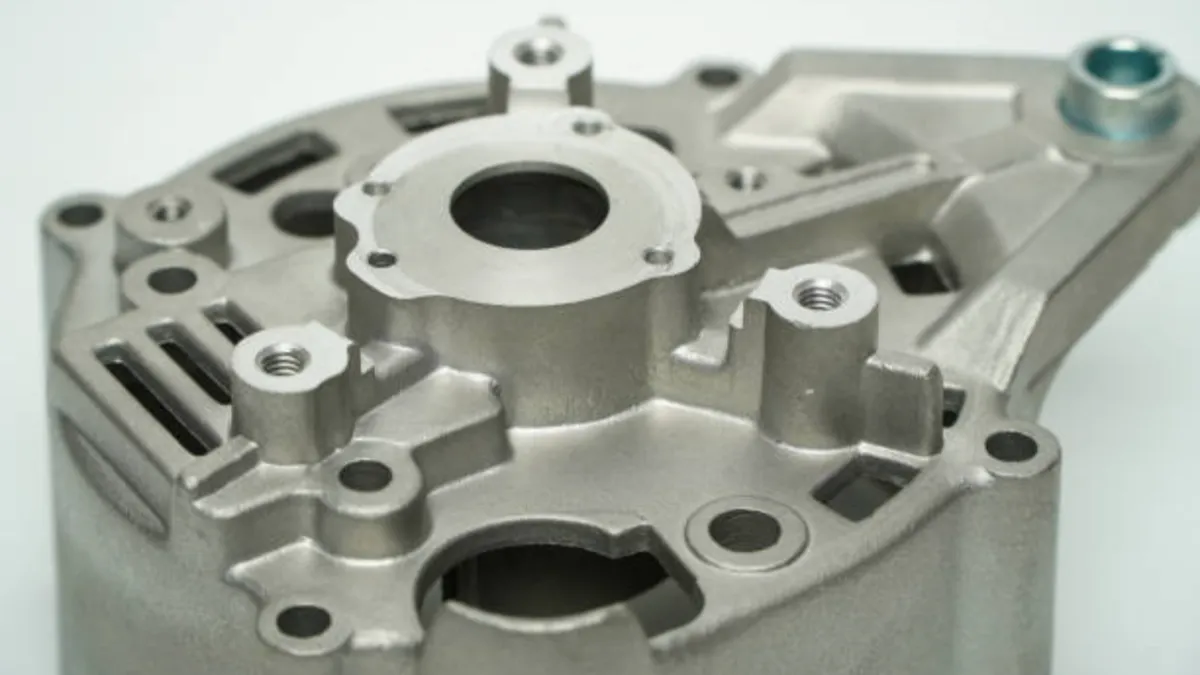
Ask when a measurable property wall blocks the part and the standard families cannot reach past it. The honest list is short. Sustained thermal conductivity beyond what low-copper Al-Si grades deliver. Elongation or impact duty that high-silicon grades fail. Anodized appearance as a contract term, which pushes toward 518-class Al-Mg. Welding or brazing duty, where A360 beats nearly everything else. Pressure-tight castings that need known porosity behavior.
Do not ask when the problem is geometry, process, or tolerance, three failure modes a new alloy cannot fix. Thin-wall fill belongs to gating and machine tonnage. Distortion belongs to die design and quench discipline. Surface complaints belong to blasting and coating. And do not ask if annual volume cannot support the minimum-order economics of a non-standard ingot. Standard-grade MOQs already step by part weight, and a special metal stacks a second minimum on top. The cost and ROI breakdown prices that trade-off.
The Price of Leaving the Standard Menu
| Dimension | Standard grade | Trimmed or special grade |
|---|---|---|
| Material sourcing | Open market, multiple suppliers | Single supplier or program-locked |
| Casting history | Published bands, decades of shop data | Built from trials on your program |
| Qualification | Certificate per heat, routine | Spectrometer, hydrogen, metallography per heat |
| Tooling wear | Known die-soldering behavior | Measured during the trial phase |
| Minimum order | Normal MOQ ladder | Ingot program minimum added |
| Lead time | Stock material | Development cycles before production |
The asymmetry to plan around is this. Every row on the right is recoverable with time and discipline, but none is recoverable with money alone. A special alloy found to solder to the die at shot forty does not un-solder because a certificate was signed. That is why the trial route below is not bureaucracy. It is the only cheap place to learn what the metal does.
How a Custom Alloy Request Should Run
Start with a property target sheet: the number you failed on, the environment it fails in, and the margin you need. Do not start with a composition wish. Take the standard-menu answer first and let the foundry prove it cannot reach, often by casting your geometry in the nearest stock grade. Only then open the trim or special-grade path, with the ingot supplier in the room, and define qualification up front. The die casting process overview frames why trial discipline matters at this step.
Qualification on a special metal should read like a checklist, not a promise. Composition is verified per heat on a direct-reading spectrometer. Melt hydrogen is checked before each pour. Metallography confirms the microstructure the spec assumes. Raw-material test reports arrive with every shipment. Those are the same checks our quality-control process runs on production heats. On a live program, run the special metal through the same sample gate as a standard job. Then trial lots are production lots with extra paperwork, not a parallel universe.
What a Die Caster Can Offer on Alloys
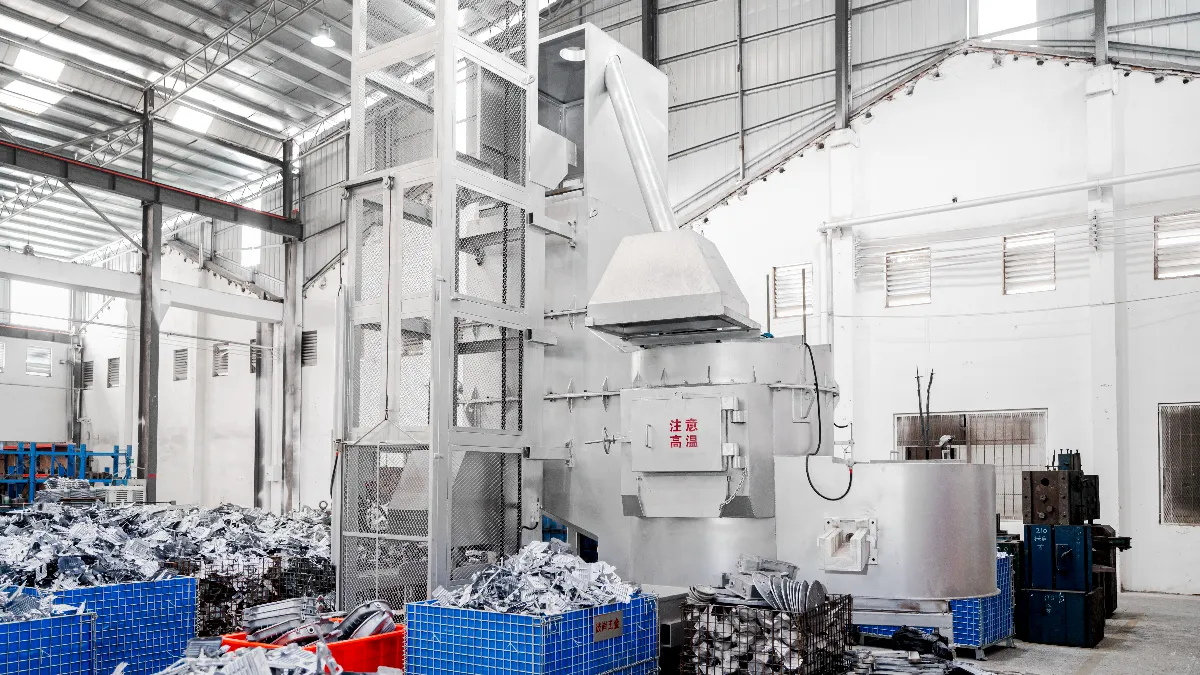
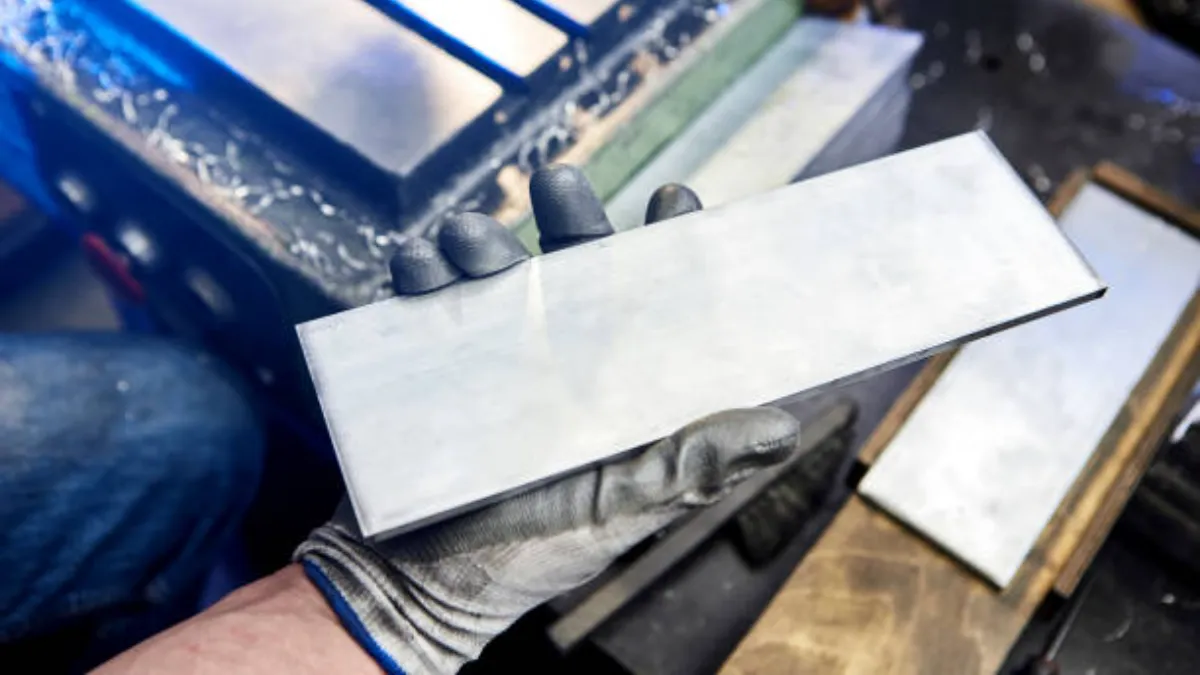
Fifteen years of LED housing work pushed our shop up this ladder further than most job shops, and the inventory shows it. The standard menu covers ADC12, ADC1, DC1, A360, A380, YL102, and LM6, plus European EN AC-44300, AC-46000, and AC-47100. Above that sit designated high-thermal-conductivity special grades for heat-flow parts. In-house melting with returned-scrap control and per-heat spectrometer verification keeps those grades honest in production, not only on paper.
What we do not claim is smelter chemistry on demand for every drawing that says custom. If the answer is Level 4 proprietary development, we bring in the ingot supplier. We run it through the trial route above and quote it as a program, not a purchase order. For the standard end of the ladder, our write-up on customized aluminum alloys covers the material side. When the property wall is real, bring the target sheet to the contact page and the ladder rung gets identified in one call.
Final Thoughts
Most requests for a customized alloy are really requests for a better-fitting standard grade, or tighter melt control inside a known band. Both are cheap and fast. A true proprietary alloy is neither, and it earns its cost only when a measured property wall blocks the part and the volume can carry the minimums. Name your rung on the ladder, verify the metal per heat, and let samples rather than certificates settle the decision.
Common Questions About Custom Alloys
Is a customized alloy more expensive than ADC12?
Grade swaps inside the standard menu cost little more than the metal itself, since A360 versus ADC12 is a drawing note. Trimmed bands add melt-control and verification effort. Proprietary development adds ingot program minimums, trial cycles, and qualification. That is where the real money and calendar sit, which is why the standard menu gets exhausted first.
What is the difference between ADC12 and A380?
Both are Al-Si-Cu die-casting workhorses, but ADC12 under JIS runs 9.6-12.0% silicon with 1.5-3.5% copper. A380 under ASTM runs 7.5-9.5% silicon with 3.0-4.0% copper. ADC12 fills thinner walls and resists hot tearing better, while A380 gives a modest strength and hardness edge with worse corrosion behavior. They substitute often, so validate rather than assume.
Can a foundry develop a new alloy for my part?
Most job shops cannot do it alone, since primary alloy development belongs to smelters and ingot suppliers. What a foundry brings is melt control, spectrometer verification, trial casting, and tooling-wear data. The realistic ask is a trimmed standard grade or a supplier’s existing special alloy, not a bespoke composition developed for one program’s volume.
How do I verify a custom alloy shipment is correct?
Three checks close the loop. Run a direct-reading spectrometer on every heat against the agreed bands. Test melt hydrogen before pour, since porosity risk no certificate predicts. Confirm the microstructure metallographically against the design assumption. Shipments should arrive with raw-material test reports, so insist on them before the first audit lot.