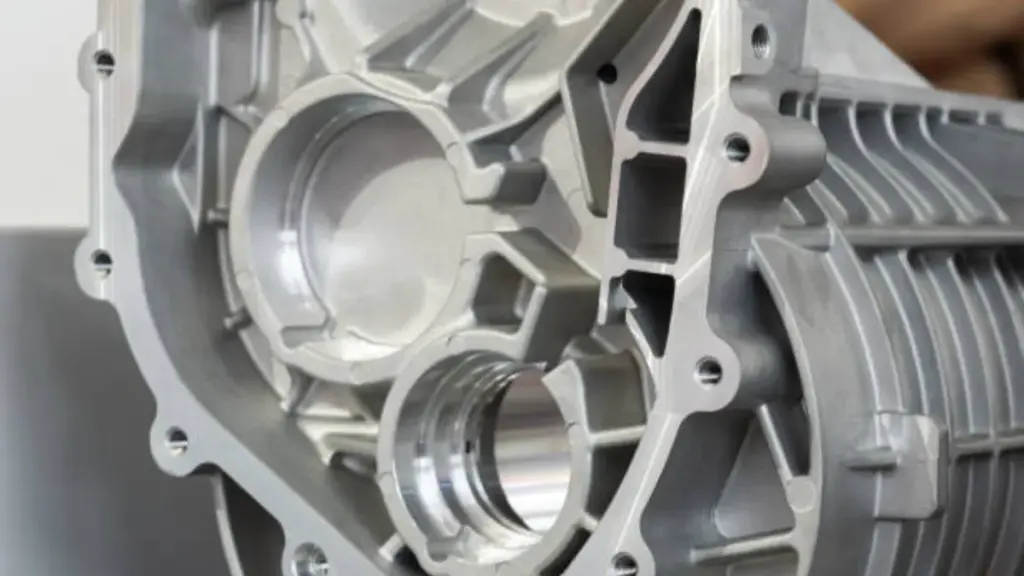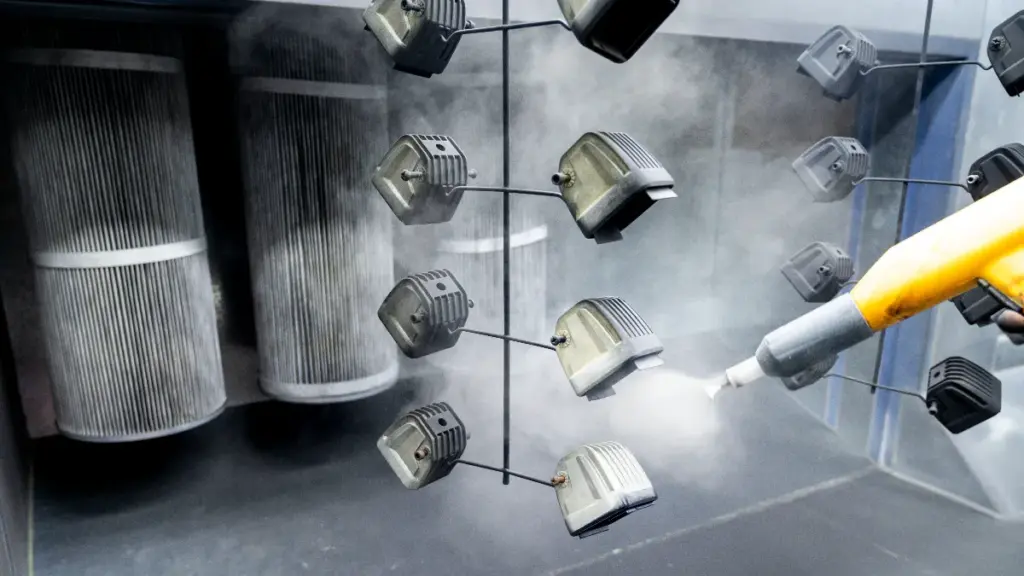
In today’s highly competitive manufacturing landscape, material selection often determines a product’s ultimate performance, reliability, and cost-effectiveness. Aluminum alloy die casting, with its lightweight properties, high strength, and excellent formability, has become a core process across numerous industries—automotive, electronics, telecommunications, aerospace, and beyond. In this materials arena, customized aluminum alloys are emerging as the preferred choice for an increasing number of customers, thanks to their higher purity, tighter composition control, and precise alignment with diverse product performance requirements.
Why “Customized”? — Comparing Standard Alloys vs. Custom Alloys
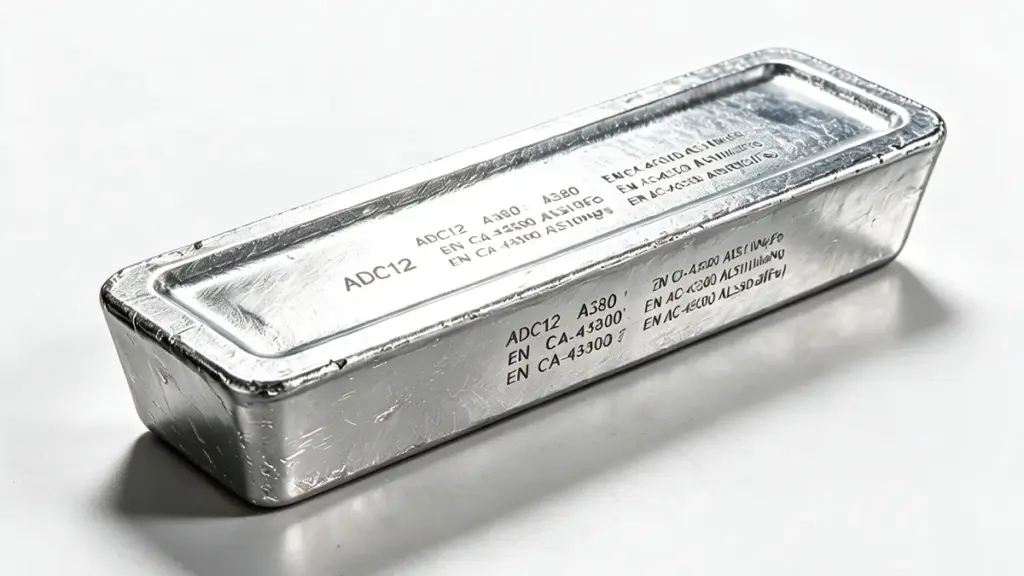
Standard aluminum alloy grades such as ADC12, A360 and A380 are widely adopted due to their good casting performance and balanced cost-effectiveness. Among them:
- A380 is the most common choice for general die casting applications, offering a practical balance among castability, structural utility, and production economy. It is extensively used in housings, brackets, frames, and other medium-to-high-volume castings.
- ADC12/383 is prized for its excellent fluidity, making it particularly suitable for complex-shaped parts with thin walls or fine structural features. It is widely specified in automotive, electronics, and Asian manufacturing supply chains.
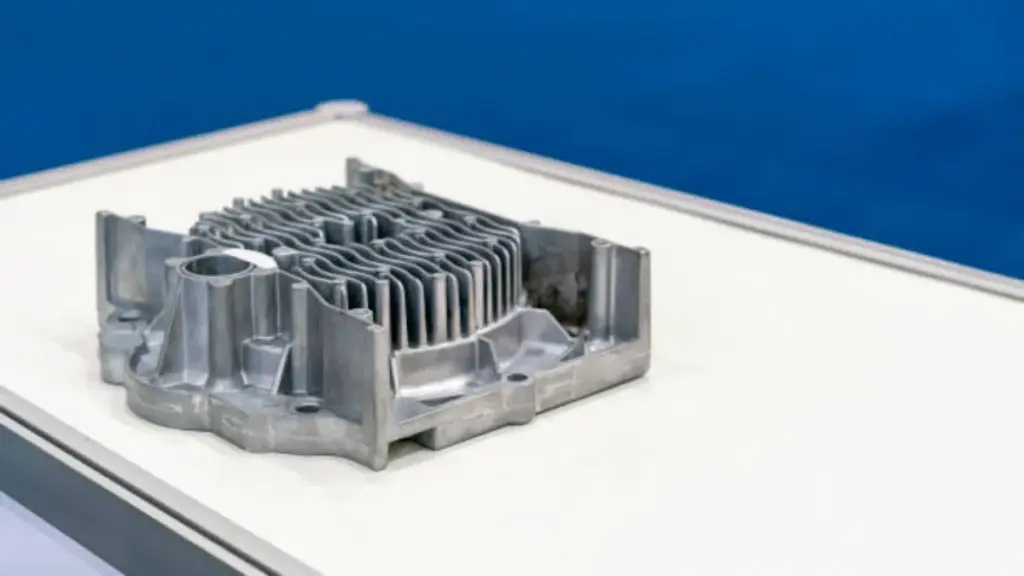
- EN CA-44300 (AlSi12Fe) is characterized by deep rib structures and strong heat dissipation performance, commonly used in products requiring high thermal management, such as solar inverters.
However, “standard” often means “compromise.” These conventional alloys have relatively wide composition ranges. While they satisfy general performance requirements, their limitations become apparent when your product faces extreme operating conditions, stringent dimensional accuracy, special corrosion resistance, or sealing demands. For instance, standard A380 and ADC12 are not designed with extreme toughness or ductility in mind. Research shows that when iron (Fe) content increases from 0.3% to 1.0%, the elongation of AlSi10MnMg alloy drops by a staggering 82.38%, while yield strength decreases by 19.6%—directly compromising the alloy’s formability and fatigue resistance. Similarly, both iron content and the morphology of iron-containing intermetallics significantly influence microstructural evolution and mechanical properties: moderate Fe levels can form passivated π-Fe phases that improve high-temperature strength, but excessive Fe promotes sharp needle-like β-Fe phases that severely degrade ductility and toughness.
The Customization Advantage: High Purity, Stable Composition
Our customized aluminum alloys start with strict raw material control to ensure ultra-high purity. By sourcing high-grade primary aluminum and precision alloying elements, we minimize impurity elements—such as copper, zinc, and trace contaminants—that can adversely affect corrosion resistance, anodizing quality, and mechanical stability. Combined with advanced melting and refining processes, including rotary degassing and filtration, our materials achieve gas and inclusion levels far below industry standards. This results in a dense, sound casting microstructure with minimal porosity and oxide films.
Beyond purity, composition stability is the cornerstone of consistent product quality. We employ state-of-the-art optical emission spectrometry (OES) for real-time melt analysis, enabling precise adjustment of each alloying element before pouring. Unlike standard alloys with wide tolerance ranges, our customized materials maintain each element within a narrow, tightly controlled window. This ensures batch-to-batch consistency, so your production line receives the exact same material properties every time—eliminating costly process adjustments and reducing scrap rates.
Tailored Solutions for Diverse Industries and Applications
Every industry has unique requirements, and our customized alloys are engineered to address them:
1. Automotive & Electric Vehicles
- EN CA-43400 (AlSi10MgFe): Optimized for structural components requiring high strength-to-weight ratio. Excellent weldability and corrosion resistance, ideal for battery housings, motor frames, and suspension parts.
- EN AC-43500 (AlSi10MnMg): Designed for demanding structural applications. With manganese (Mn) and magnesium (Mg) additions, this alloy offers outstanding ductility and fatigue strength—perfect for crash-relevant components and chassis parts. Its controlled Fe content ensures β-Fe phases are minimized, preventing brittle fracture under impact.
2. Electronics & Thermal Management
- EN CA-44300 (AlSi12Fe): Our standard offering for heat sinks and enclosures requiring high thermal conductivity and complex thin-wall designs. Custom variations can further enhance fluidity for even finer feature resolution.
3. Industrial Machinery & Heavy Equipment
- EN AC-46000 (AlSi9Cu3 (Fe)): A high-strength alloy with excellent wear resistance and elevated-temperature performance. Ideal for pump housings, hydraulic components, and gearboxes operating under heavy loads and thermal cycling.
4. Custom Alloy Development
Beyond these standard custom grades, we work closely with customers to develop entirely new compositions. Whether you need higher thermal conductivity, improved corrosion resistance in salt-spray environments, enhanced anodizing response, or specific fatigue-life targets, our metallurgical team can formulate the optimal alloy to meet your exact performance specifications.
Conclusion: Precision Materials for Precision Products
In an era where product differentiation and reliability are paramount, off-the-shelf materials are no longer sufficient. Customized aluminum alloys provide the competitive edge you need—delivering higher purity, stable composition, and tailored performance that aligns precisely with your product’s functional requirements.
By choosing our custom alloy solutions, you gain:
- Superior mechanical properties—higher strength, ductility, and fatigue resistance
- Enhanced corrosion resistance and surface quality
- Consistent batch-to-batch quality—reducing process variability and waste
- Optimized castability—better filling, reduced defects, and longer tool life
- Application-specific solutions—developed in partnership with our engineering team
Partner with us to unlock the full potential of your products. Let’s collaborate to design the perfect alloy for your next project.
Contact our technical sales team today to discuss your application requirements and discover how our custom aluminum alloys can elevate your product performance.
Discuss Your Anodizing Requirements
Looking for professional anodizing services for your aluminum die castings? Contact our team to discuss your required finish, color, durability, and application requirements.
Anna Deng
International Sales Manager
Phone: +86 18988689969
WhatsApp: +86 18988689969
WeChat: 18988689969 / denglijuan1025
Email: sales@mag-cast.com