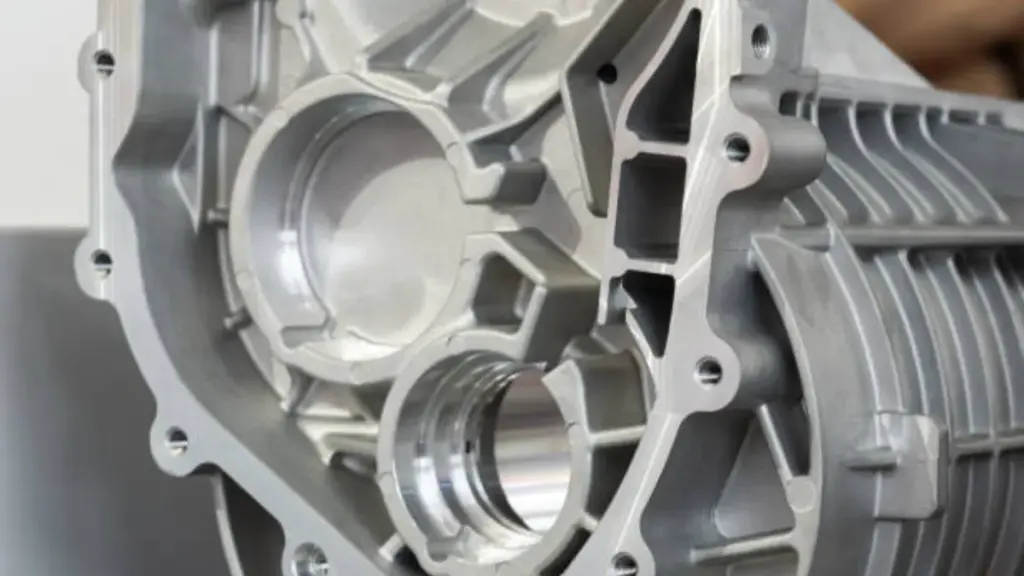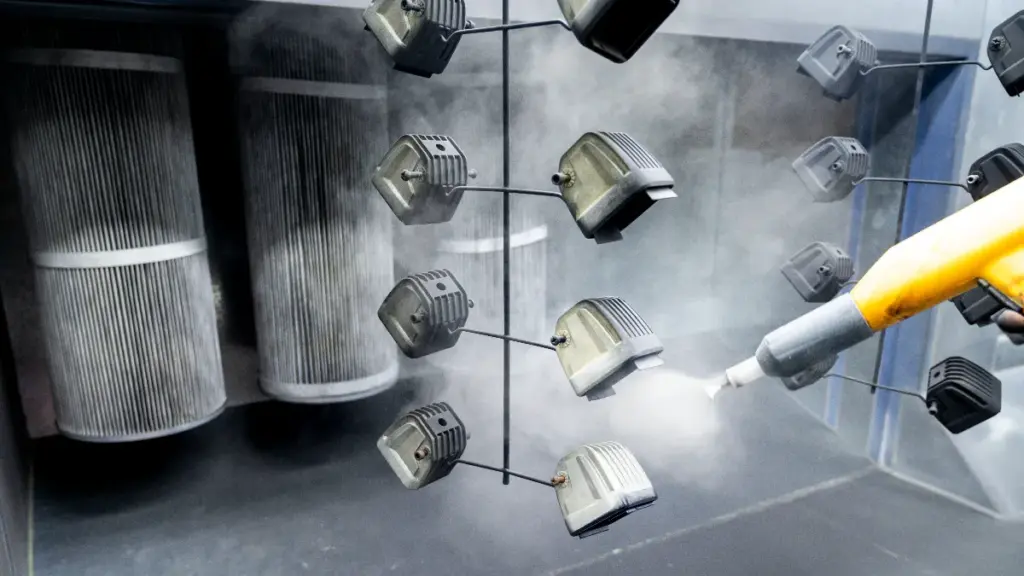
In aluminum die casting manufacturing, the surface finish you choose directly impacts your product’s quality, appearance, and bottom line. Among the various surface treatment options available, sandblasting stands out as one of the most efficient, economical, and versatile solutions for achieving a uniform matte surface on aluminum components.
At Foshan Nanhai Bian Metal Product Co., Ltd., we have extensively integrated sand blasting into our post-casting processes. It’s not just about making parts look good—it’s about preparing them for their next life stage, whether that’s painting, powder coating, anodizing, or direct use in demanding applications.
What Is Sand Blasting?
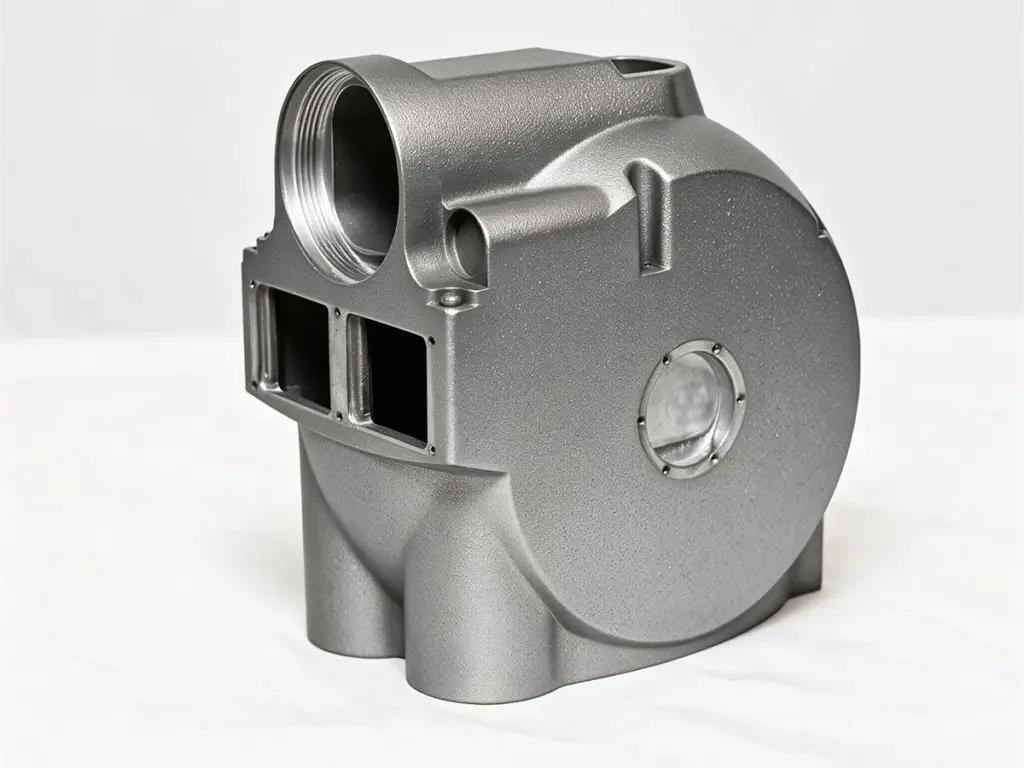
Sand blasting, also known as abrasive blasting, is a surface treatment process that propels fine abrasive materials against a component’s surface at high velocity to clean, smooth, roughen, or modify its texture and appearance. Despite its traditional name, modern sand blasting rarely uses actual sand; instead, it employs various engineered abrasives specifically chosen for their cutting characteristics, recyclability, and material compatibility.
The process operates on the principle of controlled erosion, where abrasive particles impact the surface with sufficient force to remove contaminants, eliminate surface imperfections, or create specific surface profiles. This mechanical action can range from gentle cleaning to aggressive material removal, depending on the type of abrasive, particle size, air pressure, and blast pattern selected for the application.
Cost Advantage: Lower Cost Than Other Surface Treatments
One of the most compelling arguments for sand blasting is its cost-effectiveness. Unlike chemical treatments that require expensive baths, disposal, and environmental controls, or manual finishing that consumes significant labor hours, sand blasting delivers results quickly and economically.
What Drives the Cost Advantage?
- Lower Labor Costs: Sand blasting is highly automatable. Once parameters are set, the machine does the work, freeing skilled labor for more complex tasks. This translates into significant labor cost savings.
- Economical Equipment: Compared to complex chemical treatment lines or CNC machining equipment, sand blasting systems represent a relatively modest capital investment with lower maintenance requirements.
- Recyclable Media: Many abrasive materials can be reused multiple times before requiring replacement, further reducing material costs. Some media types like staurolite sand are specifically designed for recyclability, offering lower material costs over the long term.
- Efficient Energy Use: Modern sand blasting systems incorporate dust collection and abrasive recycling mechanisms that optimize energy consumption while maintaining consistent results.
Cost Comparison with Alternatives
When compared to other surface treatments, sand blasting offers clear economic advantages:
- Versus Tumbling: More aggressive cleaning and better access to complex external geometries
- Versus Chemical Cleaning: Mechanical action avoids chemical residues and environmental concerns
- Versus CNC Machining: More economical for surface texturing and large-area treatment
- Versus Brushing: Delivers more consistent results across production volumes and complex shapes
For aluminum die castings, sand blasting represents one of the most cost-effective surface preparation methods available.
Speed Advantage: Faster Than Other Surface Treatments
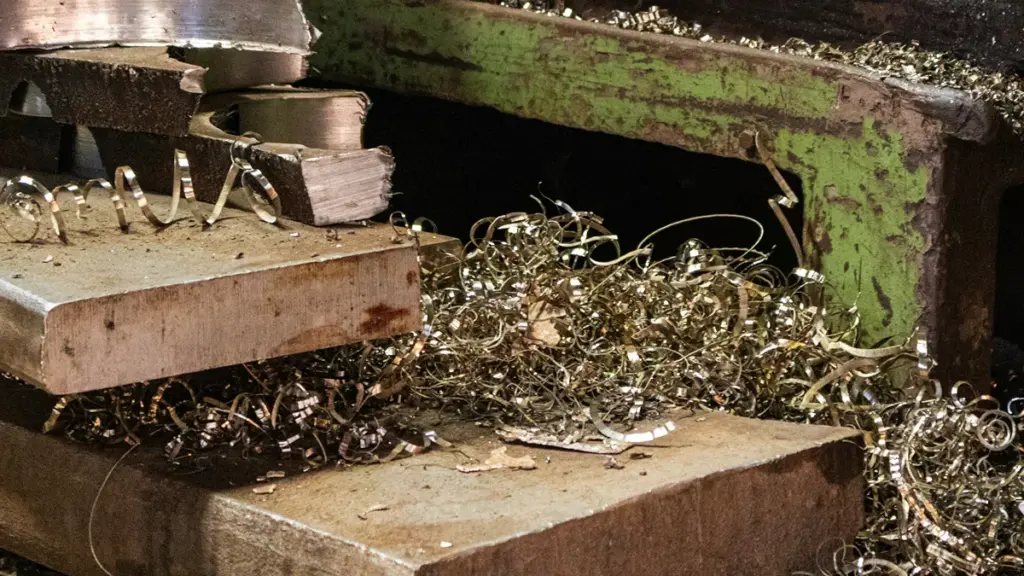
In high-volume manufacturing, time is money. Sand blasting is among the fastest methods available for surface preparation.
Rapid Cycle Times
Sand blasting systems are designed to clean and prepare large surface areas quickly. Unlike batch chemical processing or lengthy manual polishing, a sand blasting system can process a continuous stream of parts as they move along a conveyor belt.
The process is highly efficient. Because the media operates in a closed-loop system, there’s no downtime for bath changes or chemical mixing. The moment the machine is running, it’s producing finished parts. A typical sand blast process can be completed in minutes—not hours.
Quick Setup and Changeover
Modern sand blasting equipment allows for rapid media changes and parameter adjustments, enabling fast transitions between different parts and finish requirements. This flexibility is particularly valuable for facilities handling diverse product portfolios.
Compatibility with High-Volume Production
Sand blasting is well-suited to both low-volume and mass production requirements. The process can be integrated directly into production lines, providing continuous throughput without creating bottlenecks.
Surface Quality: The Uniform Matte Finish Advantage
Beyond cost and speed, sand blasting delivers a superior and functional surface.
Consistent Appearance
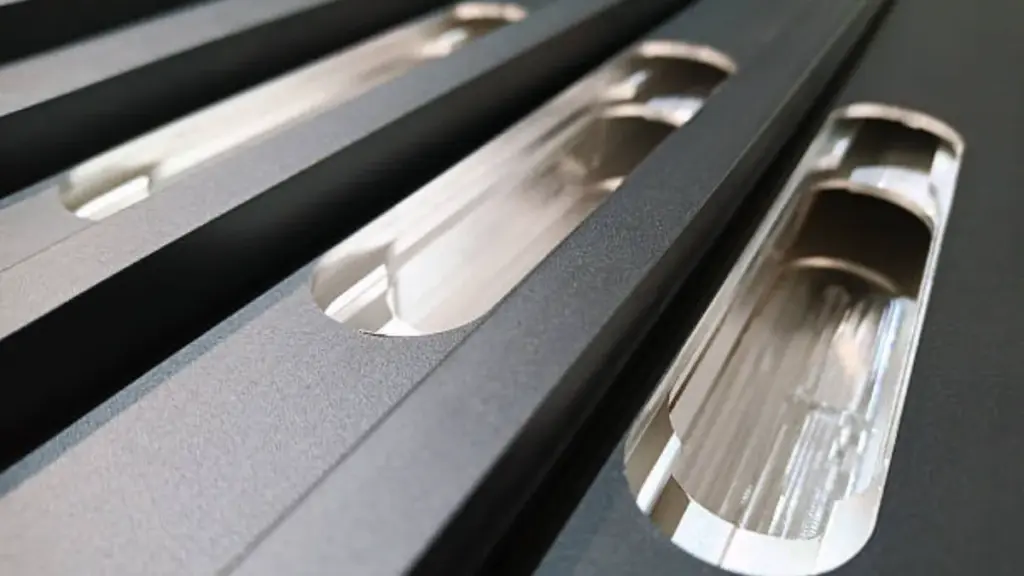
The primary aesthetic benefit of sand blasting is a uniform matte or satin finish. The process removes surface imperfections, burrs, and parting lines, resulting in a clean, consistent appearance across all parts. This is crucial for visible components and for ensuring a uniform base for powder coating or painting.
Different media types produce different visual effects:
- Glass Beads: Create a clean, satin finish ideal for decorative parts and aluminum wheels
- Aluminum Oxide: Produces a textured surface optimized for coating adhesion
- Staurolite Sand: Provides a uniform blasting pattern with minimal dust generation
Enhanced Coating Adhesion
The matte texture created by sand blasting provides an ideal “anchor profile” for paint, powder coatings, adhesives, and other finishes to bond to. By creating a roughened surface with increased surface area, sand blasting significantly improves coating adhesion and durability.
According to industry practice, sand blasting creates a controlled surface texture of Ra 3.2–6.3 µm, which is optimal for maximizing coating adhesion. This is why sand blasting is widely recommended as a pretreatment for powder coating on aluminum die castings.
Surface Cleaning and Preparation
Sand blasting effectively removes:
- Manufacturing residues and contaminants
- Oxide scale and oxidation
- Mold release agents and parting line residues
- Light burrs and sharp edges
The resulting surface is clean and free of chemical deposits, making it ready for immediate downstream processing.
Work Hardening and Compressive Stress
Beyond aesthetics, the impact of abrasive particles actually work-hardens the surface, creating compressive residual stresses that improve fatigue resistance. This means your parts are not only cleaner but also stronger and more durable. This “peening effect” helps inhibit crack initiation and propagation, extending the component’s service life.
Environmental Friendliness: A Sustainable Choice
In an era of heightened environmental awareness, sand blasting offers a lower-impact finishing solution compared to many chemical processes.
Reduced Hazardous Waste
Unlike chemical etching or chromating, sand blasting does not produce hazardous liquid waste or toxic sludge. It is a purely mechanical process. The abrasive media can often be reused for thousands of cycles before requiring replacement. Even when the media is spent, it is largely inert metallic waste that is easier and cheaper to dispose of than hazardous chemicals.
Low Free-Silica Abrasives
Modern sand blasting abrasives are engineered with health and safety in mind. Products like staurolite sand are certified to contain very low free-silica content—typically less than 3%, with some formulations guaranteed below 1%—reducing respiratory hazards for operators.
Minimal Chemical Residues
Because sand blasting is a mechanical process, it doesn’t leave chemical residues that require special handling or disposal. This is a significant environmental advantage over chemical treatments that generate wastewater and require complex treatment systems.
Recyclable Aluminum Substrate
Aluminum itself is highly recyclable, and sand blasting doesn’t compromise this recyclability. When components reach the end of their service life, the sand-blasted surface doesn’t introduce contaminants that would interfere with the recycling process.
Sandblasting vs. Other Surface Treatment Methods
Different finishing methods serve different purposes. Sandblasting is particularly useful when cleaning, surface preparation, or matte texturing is required.
| Surface Treatment | Main Advantage | Typical Application |
|---|---|---|
| Sandblasting | Fast surface preparation and uniform texture | Cleaning, matte finishing, coating preparation |
| Tumbling | Efficient batch processing | Deburring and edge finishing |
| Brushing | Directional decorative finish | Visible aluminum surfaces |
| Chemical Pretreatment | Improved coating preparation and corrosion resistance | Pre-coating treatment |
| Anodizing | Hard, corrosion-resistant oxide layer | Decorative and functional aluminum parts |
| Powder Coating | Durable decorative and protective coating | Industrial, automotive, and consumer components |
The Bian Metal Advantages
At Bian Metal, we leverage sand blasting to deliver exceptional value to our customers. Our processes are designed to be:
- Cost-Effective: We choose the right media and parameters to minimize your per-part cost
- Fast: Our automated systems keep up with your production demands
- Quality-Focused: Our ISO 9001:2015 certified processes ensure consistent, repeatable results
- Environmentally Responsible: We use low-free-silica media and closed-loop recycling systems
Conclusion
Sand blasting is more than just cleaning—it’s a strategic manufacturing choice. It offers the lowest cost, the fastest throughput, and an environmentally responsible path to a high-quality surface finish. Whether you need to prepare parts for coating, enhance their durability, or simply give them an attractive uniform appearance, sand blasting is a solution that pays for itself.
Contact us today to discuss your surface finishing requirements and discover how our sand blasting capabilities can optimize your project.
Foshan Nanhai Bian Metal Product Co., Ltd.
ISO 9001:2015 Certified Aluminum Die Casting Manufacturer
Certificate No.: 41925Q10330-04R0S | Valid Until: 23 April 2028