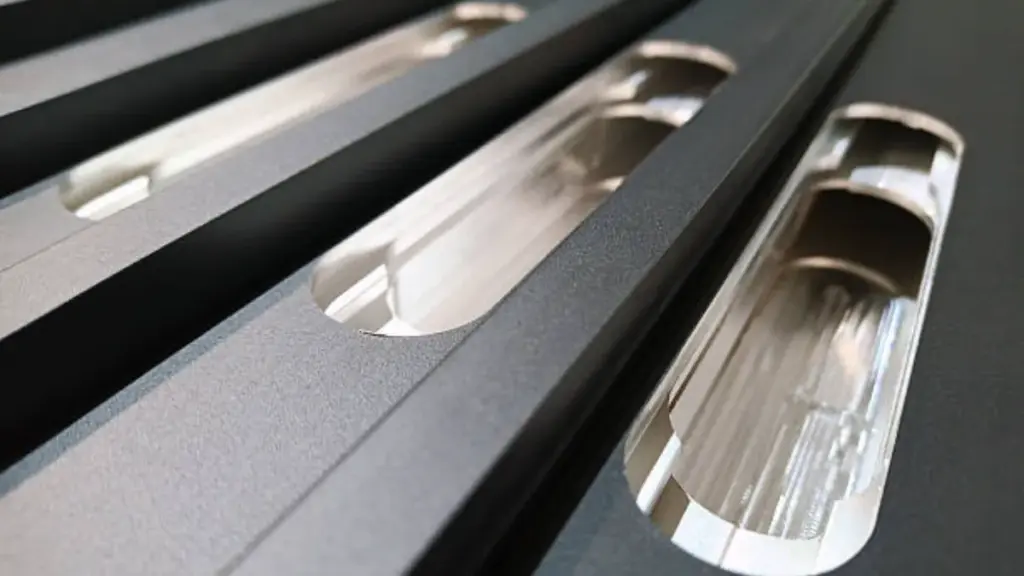
Magnesium alloys offer an excellent strength-to-weight ratio, but their corrosion resistance needs careful attention. Moisture, salt, and contact with dissimilar metals can cause corrosion, especially in outdoor, coastal, and automotive applications.
The solution is not a single coating. Reliable protection depends on the alloy’s purity, surface preparation, conversion coating, primer, topcoat, and part design. Each step affects the performance of the finished component. This article explains how to select a suitable magnesium corrosion protection system, what to consider during design, and how to verify coating performance before production.
Why Magnesium Needs Corrosion Protection
Magnesium is more electrochemically active than aluminum and steel. Its natural oxide layer provides limited protection in wet or chloride-rich environments. When exposed to salt water or acidic contamination, the surface can develop localized corrosion.
Galvanic corrosion is another major risk. When magnesium contacts a more noble metal, such as steel, copper, or aluminum, in the presence of an electrolyte, magnesium acts as the anode and corrodes faster.
Metal impurities can also increase corrosion. Iron, nickel, and copper particles may form local galvanic sites within the alloy. This makes melt quality and composition control important before surface treatment begins.
For example, BIAN states that its magnesium production process includes composition checks every two hours using a direct-reading spectrometer. Alloy selection also matters. The differences between AZ91D and AM60B can affect corrosion behavior and coating response. See our article on AZ91D vs. AM60B magnesium alloys for more details.
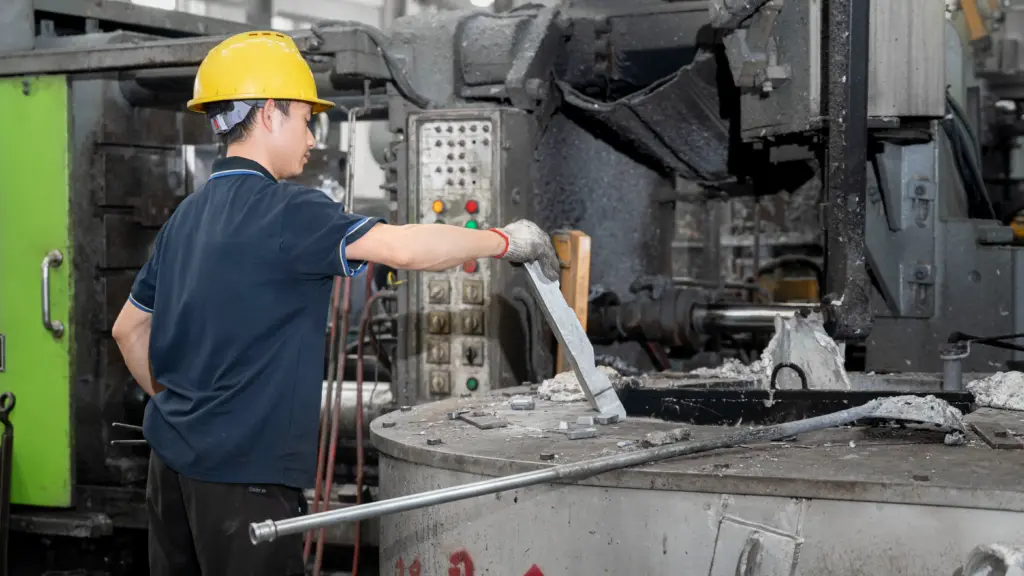
Build a Complete Magnesium Coating System
Magnesium corrosion protection usually requires several layers. Each layer has a different function, and the final result depends on how well they work together.
| Layer | Typical options | Job it does | Key check |
|---|---|---|---|
| Conversion pretreatment | Chrome-free (trivalent, phosphate, permanganate, rare-earth); legacy chromate | Adhesion base + first corrosion barrier | Coating weight, coverage on cast skin |
| Primer / barrier coat | E-coat, etch primer | Conformal coverage, pore sealing | Film thickness, edge coverage |
| Topcoat | Powder coat, lacquer | UV, chemical, abrasion, color | Cure, color match, gloss |
Two factors need special attention. First, die-cast magnesium parts may contain near-surface porosity, which can affect coating coverage and appearance. Second, the as-cast surface is different from wrought metal. A pretreatment process proven on aluminum sheet cannot automatically be used on magnesium castings.
For this reason, validate the complete coating system on the actual alloy and casting surface before mass production.
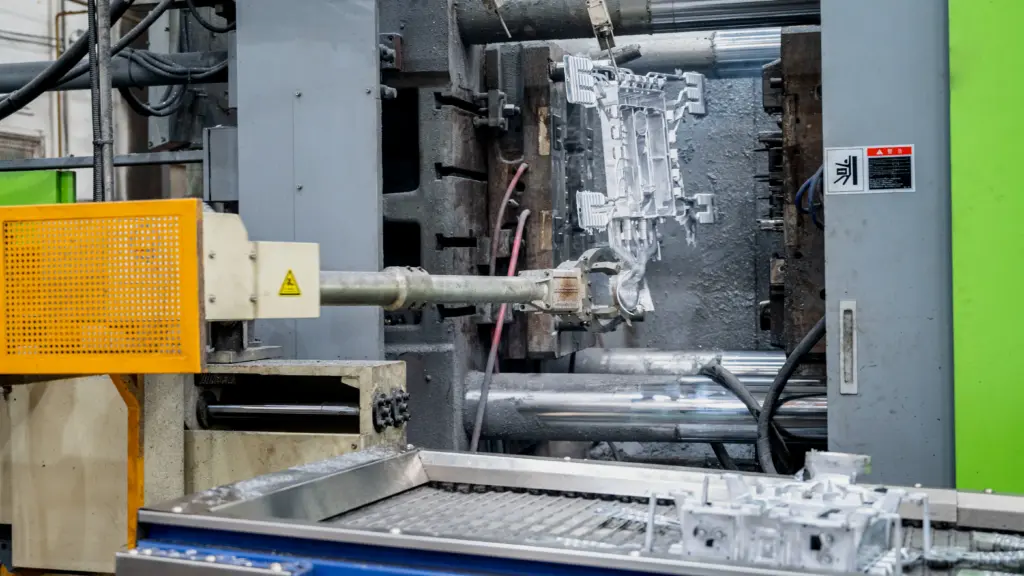
Choose a Conversion Coating for Magnesium
Conversion coating is an important pretreatment step. It prepares the magnesium surface for further protection and helps improve paint adhesion.
Chromate conversion coatings have traditionally provided strong corrosion resistance. Hexavalent chromium (Cr VI) can also help protect small damaged areas through its corrosion-inhibiting action. However, its toxicity and environmental impact have led to restrictions and the development of alternative treatments.
The main options include:
- Trivalent chromium (Cr III): A chromium-containing alternative with a different environmental and performance profile from Cr VI.
- Phosphate-based treatments: Form a conversion layer that can support paint adhesion and corrosion protection.
- Permanganate treatments: Provide another option for chromium-free surface protection.
- Rare-earth treatments: Use elements such as cerium to improve surface corrosion resistance.
These treatments are not interchangeable. Their performance depends on the magnesium alloy, pretreatment conditions, and the primer or topcoat applied afterward.
Also, Cr III should not be described as chromium-free. Buyers should check the applicable RoHS, REACH, and customer-specific requirements before approving a treatment.
Select Primer and Topcoat for Harsh Environments
After pretreatment, the primer and topcoat provide additional protection. The right combination depends on part geometry, exposure conditions, appearance, and dimensional requirements.
E-coating uses an electrical process to deposit a relatively uniform coating over conductive surfaces. It can reach complex areas and recessed sections that spray application may miss. This makes it useful when internal coverage is important.
Powder coating provides a durable finish with good resistance to moisture, chemicals, and abrasion. It also offers a wide range of colors and textures, making it suitable for outdoor lighting housings and other exposed components.
Lacquer coating provides a clear or colored protective finish when appearance is a priority. It can help slow surface oxidation, but its suitability depends on the exposure conditions and coating specification.
The three options can serve different roles rather than compete directly. For example, a primer and powder topcoat may be suitable when both internal coverage and exterior durability are required.
Bian Diecast lists powder coating and lacquer among its finishing options. You can also review our E-coating vs. powder coating comparison to understand how coverage and film thickness affect finish selection.
Prevent Galvanic Corrosion Through Part Design
Coatings alone cannot prevent every corrosion problem. The way a magnesium component connects to other parts also matters.
When magnesium contacts steel, copper, or other dissimilar metals, electrical isolation helps reduce galvanic corrosion. Consider the following design measures:
- Isolate dissimilar metals: Use suitable washers, sleeves, insulating layers, or coated fasteners where the design allows.
- Avoid water-trapping gaps: Reduce crevices around fasteners and mating surfaces where moisture can collect.
- Provide drainage: Add drainage and ventilation paths to prevent water from remaining inside housings.
- Protect contact areas: Pay attention to exposed edges, fastener holes, and coating damage during assembly.
Grounding and electrical connections need special attention. If direct metal contact is required, the design should define how electrical function and corrosion protection will be maintained together.
These decisions are best made during product design rather than after the first corrosion test fails.
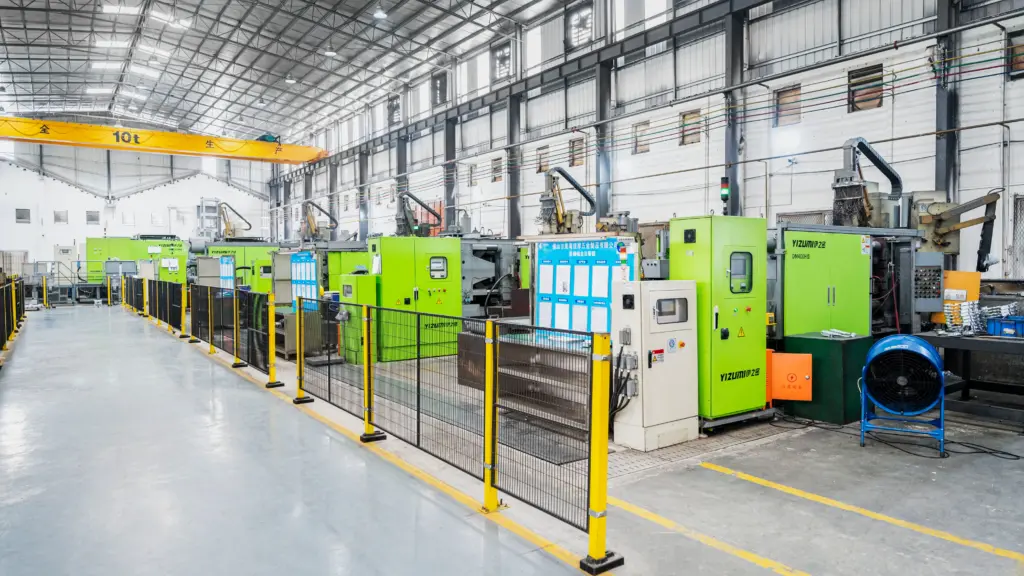
Specify and Verify Magnesium Corrosion Protection
A coating specification should define measurable requirements rather than rely on general descriptions such as corrosion-resistant or outdoor-grade.
Neutral salt spray testing under ASTM B117 is commonly used to compare coating performance. However, the required test duration must come from the application’s requirements. Salt spray hours do not directly predict actual service life.
A complete inspection plan should cover:
- Salt spray resistance: Define the test standard, duration, and acceptable corrosion level.
- Film thickness: Check whether the coating meets the specified thickness range.
- Adhesion: Verify that the coating remains attached after the required test.
- Appearance: Check color, gloss, surface defects, and coating consistency.
Testing should use the actual magnesium alloy and agreed coating system. Surface preparation, coating thickness, and the test conditions can all affect the results.
BIAN’s published manufacturing information includes salt spray testing for coating evaluation, along with inspection equipment such as film thickness gauges and colorimeters. Its quality control capabilities provide further information about inspection and testing.
When requesting a quotation, specify the pretreatment, primer, topcoat, total film thickness, test standard, and acceptance criteria. This gives the manufacturer a clear basis for evaluating the coating process.
Match the Protection System to Service Conditions
The best magnesium corrosion protection system depends on where and how the component will be used.
- Indoor applications: A suitable conversion coating or a basic protective finish may be sufficient when moisture and chemical exposure are limited.
- Outdoor applications: A compatible conversion coating and durable topcoat are important for protection against rain, humidity, and UV exposure.
- Coastal and road-salt environments: Use a fully validated coating system, with particular attention to pretreatment, coating coverage, fastener isolation, and drainage.
- High-temperature or chemical environments: Check the alloy’s temperature capability and the coating’s resistance to the actual operating conditions before production.
There is no single coating combination suitable for every magnesium component. The final choice should follow the alloy, casting condition, part geometry, and service requirements.
At Bian Diecast, customers can review die casting, CNC machining, and surface finishing capabilities as part of their manufacturing requirements. Our surface finishing services include powder coating, lacquer coating, and other finishing options.
For a new project, provide the 2D drawing or 3D model, alloy specification, operating environment, and required corrosion test results. These details help establish whether the proposed surface treatment is suitable before moving to production.
FAQ
Why does magnesium corrode faster than aluminum?
Magnesium is more electrochemically active than aluminum. Its natural oxide layer also provides less protection in chloride-rich environments. Contact with more noble metals can further accelerate corrosion through galvanic reactions.
Is chrome-free conversion coating effective on magnesium?
Yes. Phosphate, permanganate, and rare-earth-based treatments can provide corrosion protection and support paint adhesion. However, their performance depends on the alloy, surface preparation, and coating system. Testing on the actual casting is important.
How do you test magnesium corrosion resistance?
ASTM B117 salt spray testing is commonly used to evaluate coating performance. The specification should state the required test duration and acceptance criteria. Film thickness and adhesion should also be checked.
Can powder coating alone prevent magnesium corrosion?
Powder coating provides a protective barrier, but it should not be treated as the only corrosion control. Proper pretreatment, suitable coating coverage, and galvanic isolation are also important for long-term performance.