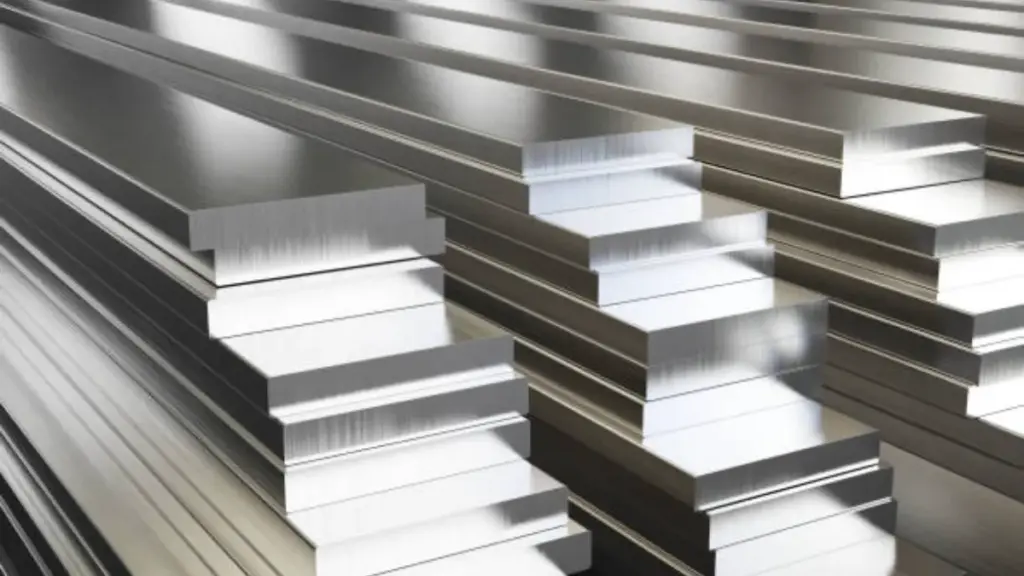
SS400 عبارة عن درجة من الفولاذ الهيكلي الكربوني مستخدمة على نطاق واسع وفقًا لمعيار JIS G3101, تقدر بخصائصها الميكانيكية المتوازنة, قابلية اللحام, وفعالية التكلفة في مشاريع الهندسة الإنشائية. يبحث المهندسون والمصنعون بشكل متكرر عن خصائص المواد ss400 للتحقق من صحة التصاميم, مقارنة معادلاتها, وضمان الامتثال للمعايير الدولية. يقدم هذا الدليل نظرة عامة شاملة من وجهة نظر الشركة المصنعة, مساعدتك في اختيار وتطبيق SS400 بشكل فعال في تطبيقات العالم الحقيقي.
ما هي مادة SS400?
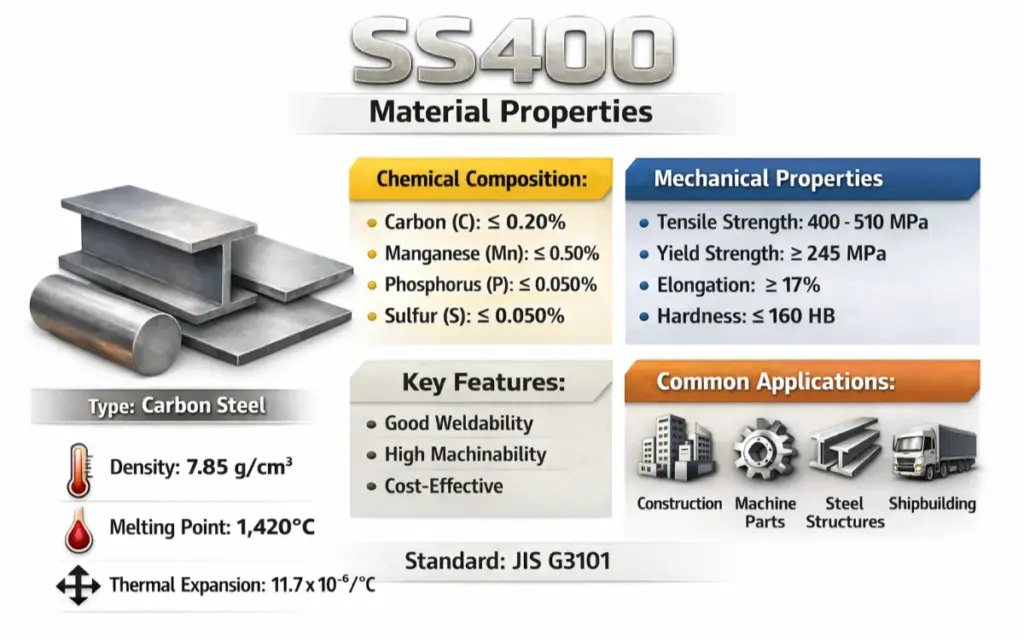
يمثل SS400 الفولاذ الهيكلي الكربوني الأساسي في مواصفات JIS G3101, يتم توفيرها في المقام الأول على شكل ألواح مدرفلة على الساخن, أقسام, والحانات للبناء العام والآلات. ال “سس” تشير البادئة “الفولاذ الهيكلي,” بينما “400” يقترب من الحد الأدنى لقوة الشد في MPa, مما يميزه عن الدرجات الأعلى مثل SS490 أو SS540. تعطي فلسفة التصميم لهذه الفئة الأولوية لتعدد الاستخدامات على الأداء المتخصص, مما يجعلها عنصرًا أساسيًا في المشاريع الإنشائية اليابانية والمصدرة منذ السبعينيات.
يتميز تركيبه الكيميائي باعتباره فولاذًا منخفض الكربون بعدم وجود أغطية صلبة على الكربون (عادة .250.25%) أو المنغنيز (.51.50%), ولكن قيود صارمة على الفوسفور (ف ≥0.050%) والكبريت (ق .050.050%) للحد من الهشاشة وتعزيز ليونة. معادل الكربون الناتج (CE ≈0.35-0.40 لصيغة IIW) يضمن صلابة منخفضة أثناء اللحام, التقليل من مخاطر التشقق البارد. يقدر المصنعون هذه القدرة على التنبؤ, لأنه يدعم التصنيع المتسق دون الحاجة إلى عملية مسبقة مكثفة- أو علاجات ما بعد اللحام, حتى في المفاصل متعددة التمريرات حتى 40 مم سميكة.
الخواص الميكانيكية لمواد SS400
الشد, قوة الخضوع والاستطالة
- قوة الشد: 400-510 ميجا باسكال, توفير قدرة تحميل قوية للحزم والأعمدة.
- قوة العائد: الحد الأدنى 245 MPa (القيمة الأساسية للأقسام الرقيقة), مع القيم الفعلية في كثير من الأحيان 10-20% أعلى في المطاحن الحديثة.
- استطالة: 17-21% (طول المقياس 5.65√A), تشير إلى ليونة كافية للتصميمات الزلزالية أو المعرضة للصدمات.
تأثير السماكة على قوة الخضوع
تؤثر السُمك تأثيرًا عميقًا على أداء SS400 نظرًا لاختلاف حجم الحبوب وتغيرات معدل التبريد في التدحرج. يتطلب JIS G3101 الحد الأدنى المحافظ لتعكس التباين في العالم الحقيقي.
| سماكة (ر) | دقيقة. قوة العائد (MPa) | الآثار المترتبة على التصميم |
|---|---|---|
| ≥ 16 مم | ≥ 245 | الأمثل للإطارات الخفيفة; الحد الأقصى للضغط المسموح به ~ 165 ميجا باسكال (خس=1.5) |
| 16-40 ملم | ≥ 235 | شائع للحزم; ضبط التواء calcs إلى الأسفل |
| 40-100 ملم | ≥ 215 | عوارض ثقيلة; زيادة أحجام القسم لنفس الحمل |
| > 100 مم | ≥ 205 | أسس; تحقق مع UT للتصفيح |
يجب على المهندسين الرجوع إلى السُمك الدقيق من الرسومات واستعراضات منتصف المدة - حيث أن التغاضي عن هذا يمكن أن يؤدي إلى تضخيم تكاليف المواد أو الإضرار بهوامش السلامة.
الخصائص الفيزيائية وقابلية التشغيل
تتيح السمات الفيزيائية لـ SS400 عمليات محاكاة هندسية دقيقة, بينما تعمل قابليته للتشغيل على تبسيط سير عمل التصنيع. الكثافة عند 7850 يسهل كجم/م³ تقديرات الكتلة الدقيقة للرافعات والأساسات, مع معامل يونج 200-210 يوفر GPa صلابة يمكن التنبؤ بها في حسابات الانحراف. معامل التمدد الحراري (11.7 × 10⁻⁶/ك) والتوصيل (51-60 ث/م · ك) دعم نمذجة الإجهاد الحراري في الهياكل الساخنة.
من أجل قابلية التشغيل:
- قابلية اللحام: م <0.40 يسمح باللحام متعدد التمريرات دون التسخين المسبق (يصل إلى 20 مم); استخدم أقطاب E4303 للشرائح.
- القابلية للآلات: يغذي/سرعات تشبه الفولاذ الطري (120 م/دقيقة تحول كربيد); انخفاض تآكل الأدوات للنماذج الأولية.
- القابلية للتشكيل: نصف قطر الانحناء ≥2t لانحناءات 90 درجة, بارد عملي حتى 10 مم سميكة.
هذه الصفات تقلل من وقت التسوق 20-30% مقابل الفولاذ عالي القوة, حسب معايير الصناعة.
الحماية من التآكل والمعالجات السطحية
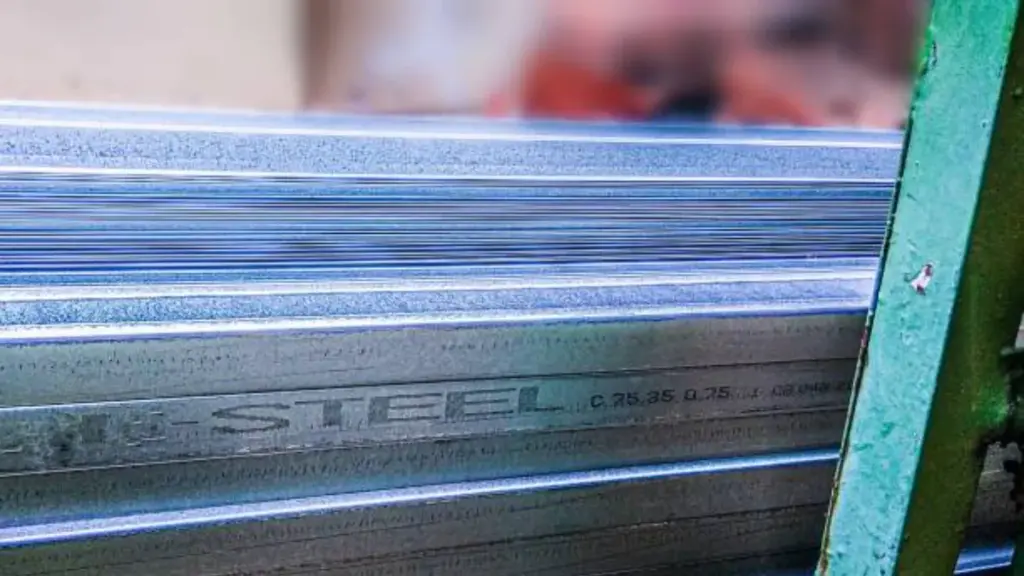
يتآكل SS400 غير المحمي عند 50-100 ميكرومتر/سنة في أجواء C3 (الحضرية / الصناعية), تسريع ل 200+ ميكرومتر/سنة بالقرب من السواحل بسبب الكلوريدات. يشكل الحفر تحت الطلاء مخاطر خفية, يحتمل أن يؤدي إلى خفض عمر التصميم إلى النصف دون تدخل. معايير مثل ISO 9223 تصنيف التعرضات, توجيه مستويات الحماية من المناطق الريفية (ج2) إلى الخارج (C5M).
وتشمل الاستراتيجيات الموصى بها:
- الجلفنة: 85 ميكرون الزنك (ايزو 1461) ل 25+ سنوات في C4; دوبلكس مع طلاء C5.
- الطلاءات العضوية: الايبوكسي التمهيدي (80 ميكرومتر) + بو المعطف الخفيف (60 ميكرومتر); تفقد كل 5 سنين.
- تعدين: الألومنيوم رش القوس (150 ميكرومتر) للمناطق شديدة الحرارة أو المتآكلة.
الإعدادية عبر سا 2.5 blasting ensures adhesion >5 MPa. غالبًا ما يفضل تحليل دورة الحياة الجلفنة للجسور التي يبلغ عمرها 50 عامًا, موازنة التكاليف الأولية مع الحد الأدنى من الصيانة
الدرجات المعادلة والمعايير العالمية
| المنطقة/المعيار | درجة | أوجه التشابه الرئيسية | الاختلافات عن SS400 |
|---|---|---|---|
| الولايات المتحدة الأمريكية | أستم A36 | الشد 400-550 MPa; العائد ≥250 ميجا باسكال (ر 200 ملم) | المزيد من مواصفات الكيمياء; الاختبار غير التدميري الاختياري |
| الصين | جيجابايت/ت 700 Q235B | قوة مماثلة; قابلية اللحام جيدة | تم اختبار التأثير; العائد الدرجات الفرعية (أ/ب/ج/د) |
| أوروبا | في 10025 S235JR | العائد ≥235 ميجا باسكال; الشد ~ 360-510 ميجا باسكال | 27J شاربي عند +20 درجة مئوية إلزامية |
| كوريا | كانساس D3503 SS400 | مباراة مباشرة | محاذاة JIS متطابقة |
تعمل مقايضات المواد المكافئة Ss400 من أجل 80% من الحالات ولكن التحقق من المتانة, آثار سمك, والمواد الاستهلاكية اللحام. A36 يناسب الولايات المتحدة. رموز بسلاسة; Q235D للمناطق الباردة.
النماذج المتاحة ومواصفات التوريد
يتم شحن SS400 بأشكال موحدة مُحسّنة لتحقيق الكفاءة الهيكلية:
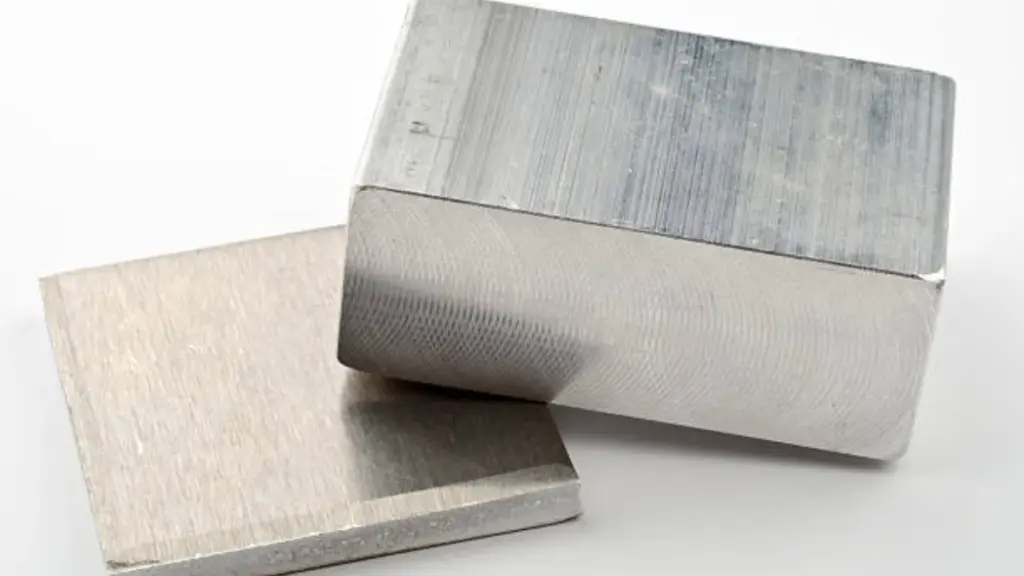
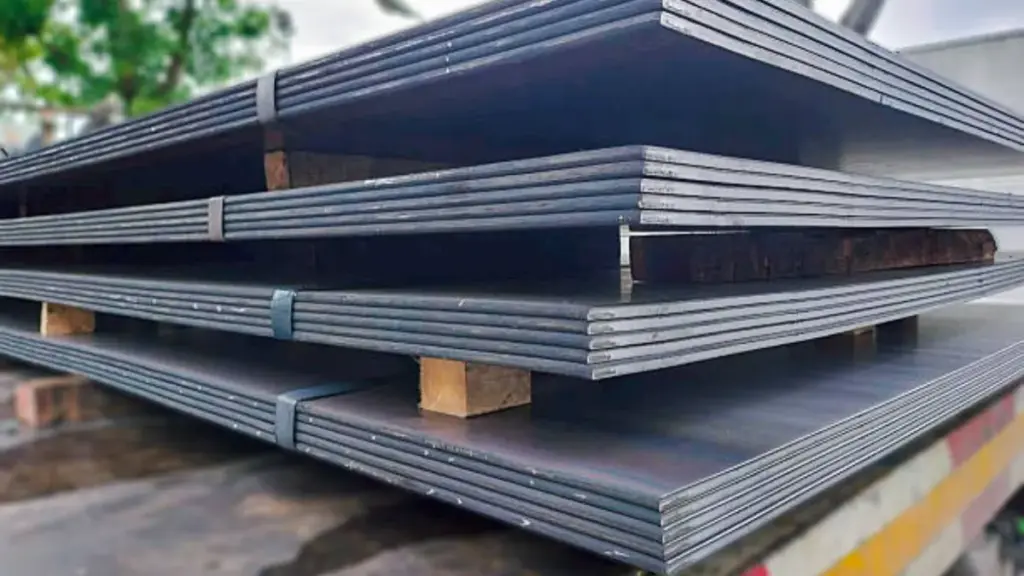
- لوحات / صفائح: 1.6-200 مم سميكة, الاعراض 1.0-3.5 م, أطوال 2-12 م.
- الأقسام: عوارض H (100-900 ارتفاع ملم), القنوات (50-400 مم), زوايا (25×25 إلى 200×200 ملم).
- الحانات: جولات (10-250 ط ط ط هو), الشقق (ما يصل إلى 300 × 40 ملم).
التفاوتات المسموح بها لكل JIS G3193: سمك ± 0.5 ملم (6-20 لوحات مم), العرض ± 10-15 ملم, التسطيح .51.5% من العرض. تشمل تقارير منتصف المدة الكيمياء, يوتا (وفقًا لمستوى JIS G0303 2), ووضع العلامات (الصف / الحرارة / دفعة). تقدم مطاحن المخزون مواد طبيعية أو مدرفلة; القطع المخصص حسب الطول يوفر الخدمات اللوجستية. حدد إن 10204 3.1 شهادات للصادرات.
التطبيقات النموذجية لمواد SS400
يتألق المظهر المتوازن لـ SS400 في الأدوار الهيكلية التي تتطلب قابلية اللحام وقوة معتدلة. وتشمل القطاعات الرئيسية:
- بناء: كمرات وأعمدة ملحومة للمستودعات, المنصات, وإطارات متعددة الطوابق; زاوية الحديد للتدعيم في التعديلات التحديثية الزلزالية.
- بنية تحتية: عوارض الجسور, ألواح النهج, ويدعم السكك الحديدية حيث مقاومة التعب (~150 ميجا باسكال عند 10^7 دورات) يعالج اهتزازات المرور.
- البحرية & الصناعة الثقيلة: تتميز أدوات تقوية بدن السفينة وإطارات الحاجز بقدرتها على التحمل; عوارض مدرج الرافعة تقاوم أحمال الرفع الدورية.
- الآلات & تلفيق: قواعد للمطابع, إطارات الناقل, ورفوف التخزين - حيث تعمل قابليتها للتصنيع على تقليل وقت الإعداد 25%.
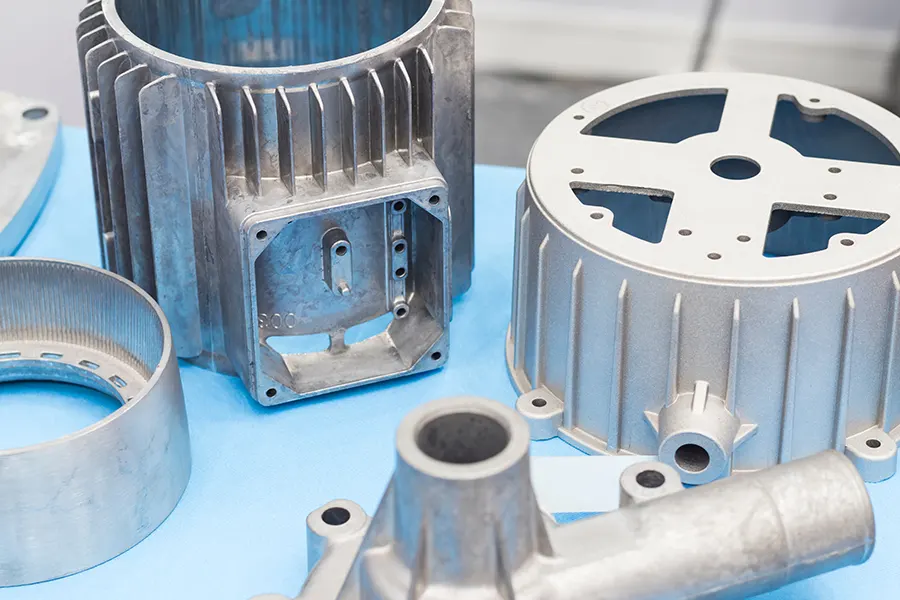
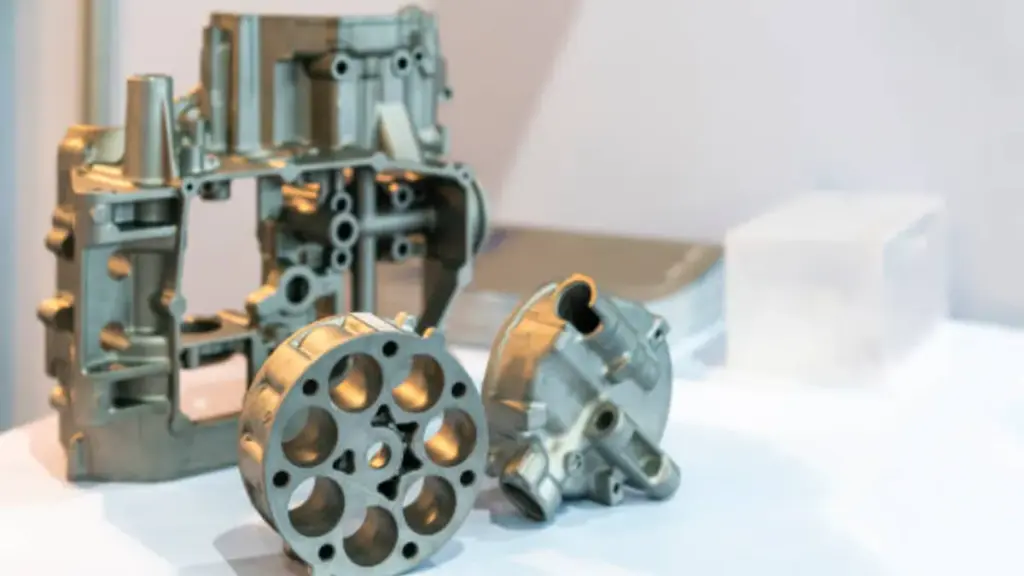
في يموت الصب على وجه التحديد, يشكل SS400 قواعد القالب وتركيبات الدعم غير الأساسية. تعطي هذه المكونات منخفضة الضغط الأولوية للاستقرار والتكلفة على التلميع العالي, السماح بفولاذ الأدوات المتميز (على سبيل المثال, H13) للتسوس. مقترن بمسبوكات الألومنيوم مثل A380 أو ADC12, تتيح أدوات SS400 إنتاجًا دقيقًا لأغطية محرك السيارة الكهربائية وأغلفة الإضاءة دون تشويه.
يموت الصب وجهة نظر الشركة المصنعة
حدد SS400 عندما يحتاج الإنتاجية (205-245 ميغاباسكال لكل سمك) تتماشى مع الميزانية وسهولة التصنيع - مثالية لقواعد القالب, إطارات, والنماذج الأولية. قم بالتصعيد إلى درجات أعلى بسبب إرهاق الدورة العالية أو البيئات القاسية; قم دائمًا بحساب المعادلات باستخدام العوامل الخاصة بالموقع مثل فئة التآكل.
في بيان الممثل, نحن نستفيد من قواعد قوالب SS400 كأساس موثوق به لتصنيع طائرة A380, أدك12, وتجويفات AlSi9Cu3 — مثالية لـ علب مصابيح الطريق LED, قذائف العاكس السيارات, و التحكم الصناعي حاويات. متجر القوالب المتكامل الخاص بنا (10+ عجلات الغرفة الباردة من 160 إلى 1250 طن, 100+ CNCs, خطوط الرش الداخلية) تنتج تجميعات كاملة بدءًا من الهياكل الفولاذية وحتى المسبوكات النهائية على السطح.
الصين المزدوجة-المكسيك قطع المرافق الأمريكية. التعريفات ومواعيد التسليم. فرقة العمل المشتركة بين الوكالات 16949 تضمن الشهادة تتبع كل مكون مرة أخرى من خلال تقارير منتصف المدة وتقارير RoHS المتوافقة.
التكامل السلس ينتظر