SS400 ist eine weit verbreitete Kohlenstoffstahlsorte gemäß der Norm JIS G3101, geschätzt für seine ausgewogenen mechanischen Eigenschaften, Schweißbarkeit, und Wirtschaftlichkeit bei Hochbauprojekten. Ingenieure und Hersteller suchen häufig nach SS400-Materialeigenschaften, um Designs zu validieren, Äquivalente vergleichen, und stellen Sie sicher, dass alle internationalen Standards eingehalten werden. Dieser Leitfaden bietet einen umfassenden Überblick aus Herstellersicht, Wir helfen Ihnen bei der Auswahl und effektiven Anwendung von SS400 in realen Anwendungen.
Was ist SS400-Material??
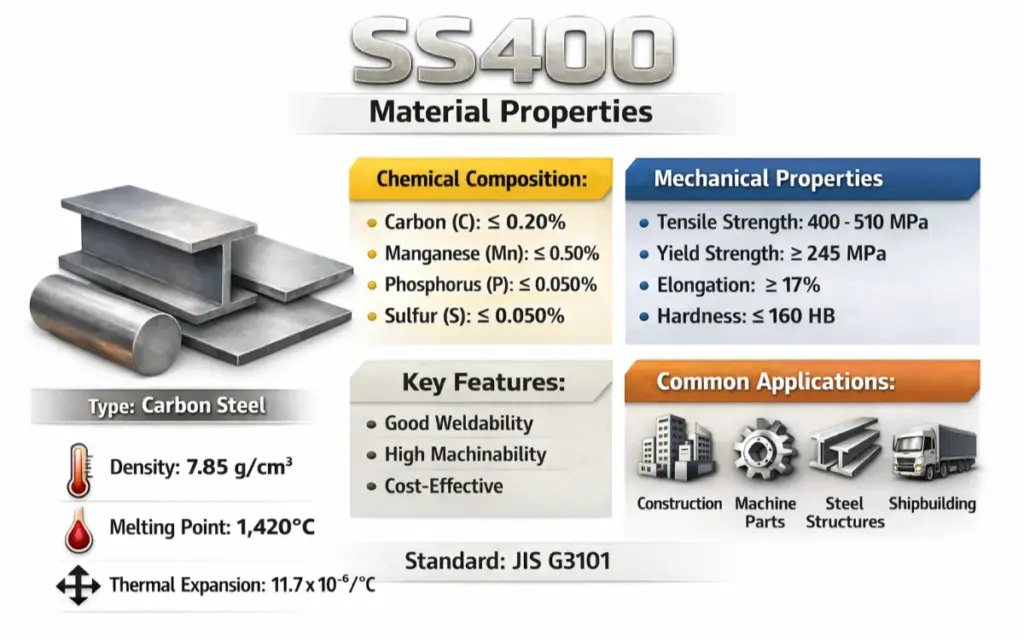
SS400 stellt einen grundlegenden Kohlenstoffbaustahl in der Spezifikation JIS G3101 dar, werden hauptsächlich als warmgewalzte Bleche geliefert, Abschnitte, und Stangen für den allgemeinen Bau- und Maschinenbau. Der “SS” Präfix gibt an “Baustahl,” während “400” nähert sich seiner Mindestzugfestigkeit in MPa an, Dies unterscheidet es von höheren Qualitäten wie SS490 oder SS540. Die Designphilosophie dieser Sorte legt Wert auf Vielseitigkeit gegenüber spezieller Leistung, Damit ist es seit den 1970er Jahren ein fester Bestandteil japanischer und exportierter Strukturprojekte.
Seine chemische Zusammensetzung als kohlenstoffarmer Stahl weist keine starren Kohlenstoffkappen auf (typischerweise ≤0,25 %) oder Mangan (≤1,50 %), aber strenge Grenzwerte für Phosphor (P ≤0,050 %) und Schwefel (S ≤0,050 %) um die Sprödigkeit einzudämmen und die Duktilität zu fördern. Das resultierende Kohlenstoffäquivalent (CE ≈0,35-0,40 für IIW-Formel) sorgt für eine geringe Verhärtbarkeit beim Schweißen, Minimierung des Risikos von Kaltrissen. Hersteller schätzen diese Vorhersehbarkeit, da es eine konsistente Fertigung ohne umfangreiche Vorarbeiten unterstützt- oder Nachbehandlungen nach dem Schweißen, auch in mehrlagigen Fugen bis zu 40 mm dick.
Mechanische Eigenschaften des SS400-Materials
Zugfest, Streckgrenze und Dehnung
- Zugfestigkeit: 400–510 MPa, Bietet robuste Tragfähigkeit für Balken und Säulen.
- Streckgrenze: Minimum 245 MPa (Grundwert für Dünnschnitte), oft mit tatsächlichen Werten 10-20% in modernen Mühlen höher.
- Verlängerung: 17–21 % (Messlänge 5,65√A), Dies weist auf eine ausreichende Duktilität für seismische oder stoßgefährdete Konstruktionen hin.
Einfluss der Dicke auf die Streckgrenze
Die Dicke beeinflusst die Leistung von SS400 aufgrund der Korngröße und der Abkühlgeschwindigkeit beim Walzen erheblich. JIS G3101 schreibt konservative Mindestwerte vor, um die reale Variabilität widerzuspiegeln.
| Dicke (T) | Min. Streckgrenze (MPa) | Design-Implikationen |
|---|---|---|
| ≤ 16 mm | ≥ 245 | Optimal für leichte Rahmen; Maximal zulässige Spannung ~165 MPa (FS=1,5) |
| 16–40 mm | ≥ 235 | Üblich für Balken; Knickberechnungen nach unten anpassen |
| 40–100 mm | ≥ 215 | Schwere Träger; Erhöhen Sie die Abschnittsgrößen bei gleicher Last |
| > 100 mm | ≥ 205 | Stiftungen; Überprüfen Sie die Laminierung mit UT |
Ingenieure müssen die genaue Dicke anhand von Zeichnungen und MTRs angeben – wenn sie dies außer Acht lassen, können die Materialkosten in die Höhe getrieben oder die Sicherheitsmargen beeinträchtigt werden.
Physikalische Eigenschaften und Verarbeitbarkeit
Die physikalischen Eigenschaften des SS400 ermöglichen präzise technische Simulationen, während seine Verarbeitbarkeit die Fertigungsabläufe rationalisiert. Dichte bei 7850 kg/m³ ermöglicht genaue Massenschätzungen für Kräne und Fundamente, mit dem Elastizitätsmodul von 200-210 GPa liefert vorhersagbare Steifigkeit bei Durchbiegungsberechnungen. Wärmeausdehnungskoeffizient (11.7 × 10⁻⁶/K) und Leitfähigkeit (51-60 W/m · k) unterstützen die Modellierung thermischer Spannungen in beheizten Strukturen.
Für die Verarbeitbarkeit:
- Schweißbarkeit: CE <0.40 ermöglicht Mehrlagenschweißen ohne Vorwärmen (bis zu 20 mm); Verwenden Sie für Filets E4303-Elektroden.
- Verarbeitbarkeit: Vorschübe/Geschwindigkeiten ähnlich wie Weichstahl (120 m/min Hartmetalldrehen); geringer Werkzeugverschleiß für Prototypen.
- Formbarkeit: Biegeradien ≥2t für 90°-Bögen, kalt verarbeitbar bis 10 mm dick.
Diese Eigenschaften verkürzen die Ladenzeit um 20-30% im Vergleich zu höherfesten Stählen, pro Branchen-Benchmark.
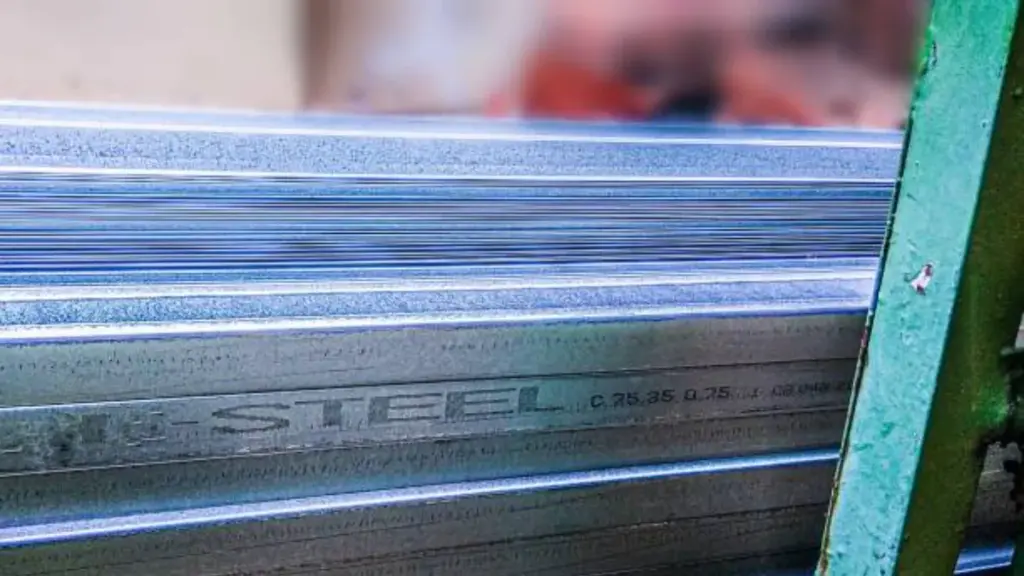
Korrosionsschutz und Oberflächenbehandlungen
Ungeschütztes SS400 korrodiert 50-100 µm/Jahr in C3-Atmosphären (städtisch/industriell), beschleunigt auf 200+ µm/Jahr in Küstennähe aufgrund von Chloriden. Lochfraß unter Beschichtungen birgt versteckte Risiken, potenzielle Halbierung der Designlebensdauer ohne Eingriff. Standards wie ISO 9223 Expositionen klassifizieren, Leitende Schutzniveaus aus dem ländlichen Raum (C2) nach Offshore (C5M).
Zu den empfohlenen Strategien gehören::
- Verzinken: 85 µm Zink (ISO 1461) für 25+ Jahre in C4; Duplex mit Farbe für C5.
- Organische Beschichtungen: Epoxidgrundierung (80 µm) + PU-Decklack (60 µm); inspizieren Sie alle 5 Jahre.
- Metallisieren: Lichtbogengespritztes Aluminium (150 µm) für Bereiche mit hoher Hitze oder Abrieb.
Vorbereitung über Sa 2.5 blasting ensures adhesion >5 MPa. Lebenszyklusanalysen begünstigen häufig die Verzinkung von Brücken mit einer Lebensdauer von 50 Jahren, Ausgleich der Vorlaufkosten mit minimalem Wartungsaufwand.
Äquivalente Qualitäten und globale Standards
| Region/Standard | Grad | Wichtige Ähnlichkeiten | Unterschiede zu SS400 |
|---|---|---|---|
| USA | ASTM A36 | Zugfest 400-550 MPa; Ausbeute ≥250 MPa (t≤200 mm) | Weitere Chemiespezifikationen; optionale NDT |
| China | GB/T 700 Q235B | Ähnliche Stärke; gute Schweißbarkeit | Schlaggeprüft; Ertragsunterklassen (A/B/C/D) |
| Europa | IN 10025 S235JR | Ausbeute ≥235 MPa; Zugfestigkeit ~360–510 MPa | 27J Charpy bei +20°C zwingend erforderlich |
| Korea | KS D3503 SS400 | Direkte Übereinstimmung | Identische JIS-Ausrichtung |
Ss400-Materialäquivalent-Swaps funktionieren 80% der Fälle, aber überprüfen Sie die Robustheit, Dickeneffekte, und Schweißzusatzstoffe. A36 passt in die USA. Codes nahtlos; Q235D für kalte Regionen.
Verfügbare Formen und Lieferspezifikationen
SS400 wird in standardisierten Formen geliefert, die für strukturelle Effizienz optimiert sind:
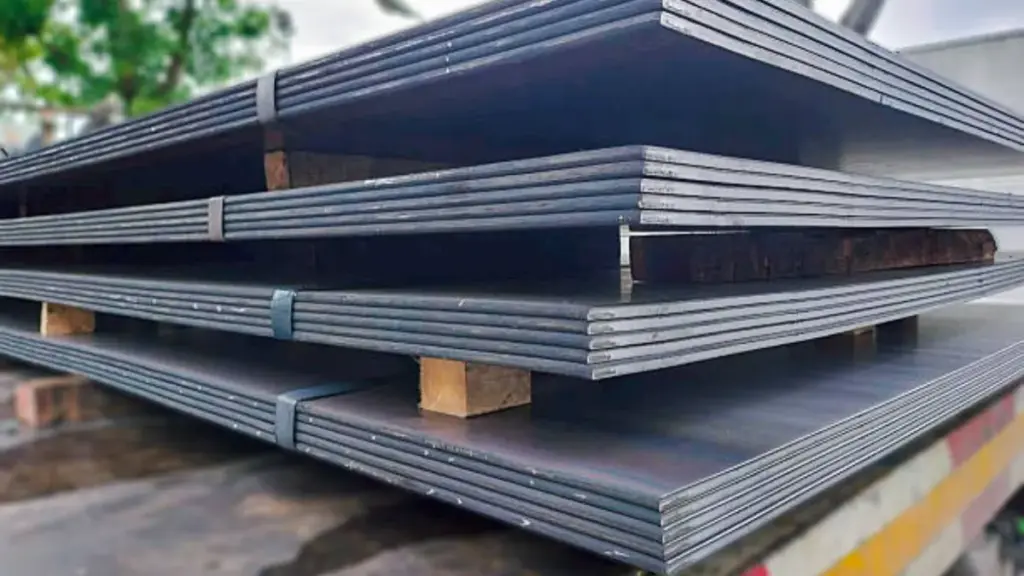
- Platten/Blätter: 1.6-200 mm dick, Breiten 1.0-3.5 M, Längen 2-12 M.
- Abschnitte: H-Träger (100-900 mm Höhe), Kanäle (50-400 mm), Winkel (25×25 bis 200×200 mm).
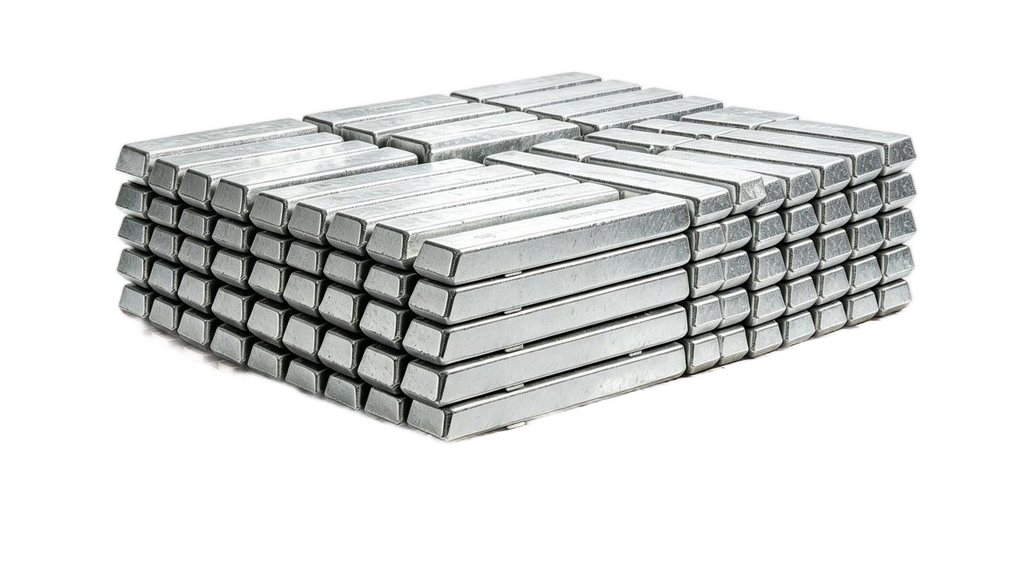
- Barren: Runden (10-250 mmm er), Wohnungen (bis 300×40 mm).
Toleranzen gemäß JIS G3193: Dicke ±0,5 mm (6-20 mm-Platten), Breite ±10-15 mm, Ebenheit ≤1,5 % der Breite. MTRs umfassen Chemie, UT (gemäß JIS G0303 Level 2), und Markierung (Sorte/Wärme/Charge). Lagerwalzwerke bieten normalisierte oder gewalzte Produkte an; Individueller Zuschnitt spart Logistik. Geben Sie EN an 10204 3.1 Zertifikate für den Export.
Typische Anwendungen von SS400-Material
Das ausgewogene Profil von SS400 glänzt bei strukturellen Anforderungen, die Schweißbarkeit und mäßige Festigkeit erfordern. Zu den Schlüsselsektoren gehören:
- Konstruktion: Geschweißte Träger und Säulen für Lagerhallen, Plattformen, und mehrstöckige Rahmen; Winkeleisen zur Abstützung bei seismischen Sanierungen.
- Infrastruktur: Brückenträger, Zufahrtsplatten, und Schienenstützen mit Ermüdungsfestigkeit (~150 MPa bei 10^7 Zyklen) bewältigt Verkehrserschütterungen.
- Marine & Schwerindustrie: Schiffsrumpfversteifungen und Schottrahmen, die der Biegung standhalten; Kranbahnträger, die zyklischen Hublasten standhalten.
- Maschinen & Herstellung: Sockel für Pressen, Förderrahmen, und Lagerregale – seine maschinelle Bearbeitbarkeit verkürzt die Rüstzeit um ein Vielfaches 25%.
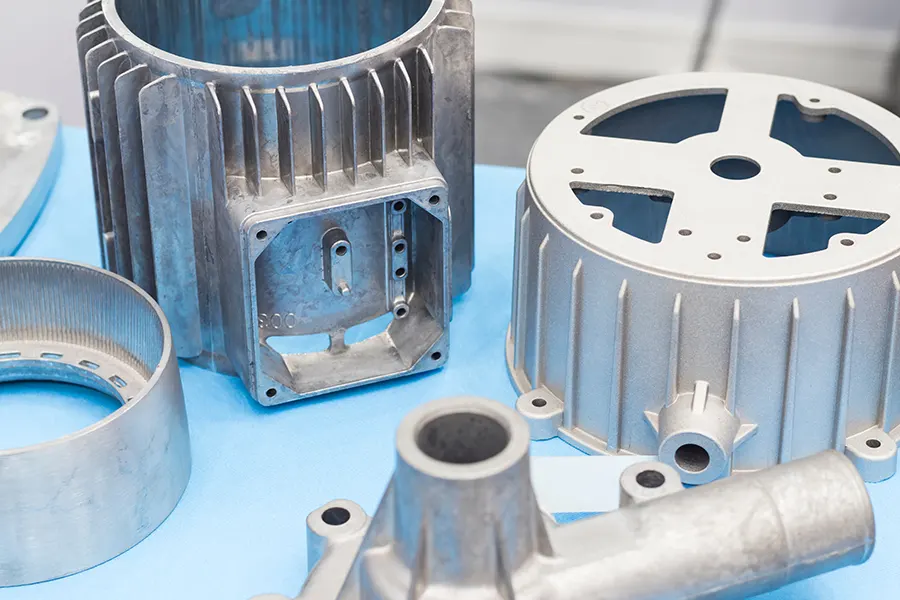
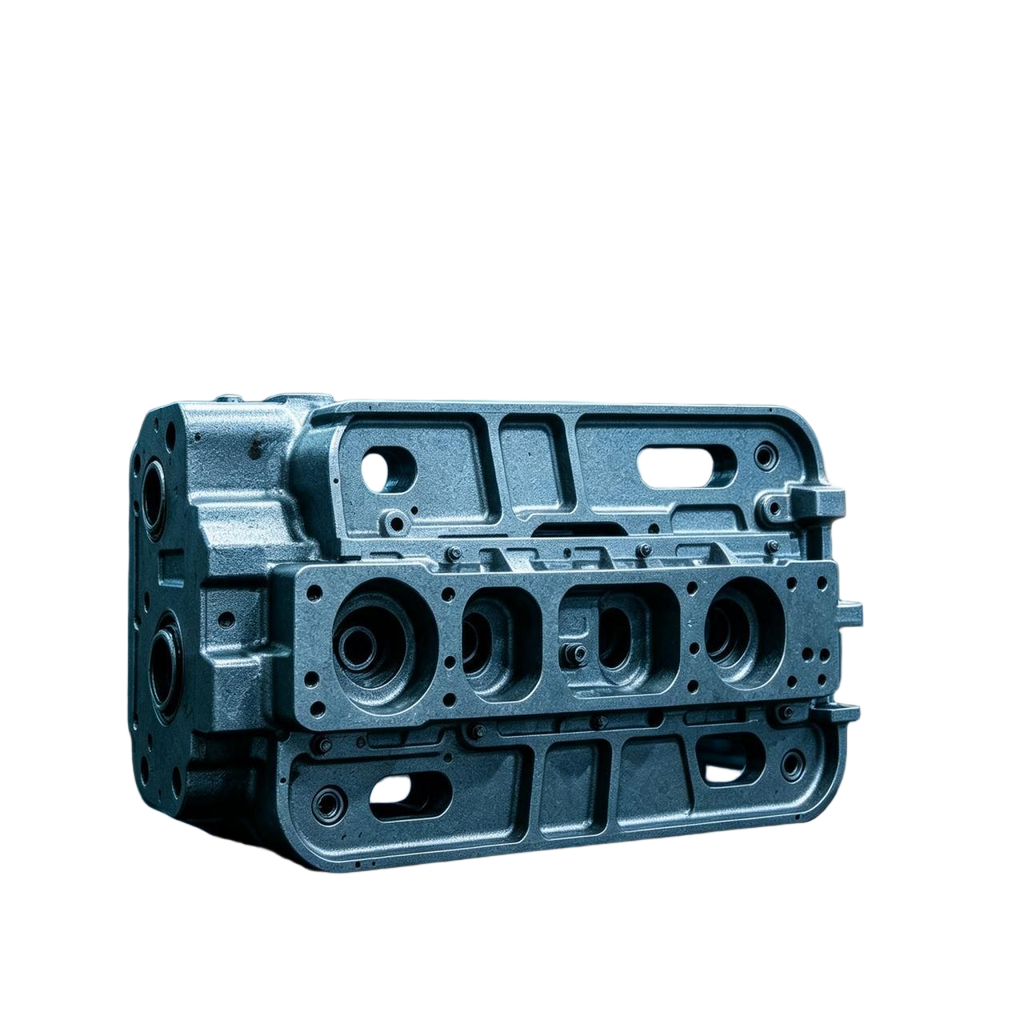
Speziell im Druckguss, SS400 formt Formbasen und nicht zum Kern gehörende Stützvorrichtungen. Bei diesen Komponenten mit geringer Belastung stehen Stabilität und Kosten im Vordergrund gegenüber Hochglanz, Dies ermöglicht hochwertige Werkzeugstähle (z.B., H13) für Hohlräume. Gepaart mit Aluminiumgussteilen wie A380 oder ADC12, SS400-Vorrichtungen ermöglichen die präzise Produktion von EV-Motorgehäusen und Beleuchtungsgehäusen ohne Verformung.
Die Perspektive eines Druckgussherstellers
Wählen Sie SS400, wenn der Ertrag erforderlich ist (205-245 MPa pro Dicke) Passen Sie sich dem Budget und der Fertigungsfreundlichkeit an – ideal für Formbasen, Rahmen, und Prototypen. Erhöhen Sie sich auf höhere Qualitäten bei Ermüdung bei hohen Zyklen oder in rauen Umgebungen; Berechnen Sie Äquivalente immer mit standortspezifischen Faktoren wie der Korrosionsklasse.
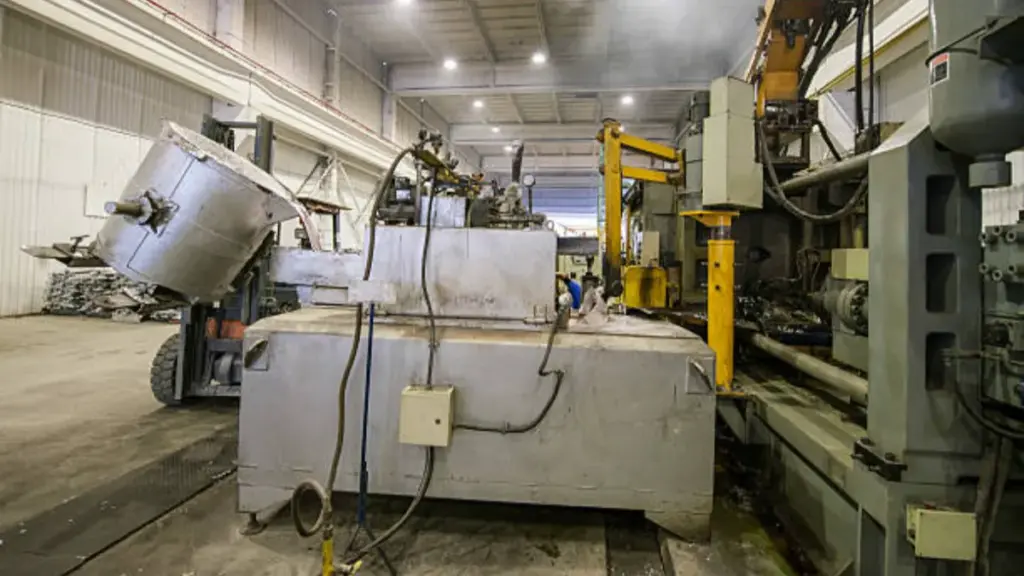
Bei BIAN Die Cast, Wir nutzen SS400-Formbasen als zuverlässige Grundlage für die Herstellung des A380, ADC12, und AlSi9Cu3-Hohlräume – perfekt für Gehäuse für LED-Straßenleuchten, Kfz-Wechselrichtergehäuse, Und Industrielle Steuerung Gehege. Unser integrierter Formenbau (10+ Kaltkammer-Druckgussmaschinen von 160-1250T, 100+ CNCs, Eigene Spritzanlagen) fertigt komplette Baugruppen vom Stahlgerüst bis zum oberflächenveredelten Gussteil.
Duales China-Mexiko Einrichtungen kürzen US-Zulassungen. Tarife und Lieferzeiten. IATF 16949 Die Zertifizierung stellt sicher, dass jede Komponente mit konformen MTRs und RoHS-Berichten zurückverfolgt werden kann.
Es erwartet Sie eine nahtlose Integration