
- Alle
- Aluminiumlegierung
- Aluminium-Druckguss
- Eloxiert
- Druckguss von Automobilteilen
- Klare Konversionsbeschichtung aus dreiwertigem Chrom
- CNC-Bearbeitung
- Kundenspezifische Legierung
- E-Beschichtung
- Hochdruck-Druckguss
- IATF16949
- Branchenführer
- ISO90001
- Dichtheitsprüfung
- Beleuchtungsteile aus Druckguss
- Magnesiumlegierung
- Magnesiumdruckguss
- Herstellerverzeichnis
- Nachricht
- Polieren
- Nachbearbeitung
- Nachbearbeitung
- Pulverbeschichtung
- Schnelles Prototyping
- Sandstrahlen
- Kugelgestrahlt
- Werkzeug und Sterbe
- Werkzeugmaterialien
- Vakuum-Druckguss
- Zinkdruckguss
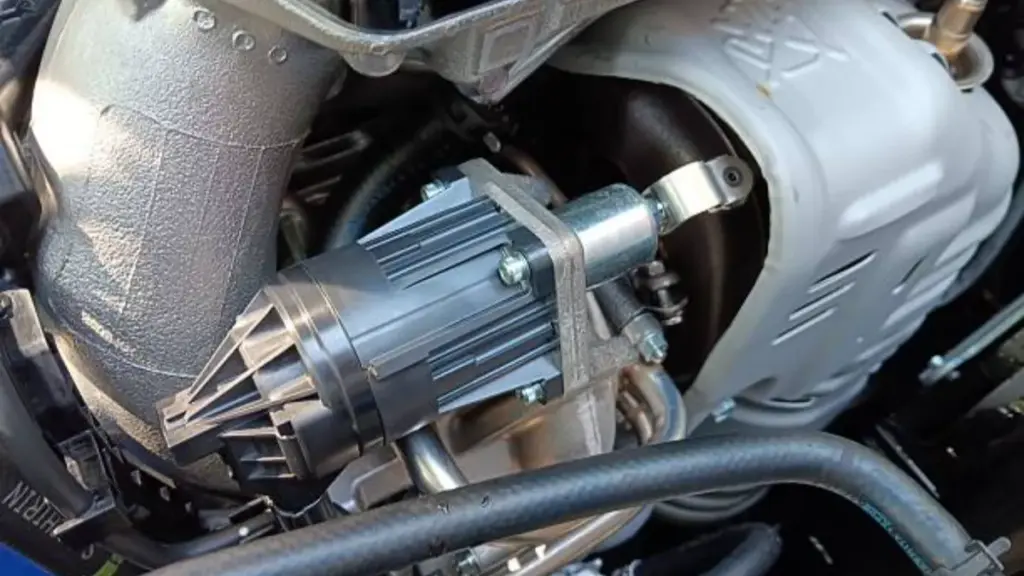
Entwicklung kundenspezifischer Aluminiumlegierungen: Von der Spezifikation bis zur Produktion in 8 Wochen
A319 aluminum alloy sits between stock grades and custom development. Walk the eight-week spec-to-production plan, its verification gates, and when to abort.
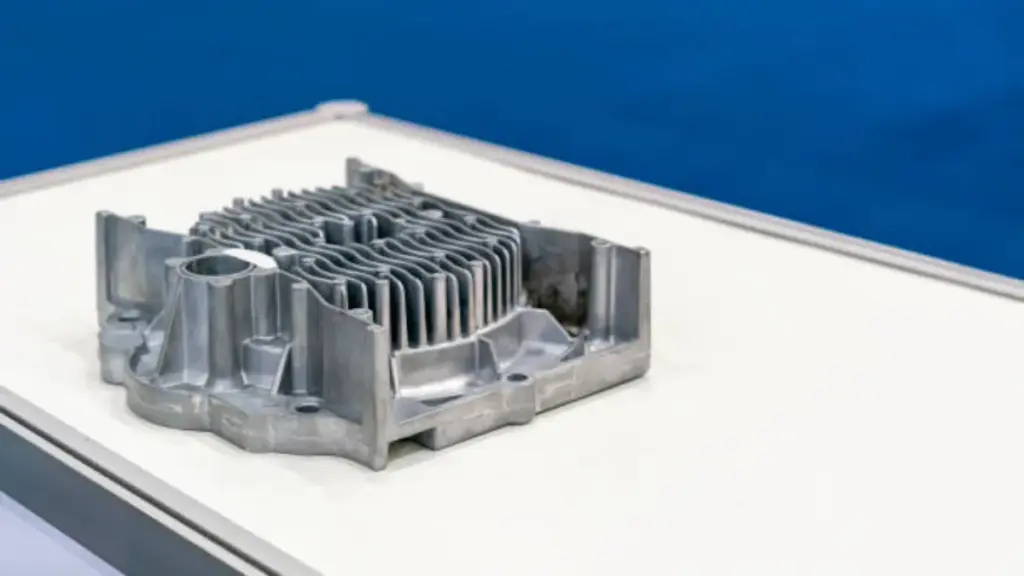
Was ist eine kundenspezifische Legierung und wann sollten Käufer eine solche anfordern??
A customized alloy can mean a drawing note or a full development program. Four levels, what each element buys, and when to ask for one.
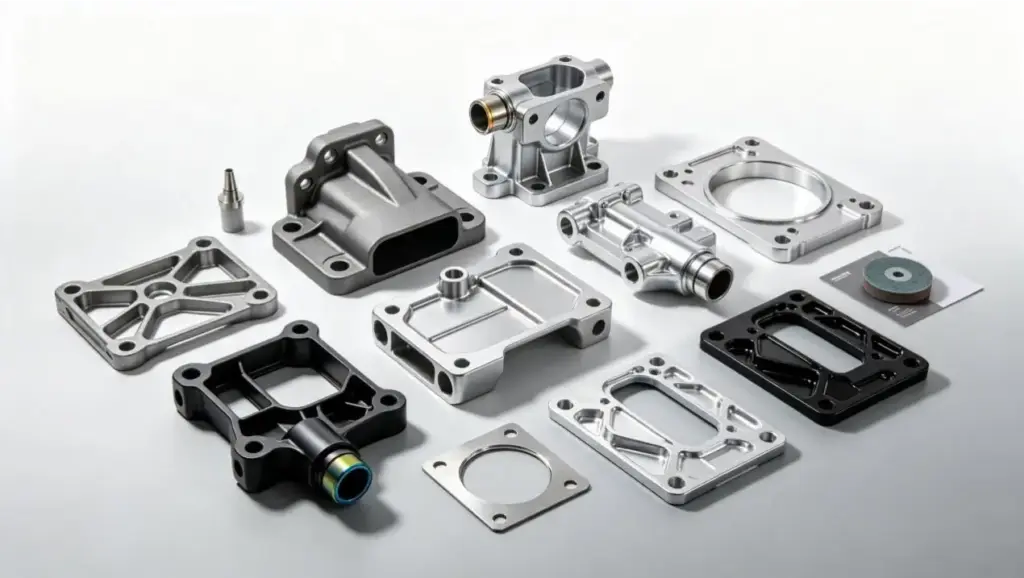
Eloxieren vs. Pulverbeschichten: Auswahl der Oberflächenbehandlung für Aluminiumdruckgussteile
Anodizing vs powder coating for aluminum die castings: how silicon mottling, film thickness, masking and drawing calls decide the right finish.
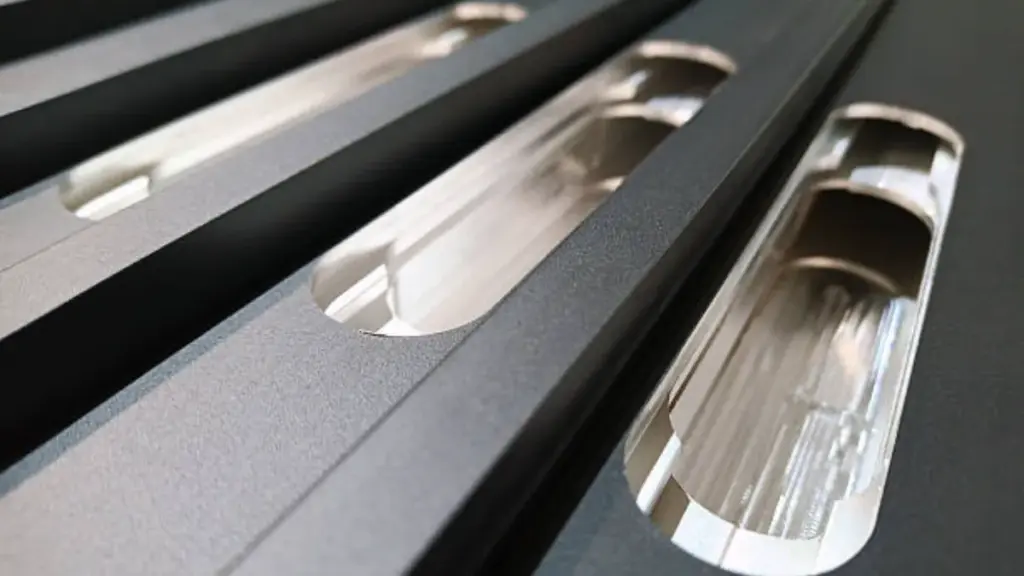
Eloxiertes Aluminiumdruckguss: Herausforderungen und Lösungen für Legierungen mit hohem Siliziumgehalt
Why ADC12 and A380 silicon blocks anodized color on die cast aluminum, and the porosity, Versiegelung, and alloy countermeasures that hold in production.
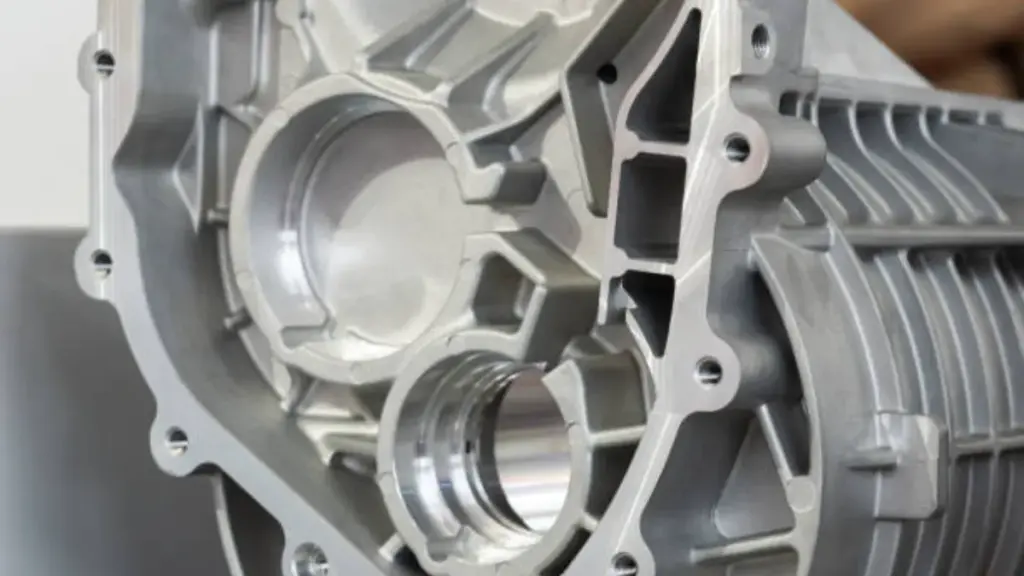
Zinkdruckguss für Automobilteile: IATF 16949 Anforderungen, die Käufer überprüfen müssen
Verifying zinc die casting suppliers against IATF 16949 scope, PPAP, SPC, and chemistry control, the checks automotive buyers must run.
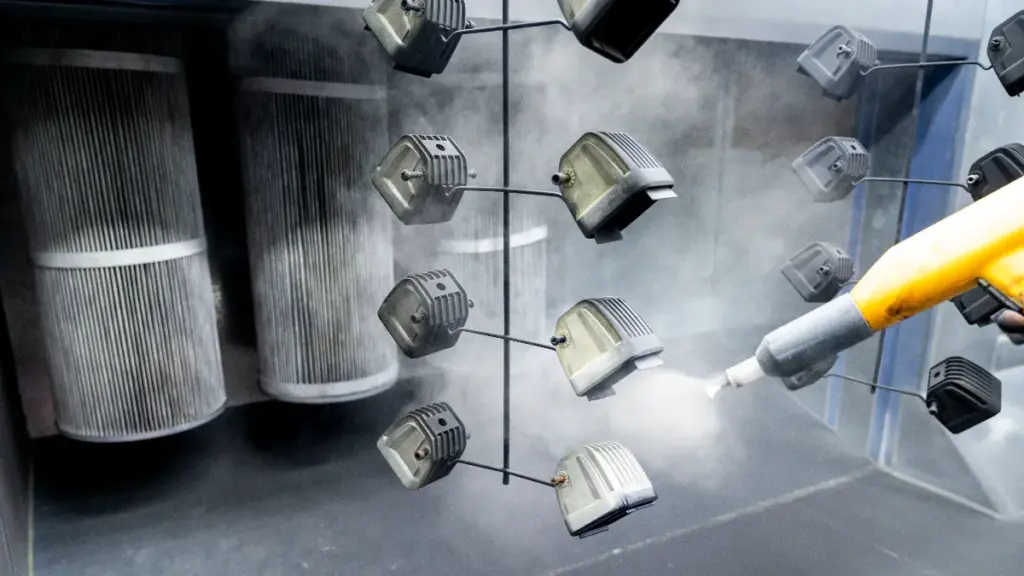
E-Beschichtung vs. Pulverbeschichtung: Korrosionsschutz und Kostenvergleich
E-coating vs powder coating compared on film thickness, Abdeckung, Farbe, corrosion testing, and cost drivers for aluminum die cast parts.
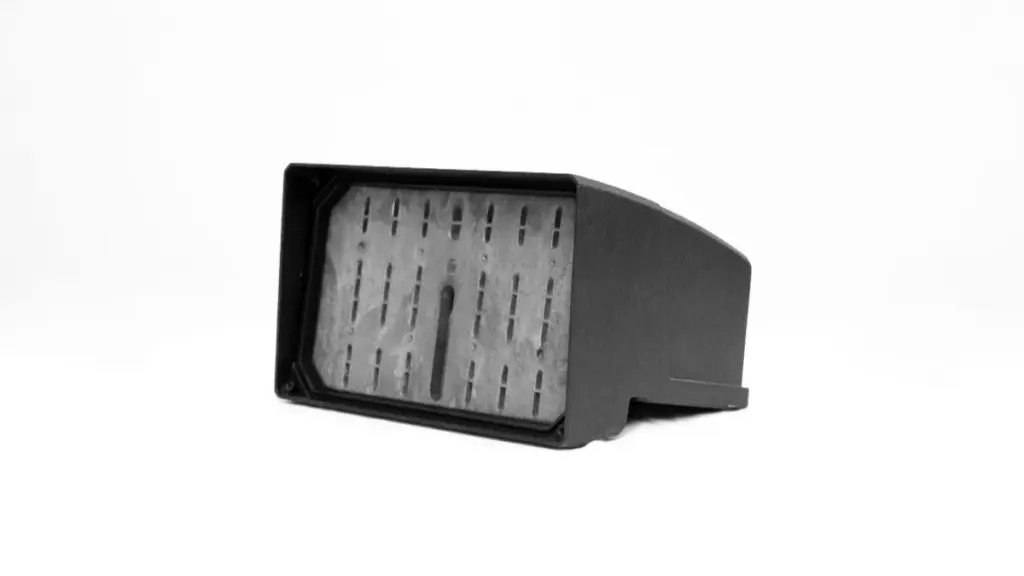
Eloxieren vom Typ II vs. Typ III: Harteloxiert für verschleißfeste Anwendungen
Type II vs Type III anodizing compared on film thickness, Härte, tolerance growth, and behavior on high-silicon die-cast aluminum.
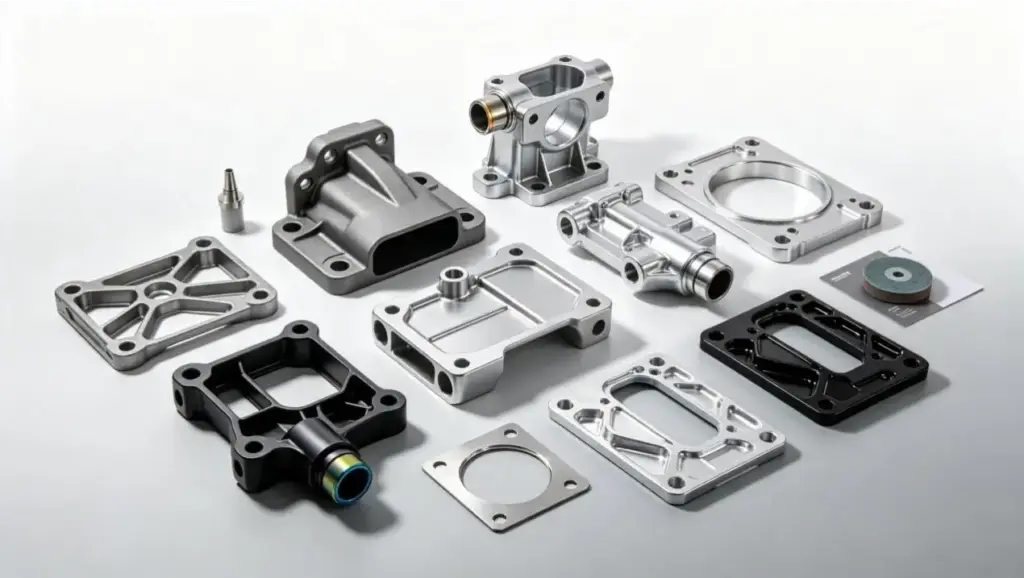
Customized Alloy Cost vs Standard Grades: ROI Analysis for High-Volume Buyers
Compare a custom alloy against standard die-casting grades on total per-piece cost. A line-by-line ROI framework and the volume crossover that decides it.
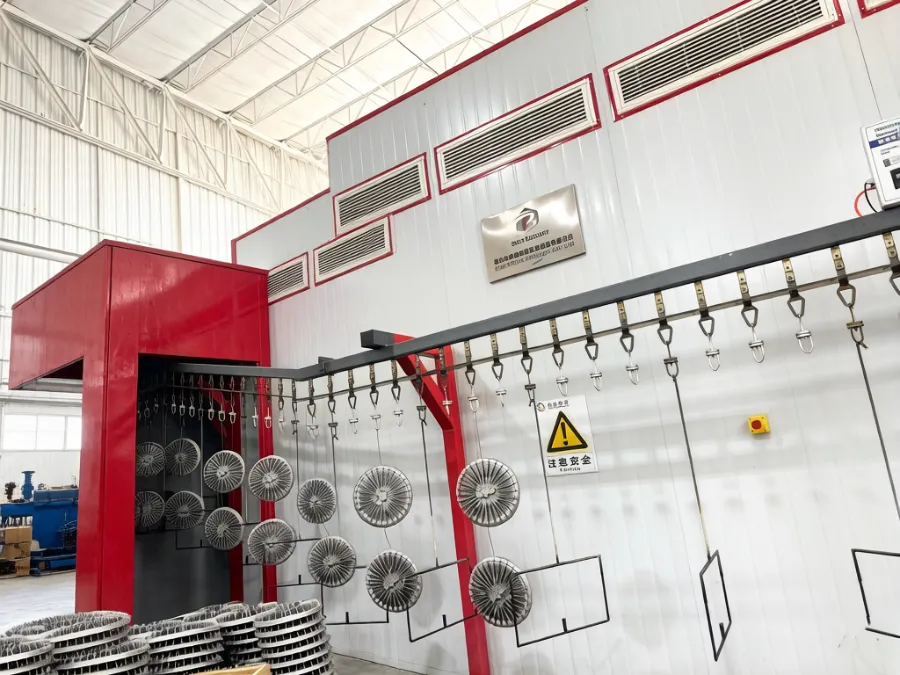
E-Coating for Automotive Die Castings: Cathodic vs Anodic Process Selection
Automotive e-coating for die cast parts: cathodic vs anodic selection, pretreatment, bake limits, and the adhesion evidence an SQE expects before the first dip.