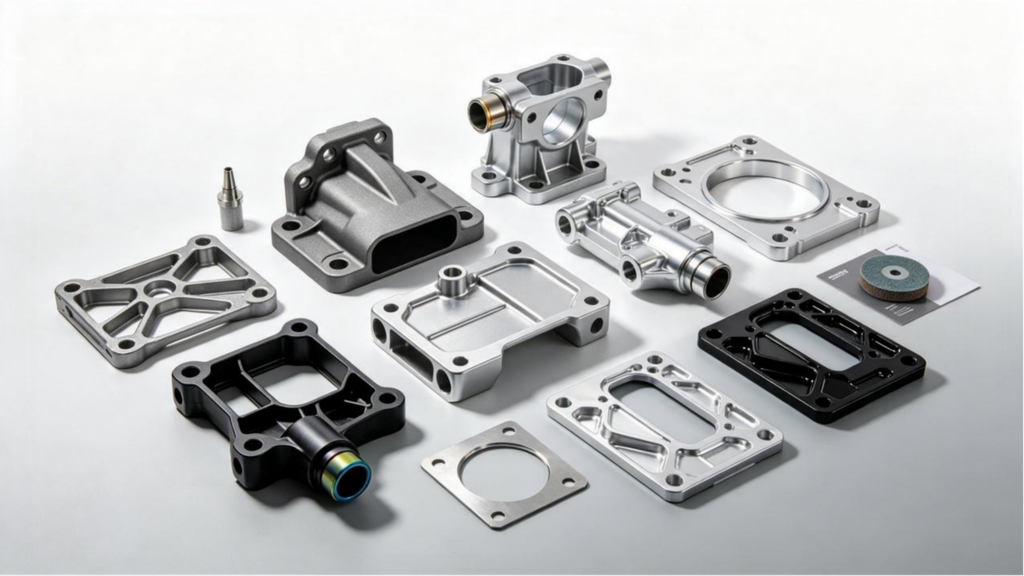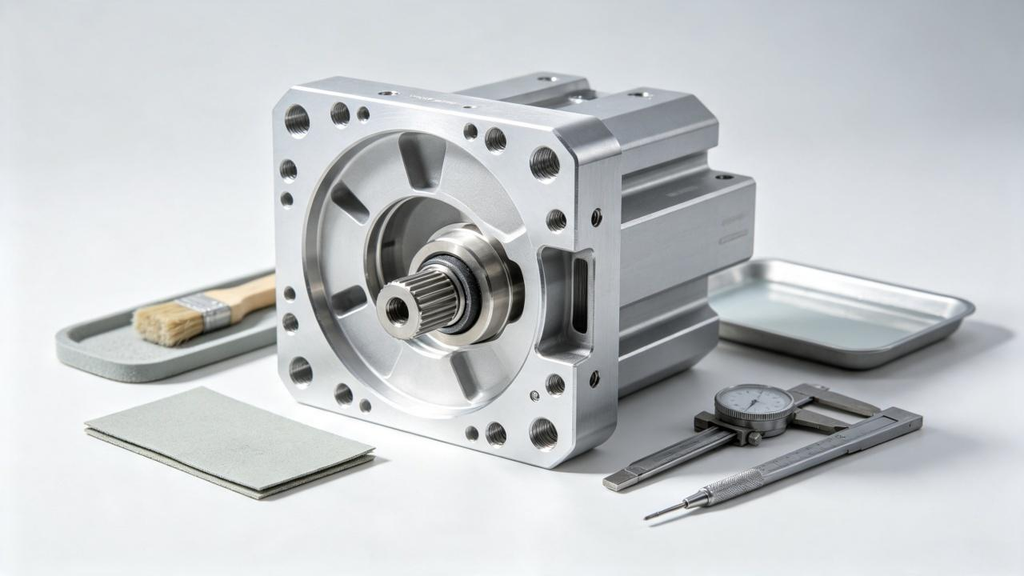
Durch die Erschließung des mexikanischen Metallgussmarkts werden die lähmenden asiatischen Importzölle neutralisiert und die volatilen Vorlaufzeiten für die Seefracht beseitigt. Durch die Beschaffung aus ausländischen Gießereien ist Ihre Komponentenlieferkette völlig unvorhersehbaren geopolitischen Störungen und untragbaren Versandkosten ausgesetzt.
Diese Analyse vergleicht die regionalen Gießereikapazitäten mit den strengen OEM-Produktionsstandards. Wir bewerten die Arbeitsraten bei voller Auslastung von $6 Zu $8 pro Stunde, Grenzüberschreitende Transitlogistik in weniger als 48 Stunden, und USMCA-Compliance-Frameworks, die Ihnen beim Aufbau einer belastbaren Lieferkette mit verifizierten Produkten helfen 95 prozentuale Renditen.
Der strategische Wandel zum mexikanischen Metallguss
Nordamerikanische OEMs verlagern den Metallguss zunehmend nach Mexiko, um ihre Lieferketten zu sichern, asiatische Zölle umgehen, und nutzen Sie die Hochleistungs-Aluminium-Druckguss-Infrastruktur.
Treiber des Lieferkettenübergangs
Globale Hersteller verlagern ihre Metallgussbetriebe nach Nordamerika, um von den USMCA-Handelsabkommen zu profitieren und hohe Zölle auf asiatische Importe zu vermeiden. Erstausrüster erzielen sofortige Kosteneinsparungen durch deutlich niedrigere Lohnsätze und kürzere Lieferzeiten. Lieferanten transportieren Komponenten in ein bis zwei Tagen über die Grenze zwischen den USA und Mexiko, Eliminierung der hohen Seefrachtrisiken, die mit der Beschaffung im Ausland verbunden sind.
Der Automobilsektor treibt diesen rasanten Kapazitätsausbau voran. Steigende Fahrzeugproduktionsmengen und die zunehmende Elektrifizierung von Fahrzeugen erfordern große Mengen an Leichtbaukomponenten. Mexikanische regionale Gießereien reagieren, indem sie ihre Anlagen erweitern, um diese wichtigen Aluminiumstrukturen an Montagewerke auf dem gesamten Kontinent zu liefern.
Regionale Hubs und technische Fähigkeiten
Mexiko organisiert seine Gussbetriebe um hochspezialisierte regionale Zentren herum. Die Region Bajio fungiert als primäres Netzwerk für komplexen Druckguss. Weiter nördlich und zentral, Mexicali und Queretaro konzentrieren sich auf zollfreie Fertigungszonen und fortschrittliche Materialien, die speziell für Luft- und Raumfahrtanwendungen geeignet sind.
Lokale Einrichtungen integrieren vollständige Produktionszyklen, um strenge internationale Teilestandards zu erfüllen. Sie führen jeden Schritt vom ersten Formenentwurf bis zur Endmontage unter einem Dach durch, Bereitstellung einer ununterbrochenen Kette der Qualitätskontrolle.
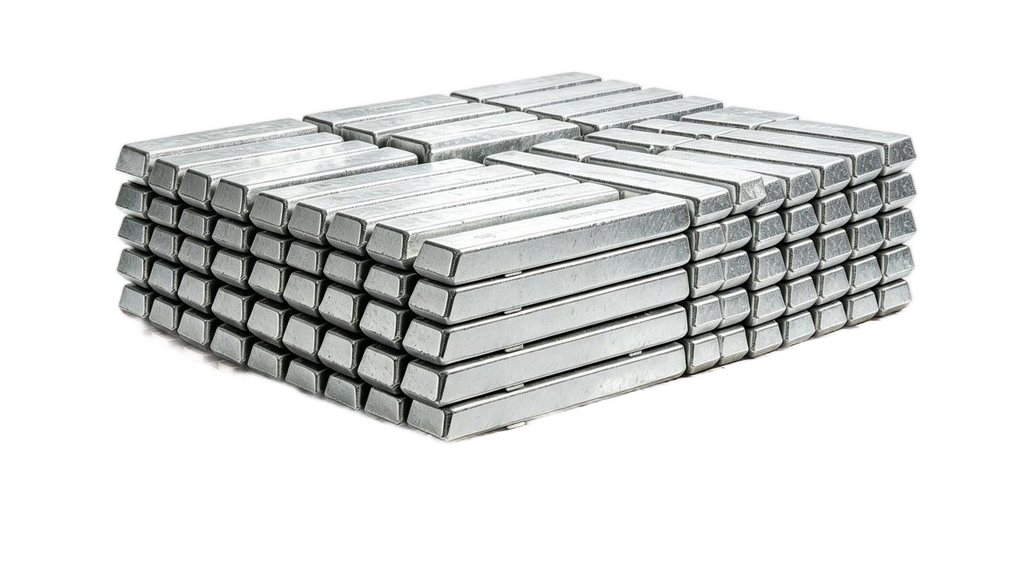
- Materielle Dominanz: Anlagenprozess 80% ihrer Rohstoffe durch Aluminium-Druckguss, Hauptsächlich werden A380- und ADC12-Legierungen verwendet.
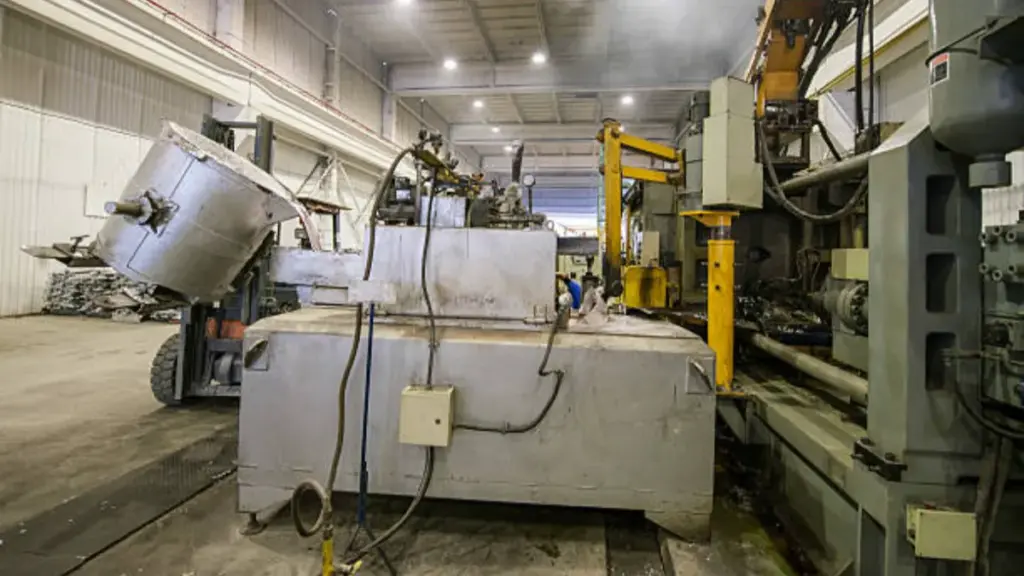
- Ausrüstungskapazität: Gießereien setzen Hochleistungspressen mit einer Reichweite von bis zu ein 900 Tonnen für die Handhabung großer Automobil- und Industrieformen.
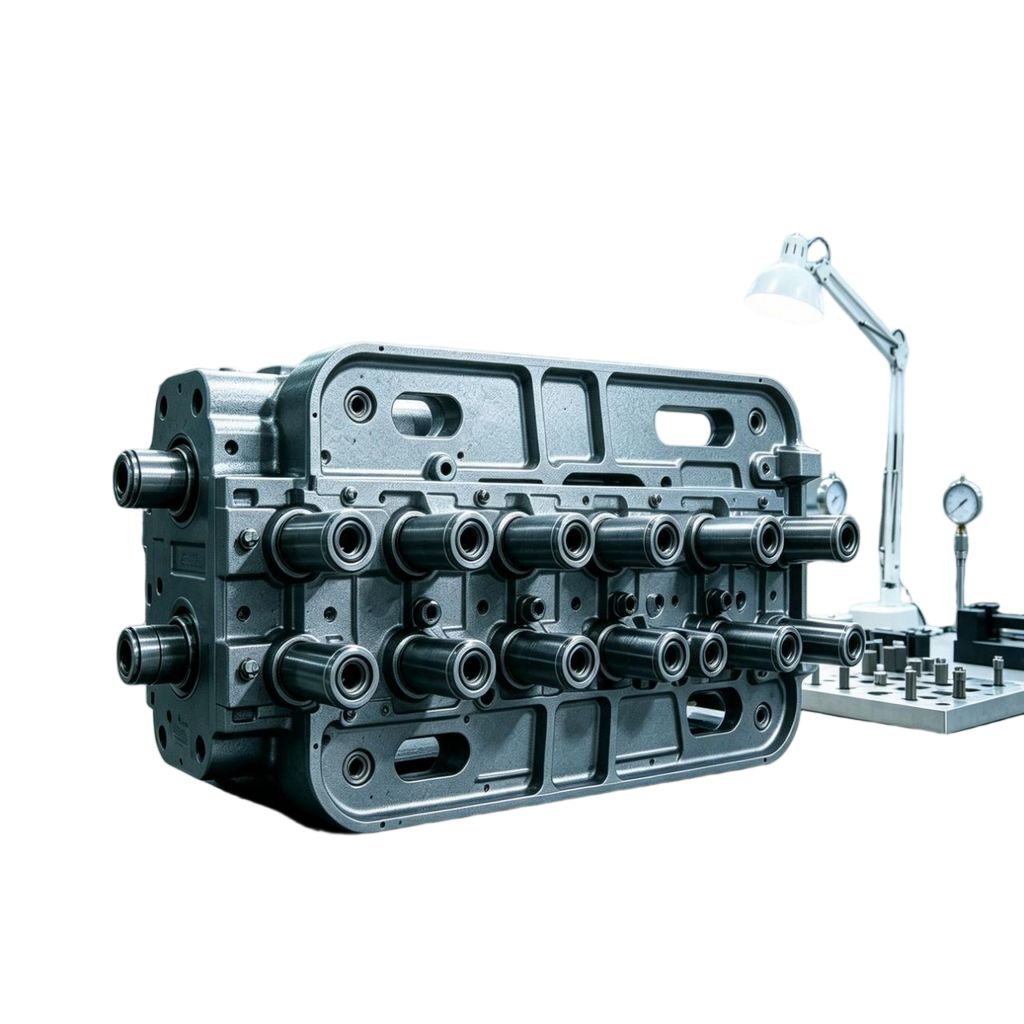
- Prozessintegration: Die Bediener kombinieren Hochdruckguss mit präziser CNC-Bearbeitung, um fertige Produkte zu liefern, montagefertige Komponenten.
- Industrie 4.0 Automatisierung: Werke implementieren eine digitale Schmelzesteuerung und automatisierte Zellen, um genaue Toleranzen einzuhalten und Ausschussraten zu minimieren.
Kernvorteile von Nearshoring für nordamerikanische OEMs
Die Verlagerung des Metallgusses nach Mexiko verkürzt die Lieferzeiten auf Tage, senkt die Logistikkosten, und neutralisiert Zollbedrohungen durch die Erfüllung der USMCA-Anforderungen.
Einsparungen bei Versandkosten und Logistik
Die Nähe ist der unmittelbarste finanzielle Vorteil beim Nearshoring nach Mexiko. Die Verlagerung von Betrieben südlich der Grenze verändert die Art und Weise, wie Sie Fracht verwalten, Lieferzeiten, und direkte Arbeit.
- Transitgeschwindigkeit: Nutzen Sie die 2.000-Meilen-Grenze, ausgestattet mit 48 Straßen- und fünf Bahnübergänge, um Waren in ein bis zwei Tagen zu den meisten Zielen in den USA zu transportieren.
- Frachtzuverlässigkeit: Minimieren Sie Risiken bei der Seefracht und unterstützen Sie die Just-in-Time-Lieferung von Schwermetallkomponenten wie Gussteilen.
- Arbeitsökonomie: Sichere Qualitätsfertigung mit voll ausgelasteten Arbeitskosten dazwischen $6 Und $8 pro Stunde.
Durch die Kombination dieser verkürzten nordamerikanischen Logistikrouten mit wettbewerbsfähigen Lohnsätzen können Sie die Gesamtkosten der Lieferkette senken, ohne die strukturelle Integrität oder Qualität Ihrer Metallgussteile zu beeinträchtigen.
Abmilderung von Zoll- und geopolitischen Risiken
Die Sicherung Ihrer Lieferkette innerhalb Nordamerikas schützt Ihren Betrieb vor unvorhersehbaren globalen Störungen. Die regionale Beschaffung macht moderne Handelspolitik von einer Belastung zu einem deutlichen Wettbewerbsvorteil.
- USMCA-Konformität: Beseitigen Sie die meisten Zölle auf regionale Waren, indem Sie die Anforderungen erfüllen 75 Prozent nordamerikanischer Anteilsbedarf durch mexikanischen Metallguss.
- Pflichtvermeidung: Umgehen Sie den US-Bereich 232 Zölle auf Stahl und Aluminium sowie Umgehungszölle aufgrund der Handelsspannungen zwischen den USA und China.
- Stabilität der Lieferkette: Vermeiden Sie Unterbrechungen der Lieferkette im Ausland, hohe Versandvolatilität, und schwankende internationale Beziehungen.
Sie verankern Ihr Sourcing-Netzwerk stabil, regionales Ökosystem. Die Aufrechterhaltung der Produktion in Nordamerika gewährleistet die Kontinuität Ihrer Metallgussversorgung und neutralisiert gleichzeitig die Gefahr plötzlicher Änderungen der Offshore-Politik oder Handelskriege.
Hochpräziser Druckguss für globale OEMs
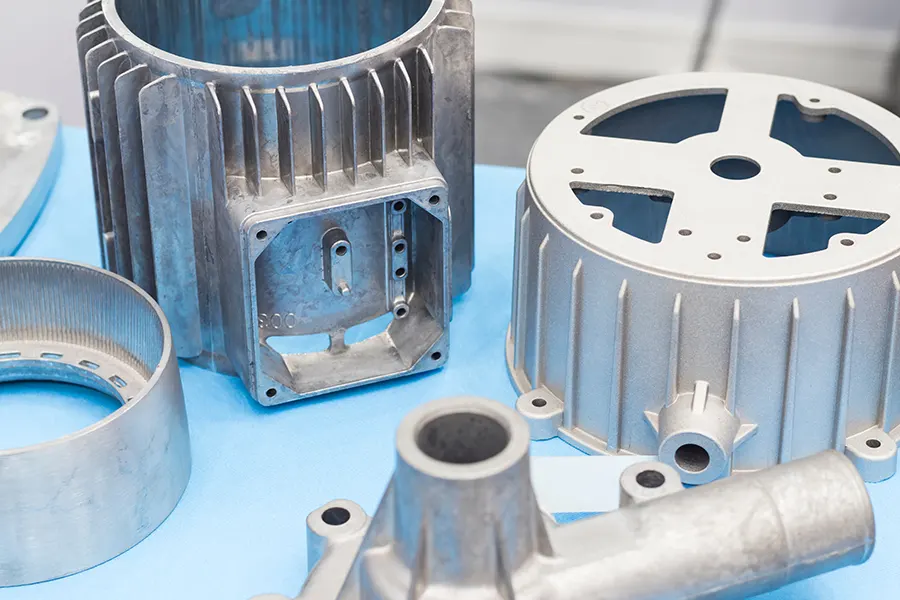
Spitze 3 Liste der Metallgusshersteller in Mexiko
Nemak, Tupy, und Cifunsa dominieren Mexikos Gusssektor, Verankerung nordamerikanischer Lieferketten mit spezialisiertem Automobilaluminium, Gusseisen, und Leichtbaukomponenten für die E-Mobilität.
| Hersteller | Schlüsselbasis in Mexiko | Kernprodukte | Marktfokus |
|---|---|---|---|
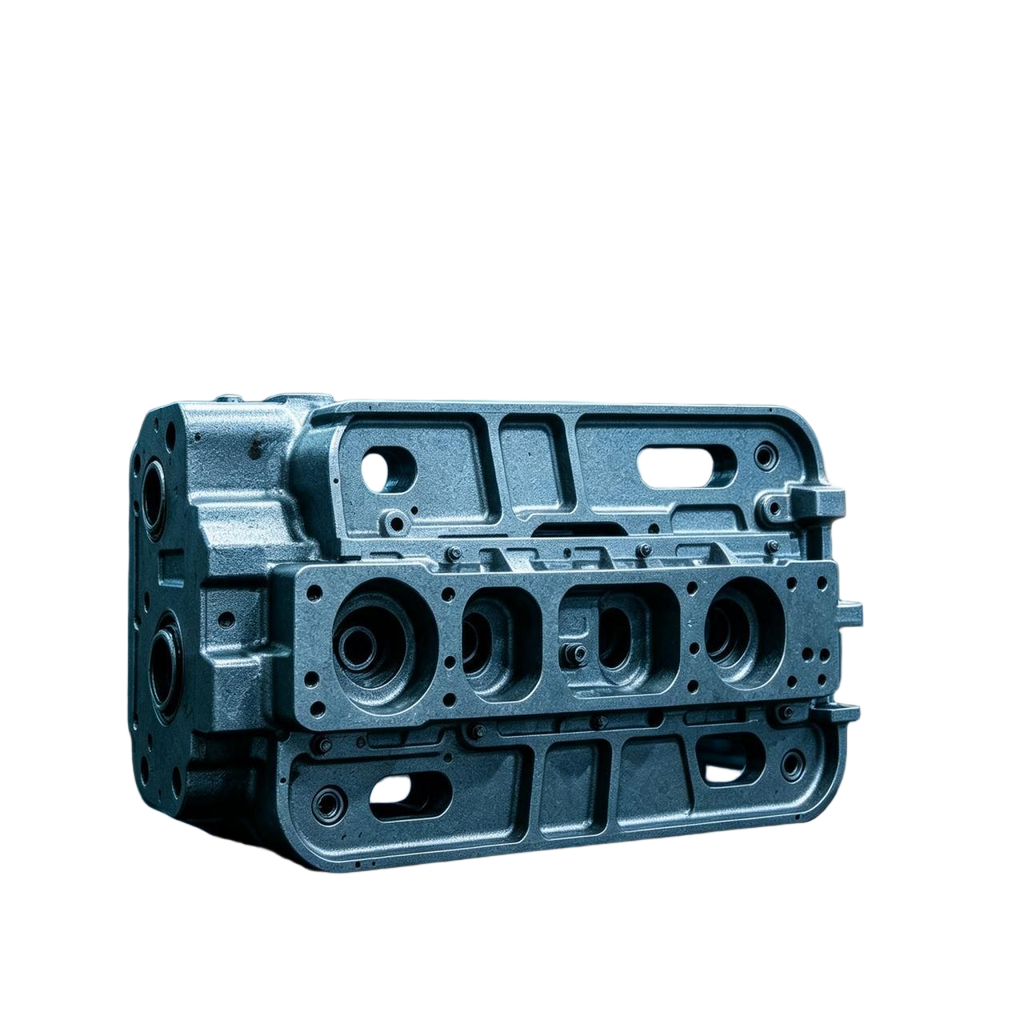
| Nemak | García, Nuevo Leon | Motorblöcke aus Aluminium, Köpfe, Übertragungen | Automobil-OEMs, E-Mobilität |
| Tupy | Coahuila | Strukturteile aus Gusseisen, CGI | Schwere Nutzfahrzeuge, Maschinen |
| Cifuna | Saltillo / Drehkreuz Nuevo León | Strukturgussteile aus Eisen und Stahl | Automobil- und Industrielieferketten |
Nemak
Betrieb von seinem Hauptsitz in García aus, Nuevo Leon, Nemak ist führend in der globalen Lieferkette für Automobilkomponenten aus Aluminium. Das Unternehmen zielt auf die Massenfertigung komplexer Produkte ab, leistungskritische Gussteile. Sie fungieren als strategischer Partner für OEMs, die große Produktionskapazitäten benötigen, ausgereifte Engineering-Prozesse, und strenge Maßhaltigkeit.
Nemak hat einen großen operativen Wandel hin zur E-Mobilität vollzogen. Sie erweitern aktiv ihre Anlagen, um leichte Aluminiumstrukturkomponenten herzustellen, die auf Plattformen für Elektrofahrzeuge zugeschnitten sind. Dieser Übergang ermöglicht es nordamerikanischen Automobilherstellern, dünnwandige Hochdruck-Druckgussteile zu beziehen (HPDC) gleich hinter der Grenze, Dadurch wird das Gesamtgewicht des Fahrzeugs effektiv gesenkt, um die Batteriereichweite zu maximieren.
Tupy
Tupy betreibt umfangreiche Produktionsbetriebe in Mexiko, spezialisiert sich ausschließlich auf hochentwickelte Strukturbauteile aus Gusseisen. Ihre Anlagen verarbeiten komplexe metallurgische und geometrische Teile, die Standardgießereien nur schwer herstellen können. Das Unternehmen baute seinen Ruf auf einer strengen Prozesskontrolle und nahezu endkonturnaher Genauigkeit für Dichtstoffe auf, schwere Metallanwendungen.
Ihre Produktionslinien sind direkt auf schwere Nutzfahrzeuge ausgerichtet. Tupy hat kürzlich sein Angebot an verdichtetem Graphiteisen erweitert (CGI) Kapazität in Mexiko. Dieses spezielle Material bietet im Vergleich zu herkömmlichem Grauguss eine überlegene Zugfestigkeit, So erhalten Hochleistungs-OEMs eine langlebige Lösung, leichtere Alternative für kommerzielle Motorblöcke und hochbeanspruchte strukturelle Fahrwerkskomponenten.
Cifuna
Cifunsa verankert das Casting-Zentrum im Norden Mexikos in der Nähe von Nuevo León. Sie betreiben spezielle Anlagen zum Gießen von Strukturgussteilen aus Eisen und Stahl. Das Unternehmen deckt ein breites Spektrum metallurgischer Anforderungen ab, einspringen, um das Rohvolumen zu liefern, das für nordamerikanische Schwerindustrie- und Infrastrukturprojekte benötigt wird.
Die Gießerei unterstützt direkt Automobil- und Industrie-OEM-Lieferketten. Cifunsa konzentriert sich auf spezialisierte technische Komponenten, Lieferung von gusseisernen Automobilteilen und -beschlägen direkt an Montagewerke in den USA und Kanada. Ihre Fähigkeit, Eisenguss mit präzisen Endbearbeitungsprozessen zu skalieren, macht sie zu einer äußerst zuverlässigen Quelle für Hersteller, die ihre Zuliefererstandorte lokalisieren.
China & Mexiko Dual-Base-Lösung
Sie sind nicht darauf beschränkt, nur mit lokalen mexikanischen Giganten wie Nemak zusammenzuarbeiten, Tupy, und Cifunsa. Während diese Gießereien die regionale Kapazität für großvolumige Aluminium- und Eisengussteile dominieren, Sie neigen auch dazu, langfristige Automobilprogramme und Schwerindustrieverträge zu priorisieren, Dies führt zu weniger flexiblen Kapazitäten und höheren Mindestbestellmengen für mittelgroße OEMs und die Einführung neuer Produkte.
Im Gegensatz dazu, Bian Diecast kombiniert Chinas ausgereiftes Druckguss-Ökosystem mit einem voll funktionsfähigen Werk in Mexiko, den nordamerikanischen OEMs ein „China“ zu geben + Mexiko“-Dual-Base-Lösung. Sie können China für den schnellen Werkzeugbau nutzen, komplexe DFM-Iterationen, und kostenoptimierte Massenproduktion, während das Werk in Mexiko für den Nearshore-Endguss sorgt, Bearbeitung, und Nachschub mit grenzüberschreitendem Transit in weniger als 48 Stunden und vollständiger USMCA-Konformität.
Mit dieser Struktur können Sie den Kapazitätsengpass und die langen Wartezeiten traditioneller mexikanischer Gießereien umgehen. Das Foshan-Werk von Bian Diecast ist für den Formenbau zuständig, Hochdruck-Aluminium-Druckguss, CNC-Bearbeitung, Pulverbeschichtung, und Montage in einem vertikal integrierten Arbeitsablauf, spiegelt dann kritische Prozesse in seinem Coahuila wider, Standort Mexiko zur Unterstützung der Automobilbranche, Beleuchtung, und Industriekunden, die sowohl hohe Volumina als auch flexible Umstellungen benötigen.
Integration mexikanischer Gießereien in Ihre Lieferkette
Eine erfolgreiche Integration erfordert die gezielte Ausrichtung auf die Gießereikapazitäten, Auditierung für >95% Erträge, und Strukturierung von Verträgen, die die USMCA-Konformität und die grenzüberschreitende Logistik in weniger als 48 Stunden maximieren.
Schritte zur Lieferantenauswahl und -prüfung
Sie müssen die Betriebsfläche der Gießerei sofort an Ihre spezifischen Produktionsanforderungen anpassen. Wenn Sie Ihre Mengenerwartungen nicht mit den Kernkompetenzen eines Lieferanten in Einklang bringen, ruiniert dies die Wirtschaftlichkeit Ihrer Einheit.
- Kapazitätsanpassung: Zielstufe 1 Integratoren für den großvolumigen Hochdruck-Kokillenguss (HPDC) Programme. Nutzen Sie spezialisierte regionale Gießereien für Gussläufe mit geringer Kraft oder nach Maß.
- Industrie 4.0 Audits: Überprüfen Sie vertikal integrierte Lieferanten auf digitale Rückverfolgbarkeit und effiziente Schrottrecyclingkreisläufe. Fordern Sie bewährte Maßtoleranzen unter ±0,3 mm und konstante Ausbeuteraten darüber 95%.
- Design-Zusammenarbeit: Beziehen Sie Lieferanten frühzeitig ein, um digitale Zwillingssimulationen für Anschnitte und Steigleitungen durchzuführen. Qualifizieren Sie bestimmte Legierungen, um Komponenten zu konsolidieren und unnötige nachgelagerte Bearbeitungen zu vermeiden.
Vertragsstrukturierung und Logistikoptimierung
Ein konkurrenzfähiges Angebot pro Teil bedeutet nichts, wenn Transportverzögerungen und Zölle Ihre Margen verschlingen. Intelligente Beschaffungsteams legen die Gesamteinstandskosten und die Lieferkettenführung fest, lange bevor die erste Form gegossen wird.
- Full-Service-Verträge: Verhandeln Sie einzelne Mehrjahresverträge, die die Wärmebehandlung umfassen, Präzisionsbearbeitung, und Endmontage gemeinsam. Diese Struktur gewährleistet vorhersehbare Landekosten und klare Zeitpläne für die Werkzeugamortisation.
- Proximity-Logistik: Kartieren Sie Versorgungsrouten aus zwei Quellen und bauen Sie lokale Lagerbestände in nördlichen Produktionsclustern wie Nuevo León und Coahuila auf. Dieser Aufbau garantiert Lieferfenster von weniger als 48 Stunden direkt an grenzüberschreitende Montagewerke.
- USMCA-Konformität: Validieren Sie den nordamerikanischen Ursprung aller Umschmelzschrotte und Knüppel. Treffen mit dem 70% Der regionale Schwellenwert für den Gehalt vermeidet Einfuhrzölle und gewährleistet die Rohstoffstabilität durch geschlossene Systeme.
Häufig gestellte Fragen
Was sind die wichtigsten Kosteneinsparungen beim Nearshoring von Metallguss nach Mexiko??
Das Nearshoring des Metallgusses nach Mexiko führt zu sofortigen Kosteneinsparungen durch voll ausgelastete Fertigungslohnsätze, die dazwischen liegen $6 Und $8 pro Stunde. Die Nähe verkürzt die Versandzeiten von mehreren Wochen über den Pazifik auf nur wenige Tage über die Grenze. Unternehmen nutzen das USMCA, um Zölle vollständig abzuschaffen. Durch kürzere Vorlaufzeiten entfallen überschüssige Lagerhaltungskosten und das Risiko von Unterbrechungen der Lieferkette sinkt, Dadurch können nordamerikanische OEMs äußerst wettbewerbsfähige Gesamteinstandskosten erzielen.
Wie mindert Nearshoring nach Mexiko die Zollrisiken für OEMs??
OEMs mindern Zollrisiken, indem sie sich auf die Ursprungsregeln des USMCA stützen. Einrichtungen, die regionale Inhaltsanforderungen erfüllen, exportieren zollfrei direkt in die USA und nach Kanada. Diese Strategie umgeht Abschnitt 232 Zölle auf Stahl und Aluminium, und gleichzeitig die hohen Einfuhrzölle auf asiatische Komponenten umgehen. Die Beschaffung vor Ort stabilisiert die Lieferkette und sichert die langfristige betriebliche Vorhersehbarkeit in ganz Nordamerika.
Sind mexikanische Gießereien in der Lage, OEM-Produktionen in großen Mengen durchzuführen??
Mexikanische Gießereien verfügen über erhebliche Kapazitäten für die OEM-Produktion in großen Stückzahlen, dominiert die Automobil- und Haushaltsgerätebranche. Die Industrie beherbergt vorbei 140 Gießereien mit modernen Hochdruck-Druckgussmaschinen und automatisierten Formzellen. Doch die Nachfrage übersteigt das aktuelle Angebot. Die Nachfrage steigt $10 Milliarde gegen gerade $7 Milliarden Kapazität, Erstklassige Automobilgießereien arbeiten nahezu maximal ausgelastet. Diese Lücke stellt Käufer außerhalb des Automobilsektors, die sich Produktionsflächen sichern möchten, vor echte Beschaffungsherausforderungen.
Letzte Gedanken
Während ausländische Gießereien niedrigere Vorabkosten für die Werkzeugherstellung bieten, Das Nearshoring Ihres Metallgusses nach Mexiko ist die einzige Möglichkeit, Ihren Betrieb vor unvorhersehbaren Frachtverzögerungen und aggressiven Zollerhöhungen zu schützen. Die Beschaffung innerhalb Nordamerikas garantiert kurze Lieferzeiten und sichert die USMCA-Konformität für Ihre kritischen Komponenten. Wenn Sie darauf warten, sich anzupassen, sind Ihre Margen den sich ändernden globalen Handelsrichtlinien völlig ausgesetzt.
Hören Sie auf, Ihre Gesamteinstandskosten zu schätzen, und beginnen Sie mit der Überprüfung regionaler Lieferanten, bevor erstklassige Gießereien ihre maximale Kapazität erreichen. Wir empfehlen eine sofortige Prüfung der Lieferkette, um Ihre spezifischen Produktionsmengen dem richtigen mexikanischen Produktionszentrum zuzuordnen. Kontaktieren Sie noch heute unser Beschaffungsteam, um eine belastbare Logistikroute zu planen und Ihre Gießkapazität zu sichern.