إن اختيار مادة صب الزنك الخاطئة هو القرار الوحيد الذي يمكن أن يؤدي إلى فشل كارثي في المكونات, مما اضطر إلى سحب المنتجات باهظة الثمن ووقف خطوط الإنتاج. يمكن أن يؤدي عدم التطابق الطفيف بين خصائص السبيكة والضغط الميكانيكي لتطبيقاتها أو التعرض البيئي إلى حدوث تشقق سابق لأوانه, تآكل, أو عدم الاستقرار الهيكلي. تؤدي نقطة الفشل الوحيدة هذه إلى إبطال الدورات الهندسية بأكملها, استثمارات أدوات النفايات, ويعرض التزامات سلسلة التوريد للخطر.
يوفر هذا الدليل البيانات الفنية النهائية المطلوبة لتحديد سبيكة الزنك الصحيحة لتطبيقك. سنقوم بتفصيل الاختلافات الرئيسية بين سبائك Zamak و ZA, مقارنة قوتها الميكانيكية, صلابة, والخصائص الحرارية. وسنغطي أيضًا التصميم الأساسي لقابلية التصنيع (سوق دبي المالي) مبادئ, بما في ذلك تحسين سمك الجدار, زوايا مشروع, ومعايير التسامح, قبل استكشاف خيارات التشطيب النهائية للأغراض التجميلية والوقائية.
مقدمة: لماذا تهيمن سبائك الزنك على التصنيع الدقيق؟
توفر سبائك الزنك دقة أبعاد فائقة وتكاليف إنتاج أقل من خلال السيولة العالية وعمر الأداة الممتد, مما يجعلها مثالية للمعقدة, التصنيع بكميات كبيرة.
تحقيق تفاوتات مشددة مع سيولة فائقة
إن سيولة الزنك الاستثنائية في حالته المنصهرة هي مفتاح دقته. تسمح هذه الخاصية للسبائك بملء تجاويف القالب المعقدة بالكامل, إنتاج أجزاء ذات شكل شبكي بدقة أبعاد لا مثيل لها - عادةً ما يتم تحقيق تفاوتات تبلغ ± 0.05 مم في الصب بالقالب وبدقة تصل إلى ± 0.01 مم مع التصنيع باستخدام الحاسب الآلي الثانوي. تتيح هذه الدقة إنشاء مكونات ذات جدران رقيقة للغاية, وصولا الى 0.3 مم, دون التضحية بالسلامة الهيكلية. يمكن للمصممين أيضًا تحديد الحد الأدنى أو حتى زوايا المسودة الصفرية, مما يبسط تصميم الأجزاء ويقلل من هدر المواد. الانتهاء من السطح المصبوب الناتج (را ≥ 1.6 ميكرومتر) سلس بما يكفي للتخلص من الحاجة إلى معظم عمليات التلميع الثانوية, مزيد من تبسيط الإنتاج.
خفض تكاليف الإنتاج من خلال إطالة عمر الأداة
الميزة الاقتصادية الهامة لسبائك الزنك هي نقطة انصهارها المنخفضة التي تبلغ حوالي 419.5 درجة مئوية. تعمل درجة حرارة التشغيل المنخفضة هذه على تقليل الضغط الحراري على قوالب الصب بشكل كبير, تمديد عمر الأداة إلى أكثر من ذلك 1,000,000 الدورات – أبعد بكثير مما هو ممكن مع المواد ذات درجة الحرارة المرتفعة مثل الألومنيوم. تحتوي المادة أيضًا على مؤشر قابلية تشغيل عالية (زيادة 90%), مما يقلل من تآكل الأداة أثناء العمليات الثانوية ويقصر أوقات الدورات. كما أن الزنك قابل لإعادة التدوير بالكامل دون تدهور خواصه الميكانيكية. وهذا يسمح للمسابك بإعادة صهر وإعادة استخدام جميع خردة العمليات, خلق مستدام, نظام حلقة مغلقة يقلل من تكاليف المواد الخام للإنتاج الضخم.
قوة التوازن, ارتداء المقاومة, والتنوع
توفر سبائك الزنك مزيجًا قويًا من الخواص الميكانيكية, بما في ذلك قوة الشد العالية (تتراوح بين 280-430 ميجا باسكال) والمقاومة تأثير, مما يجعلها مناسبة للمكونات الهيكلية الحاملة. يتيح توفر السبائك المتخصصة ضبط الأداء لتلبية متطلبات التطبيقات المحددة. على سبيل المثال, عائلة ZA من السبائك (مثل ZA-8) يوفر صلابة محسنة ومقاومة التآكل لتطبيقات التحمل, بينما توفر التركيبات المتقدمة مثل EZAC إمكانية تصنيع فائقة للأدوات المعقدة. يمتد هذا التنوع إلى عمليات التصنيع; الزنك قابل للتكيف مع الصب بالضغط العالي, التصنيع باستخدام الحاسب الآلي الدقة, والتشكيل البارد, منح المهندسين المرونة اللازمة لإنتاج أشكال هندسية معقدة بكفاءة.
عملية صب الزنك: كفاءة الغرفة الساخنة
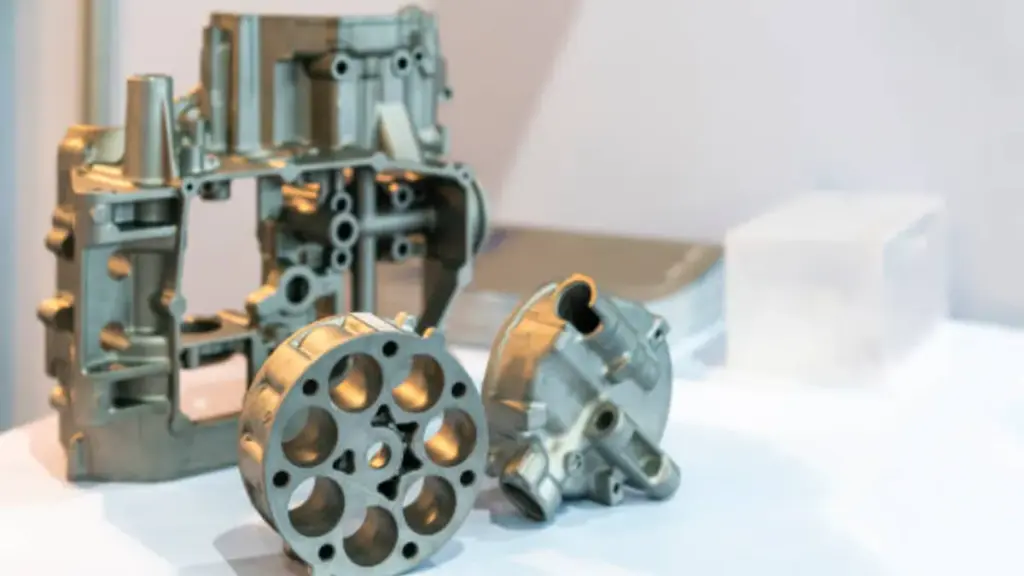
يدمج الصب بالقالب بالغرفة الساخنة نظام الفرن والحقن, تمكين سرعات دورة لا مثيل لها وسلامة المواد لإنتاج مكونات الزنك بكميات كبيرة.
تصميم معقوف متكامل لدورات الحقن السريعة
في عملية الغرفة الساخنة, آلية الحقن, المعروفة باسم معقوفة, يتم غمره بشكل دائم في حمام الزنك المنصهر. يقوم هذا التصميم بتغذية المعدن السائل مباشرة إلى أسطوانة الحقن, القضاء تمامًا على خطوة المغرفة المطلوبة في طرق الغرفة الباردة. والنتيجة هي وقت دورة أسرع بكثير. تتراوح معدلات الإنتاج للأجزاء القياسية عادةً من 350 ل 450 طلقات في الساعة, بينما يمكن للمسبوكات الدقيقة تحقيق معدلات 2,000 ل 3,500 كل ساعة. يتم إعادة تعبئة نظام المكبس المغمور تلقائيًا بعد كل طلقة, ضمان إمداد ثابت وفوري للمعادن للدورة القادمة, وهو أمر ضروري للحفاظ على الكفاءة في التصنيع بكميات كبيرة.
تقليل المسامية من خلال الحقن المباشر للمعادن
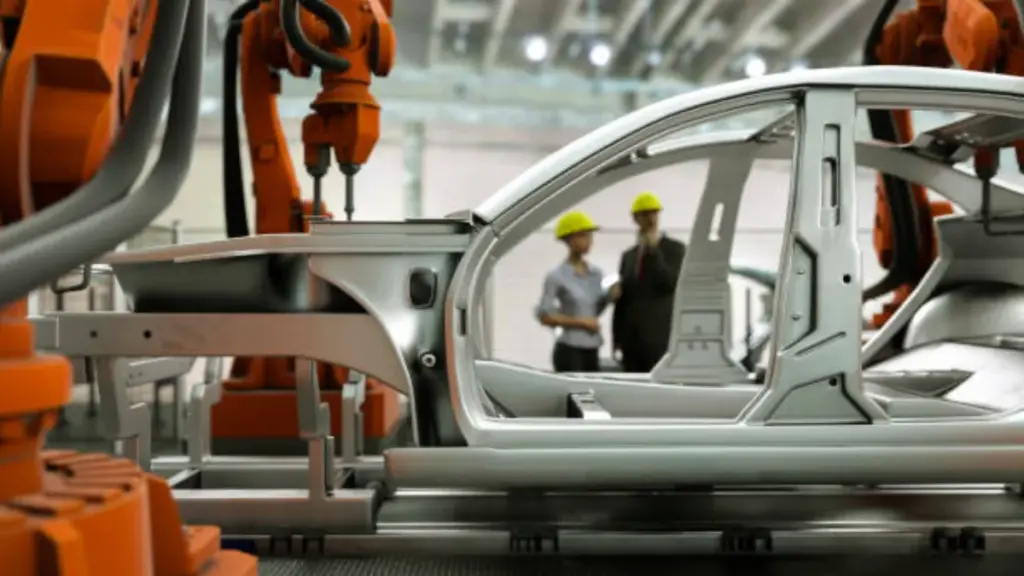
إن إبقاء نظام الحقن مغمورًا بالكامل في المعدن المنصهر يقلل من التعرض للغلاف الجوي. وهذا يقلل بشكل كبير من فرص انحباس الهواء وأكسدة المعادن أثناء عملية الحقن. المباشر, النقل المغلق ينتج أكثر كثافة, مصبوبات أقل مسامية مع سلامة ميكانيكية فائقة. يعد هذا أمرًا بالغ الأهمية للتطبيقات الصعبة مثل مكونات السيارات الهيكلية حيث تكون الفراغات الداخلية غير مقبولة. تنتج هذه الطريقة أيضًا تشطيبًا ممتازًا للسطح المصبوب, في كثير من الأحيان تحقيق متوسط الخشونة (رع) ل 1.6 ميكرومتر أو أقل, مما يقلل أو يلغي الحاجة إلى المعالجة الثانوية والتلميع.
تعظيم عمر الأداة وخفض استخدام الطاقة
الزنك نقطة انصهار منخفضة, حوالي 419.5 درجة مئوية, هي ميزة تشغيلية واقتصادية رئيسية. تعمل درجة الحرارة المنخفضة نسبيًا على إخضاع قوالب صب القوالب الفولاذية لصدمات حرارية وتآكل أقل بكثير مقارنةً بسبائك السبائك ذات درجة الحرارة العالية مثل الألومنيوم. يؤدي هذا إلى إطالة العمر الوظيفي للقالب النموذجي إلى أكثر من مليون دورة, خفض تكلفة الأدوات المطفأة لكل جزء بشكل كبير. كما أن تصميم الفرن المتكامل أكثر كفاءة في استخدام الطاقة, لأنه يحافظ على درجة حرارة ذوبان ثابتة مع فقدان حرارة أقل من الأفران الخارجية وأنظمة المغرفة. وهذا يترجم إلى انخفاض إجمالي استهلاك الطاقة وانخفاض تكاليف الإنتاج.
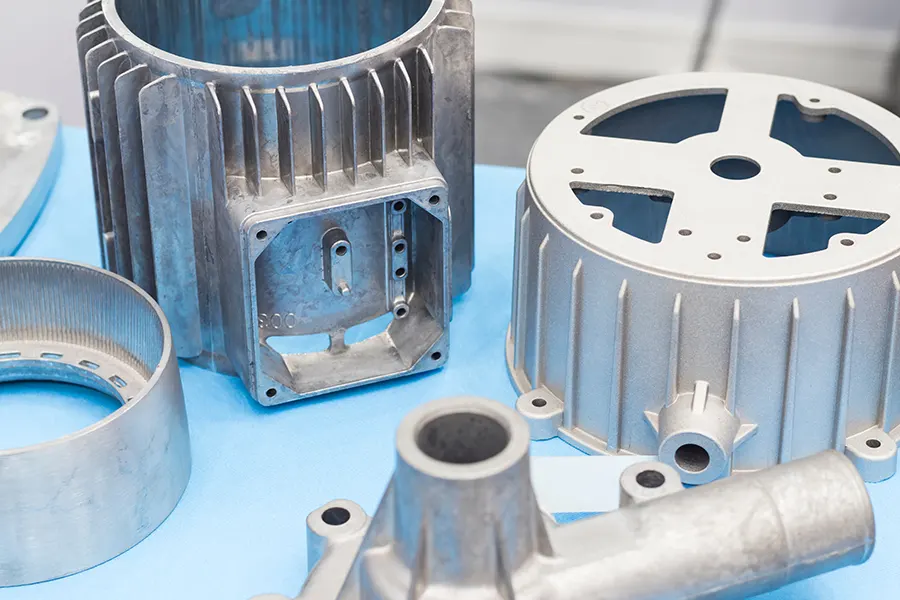
قوالب مصبوبة معتمدة من IATF للمكونات ذات المهام الحرجة
انهيار مفصل لسبائك الزنك: اختيار الدرجة المناسبة
يؤثر اختيار درجة سبائك الزنك المناسبة بشكل مباشر على الأداء الميكانيكي للمكون, استقرار الأبعاد, وتكلفة الإنتاج النهائية. هذا قرار هندسي حاسم, ليس خيارا للسلع.
الأحمال 3: معيار الاستقرار الأبعاد والتشطيب
الأحمال 3 هو خط الأساس المحدد لسلسلة Zamak وسبائك الزنك الأكثر تحديدًا على نطاق واسع في أمريكا الشمالية, المحاسبة لأكثر من 70% من حجم الصب يموت. يوفر مزيجًا ممتازًا من الخواص الميكانيكية, قابلية صب استثنائية, واستقرار الأبعاد على المدى الطويل. ميزتها الأساسية هي جودة سطحها الفائقة, مما يخلق ركيزة مثالية للطلاء, تلوين, وغيرها من التشطيبات التجميلية. مع قوة الشد حولها 283 MPa, إنه بمثابة الإعداد الافتراضي, اختيار فعال من حيث التكلفة للمكونات ذات الأغراض العامة, المساكن, والأجهزة الزخرفية حيث الدقة والمظهر أمر بالغ الأهمية.
الأحمال 5: زيادة القوة والصلابة
الأحمال 5 هو تعزيز مباشر لزاماك 3, تم تعديله بحوالي 1% محتوى النحاس. هذه الإضافة تزيد من قوة الشد إلى ما حولها 331 MPa, تحسن قابل للقياس حوالي 10%, ويعزز أيضًا صلابته ومقاومته للزحف. إن المقايضة لهذه القوة المتزايدة هي انخفاض في الليونة (تنخفض الاستطالة من ~10% إلى ~7%), مما يجعلها أقل ملاءمة للأجزاء التي تتطلب عمليات تشكيل ثانوية مثل الثني أو العقص بعد الصب. الأحمال 5 تم تحديده للتطبيقات التي تتطلب سلامة هيكلية أعلى وقدرة على تحمل الأحمال, مثل مكونات السيارات والأجهزة الميكانيكية.
من أجل 8: بديل عالي الأداء للتحمل والارتداء
الزنك والألومنيوم (ل) تقدم السبائك خصائص ميكانيكية تتفوق على عائلة زاماك. من أجل 8, مع 8.4% محتوى الألومنيوم, يوفر قوة أعلى بكثير, صلابة, وخصائص تحمل ممتازة. يتم تحديده بشكل متكرر لاستبدال الأجزاء المصنوعة من البرونز أو الحديد الزهر في التطبيقات عالية التآكل. تتمثل ميزة التصنيع الرئيسية لـ ZA-8 في قدرته على الصب باستخدام عملية الصب بالقالب ذات الغرفة الساخنة الفعالة, على عكس سبائك الألومنيوم الأعلى ZA-12 وZA-27, والتي تتطلب طريقة الغرفة الباردة الأبطأ. وهذا يجعل ZA-8 حلاً فعالاً من حيث التكلفة للمكونات الميكانيكية عالية الأداء.
سبائك إيزاك: مقاومة فائقة للزحف للبيئات عالية الضغط
EZAC عبارة عن تركيبة متقدمة تم تصميمها لحل أحد القيود الأساسية التقليدية للزنك: مقاومة الزحف, خاصة عند درجات الحرارة المرتفعة. تحافظ هذه السبيكة على سلامة أبعادها في ظل الأحمال المستمرة حيث قد تتشوه سبائك الزنك الأخرى بمرور الوقت. إنه يوفر ترتيبًا لتحسين الحجم في أداء الزحف, مما يجعلها مثالية للتطبيقات الهامة ذات التوتر المستمر. تشمل الاستخدامات الشائعة الموصلات الهيكلية, السحابات الخيوط, ومكونات السيارات التي تعمل في البيئات الحرارية عالية الضغط, كل ذلك مع الاحتفاظ بمزايا الإنتاج الخاصة بالصب بالقالب بالغرفة الساخنة.
التحليل المقارن للاختيار الخاص بالتطبيق
يعتمد اختيار المواد على متطلبات أداء محددة. استخدم هذا الإطار كنقطة انطلاق للقرارات الهندسية.
- الأحمال 3: الافتراضي هو فعال من حيث التكلفة, أجزاء عالية الدقة تتطلب تشطيبات تجميلية ممتازة.
- الأحمال 5: اختر متى يتطلب أحد المكونات زيادة قابلة للقياس في قوة الشد, صلابة, ومقاومة الزحف على الزماك 3.
- من أجل 8: اختر الأجزاء الميكانيكية التي تحتاج إلى متانة فائقة, مقاومة التآكل, وخصائص تحمل, خاصة إذا تم استبدال البرونز أو الحديد.
- إزاك: تم تحديده للتطبيقات الحرجة حيث يكون الحمل طويل المدى واستقرار درجة الحرارة غير قابلين للتفاوض لمنع تشوه الزحف.
خصائص مادة الزنك المصبوبة & بيانات الأداء
تتيح خصائص مادة الزنك المميزة الدقة العالية, أجزاء ذات شكل شبكي مع عمر أداة ممتد, خفض تكاليف الإنتاج لكل وحدة للمكونات المعقدة بشكل مباشر.
القوة الميكانيكية & الخصائص البدنية
توفر سبائك الزنك توازنًا موثوقًا لقوة الشد العالية, مقاومة التأثير, ومقاومة التآكل المطلوبة للتطبيقات الصناعية وتطبيقات السيارات. تعد السيولة العالية للمادة في حالتها المنصهرة ميزة تصنيعية رئيسية, مما يسمح لها بملء تجاويف القالب المعقدة بالكامل. وهذا يتيح صب الأجزاء المعقدة بجدران رقيقة للغاية, وصولا إلى الحد الأدنى من 0.3 مم, دون التضحية بالسلامة الهيكلية. تنتج العملية أيضًا تشطيبًا فائقًا للسطح المصبوب مع قيم خشونة (رع) ل 1.6 ميكرومتر أو أقل, غالبًا ما يلغي الحاجة إلى عمليات التلميع أو التشطيب الثانوية.
الاستقرار الأبعاد & معايير التسامح
الميزة الأساسية للزنك على المواد المنافسة هي ثبات الأبعاد الاستثنائي ودقته. إنها تحافظ باستمرار على دقة أبعاد الصب بالقالب تبلغ ±0.05 مم, وهو المعيار الذي ينافس العديد من عمليات التصنيع. للميزات التي تتطلب دقة أكبر, يمكن أن تحقق الآلات CNC اللاحقة تفاوتات مشددة تبلغ ± 0.01 مم. يسمح هذا المستوى العالي من الدقة للمهندسين بتصميم مكونات ذات زوايا صغيرة جدًا أو حتى ذات مسودة صفرية. تتيح هذه القدرة إنتاج أجزاء ذات شكل شبكي تعمل على تحسين الحجم الداخلي والكفاءة الميكانيكية, تقليل هدر المواد وخطوات ما بعد المعالجة.
الحرارية & أداء الآلات
ترتبط الفوائد التشغيلية والاقتصادية للزنك ارتباطًا مباشرًا بخصائصه الحرارية وقابليته للتشغيل الآلي.
- تعمل نقطة الانصهار المنخفضة التي تبلغ حوالي 419.5 درجة مئوية على تقليل الضغط الحراري على الأدوات, إطالة عمر العفن بشكل كبير 1,000,000 دورات - تتجاوز بكثير عمر القوالب المستخدمة في صب الألومنيوم.
- يتمتع الزنك بمؤشر قابلية تصنيع ممتاز (زيادة 90), مما يقلل من تآكل الأداة أثناء العمليات الثانوية ويقلل من وقت المعالجة الإجمالي.
- المادة قابلة لإعادة التدوير بشكل كامل وغير محدود دون فقدان الخواص الميكانيكية, دعم مبادرات التصنيع والاستدامة ذات الحلقة المغلقة.
إرشادات التصميم لصب الزنك بالقالب (سوق دبي المالي)
تصميم فعال للتصنيع (سوق دبي المالي) لصب الزنك يخفض التكاليف بشكل مباشر عن طريق تقليل العمليات الثانوية وضمان دقة المكونات من البداية.
سمك الجدار, زوايا المشروع, والتسامح
تسمح سيولة الزنك العالية بتصميم معقد, أجزاء خفيفة الوزن مع جدران رقيقة للغاية, محددة منخفضة مثل 0.3 مم دون المساس بالسلامة الهيكلية. تتيح هذه الخاصية المادية أيضًا دمج الحد الأدنى من زوايا السحب, بما في ذلك ميزات المسودة الصفرية على الأسطح الداخلية حيثما أمكن ذلك, تقليل الحاجة إلى الآلات اللاحقة. للمكونات عالية الدقة المستخدمة في السيارات أو الإلكترونيات, يمكن للتصميمات أن تستهدف بثقة تفاوتات الصب القياسية التي تبلغ ± 0.05 مم, مستوى من الدقة يصعب تحقيقه باستخدام الألومنيوم أو البلاستيك المقولب.
اختيار المواد: الأحمال 3 مقابل. الأحمال 5
يعد اختيار السبيكة الصحيحة أمرًا بالغ الأهمية للأداء. الأحمال 3 هو المعيار للتطبيقات التي تتطلب ثباتًا فائقًا للأبعاد وخصائص تشطيب ممتازة للطلاء أو الطلاء. عندما يتطلب التصميم أداء ميكانيكي أعلى, حدد زاماك 5. إنه 1% يوفر محتوى النحاس تقريبًا 10% زيادة في قوة الشد (يصل إلى 331 MPa) وتحسين مقاومة الزحف, مما يجعلها مثالية للمكونات الهيكلية. في بيان دييكاست, جميع مواصفات المواد تتوافق مع ASTM, في, ومعايير JIS لضمان الاتساق العالمي في جميع أنحاء الصين, المكسيك, ومرافق فيتنام.
- الأحمال 3: الأفضل من حيث دقة الأبعاد والتشطيبات الزخرفية.
- الأحمال 5: يُفضل للتطبيقات الحاملة التي تحتاج إلى قوة شد وصلابة أعلى.
دمج الميزات لتقليل المعالجة الثانوية
إحدى مزايا التصنيع الأساسية للزنك هي قدرته على إنتاج أجزاء ذات شكل شبكي. من خلال الاستفادة من السيولة العالية للسبائك, يمكنك تصميم الخيوط المصبوبة, الزعماء, مواجهات, ويدرج مباشرة في المكون. تلغي هذه الإستراتيجية خطوات التجميع الكاملة بعد المعالجة, تقليل تكاليف العمالة وأوقات دورة الإنتاج. الهدف هو تحقيق تشطيب سطح مصبوب بـ Ra ≥ 1.6 ميكرومتر, والذي غالبًا ما يقلل أو يتجنب تمامًا الحاجة إلى التلميع اللاحق, مزيد من تبسيط سير عمل التصنيع من القالب إلى الجزء النهائي.
خيارات التشطيب السطحي: الطلاء والطلاء
يحدد تشطيب السطح الصحيح متانة المكونات, المقاومة للتآكل, والأداء الكهربائي - وهو خيار هندسي بالغ الأهمية لتحقيق الموثوقية الخاصة بالتطبيقات.
طلاء من أجل المتانة والجماليات
نحن نقدم حلين أساسيين للطلاء بناءً على متطلبات الأجزاء. يتم تطبيق طلاء المسحوق بطبقة سميكة, حاجز بوليمر متين, خلق الصعب, غلاف يشبه البلاستيك مثالي للأجزاء الصناعية وأجزاء السيارات التي تتطلب مقاومة عالية للتآكل, خدوش, والتعرض للأشعة فوق البنفسجية. للتطبيقات التي يكون فيها المظهر هو الأولوية, توفر اللوحة الرطبة لوحة ألوان واسعة النطاق ويمكن أن تحقق درجة عالية من اللمعان, انتهاء الفئة أ. يضمن نظام إدارة الجودة الموحد الخاص بنا اتساق اللون واللمسة النهائية عبر جميع قواعد التصنيع في الصين, المكسيك, وفيتنام, ضمان استيفاء معايير علامتك التجارية بغض النظر عن أصل الإنتاج.
الطلاء والمعالجات الكيميائية للأداء الوظيفي
عندما تكون الخصائص الوظيفية هي الهدف الأساسي, نحن نستخدم طلاءات وعلاجات كيميائية محددة. يطبق الطلاء الكهربائي طبقات معدنية رقيقة, مثل النيكل أو الكروم, لتعزيز التوصيل الكهربائي, تحسين مقاومة التآكل, أو توفير حماية فائقة من التآكل. لمكونات الألومنيوم, أنودة يخلق صعوبة, طبقة أكسيد غير موصلة تزيد بشكل كبير من متانة السطح. التخميل هو عملية كيميائية تزيد من مقاومة التآكل الطبيعية للمادة الأساسية من خلال تشكيل طبقة سطحية واقية, خطوة حاسمة للأجزاء المعرضة للظروف البيئية الصعبة.
مطابقة النهاية للتطبيق
إن اختيار اللمسة النهائية الصحيحة هو قرار هندسي يعتمد على التطبيق. لا يوجد حل واحد لجميع السيناريوهات.
- السيارات & صناعي: نختار التشطيبات التي تلبي IATF 16949 المعايير, مع التركيز على الأداء الذي تم التحقق منه في اختبار رش الملح ومقاومة التآكل على المدى الطويل.
- 5ز & إلكترونيات: يتم اختيار الطلاءات لقدراتها على الحماية من EMI وخصائص الإدارة الحرارية لضمان سلامة الإشارة الموثوقة وتبديد الحرارة الفعال في العبوات الحساسة.
- معدات خارجية: لمكونات مثل علب الإضاءة LED, نحن نطبق طلاءات مسحوقية مقاومة للأشعة فوق البنفسجية ومقاومة للطقس لضمان موثوقية تشغيلية طويلة المدى ضد التعرض البيئي.
تحليل الاستدامة وكفاءة التكلفة
تجمع استراتيجية التصنيع متعددة القواعد بين كفاءة المواد, تحسين التعريفة, وتكرار العرض لتقليل إجمالي تكاليف الهبوط وضمان استقرار الإنتاج على المدى الطويل.
دورة حياة المواد وكفاءة العمليات
تعتمد عملية التصنيع لدينا على الاستدامة وخفض التكاليف بما يتوافق مع معايير ISO 14001 المعايير. نحن نستخدم الألومنيوم القابل لإعادة التدوير بدرجة عالية, الزنك, وسبائك المغنيسيوم لتقليل النفايات. توفر سبائك الزنك ميزة واضحة بسبب نقطة انصهارها المنخفضة التي تبلغ حوالي 419.5 درجة مئوية, مما يقلل بشكل كبير من استهلاك الطاقة أثناء الصب. تعمل درجة حرارة التشغيل المنخفضة هذه أيضًا على تقليل الضغط الحراري على الأدوات, تمديد عمر قالب الصب إلى ما بعده 1,000,000 دورات. تؤدي هذه المتانة إلى انخفاض تكلفة الأدوات المطفأة لكل جزء, تم تمرير التوفير المباشر لعملائنا.
ويمتد هذا التركيز على الكفاءة عبر سلسلتنا اللوجستية بأكملها. نحن نقوم بتصميم تصميمات محسنة لتحميل الحاويات لجميع أنواع الشحن البحري لتحقيق أقصى قدر من الاستخدام المكاني. يقلل هذا النهج التكتيكي من تكلفة الشحن لكل وحدة ويقلل من انبعاثات الكربون المرتبطة بكل شحنة, مواءمة وفورات التكاليف مع المسؤولية البيئية.
استراتيجية الإنتاج العالمية لتحسين التعريفات
نحن نعمل أ “الصين + 2” تخطيط التصنيع العالمي المصمم خصيصًا لإدارة التعريفات الجمركية والمخاطر الجيوسياسية. عن طريق نقل الإنتاج الضخم إلى فيتنام أو المكسيك, يمكن للعملاء الاستفادة من اتفاقيات التجارة الحرة (اتفاقيات التجارة الحرة) لخفض أو إلغاء رسوم الاستيراد بشكل كبير على المنتجات التي تدخل أسواق أمريكا الشمالية وأوروبا. توفر هذه الإستراتيجية ميزة تكلفة مباشرة ويمكن التنبؤ بها في البيئة التجارية الحالية.
نموذجنا يركز على المهارات العالية, عمليات فعالة من حيث التكلفة حيث تكون أكثر منطقية. مقدمة منتج جديد (NPI) ويتم إدارة تطوير الأدوات الدقيقة في مركز التكنولوجيا الصيني الخاص بنا. بمجرد التحقق من صحتها, يتم نقل الإنتاج الضخم إلى الموقع الأكثر استفادة من التعريفات الجمركية من أجل الصب والتجميع النهائي. لجعل هذا النموذج عبر الحدود فعالا اقتصاديا, أوصت الشحنات من فيتنام والمكسيك بالحد الأدنى لكميات الطلب (موك) ل 3,000 ل 5,000+ وحدات. يستهلك هذا الحجم النفقات اللوجستية والتشغيلية, تعظيم وفورات التكلفة الإجمالية.
مرونة سلسلة التوريد وتخفيف المخاطر
نموذج التصنيع ثلاثي القاعدة الخاص بنا, مع المرافق في الصين, فيتنام, والمكسيك, تم تصميمه من أجل مرونة سلسلة التوريد. توفر هذه البصمة الموزعة تكرارًا فوريًا للإنتاج. إذا أثر اضطراب التجارة الإقليمية أو حدث القوة القاهرة على موقع واحد, يمكننا إعادة توجيه الإنتاج إلى منشأة أخرى لضمان استمرارية التوريد المطلقة لعملائنا.
جودة المكون غير قابلة للتفاوض, بغض النظر عن الأصل. نحن نفرض واحدة, نظام إدارة الجودة الموحد في جميع المرافق, معتمدة لدى IATF 16949 معيار السيارات. وهذا يضمن أن يكون الجزء المصبوب في المكسيك مطابقًا من حيث الأبعاد والوظيفة للجزء المصبوب في فيتنام أو الصين, منع العيوب وضمان التكامل السلس في خط الإنتاج الخاص بك. يقدم هذا النهج المتنوع أهمية بالغة, فوائد طويلة الأجل.
- فائض الإنتاج: يخفف من المخاطر الناجمة عن النزاعات التجارية الإقليمية أو الاختناقات اللوجستية.
- الاستقرار الجيوسياسي: يسمح بتخصيص الإنتاج المرن للتنقل في سياسات التجارة الدولية المتغيرة.
- تسعير مستقر على المدى الطويل: يقلل من التعرض لتقلبات العملة أو التنفيذ المفاجئ للتعريفة الجمركية في أي بلد على حدة.
خاتمة
اختيار سبائك الزنك المناسبة, من زاماك متعدد الاستخدامات 3 إلى درجات ZA عالية القوة, يؤثر بشكل مباشر على أداء المكونات, يكلف, وقابلية التصنيع. يساعد تطبيق بيانات خصائص المواد وإرشادات التصميم الموضحة هنا على ضمان تلبية الأجزاء الخاصة بك للمتطلبات الوظيفية الدقيقة. يمنع هذا النهج المستنير الهندسة المفرطة ويواءم اختيار المواد مع المتطلبات الميكانيكية والبيئية المحددة لمشروعك.
استخدم هذه المعلومات لتحسين تصميمك التالي أو لتدقيق مواصفات أحد المكونات الموجودة. عندما تكون مستعدًا لتقييم شريك التصنيع, يمكن لفريقنا مراجعة الرسومات الفنية الخاصة بك لتقديم عرض أسعار تفصيلي وتحليل سوق دبي المالي.
الأسئلة المتداولة
ما هو الفرق بين زاماك 3 وزامك 5?
محتوى البحث المقدم لا يحدد الاختلافات بين زاماك 3 وزامك 5. ويركز على الخصائص العامة لسبائك الزنك ويسلط الضوء على السبائك المتخصصة مثل ZA 8 وEZAC لأدائها العالي في تطبيقات محددة.
هل يموت الزنك صب الصدأ?
توفر سبائك الزنك المصبوبة مقاومة فائقة للتآكل مقارنة بالألمنيوم والفولاذ المُشكل. تساعد هذه الخاصية المتأصلة في حمايتهم من التدهور البيئي مثل الصدأ.
ما هو أقوى سبائك الزنك يموت الصب?
يسلط البحث الضوء على السبائك المتخصصة مثل ZA 8 لمقاومتها الاستثنائية للتآكل ونسب القوة إلى الوزن العالية, مما يجعلها مثالية لتطبيقات السيارات والآلات الصعبة.
هل يمكن لحام سبائك الزنك?
لا يذكر محتوى البحث المقدم ما إذا كان من الممكن لحام سبائك الزنك. ويوضح بالتفصيل قدرتها على التكيف مع عمليات التصنيع مثل الصب بالقالب, التصنيع باستخدام الحاسب الآلي, والتشكيل البارد.
هل صب الزنك جيد للاستخدام في الهواء الطلق؟?
نعم, يعتبر صب قالب الزنك مناسبًا للاستخدام الخارجي نظرًا لمقاومته الفائقة للتآكل. توفر هذه الجودة متانة ممتازة ضد العوامل البيئية, خاصة عند مقارنتها بالبدائل مثل الألومنيوم والفولاذ الميكانيكي.
ما هي نقطة انصهار زاماك 3?
يشير محتوى البحث إلى أن الزنك لديه نقطة انصهار منخفضة تبلغ حوالي 419.5 درجة مئوية. تساهم هذه الخاصية في فعاليتها من حيث التكلفة في عملية الصب عن طريق إطالة عمر أدوات القالب بشكل كبير.