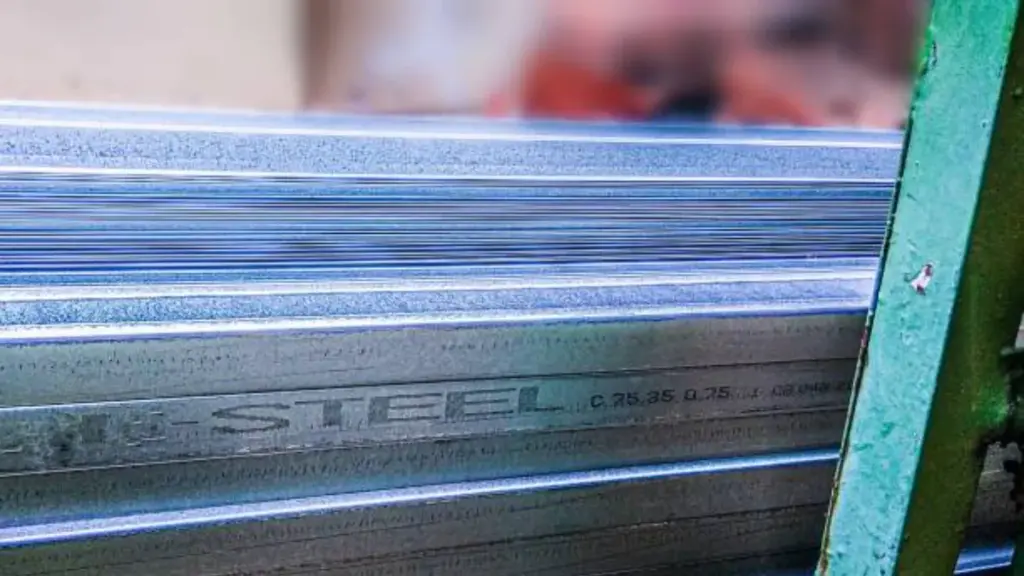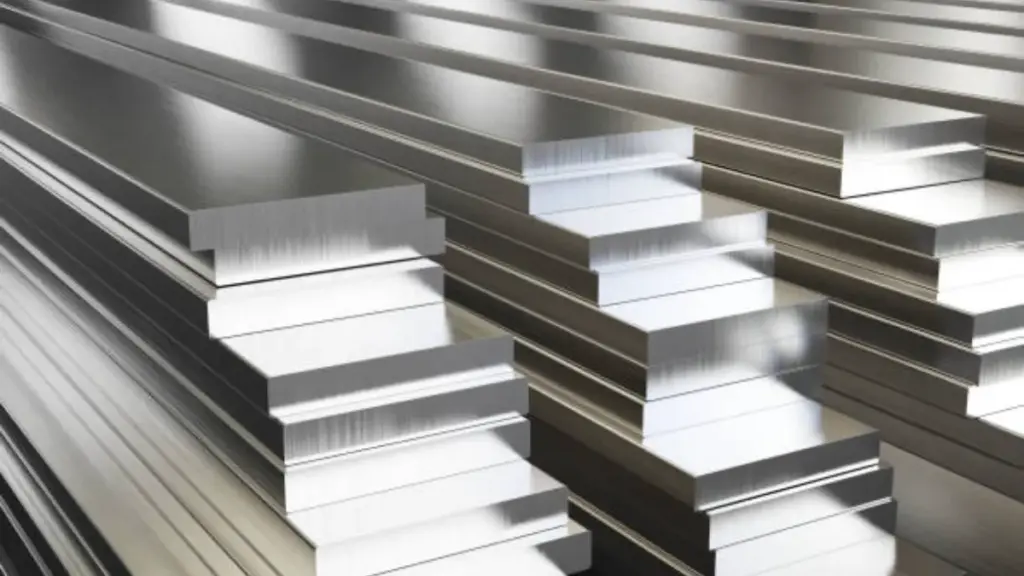
Le choix entre l'acier allié et l'acier au carbone est une décision technique cruciale qui a un impact direct sur l'intégrité structurelle., coûts de fabrication, et le risque de défaillance prématurée des composants. La sélection du mauvais matériau pour une application soumise à de fortes contraintes peut entraîner des rappels de produits coûteux et des temps d'arrêt opérationnels importants.. Il ne s’agit pas seulement de comparer des fiches techniques; il s'agit d'adapter le bon matériau à un environnement opérationnel spécifique pour éviter la sur-ingénierie et contrôler les dépenses de production..
Ce guide propose une comparaison technique directe de ces deux matériaux, se concentrer sur des indicateurs de performance clés comme la force, résistance à la corrosion, et usinabilité CNC. Nous analyserons également les compromis critiques entre l'acier et l'aluminium moulé sous pression., clarifier les scénarios exacts dans lesquels le passage de l'acier usiné à un alliage d'aluminium léger réduit le coût des pièces et le temps de cycle sans sacrifier les performances.
La différence fondamentale entre l'acier au carbone et l'acier allié
Le choix est un compromis direct: le faible coût et la soudabilité de l'acier au carbone par rapport à la résistance supérieure de l'acier allié, tolérance de température, et résistance à la corrosion pour les applications exigeantes.
Maquillage compositionnel et élémentaire
La composition de l'acier au carbone est simple, composé presque entièrement de fer et de carbone, où d'autres éléments sont traités comme des impuretés résiduelles. Cette formule simple définit ses propriétés fondamentales. Acier allié, par contre, est intentionnellement conçu pour des résultats spécifiques en ajoutant des éléments comme le chrome, nickel, molybdène, ou vanadium. Ces ajouts ne sont pas des impuretés; ce sont des modifications délibérées visant à améliorer les propriétés physiques et chimiques bien au-delà de ce que le carbone et le fer seuls peuvent réaliser.
Principales différences dans les propriétés mécaniques
La divergence dans la composition crée des profils de performance distincts. L'acier allié offre une résistance à la traction supérieure, généralement compris entre 758 et 1 882 MPa, et présente une excellente résistance à la corrosion grâce à des éléments comme le chrome formant une couche d'oxyde protectrice. Acier au carbone, tout en ayant une résistance à la traction moindre (450–965 MPa), offre une dureté de surface plus élevée et est nettement plus facile à souder. Cette soudabilité, combiné à son coût de production inférieur, fait de l'acier au carbone la valeur par défaut pour la fabrication générale et les travaux de structure où les conditions extrêmes ne sont pas un facteur.
Critères de sélection des matériaux dans les applications
Votre processus de sélection doit être entièrement déterminé par l’environnement opérationnel et le budget de la pièce.. Il n'y a pas d'universalité “mieux” matériel, seulement le matériel approprié pour le travail.
- Utiliser de l'acier au carbone pour composants structurels, bâtis de machines, et pièces générales où la facilité de soudage et le coût sont les principaux facteurs de décision. C'est le choix pratique pour les gros volumes, applications à faible stress.
- Sélectionnez l'acier allié pour les cas d'utilisation hautes performances. Cela inclut les engrenages, composants du moteur, et pièces fonctionnant dans des environnements corrosifs, haute température, ou environnements à forte charge où la défaillance n'est pas une option et où la durabilité des matériaux justifie un coût plus élevé.
Répartition des performances clés: Force, Corrosion, et coût
La sélection des matériaux est un compromis direct entre les performances sur le terrain d'un composant, durée de vie requise, et le coût total de fabrication.
Évaluation de la force, Dureté, et propriétés de traction
Le terme “force” est souvent mal appliqué dans les comparaisons matérielles. L'acier au carbone présente généralement une plus grande dureté de surface, ce qui en fait le choix idéal pour les applications qui exigent une résistance élevée à la pression et à la déformation. En revanche, l'acier allié offre une résistance à la traction nettement supérieure, avec des notes de 758 à 1882 MPa par rapport à l'acier au carbone 450-965 MPa. Cette spécification rend l'acier allié mieux équipé pour les scénarios impliquant des charges ou des tensions soutenues.. Sa durabilité peut également être améliorée grâce à des traitements thermiques spécifiques, un avantage clé pour les composants hautes performances.
Évaluation de la résistance à la corrosion et de la soudabilité
L'acier allié présente un net avantage en matière de résistance à la corrosion. L'inclusion d'éléments comme le chrome lui permet de former une couche d'oxyde passive auto-cicatrisante, offrant une protection fiable dans les environnements humides ou riches en produits chimiques. Acier au carbone, il manque ces éléments, est très sensible à la rouille et nécessite presque toujours un revêtement de protection secondaire comme de la peinture ou du placage. Le compromis vient de la fabrication. L'acier au carbone est simple à souder avec une, des résultats fiables. Les aciers alliés sont plus difficiles à travailler, nécessitant souvent des techniques spécialisées comme le préchauffage pour éviter les fissures pendant le processus de soudage.
Analyser le coût des matériaux et l'efficacité de l'usinage
L'acier au carbone est la matière première la plus économique en raison de sa composition simple fer-carbone.. Le prix de l’acier allié est nettement plus élevé, motivé par le coût des éléments ajoutés comme le nickel, chrome, et molybdène. Cette différence de coût s'étend à la fabrication. Les aciers à faible teneur en carbone offrent une excellente usinabilité, permettant des temps de cycle plus rapides et une usure réduite des outils. Les aciers alliés sont intrinsèquement plus durs et plus résistants à la coupe, ce qui nécessite des vitesses d'usinage plus lentes, outillage plus robuste, et des processus plus complexes, augmenter le temps et le coût nécessaires pour produire une pièce finie.
Moulage sous pression certifié IATF pour une production zéro défaut
Usinabilité CNC: Quel acier est le plus rapide à traiter?
Machines en acier au carbone nettement plus rapides, mais les propriétés de l’acier allié justifient souvent une durée de vie plus longue., traitement plus coûteux requis pour les pièces hautes performances.
Acier au carbone: La référence pour l'usinage à grande vitesse
L'acier au carbone, c'est simple, la composition uniforme de fer et de carbone permet un comportement de coupe hautement prévisible. Cette cohérence permet aux ateliers d'usinage de fonctionner à des taux d'enlèvement de matière plus rapides sans complications inattendues.. Nuances à faible teneur en carbone et à usinage libre, comme 12L14, sont la référence de l'industrie en matière d'usinabilité, offrant une résistance minimale aux outils de coupe et une excellente formation de copeaux. Cela se traduit directement par une baisse des besoins en puissance de la machine et une réduction de l'usure des outils., faisant de l'acier au carbone le choix idéal pour les applications où la vitesse de traitement et la rentabilité sont les principaux facteurs de conception.
Comment les éléments d'alliage réduisent la vitesse d'usinage
Ajouter des éléments comme le chrome, nickel, et le molybdène modifie fondamentalement les propriétés de l'acier, augmentant sa ténacité, dureté, et résistance à la chaleur. Bien que bénéfique pour les performances de la pièce finale, cela crée des défis importants lors de l'usinage. La ténacité accrue du matériau nécessite des vitesses de coupe plus lentes et des outils plus robustes pour gérer la chaleur et éviter les pannes d'outils.. Par exemple, usinage d'acier allié comme 4140 peut prendre deux fois plus de temps qu'un acier au carbone standard.
En outre, de nombreux alliages complexes sont sujets à l'écrouissage, où le matériau devient plus dur à mesure qu'il est coupé. Cela complique les opérations ultérieures et nécessite un contrôle minutieux du processus.. Pour gérer ces défis, des outils de coupe spécialisés et des stratégies de refroidissement avancées sont souvent nécessaires, prolonger le temps de cycle global et augmenter le coût par pièce.
Sélection de l'acier en fonction du temps de traitement total
Le processus de sélection des matériaux implique un compromis direct entre la vitesse de production et les performances des pièces.. L'acier au carbone offre le chemin le plus court entre la matière première et le composant fini, mais offre des propriétés mécaniques et chimiques limitées.. Acier allié, d'autre part, nécessite un processus d'usinage plus long et plus coûteux, mais cet investissement est souvent justifié par sa solidité supérieure, résistance à la corrosion, et durabilité dans des environnements difficiles.
La décision finale dépend entièrement des exigences d’utilisation finale de la pièce. Si le composant doit fonctionner sous des contraintes élevées, dans un environnement corrosif, ou à des températures élevées, les propriétés améliorées de l’acier allié deviennent non négociables, dépassant le besoin d’une production rapide.
Acier au carbone vs alliage d'aluminium: Quand passer au moulage sous pression?
Passer de la fabrication de l'acier au moulage sous pression de l'aluminium est un pivot stratégique basé sur la complexité des pièces., volume de production, et le coût total, pas seulement les spécifications matérielles.
Propriétés des matériaux: Poids, Force, et résistance à la corrosion
La différence la plus significative est le rapport résistance/poids. Les alliages d'aluminium comme l'A380 offrent une résistance élevée à une densité d'environ 2.7 g / cm³, une fraction de l’acier au carbone 7.85 g / cm³. Cet allègement est essentiel pour les systèmes de transmission automobile NEV et l'électronique portable.. Lors de l’évaluation de l’exposition environnementale, l'aluminium forme naturellement une couche d'oxyde protectrice, résister à la corrosion sans traitements secondaires. Acier, en revanche, rouille facilement et nécessite presque toujours une peinture, placage, ou une autre finition de surface pour éviter la dégradation, ajouter un coût et une étape de processus. Pour la gestion thermique, l'aluminium offre une dissipation thermique bien supérieure, une propriété nécessaire pour les applications hautes performances telles que les boîtiers d'éclairage LED et les boîtiers de communication 5G.
Analyse du coût total: Investissement en outillage vs. Prix unitaire
Une analyse du coût total révèle un seuil de rentabilité clair. Le moulage sous pression d'aluminium nécessite un investissement initial important dans un moule en acier. Ce coût initial est amorti sur une grande série de production, ce qui se traduit par un prix unitaire beaucoup plus bas. Fabrication d'acier, comme l'usinage CNC ou le soudage, évite les coûts d'outillage initiaux élevés mais entraîne un prix à la pièce constamment plus élevé. Cela rend la fabrication de l'acier adaptée aux prototypes et aux projets à faible volume.. Moulage sous pression, cependant, réduit ou élimine considérablement les coûts d'usinage secondaires en produisant des, pièces de forme presque nette directement à partir du moule. Les éléments qui nécessiteraient un fraisage ou un soudage important dans l'acier sont coulés en place avec de l'aluminium, réduire le coût final par pièce.
Complexité géométrique et intégration de fonctionnalités
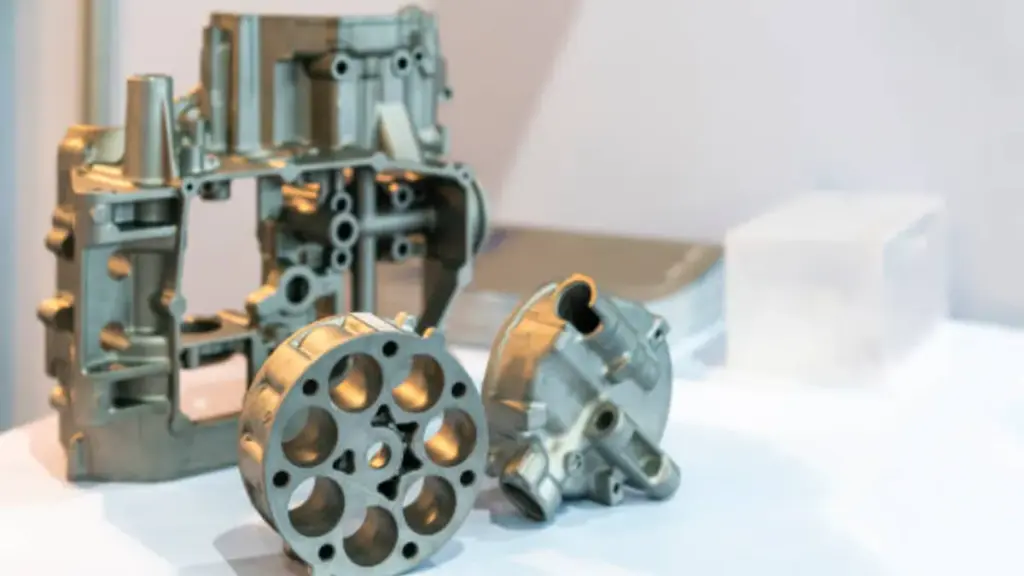
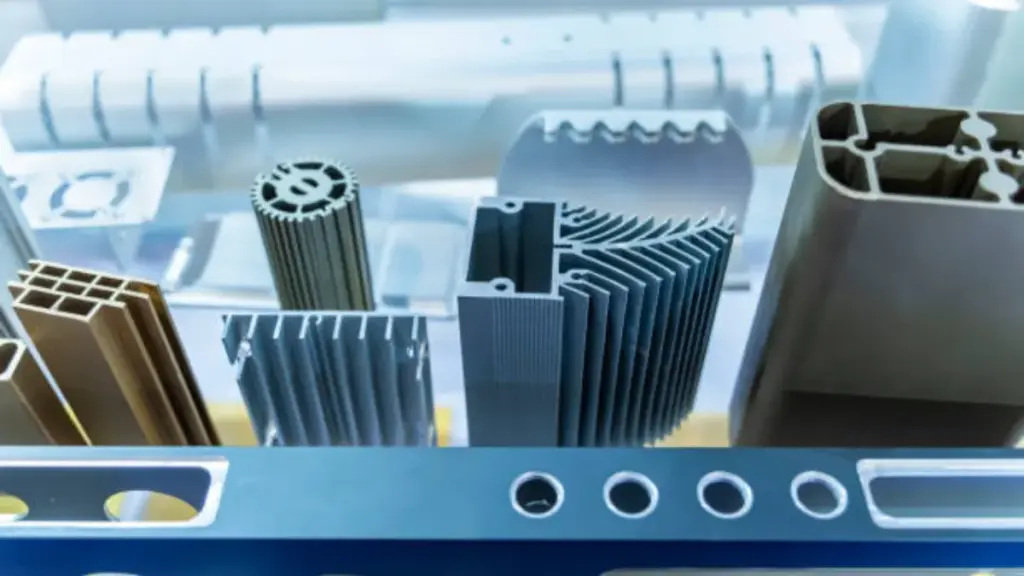
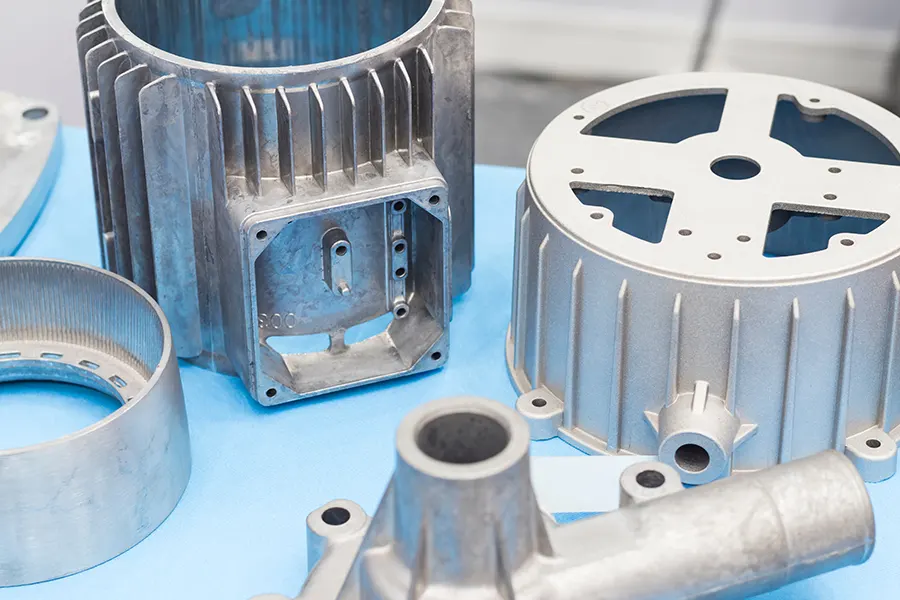
La décision de changer devient claire lorsqu'une pièce nécessite des conceptions complexes. Le moulage sous pression excelle dans la production de parois minces, nervures internes complexes, et des fonctionnalités intégrées telles que des bossages de montage, ailettes du dissipateur de chaleur, ou inserts filetés en une seule opération. La fabrication d'une pièce en acier comparable impliquerait plusieurs étapes : l'estampage, flexion, soudage, et assemblage. Chaque processus supplémentaire augmente les coûts de main-d'œuvre, prolonge les délais, et introduit le risque d'accumulation de tolérances, où de petites variations dimensionnelles s'accumulent entre différents composants. Une IATF unifiée 16949 le système de qualité garantit que les pièces moulées sous pression complexes conservent une précision dimensionnelle constante, qu'il soit produit en Chine, Mexique, ou le Vietnam.
Déclencheurs de performances pour les applications exigeantes
Des exigences de performances spécifiques obligent souvent à passer au moulage sous pression en aluminium. Pour l'électronique sensible, la conductivité inhérente des alliages d'aluminium fournit un blindage EMI naturel sans nécessiter de revêtements secondaires coûteux. Lorsqu'un composant nécessite un joint étanche à l'air ou à l'eau pour la protection contre la pénétration, la stabilité dimensionnelle d'une pièce moulée sous pression est supérieure. Ces joints peuvent être vérifiés avec des tests de chute de pression pour garantir les performances. Dans le secteur automobile, l'allègement est un facteur principal. Les composants en aluminium moulé sous pression sont essentiels pour réduire la masse globale du véhicule à énergie nouvelle (NEV) systèmes, ce qui améliore directement la portée et l’efficacité.
Volume de production et facteurs de la chaîne d’approvisionnement mondiale
Le moulage sous pression est fondamentalement un processus de production de masse. Cela devient l’option la plus rentable une fois que les volumes de production dépassent un seuil de 3 000 à 5 000 unités., car cette échelle justifie l'investissement en outillage. Dans le contexte commercial actuel, la stratégie de la chaîne d'approvisionnement joue également un rôle. Pour l’accès au marché américain, le transfert de la production vers une usine au Mexique ou au Vietnam peut optimiser l'exposition aux droits de douane. Grande vitesse, les cycles de moulage sous pression automatisés permettent également une exécution rapide des commandes à volume élevé, raccourcir les délais de livraison globaux par rapport aux processus de fabrication de l'acier à forte intensité de main-d'œuvre. Cela permet une chaîne d’approvisionnement mondiale plus réactive et résiliente.
Conclusion
Choisir le bon matériau implique un compromis entre la résistance, poids, et le coût total. Alors que les aciers au carbone et alliés offrent une résistance exceptionnelle, le moulage sous pression en aluminium est une alternative supérieure pour les applications complexes, pièces légères pour lesquelles un usinage approfondi de l'acier n'est pas rentable.
Si votre projet exige des géométries complexes ou une réduction de poids, notre équipe peut vous aider à évaluer vos composants en acier pour une transition vers l'aluminium. Contactez-nous pour voir comment nos capacités de fabrication mondiales en Chine, Mexique, et le Vietnam peut optimiser la conception de vos produits et votre chaîne d'approvisionnement.
Foire aux questions
L'acier allié est-il plus résistant que l'acier au carbone?
Oui, l'acier allié présente généralement une résistance à la traction plus élevée (758–1882MPa) que l'acier au carbone (450–965 MPa), ce qui le rend meilleur pour les applications avec des charges soutenues. Cependant, l'acier au carbone a souvent une plus grande dureté, qui offre une résistance supérieure à la pression dans différents contextes.
L'acier au carbone rouille-t-il plus rapidement que l'acier allié?
Oui, l'acier au carbone a une mauvaise résistance à la corrosion et est très sensible à la rouille. En revanche, aciers alliés, surtout ceux avec du chrome, démontrer une excellente résistance à la corrosion en formant une couche d’oxyde protectrice sur la surface.
Puis-je remplacer des pièces en acier par de l'aluminium?
La recherche fournie se concentre exclusivement sur les différences entre l'acier au carbone et l'acier allié.. Il ne contient pas d'informations concernant le remplacement des pièces en acier par de l'aluminium., car cela impliquerait de comparer différentes propriétés de matériaux non couvertes dans le texte.
L'usinage de l'acier est-il plus cher que l'aluminium?
Le matériel de recherche fourni détaille les propriétés et les coûts de l'acier au carbone par rapport à l'acier allié, mais n'inclut pas de données sur l'aluminium.. Donc, une comparaison des coûts pour l'usinage de l'acier et de l'aluminium ne peut pas être dérivée du contenu fourni.
Quelle est la différence de poids entre l'acier et l'aluminium?
Les informations comparant le poids ou la densité de l'acier et de l'aluminium ne sont pas disponibles dans le contenu de recherche fourni.. Le texte est axé sur les caractéristiques et les distinctions entre l'acier au carbone et l'acier allié..
Quel matériau est le meilleur pour une utilisation à haute température?
Basé sur la recherche, l'acier allié est le choix supérieur pour les applications à haute température. L'inclusion d'éléments d'alliage spécifiques lui confère un point de fusion plus élevé et le rend idéal pour les scénarios hautes performances dans des environnements exigeants., environnements à haute température.