
- Tous
- Alliage en aluminium
- Moulage sous pression en aluminium
- Anodisé
- Moulage sous pression de pièces automobiles
- Revêtement de conversion transparent au chrome trivalent
- Usinage CNC
- Alliage personnalisé
- Revêtement électronique
- Moulage sous pression haute pression
- IATF16949
- Guide de l'industrie
- ISO90001
- Test de fuite
- Pièces d'éclairage moulées sous pression
- Alliage de magnésium
- Moulage sous pression de magnésium
- Annuaire des fabricants
- Nouvelles
- Polissage
- Post-usinage
- Post-traitement
- Revêtement en poudre
- Prototypage rapide
- Sablage
- Grenaillé
- Outil et création
- Matériaux d'outils
- Coulée sous vide
- Moulage sous pression de zinc
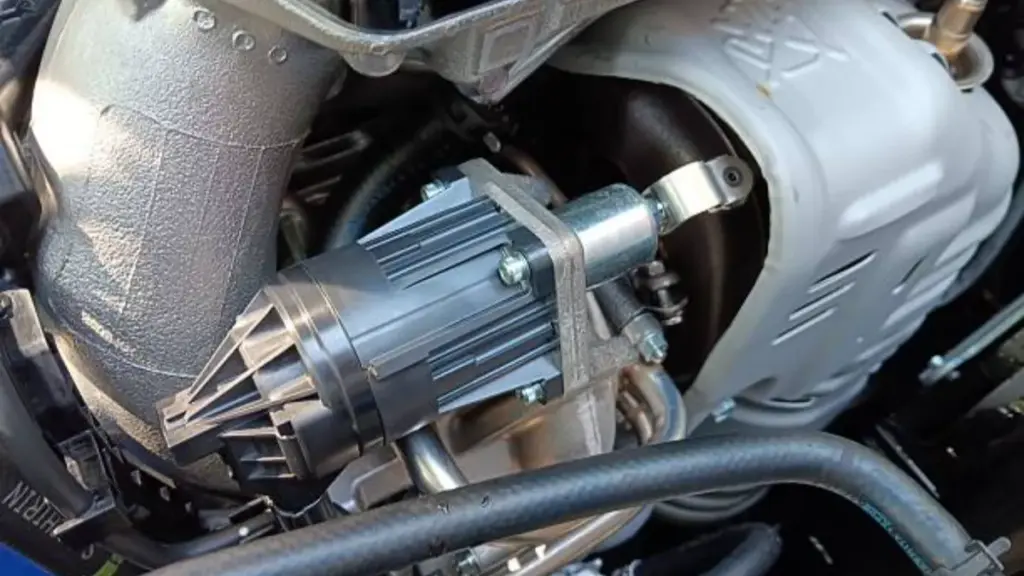
Développement d’alliages d’aluminium personnalisés: De la spécification à la production en 8 Semaines
A319 aluminum alloy sits between stock grades and custom development. Walk the eight-week spec-to-production plan, its verification gates, and when to abort.
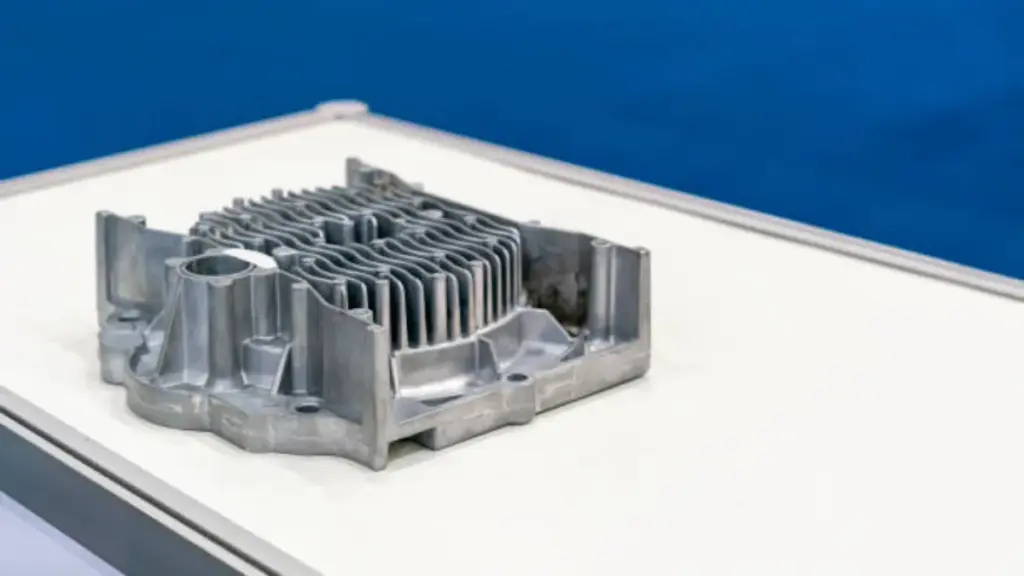
Qu'est-ce qu'un alliage personnalisé et quand les acheteurs doivent-ils en demander un?
A customized alloy can mean a drawing note or a full development program. Four levels, what each element buys, and when to ask for one.
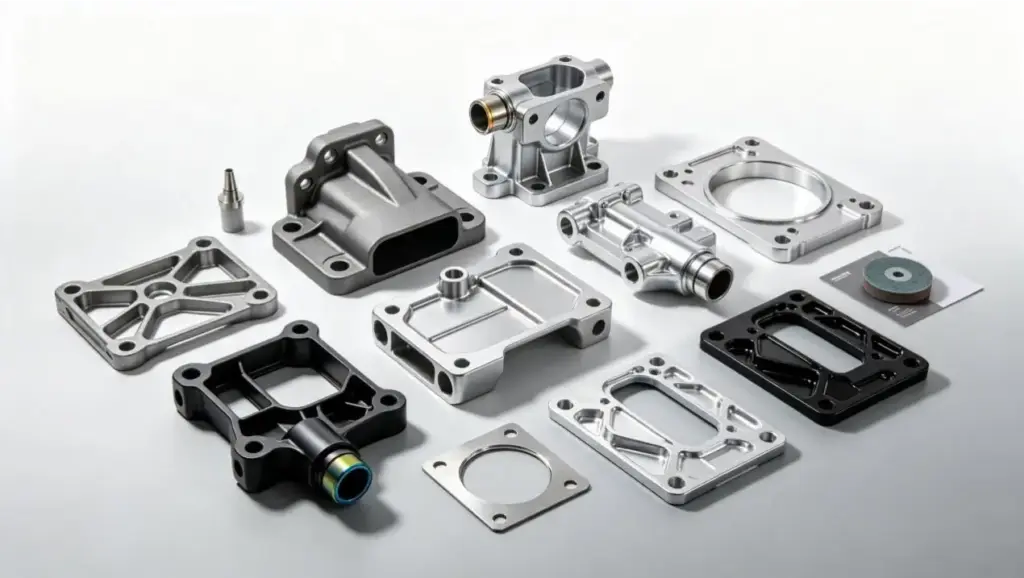
Anodisation vs revêtement en poudre: Sélection du traitement de surface pour les moulages sous pression en aluminium
Anodizing vs powder coating for aluminum die castings: how silicon mottling, film thickness, masking and drawing calls decide the right finish.
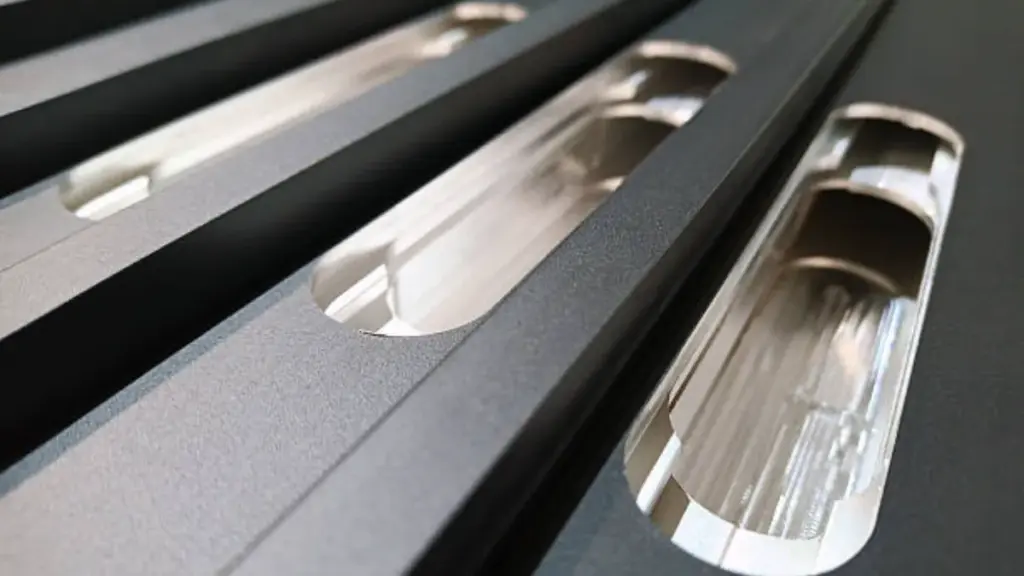
Anodisation de l'aluminium moulé sous pression: Défis et solutions pour les alliages à haute teneur en silicium
Why ADC12 and A380 silicon blocks anodized color on die cast aluminum, and the porosity, scellage, and alloy countermeasures that hold in production.
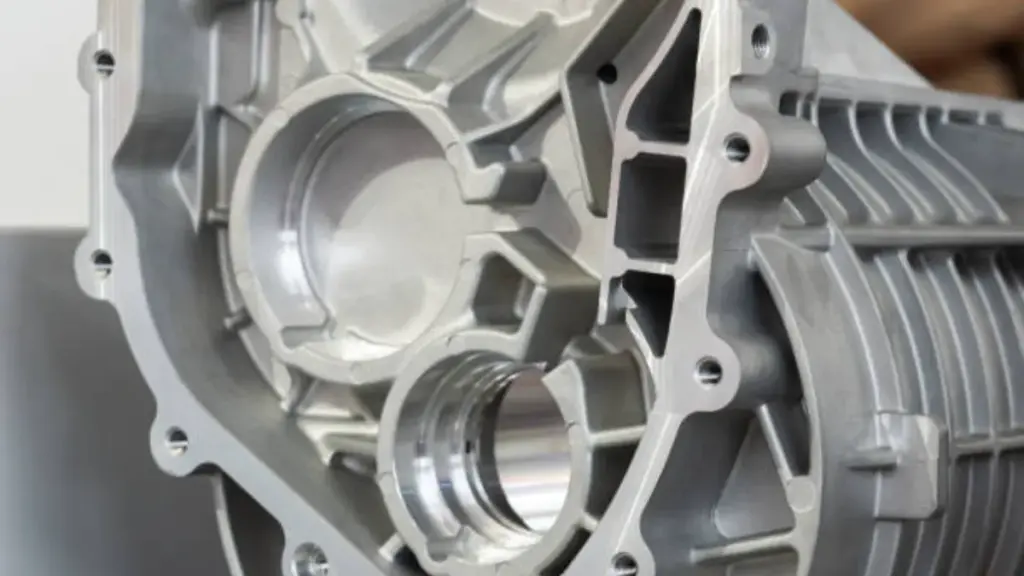
Moulage sous pression de zinc pour le matériel automobile: IATF 16949 Exigences que les acheteurs doivent vérifier
Verifying zinc die casting suppliers against IATF 16949 scope, PPAP, CPS, and chemistry control, the checks automotive buyers must run.
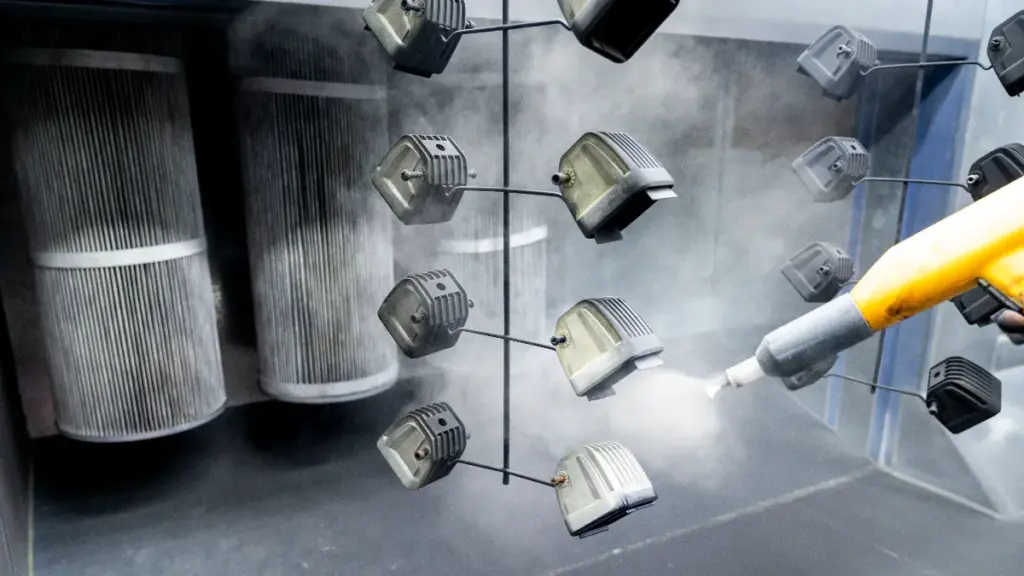
Revêtement électronique ou revêtement en poudre: Protection contre la corrosion et comparaison des coûts
E-coating vs powder coating compared on film thickness, couverture, couleur, corrosion testing, and cost drivers for aluminum die cast parts.
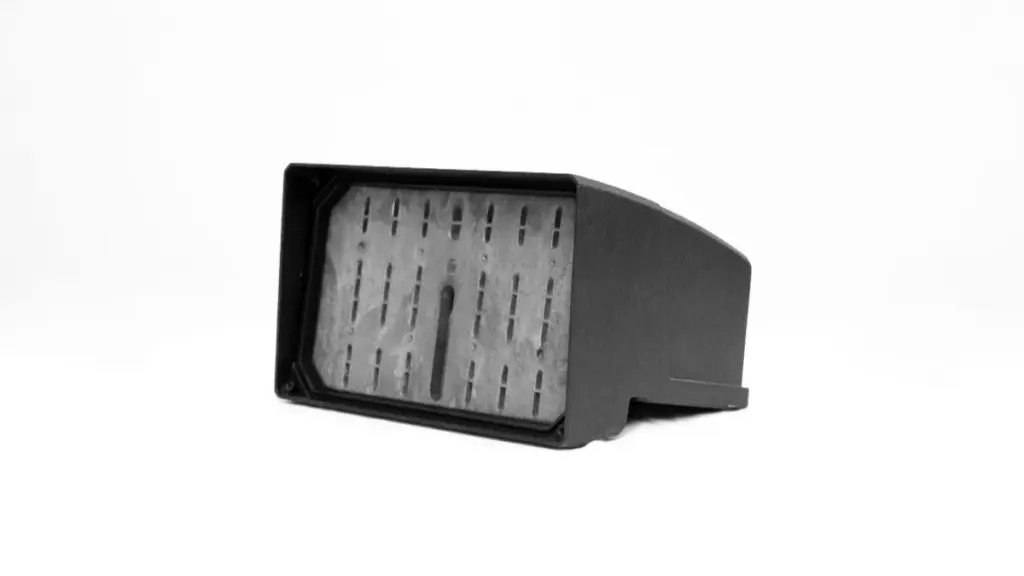
Type II vs Type III Anodizing: Hard Coat Anodize for Wear-Resistant Applications
Type II vs Type III anodizing compared on film thickness, dureté, tolerance growth, and behavior on high-silicon die-cast aluminum.
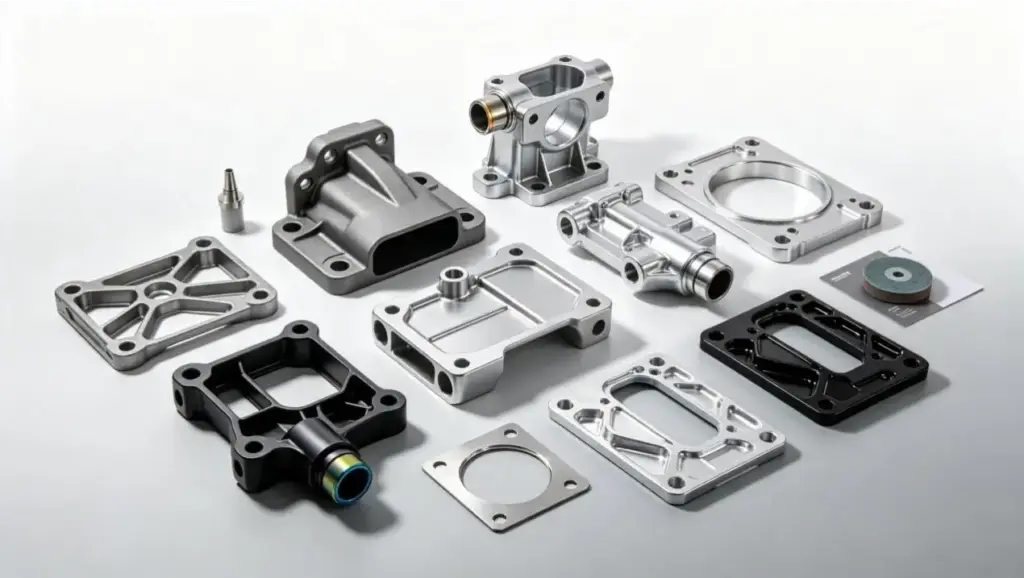
Customized Alloy Cost vs Standard Grades: ROI Analysis for High-Volume Buyers
Compare a custom alloy against standard die-casting grades on total per-piece cost. A line-by-line ROI framework and the volume crossover that decides it.
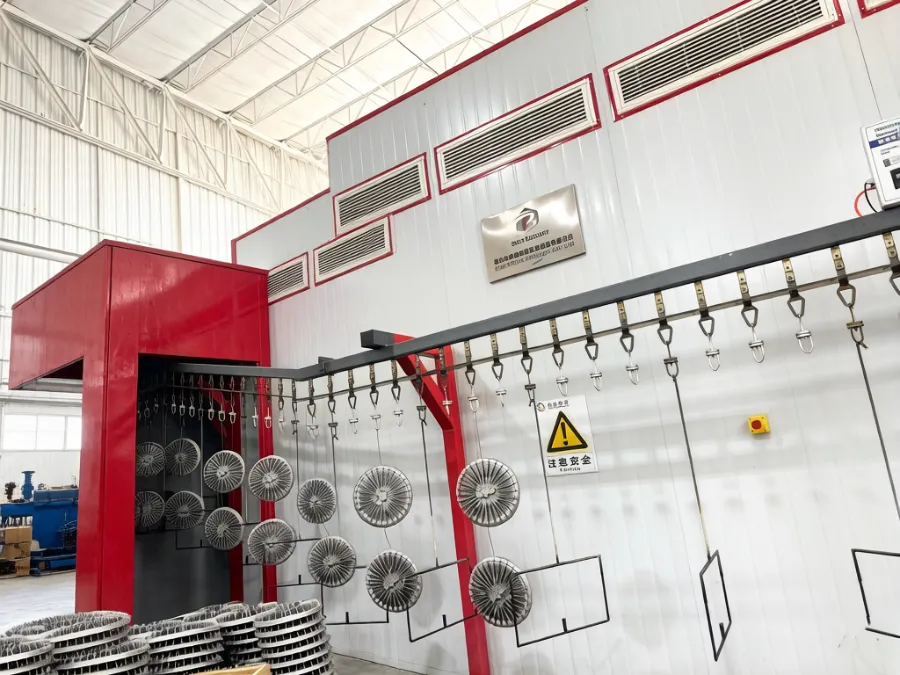
E-Coating for Automotive Die Castings: Cathodic vs Anodic Process Selection
Automotive e-coating for die cast parts: cathodic vs anodic selection, pretreatment, bake limits, and the adhesion evidence an SQE expects before the first dip.