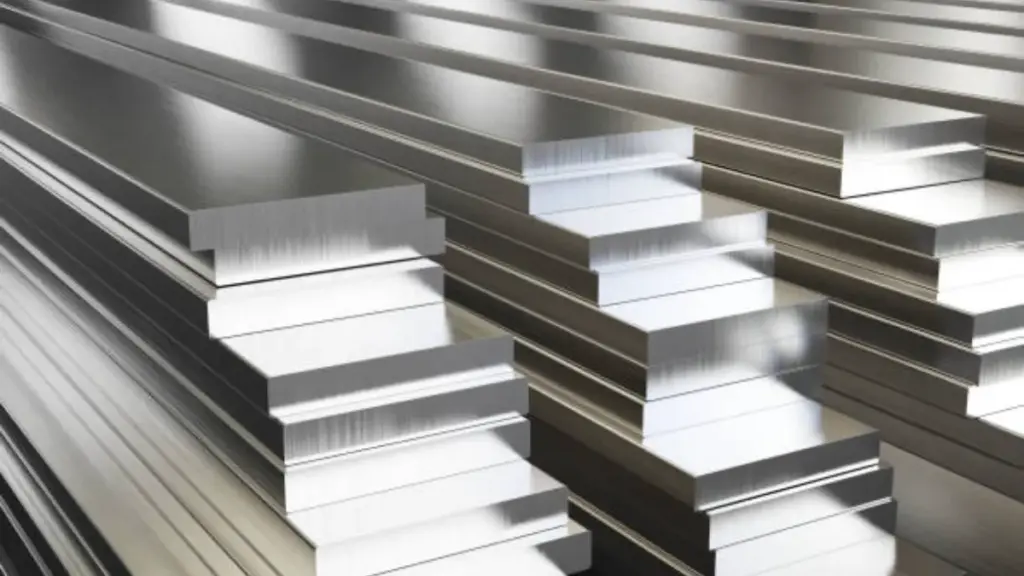
Ingénieurs, acheteurs, et les concepteurs de produits se heurtent souvent à la même question: quelle est exactement la différence entre la fonte d'aluminium et l'aluminium? La confusion est compréhensible. Les deux termes font essentiellement référence au même métal., pourtant, ils décrivent des choses fondamentalement différentes en matière de fabrication, performance, et candidature.
Ce guide explique en termes simples ce qu'est la fonte d'aluminium et l'aluminium, couvrant les processus de production., propriétés mécaniques, cas d'utilisation réels, et comment prendre la bonne décision en matière de matériaux et de processus pour votre projet.
La définition de base du matériau en aluminium
Aluminium est un élément chimique (symbole: Al, numéro atomique 13) et l'un des métaux les plus abondants sur Terre. Sous sa forme pure, l'aluminium est mou, léger, et très résistant à la corrosion – mais trop faible pour la plupart des applications structurelles ou industrielles.
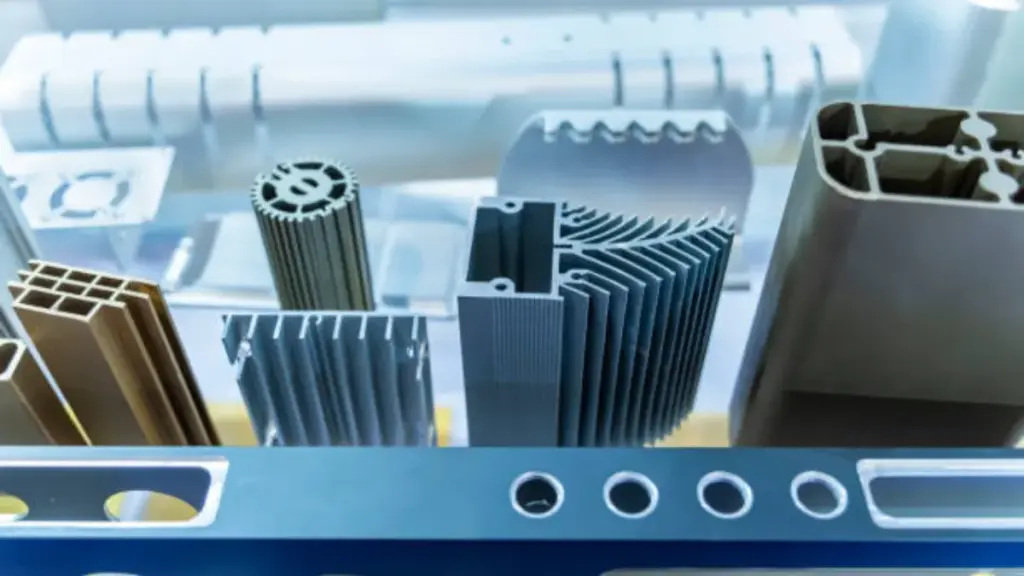
Pour rendre l’aluminium utile, il est allié à d'autres éléments tels que silicium (Et), cuivre (Cu), magnésium (Mg), et du zinc (Zn). Ces éléments d'alliage améliorent considérablement la résistance, dureté, machinabilité, et performances thermiques. Le résultat est une famille d'alliages d'aluminium qui peuvent être traités de manières très différentes en fonction des exigences de l'utilisation finale..
C'est là que la terminologie se divise. “Aluminium” en tant que terme général, il couvre la matière première et toutes ses formes d'alliage. Ce qui compte dans les décisions d'ingénierie et de fabrication, c'est la manière dont l'aluminium est façonné et traité., et c'est là que la fonte d'aluminium entre en scène.
Fonte d'aluminium ou aluminium forgé
La distinction la plus importante ne concerne pas le métal lui-même, mais à propos de la voie de fabrication.
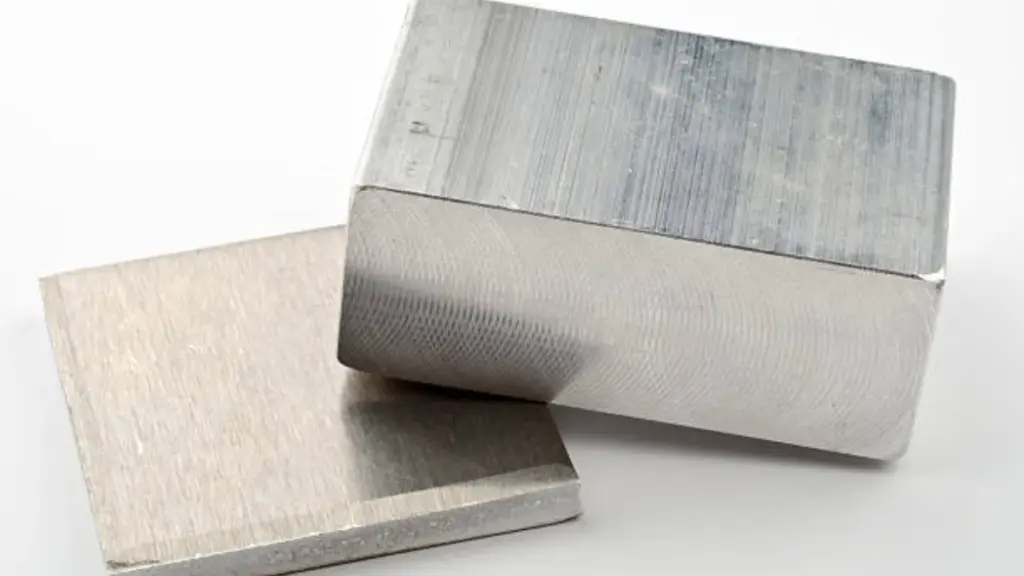
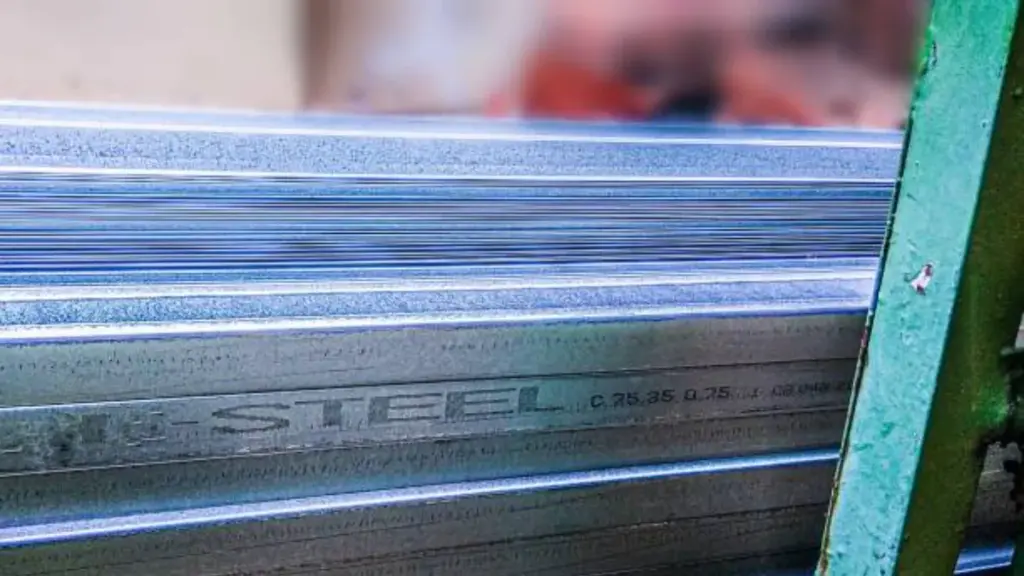
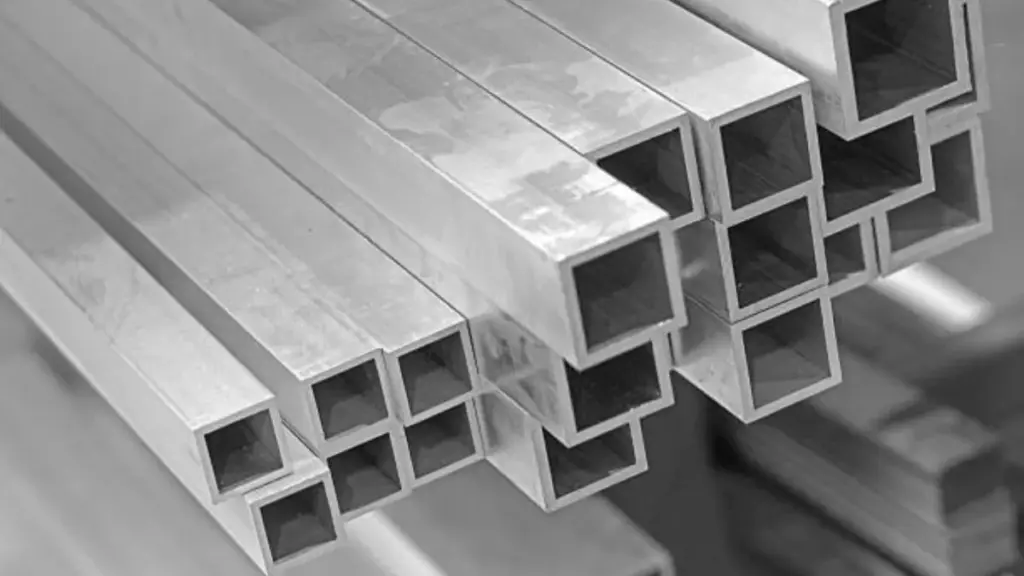
Aluminium forgé est façonné mécaniquement. La billette d'aluminium est poussée, tiré, roulé, ou martelé — par extrusion, forger, ou laminage - pour produire des feuilles, tiges, tubes, et profils. Le travail mécanique affine la structure des grains et améliore considérablement la résistance à la traction et la ductilité..
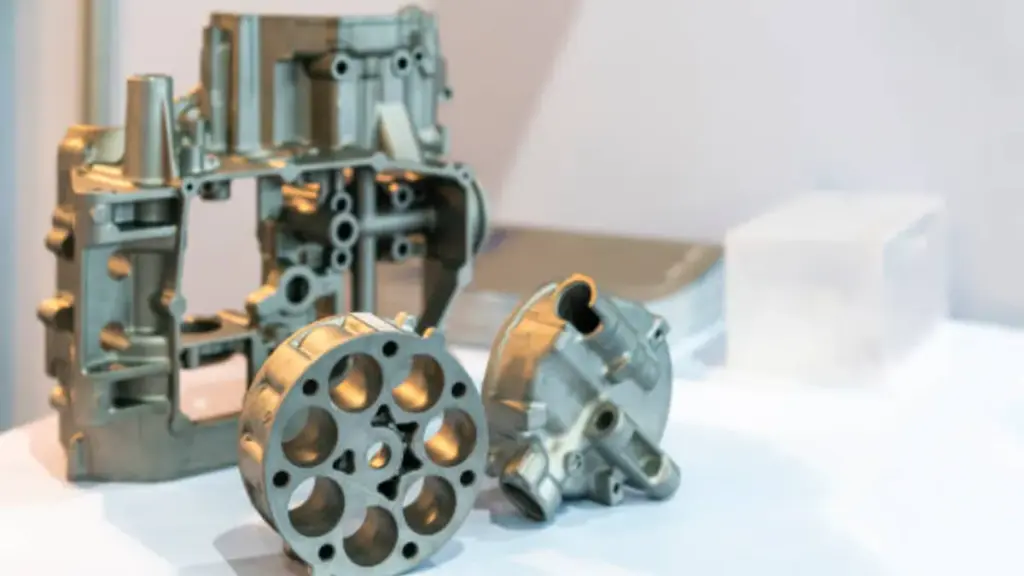
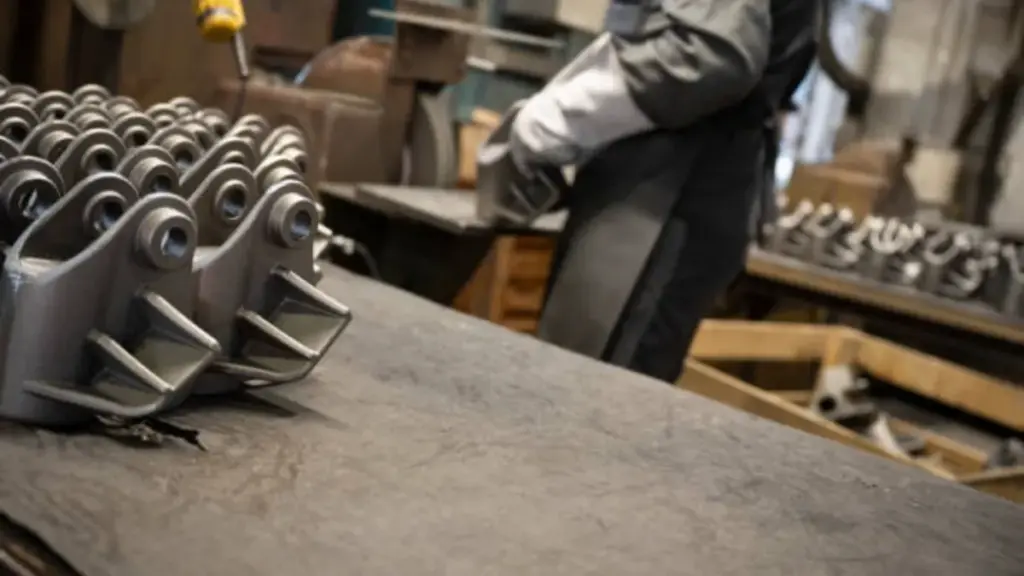
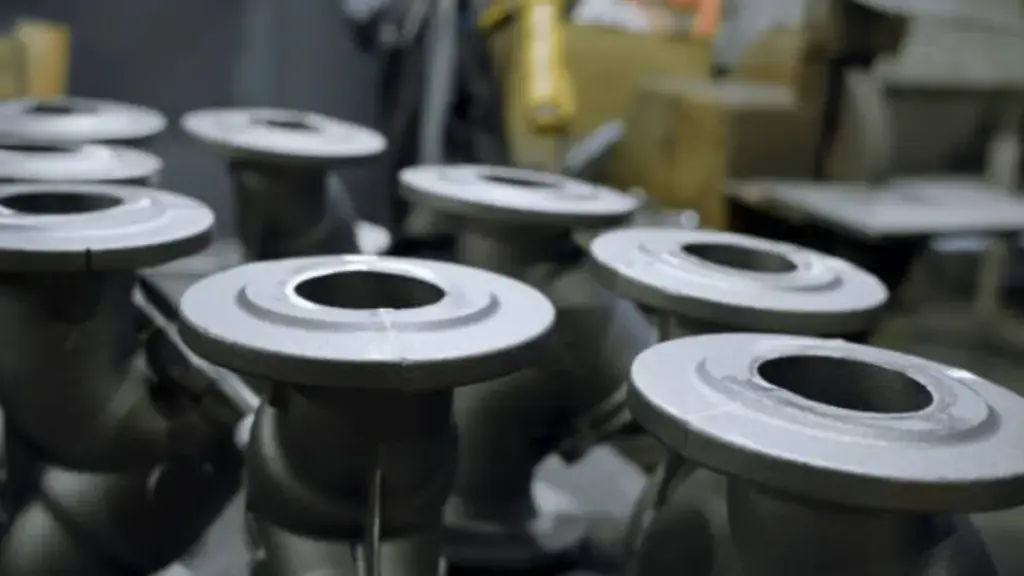
Fonte d'aluminium est produit en fondant un alliage d'aluminium et en versant ou en injectant le métal en fusion dans une cavité de moule, où il se solidifie dans la forme désirée. Les principales méthodes de coulée comprennent:
- Moulage sous pression — l'aluminium fondu est injecté dans un moule en acier sous haute pression. Idéal pour les gros volumes, pièces à géométrie complexe.
- Moulage au sable — l'aluminium fondu est versé dans un moule en sable. Coût d’outillage réduit, adapté aux pièces de grand ou de faible volume.
- Coulée par gravité - repose sur la gravité plutôt que sur la pression. Utilisé pour les pièces de complexité moyenne nécessitant une bonne finition de surface.
Moulage sous pression, en particulier, est le procédé dominant pour les composants industriels et automobiles en aluminium car il offre des tolérances dimensionnelles serrées, excellent détail de la surface, et des temps de cycle rapides à grande échelle.
Propriétés mécaniques: Force, Dureté, et porosité
Comprendre les différences de propriétés mécaniques entre l'aluminium moulé et l'aluminium forgé est essentiel pour faire le bon choix technique..
Résistance à la traction C'est là que l'aluminium forgé gagne généralement. Un alliage corroyé courant comme le 6061-T6 offre une résistance à la traction d'environ 310 MPa, tandis qu'un alliage de coulée largement utilisé comme l'A380 se trouve autour 310 MPa tel que coulé — comparable sur papier, mais avec une mise en garde importante: porosité.
Porosité est la faiblesse déterminante de la fonte d’aluminium. Pendant la solidification, des bulles de gaz ou des vides de retrait peuvent rester piégés à l'intérieur de la pièce. Ces micro-défauts réduisent la section transversale porteuse efficace et créent des points de concentration de contraintes. En moulage sous pression standard, un certain degré de porosité est attendu. Le moulage sous pression sous vide réduit considérablement ce phénomène, rendant les pièces adaptées aux applications étanches à la pression et critiques pour la sécurité.
Dureté et résistance à l'usure en fonte d'aluminium peut être amélioré grâce à la sélection de l'alliage et au traitement thermique. Les alliages comme l'A356-T6 atteignent de bons niveaux de dureté adaptés aux composants structurels automobiles. Alliages corroyés tels que 7075-T6, cependant, rester dans un niveau de performance plus élevé pour les applications aérospatiales et structurelles à fortes contraintes.
Conductivité thermique est un domaine où la fonte d'aluminium excelle véritablement. Les alliages comme l'ADC12 et l'AlSi12 offrent une excellente dissipation thermique, c'est précisément pourquoi l'aluminium moulé sous pression est le choix par défaut pour les dissipateurs thermiques des LED., carters de moteur, et boîtiers électroniques.
Avantages de la fonte d'aluminium pour les complexes, Pièces à grand volume
Pour les fabricants produisant des complexes, composants de précision à grande échelle, la fonte d'aluminium - et le moulage sous pression en particulier - offre un ensemble d'avantages que les procédés en aluminium forgé ne peuvent tout simplement pas égaler.
Liberté géométrique est le plus important. Le moulage sous pression peut produire des pièces avec des contre-dépouilles, canaux internes, parois minces (jusqu'à 1,5 mm), patrons intégrés, et des textures de surface complexes, le tout en une seule photo. Obtenir la même géométrie grâce à l'usinage de l'aluminium forgé nécessiterait plusieurs configurations, beaucoup plus de déchets matériels, et un coût unitaire bien plus élevé.
Cohérence dimensionnelle est un autre avantage clé. Un moule de coulée sous pression bien conçu, combiné avec des paramètres de processus contrôlés, offre une répétabilité pièce à pièce dans des tolérances strictes sur des centaines de milliers de cycles. Cette cohérence est essentielle pour les chaînes d’approvisionnement des équipementiers automobiles, où une déviation dans un boîtier ou un support peut affecter le montage sur la chaîne de montage.
Efficacité en forme de filet signifie que les pièces moulées sous pression sortent du moule à un niveau proche de leurs dimensions finales, nécessitant un usinage secondaire minimal. Combiné avec une finition CNC post-traitement où des tolérances strictes sont nécessaires, cela crée un flux de production efficace et rentable, en particulier pour les commandes à volume élevé ci-dessus 5,000 pièces.
Flexibilité multi-alliage distingue également le moulage sous pression. Les fabricants peuvent choisir parmi une gamme d'alliages d'aluminium. Tel que l'ADC12 pour un usage général, AlSi12 pour une fluidité et une résistance à la chaleur améliorées, A356 pour des performances mécaniques supérieures, en fonction de la température de l'application, de construction, et exigences en matière de corrosion.
Applications du monde réel dans tous les secteurs
La combinaison de la légèreté de la fonte d'aluminium, performances thermiques, flexibilité de conception, et sa résistance à la corrosion en ont fait le matériau de choix dans un large éventail d'industries.
Éclairage LED et luminaires extérieurs
La dissipation thermique est essentielle dans les systèmes LED. Boîtiers en aluminium moulé sous pression pour lampadaires, lumières des tunnels, et les luminaires industriels à grande hauteur servent de dissipateurs thermiques intégrés, évacuant la chaleur des puces LED pour prolonger la durée de vie. La possibilité de mouler des géométries d'ailettes complexes directement dans le boîtier élimine le besoin de composants de gestion thermique séparés.
Véhicules automobiles et nouvelles énergies (NEV)
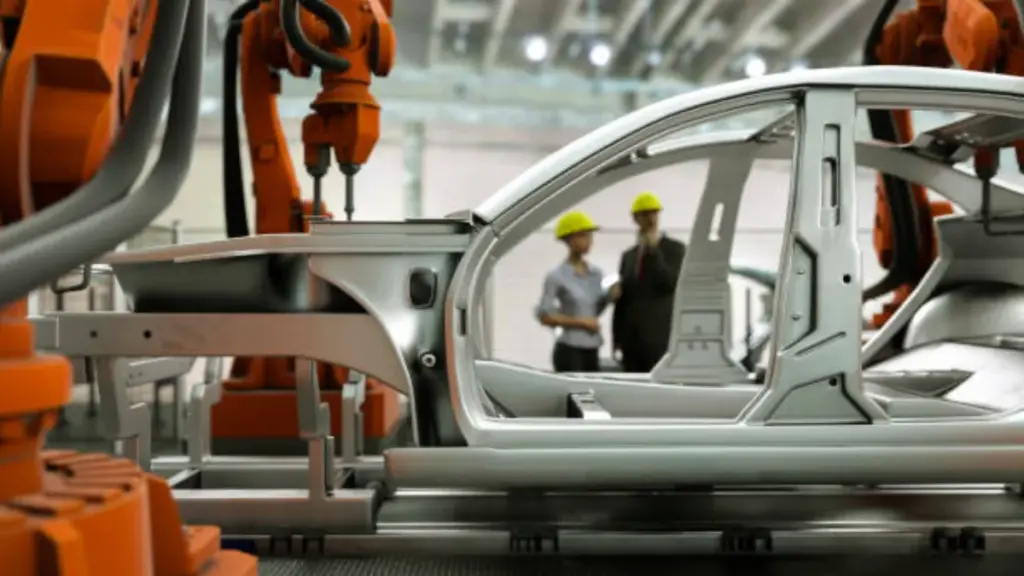
Carters moteur, boîtiers d'onduleur, unité de commande électronique (ÉCU) boîtiers, couvercles de transmission, et les supports structurels du système de batterie sont tous couramment produits par moulage sous pression en aluminium. Alors que les plates-formes EV exigent des véhicules plus légers, composants plus efficaces thermiquement, l'aluminium moulé sous pression est devenu encore plus central dans la conception du groupe motopropulseur.
Équipements industriels et communications
Boîtiers pour contrôleurs industriels, composants de la station de base de communication, et les boîtiers des appareils de surveillance reposent sur de la fonte d'aluminium pour ses propriétés de blindage EMI, rigidité structurelle, et capacité d'étanchéité IP.
Produits de consommation et commerciaux
Ustensiles de cuisine (batterie de cuisine en fonte d'aluminium), quincaillerie pour meubles, boîtiers d'outils électriques, et les composants d'équipements sportifs exploitent tous la formabilité et la durabilité de l'aluminium moulé dans les biens de consommation finis..
Comment choisir le bon alliage et le bon processus pour votre projet
Choisir entre la fonte d'aluminium et l'aluminium forgé - ou sélectionner la bonne méthode de coulée - se résume à une évaluation structurée des exigences de votre projet..
Étape 1: Définir la complexité de la géométrie. Si votre pièce a une géométrie 3D complexe, fonctionnalités internes, ou parois fines, le casting est presque toujours la bonne voie. Si la pièce est un simple profilé ou une plaque plane, l'extrusion ou la tôle peuvent être plus rentables.
Étape 2: Évaluer les exigences de charge mécanique. Si la pièce est un élément structurel principal soumis à des charges dynamiques ou d'impact élevées, alliages corroyés (en particulier 6061-T6 ou 7075-T6) peut être plus approprié. Pour les logements, enclos, parenthèses, et dissipateurs de chaleur, l'aluminium moulé offre généralement des performances suffisantes.
Étape 3: Évaluer l’économie du volume et de l’unité. Le moulage sous pression nécessite un investissement initial plus élevé en outillage, mais un coût unitaire inférieur à grande échelle.. Pour des volumes supérieurs à 3 000-5 000 pièces par an, le moulage sous pression est généralement le choix le plus économique pour les pièces complexes.
Étape 4: Tenir compte des exigences en matière de surface et d’étanchéité. Pièces nécessitant une étanchéité à l'air ou aux fluides (tels que les couvercles de boîte de vitesses ou les corps hydrauliques) doit spécifier le moulage sous pression sous vide pour minimiser la porosité et garantir des performances fiables et sans fuite.
Étape 5: Sélectionnez le bon alliage. ADC12 et l'A380 sont des bêtes de somme pour les applications industrielles générales. AlSi12 offre une fluidité améliorée et est populaire pour les composants d'éclairage à paroi mince. L'A356-T6 offre une limite d'élasticité plus élevée pour les pièces automobiles porteuses.
Pourquoi s'approvisionner en pièces en fonte d'aluminium auprès de Bian Diecast?
Choisir le bon alliage et le bon processus ne représente que la moitié de l’équation – l’autre moitié consiste à trouver un fabricant capable de l’exécuter de manière cohérente à grande échelle..
Le moulage sous pression en aluminium moulé récompense l'expérience. Contrôle de la porosité, optimisation du flux de moule, gestion de l'épaisseur des parois, et la précision dimensionnelle post-coulée ne sont pas des problèmes que vous résolvez uniquement avec l'équipement. Ils nécessitent des années de connaissances accumulées sur les processus dans des environnements de production réels..
Bian Diecast est un guichet unique moulage sous pression en aluminium fabricant en Chine, avec une équipe d'ingénieurs de base possédant 15 à 20 ans d'expertise pratique dans le domaine automobile, éclairage, et projets de fonderie industrielle. Du DFM et de la simulation de flux de moules à la finition CNC, revêtement en poudre, et inspection sortante : chaque étape se déroule sous un même toit à Foshan.
Pour les clients gérant les risques liés à la chaîne d’approvisionnement mondiale, Bian opère sur trois bases de production – Chine, Mexique, et au Vietnam – offrant aux acheteurs OEM et de marque la flexibilité de produire à proximité des côtes, réduire l'exposition aux droits de douane, et raccourcissez les délais de livraison vers les marchés clés sans sacrifier la qualité de fabrication.
Si votre prochain projet nécessite des composants en fonte d'aluminium, contacter Bian Diecast pour un examen technique et un devis.