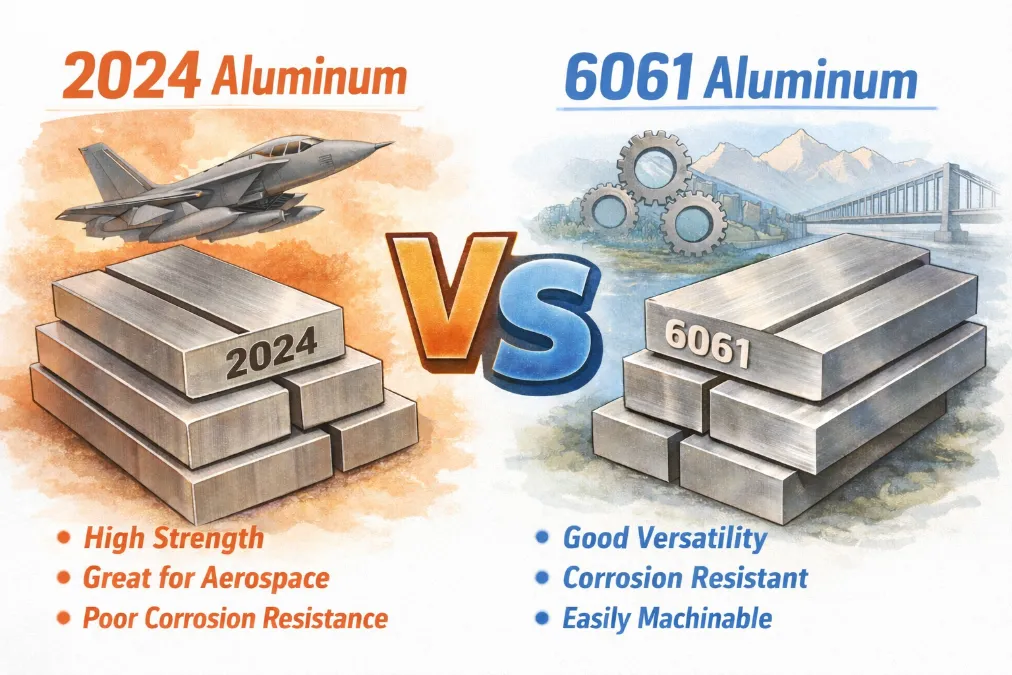
2024 एल्यूमीनियम और 6061 एल्यूमीनियम मौलिक रूप से भिन्न मिश्र धातु परिवारों से संबंधित है. उच्च शक्ति और थकान प्रतिरोध को प्राथमिकता दी जाती है; दूसरा वेल्डेबिलिटी के साथ यांत्रिक प्रदर्शन को संतुलित करता है, संक्षारण प्रतिरोध, और व्यापक विनिर्माण क्षमता.
यह मार्गदर्शिका तकनीकी रूप से आधारित तुलना प्रदान करती है, शामिल 2024-टी3 बनाम 6061-टी6, पर्यावरणीय स्थायित्व संबंधी विचार, और एक संरचित इंजीनियरिंग चयन दृष्टिकोण.
मिश्र धातु रसायन और धातुकर्म भेद
के बीच मुख्य अंतर 2024 और 6061 यह उनकी मिश्रधातु प्रणालियों और अवक्षेपण-कठोरीकरण तंत्रों में निहित है. एक स्पष्ट अवलोकन देने के लिए, यहां उनकी रासायनिक संरचना और प्रमुख धातुकर्म विशेषताओं का सारांश दिया गया है:
| संपत्ति | 2024 अल्युमीनियम (2xxx शृंखला) | 6061 अल्युमीनियम (6xxx शृंखला) |
|---|---|---|
| प्राथमिक मिश्रधातु तत्व | ताँबा (3.8-4.9%) | मैगनीशियम (~1.0%) + सिलिकॉन (~0.6%) |
| द्वितीयक तत्व | मैगनीशियम, मैंगनीज | क्रोमियम, तांबे का निशान |
| तंत्र को सुदृढ़ बनाना | Al₂Cu वर्षा का सख्त होना | Mg₂Si वर्षा का सख्त होना |
| विशिष्ट कठोरता | ~120 एचबी | ~95 एचबी |
| संक्षारण प्रतिरोध | गोरा, क्लैडिंग या कोटिंग की आवश्यकता है | अच्छा, स्वाभाविक रूप से प्रतिरोधी |
| जुड़ने की योग्यता | गरीब, गर्म दरार के प्रति संवेदनशील | उत्कृष्ट, निर्माण में व्यापक रूप से उपयोग किया जाता है |
तांबा नाटकीय रूप से ताकत और थकान प्रदर्शन को बढ़ाता है 2024, बल्कि संक्षारण प्रतिरोध और वेल्डेबिलिटी को भी कम करता है. इसके विपरीत, एमजी-सी प्रणाली में 6061 स्थिर अवक्षेप बनाता है जो लचीलापन और पर्यावरणीय स्थायित्व को संरक्षित करते हुए मध्यम शक्ति प्रदान करता है.
धातुकर्म की दृष्टि से:
6061 बहुमुखी प्रतिभा और प्रसंस्करण लचीलेपन को प्राथमिकता देता है.
2024 संरचनात्मक प्रदर्शन को प्राथमिकता देता है.
2024-T3 बनाम 6061-T6 संपत्ति तुलना
वास्तविक दुनिया की इंजीनियरिंग में, इन मिश्रधातुओं का उपयोग आमतौर पर विशिष्ट तापमानों में किया जाता है:
- 2024-टी3: समाधान गर्मी से उपचारित, ठंड ने काम किया, स्वाभाविक रूप से वृद्ध
- 6061-टी6: समाधान गर्मी से उपचारित, कृत्रिम रूप से वृद्ध
नीचे एक प्रतिनिधि संपत्ति तुलना दी गई है:
| संपत्ति | 2024-टी3 | 6061-टी6 |
|---|---|---|
| नम्य होने की क्षमता | ~324 एमपीए | ~276 एमपीए |
| परम तन्य शक्ति | ~469 एमपीए | ~310 एमपीए |
| थकान शक्ति | उच्च | मध्यम |
| बढ़ाव | ~20% | ~12% |
| संक्षारण प्रतिरोध | गोरा | अच्छा |
| जुड़ने की योग्यता | गरीब | उत्कृष्ट |
ताकत का अंतर पर्याप्त है—अक्सर 2024-टी3 के लिए 40-60% अधिक तन्यता प्रदर्शन. तथापि, 6061-T6 अधिक पूर्वानुमानित पोस्ट-वेल्ड यांत्रिक प्रतिधारण और व्यापक निर्माण अनुकूलता प्रदान करता है.
स्थैतिक भार के तहत यांत्रिक प्रदर्शन
स्थैतिक लोडिंग स्थितियों के तहत, 2024 अपनी उच्च उपज और तन्य शक्ति के कारण बेहतर भार वहन क्षमता प्रदर्शित करता है. यह इसे उपयुक्त बनाता है:
- विमान संरचनात्मक खाल
- उच्च-भार वाले कोष्ठक
- वजन दक्षता की आवश्यकता वाले यांत्रिक घटक
तथापि, केवल ताकत ही प्रदर्शन को परिभाषित नहीं करती. 6061 प्रदर्श:
- अधिक समान तनाव-तनाव व्यवहार
- संरचनात्मक एक्सट्रूज़न में बेहतर लचीलापन
- निर्माण-प्रेरित अवशिष्ट तनावों के प्रति उच्च सहनशीलता
दोनों मिश्रधातुओं के लिए लोचदार मापांक समान रहता है (~69 जीपीए), मतलब लोचदार लोडिंग के तहत कठोरता तुलनीय है. मुख्य अंतर प्लास्टिक विरूपण शुरू होने से पहले स्वीकार्य तनाव में है.
अधिकतम शक्ति-से-वजन अनुपात के लिए डिज़ाइन करते समय, 2024 आम तौर पर बेहतर प्रदर्शन करता है. जब डिज़ाइन की बाधाओं में शामिल होना शामिल हो, मशीनिंग, या संक्षारण जोखिम, 6061 अक्सर अधिक व्यावहारिक समाधान बन जाता है.
थकान और संरचनात्मक भार लचीलापन
थकान प्रदर्शन इसका एक निर्णायक लाभ है 2024 अल्युमीनियम.
चक्रीय लोडिंग के अंतर्गत, विशेषकर एयरोस्पेस संरचनाओं में, दरार की शुरुआत और प्रसार व्यवहार सेवा जीवन निर्धारित करते हैं. तांबे से भरपूर सूक्ष्म संरचना 2024 थकान दरार वृद्धि के प्रतिरोध में सुधार करता है, इसे अत्यधिक उपयुक्त बनाता है:
- विमान विंग संरचनाएँ
- धड़ की खाल
- उच्च-चक्र यांत्रिक संबंध
6061 मध्यम चक्रीय वातावरण में पर्याप्त रूप से प्रदर्शन करता है लेकिन आम तौर पर तुलना में कम सहनशक्ति सीमा दिखाता है 2024.
गतिशील प्रणालियों में जहां कंपन होता है, बार-बार तनाव, या लोड रिवर्सल हावी है, 2024 अधिक संरचनात्मक विश्वसनीयता प्रदान करता है - यह मानते हुए कि संक्षारण ठीक से प्रबंधित किया गया है.
विनिर्माण प्रक्रियाएं और व्यावहारिकता
उत्पादन की दृष्टि से, 6061 काफी अधिक क्षमाशील है.
मशीनिंग
- 2024: छोटे चिप्स का उत्पादन करता है, उत्कृष्ट सतह परिष्करण क्षमता
- 6061: बहुत मशीनी, एक्सट्रूडेड प्रोफाइल में व्यापक रूप से उपलब्ध है
वेल्डिंग
- 2024: गर्म दरार के प्रति संवेदनशील, गर्मी से प्रभावित क्षेत्र में महत्वपूर्ण शक्ति हानि
- 6061: उत्कृष्ट वेल्डेबिलिटी, संरचनात्मक निर्माण में व्यापक रूप से उपयोग किया जाता है
गठन और बाहर निकालना
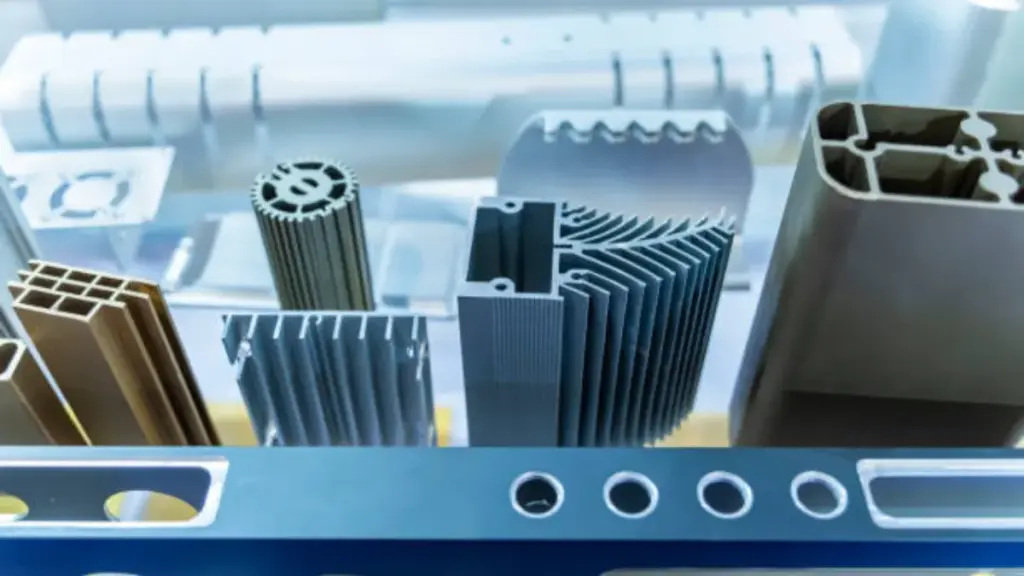
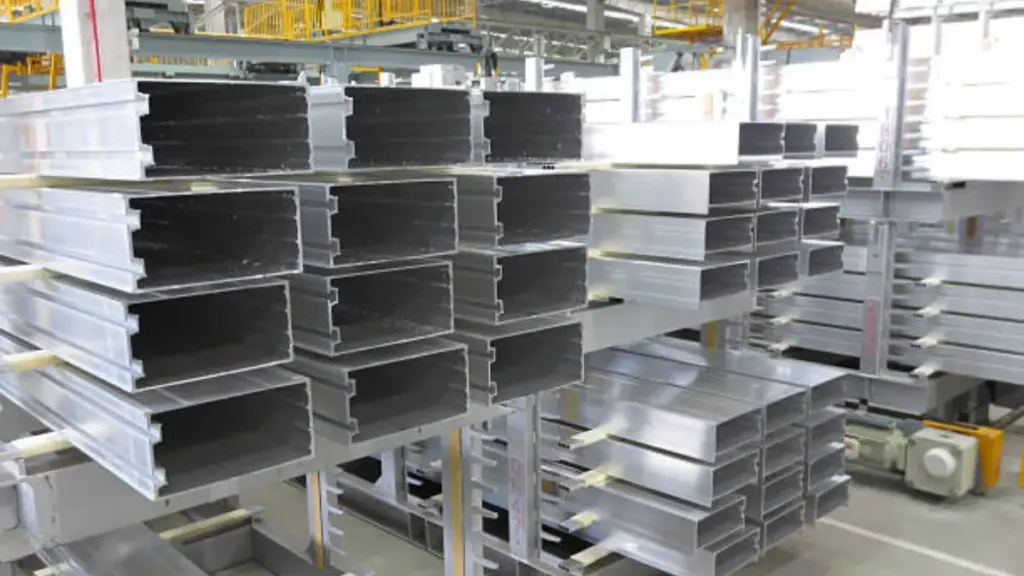
6061 एक्सट्रूज़न और जटिल क्रॉस-सेक्शन के लिए अत्यधिक उपयुक्त है, इसे वास्तुशिल्प और ऑटोमोटिव संरचनाओं में आम बनाना.
इसके बजाय एल्युमीनियम कास्टिंग पर कब विचार करें
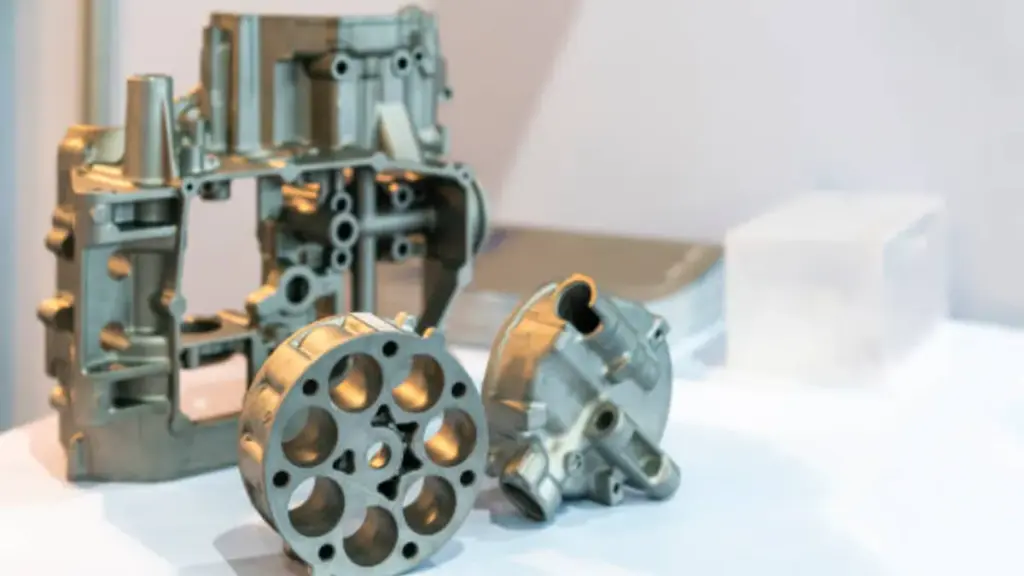
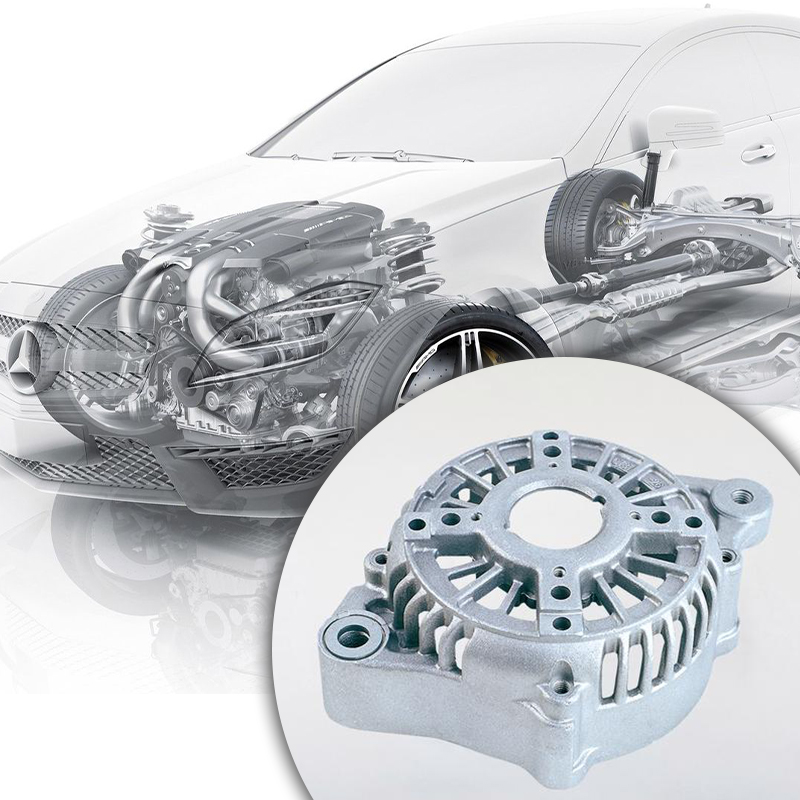
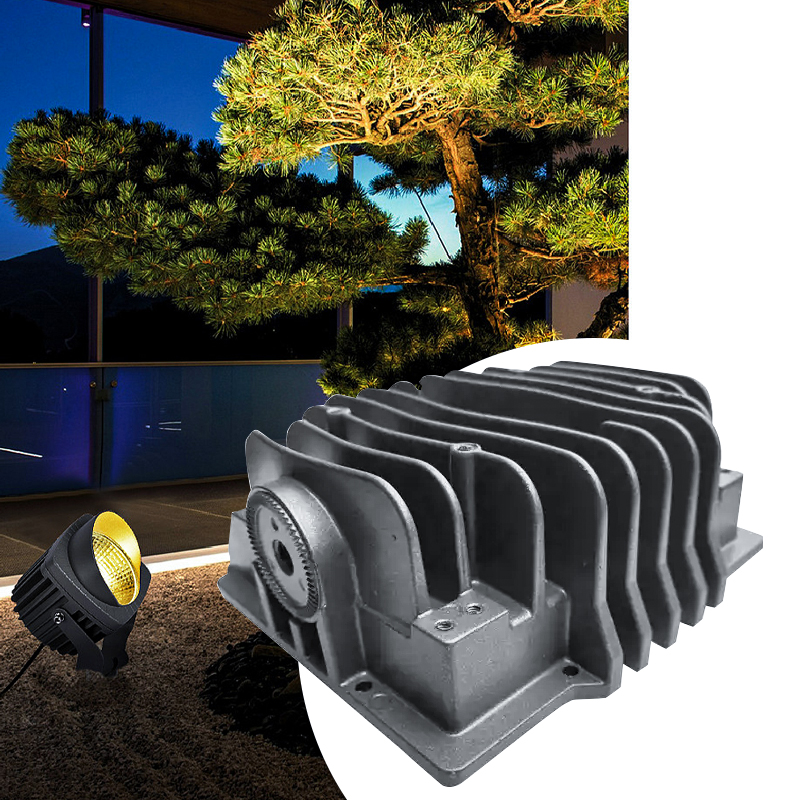
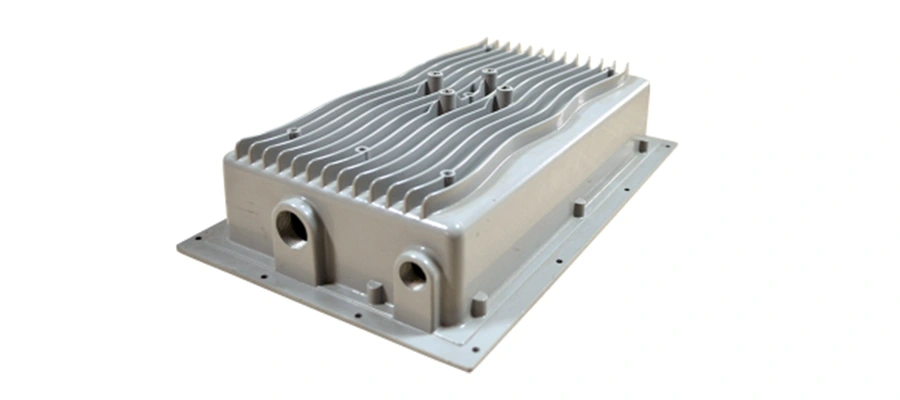
जटिल ज्यामितियों के लिए पसलियों की आवश्यकता होती है, मालिकों, या एकीकृत आवास, गढ़ा हुआ मिश्रधातु जैसे 2024 या 6061 इष्टतम नहीं हो सकता. इस तरह के मामलों में, एल्यूमीनियम डाई कास्टिंग की पेशकश कर सकते हैं:
- निकट-जाल-आकार का उत्पादन
- कम मशीनिंग चरण
- एकीकृत संरचनात्मक विशेषताएं
विकल्पों का मूल्यांकन करने वाले निर्माताओं के लिए, बियान डायकास्ट वन-स्टॉप एल्यूमीनियम डाई कास्टिंग समाधान प्रदान करता है. मल्टी-पार्ट असेंबलियों की मशीनिंग के बजाय 6061 फौजों को घर देना, इंजीनियर घटकों को एक ही कास्टिंग में समेकित कर सकते हैं, लागत दक्षता और उत्पादन मापनीयता में सुधार.
यह दृष्टिकोण विशेष रूप से लाभप्रद है जब ताकत की आवश्यकताओं के लिए एयरोस्पेस-ग्रेड की आवश्यकता नहीं होती है 2024 लेकिन संरचनात्मक विश्वसनीयता और ज्यामितीय जटिलता की मांग करते हैं.
आपका वन-स्टॉप एल्युमीनियम डाई कास्टिंग पार्टनर
संक्षारण व्यवहार और पर्यावरणीय स्थायित्व
पर्यावरणीय जोखिम सामग्री चयन को महत्वपूर्ण रूप से प्रभावित करता है.
वातावरणीय स्थितियां
6061 अपनी स्थिर ऑक्साइड परत के कारण मानक बाहरी वातावरण में अच्छा प्रदर्शन करता है.
समुद्री वातावरण
6061 खारे पानी के क्षरण के प्रति बेहतर प्रतिरोध दर्शाता है.
2024 अधिक असुरक्षित है और अक्सर इसकी आवश्यकता होती है:
- अलक्लाड क्लैडिंग
- एनोडाइजिंग
- सुरक्षात्मक लेप
गैल्वेनिक संक्षारण
तांबे की मात्रा के कारण, 2024 असमान धातु असेंबलियों में अधिक संवेदनशील है.
उच्च आर्द्रता या औद्योगिक क्षेत्र
6061 कम सतह क्षरण के साथ बेहतर दीर्घकालिक स्थिरता बनाए रखता है.
संक्षारक वातावरण के लिए, 6061 इसे आम तौर पर तब तक प्राथमिकता दी जाती है जब तक कि संरचनात्मक ताकत की आवश्यकताएं जंग संबंधी चिंताओं पर हावी न हो जाएं
विशिष्ट अनुप्रयोग और उद्योग उपयोग के मामले
2024 अनुप्रयोग
- एयरोस्पेस संरचनात्मक घटक
- उच्च-तनाव वाले यांत्रिक भाग
- प्रदर्शन-महत्वपूर्ण कोष्ठक
6061 अनुप्रयोग
- साइकिल फ़्रेम
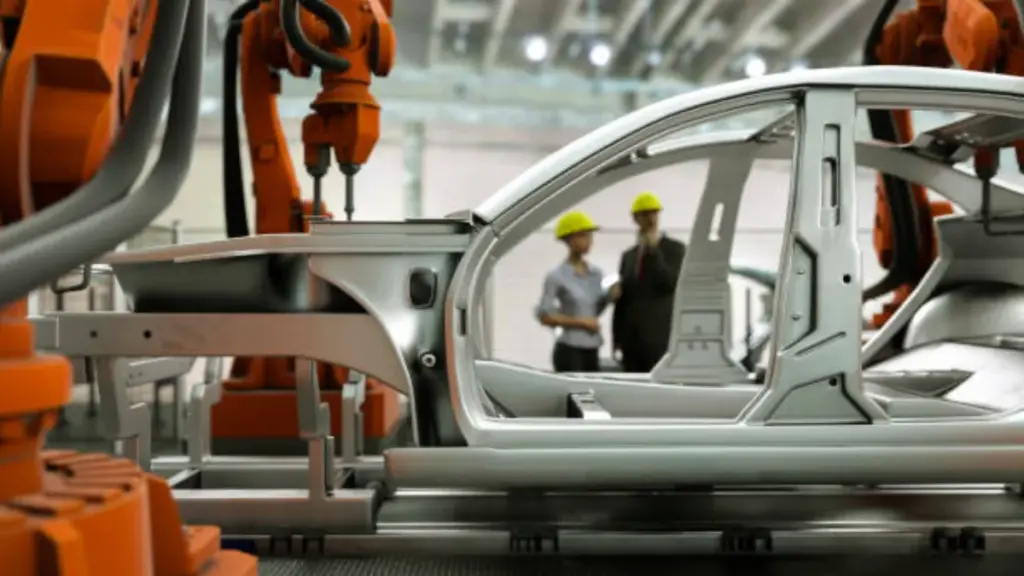
- मोटर वाहन घटक
- समुद्री फिटिंग
- संरचनात्मक ढाँचे
- उपभोक्ता इलेक्ट्रॉनिक्स आवास
तथापि, आधुनिक विनिर्माण अक्सर मशीनों की जगह ले लेता है 6061 बेहतर एकीकरण और लागत अनुकूलन के लिए डाई-कास्ट एल्यूमीनियम वाले घटक.
इंजीनियरों के लिए पर्यावरण चयन दिशानिर्देश
के बीच चयन करने के लिए 2024 एल्यूमीनियम बनाम 6061 प्रभावी रूप से, इंजीनियरों को मूल्यांकन करना चाहिए:
- लोड प्रकार
स्थैतिक उच्च-भार → 2024
मध्यम संरचनात्मक भार → 6061 - थकान की आवश्यकता
उच्च चक्रीय तनाव → 2024 - पर्यावरणीय गंभीरता
समुद्री या संक्षारक → 6061 - निर्माण विधि
वेल्डिंग आवश्यक → 6061
केवल परिशुद्धता मशीनिंग → या तो - ज्यामिति जटिलता
मल्टी-फ़ीचर हाउसिंग → एल्यूमीनियम कास्टिंग पर विचार करें - बजट बाधाएं
उच्च उपलब्धता, कम लागत → 6061 - जीवनचक्र संबंधी विचार
रखरखाव-भारी वातावरण → 6061 पसंदीदा
निष्कर्ष
की तुलना 2024 एल्यूमीनियम बनाम 6061 अंततः अधिकतम संरचनात्मक प्रदर्शन और विनिर्माण व्यावहारिकता के बीच एक समझौते को दर्शाता है.
- 2024-T3 बेहतर ताकत और थकान प्रतिरोध प्रदान करता है लेकिन संक्षारण संरक्षण और सावधानीपूर्वक निर्माण नियंत्रण की आवश्यकता होती है.
- 6061-T6 संतुलित शक्ति प्रदान करता है, उत्कृष्ट वेल्डेबिलिटी, और मजबूत पर्यावरणीय स्थायित्व.
एयरोस्पेस-ग्रेड संरचनात्मक प्रदर्शन के लिए, 2024 हावी रहता है. बहुमुखी औद्योगिक विनिर्माण के लिए, 6061 यह अधिक किफायती और अनुकूलनीय विकल्प बना हुआ है. जटिल ज्यामिति या एकीकृत संरचनाओं की आवश्यकता वाले अनुप्रयोगों में, MAG-CAST जैसे विशेष निर्माताओं के माध्यम से एल्यूमीनियम डाई कास्टिंग में परिवर्तन अतिरिक्त दक्षता और स्केलेबिलिटी प्रदान कर सकता है.
इंजीनियरिंग चयन इस बारे में नहीं है कि कौन सा मिश्र धातु "बेहतर" है,” लेकिन जो प्रदर्शन आवश्यकताओं के साथ सबसे सटीक रूप से संरेखित होता है, पर्यावरणीय जोखिम, और विनिर्माण रणनीति.