L'alluminio è apprezzato in ingegneria per la sua leggerezza, resistenza alla corrosione, e un favorevole rapporto resistenza/peso. Appare nei telai strutturali, componenti automobilistici, alloggiamenti per illuminazione, involucri elettronici, e innumerevoli parti fabbricate.
Eppure una domanda ricorrente continua ad emergere durante le riunioni di progettazione e negli stabilimenti:
Puoi piegare l'alluminio senza romperlo?
La risposta tecnicamente corretta è: a volte – e solo nelle giuste condizioni.
Le prestazioni di piegatura dipendono dalla chimica della lega, temperare, struttura del grano, distribuzione della deformazione, e geometria. Ancora più importante, in molte applicazioni industriali, la piegatura potrebbe non essere nemmeno l’approccio produttivo ottimale.
Questo articolo esamina la piegatura dell'alluminio dal punto di vista dei materiali e della produzione, e poi valuta quando la fabbricazione dovrà lasciare il posto alla pressofusione dell’alluminio.
Cosa “Puoi piegare l'alluminio?"Significa davvero
Quando qualcuno chiede, “Sai piegare l'alluminio?", non chiedono alluminio puro. Si chiedono se si tratta di una lega specifica, in una specifica condizione di temperamento, può tollerare la deformazione plastica senza superare la sua tensione di frattura.
Durante la piegatura, la tensione non è uniforme:
- Il raggio interno è compresso.
- L’asse neutro rimane relativamente stabile.
- Il raggio esterno subisce un allungamento a trazione.
La rottura si verifica quando la deformazione a trazione sulla superficie esterna supera la capacità di allungamento della lega.
Dal punto di vista ingegneristico, la questione della flessione si riduce a tre variabili:
- Composizione della lega
- Temperare (O, H32, T4, T6, ecc.)
- Raggio di curvatura interno relativo allo spessore del materiale
Senza definire quelle variabili, alla domanda non è possibile rispondere in modo affidabile.
Quali leghe di alluminio possono essere piegate in sicurezza
La piegabilità varia ampiamente tra le famiglie di leghe. Le leghe per lavorazione plastica generalmente offrono una duttilità maggiore rispetto alle leghe per fusione.
Di seguito è riportata una panoramica comparativa relativa alle tipiche decisioni di formazione:
| Lega | Temperare | Allungamento tipico | Piegabilità | Note |
|---|---|---|---|---|
| 3003 | H14 | 10–20% | Eccellente | Lega comune in lamiera, altamente formabile |
| 5052 | H32 | 12–18% | Molto bene | Forte e resistente alla corrosione |
| 6061 | O | ~20% | Bene | Ammorbidito, formabile |
| 6061 | T6 | 8–10% | Limitato | Alta resistenza, soggetto a crepe a raggi stretti |
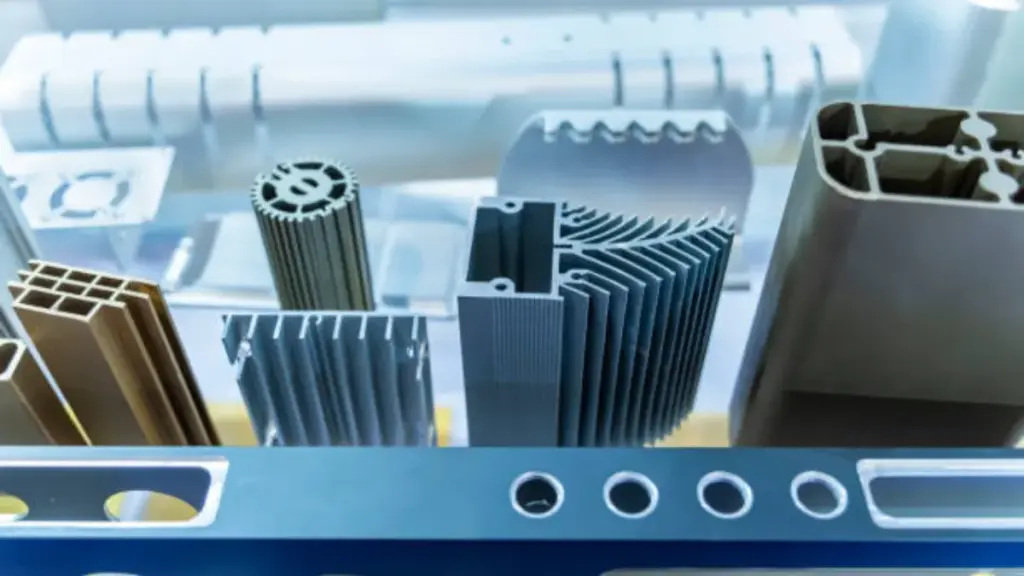
| 6063 | T5/T6 | 8–12% | Moderare | Lega comune per estrusione |
| A380 (Pressofuso) | Come lanciato | 1–3% | Povero | Alto contenuto di silicio, bassa duttilità |
| ADC12 (Pressofuso) | Come lanciato | 1–3% | Povero | Progettato per il casting, non formandosi |
Domande specifiche sulle leghe
- Puoi piegarti? 5052 alluminio?
SÌ. 5052 è una delle leghe più affidabili per la piegatura della lamiera grazie al suo contenuto di magnesio e all'allungamento relativamente elevato. È comunemente selezionato per pannelli marini e staffe sagomate. - Puoi piegarti? 6061 alluminio?
Dipende dal carattere. In condizione O, si piega bene. In condizioni T6, diventa significativamente meno duttile. - Puoi piegarti? 6061 Alluminio T6?
Solo con raggi di curvatura ampi e un'accurata preparazione dei bordi. Piegature strette spesso provocano fessurazioni superficiali. - Puoi piegarti? 6063 alluminio?
Moderatamente. Ha prestazioni accettabili nei profili estrusi ma è meno tollerante 5052 in operazioni di formatura aggressive.
Le tre regole per piegature senza crepe
La piegatura dell'alluminio è prevedibile quando vengono applicati i principi di formatura corretti.
1. Mantenere un raggio di piegatura adeguato
Il raggio di curvatura interno minimo è generalmente espresso come multiplo dello spessore (T). I temperamenti più forti richiedono raggi più grandi. Tentare un raggio inferiore ai limiti raccomandati aumenta notevolmente il rischio di frattura.
2. Piegati attraverso il grano
Il foglio di alluminio laminato ha una struttura a grana direzionale. La piegatura parallela alla fibratura riduce la tolleranza all'allungamento. La flessione perpendicolare alla fibratura migliora l'affidabilità.
3. Controllare la qualità dei bordi e l'incrudimento del lavoro
I bordi tranciati con micro-intagli possono provocare crepe durante la formatura. La sbavatura e il corretto allineamento degli utensili riducono la concentrazione dello stress. Inoltre, la ripetuta piegatura aumenta l'incrudimento e riduce la resistenza alla frattura.
Queste regole si applicano principalmente alle lamiere lavorate e ai prodotti estrusi. Le leghe fuse si comportano diversamente.
Quando la ricottura ha senso
Una variazione tecnica correlata alla domanda è: Puoi piegare l'alluminio con il calore?
In alcuni casi, SÌ. Ricottura riduce la densità delle lussazioni e ripristina la duttilità, soprattutto nelle leghe trattabili termicamente come 6061.
Tipici scenari industriali in cui la ricottura è giustificata:
- Formare 6061 prima del re-invecchiamento a T6
- Ottenimento di geometrie complesse prima del trattamento di resistenza finale
- Riduzione delle fessurazioni in stock di materiali di alto valore
Tuttavia, la ricottura non è una soluzione universale. Presenta:
- Riduzione temporanea della forza
- Tempo di processo aggiuntivo
- Potenziale instabilità dimensionale
- Necessità di un trattamento termico controllato
Per la fabbricazione in piccoli volumi, la ricottura può essere pratica. Per la produzione in scala, cicli termici ripetuti riducono l’efficienza produttiva e aumentano i costi. A livelli di complessità più elevati, potrebbe essere più razionale riprogettare la parte per la fusione piuttosto che modificare ripetutamente le condizioni di tempra per la piegatura.
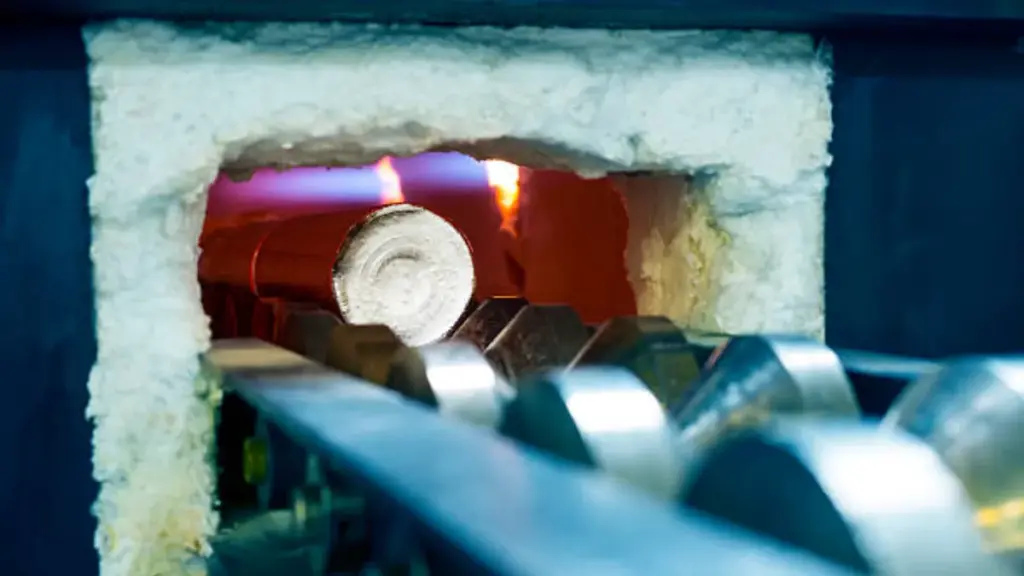
Puoi piegare l'alluminio pressofuso (ADC12, A380, ecc.)?
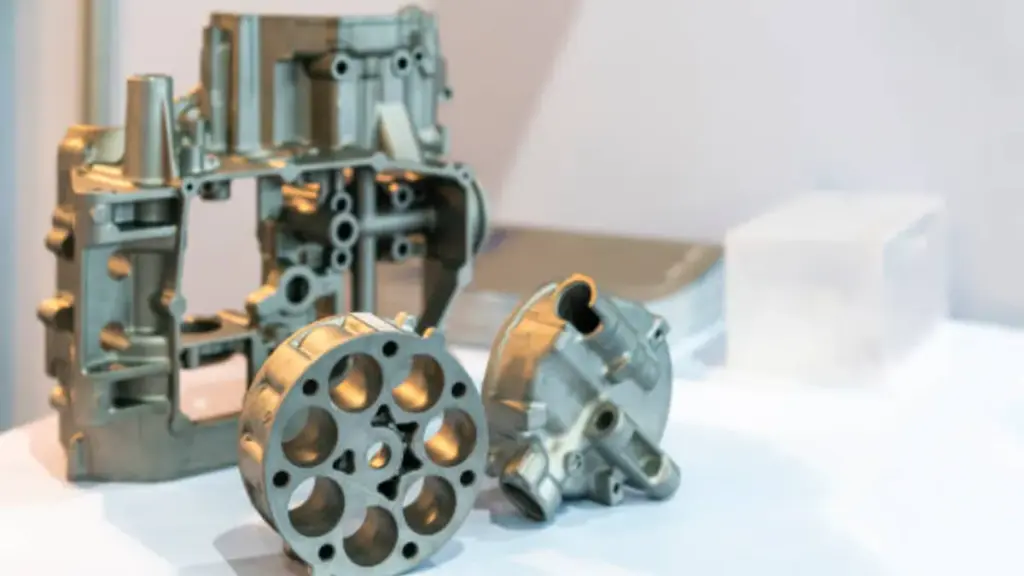
La produzione industriale spesso coinvolge materiali pressofusi come ADC12 o A380. Queste leghe sono progettate per prestazioni di riempimento dello stampo, non deformazione plastica.
Alto contenuto di silicio (tipicamente 8-12%) migliora:
- Fluidità
- Stabilità dimensionale
- Resistenza all'usura
- Finitura superficiale
Ma riduce significativamente l'allungamento. I valori tipici di allungamento per l'alluminio pressofuso sono 1–3%.
Dal punto di vista della scienza dei materiali, la microstruttura ricca di silicio contiene fasi dure che limitano la deformazione a trazione. Quando si tenta di piegarsi, la frattura fragile si verifica prima della deformazione significativa.
In termini pratici di produzione:
Generalmente si sconsiglia di piegare parti in alluminio pressofuso.
Se un componente pressofuso richiede curvatura, costolette, capi, o geometria angolata, tali caratteristiche dovrebbero essere incorporate direttamente nella progettazione dello stampo.
Piegatura vs pressofusione di alluminio
La decisione produttiva diventa strategica quando la complessità geometrica aumenta.
Per semplici attacchi piatti o prototipi di volume ridotto, piegare la lamiera di alluminio è efficiente ed economica.
Tuttavia, considerare un componente che richiede:
- Curve direzionali multiple
- Rinforzi saldati
- Borchie filettate
- Nervature integrate
- Superfici di montaggio con tolleranza ridotta
- Geometria dell'alloggiamento sigillata
La fabbricazione comporta quindi più operazioni: taglio, formando, saldatura, lavorazione, macinazione, rivestimento. Ogni passaggio aggiunge costo di manodopera, rischio di distorsione, e accumulo di tolleranza.
Pressofusione di alluminio, per contrasto, abilita:
- Geometria strutturale monolitica
- Caratteristiche funzionali integrate
- Operazioni di assemblaggio ridotte
- Ripetibilità migliorata su larga scala
- Dissipazione del calore ottimizzata
Mentre pressofusione richiede investimenti in attrezzature, il costo unitario diminuisce significativamente per volumi di produzione medio-alti. L'integrità strutturale spesso migliora grazie all'eliminazione dei cordoni di saldatura e delle concentrazioni di stress.
Scegliere il processo giusto per la produzione
| Fattore di confronto | Piegatura & Fabbricazione | Pressofusione di alluminio |
|---|---|---|
| Complessità della geometria | Limitato dal raggio di curvatura e dalla fattibilità della saldatura | Elevata libertà di progettazione con funzionalità integrate |
| Integrità strutturale | Sono presenti cordoni di saldatura e concentrazioni di stress | Struttura monolitica senza giunti di saldatura |
| Funzionalità integrate (Boss, Costolette) | Richiede saldatura o lavorazione secondaria | Progettato direttamente nello stampo |
| Controllo della tolleranza | Accumulo di tolleranze accumulato da processi a più fasi | Elevata ripetibilità una volta convalidata l'attrezzatura |
| Idoneità al volume di produzione | Volume da basso a medio | Volume da medio ad alto |
| Andamento dei costi unitari | Guidato dal lavoro, aumenta con la complessità | Guidato dagli strumenti, diminuisce con la scala |
| Sigillato / Strutture chiuse | Richiede operazioni di saldatura e sigillatura | Possibilità di fusione chiusa in un unico pezzo |
La questione ingegneristica critica non è solo “puoi piegare l’alluminio??” ma “quale processo di produzione si allinea meglio con le prestazioni e gli obiettivi di produzione?"
Quando i progetti comportano carichi strutturali, funzionalità integrate, o elevati volumi annuali, la pressofusione di alluminio offre spesso un valore superiore a lungo termine.
A BIANCO, operiamo come produttore unico di pressofusione di alluminio, supportando OEM globali e clienti industriali in tutto il mondo settore automobilistico, illuminazione, controllo industriale, e settori di consumo.
Il tuo produttore unico di pressofusione di alluminio
- Progettazione stampi e produzione interna
- Pressofusione di alluminio (160Macchine a camera fredda T–1250T)
- Lavorazioni CNC di precisione (100+ macchine)
- Finitura superficiale (rivestimento in polvere, pittura)
- Assemblaggio e imballaggio
- Ispezione completa: CMM, Raggi X, spettrometro, nebbia salina
- ISO9001 e IATF 16949 sistemi certificati
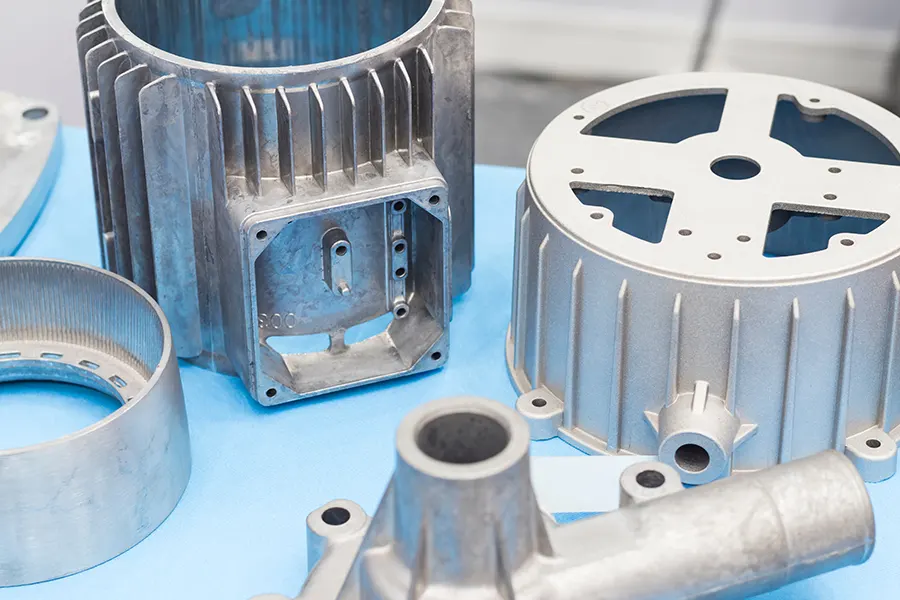
Strategia di produzione a doppia base
- Stabilimento di produzione primario a Foshan, Cina (15,000–18.000㎡)
- Messico struttura che serve clienti nordamericani
- Logistica ottimizzata e mitigazione del rischio tariffario
Piuttosto che piegare lamiere e saldare gruppi, molti clienti passano alla pressofusione:
- Maggiore consistenza strutturale
- Costo di assemblaggio ridotto
- Estetica della superficie migliorata
- Design leggero integrato
- Economia della produzione scalabile
La collaborazione progettuale precoce consente l'ottimizzazione della progettazione prima dell'investimento in attrezzature, evitando costose riprogettazioni successive.