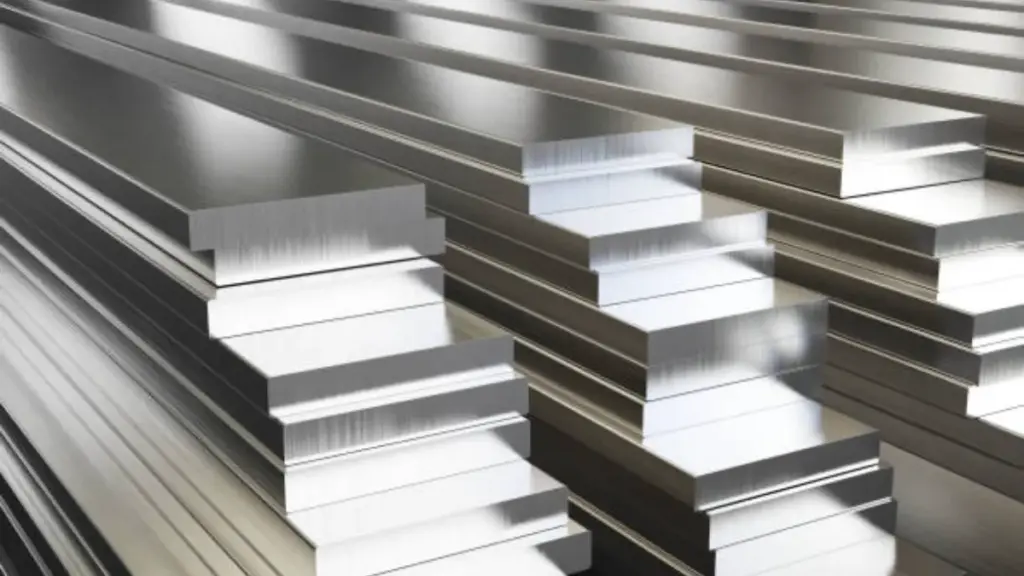
Leghe diverse offrono combinazioni uniche di prestazioni meccaniche, costo, e producibilità. Tra le varie opzioni, lo zinco Zamak 5 e le leghe di alluminio come ADC12 e A380 sono due dei materiali più comuni nelle applicazioni industriali.
Questo articolo fornisce un approfondimento, panoramica oggettiva di Zamak 5 Proprietà materiali, lo confronta con i tipici materiali per pressofusione di alluminio, ed esplora dove ciascuna lega offre le migliori prestazioni.
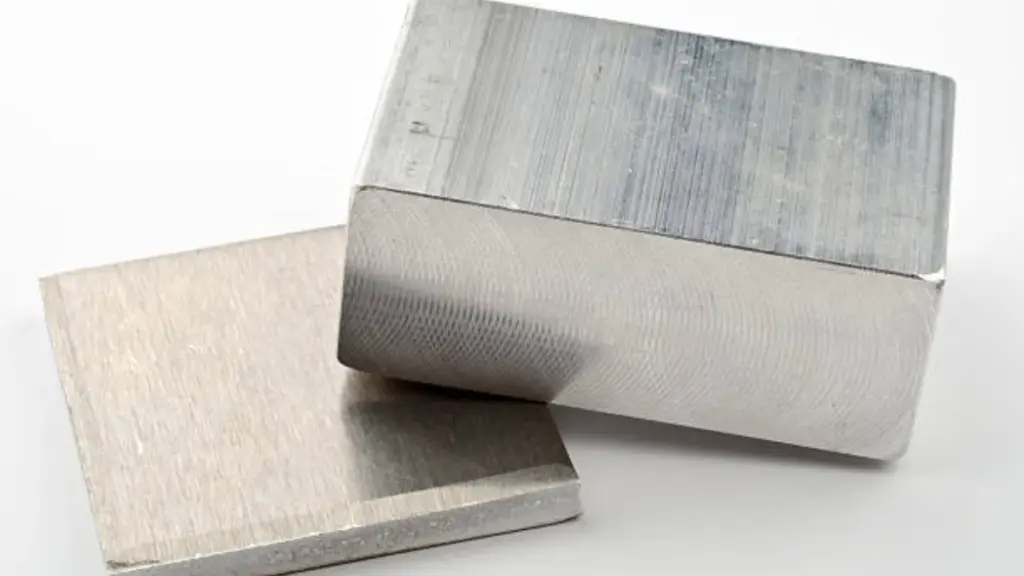
Panoramica di Zamak 5 Lega
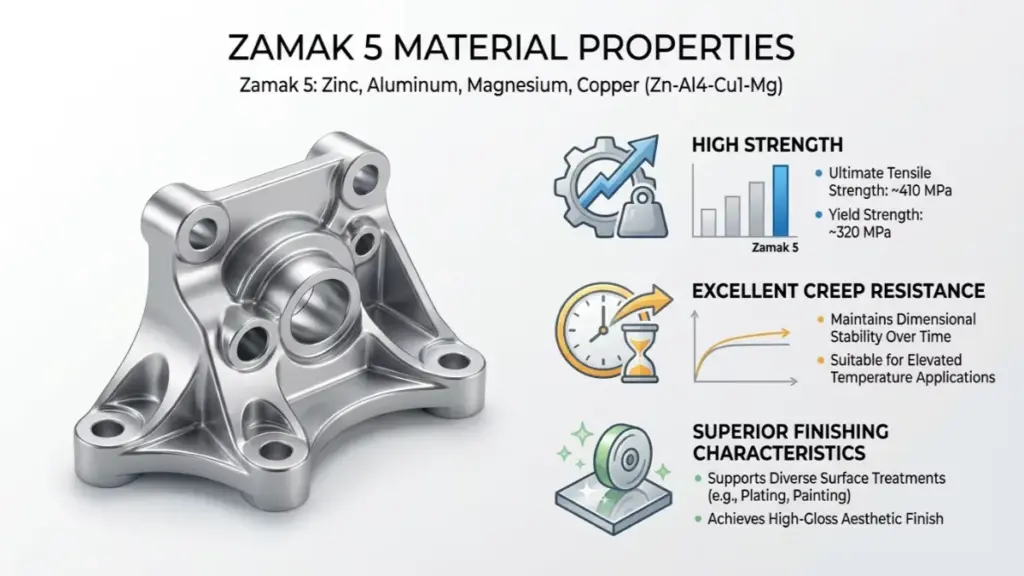
La Zamak 5 è una lega per pressofusione a base di zinco che appartiene alla famiglia delle Zamak (un acronimo perZinco, Alluminio, Magnesio, e rame, i.e., rame) materiali. È ben noto per la sua combinazione di forza, durezza, ed eccellente comportamento di finitura superficiale, rendendolo ideale per parti decorative e strutturali che richiedono precisione e durata.
Composizione chimica e proprietà
La formulazione di Zamak 5 differisce leggermente dagli altri gradi di Zamak a causa del suo contenuto di rame più elevato, che aumenta la durezza e la resistenza. La composizione tipica è mostrata di seguito:
| Elemento | Contenuto (%) |
|---|---|
| Zinco (Zn) | Bilancia |
| Alluminio (Al) | 3.5 – 4.3 |
| Rame (Cu) | 0.75 – 1.25 |
| Magnesio (Mg) | 0.03 – 0.06 |
| Ferro (Fe) | < 0.075 |
| Guida (Pb) | < 0.005 |
| Cadmio (CD) | < 0.004 |
La differenza tra Zama 3 e Zamak 5 risiede principalmente nella percentuale di rame. Mentre Zamak 3 contiene una minima quantità di rame, Carichi 5 include quasi 1%, che aumenta significativamente la resistenza alla trazione e la durezza ma riduce leggermente la duttilità.
Proprietà meccaniche e fisiche
| Proprietà | Carichi 5 Valore tipico |
|---|---|
| Resistenza alla trazione | ~331MPa |
| Forza di snervamento | ~260MPa |
| Allungamento | ~7% |
| Durezza (Brinell) | 91 Hb |
| Densità | 6.6 – 6.7 g/cm³ |
| Intervallo di fusione | 380 – 386°C |
| Conducibilità termica | 109 W/m · k |
| Conduttività elettrica | 27% SIGC |
Queste caratteristiche rendono lo zinco Zamak 5 una scelta preferita per pezzi di precisione di piccole e medie dimensioni che necessitano stabilità dimensionale e eccellente qualità di placcatura. La lega supporta anche tolleranze ristrette, che è prezioso per applicazioni come alloggiamenti meccanici o accessori decorativi.
Panoramica sulle leghe di pressofusione di alluminio (ADC12 / A380)
Mentre Leghe di zama dominano la fusione a base di zinco, leghe di alluminio come ADC12(utilizzato principalmente in Asia) e A380(comune nel Nord America e in Europa) rappresentano i materiali principali nella pressofusione dell'alluminio. La loro leggerezza e le prestazioni termiche li rendono ideali per componenti più grandi o esposti al calore.
Composizione tipica e caratteristiche
| Elemento | ADC12 (%) | A380 (%) |
|---|---|---|
| Alluminio (Al) | Bilancia | Bilancia |
| Silicio (E) | 9.6 – 12.0 | 7.5 – 9.5 |
| Rame (Cu) | 1.5 – 3.5 | 3.0 – 4.0 |
| Magnesio (Mg) | ≤ 0.3 | 0.1 |
| Ferro (Fe) | ≤ 1.3 | ≤ 1.3 |
| Zinco (Zn) | ≤ 1.0 | ≤ 3.0 |
Proprietà meccaniche e fisiche
| Proprietà | ADC12 | A380 |
|---|---|---|
| Resistenza alla trazione | ~320MPa | ~317MPa |
| Forza di snervamento | ~160MPa | ~180MPa |
| Allungamento | ~1 – 2% | ~3,5% |
| Durezza (Brinell) | ~85 HB | ~80 HB |
| Densità | 2.7 g/cm³ | 2.7 g/cm³ |
| Conducibilità termica | 96 W/m · k | 96 W/m · k |
Le leghe di alluminio bilanciano resistenza e peso ridotto, offrendo eccezionale fluidità per geometrie complesse resistendo alla distorsione termica. Queste caratteristiche sono fondamentali per l'industria automobilistica ed elettronica, dove la riduzione del peso e la gestione del calore guidano la selezione dei materiali.
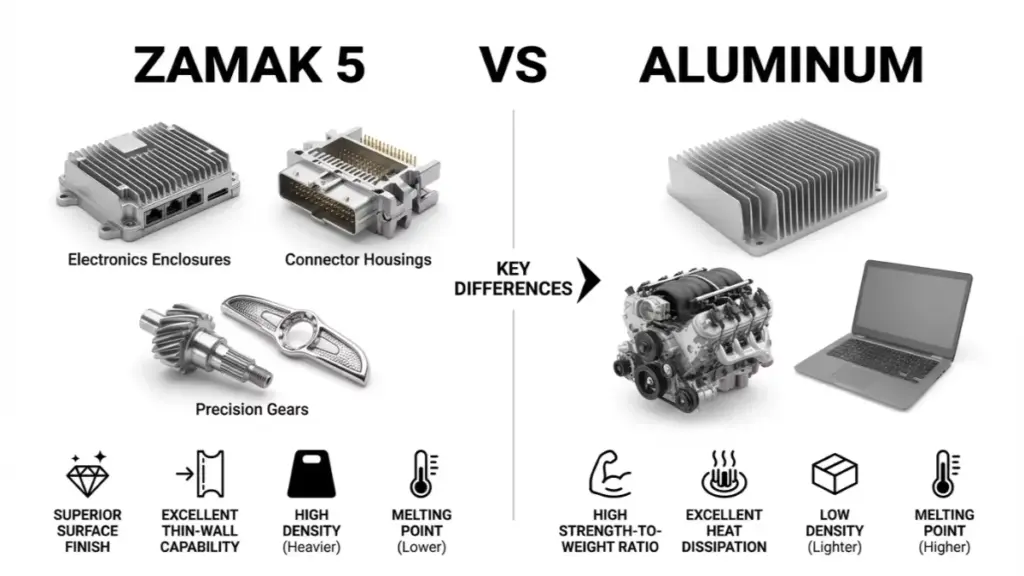
Carichi 5 contro. Leghe di alluminio – Confronto delle proprietà
Le sezioni seguenti evidenziano le differenze chiave tra le leghe di zinco Zamak 5 e le leghe di alluminio per fusione meccanica, fisico, e dimensioni della produzione.
Prestazioni meccaniche e fisiche
| Parametro | Carichi 5 | ADC12 / A380 | Intuizione chiave |
|---|---|---|---|
| Resistenza alla trazione | ~331MPa | ~320MPa | Forza comparabile; Carichi 5 offre una migliore durezza. |
| Durezza | 91 Hb | 80–85 HB | Carichi 5 le parti resistono più efficacemente all'usura e alle sollecitazioni meccaniche. |
| Allungamento | ~7% | 1–3% | L'alluminio è più fragile; Carichi 5 consente una leggera deformazione prima del cedimento. |
| Densità | 6.6–6,7 g/cm³ | 2.7 g/cm³ | Le parti in alluminio riguardano 60% più leggero. |
Carichi 5 presenta una maggiore precisione dimensionale e durezza, rendendolo ideale per le parti in cui precisione e resistenza in dimensioni ridotte sono fondamentali, come serrature o ingranaggi. Alluminio, d'altra parte, è favorito dove prevalgono la riduzione del peso e la gestione termica.
Resistenza alla corrosione e finitura superficiale
Lo zinco resiste naturalmente alla corrosione grazie al suo strato di ossido stabile, conferendo allo zinco Zamak 5 ottime prestazioni in condizioni umide o ossidanti. Inoltre, Carichi 5 supporta facilmente la galvanica, pittura, e cromatizzazione.
L'alluminio offre una discreta resistenza alla corrosione ma richiede trattamenti superficiali come l'anodizzazione o il rivestimento a polvere per migliorarne la durata e l'aspetto. È particolarmente adatto per componenti strutturali esterni.
| Aspetto | Carichi 5 | Alluminio (ADC12 / A380) |
|---|---|---|
| Resistenza alla corrosione naturale | Eccellente | Bene |
| Placcatura / Pittura | Superiore (finitura a specchio possibile) | Bene (preferibile l'anodizzazione) |
| Applicazioni estetiche | Eccellente | Moderare |
| Durabilità ambientale | Alto | Alto (dopo il rivestimento) |
Caratteristiche di fusione e produzione
Un'altra distinzione cruciale è il comportamento di lancio. Lo Zinco Zamak 5 fonde ad una temperatura più bassa (circa 385°C contro. l’alluminio è a ~660°C), con conseguente minor consumo di energia, tempi di ciclo più brevi, e una maggiore durata dello stampo.
Tuttavia, Le leghe di zama sono più dense e meno adatte per pezzi di grandi dimensioni a causa del peso e del costo del materiale più elevato per volume.
| Parametro | Carichi 5 | ADC12 in alluminio / A380 |
|---|---|---|
| Temperatura di fusione | ~385°C | ~660°C |
| Tempo di ciclo | Più corto | Moderare |
| Vita della muffa | Più a lungo | Più corto |
| Dimensioni della parte adatta | Da piccolo a medio | Da medio a grande |
| Stabilità dimensionale | Eccellente | Bene |
Pressofusione di zama supporta pareti sottili e un controllo preciso della tolleranza senza lavorazione secondaria, mentre le matrici in alluminio supportano meglio le dimensioni più grandi, alloggiamenti o telai dissipativi del calore.
Scegliere il materiale giusto per la tua applicazione
La scelta “giusta” tra la Zama 5 e l'alluminio dipende interamente dagli obiettivi applicativi.
Ecco alcuni fattori guida da considerare:
- Dimensioni e peso dei componenti:
- L'alluminio è preferito per strutture più grandi o leggere.
- Carichi 5 funziona meglio per compatto, componenti progettati con precisione.
- Requisiti di resistenza e carico:
- Entrambe le leghe offrono ottime prestazioni, ma Zamak 5 fornisce durezza e resistenza all'usura superiori nei piccoli meccanismi.
- Estetica della superficie:
- Per prodotti che richiedono finiture decorative cromate o verniciate (per esempio., maniglie, infissi), Carichi 5 di solito supera l'alluminio.
- Esigenze termiche ed elettriche:
- L’alluminio vince dove contano la conduttività e la dissipazione del calore (per esempio., motore o alloggiamenti elettronici).
- Efficienza e costi di produzione:
- Le leghe di zinco garantiscono una maggiore durata degli utensili e cicli più rapidi.
- La minore densità del materiale dell’alluminio spesso riduce il costo per pezzo quando sono richiesti grandi volumi.
In sostanza, Carichi 5 riempie la nicchia dell'alta precisione, piccole parti metalliche, mentre le leghe di alluminio rimangono lo standard industriale per i grandi, getti leggeri.
L'esperienza di BIAN nelle soluzioni di pressofusione
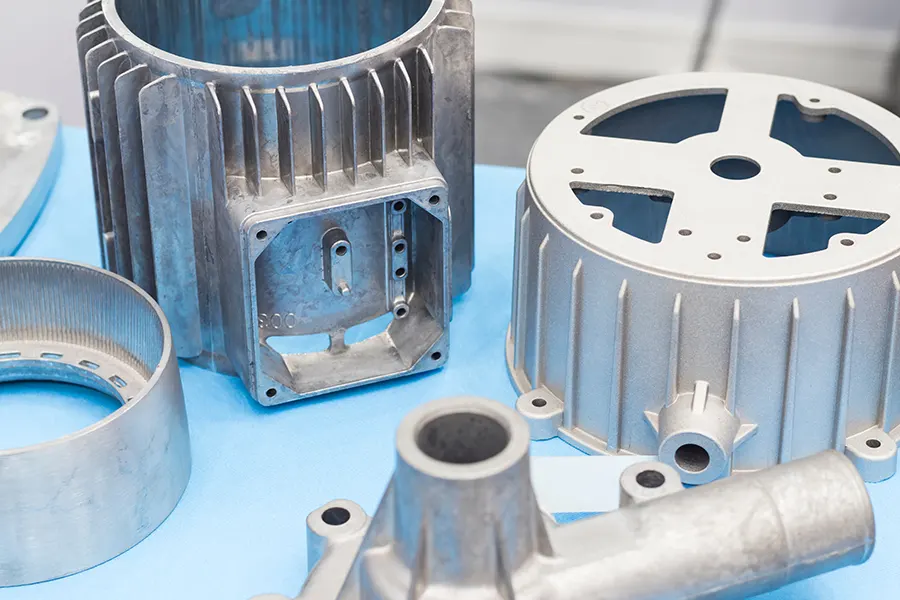
Con anni di esperienza tecnica nella pressofusione di alluminio, BIANCO fornisce un supporto tecnico completo: dalla progettazione dello stampo e dalla selezione delle leghe al trattamento superficiale e all'assemblaggio finale.
Il nostro team di ingegneri è esperto nel lavorare con una varietà di leghe, compreso lo zinco Zamak 5 e gradi di alluminio simili ADC12 e A380, garantire ai clienti una consulenza sui materiali obiettiva e specifica per l'applicazione.
Conclusione
Il confronto tra Zamak 5 e le leghe per pressofusione di alluminio evidenzia che entrambe presentano vantaggi unici:
- Zamak 5 offre una finitura superficiale superiore, durezza, e tolleranza per disegni complessi.
- Le leghe di alluminio apportano leggerezza, efficienza termica, ed efficacia in termini di costi per componenti su larga scala.
Piuttosto che una competizione diretta, queste leghe si completano a vicenda per diverse esigenze ingegneristiche.
Il ruolo di BIAN è quello di aiutare i clienti a orientarsi in queste scelte con approfondimenti basati sui dati e competenze tecniche, garantire che il prodotto finale raggiunga il miglior equilibrio tra l'intento progettuale, prestazione, ed efficienza produttiva.