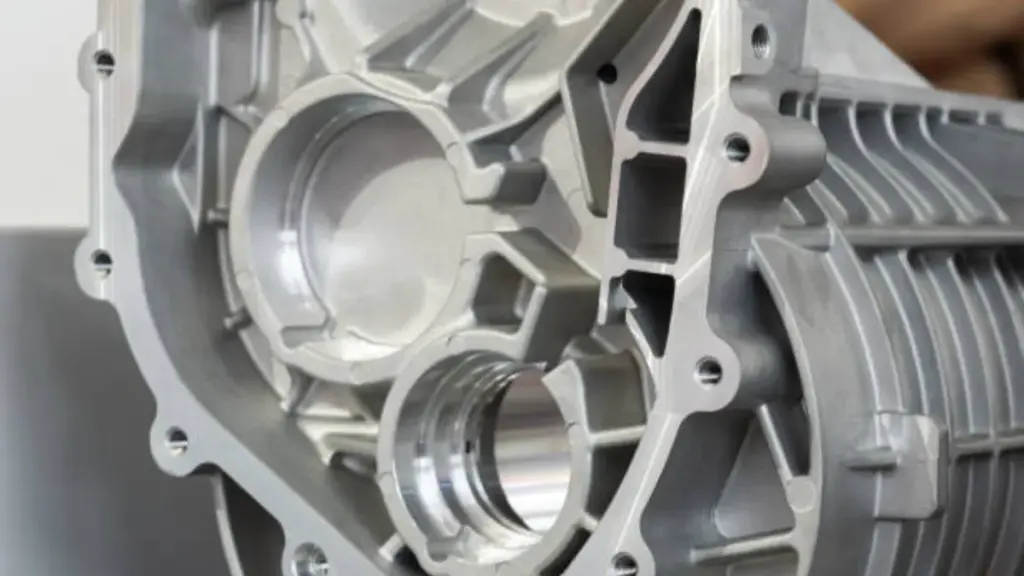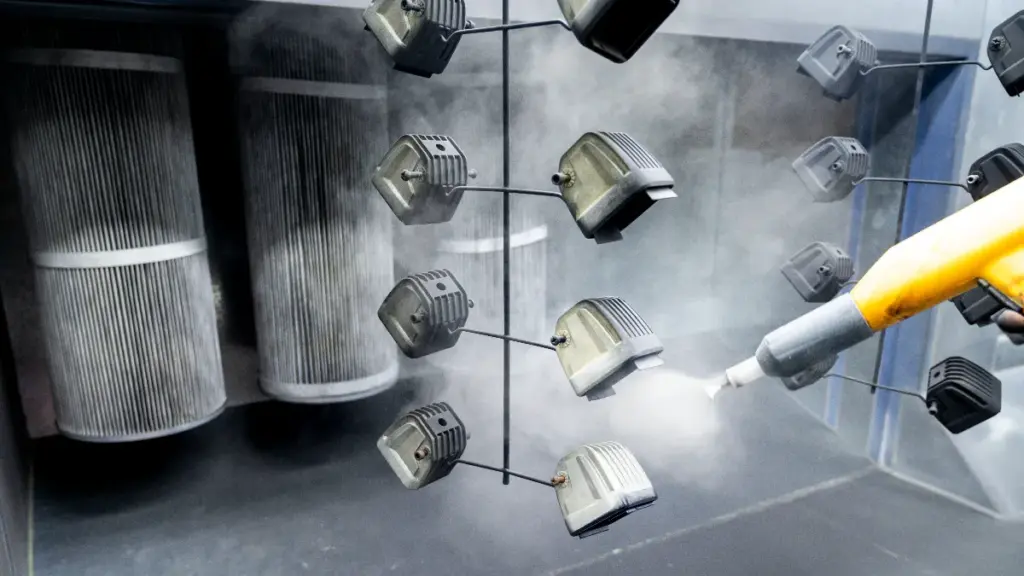
Diferentes ligas oferecem combinações únicas de desempenho mecânico, custo, e capacidade de fabricação. Entre várias opções, zinco Zamak 5 e ligas de alumínio como ADC12 e A380 são dois dos materiais mais comuns em aplicações industriais.
Este artigo fornece uma visão detalhada, visão geral objetiva do Zamak 5 Propriedades do material, compara-o com materiais típicos de fundição sob pressão de alumínio, e explora onde cada liga tem melhor desempenho.
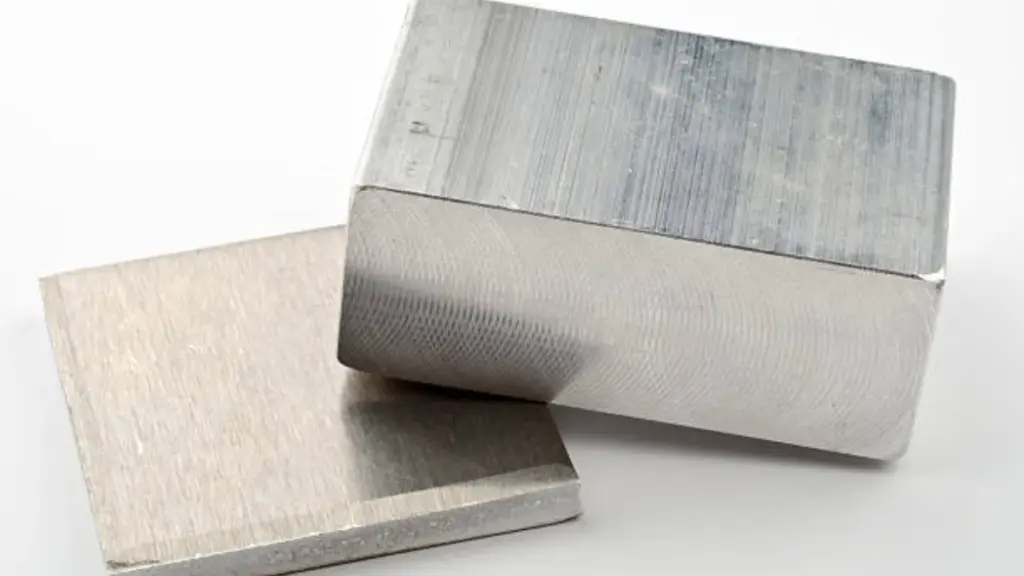
Visão geral do Zamak 5 Liga
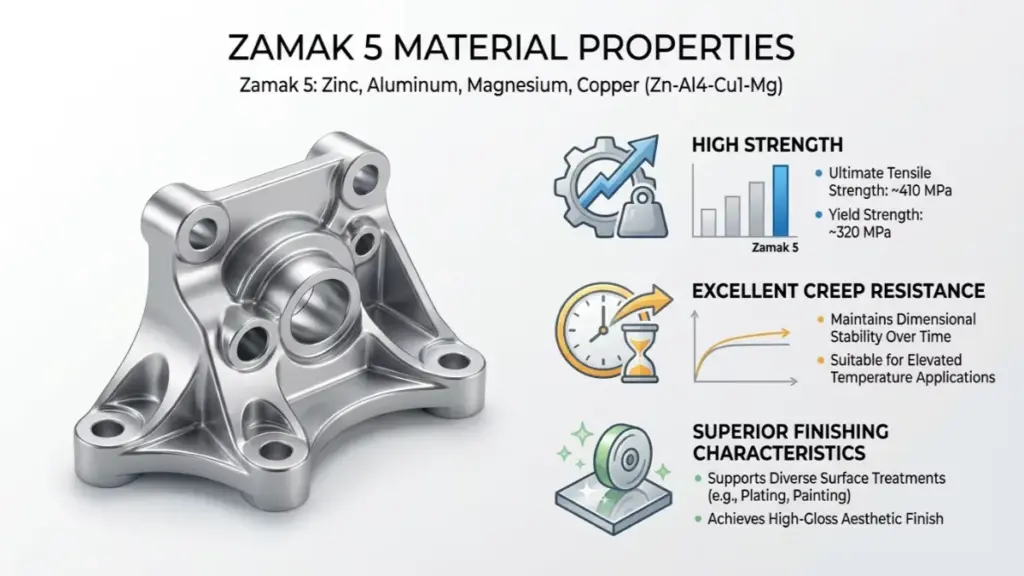
Zamak 5 é uma liga de fundição sob pressão à base de zinco que pertence à família do Zamak (um acrônimo paraZinco, Alumínio, Magnésio, e cobre, ou seja, cobre) materiais. É bem conhecido por sua combinação de força, dureza, e excelente comportamento de acabamento superficial, tornando-o ideal para peças decorativas e estruturais que exigem precisão e durabilidade.
Composição Química e Propriedades
A formulação do Zamak 5 difere ligeiramente de outras classes de Zamak devido ao seu maior teor de cobre, que aumenta a dureza e a resistência. A composição típica é mostrada abaixo:
| Elemento | Contente (%) |
|---|---|
| Zinco (Zn) | Equilíbrio |
| Alumínio (Al) | 3.5 – 4.3 |
| Cobre (Cu) | 0.75 – 1.25 |
| Magnésio (mg) | 0.03 – 0.06 |
| Ferro (Fé) | < 0.075 |
| Liderar (Pb) | < 0.005 |
| Cádmio (Cd) | < 0.004 |
A diferença entre Zamac 3 e Zamak 5 reside principalmente na porcentagem de cobre. Enquanto o Zamak 3 contém cobre mínimo, Cargas 5 inclui quase 1%, o que aumenta significativamente a resistência à tração e a dureza, mas reduz ligeiramente a ductilidade.
Propriedades Mecânicas e Físicas
| Propriedade | Cargas 5 Valor típico |
|---|---|
| Resistência à tracção | ~331 MPa |
| Força de rendimento | ~260MPa |
| Alongamento | ~7% |
| Dureza (Brinell) | 91 HB |
| Densidade | 6.6 – 6.7 g/cm³ |
| Faixa de fusão | 380 – 386ºC |
| Condutividade Térmica | 109 W/m · k |
| Condutividade Elétrica | 27% SIGC |
Essas características fazem do Zinco Zamak 5 a escolha preferida para peças de precisão de pequeno e médio porte que necessitam de estabilidade dimensional e excelente qualidade de revestimento.. A liga também suporta tolerâncias restritas, o que é valioso para aplicações como caixas mecânicas ou acessórios decorativos.
Visão geral das ligas de fundição sob pressão de alumínio (ADC12 / A380)
Enquanto Ligas Zamac dominar a fundição à base de zinco, ligas de alumínio como ADC12(usado principalmente na Ásia) e A380(comum na América do Norte e na Europa) representam os principais materiais na fundição de alumínio. Seu desempenho leve e térmico os torna ideais para componentes maiores ou expostos ao calor.
Composição e características típicas
| Elemento | ADC12 (%) | A380 (%) |
|---|---|---|
| Alumínio (Al) | Equilíbrio | Equilíbrio |
| Silício (E) | 9.6 – 12.0 | 7.5 – 9.5 |
| Cobre (Cu) | 1.5 – 3.5 | 3.0 – 4.0 |
| Magnésio (mg) | ≤ 0.3 | 0.1 |
| Ferro (Fé) | ≤ 1.3 | ≤ 1.3 |
| Zinco (Zn) | ≤ 1.0 | ≤ 3.0 |
Propriedades Mecânicas e Físicas
| Propriedade | ADC12 | A380 |
|---|---|---|
| Resistência à tracção | ~320MPa | ~317MPa |
| Força de rendimento | ~160MPa | ~180MPa |
| Alongamento | ~1 – 2% | ~3,5% |
| Dureza (Brinell) | ~85 HB | ~80 HB |
| Densidade | 2.7 g/cm³ | 2.7 g/cm³ |
| Condutividade Térmica | 96 W/m · k | 96 W/m · k |
Ligas de alumínio equilibram resistência e baixo peso, oferecendo fluidez excepcional para geometrias complexas enquanto resiste à distorção térmica. Esses recursos são essenciais para as indústrias automotiva e eletrônica, onde a redução de peso e o gerenciamento de calor impulsionam a seleção de materiais.
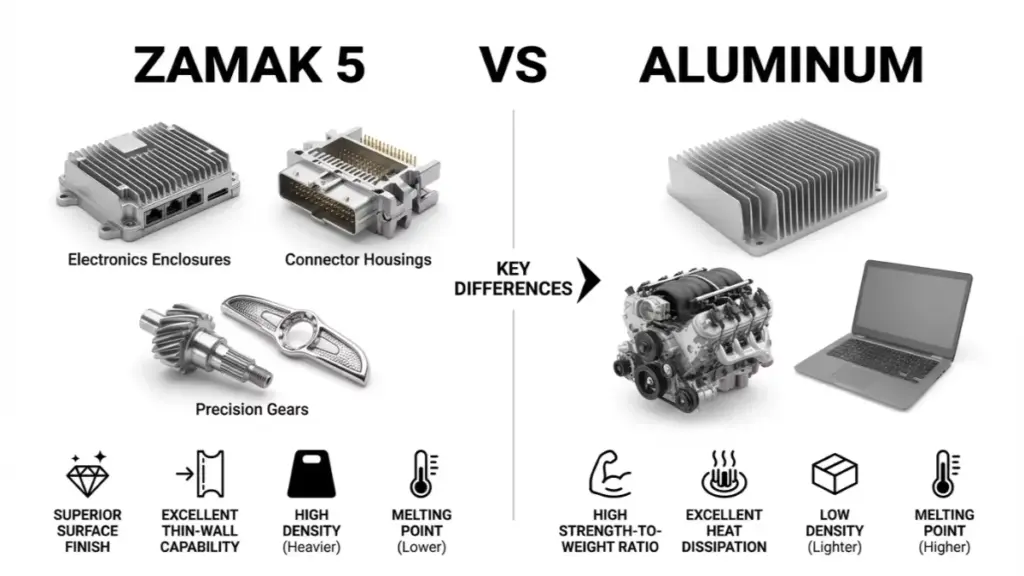
Cargas 5 contra. Ligas de Alumínio – Comparação de Propriedades
As seções a seguir destacam as principais diferenças entre o zinco Zamak 5 e as ligas fundidas de alumínio em todos os aspectos mecânicos., físico, e dimensões de produção.
Desempenho Mecânico e Físico
| Parâmetro | Cargas 5 | ADC12 / A380 | Visão principal |
|---|---|---|---|
| Resistência à tracção | ~331 MPa | ~320MPa | Força comparável; Cargas 5 oferece melhor dureza. |
| Dureza | 91 HB | 80–85 HB | Cargas 5 as peças resistem ao desgaste e ao estresse mecânico de forma mais eficaz. |
| Alongamento | ~7% | 1–3% | O alumínio é mais frágil; Cargas 5 permite ligeira deformação antes da falha. |
| Densidade | 6.6–6,7g/cm³ | 2.7 g/cm³ | As peças de alumínio são sobre 60% mais leve em peso. |
Cargas 5 exibe maior precisão dimensional e dureza, tornando-o ideal para peças onde a precisão e a resistência em um tamanho pequeno são fundamentais, como travas ou engrenagens. Alumínio, por outro lado, é favorecido onde prevalecem a redução de peso e o gerenciamento térmico.
Resistência à corrosão e acabamento superficial
O zinco resiste naturalmente à corrosão devido à sua camada de óxido estável, proporcionando ao zinco Zamak 5 um forte desempenho em condições úmidas ou oxidantes. Adicionalmente, Cargas 5 suporta facilmente galvanoplastia, pintura, e cromatação.
O alumínio oferece uma resistência decente à corrosão, mas requer tratamentos de superfície, como anodização ou revestimento em pó, para aumentar a durabilidade e a aparência.. É especialmente adequado para componentes estruturais externos.
| Aspecto | Cargas 5 | Alumínio (ADC12 / A380) |
|---|---|---|
| Resistência Natural à Corrosão | Excelente | Bom |
| Chapeamento / Pintura | Superior (acabamento espelhado possível) | Bom (anodização preferida) |
| Aplicações Estéticas | Excelente | Moderado |
| Durabilidade Ambiental | Alto | Alto (após o revestimento) |
Características de fundição e produção
Outra distinção crucial é o comportamento de elenco. Zinco Zamak 5 derrete a uma temperatura mais baixa (cerca de 385°C versus. alumínio ~660°C), resultando em menor consumo de energia, tempos de ciclo mais curtos, e vida útil prolongada do molde.
No entanto, As ligas Zamak são mais densas e menos adequadas para peças grandes devido ao peso e maior custo de material por volume.
| Parâmetro | Cargas 5 | Alumínio ADC12 / A380 |
|---|---|---|
| Temperatura de fusão | ~385°C | ~660°C |
| Tempo de ciclo | Mais curto | Moderado |
| Vida do molde | Mais longo | Mais curto |
| Tamanho de peça adequado | Pequeno a médio | Médio a grande |
| Estabilidade Dimensional | Excelente | Bom |
Fundição em Zamac suporta paredes finas e controle preciso de tolerância sem usinagem secundária, enquanto as matrizes de alumínio suportam melhor, invólucros ou estruturas dissipativas de calor.
Escolhendo o material certo para sua aplicação
A escolha “certa” entre Zamak 5 e o alumínio depende inteiramente dos objetivos da aplicação.
Aqui estão alguns fatores orientadores a serem considerados:
- Tamanho e peso do componente:
- O alumínio é preferido para estruturas maiores ou leves.
- Cargas 5 funciona melhor para compactos, componentes projetados com precisão.
- Requisitos de resistência e carga:
- Ambas as ligas oferecem forte desempenho, mas Zamac 5 fornece dureza superior e resistência ao desgaste em pequenos mecanismos.
- Estética de Superfície:
- Para produtos que necessitam de acabamentos decorativos cromados ou pintados (por exemplo, alças, jogos), Cargas 5 geralmente supera o alumínio.
- Necessidades térmicas e elétricas:
- O alumínio vence onde a condutividade e a dissipação de calor são importantes (por exemplo, motor ou carcaças eletrônicas).
- Eficiência e Custo de Produção:
- As ligas de zinco proporcionam maior vida útil das ferramentas e ciclos mais rápidos.
- A menor densidade do material de alumínio geralmente reduz o custo da peça por peça quando são necessários grandes volumes.
Em essência, Cargas 5 preenche o nicho de alta precisão, pequenas peças metálicas, enquanto as ligas de alumínio continuam sendo o padrão da indústria para grandes, peças fundidas leves.
A experiência da BIAN em soluções de fundição sob pressão
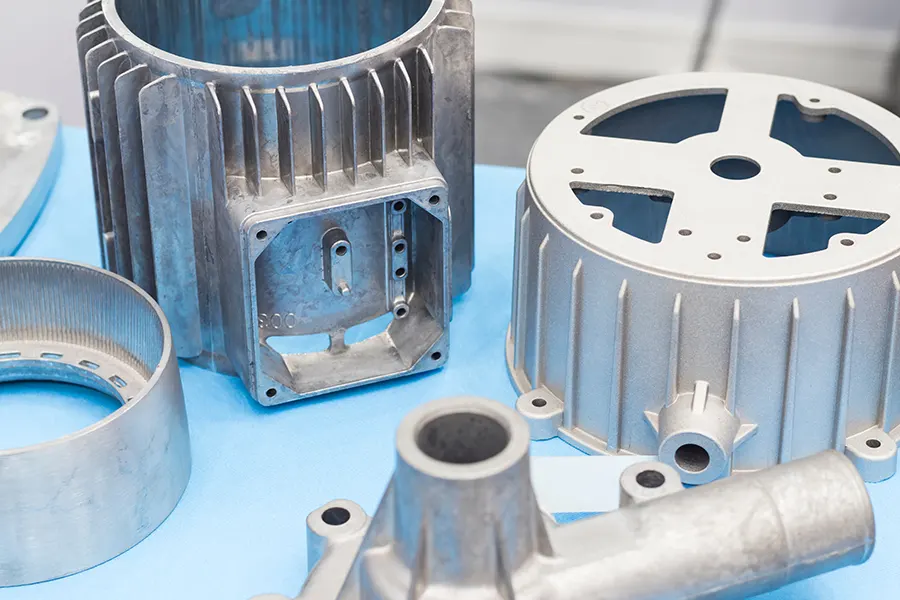
Com anos de experiência técnica em fundição de alumínio, BIAN fornece suporte abrangente de engenharia – desde o projeto do molde e seleção da liga até o tratamento de superfície e montagem final.
Nossa equipe de engenharia é proficiente em trabalhar com uma variedade de ligas, incluindo zinco Zamak 5 e tipos de alumínio como ADC12 e A380, garantindo que os clientes recebam aconselhamento material objetivo e específico da aplicação.
Conclusão
A comparação entre o Zamak 5 e as ligas de fundição sob pressão de alumínio destaca que ambos têm vantagens únicas:
- Zamak 5 oferece acabamento superficial superior, dureza, e tolerância para designs complexos.
- Ligas de alumínio trazem leveza, eficiência térmica, e rentabilidade para componentes de grande escala.
Em vez de uma competição direta, essas ligas se complementam em diferentes necessidades de engenharia.
O papel da BIAN é ajudar os clientes a navegar nessas escolhas com insights baseados em dados e conhecimento técnico, garantir que o produto final alcance o melhor equilíbrio entre a intenção do design, desempenho, e eficiência de produção.