>

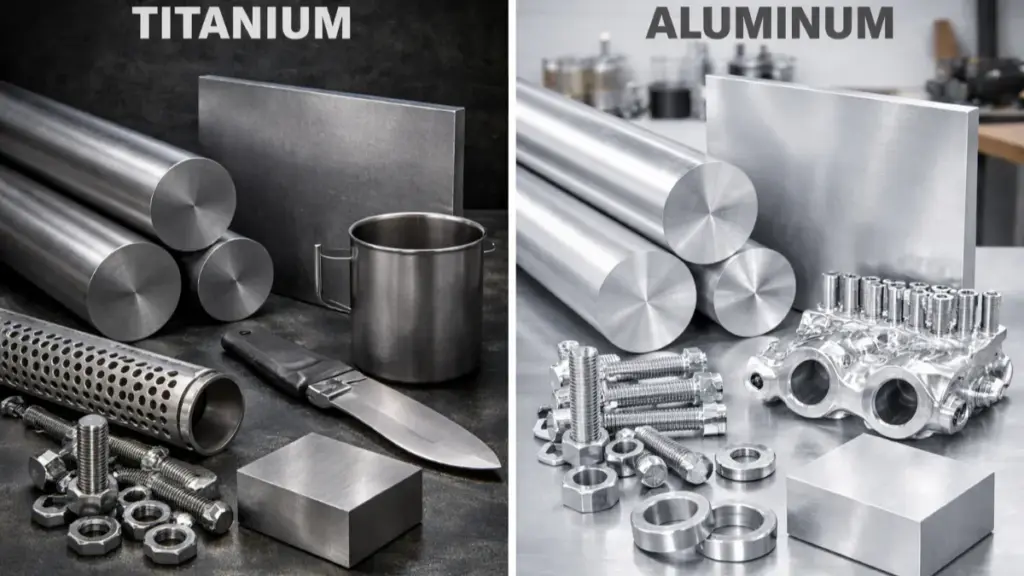
Titanium vs Aluminum: Which Material Should You Choose?

Titanium vs Aluminum: Which Material Should You Choose?

목차

소개

Material selection is rarely a simple binary decision. When engineers, product designers, or procurement managers compare titanium vs aluminum, they are typically balancing three critical axes: 성능, manufacturing feasibility, and cost control. The “best” material depends less on abstract superiority and more on whether the material aligns with the mechanical, environmental, and economic requirements of a specific project.

In early-stage R&디, the debate often centers on weight and strength. Later, as the design matures, attention shifts toward machining complexity, production scalability, and budget impact. For industrial buyers, especially in aerospace, 자동차, 전자 제품, and industrial equipment sectors, this comparison becomes a structured evaluation rather than a theoretical discussion.

One of the most searched questions in this space is whether titanium is stronger or lighter. Queries such as “is aluminum lighter than titanium” 그리고 “titanium vs aluminum weight” reveal that decision-makers are not just looking for raw data — they are seeking actionable guidance. This article provides a systematic comparison to support that decision.

Key Differences in Mechanical Properties

At the mechanical level, titanium and aluminum differ significantly in density, tensile strength, 단단함 (Young’s modulus), and fatigue performance. These parameters directly influence structural integrity, safety factors, 그리고 장기적인 내구성.

Below is a simplified comparison of commercially common alloys such as 6061 알류미늄 그리고 Grade 5 (Ti-6Al-4V) 티탄.

재산 알류미늄 (6061) Titanium (Ti-6Al-4V)
밀도 ~2.7 g/cm³ ~4.5 g/cm³
인장강도 ~310 MPa ~900 MPa
항복 강도 ~275 MPa ~830 MPa
Young’s Modulus ~69 GPa ~110 GPa
Melting Point ~660°C ~1668°C

From this comparison, two fundamental conclusions emerge:

  1. Titanium is significantly stronger.
  2. Aluminum is substantially lighter per unit volume.

The mechanical choice, therefore depends on whether the application is stress-limited or weight-limited.

Strength-to-Weight Ratio in Structural Design

The strength-to-weight ratio is where the titanium vs aluminum debate becomes nuanced. Although titanium is about 60% denser than aluminum, its tensile strength can be nearly three times higher depending on alloy selection.

This means that for a component designed strictly around load-bearing capacity, less titanium may be required to achieve the same structural strength. In some optimized designs, this can offset its higher density. 하지만, that does not automatically mean titanium parts are lighter.

When evaluating aluminum vs titanium weight, engineers must consider geometry and wall thickness. If both materials are used in identical shapes, aluminum will always weigh less because of its lower density. This directly answers the common question: is aluminum lighter than titanium? 예, aluminum has lower density and is lighter per cubic centimeter.

하지만, if the titanium component can be designed thinner due to higher strength, the final mass difference may narrow.

This design-driven tradeoff is especially relevant in aerospace brackets, motorsport components, and high-performance consumer products where grams matter but safety margins cannot be compromised.

Corrosion Resistance and High-Temperature Performance

Environmental resistance is another decisive factor.

부식 저항

Titanium forms a highly stable and self-healing oxide layer, providing exceptional resistance to:

  • Seawater
  • Chlorides
  • Acidic environments
  • Biomedical exposure

Aluminum also forms a natural oxide layer, but it is less robust in aggressive chemical or marine conditions. In many industrial uses, aluminum requires anodizing, 분말 코팅, or other surface treatments to improve durability.

High-Temperature Performance

The melting point difference is dramatic:

  • 알류미늄: ~660°C
  • Titanium: ~1668°C

This defines their suitability in elevated-temperature environments. Titanium maintains structural integrity at temperatures where aluminum would soften significantly. For this reason, titanium is widely used in aircraft engines, exhaust systems, and heat-critical assemblies.

알류미늄, 대조적으로, excels in heat dissipation rather than heat endurance. Its high thermal conductivity makes it ideal for:

  • Heat sinks
  • Electronic housings
  • LED lighting enclosures
  • Battery casings

따라서, the comparison is not about which is “better,” but whether the design demands thermal resistance or thermal conductivity.

Machining and Manufacturing Complexity

Manufacturing feasibility often becomes the hidden cost driver in titanium vs aluminum decisions.

가공성

Aluminum is known for excellent machinability:

  • High cutting speeds
  • Low tool wear
  • Good surface finish
  • Stable chip formation

Titanium presents the opposite challenge:

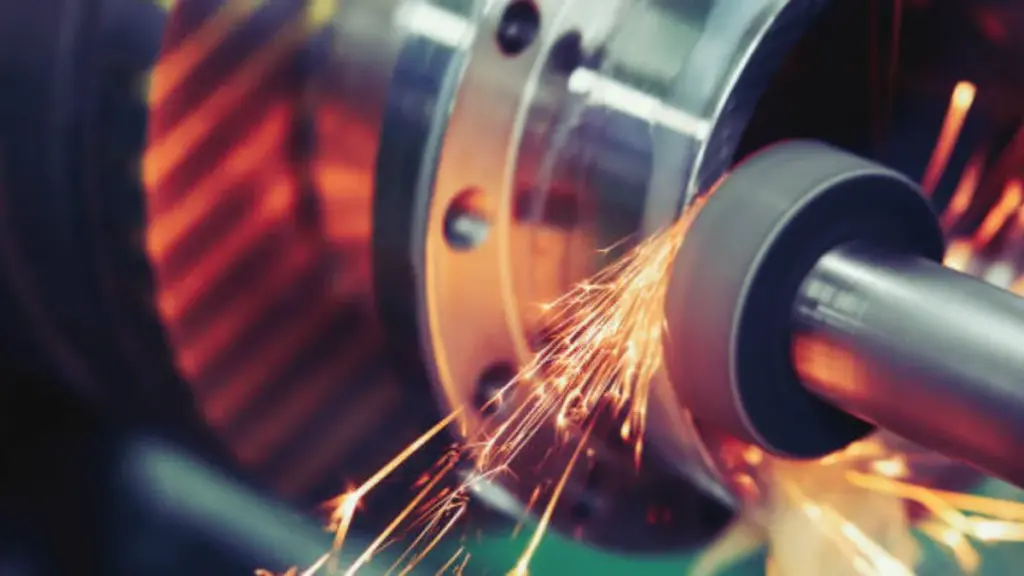
  • Low thermal conductivity (heat concentrates at cutting edge)
  • Rapid tool wear
  • Slower cutting speeds
  • Higher tooling cost

This difference significantly impacts production efficiency and cycle time.

Casting and Forming

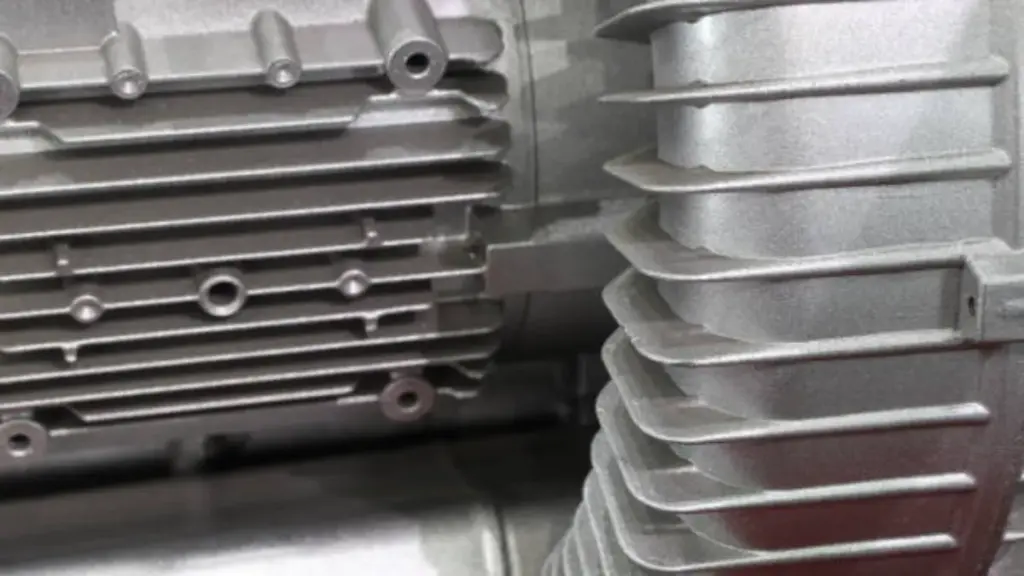
Aluminum is widely used in die casting, 중력 주조, CNC 가공. Its lower melting point makes it energy-efficient for casting processes and suitable for large-scale production.

Titanium casting is technically possible but far more complex, typically requiring vacuum environments and specialized molds. It is rarely used in high-volume die casting due to cost and process constraints.

For companies designing enclosures, 하우징, structural brackets, or automotive parts, aluminum offers scalable manufacturability that titanium does not economically match.

Cost Differences from Raw Material to Production

Raw Material Cost

Titanium raw material can cost 5–10 times more than aluminum, depending on alloy grade and market conditions.

Processing Cost

Titanium requires:

  • Specialized tooling
  • Slower machining speeds
  • More frequent tool replacement
  • Higher energy input

Aluminum offers:

  • Faster production cycles
  • Lower machine downtime
  • More supplier availability

When total cost of ownership is evaluated — including material, 가공, 마무리 손질, and scrap rate — aluminum frequently delivers substantial budget advantages for non-extreme applications.

For high-volume industrial products, this difference compounds dramatically.

Typical Applications in Aerospace and Industry

The final material decision becomes clearer when examining real-world applications.

Titanium Applications

  • Aerospace engine components
  • Structural airframe parts
  • Medical implants (biocompatibility)
  • High-performance motorsports

Titanium’s high strength, fatigue resistance, and corrosion stability justify its premium cost in these sectors.

Aluminum Applications

In these applications, weight savings, manufacturability, and cost efficiency outweigh extreme strength requirements.

The widespread adoption of aluminum in transportation and electronics reflects a balanced performance-to-cost ratio.

When Aluminum Die Casting Is the Practical Solution

After comparing performance, manufacturability, 그리고 비용, many industrial projects ultimately converge on aluminum — particularly when scalability and structural adequacy align.

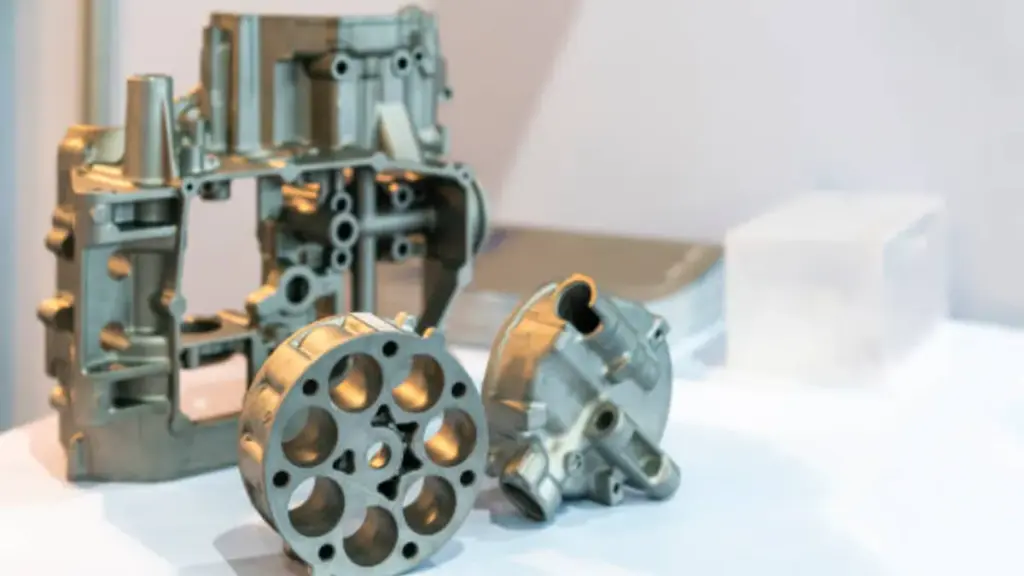
For companies requiring complex shapes, 엄격한 공차, and repeatable production quality, die casting becomes a logical manufacturing route.

If your project calls for aluminum components — especially in medium to high volumes — working with a specialized manufacturer can significantly reduce development time and supply chain risk.

비안 operates as a one-stop aluminium die casting manufacturer, providing integrated solutions from mold design and tooling development to 주조, 가공, 표면 마감, and quality inspection. This end-to-end capability allows buyers to:

  • Streamline supplier coordination
  • Reduce lead times
  • Improve cost predictability
  • Maintain dimensional consistency

Rather than navigating multiple vendors for casting, CNC 가공, 그리고 마무리, a consolidated die casting partner simplifies execution and supports scale production.

In material selection decisions where aluminum is technically sufficient and economically rational, manufacturing capability becomes the next strategic advantage.

결론

The comparison between titanium vs aluminum is not about declaring a universal winner. It is a structured evaluation of tradeoffs:

  • Titanium offers superior strength and corrosion resistance.
  • Aluminum delivers lower density, easier machining, 비용 효율성.
  • Titanium performs better in extreme thermal and chemical environments.
  • Aluminum excels in heat dissipation and scalable manufacturing.

If your project prioritizes maximum strength in harsh environments and cost is secondary, titanium may be justified.

If your design requires lightweight construction, efficient production, and budget control — especially at scale — aluminum is often the more practical solution.

궁극적으로, successful material selection depends on aligning mechanical requirements, environmental exposure, production method, and economic constraints. When those factors are carefully evaluated, the answer to titanium vs aluminum becomes clear within the context of your specific engineering objectives.

공유하다:

메시지 보내기

목차

왓츠앱