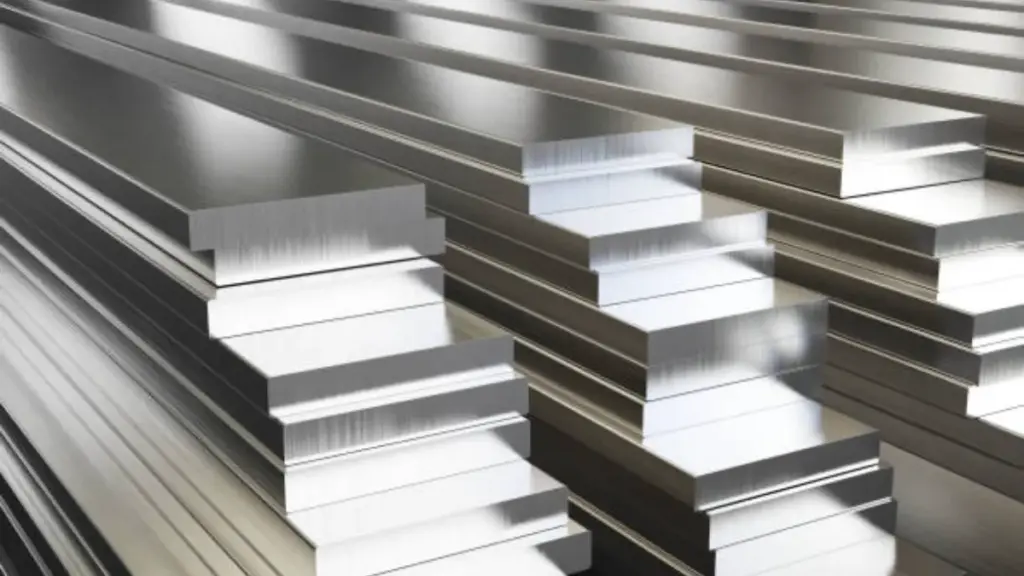
SS400 — широко используемая марка углеродистой конструкционной стали по стандарту JIS G3101., ценится за сбалансированные механические свойства, свариваемость, и экономическая эффективность в проектах структурного проектирования. Инженеры и производители часто ищут свойства материала ss400 для проверки проектов., сравнивать эквиваленты, и обеспечить соответствие международным стандартам. В этом руководстве представлен всеобъемлющий обзор с точки зрения производителя., помогая вам выбрать и эффективно применить SS400 в реальных приложениях.
Что такое материал SS400?
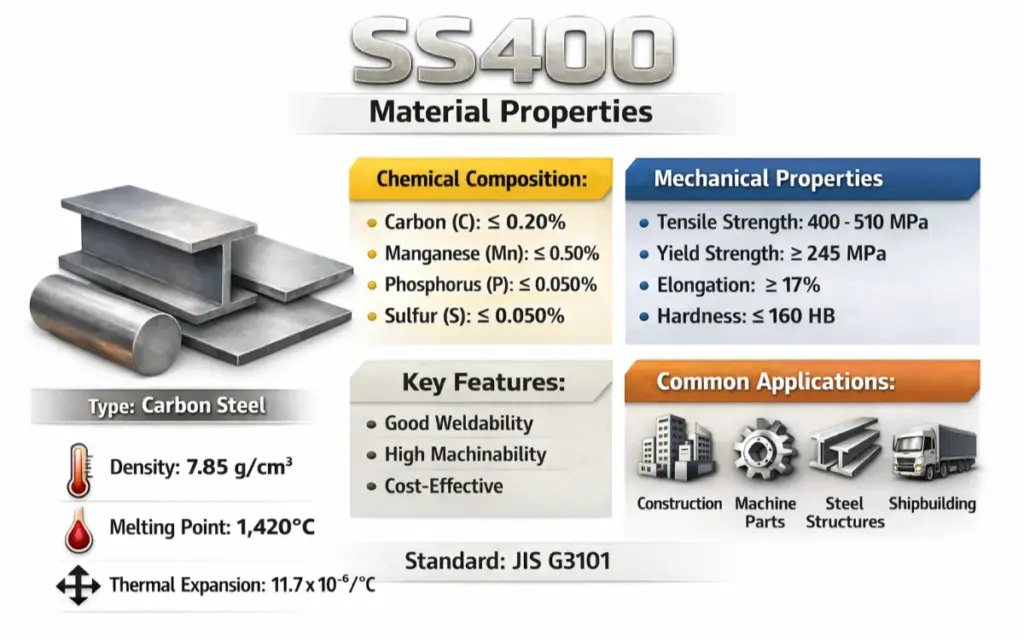
SS400 представляет собой базовую углеродистую конструкционную сталь по спецификации JIS G3101., в основном поставляется в виде горячекатаных листов, разделы, и стержни для общего строительства и машиностроения. The “SS” префикс указывает “конструкционная сталь,” пока “400” приблизительно соответствует минимальному пределу прочности на разрыв в МПа, отличая его от более высоких сортов, таких как SS490 или SS540.. В философии дизайна этого класса приоритет отдается универсальности, а не специализированным характеристикам., что делает его основным продуктом японских и экспортируемых структурных проектов с 1970-х годов..
Ее химический состав представляет собой низкоуглеродистую сталь, не имеющую жестких ограничений по содержанию углерода. (обычно ≤0,25%) или марганец (≤1,50%), но строгие ограничения на фосфор (Р ≤0,050%) и сера (S ≤0,050%) для уменьшения хрупкости и повышения пластичности. Полученный углеродный эквивалент (CE ≈0,35-0,40 для формулы IIW) обеспечивает низкую прокаливаемость при сварке, минимизация риска холодного растрескивания. Производители ценят эту предсказуемость, поскольку он поддерживает стабильное производство без тщательной предварительной подготовки.- или послесварочная обработка, даже в многопроходных соединениях до 40 толщина мм.
Механические свойства материала SS400
Растяжимый, Предел текучести и удлинение
- Предел прочности: 400–510 МПа, обеспечение надежной несущей способности балок и колонн.
- Предел текучести: Минимум 245 МПа (базовое значение для тонких срезов), с фактическими значениями часто 10-20% выше на современных мельницах.
- Удлинение: 17–21% (расчетная длина 5,65√A), указывает на достаточную пластичность для сейсмических или ударных конструкций..
Влияние толщины на предел текучести
Толщина существенно влияет на производительность SS400 из-за изменений размера зерна и скорости охлаждения при прокатке.. JIS G3101 требует консервативных минимумов для отражения реальной изменчивости..
| Толщина (т) | Мин. Предел текучести (МПа) | Значение дизайна |
|---|---|---|
| ≤ 16 мм | ≥ 245 | Оптимально для легких рам.; максимально допустимое напряжение ~165 МПа (ФС=1,5) |
| 16–40 мм | ≥ 235 | Общий для балок; отрегулировать расчеты продольного изгиба вниз |
| 40–100 мм | ≥ 215 | Тяжелые балки; увеличить размеры секций при той же нагрузке |
| > 100 мм | ≥ 205 | Фонды; уточните в UT наличие ламинации |
Инженеры должны указывать точную толщину на чертежах и в MTR — игнорирование этого может привести к завышению затрат на материалы или снижению запаса прочности..
Физические свойства и работоспособность
Физические характеристики SS400 позволяют проводить точное инженерное моделирование., в то время как его работоспособность упрощает рабочие процессы изготовления. Плотность при 7850 кг/м³ облегчает точный расчет массы кранов и фундаментов., с модулем Юнга 200-210 ГПа обеспечивает предсказуемую жесткость при расчете прогиба. Коэффициент теплового расширения (11.7 × 10⁻⁶/К) и проводимость (51-60 W/m · k) поддержка моделирования термических напряжений в обогреваемых конструкциях.
Для работоспособности:
- Свариваемость: CE <0.40 позволяет выполнять многопроходную сварку без предварительного подогрева (вплоть до 20 мм); используйте электроды E4303 для филе.
- Обрабатываемость: Подача/скорость аналогична мягкой стали (120 м/мин твердосплавное точение); низкий износ инструмента для прототипов.
- Формируемость: Радиус изгиба ≥2t для изгибов 90°, холодная работоспособность до 10 толщина мм.
Эти особенности сокращают время посещения магазина на 20-30% по сравнению с более прочными сталями, по отраслевым показателям.
Защита от коррозии и обработка поверхности
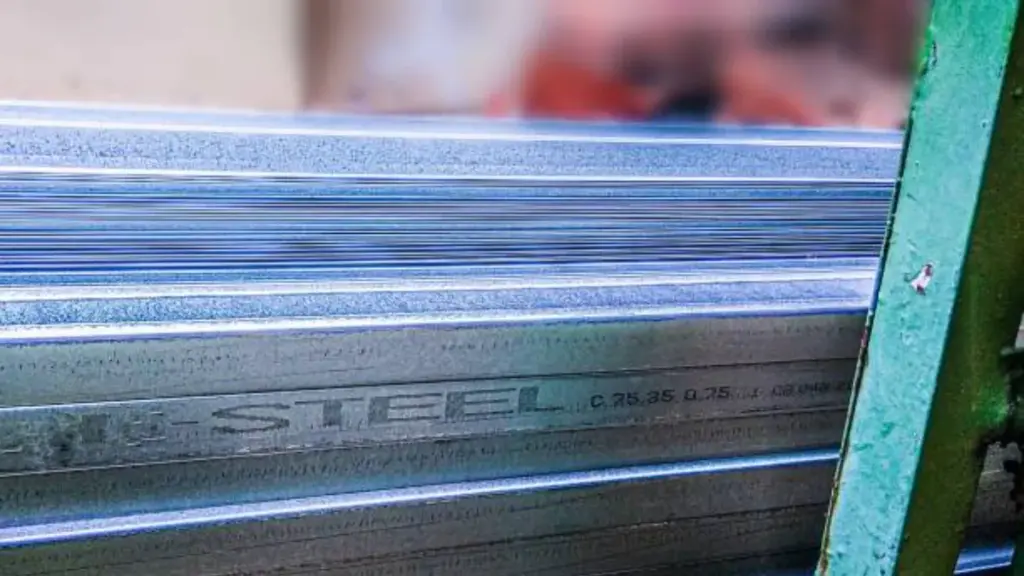
Незащищенный SS400 подвергается коррозии при 50-100 мкм/год в атмосфере C3 (городской/промышленный), ускоряется до 200+ мкм/год у берегов из-за хлоридов. Питтинг под покрытиями таит в себе скрытые риски, потенциально вдвое сокращает срок службы без вмешательства. Стандарты, такие как ISO 9223 классифицировать риски, руководящие уровни защиты от сельских (С2) в оффшор (С5М).
Рекомендуемые стратегии включают в себя:
- Гальванизация: 85 мкм цинк (ИСО 1461) для 25+ лет в С4; дуплекс с покраской для С5.
- Органические покрытия: Эпоксидная грунтовка (80 мкм) + ПУ верхнее покрытие (60 мкм); проверять каждый 5 годы.
- Металлизация: Алюминий, напыленный дугой (150 мкм) для сильно нагревающихся или истираемых участков.
Подготовка через субботу 2.5 blasting ensures adhesion >5 MPa. Анализ жизненного цикла часто отдает предпочтение гальванизации мостов со сроком службы 50 лет., баланс первоначальных затрат с минимальным обслуживанием.
Эквивалентные оценки и мировые стандарты
| Регион/Стандарт | Оценка | Ключевые сходства | Отличия от SS400 |
|---|---|---|---|
| США | АСТМ А36 | Растяжимый 400-550 МПа; Выход ≥250 МПа (t≤200 мм) | Больше химических характеристик; дополнительный неразрушающий контроль |
| Китай | ГБ/Т 700 Q235B | Аналогичная сила; хорошая свариваемость | Испытано на удар; урожайность (А/Б/С/Д) |
| Европа | В 10025 S235JR | Выход ≥235 МПа; Растяжение ~360-510 МПа | 27J Шарпи при +20°C обязательно |
| Корея | КС Д3503 СС400 | Прямое совпадение | Идентичное выравнивание JIS |
Обмен эквивалентом материала Ss400 работает для 80% случаев, но проверьте прочность, Эффекты толщины, и сварочные материалы. A36 подходит для США. легко кодирует; Q235D для холодных регионов.
Доступные формы и характеристики поставки
SS400 поставляется в стандартизированных формах, оптимизированных для структурной эффективности.:
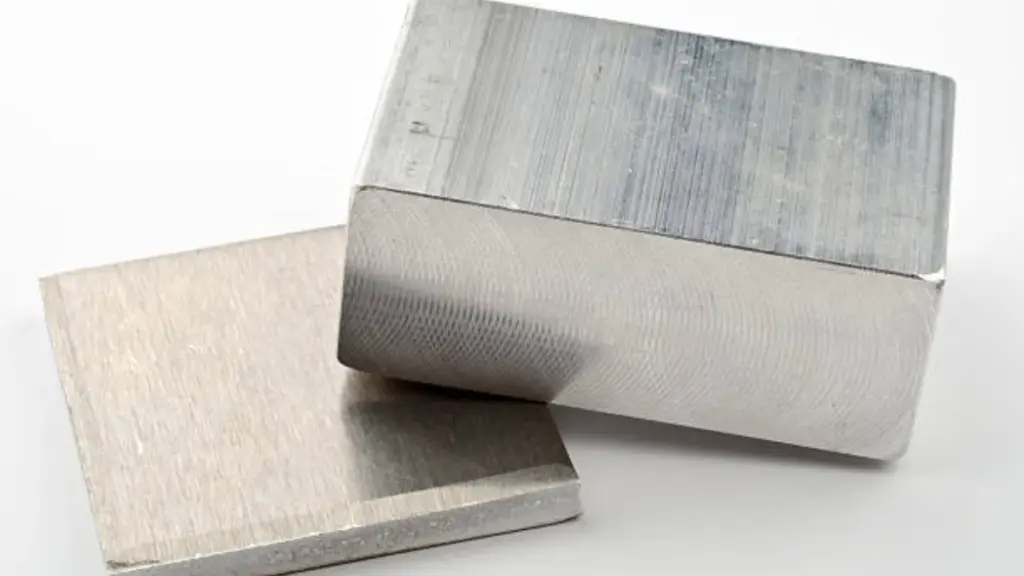
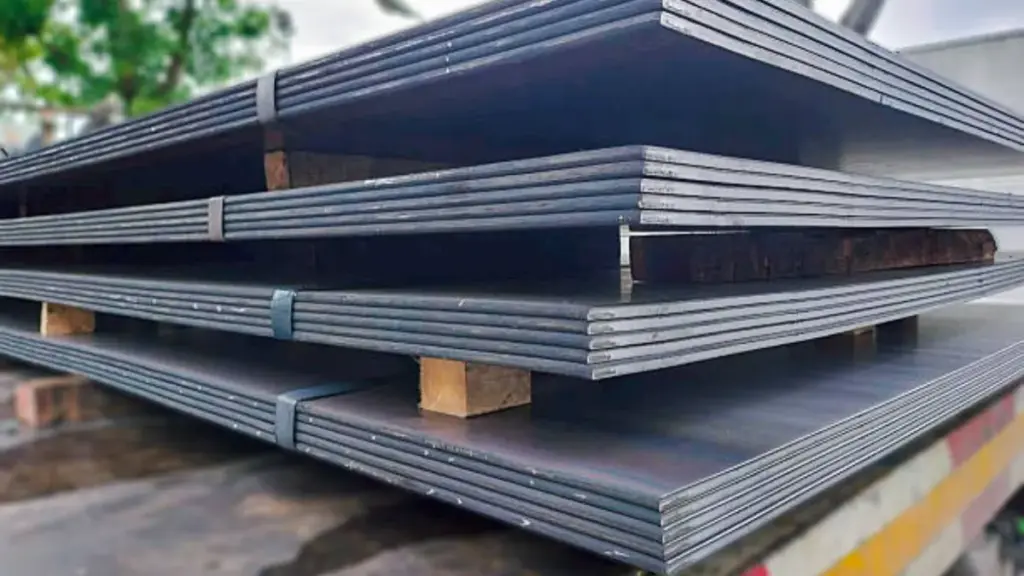
- Плиты/листы: 1.6-200 толщина мм, ширина 1.0-3.5 м, длины 2-12 м.
- Разделы: двутавровые балки (100-900 высота мм), каналы (50-400 мм), угловой (25×25–200×200 мм).
- Бары: Раунды (10-250 ммм он), квартиры (до 300х40 мм).
Допуски по JIS G3193: толщина ±0,5 мм (6-20 пластины мм), ширина ±10-15 мм, плоскостность ≤1,5% ширины. ССО включают химию, ЮТ (согласно уровню JIS G0303 2), и маркировка (сорт/плавка/партия). Заготовки предлагают нормализованный или прокатанный прокат.; индивидуальная резка по длине экономит логистику. Укажите RU 10204 3.1 сертификаты на экспорт.
Типичные применения материала SS400
Сбалансированный профиль SS400 отлично подходит для конструкций, требующих свариваемости и умеренной прочности.. Ключевые сектора включают:
- Строительство: Сварные балки и колонны для складов, платформы, и многоэтажные рамки; угловое железо для крепления при сейсмической модернизации.
- Инфраструктура: Мостовые балки, подход к плитам, и рельсовые опоры, где сопротивление усталости (~150 МПа при 10^7 циклах) справляется с вибрациями от дорожного движения.
- Морской & Тяжелая промышленность: Ребра жесткости корпуса судна и шпангоуты переборок, выдерживающие изгиб; балки подкрановых путей, выдерживающие циклические нагрузки при подъеме.
- Машины & Изготовление: Основания для прессов, конвейерные рамы, и стеллажи для хранения — их обрабатываемость сокращает время наладки на 25%.
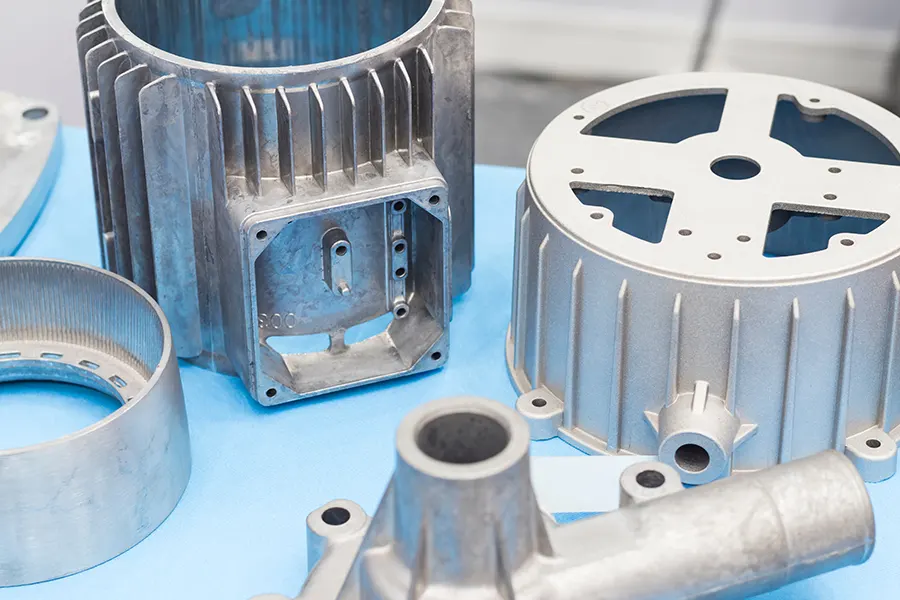
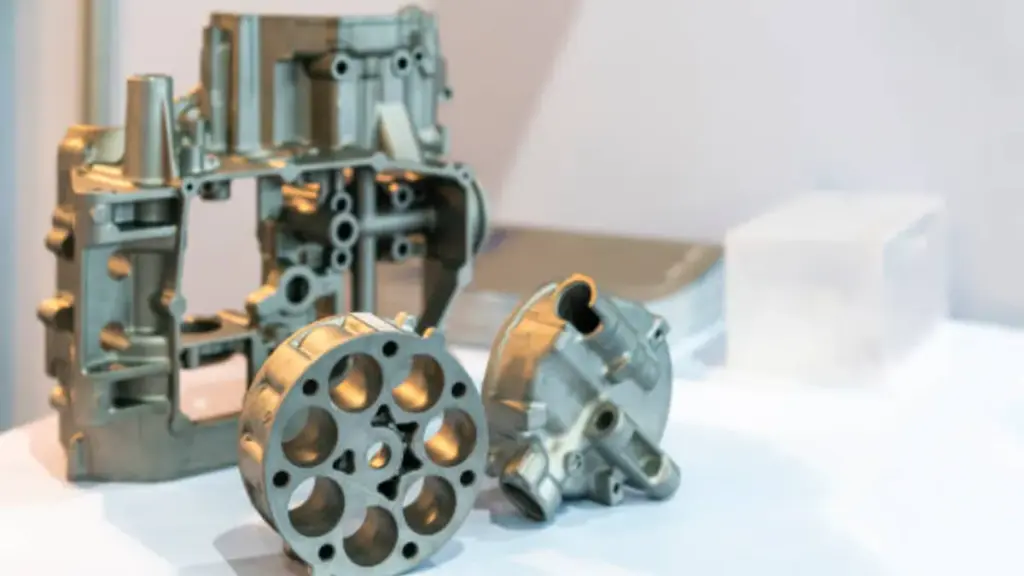
В частности, в литье под давлением, SS400 формирует основания пресс-форм и неосновные опорные приспособления. Эти компоненты с низким уровнем нагрузки отдают предпочтение стабильности и стоимости, а не тщательной полировке., позволяет использовать инструментальные стали премиум-класса (например, H13) для полостей. В сочетании с алюминиевыми отливками, такими как A380 или ADC12., Приспособления SS400 обеспечивают точное изготовление корпусов электродвигателей и корпусов осветительных приборов без деформаций..
Взгляд производителя литья под давлением
Выбирайте SS400, когда требуется производительность (205-245 МПа на толщину) соответствие бюджету и простоте изготовления — идеально подходит для основ пресс-форм, рамки, и прототипы. Повышение класса до более высоких оценок в случае многоцикловой усталости или суровых условий эксплуатации.; всегда рассчитывайте эквиваленты с учетом конкретных факторов, таких как класс коррозии..
В БИАН В ролях, мы используем пресс-формы из нержавеющей стали 400 как надежную основу для создания модели A380., АЦП12, и резонаторы AlSi9Cu3 — идеально подходят для Корпуса светодиодных дорожных фонарей, автомобильные инверторные корпуса, и промышленный контроль корпуса. Наш интегрированный цех пресс-форм (10+ литейные машины с холодной камерой от 160 до 1250 т., 100+ ЧПУ, собственные линии распыления) производит полные сборки от стальных каркасов до отливок с обработанной поверхностью.
Двойной Китай-Мексика объекты сокращают США. тарифы и сроки доставки. МАТФ 16949 сертификация гарантирует, что каждый компонент отслеживается с помощью соответствующих отчетов MTR и RoHS..
Бесшовная интеграция ждет