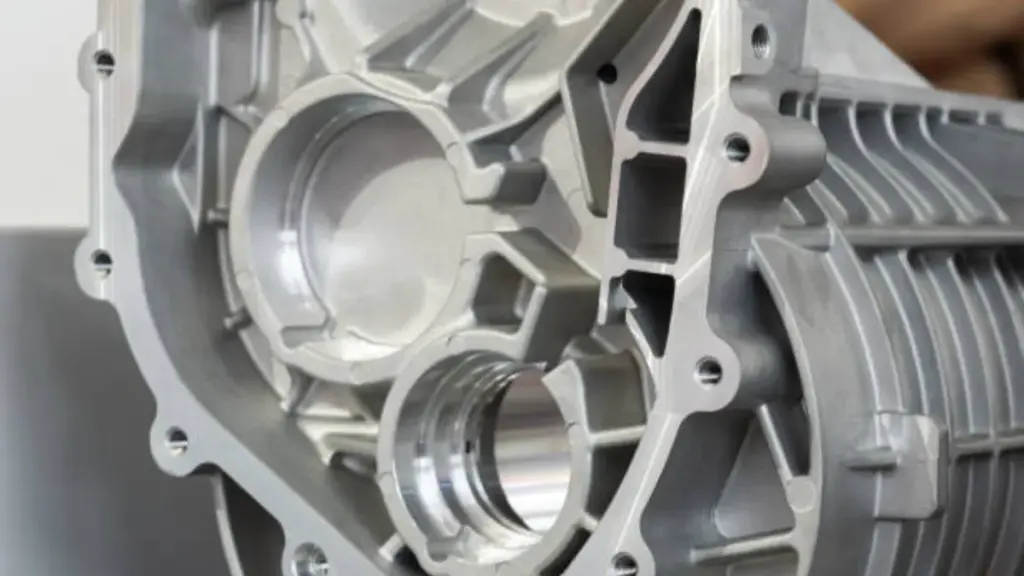
تم تصميم مصابيح الشوارع LED لتعمل لسنوات عديدة في البيئات الخارجية الصعبة. في حين أن شرائح LED نفسها يمكنها في كثير من الأحيان تحقيق عمر خدمة يبلغ 50,000 ل 100,000 ساعات, يعتمد العمر الإجمالي لنظام الإضاءة بشكل كبير على جودة ومتانة الهيكل.
يعمل السكن كعنصر هيكلي, بالوعة الحرارة, وحاجز ضد الرطوبة, تراب, رذاذ الملح, التعرض للأشعة فوق البنفسجية, والتأثيرات الميكانيكية. إذا فشل السكن قبل الأوان, حتى وحدات LED وبرامج التشغيل عالية الجودة قد تتوقف عن العمل قبل فترة طويلة من عمرها المتوقع.
فهم ما يؤثر على متانة مساكن ضوء الشارع LED يساعد البلديات, مصنعي الإضاءة, المقاولون, ويتخذ مشترو OEM قرارات أفضل بشأن المصادر ويقللون تكاليف الصيانة على المدى الطويل.
ما الذي يقصر من عمر مساكن إضاءة الشوارع LED
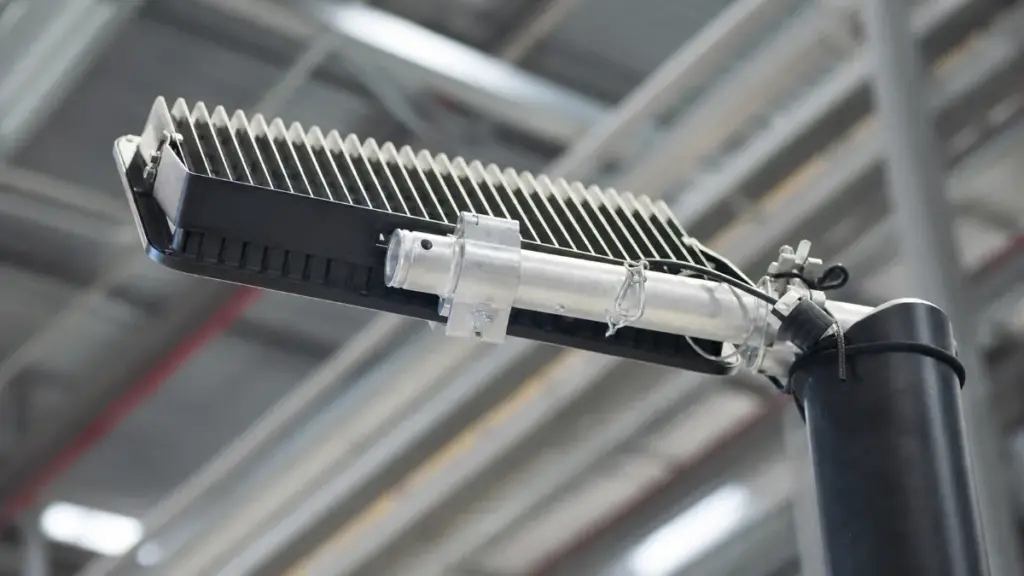
تراكم الحرارة, دخول الرطوبة, والتآكل البيئي القاسي يقلل بشكل كبير من عمر غلاف مصابيح الشوارع LED. تعد الإدارة الحرارية المناسبة والختم القوي بمثابة دفاعاتك الأساسية ضد الفشل المبكر.
تشمل بعض العوامل الأكثر شيوعًا التي تقلل من العمر:
| عامل تقليل العمر | التأثير على مبيت مصابيح الشوارع LED |
|---|---|
| ارتفاع درجات حرارة التشغيل | يسرع شيخوخة المصابيح, السائقين, الأختام, والطلاءات الواقية مع تقليل الكفاءة الحرارية. |
| دخول الرطوبة | يعزز التآكل الداخلي, تراكم التكثيف, الضرر الكهربائي, وتدهور الختم. |
| التعرض للأشعة فوق البنفسجية | يسبب تغير لون الطلاء, تدهور السطح, وتقليل مقاومة الطقس على المدى الطويل. |
| رذاذ الملح والظروف الساحلية | يسرع عملية التآكل على الأسطح المعدنية المكشوفة ويضعف الطبقات الواقية. |
| التلوث الصناعي | يمكن للملوثات الكيميائية أن تهاجم الطلاءات وتزيد من خطر تدهور المواد. |
| الاهتزاز الميكانيكي | قد يخفف السحابات, خلق شقوق التعب, وإضعاف السلامة الهيكلية مع مرور الوقت. |
| التأثير الجسدي | يمكن أن تلحق الضرر بالمساكن, الأختام التسوية, وتعريض المكونات الداخلية للمخاطر البيئية. |
| سوء جودة التصنيع | عيوب الصب, عدم دقة الأبعاد, والتشطيب غير الكافي يمكن أن يؤدي إلى الفشل المبكر. |
| التثبيت غير السليم | تركيب غير صحيح, ختم الكابل, أو يمكن أن تؤدي المحاذاة إلى زيادة المخاطر المتعلقة بالحرارة والرطوبة. |
| نقص الصيانة | يسمح بتراكم الأوساخ, بالوعة الحرارة المسدودة, وتلف الختم غير الملحوظ الذي يقلل من عمر الخدمة. |
ارتفاع درجة الحرارة وسوء الإدارة الحرارية
الحرارة هي القوة الأكثر تدميراً التي تؤثر على مصابيح الشوارع LED. تعمل درجات الحرارة المفرطة على تسريع عملية الشيخوخة لوحدات LED بشكل مباشر, برامج تشغيل التحكم, والطلاءات الواقية الخارجية التي تغطي صب الألومنيوم.
عندما يفتقر السكن إلى قدرات التبريد الكافية, العواقب الجسدية تتفاقم بسرعة:
- درجات الحرارة الداخلية المحاصرة: تؤدي المشتتات الحرارية غير الكافية أو مسارات تدفق الهواء سيئة التصميم إلى القضاء على الهامش الحراري اللازم للتشغيل الآمن.
- فشل مكون السائق: الحرارة الداخلية العالية تضع ضغطًا كهربائيًا شديدًا على مشغل LED, مما يجعلها نقطة الفشل المبكر الأكثر شيوعًا في النظام بأكمله.
دخول الرطوبة وفشل الختم
الماء والإلكترونيات الحساسة هي وصفة مضمونة للفشل. مطر, رطوبة عالية, واختراق المياه المباشر يهاجم الأجزاء المعدنية الداخلية ولوحات التحكم, إثارة التآكل السريع عبر الدوائر.
ونادرا ما تحدث هذه العملية بين عشية وضحاها. عادة ما تؤدي الرطوبة والتلوث إلى حدوث تدريجي, التدهور الخفي الذي يعرض النظام للخطر قبل فترة طويلة من رؤية انقطاع كامل.
وتشمل الأسباب الرئيسية وراء دخول المياه هذا:
- حماية IP ضعيفة: إن المساكن التي لا تستوفي معايير الدخول الصارمة تترك تجاويف حرجة معرضة للعوامل الجوية.
- جوانات العمر: الأختام المتصلبة أو المتشققة قبل الأوان تكسر الحاجز, السماح للتكثيف بالتراكم داخل الجهاز أثناء التحولات السريعة في درجات الحرارة.
التآكل والإجهاد الميكانيكي
تواجه التركيبات الخارجية هجومًا لا هوادة فيه من بيئتها. التعرض المستمر للهواء المالح, المواد الكيميائية المحمولة جوا, ودورات الطقس القاسية تعمل بشكل منهجي على تحطيم التشطيبات الخارجية الواقية.
بمجرد فشل الحاجز الخارجي, تستهدف الضغوط الميكانيكية والكيميائية البنية الأساسية:
- تآكل الأجهزة: تعمل أدوات التثبيت الصدئة وأقواس التثبيت على تدمير مسارات التأريض الأساسية, إضعاف ضغط الختم, ومنع نقل الحرارة بكفاءة.
- اهتزاز الطريق: يؤدي الاهتزاز المستمر الناتج عن حركة المرور الكثيفة جنبًا إلى جنب مع تحميل الرياح إلى فك المفاصل الهيكلية بمرور الوقت.
- التأثير الجسدي: يمكن أن تؤدي الضربات العرضية والحطام المتطاير إلى تشقق الهيكل وقطع توصيلات الأسلاك الداخلية الدقيقة.
أخطاء التثبيت وعدم كفاية الصيانة
حتى المساكن الأكثر متانة سوف تفشل إذا تم تركيبها بشكل غير صحيح أو تم التخلي عنها بعد النشر. زوايا التركيب غير الصحيحة أو إغلاق مدخل الكابل غير الصحيح يعرض التركيب على الفور للضغط الميكانيكي ودخول الماء غير المقصود.
غالبًا ما تؤدي المحاذاة غير الصحيحة إلى سد مسارات التهوية المهمة. يمكن لهذا الخطأ الفردي أن يحيد تمامًا قدرات التبريد الهندسية للجهاز, إجبار مصابيح LED وبرامج التشغيل على العمل بشكل خطير.
يؤدي تجاهل رعاية ما بعد التثبيت إلى تسريع عملية التدهور. تخطي عمليات التفتيش الروتينية يضمن تراكم الأوساخ, انسداد فتحات المشتت الحراري, وسيؤدي تلف الختم الطفيف إلى إعاقة الأداء الخارجي للتركيبات بشكل تدريجي.
قسط يموت الصب مخصص & تحسين سوق دبي المالي
كيف يؤثر طلاء السبائك وختمها على عمر الخدمة
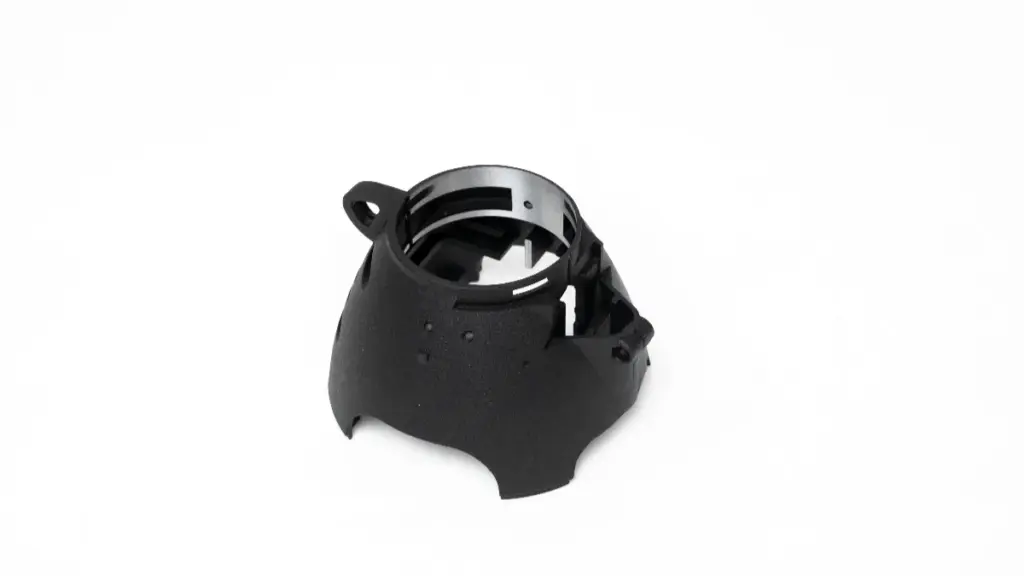
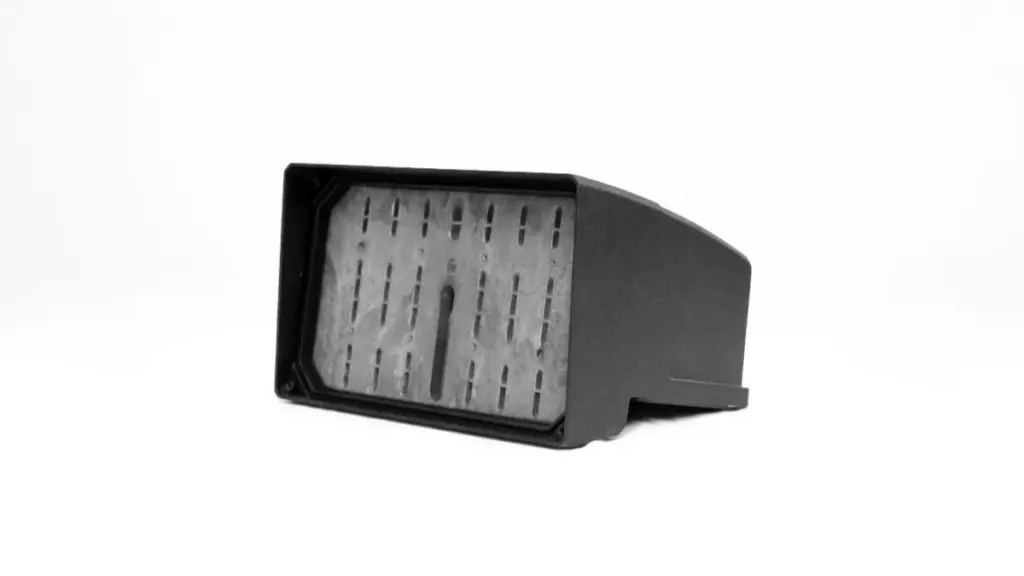
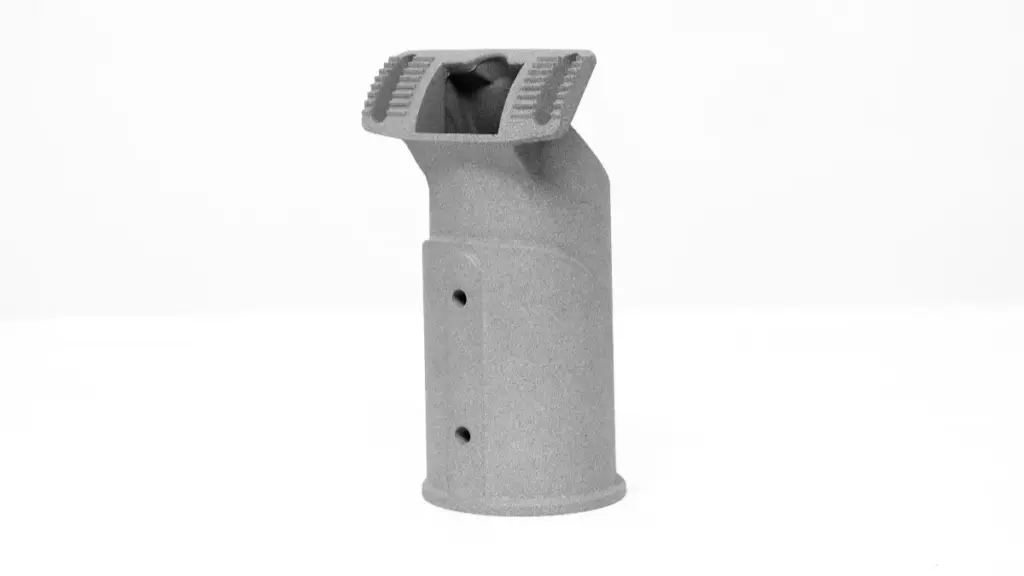
يحمي الطلاء الواقي هيكل الألومنيوم الخارجي من التآكل, بينما يحافظ الختم الآمن على جفاف الإلكترونيات الداخلية. يجب أن تعمل كلتا الآليتين معًا لتحقيق عمر قياسي يبلغ 100000 ساعة.
| آلية الحماية | تم هزيمة التهديد الأساسي | المكونات الرئيسية محمية |
|---|---|---|
| طلاء السبائك | رش الملح, التعرض للأشعة فوق البنفسجية, ارتداء جسدي | السكن الخارجي من الألومنيوم, بين قوسين تصاعد |
| ختم النزاهة | دخول الرطوبة, تراب, الأبخرة الكيميائية | برامج تشغيل LED, لوحات ثنائي الفينيل متعدد الكلور, العدسات البصرية |
دور طلاء السبائك ضد التآكل الخارجي
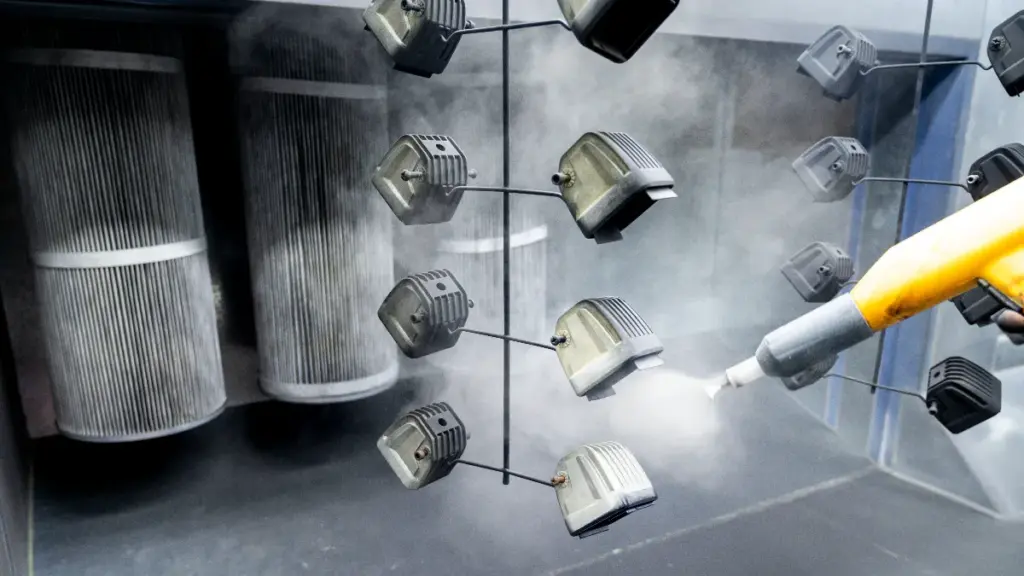
تحتاج المساكن المصنوعة من الألومنيوم المصبوب إلى غلاف خارجي قوي للبقاء على قيد الحياة لعقود من الزمن في الهواء الطلق. يعمل طلاء السبائك كحاجز مخصص مضاد للتآكل يتم تطبيقه مباشرة بعد عملية صب المعدن.
تحافظ اللمسة النهائية الواقية عالية الجودة على القوة الهيكلية للتركيبات وتمنع تنقر السطح أو تقشره قبل أن ينتشر. هذه الطبقة تقاوم بنشاط التهديدات البيئية الشديدة, مشتمل:
- التعرض للأشعة فوق البنفسجية: يحجب أشعة الشمس الشديدة من التدهور أو إضعاف السطح المعدني مع مرور الوقت.
- الصدأ الساحلي: يدافع ضد الأكسدة العدوانية ورذاذ الملح في المناطق الساحلية أو الصناعية.
- ارتداء الميكانيكية: يحمي قاعدة السكن من الحطام الذي تحمله الرياح والتلوث على جانب الطريق.
كيف تحمي سلامة الختم المكونات الداخلية
بينما يتعامل الطلاء مع الخارج, تشكل الأختام الضيقة الدفاع الأساسي ضد الماء, تراب, والملوثات البيئية التي تحاول اختراق الداخل. يؤدي دخول الرطوبة إلى قتل أضواء الشوارع بشكل أسرع من أي عامل آخر تقريبًا.
يعتمد مصممو التركيبات على حشوات السيليكون شديدة التحمل, مقاطع ميكانيكية آمنة, وواجهات العدسات المجهزة بدقة للحفاظ على إغلاق محكم. يجب أن تحمل هذه المكونات تفاوتات ضغط صارمة خلال سنوات من دورات التمدد والانكماش الشديدة.
عندما تعمل الأختام بشكل صحيح, أنها تحافظ على تجاويف العظام الداخلية جافة. هذا يمنع فشل برنامج التشغيل الكارثي, تآكل الموصل, والأعطال الكهربائية التي تؤدي إلى لحظة سد الرطوبة للدائرة الحية.
التأثير المشترك على طول عمر إضاءة الشوارع
لا يمكنك فصل الحاجز الخارجي عن الدفاع الداخلي. يحمي الطلاء سطح السبائك الخام من الانهيار, بينما يقوم نظام الختم بتأمين الإلكترونيات الداخلية الحساسة. يجب أن تعمل كلتا الآليتين بشكل مثالي جنبًا إلى جنب للوصول إلى المعيار 50,000 إلى عمر النظام 100,000 ساعة.
معظم مصابيح الشوارع LED لا تموت بسبب احتراق رقائق LED. أنها تفشل قبل الأوان بسبب التدهور المادي الناشئ في السكن أو الحشيات. إن الجمع بين اللمسة النهائية القوية المضادة للتآكل مع مانع التسرب الحاصل على تصنيف IP66 يزيل نقاط الفشل المبكرة هذه, التأكد من أن التركيبة تدوم فعليًا أكثر من إلكترونياتها الداخلية.
علامات الفشل الشائعة المرتبطة بتدهور الإسكان
عندما ينهار الطلاء الواقي أو الأختام, تعرض الوحدة علامات تحذيرية واضحة. يجب على فرق الصيانة الميدانية إجراء فحص روتيني للعيوب المادية التالية:
- الاضمحلال الخارجي: الصدأ المرئي, تغير اللون الشديد, أو تقشير التشطيبات الواقية التي تكشف السطح المعدني العاري.
- التكثيف الداخلي: تراكم الرطوبة, تعفير بصري, أو تراكم علامات الماء العسر بالقرب من العدسة أو خط الحشية.
- تلف المكونات: أدوات التثبيت والموصلات الداخلية المتآكلة التي تؤدي إلى التشغيل المتقطع أو انخفاض السطوع بشكل ملحوظ.
يؤدي اكتشاف هذه الأعراض مبكرًا إلى منع حدوث تسربات طفيفة في السدادات أو رقائق الطلاء من فرض استبدال وحدات الإنارة على نطاق واسع.
ما هي الاختبارات التي تساعد في التنبؤ بطول عمر المساكن المضاءة في الشوارع
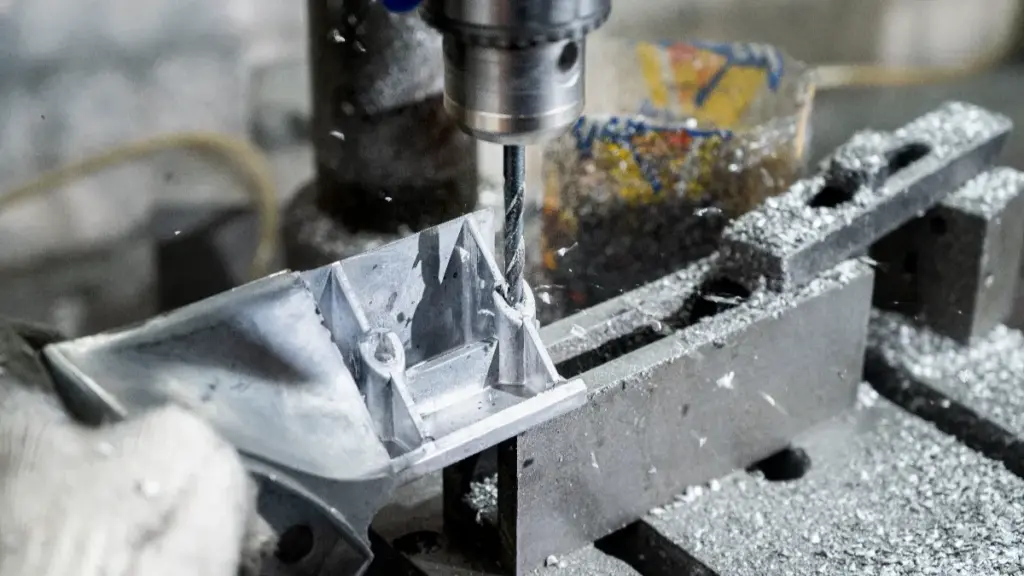
الاختبارات المعملية مثل LM-80, نفاثات المياه IP66, و 10 تعمل عمليات محاكاة زيادة الكيلو فولت على ضغط عقود من التعرض الخارجي إلى أشهر للتنبؤ بدقة بالبقاء على قيد الحياة لعدة عقود.
الأداء الحراري وتوقعات صيانة التجويف
تؤدي الحرارة الزائدة إلى تدهور سريع لكل من رقائق LED وإلكترونيات السائق. يموت الصانع المصبوب مثل بيان دييكاست تنفيذ اختبارات حرارية صارمة للتحقق من أن تصميم السكن يدير درجات الحرارة الداخلية بشكل صحيح أثناء التشغيل الممتد.
- تتبع صيانة التجويف: يعتمد المهندسون على بيانات LM-80 وTM-21 لتتبع انخفاض قيمة لومن LED بمرور الوقت, عرض عمر L70 50,000 ل 100,000 ساعات.
- درجة حرارة الوصلة (تي جي) حدود: تقوم المعامل بتقييم المقاومة الحرارية للإسكان عن طريق قياس درجات حرارة وصلات LED مقابل درجات الحرارة المحيطة أثناء التشغيل في الحالة المستقرة.
- فحص تبديد الحرارة: تؤكد الاختبارات أن مادة السكن, مساحة سطح المشتت الحراري, وتصميم تدفق الهواء يسحب الحرارة بشكل فعال بعيدًا عن المكونات الحساسة لمنع الفشل المبكر.
حماية الدخول (الملكية الفكرية) والختم البيئي
يفشل مبيت ضوء الشارع في اللحظة التي تخرج فيها أختامه. يقوم الاختبار بدفع الماء والجسيمات إلى كل طبقة لكشف نقاط الضعف قبل النشر الميداني.
- التعرض للغبار والماء: يقوم الفنيون بتعريض التركيبات للغبار المنتشر ونفاثات الماء القوية من الفوهات القياسية للتحقق من تصنيفات IP65 أو IP66.
- إجراءات الإجهاد البيئي: تعمل اختبارات التدوير الحراري المتسارع واختبارات امتصاص الرطوبة العالية على دفع المفاصل الميكانيكية, الحشيات, والأختام إلى نقاط الانهيار.
- رسم خرائط التكثيف: تحدد هذه الدورات المكثفة الفجوات الدقيقة التي تدعو إلى التكثيف, دخول الرطوبة, وقصر الدائرة على مدى سنوات من التوسع والانكماش المادي.
التأثير الميكانيكي ومقاومة الاهتزاز
تواجه المنشآت الموجودة على أعلى العمود إساءة جسدية مستمرة بسبب الرياح العاتية, حركة المرور الكثيفة, والحطام على جانب الطريق. تحاكي الاختبارات الميكانيكية سنوات من التعب الهيكلي في غضون أيام.
- تقييمات التأثير (IK08 +): تختبر ضربات المطرقة والبندول المعايرة العدسة والإسكان ضد التخريب والبرد للتحقق من السلامة الهيكلية.
- اهتزاز متعدد المحاور: تعمل جداول الاهتزاز على تكرار الاهتزازات المستمرة منخفضة التردد الناتجة عن حركة المرور على الطرق السريعة واهتزاز قمة العمود الناجم عن الرياح.
- فحص التعب: تعمل عمليات التفكيك بعد الاختبار على التحقق من إجهاد الأسلاك, تخفيف السحابة, والتكسير الهيكلي لضمان الاستقرار الميكانيكي على مدى عمليات النشر المتعددة العقود.
اختبارات التآكل المتسارع والتجوية فوق البنفسجية
تمضغ الشمس والملح المواد البلاستيكية منخفضة الجودة والمعادن العارية. أثبتت اختبارات التجوية أن الغلاف الخارجي يمكنه تحمل الأجواء الساحلية أو الصناعية العدوانية دون أن يفقد خصائصه الوقائية.
- رش الملح المحايد (NSS): يقوم الضباب الملحي المسبب للتآكل بتقييم المقاومة الكيميائية لسبائك الألومنيوم المصبوبة, بين قوسين تصاعد, وطلاءات مسحوق البوليستر.
- دورات الأشعة فوق البنفسجية المتسارعة: يكشف ضوء الأشعة فوق البنفسجية المكثف مع دورات الرطوبة عن نقاط الضعف في العدسات البلاستيكية, جوانات السيليكون, والطلاء الخارجي.
- فحص تدهور المواد: تمنع هذه العملية حدوث مشكلات طويلة الأمد مثل اصفرار العدسة, هشاشة الختم, وتقرح الطلاء الذي يضر بكل من البصريات وحماية الدخول.
الموثوقية الكهربائية وضغط الحماية من زيادة التيار
يحدد تخطيط السكن المادي مدى نجاح الإلكترونيات الداخلية في النجاة من شبكات الطاقة القذرة وضربات البرق المباشرة. تتحقق الاختبارات الكهربائية من صحة الدور الوقائي للمبيت ضد شذوذات الشبكة.
- 10 محاكاة زيادة كيلو فولت: تثبت المسامير ذات الجهد العالي أن الغلاف يوفر مسارات تأريض مناسبة وفصل المكونات ضد عابري الشبكة والبرق.
- اختبار الجهد الشديد: إن تشغيل الوحدة عند حدود الجهد العالي والمنخفض يعرض إجهاد السائق ويقيم مرونة جودة الطاقة بشكل عام.
- فحص قدرة التبريد: يتحقق المهندسون من أن التصميم الداخلي يمنح السائق مساحة تبريد سلبية كافية لمنع احتراق المكونات مبكرًا.
كيف يعمل التصميم الأفضل على إطالة عمر السكن الخارجي بمرور الوقت
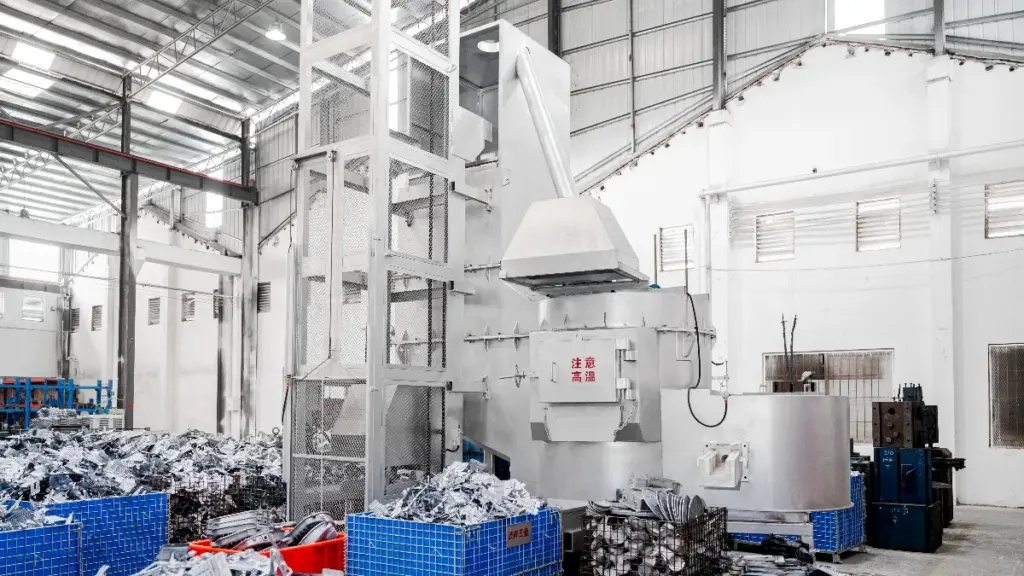
يحدد تصميم السكن الذكي العمر الافتراضي لمصابيح الشوارع LED من خلال التحكم في الحرارة, منع الرطوبة, ومقاومة التآكل الميكانيكي, تحويل مخاطر الفشل لمدة 5 سنوات إلى أصول لمدة 20 عاما.
تحسين الإدارة الحرارية لحماية الإلكترونيات
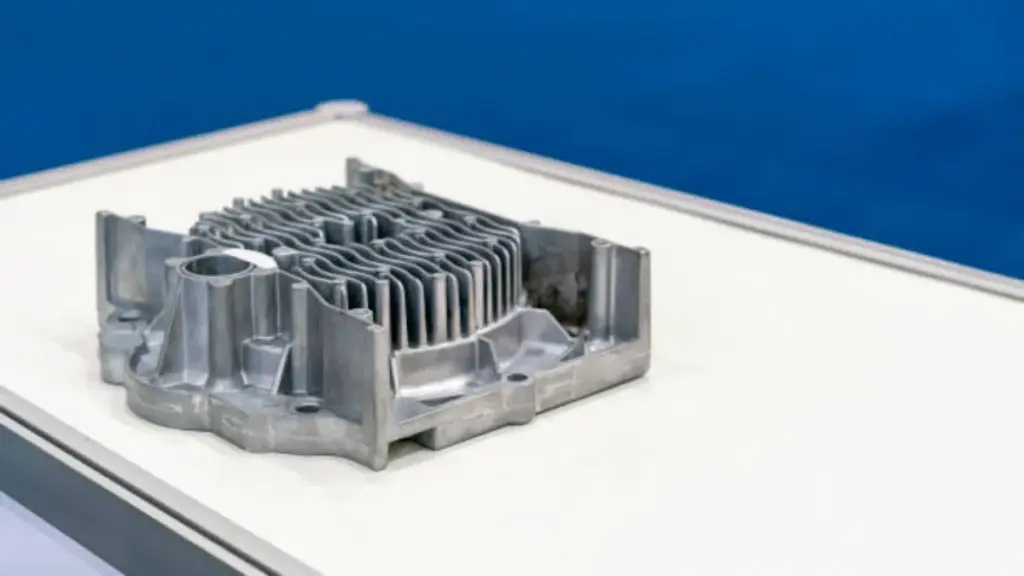
تعمل الحرارة الزائدة كعامل أساسي يحد من عمر مصابيح الشوارع LED. مجرد 10 يمكن أن يؤدي ارتفاع درجة حرارة الوصلة بمقدار درجة مئوية إلى خفض العمر التشغيلي لوحدة الإنارة إلى النصف. يقوم مصنعو القوالب المصبوبة بتخفيف هذه المخاطر من خلال هندسة علب الألمنيوم عالية الموصلية. تتميز هذه التصاميم بالعمق, زعانف المشتت الحراري متباعدة على نطاق واسع والتي تسحب الحرارة بعيدًا عن المكونات الداخلية وتتخلص من الحطام.
يتطلب التصميم الحراري الأفضل أيضًا عزل المكونات الأكثر سخونة. يمنع الفصل المادي بين لوحة LED ومقصورات السائق تراكم الحرارة المركبة. تحافظ هذه العزلة على انخفاض درجات الحرارة المحيطة داخل حجرة السائق, الحفاظ على المكثفات الإلكتروليتية ومطابقة عمر خدمة السائق مع وحدة LED.
عزل بيئي قوي ضد الرطوبة والغبار
تواجه التركيبات الخارجية هجمات مستمرة من المطر, رطوبة, والملوثات المحمولة جوا. لمكافحة هذا, تستخدم التصميمات الحاصلة على تصنيف IP65 وIP66 بشكل مستمر, جوانات مقاومة للأشعة فوق البنفسجية. هذه الأختام تمنع الرطوبة, الحشرات, والغبار الناعم من الوصول إلى الأجهزة الإلكترونية الحساسة على مدى عقود من التعرض القاسي.
تؤدي التغيرات في درجات الحرارة إلى خلق فروق في الضغط يمكن أن تجبر الماء على تجاوز الأختام المتدهورة. يحل المهندسون هذه المشكلة باستخدام استراتيجيات تصميم محددة:
- أغشية التنفس المتكاملة: معادلة الضغط الداخلي أثناء تقلبات درجات الحرارة, منع سحب الرطوبة عبر الأختام الخارجية.
- غرف بصرية مختومة: حافظ على نظافة العدسات وحافظ على توزيع الضوء بشكل ثابت على مدى عقود.
- واجهات خارجية ناعمة للمساكن: منع تراكم الأوساخ التي من شأنها أن تعمل كبطانية عازلة وتؤدي إلى تدهور الأداء الحراري.
تعزيز السلامة الهيكلية ومقاومة التآكل
يؤدي الفشل الهيكلي أو التآكل الشديد إلى استبدال التركيبات مبكرًا حتى لو كانت الأجهزة الإلكترونية الداخلية لا تزال تعمل. هيكل من الألومنيوم المصبوب مع طلاء مسحوق من الدرجة البحرية يقاوم الصدأ, الطباشير, وتدهور رذاذ الملح في البيئات الساحلية أو الصناعية.
يلعب الشكل المادي وأجهزة السكن أيضًا دورًا مباشرًا في طول العمر الهيكلي:
- زجاج مقسى بتصنيف IK08: يتحمل التأثيرات الميكانيكية, التخريب, والحطام جلخ.
- أشكال الإسكان مبسطة: يمكنك النجاة من أحمال الرياح المستمرة وتقليل إرهاق الاهتزاز على عمود التثبيت.
- السحابات الفولاذ المقاوم للصدأ: منع التآكل الجلفاني والتأكد من بقاء الأقواس مثبتة بشكل آمن خلال دورات العواصف المتكررة.
دمج الحماية من زيادة التيار ودفاعات السائق
تمثل المحركات الكهربائية نقطة فشل متكررة في الأنظمة سيئة التصميم. تعمل الشبكات الكهربائية الخشنة والحرارة المحيطة العالية على تدمير مصادر الطاقة غير المحمية بسرعة. المساكن المصممة مع المدمج في 10 كيلو فولت أو 10 تعمل أجهزة الحماية من زيادة التيار kA على حماية هذه المكونات الحساسة من الصواعق وارتفاع الجهد الشديد.
يؤثر تخطيط السكن بشكل مباشر على البقاء الكهربائي. إن الحفاظ على درجات حرارة مقصورة السائق ضمن حدود التشغيل الآمنة يمنع الفشل المبكر. يعمل هذا الدفاع الحراري والكهربائي على محاذاة طول عمر السائق مع 50,000 إلى 100000 ساعة من عمر رقائق LED, ضمان وصول النظام بأكمله إلى إمكاناته الميدانية الكاملة.
تحتاج إلى مساكن متينة لإضاءة الشوارع LED لأداء خارجي طويل الأمد?
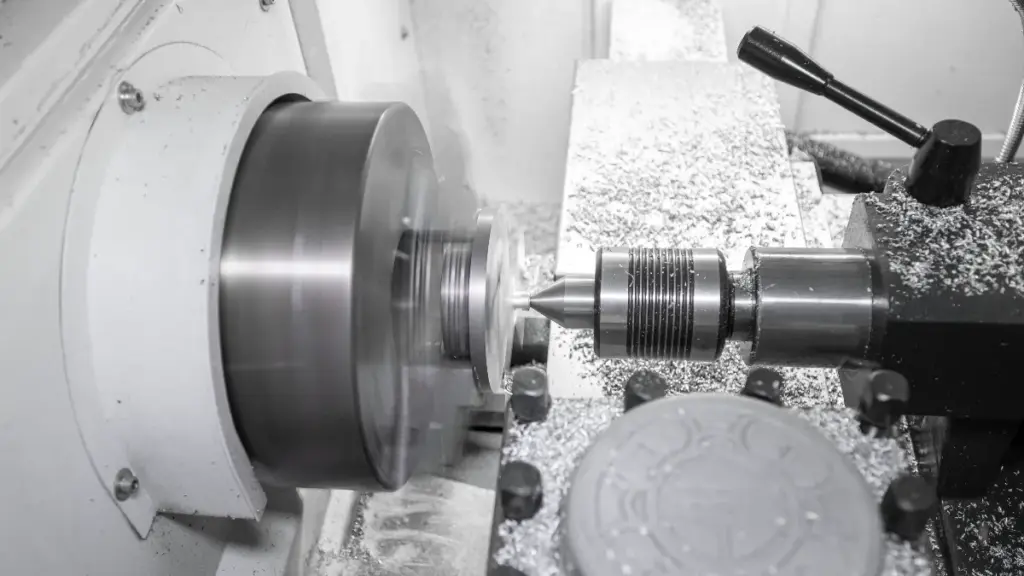
يعتمد العمر الافتراضي لمصابيح الشوارع LED بشكل كبير على جودة غلافها. بدءًا من اختيار السبائك ودقة الصب بالقالب وحتى أداء الطلاء وموثوقية الختم, تؤثر كل التفاصيل على المتانة طويلة المدى في البيئات الخارجية. في بيان دييكاست, نحن نقوم بتصنيع أغطية مصابيح الشوارع LED المصنوعة من الألومنيوم عالي الجودة والمصممة لتبديد الحرارة بكفاءة, المقاومة للتآكل, وحماية يمكن الاعتماد عليها ضد الظروف الجوية القاسية. سواء كنت بحاجة إلى نماذج قياسية أو حلول OEM/ODM مخصصة, يمكن لفريقنا مساعدتك في تطوير مكونات الإسكان المتينة التي تدعم عمر خدمة أطول وتكاليف صيانة أقل. اتصل بنا لمناقشة متطلبات مشروعك واحتياجات التصنيع.
خاتمة
يعتمد العمر الافتراضي لغطاء إضاءة الشارع LED على ما هو أكثر بكثير من صب الألومنيوم نفسه. الظروف البيئية, إدارة الحرارة, المقاومة للتآكل, جودة الطلاء, أنظمة الختم, دقة التصنيع, ويلعب تصميم المنتج أدوارًا حاسمة في تحديد المتانة على المدى الطويل.
للبلديات, ماركات الإضاءة, والشركات المصنعة للمعدات الأصلية, يمكن أن يؤدي اختيار غلاف مصبوب مصمم جيدًا إلى تقليل تكاليف الصيانة بشكل كبير, تحسين موثوقية النظام, وتعظيم العائد على الاستثمار في مشاريع الإضاءة الخارجية. من خلال التركيز على السبائك عالية الجودة, طلاءات قوية, عمليات الصب خالية من العيوب, واختبار المتانة, يمكن للمصنعين بناء مساكن إضاءة الشوارع LED التي تستمر في الأداء بشكل موثوق لعقود من الزمن في البيئات الخارجية الصعبة.
الأسئلة المتداولة
ما الذي يؤثر على عمر مساكن مصابيح الشوارع LED?
وتشمل العوامل الرئيسية التعرض للحرارة, تدخل الرطوبة, تآكل, الأشعة فوق البنفسجية, جودة الصب, أداء الطلاء, فعالية الختم, والتصميم العام للمساكن.
ما هي مدة بقاء المساكن الخفيفة في الهواء الطلق؟?
عادةً ما تدوم أغطية مصابيح الشوارع LED المصنوعة من الألومنيوم عالي الجودة لمدة تتراوح بين 10 إلى 20 عامًا أو أكثر, تبعا للظروف البيئية, ممارسات الصيانة, وجودة التصنيع.
يمكن للمسامية تقصير عمر السكن?
نعم. تخلق المسامية في الألومنيوم المصبوب فراغات مجهرية تحبس الماء, أملاح, والملوثات المسببة للتآكل تحت الطبقة الواقية. هذا العيب يقوض التصاق الطلاء, مما يتسبب في حدوث تقرحات وتقشير قبل وقت طويل من نهاية العمر المتوقع للتركيبات. تتجاوز المسام الموجودة على طول قنوات الحشية أيضًا ختم IP, سحب الرطوبة مباشرة إلى مقصورة السائق. تعمل جودة الصب الرديئة على تحويل المشتت الحراري الصلب إلى غلاف هش يتحلل بسرعة تحت التدوير الحراري الخارجي.
كيف يؤثر التآكل على علب الألمنيوم?
يهاجم التآكل بشكل مباشر القوة الميكانيكية والكفاءة الحرارية للهيكل. كما يتأكسد الألومنيوم والحفر, تضعف الأقواس والمفصلات المتصاعدة, خلق مخاطر السلامة في المناطق شديدة الرياح. تعمل طبقة التآكل الثقيلة أيضًا كعازل, محاصرة الحرارة داخل الجهاز وتسريع انخفاض قيمة LED. غالبًا ما يؤدي الضرر إلى تشويه أسطح الختم, كسر ضغط الحشية والسماح للرطوبة بإغراق الأجهزة الإلكترونية الداخلية الحساسة.
هل تؤثر جودة الطلاء على عمر السكن؟?
تحدد جودة الطلاء مدة بقاء المعدن الأساسي في الخارج. طبقة من مسحوق البوليستر الفاخر أو طبقة نهائية من الدرجة البحرية تحجب الأشعة فوق البنفسجية, رُطُوبَة, وأملاح الطريق من الوصول إلى الألمنيوم العاري. إذا كانت الطباشير طلاء رخيصة, الشقوق, أو القشور, يبدأ المعدن المكشوف بالتنقر على الفور. وهذا أمر بالغ الأهمية للتركيبات المثبتة في المناطق الساحلية أو المواقع الصناعية, حيث تدمر الملوثات العدوانية المساكن غير المحمية في غضون سنوات قليلة.