Type II vs Type III Anodizing: Hard Coat Anodize for Wear-Resistant Applications
Type II vs Type III anodizing compared on film thickness, hardness, tolerance growth, and behavior on high-silicon die-cast aluminum.


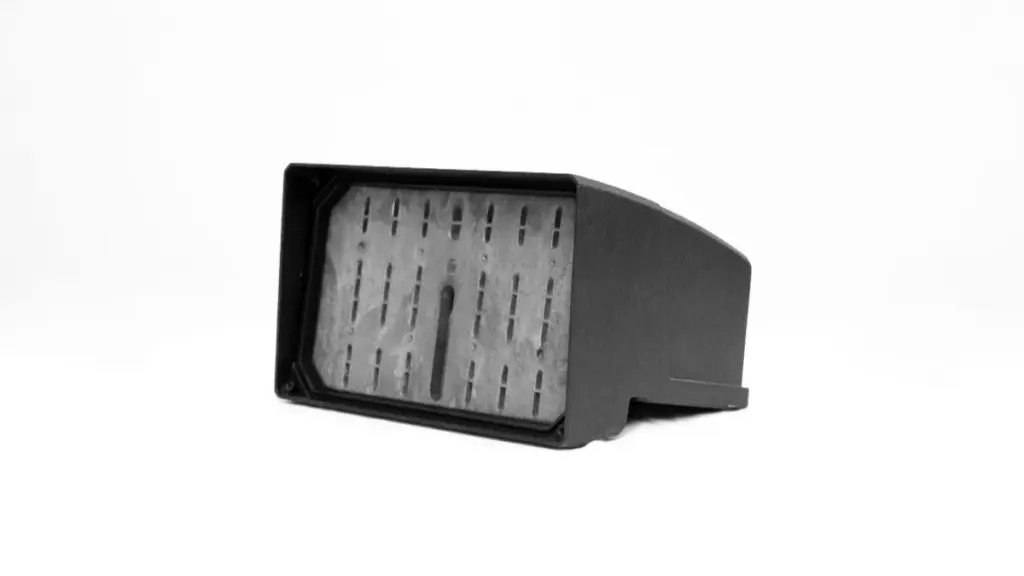
Type II vs Type III anodizing compared on film thickness, hardness, tolerance growth, and behavior on high-silicon die-cast aluminum.
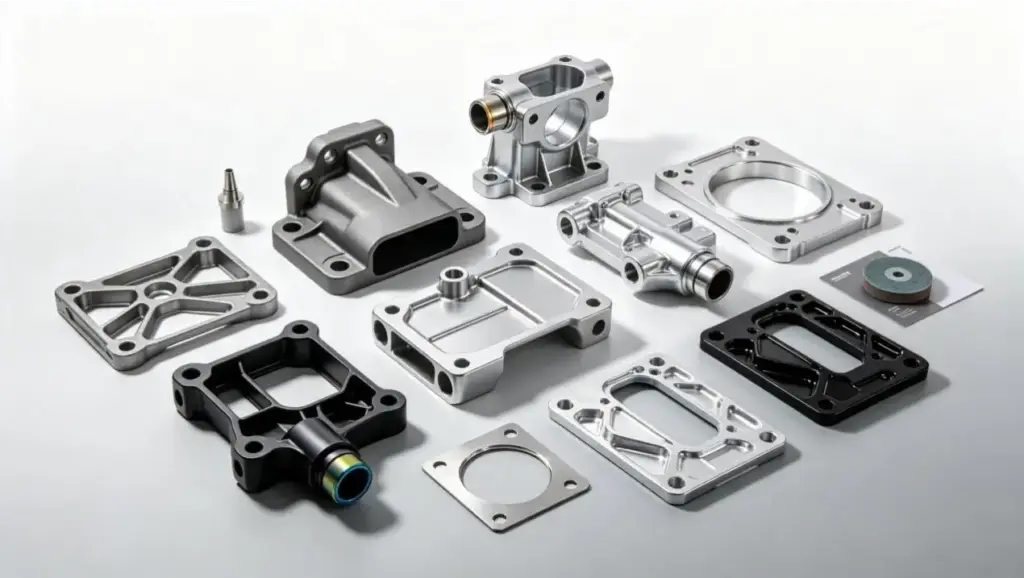
Compare a custom alloy against standard die-casting grades on total per-piece cost. A line-by-line ROI framework and the volume crossover that decides it.
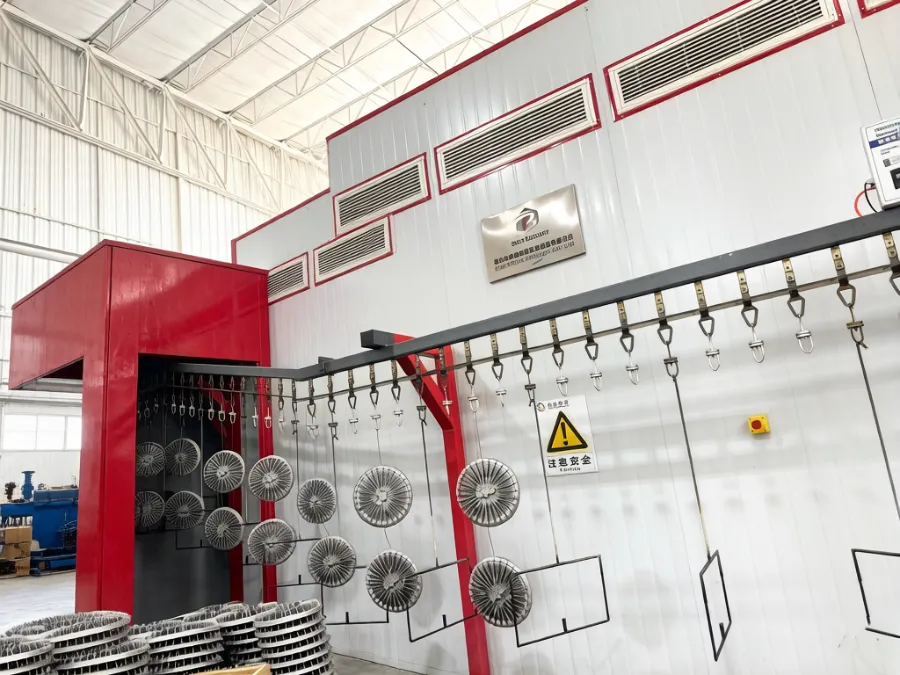
Automotive e-coating for die cast parts: cathodic vs anodic selection, pretreatment, bake limits, and the adhesion evidence an SQE expects before the first dip.
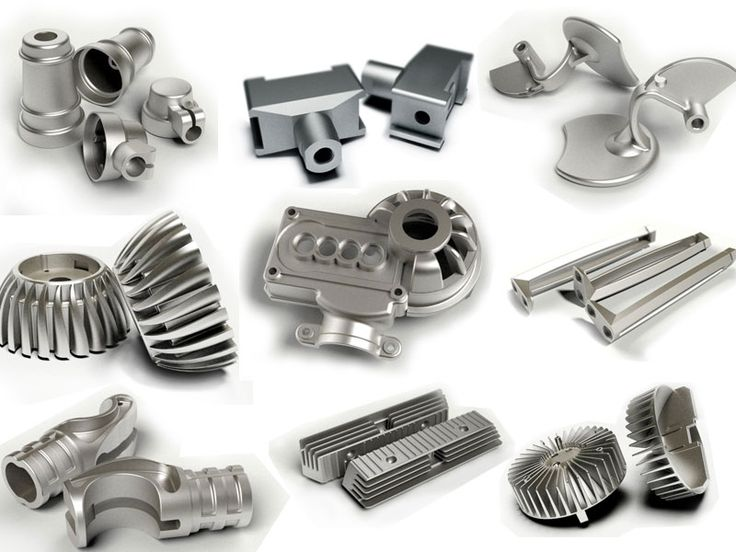
Compare magnesium alloy properties vs aluminum and steel: density, strength-to-weight, stiffness, damping, creep and corrosion, and how to choose.
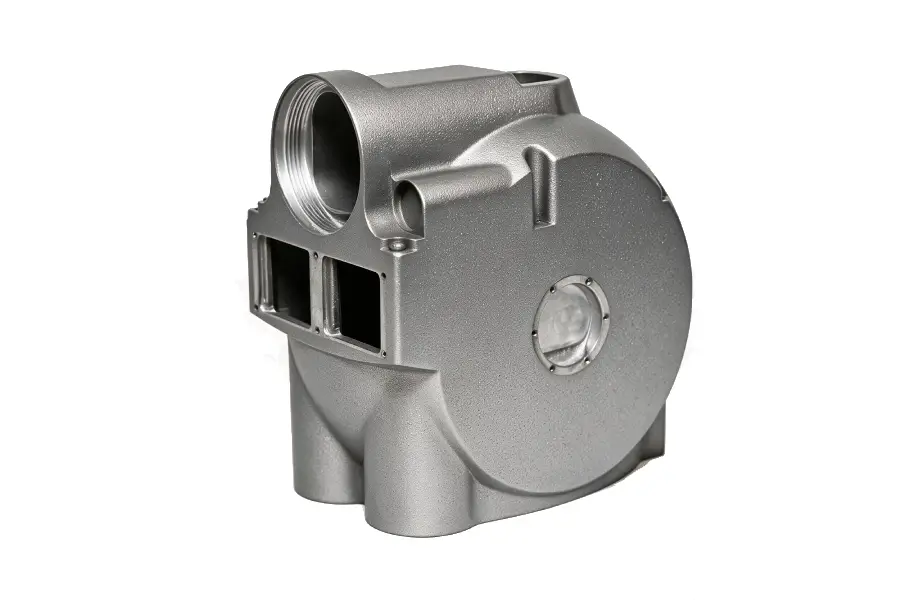
Polishing aluminum die castings to the right Ra target controls look, sealing and cost. See roughness ranges by use and how to spec them. Request a quote.
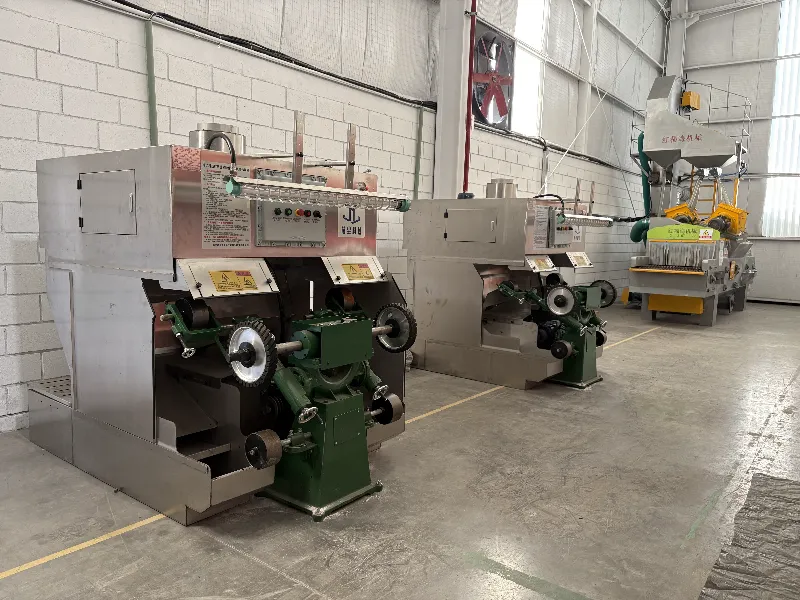
Compare metal polishing methods - vibratory, mechanical buffing, and electropolishing - to deburr, smooth, and mirror-finish parts. Request a quote today.