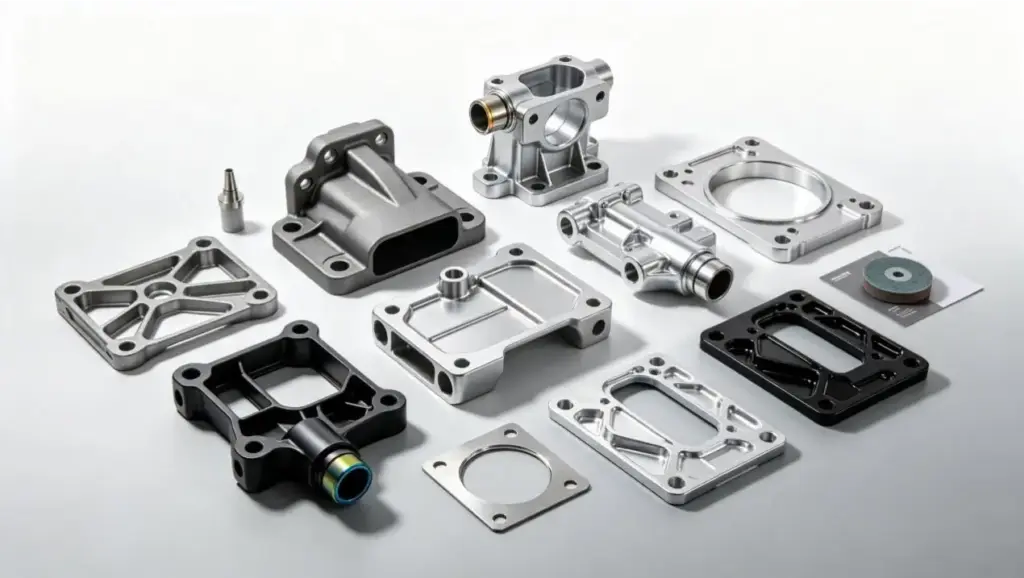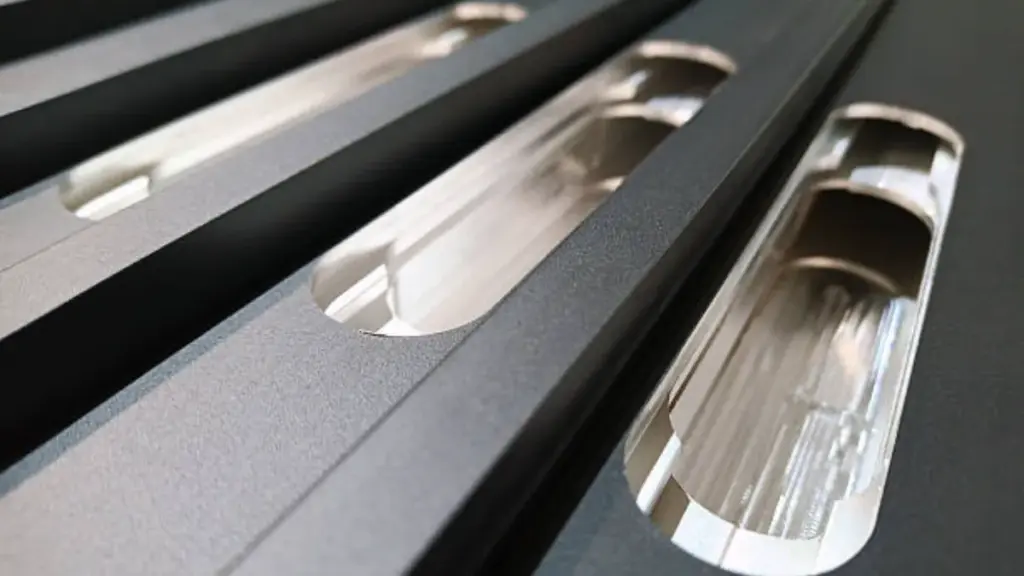
Choosing a magnesium alloy involves more than selecting a grade from a drawing. Each alloy has a different balance of strength, ductilidad, castigabilidad, y resistencia al calor. A wrong choice can affect part performance, production quality, y costos de acabado.
AZ91D, AM60B, and AS41B are three common magnesium die-casting alloys, but they serve different purposes. This article compares their chemical compositions, propiedades mecánicas, y aplicaciones. It also explains how melting control, casting processes, and corrosion protection affect the final part.
Magnesium Alloy Grades and Their Chemical Composition
Magnesium alloy designations use letters and numbers to show their main alloying elements and approximate composition. A represents aluminum, Z represents zinc, M represents manganese, and S represents silicon. The numbers indicate the nominal amounts of the main alloying elements, while the final letter identifies the registered alloy variant.
Por ejemplo, AZ91D contains about 9% aluminio y 1% zinc. AM60B contains about 6% aluminum and manganese. AS41B contains about 4% aluminum and silicon.
The following table shows typical composition limits for die-casting alloys under ASTM B94. Values are percentages by weight, with magnesium making up the balance.
| Elemento | AZ91D | AM60B | AS41B |
|---|---|---|---|
| Aluminio (Alabama) | 8.3–9.7% | 5.5–6.5% | 3.5–5.0% |
| Zinc (zinc) | 0.35–1.0% | ≤0.22% | ≤0.12% |
| Manganeso (Minnesota) | 0.15–0.50% | 0.24–0.60% | 0.35–0.70% |
| Silicio (Y) | ≤0.10% | ≤0.10% | 0.50–1.50% |
| Hierro (fe) | ≤0.005% | ≤0.005% | ≤0.0035% |
The differences in aluminum and silicon content help explain why these alloys perform differently. Higher aluminum content generally improves strength and castability but reduces ductility. Silicon helps AS41B retain its properties at higher temperatures.
Hierro, cobre, and nickel also require strict control because they can increase corrosion risk in magnesium alloys. Buyers should check the applicable material standard and the supplier’s material inspection records before approving a grade.
AZ91D Magnesium Alloy for Strength and Castability
AZ91D is one of the most widely used magnesium die-casting alloys. It offers a useful balance of mechanical strength, casting performance, y resistencia a la corrosión.
Its aluminum and zinc content supports good strength and fluidity. This makes AZ91D suitable for complex shapes, paredes delgadas, and parts that need a good strength-to-weight ratio.
Typical as-cast properties include:
- Resistencia a la tracción: acerca de 230 MPa
- Fuerza de producción: acerca de 160 MPa
- Alargamiento: acerca de 3%
- Densidad: approximately 1.81–1.82 g/cm³
These values are typical reference data, not guaranteed properties for every production part. Actual results depend on part geometry, espesor de pared, casting conditions, y métodos de prueba.
The main limitation of AZ91D is its performance under sustained heat and load. Its strength decreases as temperature rises, and creep can become a concern in high-temperature applications.
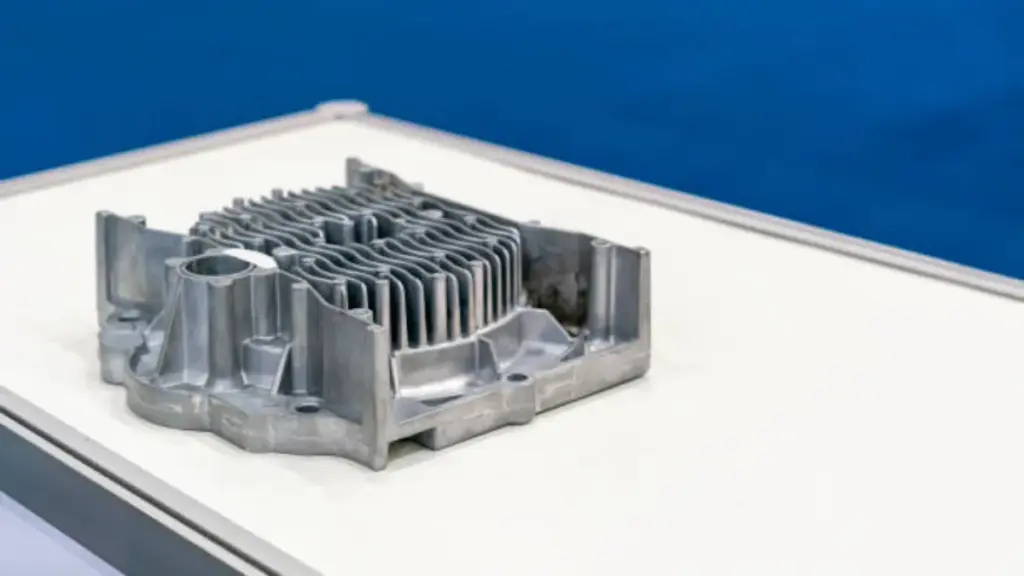
Common applications include electronics housings, power tool cases, paréntesis, and structural covers. It is a practical choice when strength, fundición de pared delgada, and low weight are more important than high-temperature creep resistance.
AM60B Magnesium Alloy for Ductility and Impact Resistance
AM60B contains less aluminum than AZ91D. This gives it better ductility and impact resistance, although its strength and hardness are generally lower.
Its higher elongation helps parts absorb energy and resist cracking under impact. This makes AM60B suitable for components that face sudden loads or require more deformation before failure.
Typical as-cast properties include:
- Resistencia a la tracción: acerca de 220 MPa
- Fuerza de producción: acerca de 130 MPa
- Alargamiento: about 6–8%
- Densidad: approximately 1.80–1.81 g/cm³
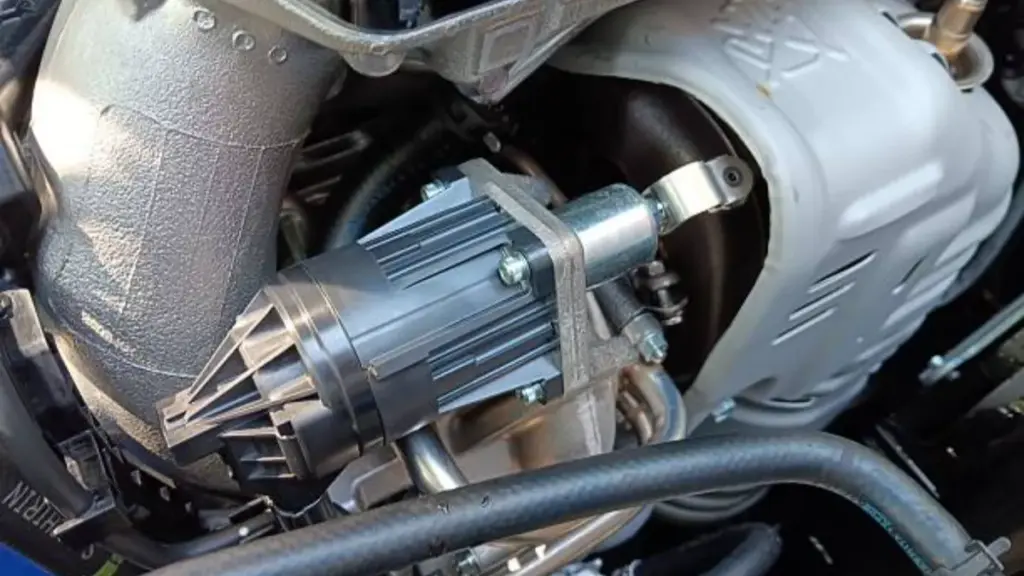
AM60B is commonly used in automotive components such as steering wheel armatures, seat structures, and instrument panel frames. These applications benefit from its balance of strength, ductilidad, and impact performance.
Sin embargo, AM60B is not the best choice when maximum rigidity or high-temperature creep resistance is the main requirement. Buyers should evaluate the actual load conditions and part design before selecting it.
AS41B Magnesium Alloy for Heat and Creep Resistance
AS41B uses silicon as a key alloying element and contains less aluminum than AZ91D. Its composition helps it retain strength and resist creep under elevated-temperature conditions.
Creep is the gradual deformation of a material under a constant load over time. It becomes important when a component operates near a heat source or carries a sustained load at higher temperatures.
AS41B is commonly considered for transmission housings, gearbox components, and other parts exposed to heat. Its main advantage is better high-temperature performance than conventional AZ and AM alloys.
Typical as-cast properties include:
- Resistencia a la tracción: acerca de 225 MPa
- Fuerza de producción: acerca de 140 MPa
- Alargamiento: acerca de 6%
- Densidad: approximately 1.80–1.81 g/cm³
AS41B does not always provide the highest room-temperature strength. Its value comes from retaining useful mechanical properties under heat and load.
Its silicon content also affects casting behavior and surface preparation. Buyers should confirm the required finishing process with the die caster rather than assume that a treatment used for AZ91D will work in the same way.
Magnesium Die Casting Process and Quality Control
Selecting the right alloy is only one part of a successful magnesium die-casting project. Fusión, composition control, diseño de molde, and process stability also affect the final part.
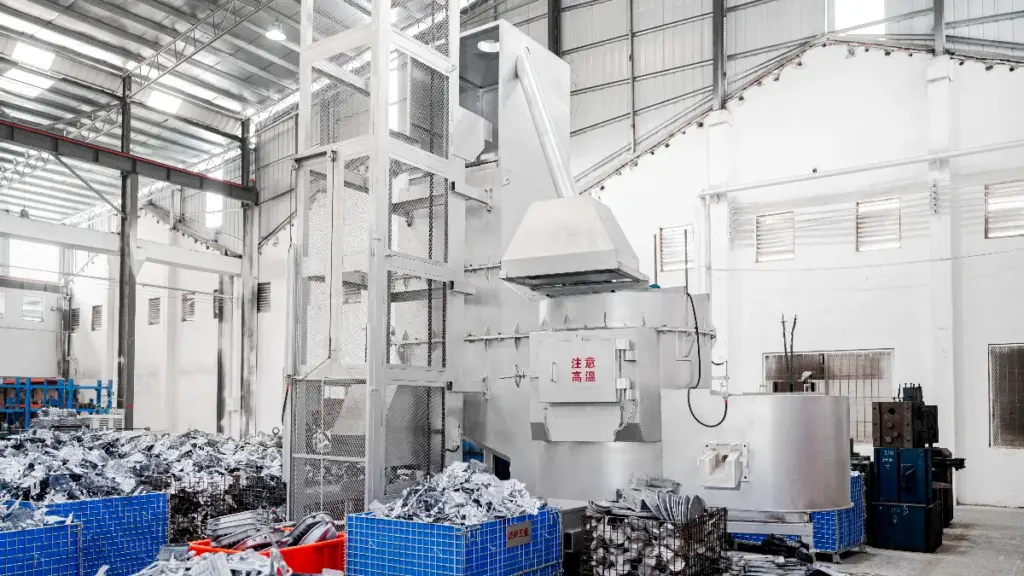
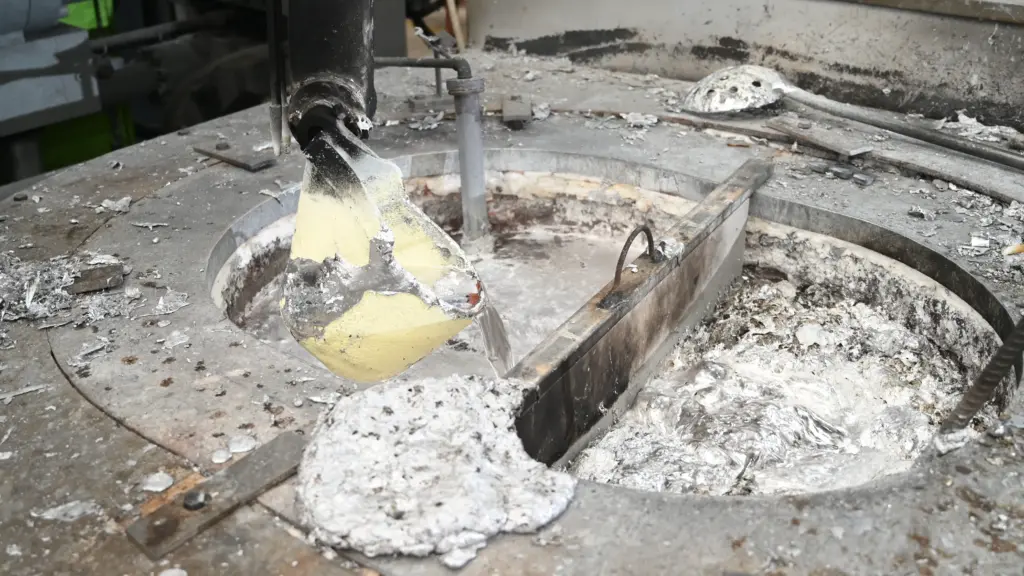
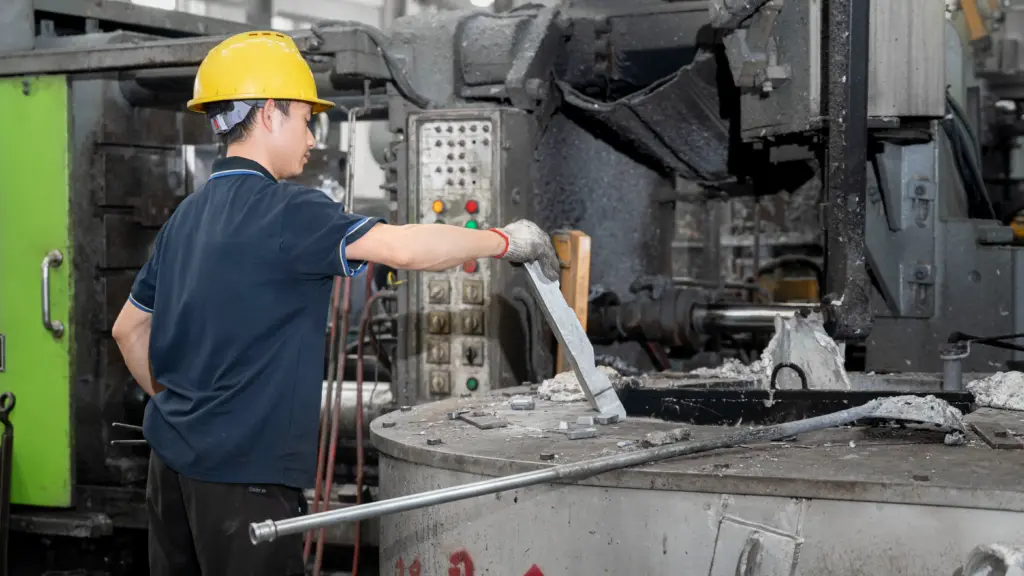
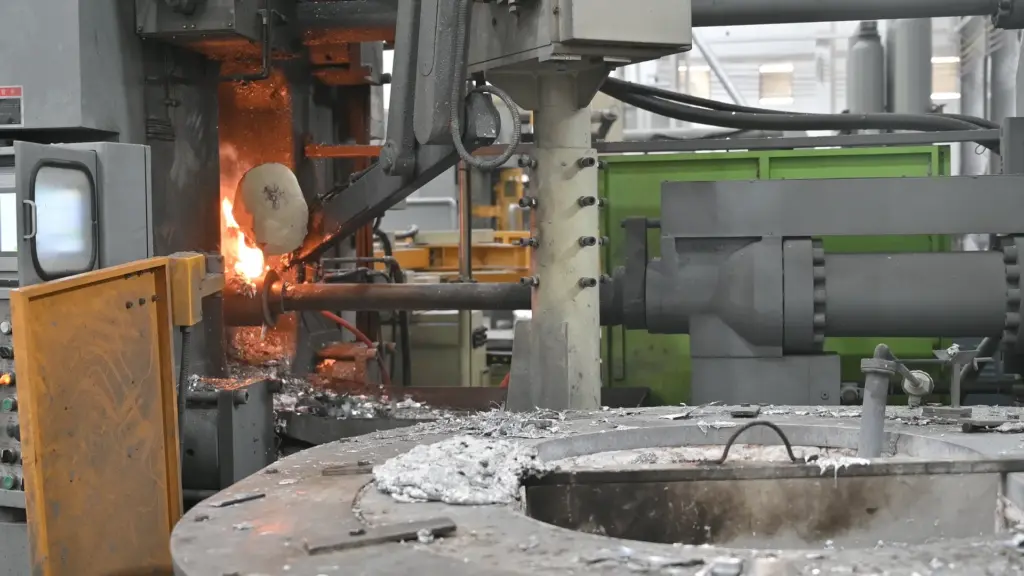
Magnesium alloys are processed using dedicated melting and casting equipment. During melting, iron pickup and other impurities must be controlled because they can reduce corrosion resistance. Incoming material inspection, melt management, and regular composition checks help maintain the required alloy quality.
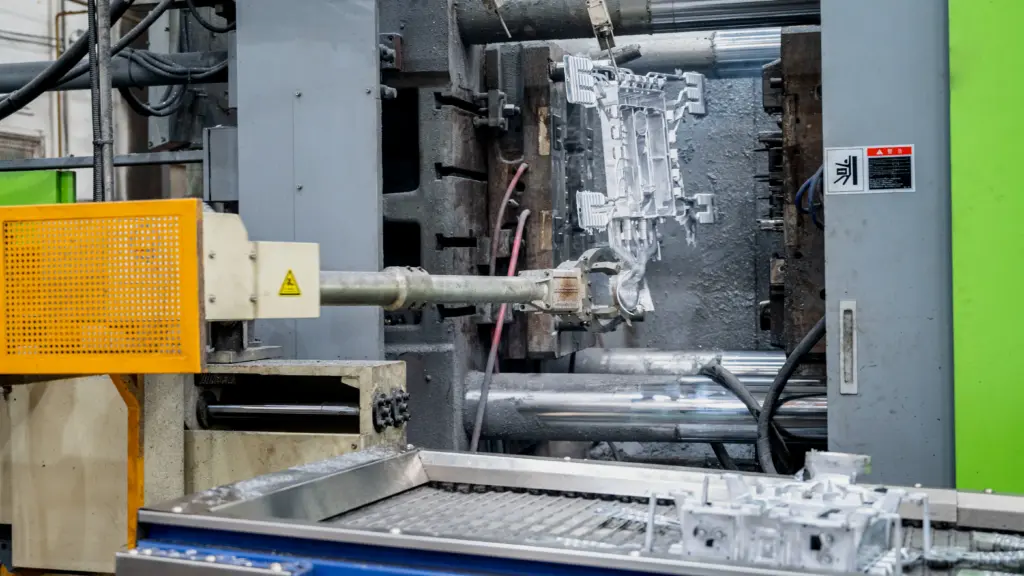
En Bian Diecast, two magnesium cold-chamber die-casting machines support magnesium part production. The process includes a central melting furnace, concentrated remelt refining, incoming material checks, and in-process composition testing every two hours. A direct-reading spectrometer is used to verify alloy composition against the required specification.
Mold design also affects filling, porosidad, contracción, y estabilidad dimensional. Bian Diecast uses Cast-Designer for mold-flow analysis to review gate positions, metal flow, and potential casting defects before tooling begins.
For buyers comparing manufacturing partners, Bian Diecast brings tooling, fundición a presión de magnesio, Mecanizado CNC, and finishing into one production workflow. This helps connect material selection with mold design and downstream processing.
Magnesium melting also requires dedicated fire-prevention measures. Material handling, furnace operation, and emergency response should follow established safety procedures. See our article on magnesium die-casting fire risks and safety controls for more details.
Magnesium Alloy Corrosion Protection and Selection
Magnesium is relatively reactive, so corrosion protection must be part of the material specification. The required treatment depends on the alloy, operating environment, contact with other metals, y vida útil esperada.
Common protection routes include conversion coatings, cuadro, y recubrimiento en polvo. The correct process should be tested on the actual casting because alloy composition and surface condition can affect coating adhesion and corrosion performance.
Two design points deserve attention:
- Control galvanic corrosion: Avoid direct contact between magnesium and more noble metals where moisture can enter. Suitable isolation and sealing methods can reduce corrosion risk.
- Prevent water retention: Design drainage paths and avoid gaps that trap water around fasteners, superficies de contacto, and joints.
The final alloy choice should follow the part’s working conditions:
| Application requirement | Recommended alloy |
|---|---|
| General strength and thin-wall casting | AZ91D |
| Ductility and impact resistance | AM60B |
| Elevated-temperature strength and creep resistance | AS41B |
This table is a starting point, not a substitute for engineering validation. The final choice should consider load, temperatura, geometría, corrosion exposure, and the required surface treatment.
For more information about magnesium’s role in lightweight components, see our article on magnesium die-casting applications. You can also review magnesium alloys for lightweighting when comparing material options for a new design.
Preguntas más frecuentes
What do the letters in magnesium alloy names mean?
The letters name the principal additions: A is aluminum, Z is zinc, S is silicon, M is manganese; the digits approximate their weight percentages, and the trailing letter is the registered variant. AZ91D is about 9% aluminio y 1% zinc, with the D suffix denoting tightened control of impurities, especially iron.
Which magnesium alloy is best for gearbox housings?
An AS-series alloy such as AS41B, because its aluminum-silicon matrix resists creep and retains strength at elevated service temperature where AZ91D softens. Typical specification: Al 3.7–4.8%, Si 0.6–1.4%, Mn 0.35–0.60% per ASTM B93, with a lower iron sensitivity than the AZ and AM families.
Is AM60B stronger than AZ91D?
No — AZ91D carries more aluminum (8.5–9.5% versus 5.6–6.4%) and reaches higher strength and hardness. AM60B is selected for elongation and impact absorption, which is why it dominates crash-relevant automotive parts such as steering-wheel armatures and seat structures. Strength per wall thickness still favors AZ91D.
Why is iron controlled so tightly in magnesium die-casting alloys?
Iron particles act as local cathodes and accelerate matrix corrosion, so die-casting grades cap iron at roughly 0.004% or below. Manganese is added on purpose — it reacts with iron and neutralizes it — which is why AZ and AM specifications state a manganese range rather than a maximum, and why melt handling and crucible wear are tracked as quality items.