Introducción
La selección de materiales rara vez es una simple decisión binaria. cuando los ingenieros, diseñadores de productos, o los responsables de adquisiciones comparan el titanio con el aluminio, Por lo general, equilibran tres ejes críticos.: actuación, viabilidad de fabricación, y control de costos. El "mejor" material depende menos de la superioridad abstracta y más de si el material se alinea con las características mecánicas., ambiental, y requisitos económicos de un proyecto específico.
En la etapa inicial R&D, El debate a menudo se centra en el peso y la fuerza.. Más tarde, a medida que el diseño madura, La atención se centra en la complejidad del mecanizado., escalabilidad de producción, y el impacto presupuestario. Para compradores industriales, especialmente en el sector aeroespacial, automotor, electrónica, y sectores de equipos industriales, Esta comparación se convierte en una evaluación estructurada en lugar de una discusión teórica..
Una de las preguntas más buscadas en este espacio es si el titanio es más fuerte o más ligero.. Consultas como “Es el aluminio más ligero que el titanio” y “peso de titanio versus aluminio” revelan que quienes toman decisiones no solo buscan datos sin procesar, sino que buscan orientación práctica. Este artículo proporciona una comparación sistemática para respaldar esa decisión..
Diferencias clave en propiedades mecánicas
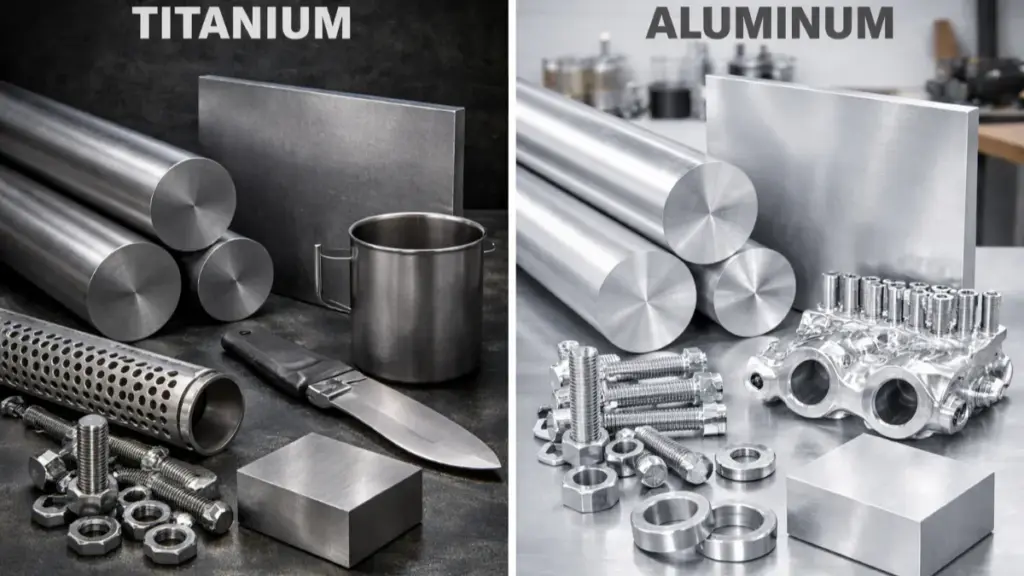
A nivel mecanico, El titanio y el aluminio difieren significativamente en densidad., resistencia a la tracción, rigidez (módulo de Young), y rendimiento ante la fatiga. Estos parámetros influyen directamente en la integridad estructural., factores de seguridad, y durabilidad a largo plazo.
A continuación se muestra una comparación simplificada de aleaciones comercialmente comunes, como 6061 aluminio y Calificación 5 (Ti-6Al-4V) titanio.
| Propiedad | Aluminio (6061) | Titanio (Ti-6Al-4V) |
|---|---|---|
| Densidad | ~2,7 g/cm³ | ~4,5 g/cm³ |
| Resistencia a la tracción | ~310MPa | ~900MPa |
| Fuerza de producción | ~275MPa | ~830MPa |
| Módulo de Young | ~69 GPa | ~110 GPa |
| Punto de fusión | ~660°C | ~1668°C |
De esta comparación, Surgen dos conclusiones fundamentales.:
- El titanio es significativamente más fuerte..
- El aluminio es sustancialmente más ligero por unidad de volumen..
La elección mecánica, Por lo tanto, depende de si la aplicación está limitada por el estrés o por el peso..
Relación resistencia-peso en diseño estructural
La relación resistencia-peso es donde el debate entre titanio y aluminio adquiere matices.. Aunque el titanio es aproximadamente 60% más denso que el aluminio, su resistencia a la tracción puede ser casi tres veces mayor dependiendo de la selección de la aleación..
Esto significa que para un componente diseñado estrictamente en torno a la capacidad de carga, Es posible que se requiera menos titanio para lograr la misma resistencia estructural.. En algunos diseños optimizados, esto puede compensar su mayor densidad. Sin embargo, Eso no significa automáticamente que las piezas de titanio sean más ligeras..
Al evaluar el peso del aluminio frente al titanio, Los ingenieros deben considerar la geometría y el espesor de la pared.. Si ambos materiales se utilizan en formas idénticas, El aluminio siempre pesará menos debido a su menor densidad.. Esto responde directamente a la pregunta común.: ¿Es el aluminio más ligero que el titanio?? Sí, El aluminio tiene menor densidad y es más ligero por centímetro cúbico..
Sin embargo, si el componente de titanio se puede diseñar más delgado debido a una mayor resistencia, la diferencia de masa final puede reducirse.
Esta compensación impulsada por el diseño es especialmente relevante en los sectores aeroespaciales., componentes de deportes de motor, y productos de consumo de alto rendimiento donde los gramos importan pero los márgenes de seguridad no pueden verse comprometidos.
Resistencia a la corrosión y rendimiento a altas temperaturas
La resistencia ambiental es otro factor decisivo.
Resistencia a la corrosión
El titanio forma una capa de óxido altamente estable y autorreparable., proporcionando una resistencia excepcional a:
- Agua de mar
- Cloruros
- Ambientes ácidos
- Exposición biomédica
El aluminio también forma una capa de óxido natural., pero es menos robusto en condiciones químicas o marinas agresivas. En muchos usos industriales, el aluminio requiere anodizado, recubrimiento en polvo, u otros tratamientos superficiales para mejorar la durabilidad.
Rendimiento a alta temperatura
La diferencia en el punto de fusión es dramática.:
- Aluminio: ~660°C
- Titanio: ~1668°C
Esto define su idoneidad en ambientes de temperatura elevada.. El titanio mantiene la integridad estructural a temperaturas en las que el aluminio se ablandaría significativamente.. Por esta razón, El titanio se usa ampliamente en motores de aviones., sistemas de escape, y conjuntos críticos para el calor.
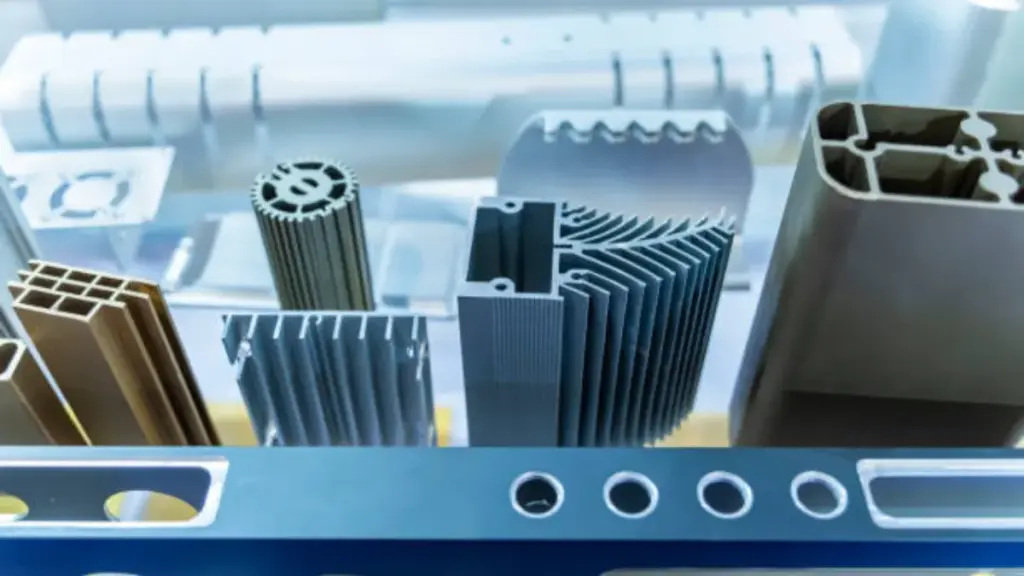
Aluminio, por el contrario, sobresale en disipación de calor en lugar de resistencia al calor. Su alta conductividad térmica lo hace ideal para:
- Disipadores de calor
- Carcasas electrónicas
- Cerramientos de iluminación LED
- Carcasas de batería
De este modo, la comparación no se trata de cuál es “mejor,”pero si el diseño exige resistencia térmica o conductividad térmica.
Complejidad de mecanizado y fabricación
La viabilidad de la fabricación a menudo se convierte en el factor de coste oculto en las decisiones sobre el titanio frente al aluminio..
Maquinabilidad
El aluminio es conocido por su excelente maquinabilidad.:
- Altas velocidades de corte
- Bajo desgaste de herramientas
- Buen acabado superficial
- Formación de viruta estable
El titanio presenta el desafío opuesto:
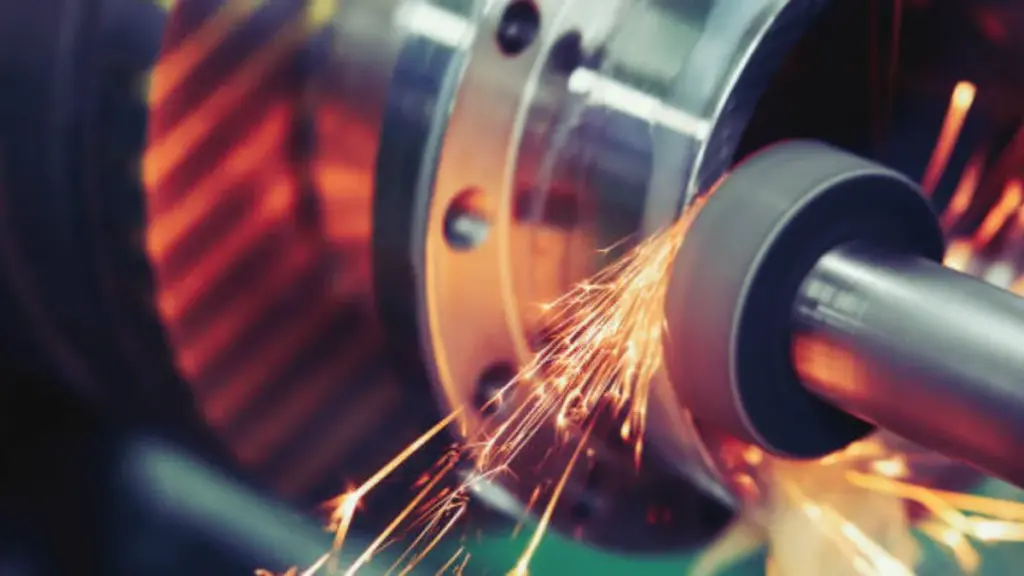
- Baja conductividad térmica (El calor se concentra en la vanguardia.)
- Desgaste rápido de la herramienta
- Velocidades de corte más lentas
- Mayor costo de herramientas
Esta diferencia afecta significativamente la eficiencia de la producción y el tiempo del ciclo..
Fundición y conformado
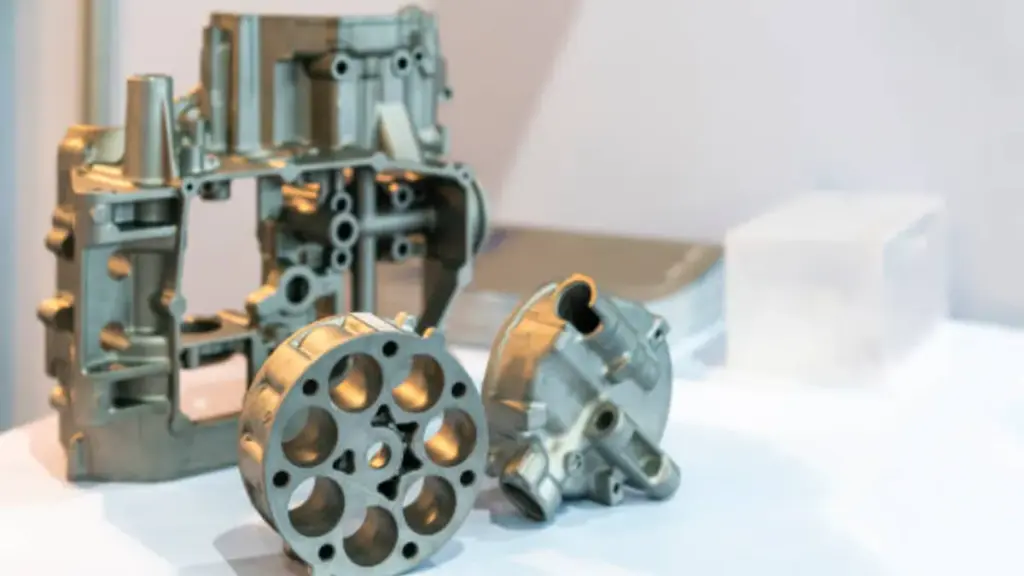
El aluminio se utiliza ampliamente en la fundición a presión., fundición por gravedad, y mecanizado CNC. Su punto de fusión más bajo lo hace energéticamente eficiente para procesos de fundición y adecuado para producción a gran escala..
La fundición de titanio es técnicamente posible pero mucho más compleja, normalmente requieren entornos de vacío y moldes especializados. Rara vez se utiliza en fundición a presión de gran volumen debido a limitaciones de costo y proceso..
Para empresas que diseñan cerramientos, carcasas, soportes estructurales, o piezas de automóviles, El aluminio ofrece una capacidad de fabricación escalable que el titanio no puede igualar económicamente..
Diferencias de costos desde la materia prima hasta la producción
Costo de Materia Prima
La materia prima de titanio puede costar entre 5 y 10 veces más que el aluminio, dependiendo del grado de aleación y las condiciones del mercado.
Costo de procesamiento
El titanio requiere:
- Herramientas especializadas
- Velocidades de mecanizado más lentas
- Reemplazo de herramientas más frecuente
- Mayor aporte de energía
Ofertas de aluminio:
- Ciclos de producción más rápidos
- Menor tiempo de inactividad de la máquina
- Más disponibilidad de proveedores
Cuando se evalúa el costo total de propiedad, incluido el material, mecanizado, refinamiento, y tasa de desechos: el aluminio con frecuencia ofrece ventajas económicas sustanciales para aplicaciones no extremas.
Para productos industriales de gran volumen, esta diferencia se agrava dramáticamente.

Aplicaciones típicas en la industria aeroespacial y la industria
La decisión material final se vuelve más clara al examinar aplicaciones del mundo real..
Aplicaciones de titanio
- Componentes de motores aeroespaciales
- Piezas estructurales de fuselaje
- Implantes medicos (biocompatibilidad)
- Deportes de motor de alto rendimiento
La alta resistencia del titanio, resistencia a la fatiga, y la estabilidad a la corrosión justifican su coste superior en estos sectores.
Aplicaciones de aluminio
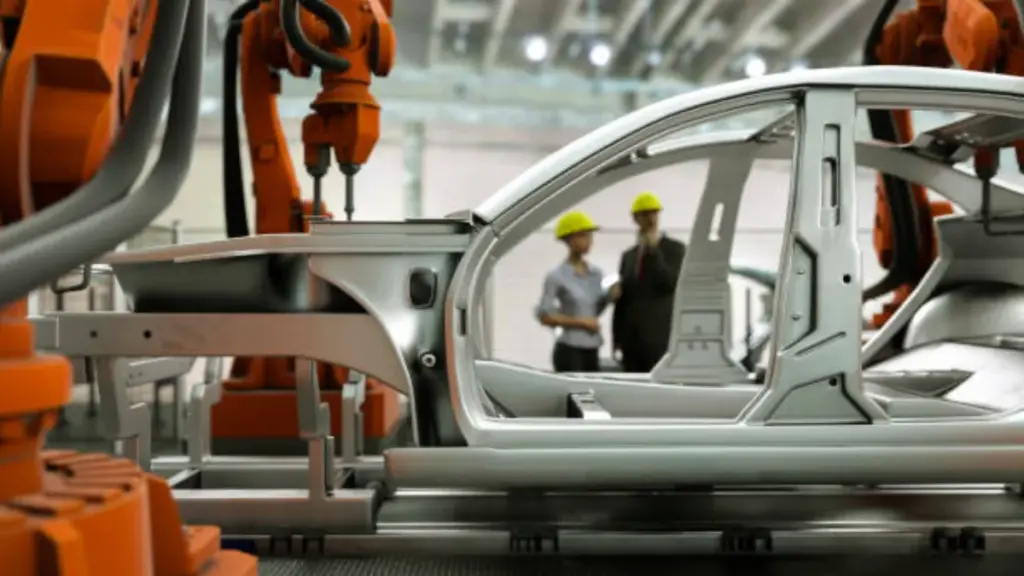
- Componentes estructurales automotrices
- Cajas electrónicas
- Disipadores de calor y sistemas de refrigeración.
- Viviendas industriales
- Productos de consumo
En estas aplicaciones, ahorro de peso, capacidad de fabricación, y la rentabilidad superan los requisitos de resistencia extrema.
La adopción generalizada del aluminio en el transporte y la electrónica refleja una relación equilibrada entre rendimiento y costo..
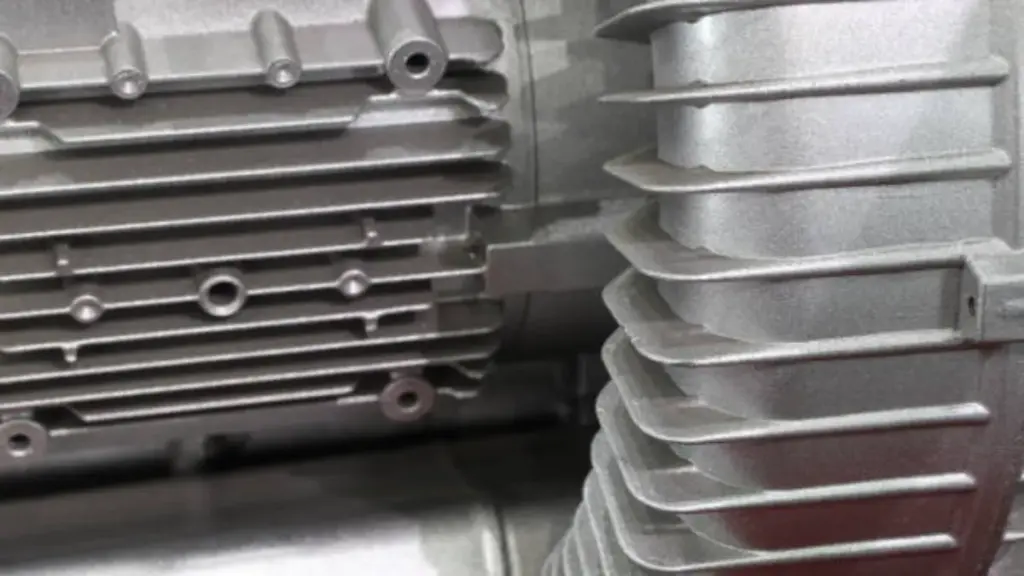
Cuando la fundición a presión de aluminio es la solución práctica
Después de comparar el rendimiento, capacidad de fabricación, y costo, Muchos proyectos industriales finalmente convergen en el aluminio, particularmente cuando la escalabilidad y la adecuación estructural se alinean..
Para empresas que requieren formas complejas, tolerancias estrictas, y calidad de producción repetible, La fundición a presión se convierte en una ruta de fabricación lógica..
Si su proyecto requiere componentes de aluminio, especialmente en volúmenes medianos a altos, trabajar con un fabricante especializado puede reducir significativamente el tiempo de desarrollo y el riesgo de la cadena de suministro..
BIAN Opera como un fabricante integral de fundición a presión de aluminio., proporcionando soluciones integradas desde el diseño de moldes y el desarrollo de herramientas hasta fundición, mecanizado, acabado de superficies, e inspección de calidad. Esta capacidad de extremo a extremo permite a los compradores:
- Agilizar la coordinación de proveedores
- Reducir los plazos de entrega
- Mejorar la previsibilidad de costos
- Mantener la consistencia dimensional
En lugar de buscar múltiples proveedores para realizar casting, Mecanizado CNC, y terminando, Un socio consolidado de fundición a presión simplifica la ejecución y respalda la producción a escala..
En decisiones de selección de materiales donde el aluminio es técnicamente suficiente y económicamente racional., La capacidad de fabricación se convierte en la próxima ventaja estratégica..
Conclusión
La comparación entre titanio y aluminio no se trata de declarar un ganador universal. Es una evaluación estructurada de compensaciones.:
- El titanio ofrece fuerza superior y resistencia a la corrosión..
- El aluminio ofrece una menor densidad., mecanizado más fácil, y rentabilidad.
- El titanio funciona mejor en ambientes térmicos y químicos extremos.
- El aluminio sobresale en disipación de calor y fabricación escalable.
Si su proyecto prioriza la máxima resistencia en ambientes hostiles y el costo es secundario, el titanio puede estar justificado.
Si su diseño requiere una construcción liviana, producción eficiente, y control presupuestario, especialmente a escala, el aluminio es a menudo la solución más práctica.
Por último, La selección exitosa del material depende de la alineación de los requisitos mecánicos., exposición ambiental, método de producción, y limitaciones económicas. Cuando esos factores se evalúan cuidadosamente, La respuesta entre titanio y aluminio queda clara en el contexto de sus objetivos de ingeniería específicos..