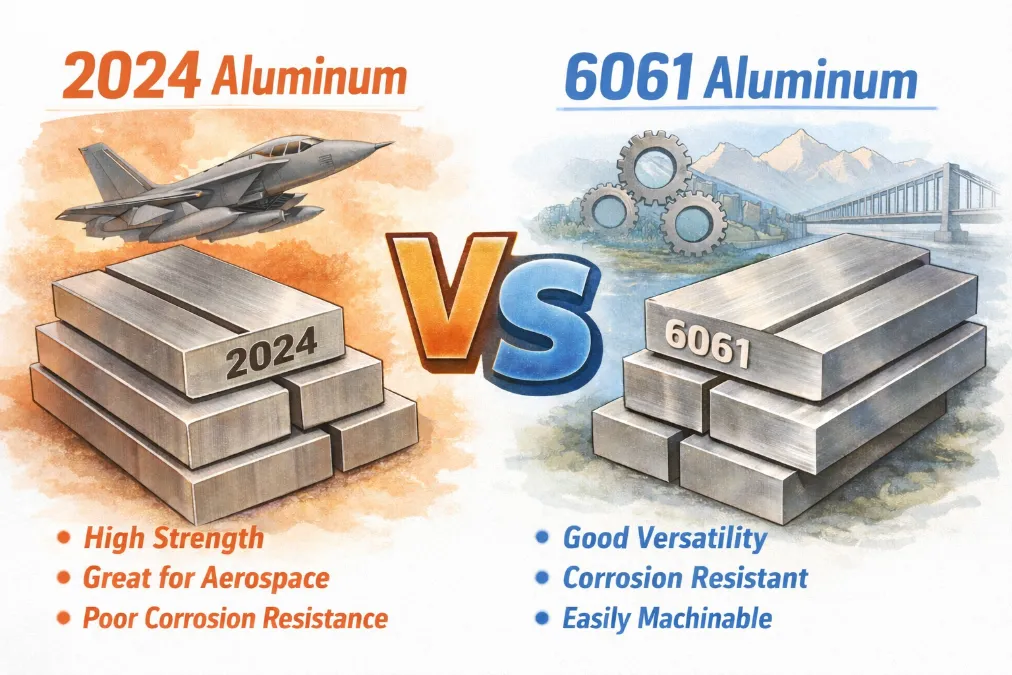
2024 l'aluminium et 6061 l'aluminium appartient à des familles d'alliages fondamentalement différentes. On donne la priorité à la haute résistance et à la résistance à la fatigue; l'autre équilibre les performances mécaniques et la soudabilité, résistance à la corrosion, et une large fabricabilité.
Ce guide fournit une comparaison techniquement fondée, y compris 2024-T3 contre 6061-T6, considérations de durabilité environnementale, et une approche structurée de sélection d’ingénieurs.
Distinctions chimiques et métallurgiques des alliages
La différence fondamentale entre 2024 et 6061 réside dans leurs systèmes d’alliage et leurs mécanismes de durcissement par précipitation. Pour donner un aperçu clair, voici un résumé de leurs compositions chimiques et de leurs principales caractéristiques métallurgiques:
| Propriété | 2024 Aluminium (2série xxx) | 6061 Aluminium (6série xxx) |
|---|---|---|
| Élément d'alliage primaire | Cuivre (3.8–4,9%) | Magnésium (~1,0%) + Silicium (~0,6%) |
| Éléments secondaires | Magnésium, Manganèse | Chrome, Trace de cuivre |
| Mécanisme de renforcement | Durcissement par précipitation Al₂Cu | Durcissement par précipitation de Mg₂Si |
| Dureté typique | ~120 HB | ~95 HB |
| Résistance à la corrosion | Équitable, a besoin d'un bardage ou d'un revêtement | Bien, naturellement résistant |
| Soudabilité | Pauvre, susceptible de se fissurer à chaud | Excellent, largement utilisé dans la fabrication |
Le cuivre augmente considérablement les performances de résistance et de fatigue dans 2024, mais réduit également la résistance à la corrosion et la soudabilité. En revanche, le système Mg-Si dans 6061 forme des précipités stables qui offrent une résistance modérée tout en préservant la ductilité et la durabilité environnementale.
D'un point de vue métallurgique:
6061 donne la priorité à la polyvalence et à la flexibilité de traitement.
2024 donne la priorité à la performance structurelle.
2024-Comparaison des propriétés T3 et 6061-T6
Dans l'ingénierie du monde réel, ces alliages sont généralement utilisés dans des états spécifiques:
- 2024-T3: Solution traitée thermiquement, travaillé à froid, vieilli naturellement
- 6061-T6: Solution traitée thermiquement, vieilli artificiellement
Vous trouverez ci-dessous une comparaison de propriétés représentative:
| Propriété | 2024-T3 | 6061-T6 |
|---|---|---|
| Limite d'élasticité | ~324 MPa | ~276 MPa |
| Résistance à la traction ultime | ~469 MPa | ~310 MPa |
| Résistance à la fatigue | Haut | Modéré |
| Élongation | ~20% | ~12% |
| Résistance à la corrosion | Équitable | Bien |
| Soudabilité | Pauvre | Excellent |
L'écart de résistance est substantiel : des performances de traction souvent supérieures de 40 à 60 % pour le 2024-T3. Cependant, 6061-Le T6 offre une rétention mécanique après soudage plus prévisible et une compatibilité de fabrication plus large.
Performances mécaniques sous charges statiques
Dans des conditions de chargement statique, 2024 démontre une capacité portante supérieure en raison de son rendement et de sa résistance à la traction plus élevés. Cela le rend approprié pour:
- Revêtements structurels pour avions
- Supports pour charges élevées
- Composants mécaniques nécessitant une efficacité pondérale
Cependant, la force seule ne définit pas la performance. 6061 expositions:
- Comportement contrainte-déformation plus uniforme
- Meilleure ductilité dans les extrusions structurelles
- Tolérance plus élevée aux contraintes résiduelles induites par la fabrication
Le module élastique reste similaire pour les deux alliages (~69 GPa), ce qui signifie que la rigidité sous chargement élastique est comparable. La principale différence réside dans la contrainte admissible avant le début de la déformation plastique..
Lors de la conception pour un rapport résistance/poids maximal, 2024 surpasse généralement. Lorsque les contraintes de conception incluent l'assemblage, usinage, ou exposition à la corrosion, 6061 devient souvent la solution la plus pratique.
Résistance à la fatigue et aux charges structurelles
La performance en fatigue est un avantage déterminant de 2024 aluminium.
Sous chargement cyclique, notamment dans les structures aérospatiales, l'initiation et le comportement de propagation des fissures déterminent la durée de vie. La microstructure riche en cuivre de 2024 améliore la résistance à la croissance des fissures de fatigue, ce qui le rend parfaitement adapté à:
- Structures d'ailes d'avion
- Peaux de fuselage
- Liaisons mécaniques à cycle élevé
6061 fonctionne correctement dans des environnements cycliques modérés, mais montre généralement des limites d'endurance inférieures à celles des 2024.
Dans les systèmes dynamiques où les vibrations, stress répété, ou l'inversion de charge domine, 2024 offre une plus grande fiabilité structurelle, en supposant que la corrosion soit correctement gérée.
Processus de fabrication et praticité
Du point de vue de la production, 6061 est beaucoup plus indulgent.
Usinage
- 2024: Produit des copeaux plus courts, excellent potentiel d'état de surface
- 6061: Très usinable, largement disponible en profils extrudés
Soudage
- 2024: Sensible aux fissures à chaud, perte de résistance significative dans la zone affectée par la chaleur
- 6061: Excellente soudabilité, largement utilisé dans la fabrication structurelle
Formage et Extrusion
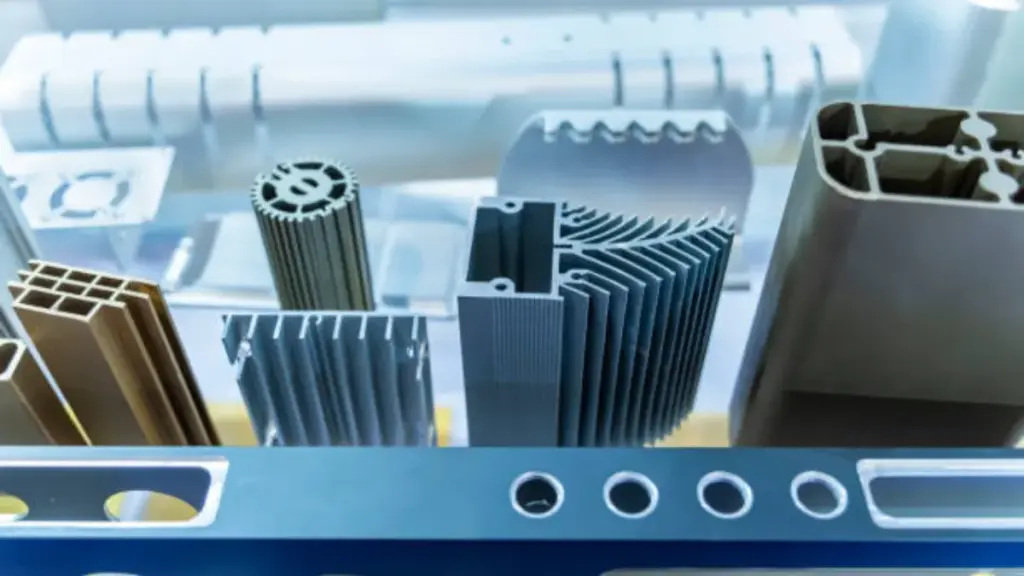
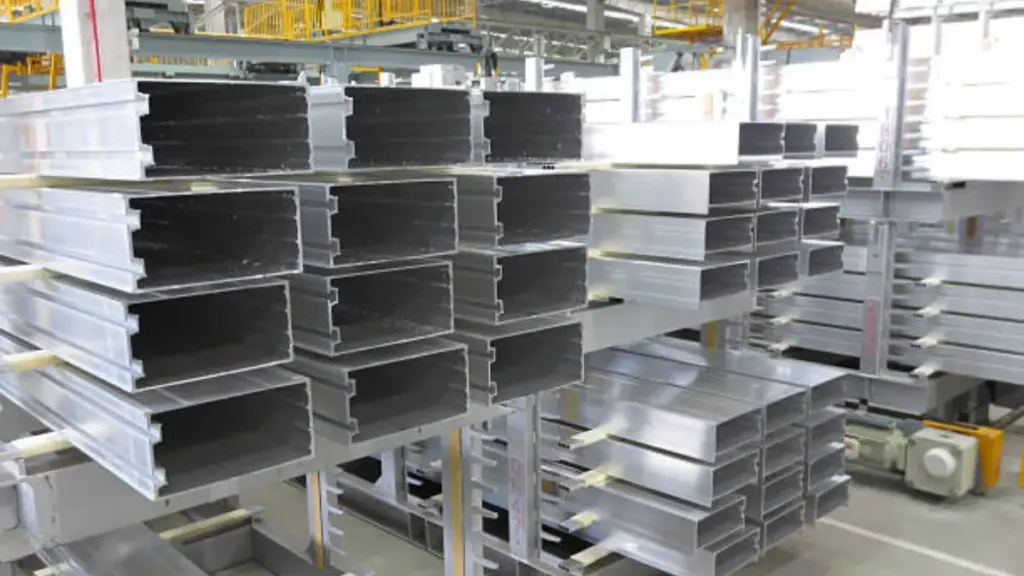
6061 est particulièrement adapté à l'extrusion et aux sections transversales complexes, ce qui le rend courant dans les structures architecturales et automobiles.
Quand envisager plutôt le moulage d’aluminium
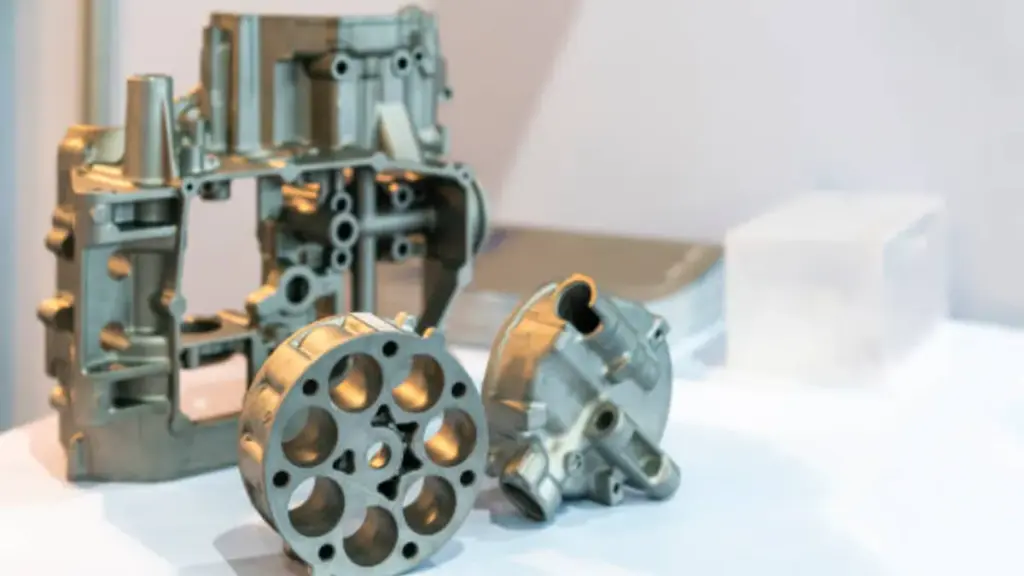
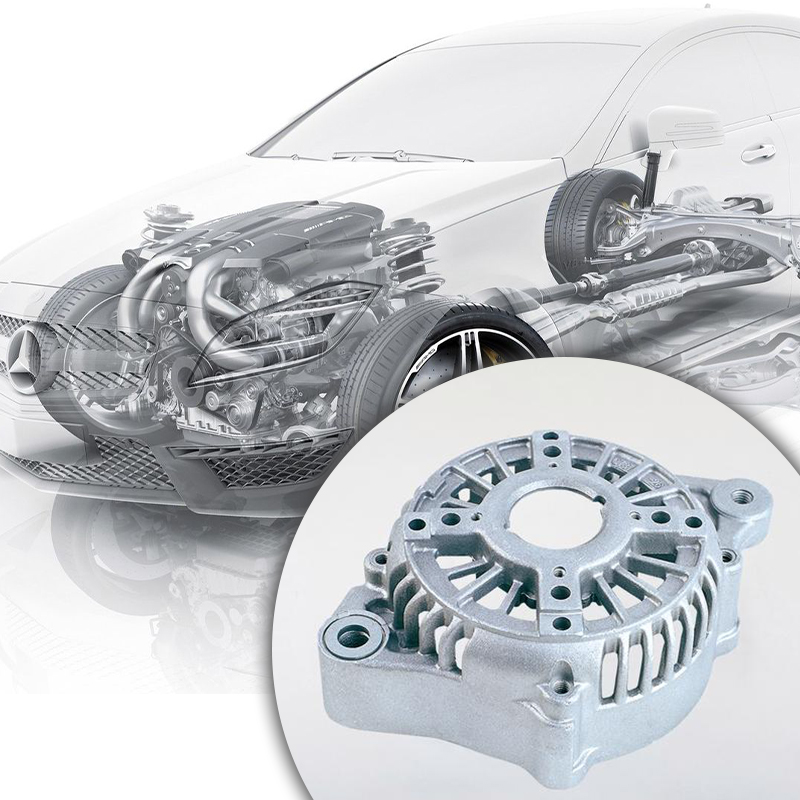
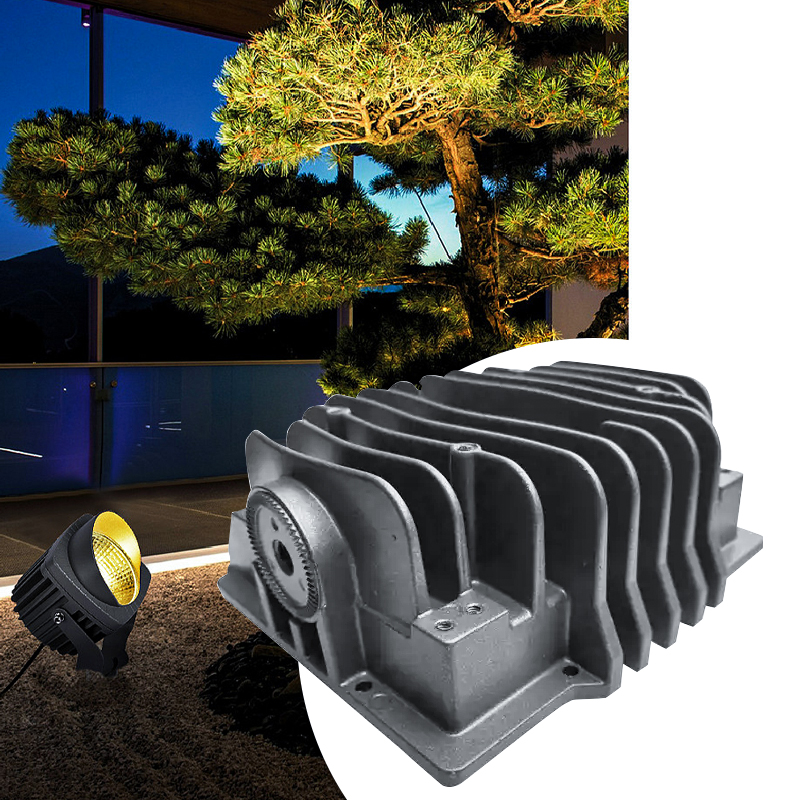
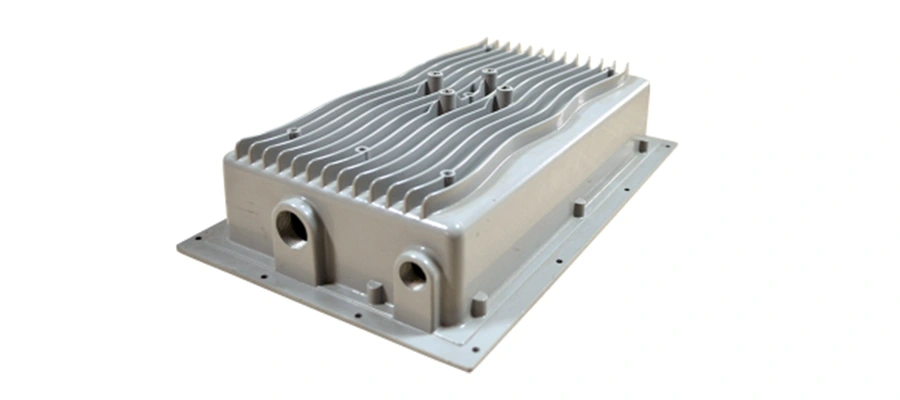
Pour les géométries complexes nécessitant des nervures, les patrons, ou boîtiers intégrés, alliages corroyés comme 2024 ou 6061 peut-être pas optimal. Dans de tels cas, le moulage sous pression en aluminium peut offrir:
- Production proche de la forme nette
- Étapes d'usinage réduites
- Caractéristiques structurelles intégrées
Pour les fabricants évaluant des alternatives, Bian moulé sous pression fournit des solutions de moulage sous pression en aluminium à guichet unique. Au lieu d'usiner des assemblages en plusieurs parties à partir de 6061 billet, les ingénieurs peuvent consolider les composants en une seule pièce coulée, améliorer la rentabilité et l’évolutivité de la production.
Cette approche est particulièrement avantageuse lorsque les exigences de résistance ne nécessitent pas de qualité aérospatiale. 2024 mais exigent une fiabilité structurelle et une complexité géométrique.
Votre partenaire unique en matière de moulage sous pression d'aluminium
Comportement à la corrosion et durabilité environnementale
L'exposition environnementale influence considérablement la sélection des matériaux.
Conditions atmosphériques
6061 fonctionne bien dans les environnements extérieurs standards grâce à sa couche d'oxyde stable.
Milieux marins
6061 présente une meilleure résistance à la corrosion par l'eau salée.
2024 est plus vulnérable et nécessite souvent:
- Bardage Alclad
- Anodisation
- Revêtements de protection
Corrosion Galvanique
En raison de la teneur en cuivre, 2024 est plus sensible dans les assemblages métalliques différents.
Zones industrielles ou à forte humidité
6061 maintient une meilleure stabilité à long terme avec moins de dégradation de la surface.
Pour environnements corrosifs, 6061 est généralement préféré à moins que les exigences de résistance structurelle l’emportent sur les problèmes de corrosion
Applications typiques et cas d'utilisation de l'industrie
2024 Applications
- Composants structurels aérospatiaux
- Pièces mécaniques soumises à de fortes contraintes
- Supports critiques pour les performances
6061 Applications
- Cadres de vélo
- Composants automobiles
- Accastillage marin
- Cadres structurels
- Boîtiers pour appareils électroniques grand public
Cependant, la fabrication moderne remplace fréquemment l'usinage 6061 composants en aluminium moulé sous pression pour une meilleure intégration et une optimisation des coûts.
Lignes directrices de sélection environnementale pour les ingénieurs
A choisir entre 2024 aluminium contre 6061 efficacement, les ingénieurs devraient évaluer:
- Type de charge
Charge statique élevée → 2024
Charge structurelle modérée → 6061 - Exigence de fatigue
Contrainte cyclique élevée → 2024 - Gravité environnementale
Marin ou corrosif → 6061 - Méthode de fabrication
Soudure requise → 6061
Usinage de précision uniquement → Soit - Complexité de la géométrie
Boîtier multifonction → Pensez au moulage en aluminium - Contraintes budgétaires
Haute disponibilité, moindre coût → 6061 - Considérations sur le cycle de vie
Environnement nécessitant beaucoup de maintenance → 6061 préféré
Conclusion
La comparaison de 2024 aluminium contre 6061 reflète en fin de compte un compromis entre des performances structurelles maximales et la praticité de la fabrication.
- 2024-Le T3 offre une solidité et une résistance à la fatigue supérieures, mais nécessite une protection contre la corrosion et un contrôle minutieux de la fabrication.
- 6061-T6 offre une force équilibrée, excellente soudabilité, et une forte durabilité environnementale.
Pour des performances structurelles de qualité aérospatiale, 2024 reste dominant. Pour une fabrication industrielle polyvalente, 6061 continue d'être le choix le plus économique et le plus adaptable. Dans les applications nécessitant des géométries complexes ou des structures intégrées, la transition vers le moulage sous pression de l'aluminium par l'intermédiaire de fabricants spécialisés tels que MAG-CAST peut apporter une efficacité et une évolutivité supplémentaires.
La sélection technique ne consiste pas à déterminer quel alliage est « le meilleur »,» mais qui correspond le plus précisément aux exigences de performance, exposition environnementale, et stratégie de fabrication.