De nombreux projets d'éclairage extérieur évaluent les performances des luminaires en fonction de l'efficacité des LED, qualité du pilote, ou indice IP, tout en négligeant le rôle du moulage sous pression des boîtiers légers. En réalité, le processus de coulée affecte directement la façon dont un boîtier gère la chaleur, maintient la stabilité structurelle, et fonctionne dans des conditions extérieures à long terme.
Comprendre la relation entre le moulage sous pression et les performances des luminaires extérieurs aide les fabricants et les acheteurs OEM à prendre des décisions plus éclairées en matière de conception et d'approvisionnement.. Il fournit également une base plus claire pour évaluer la qualité du logement, améliorer la fiabilité des produits, et obtenir une durée de vie plus longue dans des environnements extérieurs exigeants.
Comprendre le moulage sous pression des boîtiers d'éclairage pour les luminaires extérieurs
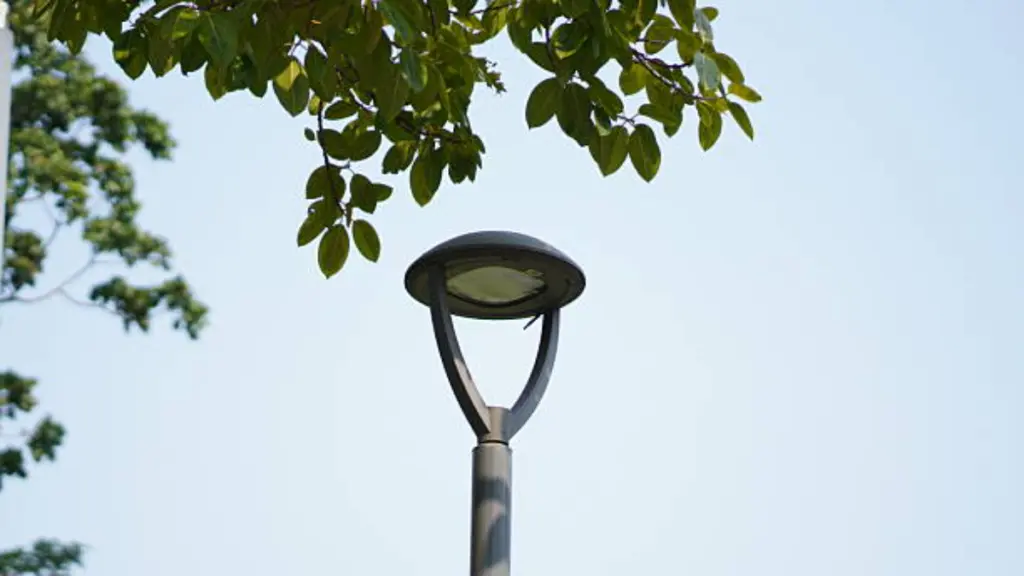
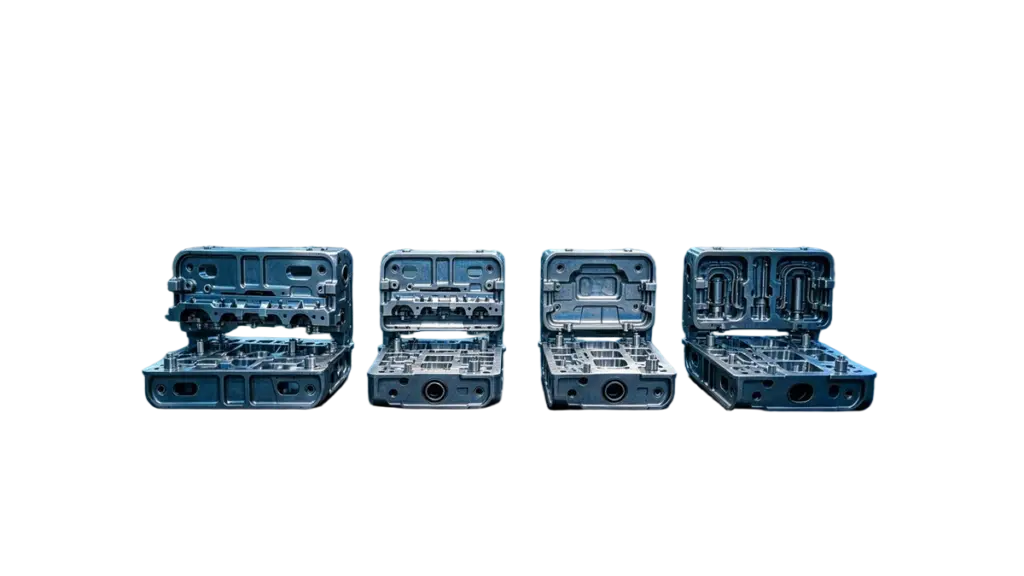
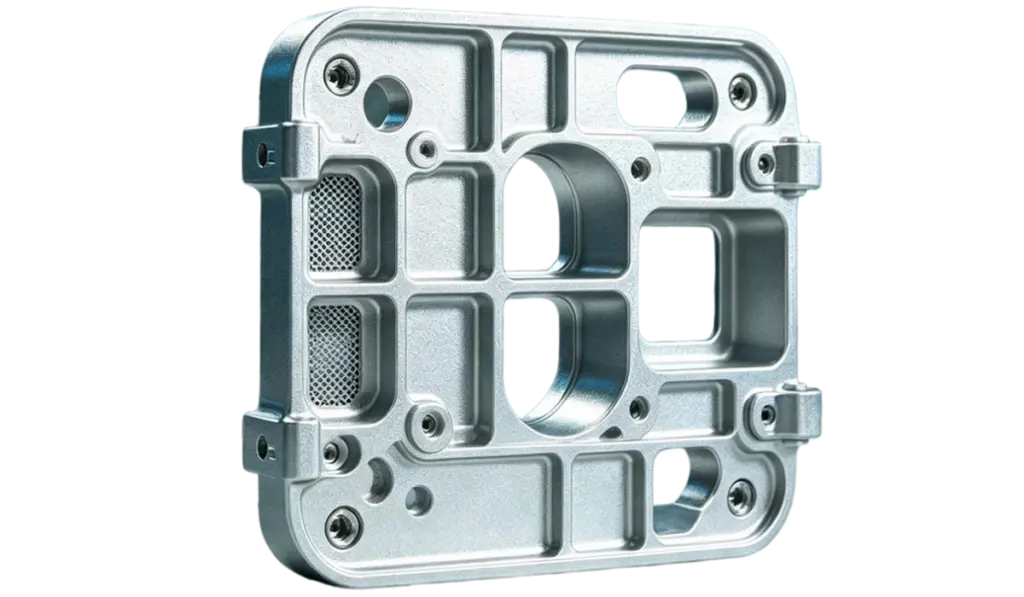
Le moulage sous pression du boîtier d'éclairage est un processus qui injecte de l'aluminium fondu dans un moule en acier pour former un boîtier d'éclairage extérieur monobloc.. Il est utilisé pour produire des boîtiers métalliques précis et durables pour les luminaires extérieurs..
Contrairement aux structures en plusieurs parties, il crée un boîtier intégré où la géométrie et le matériau sont formés ensemble en une seule étape de fabrication.
Le rôle système du moulage sous pression dans l’éclairage extérieur peut être résumé comme suit:
| Domaine de performance | Avantage du moulage sous pression |
|---|---|
| Résistance structurelle | Haute rigidité grâce à une structure monobloc en aluminium |
| Cohérence dimensionnelle | Géométrie stable tout au long de la production de masse à l'aide de moules en acier |
| Performance thermique | Transfert de chaleur efficace grâce au corps en aluminium intégré |
| Précision d'étanchéité | Compression fiable du joint à partir de surfaces de contact précises |
| Durabilité à long terme | Points faibles réduits grâce à l'intégration de pièces |
Comment les structures moulées sous pression améliorent la résistance et la cohérence

Le moulage sous pression à haute pression crée une densité dense, boîtiers d'éclairage de forme presque nette avec des microstructures uniformes. Ce processus garantit la rigidité structurelle et la répétabilité dimensionnelle sur les séries de production à haut volume.
Mécanismes pour améliorer la résistance structurelle
L'intégrité mécanique d'un boîtier de luminaire dépend directement de sa structure matérielle interne. Le moulage sous pression modifie les propriétés du métal pour supporter des charges physiques plus lourdes grâce à quelques mécanismes principaux.
- Injection haute pression: Force le métal en fusion à remplir complètement les cavités, créer dense, pièces à faible porosité avec une intégrité structurelle supérieure.
- Refroidissement rapide: La congélation rapide du métal dans les matrices en acier forme une microstructure uniforme qui améliore la capacité portante et la résistance à la fatigue..
- Renfort à géométrie contrôlée: Les ingénieurs placent les nervures et les bossages de manière stratégique pour augmenter la rigidité des composants sans ajouter de masse inutile.
Pour une explication plus approfondie de L'application & Avantages des produits de moulage sous pression en aluminium, nous l'avons couvert dans un article séparé.
Facteurs de processus déterminant la cohérence dimensionnelle
La variation détruit les chaînes de montage et les indices de protection IP. Le moulage sous pression minimise les différences d'une pièce à l'autre, garantissant que chaque boîtier s'aligne parfaitement avec l'électronique interne et les joints d'accouplement.
- Matrices en acier réutilisables: Fournissez une géométrie de pièce hautement reproductible afin que les unités successives correspondent exactement en termes de dimensions et d'état de surface.
- Contrôle dimensionnel strict: Minimise les variations d'ajustement et d'alignement, un facteur critique pour l’accouplement avec les phoques, couvre, et attaches.
- Production proche de la forme nette: Forme la majeure partie de la géométrie finale directement dans l'outil, réduisant les variations normalement introduites par les opérations d'usinage secondaire.
Éléments de conception clés pour des performances optimisées
Pour maximiser les avantages structurels du moulage sous pression, les ingénieurs doivent optimiser conceptions de logements spécifiquement pour l'écoulement du métal en fusion et la solidification rapide.
- Épaisseur de paroi uniforme: Favorise un refroidissement uniforme sur toute la pièce, réduisant considérablement le risque de déformation et de retrait.
- Conception appropriée des nervures: Augmente la rigidité globale tout en évitant les sections épaisses localisées qui déclenchent souvent des défauts de coulée.
- Transitions et congés arrondis: Réduit les concentrations de contraintes et aide l'alliage à s'écouler en douceur pendant la phase d'injection à grande vitesse.
Avantages pratiques dans les applications de logements légers
Lorsque ces disciplines de fabrication s'alignent, les boîtiers résultants offrent des avantages opérationnels distincts pour l'extérieur, industriel, et systèmes d'éclairage commerciaux.
- Rigidité des parois minces: Maintient la légèreté des boîtiers tout en conservant la résistance fonctionnelle et la rigidité nécessaires pour les environnements difficiles.
- Géométrie interne stable: Des garanties fiables, alignement à long terme pour l'optique, dissipateurs de chaleur, points de montage, et étanchéité des interfaces.
- Performances de fatigue améliorées: Assure la durabilité des boîtiers exposés aux vibrations continues du vent ou aux cycles thermiques répétés jour-nuit.
Vous pouvez en apprendre davantage sur la durée de vie des boîtiers de lampadaires LED dans notre article dédié.
Moulage sous pression personnalisé haut de gamme pour votre industrie
Pourquoi le moulage sous pression permet un meilleur refroidissement et un meilleur contrôle de la chaleur
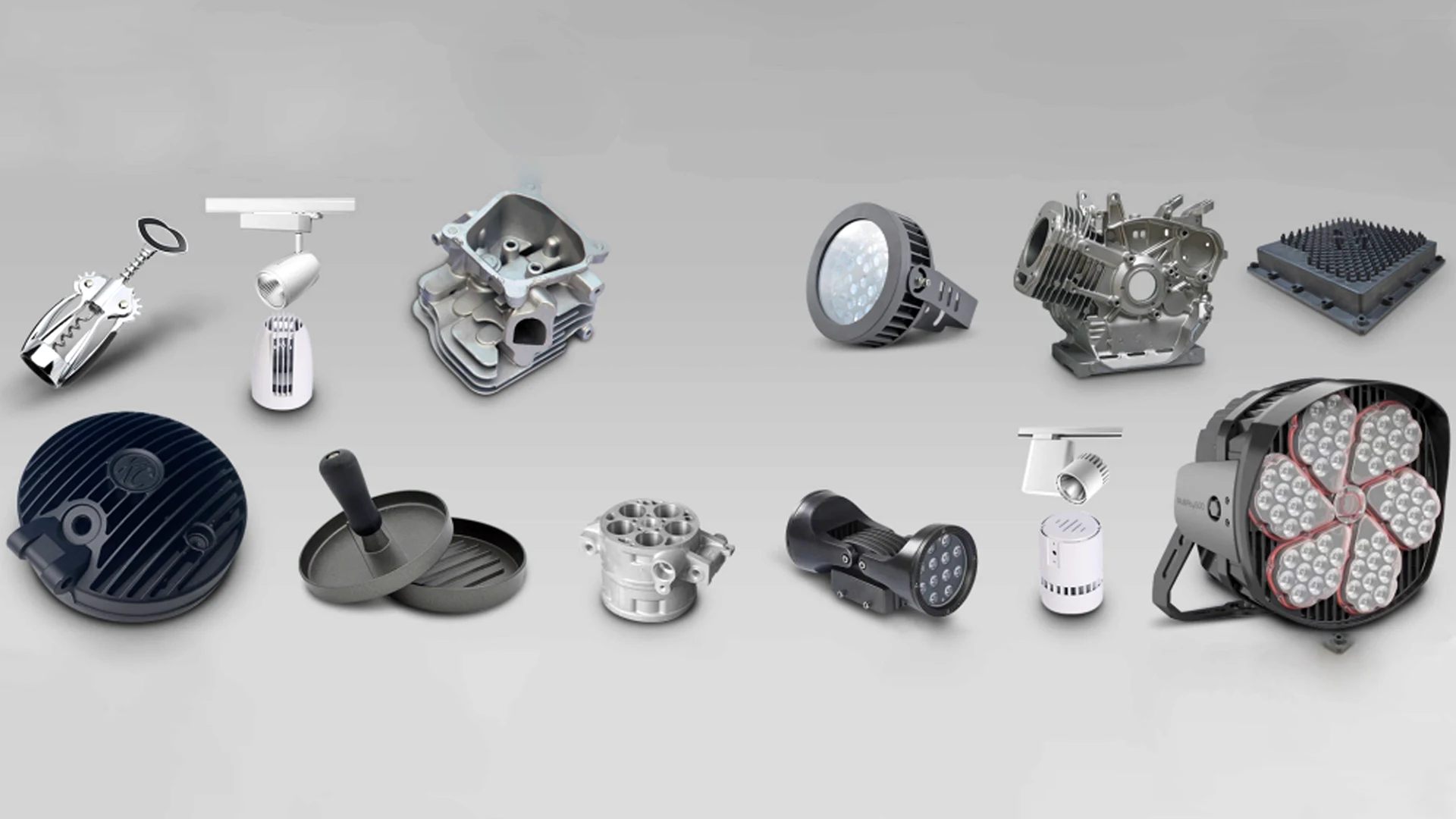
Les boîtiers d'éclairage en aluminium moulé sous pression combinent une conductivité thermique élevée avec des ailettes de refroidissement intégrées, permettant à un seul composant de fonctionner à la fois comme un boîtier structurel durable et un dissipateur thermique actif.
| Caractéristique thermique | Capacité de moulage sous pression | Résultat de refroidissement |
|---|---|---|
| Choix du matériau | Utilisation d'alliages hautement conducteurs comme l'ADC10 et l'ADC12 | Accélère le transfert de chaleur loin des jonctions LED |
| Géométrie | Ailettes externes intégrées et nervures internes de répartition de la chaleur | Augmente la surface pour un refroidissement par convection rapide |
| Structure | Construction monolithique avec sections à parois minces | Élimine les barrières thermiques au niveau des joints et réduit la masse |
Conductivité thermique des alliages d'aluminium
Les boîtiers d'éclairage moulés sous pression reposent généralement sur des alliages d'aluminium, notamment ADC10 et ADC12. Les fabricants sélectionnent ces matériaux car ils offrent une combinaison rare de conductivité thermique élevée., faible poids des composants, et résistance naturelle à la corrosion. L'utilisation d'alliages thermiquement efficaces permet à une seule pièce moulée d'exercer une double fonction. Il agit simultanément comme une enceinte structurelle rigide et un dissipateur thermique hautement actif., supprimant le besoin de matériel thermique séparé.
Géométries de dissipation thermique intégrées
Le processus de moulage sous pression gère facilement des géométries complexes. Cette capacité permet aux ingénieurs de construire des ailettes de refroidissement externes et des nervures internes de répartition de la chaleur directement dans le corps du boîtier.. Chaque joint physique dans un assemblage en plusieurs parties agit comme un goulot d'étranglement thermique. L'intégration de ces caractéristiques thermiques dans une seule pièce moulée élimine les interfaces physiques et diminue la résistance thermique globale.. Les techniques de coulée à paroi mince réduisent également la masse totale des composants tout en préservant la continuité., chemins de transfert de chaleur efficaces vers l’air extérieur.
Précision de fabrication et stabilité thermique
Le contrôle de la chaleur démarre sur la ligne de production. Un contrôle strict de la température des matrices lors du moulage sous haute pression garantit une qualité constante des pièces et permet une fabrication en grand volume sans dérive dimensionnelle.. En optimisant le débit d'eau de refroidissement interne dans le moule, les opérateurs régulent le flux de chaleur et réduisent considérablement le risque de défauts de coulée comme la porosité. Des conditions thermiques stables réduisent les contraintes mécaniques sur l’outillage, ce qui empêche la fissuration prématurée de la matrice et garantit une épaisseur de paroi uniforme sur des milliers de cycles de production.
Avantages en termes de performances pour les boîtiers d'éclairage
Dans le champ, les conceptions moulées sous pression répartissent efficacement la chaleur sur une surface massive. Ce mécanisme abaisse les températures maximales des composants et minimise les points chauds localisés qui grillent les LED.. Un rejet constant de la chaleur protège les composants électroniques fermés de la surchauffe, améliorant directement la fiabilité et la durée de vie de l'ensemble du système d'éclairage. Ces caractéristiques de gestion thermique intégrées sont particulièrement utiles dans les secteurs sensibles au poids., tels que les assemblages automobiles et aérospatiaux, là où les dissipateurs de chaleur secondaires encombrants ne conviennent tout simplement pas.
Comment la précision améliore l’étanchéité et la résistance aux fuites
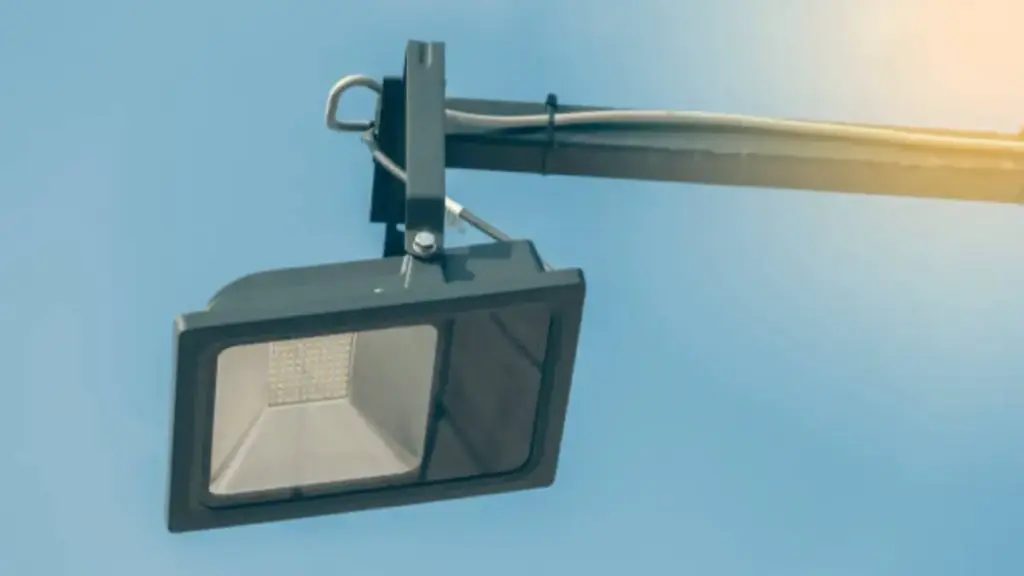
Le moulage sous pression de précision verrouille la compression du joint et la planéité de la surface, fermeture des chemins de micro-fuites pour garantir une protection fiable contre la pénétration IP65 à IP68 dans les environnements extérieurs.
Contrôle de la tolérance dimensionnelle pour une pression uniforme du joint
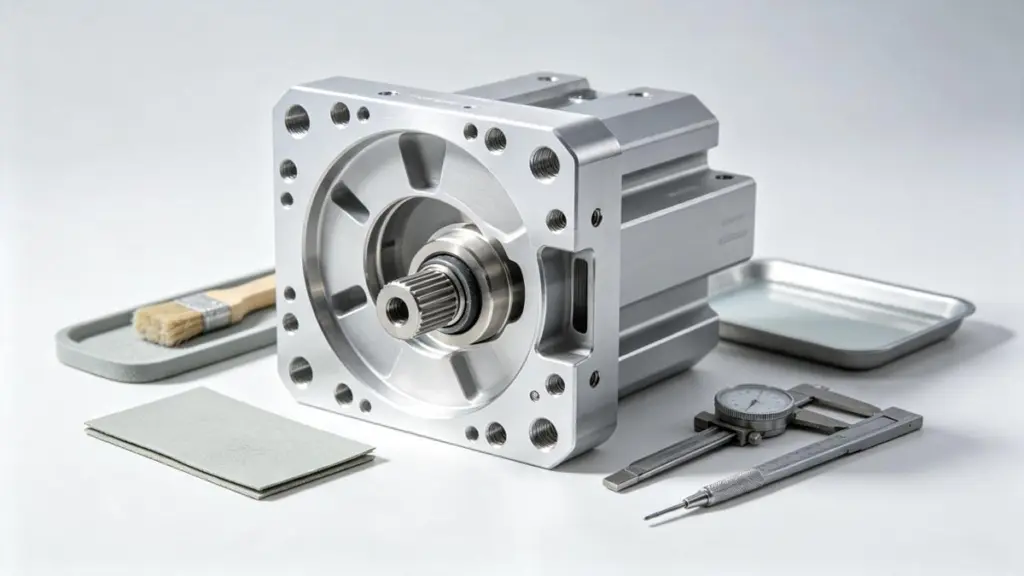
Un joint n'est étanche de manière fiable que lorsque les surfaces de contact appliquent une pression constante. Tolérances dimensionnelles plus strictes empêcher la variation de la compression du joint au cours des différents cycles de production, s'assurer que chaque unité fonctionne exactement comme le prototype. Géométrie précise de la bride garantit un chargement uniforme des boulons sur tout le périmètre. Cela évite la surcompression localisée qui écrase les joints ou la sous-compression qui laisse des espaces dangereux.. Le maintien de tolérances prévisibles, atteignant souvent ±0,10 à ±0,30 mm, fournit la cohérence structurelle requise pour répondre aux exigences IP65., IP67, et indices IP68.
Élimination des micro-fuites grâce à l'usinage de surface et à l'élimination des bavures
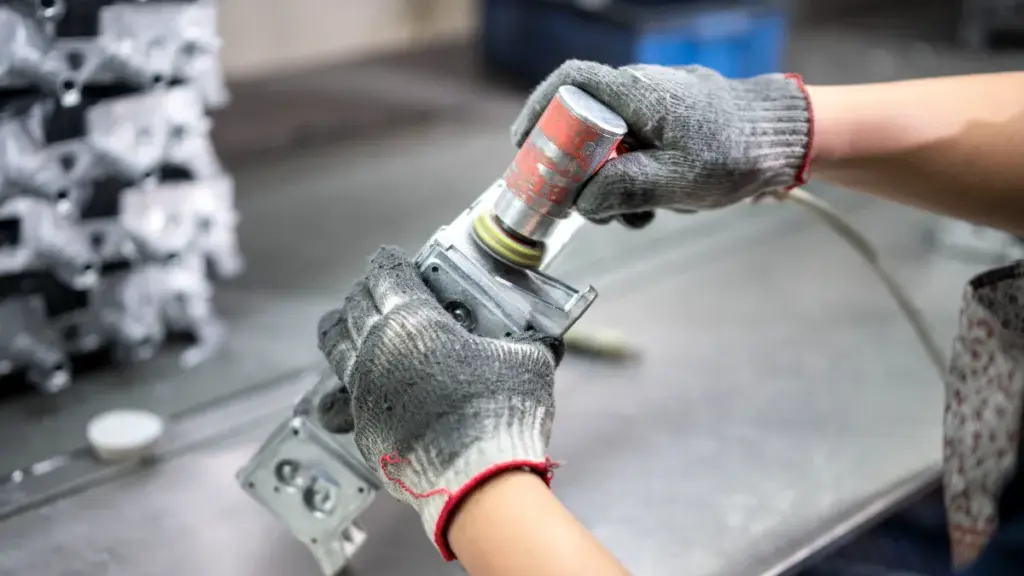
Un casting brut vous rapproche, mais les étapes de précision secondaires terminent le travail. L'usinage post-coulée crée des faces d'étanchéité parfaitement plates et des rainures de joint continues que les surfaces telles que coulées ne peuvent tout simplement pas réaliser seules.. Les machinistes suppriment activement les bavures et résolvent tout décalage des lignes de joint pour éviter les minuscules espaces qui favorisent la pénétration de l'humidité ou de la poussière.. Un lisse, raffiné état de surface améliore le contact physique direct entre le boîtier et le couvercle, réduisant de manière agressive le risque de formation de canaux de fuite capillaire sous le joint.
Réduire la porosité interne pour maintenir l'intégrité de la pression
Les joints de surface échouent si le matériau du boîtier lui-même est poreux. Un contrôle optimal de la température du moule combiné à une injection à haute pression force le métal en fusion à remplir complètement la cavité., créer une pièce très dense. La réduction des vides internes et des poches d'air empêche l'eau de migrer directement à travers les parois minces du boîtier lorsque les changements de pression atmosphérique attirent l'humidité vers l'intérieur.. Cette structure de coulée dense agit comme une ligne de défense principale, essentiel pour la résistance aux intempéries à long terme dans les environnements météorologiques extrêmes et côtiers.
Alignement du matériel et des interfaces optiques
Ajustement mécanique dicte la longévité du scellement. La formation précise des bossages de vis et des broches de positionnement garantit que le boîtier se ferme avec la charge de serrage exacte prévue à chaque fois.. Les fabricants usinent des poches précises pour les inserts optiques, réflecteurs, et des lentilles pour empêcher la formation de micro-espaces autour de ces composants transparents vulnérables. Un bon alignement des composants empêche intrinsèquement les couvercles de se déformer lors de l'assemblage final., garantissant un chemin de joint ininterrompu qui dure plus longtemps que les conditions extérieures difficiles.
Comment le moulage sous pression réduit le risque de défaillance extérieure à long terme
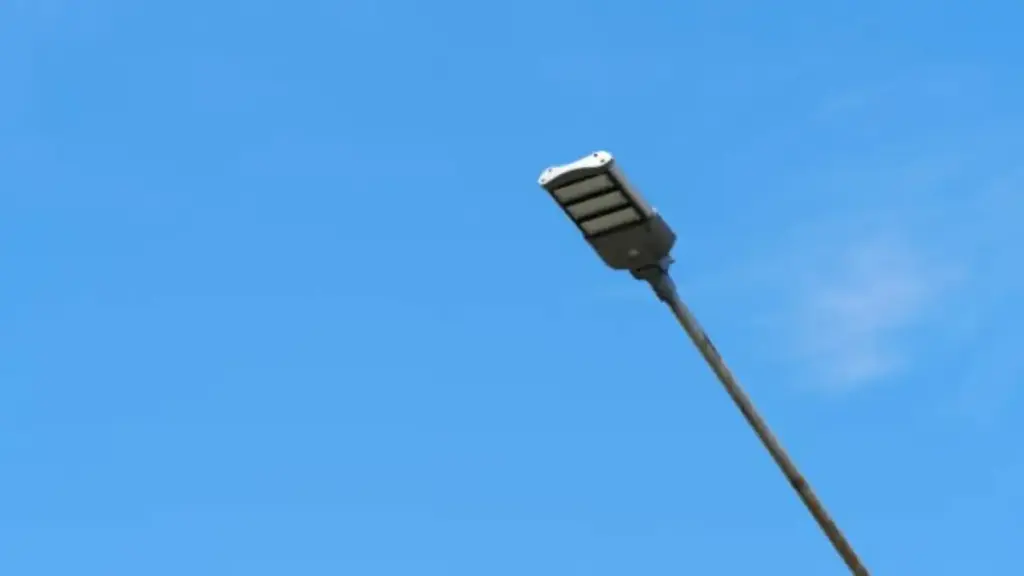
Le moulage sous pression réduit les pannes d'éclairage extérieur en combinant des microstructures denses, gestion intégrée de l'eau, interfaces d'étanchéité de précision, et une dissipation thermique supérieure dans une seule unité durable.
Microstructure dense et résistance à la fatigue
L'injection à haute pression force le métal en fusion dans les moules en acier à des vitesses extrêmes.. Ce processus produit des pièces denses avec une porosité interne nettement inférieure à celle du moulage au sable ou par gravité.. Moins de vides internes signifient que l'humidité n'a pas de chemin caché susceptible de compromettre l'enceinte au fil du temps.
- Élimination de la porosité: Le moulage à haute pression réduit les vides internes, couper les voies de pénétration de l'humidité.
- Résistance à la fatigue thermique: Les structures métalliques solides supportent de fortes variations de température quotidiennes sans provoquer de fissures de fatigue..
- Rigidité structurelle: Les nervures intégrées à paroi mince offrent une défense rigide contre les charges de vent, vibrations du trafic, et impact accidentel.
Corrosion optimisée et gestion de l’eau
Les logements extérieurs sont constamment exposés à la pluie, brouillard salin, et la pollution. Le moulage sous pression répond directement à ce problème grâce à des finitions de surface supérieures et une géométrie intelligente.. La surface lisse telle que coulée agit comme une base idéale pour les revêtements de protection en poudre et les revêtements de conversion., prévenir les micro-défauts où la rouille s'installe habituellement.
- Adhésion du revêtement: Les surfaces lisses limitent les trous d'épingle et permettent une application uniforme des couches protectrices.
- Protection naturelle contre l'oxyde: Les alliages d'aluminium forment instantanément des couches d'oxyde qui luttent contre la dégradation dans les zones marines ou industrielles.
- Drainage coulé: Larmiers, surfaces profilées, et les canaux internes empêchent activement l'eau de s'accumuler, éviter complètement les dommages causés par le gel et le dégel.
Scellement de précision pour la protection contre la pénétration
Un joint ne scelle que lorsque les surfaces de contact correspondent parfaitement. Le moulage sous pression utilise des moules en acier de précision pour maintenir des tolérances dimensionnelles serrées lors de séries de production massives.. Cette répétabilité garantit une compression stable du joint pour répondre à IP65, IP67, ou même des indices IP68.
- Géométrie cohérente: Des tolérances serrées maintiennent la compression du joint uniforme sur tout le périmètre du boîtier.
- Faces d'accouplement plates: Les rainures de joint torique et les brides plates usinées avec précision arrêtent les fuites localisées.
- Entrées de câbles intégrées: L'intégration des interfaces de connecteur directement dans le corps moulé élimine les raccords extérieurs filetés qui finissent par se détacher..
Dissipation thermique pour la protection électronique
L'excès de chaleur tue les LED et cuit les pilotes internes. Les alliages d'aluminium moulés sous pression présentent une conductivité thermique élevée, permettant à l'ensemble du boîtier de fonctionner comme un dissipateur thermique actif. Le processus permet aux ingénieurs de placer la masse exactement là où la charge thermique l'exige.
- Transfert de chaleur rapide: La conductivité thermique élevée éloigne directement la chaleur des composants électroniques sensibles.
- Ailettes de refroidissement intégrées: Les ailettes coulées augmentent la surface pour abaisser les températures de jonction, arrêter la dépréciation du lumen.
- Expansion thermique uniforme: Des chemins de chaleur cohérents évitent les points chauds localisés, arrêter la fatigue des joints de soudure et les lentilles en verre fissurées.
Intégration monobloc minimisant les points faibles
Chaque joint, souder, ou une connexion boulonnée sur un luminaire extérieur est un point de défaillance potentiel. Le moulage sous pression consolide les assemblages complexes en une seule pièce de métal continue. Vous pouvez fusionner le corps principal du luminaire, boîte de vitesses, et bras de montage en une seule structure unifiée.
- Consolidation des composants: La fusion de plusieurs sous-ensembles supprime les joints mécaniques vulnérables.
- Prévention de la corrosion: L'élimination des soudures et des interfaces boulonnées élimine les endroits précis où la dégradation commence habituellement.
- Contrôle de tolérance: Une conception monobloc réduit l'accumulation de tolérances et évite complètement la corrosion galvanique entre des métaux différents.
Si vous voulez comprendre cela plus en détail, vous pouvez également lire notre guide sur Pourquoi les boîtiers de lampadaires LED échouent dans les projets extérieurs
Pensées finales
Les boîtiers d'éclairage en aluminium moulé sous pression offrent un équilibre stable entre la résistance structurelle, efficacité thermique, et performances d'étanchéité pour les systèmes d'éclairage extérieur. Par rapport aux conceptions en plusieurs parties, une structure monobloc permet de réduire les points faibles mécaniques et améliore la fiabilité à long terme dans des environnements exigeants.
Pour les projets d’éclairage OEM et commerciaux, la précision des matériaux et la qualité du moulage affectent directement la durée de vie du produit et les coûts de maintenance. Bian moulé sous pression offres solutions de boîtiers moulés sous pression sur mesure conçu pour des performances constantes et une production évolutive dans différentes applications extérieures.
Foire aux questions
Comment le moulage sous pression améliore-t-il les performances des boîtiers d'éclairage?
Le processus produit une haute résistance, léger, et boîtiers métalliques aux dimensions précises. Il construit une coque rigide qui supporte facilement les vibrations et les contraintes environnementales sévères. Une conductivité thermique élevée évacue rapidement la chaleur des LED, qui stabilise l'alignement optique et maintient l'étanchéité à long terme sur les sites extérieurs et industriels exigeants.
Pourquoi les boîtiers d'éclairage extérieur sont-ils souvent moulés sous pression?
Les luminaires extérieurs exigent une durabilité physique, gestion thermique active, et une étanchéité fiable. Le moulage sous pression répond à ces besoins en formant des boîtiers robustes qui protègent les composants électroniques internes sensibles de la pluie., Rayonnement UV, et de fortes charges de vent. Les fabricants privilégient ce procédé car il consolide les dissipateurs thermiques, supports de montage, et entrées de fils dans un seul composant moulé, réduire les coûts unitaires lors des grandes séries de production.
Comment le moulage sous pression améliore-t-il la dissipation thermique?
Les fonderies injectent des alliages thermiquement conducteurs, principalement de l'aluminium, pour évacuer la chaleur directement des LED et des alimentations. Le processus de moulage permet aux ingénieurs de former des complexes, ailettes de refroidissement à paroi mince et réseaux de broches denses directement dans le corps principal du boîtier. Cela maximise la surface externe pour une convection naturelle et élimine les couches de résistance thermique supplémentaires que vous obtenez lors du boulonnage sur des dissipateurs thermiques séparés..
Le moulage sous pression peut-il améliorer la précision de l’étanchéité?
Oui. Le moulage sous pression à haute pression maintient des tolérances dimensionnelles exceptionnellement serrées et produit des surfaces de contact plates dès la sortie du moule en acier.. Cette précision garantit une compression uniforme sur les joints et les joints toriques sur tout le périmètre du boîtier.. Vous avez besoin de cet ajustement précis pour atteindre les indices de protection IP65 ou IP67 stricts contre la poussière et l'eau sans payer pour un usinage secondaire lourd..
Quelles finitions de surface améliorent la durabilité en extérieur?
Le revêtement en poudre est la couche de finition la plus pratique et la plus robuste pour les boîtiers extérieurs, offrant une excellente résistance aux fortes intempéries et à l’abrasion mécanique. Pour prévenir la corrosion sous-jacente et verrouiller l’adhérence de la peinture, la fonte d'aluminium brute nécessite un revêtement de conversion chimique ou un prétraitement spécialisé avant que la poudre ne soit appliquée. Pour les environnements côtiers extrêmes, un système duplex ajoutant un apprêt e-coat offre une protection maximale.
Ce qui rend le moulage sous pression meilleur que les méthodes de fabrication de boîtiers plus simples?
Les méthodes de base comme le moulage au sable ou le pliage de la tôle vous obligent à accepter des murs plus épais, payer pour un usinage secondaire lourd, ou gérer des assemblages en plusieurs parties. Le moulage sous pression contourne ce problème en offrant des finitions de surface supérieures, géométries internes complexes, et des parois minces reproductibles en une seule étape d'injection. À des volumes élevés, cette approche réduit votre nombre total de pièces, réduit le travail d’assemblage, et crée un beaucoup plus rigide, fixation finale plus fiable.