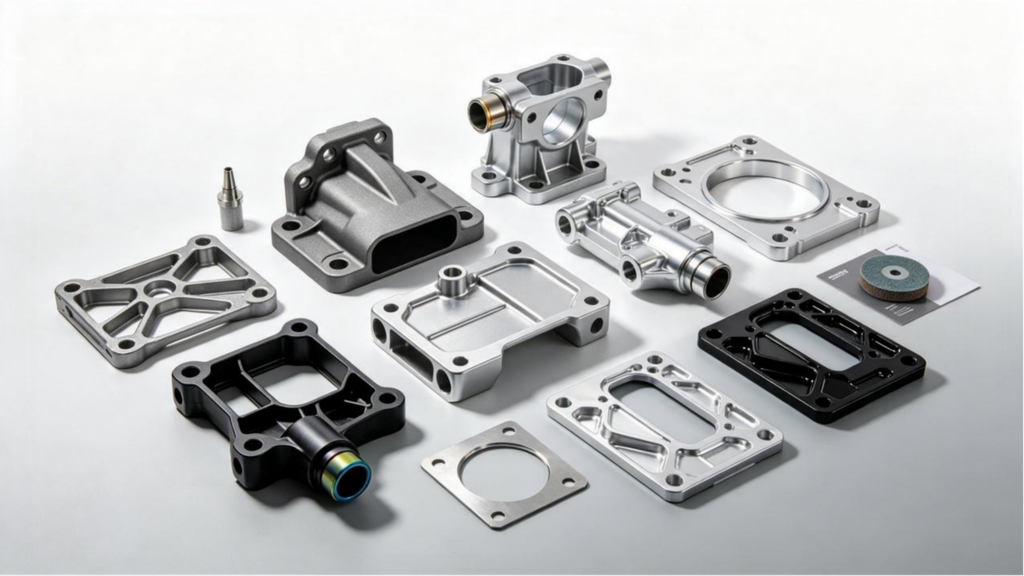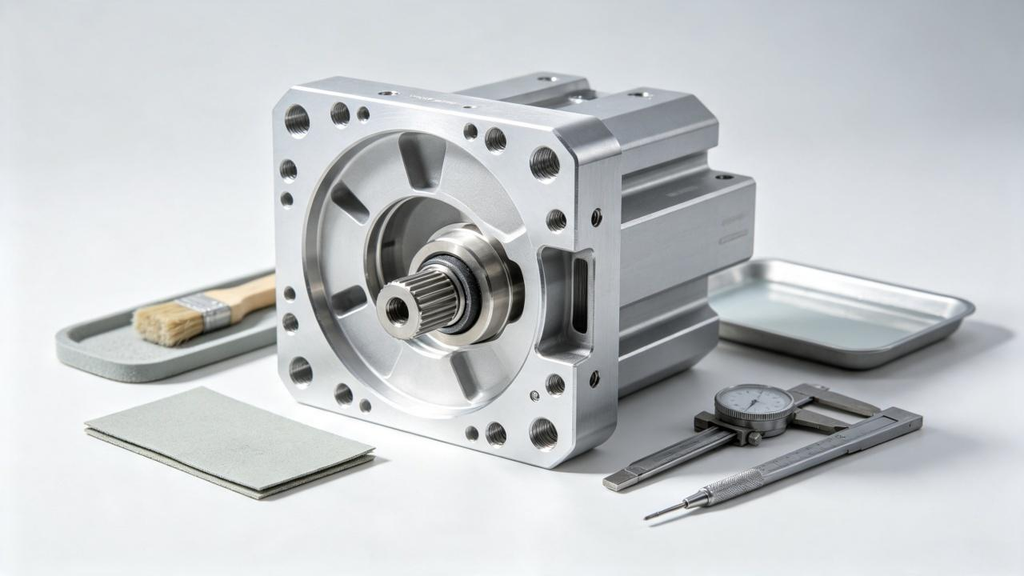
उच्च-तनाव वाले ऑटोमोटिव और एयरोस्पेस घटकों के लिए alsi10mg निर्दिष्ट करना थर्मल साइक्लिंग के तहत संरचनात्मक अखंडता और विनाशकारी विफलता के बीच की रेखा तय करता है. अपर्याप्त तात्विक संतुलन पर भरोसा करने से डिज़ाइन के भारी विकल्प चुनने पड़ते हैं, जो चक्र समय को बढ़ाता है और टूलींग अस्वीकृति दरों को बढ़ाता है.
यह विश्लेषण स्पष्ट विनिर्माण सीमाएँ स्थापित करने के लिए मानक संरचनात्मक मिश्र धातुओं को बेंचमार्क करता है. हम बीच में उपज शक्ति आउटपुट का मूल्यांकन करते हैं 165 और 200 एमपीए और सटीक 2.67 जी/सीसी घनत्व मेट्रिक्स आपको इंजीनियर को दोष-मुक्त करने में मदद करते हैं, अत्यधिक भार वहन करने में सक्षम हल्के हिस्से.
AlSi10Mg का परिचय
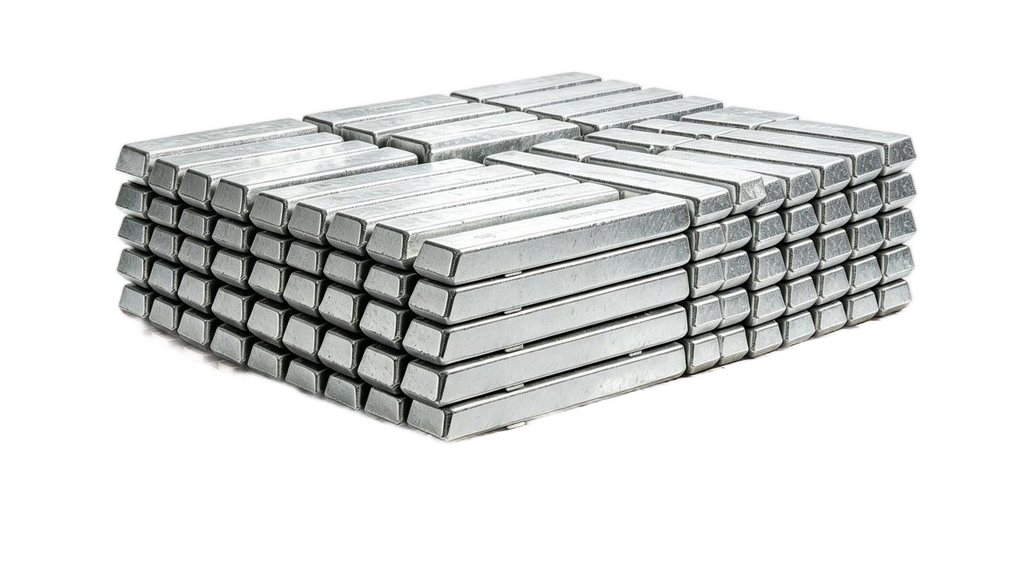
AlSi10Mg एक हल्का वजन है, उच्च शक्ति एल्यूमीनियम मिश्र धातु संयोजन 10% सिलिकॉन और 0.35% मैगनीशियम. यह मजबूत यांत्रिक प्रदर्शन के साथ उत्कृष्ट तरलता को संतुलित करके 3डी प्रिंटिंग और सटीक डाई कास्टिंग पर हावी है.
रासायनिक संरचना और मिश्र धातु तत्व
निर्माता सामग्री के अंतिम व्यवहार को नियंत्रित करने के लिए विशिष्ट मिश्र धातु तत्वों से संतृप्त एल्यूमीनियम मैट्रिक्स पर भरोसा करते हैं. प्रत्येक तत्व मिश्र धातु की प्रक्रियाशीलता और संरचनात्मक अखंडता को आकार देने में एक विशिष्ट भूमिका निभाता है.
- सिलिकॉन (9-11%): पिघलने की सीमा को कम करता है और तरलता को बढ़ाता है, दोष-मुक्त कास्टिंग और कुशल 3डी प्रिंटिंग को सक्षम करना.
- मैगनीशियम (~0.35%): Mg2Si के निर्माण के माध्यम से वर्षा को सख्त करने में सक्षम बनाता है, तैयार भाग की समग्र शक्ति में सीधे वृद्धि.
- मैंगनीज और टाइटेनियम (पता लगाना): अनाज रिफाइनर के रूप में कार्य करें और भंगुर सूक्ष्म संरचनाओं को रोकने के लिए लोहे के चरणों को संशोधित करें.
भौतिक और यांत्रिक गुण
संरचनात्मक स्थिरता का त्याग किए बिना आक्रामक वजन घटाने के लक्ष्यों को हासिल करने के लिए इंजीनियर AlSi10Mg का चयन करते हैं. सामग्री का घनत्व कम है 2.68 g/cm³ और पिघलने की सीमा के बीच 570 और 610°से, भारी लौह विकल्पों पर एक विशिष्ट लाभ प्रदान करना.
यांत्रिक व्यवहार पूरी तरह से आपके चुने हुए प्रसंस्करण स्थिति के आधार पर बदलता है. जैसे-मुद्रित हिस्से मशीन से सीधे उच्च कच्ची तन्य शक्ति प्रदान करते हैं. इसके विपरीत, पोस्ट-बिल्ड हीट ट्रीटमेंट लागू करने से लचीलेपन को प्राथमिकता मिलती है, आपको विफलता से पहले बढ़ाव प्रदान करता है.
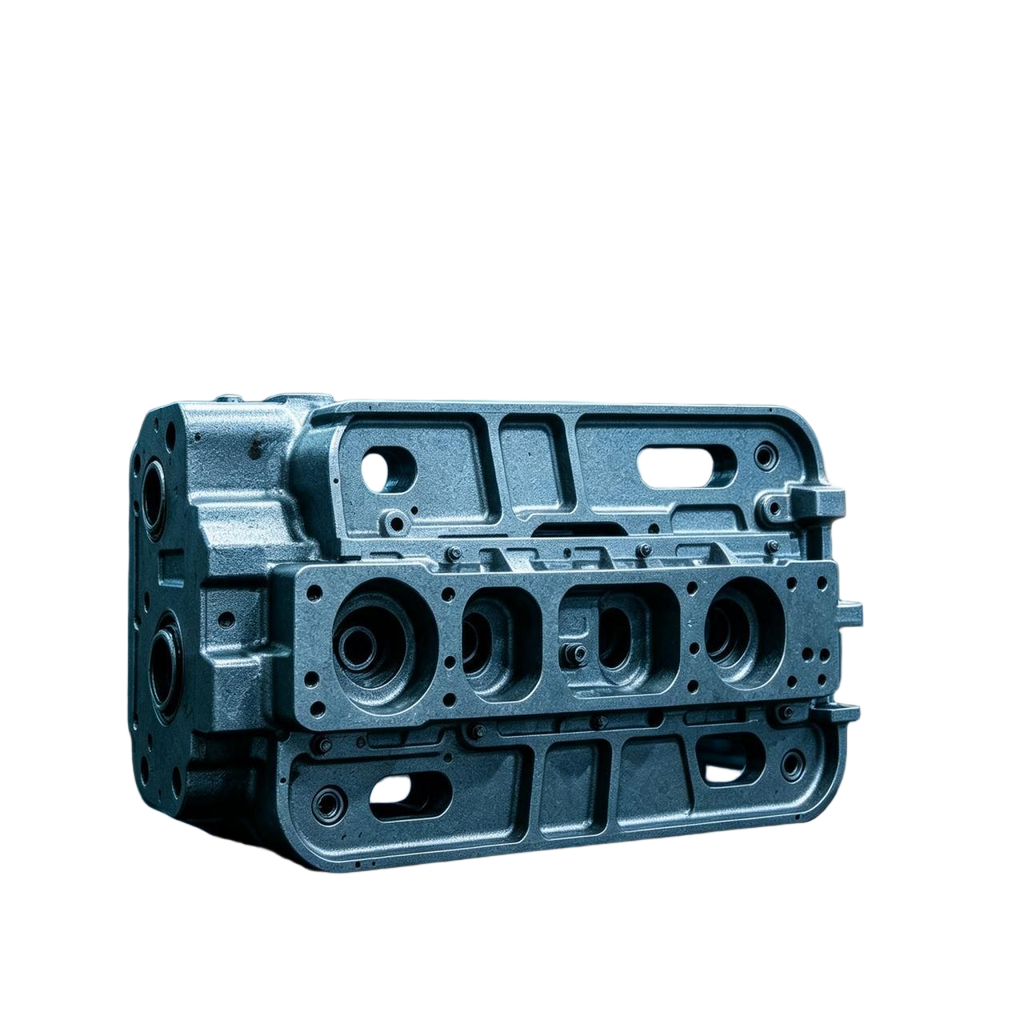
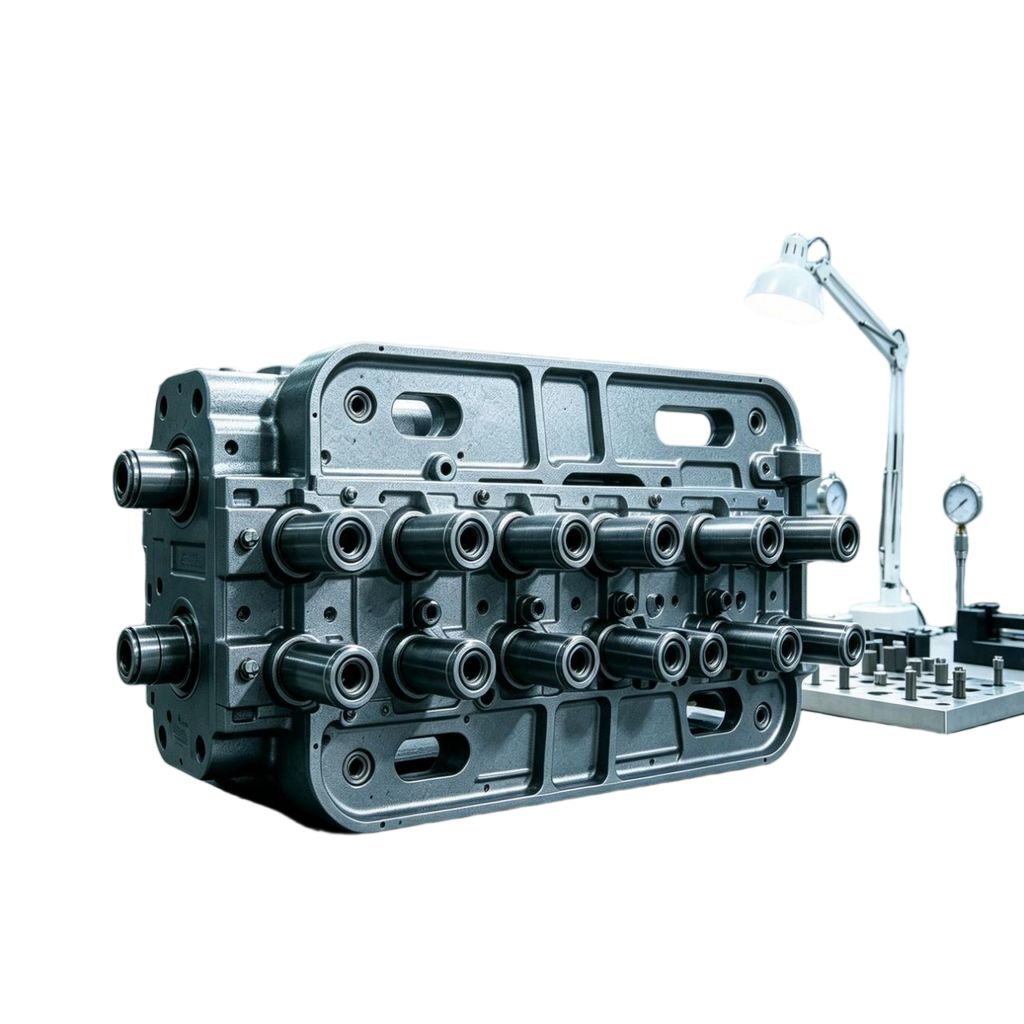
मजबूत तापीय चालकता और अंतर्निहित संक्षारण प्रतिरोध मिश्र धातु को परिचालन वातावरण की मांग के लिए तैयार करता है. निर्माता अक्सर उच्च-प्रदर्शन वाले हीट सिंक बनाने के लिए इस सामग्री का उपयोग करते हैं, इंजन कई गुना, और जटिल संरचनात्मक घटक जिनके लिए कुशल ताप अपव्यय की आवश्यकता होती है.
उच्च-तनाव वाले भागों के लिए प्रमुख AlSi10Mg सामग्री गुण
AlSi10Mg संतुलन 9-11% सिलिकॉन और 0.2-0.45% उच्च शक्ति-से-वजन अनुपात और थर्मल स्थिरता प्रदान करने के लिए मैग्नीशियम, इसे संरचनात्मक ऑटोमोटिव और एयरोस्पेस लोड प्रबंधन के लिए आदर्श बनाना.
| संपत्ति | विशिष्ट मूल्य | संरचनात्मक लाभ |
|---|---|---|
| नम्य होने की क्षमता | 165 – 200 एमपीए | उच्च गतिशील भार-वहन क्षमता |
| परम तन्य शक्ति | 280 – 460 एमपीए | यांत्रिक विफलता के विरुद्ध सहनशक्ति |
| घनत्व | 2.67 जी/सीसी | महत्वपूर्ण घटक वजन में कमी |
| ऊष्मीय चालकता | 170 डब्ल्यू/एम · के | अत्यधिक थर्मल साइकलिंग को सहन करता है |
रासायनिक संरचना सीमाएँ
AlSi10Mg मांग वाले वातावरण में प्रदर्शन करने के लिए एक सटीक मौलिक संतुलन पर निर्भर करता है. धातुकर्मी एल्यूमीनियम बेस से शुरू करते हैं और मिश्रण करते हैं 9-11% साथ में सिलिकॉन 0.2-0.45% मैगनीशियम. यह विशिष्ट संयोजन उत्कृष्ट कास्टेबिलिटी उत्पन्न करता है, निर्माताओं को संरचनात्मक कमज़ोरियाँ पैदा किए बिना पतली दीवारों को भरने और जटिल ज्यामिति को दोहराने की अनुमति देता है.
इन सख्त संरचना सीमाओं को बनाए रखने से उच्च शक्ति-से-वजन अनुपात सुनिश्चित होता है. मिश्र धातु का घनत्व प्रतिस्पर्धी लौह की तुलना में काफी कम रहता है, निकल, या टाइटेनियम मिश्र धातु. यह सटीक मौलिक नियंत्रण संरचनात्मक ऑटोमोटिव और एयरोस्पेस घटकों को कठोर आवश्यकताओं को पूरा करते हुए उच्च-तनाव भार प्रबंधन को संभालने की अनुमति देता है 2026 उद्योग मानक.
यांत्रिक और भौतिक गुण
इंजीनियर मुख्य रूप से तनाव के तहत इसके पूर्वानुमानित यांत्रिक प्रदर्शन के लिए AlSi10Mg को निर्दिष्ट करते हैं. यह सामग्री हेवी-ड्यूटी अनुप्रयोगों के लिए प्रमुख भौतिक लाभ प्रदान करती है:
- उपज और तन्यता ताकत: उपज शक्ति से लेकर होती है 165 को 200 एमपीए, और परम तन्य शक्ति हिट 280 को 460 एमपीए. ये आउटपुट बिल्ड ओरिएंटेशन और विशिष्ट ताप उपचार के आधार पर बदलते हैं.
- घनत्व: बस पर 2.67 जी/सीसी, सामग्री नाटकीय रूप से घटक वजन कम कर देती है. यह कम द्रव्यमान भारी इंजन भागों और एयरोस्पेस एयर डक्टिंग के लिए उच्च-भार सहनशक्ति का समर्थन करता है.
- अनिसोट्रॉपी नियंत्रण: 270°C पर तनाव राहत चक्र या 550°C पर समाधान उपचार लागू करने से अनिसोट्रॉपी में काफी कमी आती है. यह ऑपरेटरों को अंतिम भाग की कठोरता और गतिशील भार-वहन क्षमता दोनों को सटीक रूप से ट्यून करने की अनुमति देता है.
थर्मल और विद्युत विशेषताएँ
AlSi10Mg न्यूनतम भौतिक विकृति के साथ तेजी से तापमान परिवर्तन को संभालता है. मिश्र धातु तापीय चालकता बनाए रखती है 170 W/m·K और इसकी पिघलने की सीमा लगभग 570°C है. ये थर्मल क्षमताएं सामग्री को इंजन डिब्बों और निकास वातावरण के अंदर अत्यधिक उच्च तनाव वाले थर्मल साइक्लिंग से बचने में सक्षम बनाती हैं.
के तापीय विस्तार का गुणांक 2.0 x 10^-5 K^-1 (बीच में 0 और 100°से) ऑपरेटिंग तापमान में उतार-चढ़ाव होने पर भागों को आयामी रूप से स्थिर रखता है. आप विद्युत चालकता को विश्वसनीय रूप से बढ़ाने के लिए लक्षित ताप उपचार भी लागू कर सकते हैं. ये थर्मल प्रक्रियाएं गैस-टाइट डाई-कास्टिंग आवेषण के निर्माण के लिए आवश्यक मूल गुणों को संरक्षित करती हैं.
इंजीनियरिंग-संचालित डाई कास्टिंग के साथ लागत कम करें
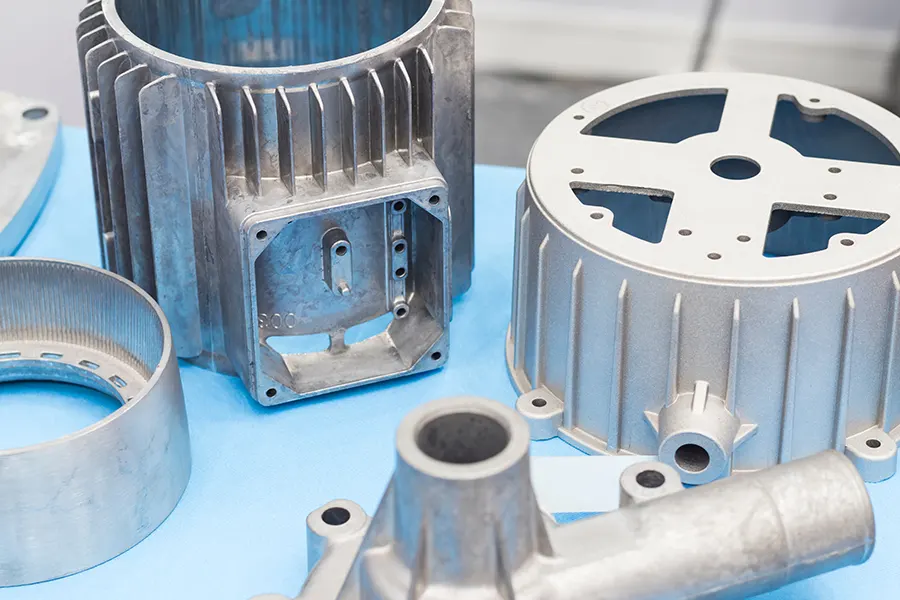
एल्युमीनियम मिश्रधातुओं की तुलना: AlSi10Mg बनाम विकल्प
AlSi10Mg बेजोड़ तरलता के साथ 3डी प्रिंटिंग पर हावी है, जबकि Al6061, अल7075, और Al2024-RAM2C अत्यधिक ताकत की मांग करने वाली विशेष भूमिका निभाते हैं, पोस्ट-वेल्डेबिलिटी, या समुद्री-ग्रेड संक्षारण प्रतिरोध.
AlSi10Mg बनाम. पारंपरिक संरचनात्मक मिश्र धातुएँ (अल6061 और अल7075)
AlSi10Mg अपनी बारीक सूक्ष्म संरचना की बदौलत एडिटिव मैन्युफैक्चरिंग के लिए मानक तय करता है. यह संरचना बेहतर 3डी प्रिंटिंग तरलता और उच्च थकान शक्ति प्रदान करती है. जब आप इसकी तुलना Al6061 से करते हैं, लेन-देन दृश्यमान हो जाता है. बेहतर लचीलापन और उत्कृष्ट समुद्री-ग्रेड संक्षारण प्रतिरोध प्रदान करने के लिए Al6061 कुछ मुद्रण क्षमता का त्याग करता है. निर्माता आमतौर पर Al6061 चुनते हैं जब पोस्ट-प्रिंट मशीनिंग और वेल्डेबिलिटी जटिल आंतरिक ज्यामिति की आवश्यकता से अधिक हो जाती है.
ताकत के स्तर को ऊपर ले जाना, Al7075 वाणिज्यिक एल्यूमीनियम मिश्र धातुओं के बीच उच्चतम ताकत-से-वजन अनुपात प्रदान करता है. यह एयरोस्पेस और भारी उद्योग के लिए अत्यधिक भार वहन करने वाले कार्यों को आसानी से संभालता है. लेकिन Al7075 को 3डी प्रिंटेबिलिटी के साथ भारी संघर्ष करना पड़ता है और तनाव क्षरण का शिकार हो जाता है. यदि आपके डिज़ाइन के लिए एडिटिव मैन्युफैक्चरिंग के माध्यम से निर्मित जटिल घटकों की आवश्यकता है, AlSi10Mg अत्यधिक मुद्रण योग्य और विश्वसनीय विकल्प के रूप में सामने आया है.
AlSi10Mg बनाम. उन्नत योजक विनिर्माण मिश्र (Al2024-RAM2C)
रिएक्टिव एडिटिव मैन्युफैक्चरिंग में हाल के बदलावों ने Al2024-RAM2C जैसे नवीन मिश्र धातुओं को पेश किया है. यह उन्नत सामग्री तन्य शक्ति और अक्षीय थकान सीमा दोनों में AlSi10Mg से अधिक है. एयरोस्पेस और मोटरस्पोर्ट जैसे उच्च-प्रदर्शन वाले क्षेत्र विशेष रूप से अत्यधिक अक्षीय तनाव को संभालने के लिए इसका उपयोग करते हैं जो मानक मिश्र धातु जीवित नहीं रह सकते हैं.
Al2024-RAM2C के उन्नत प्रदर्शन के साथ भी, AlSi10Mg प्रभाव कठोरता में उल्लेखनीय लाभ बरकरार रखता है. विश्वसनीय प्रिंट प्राप्त करने के लिए इसमें काफी कम प्रक्रिया अनुकूलन की भी आवश्यकता होती है. Al2024-RAM2C के साथ काम करने वाले इंजीनियरों को कठोर पैरामीटर ट्यूनिंग और माइक्रोस्कोपी सत्यापन करना होगा. इसके विपरीत, AlSi10Mg एक सिद्ध पेशकश करता है, तेजी से और लगातार उत्पादन के लिए क्षमाशील प्रसंस्करण विंडो.
परिशुद्धता डाई कास्टिंग के लिए सर्वोत्तम अभ्यास
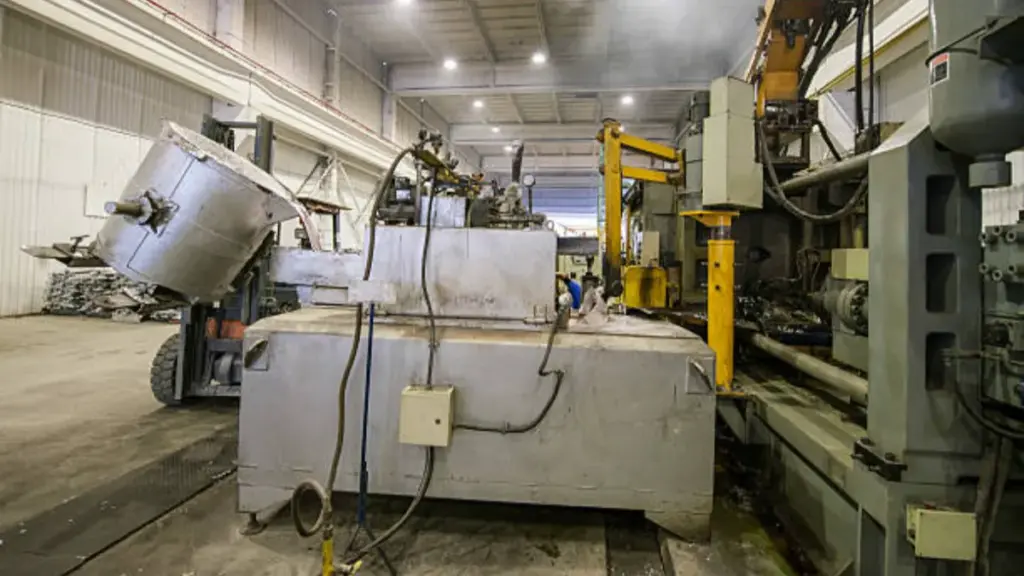
परिशुद्ध डाई कास्टिंग भाग ज्यामिति पर सख्त नियंत्रण की मांग करती है, तापमान विनियमन, और दोषों को कम करने और उत्पादन दक्षता को अधिकतम करने के लिए सक्रिय उपकरण रखरखाव.
घटक ज्यामिति का अनुकूलन
शुरू से ही सही ज्यामिति प्राप्त करना आपके डाई कास्टिंग रन की सफलता को निर्धारित करता है. खराब डिज़ाइन की गई विशेषताएं पिघली हुई धातु को अप्राकृतिक प्रवाह पैटर्न में मजबूर करती हैं, सरंध्रता पैदा करना, तापीय तनाव, और चक्र समय में वृद्धि हुई.
- समान दीवार की मोटाई: बनाए रखना 1.5-2.5 एल्यूमीनियम के लिए मिमी और 1.0-2.0 धातु के प्रवाह में सुधार और सरंध्रता में कटौती के लिए जिंक के लिए मिमी.
- ड्राफ्ट कोण: भाग को चिपकने और बाहर निकलने से होने वाले नुकसान को रोकने के लिए बाहरी दीवारों पर कम से कम 1° और आंतरिक गुहाओं पर 2° लगाएं।.
- कोने की त्रिज्या: न्यूनतम के साथ आंतरिक फ़िललेट्स डिज़ाइन करें 0.75 गुहा भरने में तेजी लाने और टूटने के जोखिम को कम करने के लिए मिमी त्रिज्या.
तीव्र कोनों और अचानक अनुभाग परिवर्तन अशांति और अनियमित शीतलन पैदा करते हैं. इन सटीक आयामी सीमाओं का पालन सुनिश्चित करता है कि धातु सुचारू रूप से फ़ीड करती है और अनुमानित रूप से ठोस हो जाती है.
प्रक्रिया नियंत्रण और टूलींग रखरखाव
यदि प्रक्रिया मापदंडों में बदलाव होता है तो सर्वोत्तम ज्यामिति भी विफल हो जाती है. लगातार आउटपुट कठोर थर्मल प्रबंधन पर निर्भर करता है, पूर्वानुमानित विश्लेषण, और आक्रामक टूलींग रखरखाव.
- तापमान विनियमन: उपकरण दक्षता को अधिकतम करने और डाई पर थर्मल तनाव से बचने के लिए एम्बेडेड थर्मोकपल का उपयोग करके लगातार उत्पादन तापमान की निगरानी करें.
- टूलींग रखरखाव: डाई अवशेषों को साफ करने और गतिशील घटकों को चिकनाई देने के लिए निर्धारित रखरखाव कार्यक्रम निष्पादित करें, समग्र डाउनटाइम में भारी कटौती.
- पूर्वानुमानित अनुकरण: भरने के पैटर्न की पहचान करने के लिए सिमुलेशन सॉफ़्टवेयर चलाएँ, वायु फंसाना, और पूर्ण उत्पादन शुरू करने से पहले ठोसकरण व्यवहार.
दुकान के फर्श पर दोषों को ठीक करने से आपका मार्जिन कम हो जाता है. पहले डालना का अनुकरण करना, सख्त रखरखाव और थर्मल ट्रैकिंग के साथ संयुक्त, आपकी अस्वीकृति दरों को शून्य के करीब रखता है और आपके टूलींग का जीवनकाल बढ़ाता है.
अक्सर पूछे जाने वाले प्रश्नों
डाई कास्टिंग में AlSi10Mg के मुख्य लाभ क्या हैं??
AlSi10Mg अपनी 9.0-11.0% सिलिकॉन सामग्री के कारण असाधारण कास्टेबिलिटी प्रदान करता है. यह अत्यधिक तरल पिघली हुई धातु का उत्पादन करता है जो नीचे तक पतली दीवारें बनाने में सक्षम है 0.5 मिलीमीटर. मिश्र धातु गर्मी उपचार के लिए असाधारण रूप से अच्छी प्रतिक्रिया देती है, जो तन्यता और उपज शक्ति को महत्वपूर्ण रूप से बढ़ाता है. अतिरिक्त लाभों में उच्च शक्ति-से-वजन अनुपात शामिल है, मजबूत तापीय चालकता, और सख्त आयामी नियंत्रण जो द्वितीयक मशीनिंग की आवश्यकता को सीमित करता है.
क्या AlSi10Mg को ताप उपचार की आवश्यकता है?
बुनियादी कार्यक्षमता के लिए यह कड़ाई से अनिवार्य नहीं है, लेकिन प्रसंस्करण के बाद का ताप उपचार यांत्रिक गुणों को अनुकूलित करता है, अवशिष्ट तनाव से छुटकारा दिलाता है, और सामग्री की सूक्ष्म संरचना को परिष्कृत करता है. 300-350°C पर T6 कृत्रिम उम्र बढ़ने या तनाव-राहत एनीलिंग जैसी प्रक्रियाओं को लागू करने से कास्टिंग दोष समाप्त हो जाते हैं. यह आयामी सटीकता को स्थिर करता है और कठोरता और थकान जीवन दोनों को बढ़ाता है.
सिलिकॉन सामग्री सटीक कास्टिंग प्रक्रिया को कैसे प्रभावित करती है?
मोटे तौर पर 10% AlSi10Mg में सिलिकॉन सामग्री पिघली हुई चिपचिपाहट को कम करके और कॉम्प्लेक्स को भरने के लिए तरलता में सुधार करके कास्टिंग प्रक्रिया को अनुकूलित करती है, पतली दीवार वाले सांचे. सिलिकॉन सिकुड़न दर में तक की कटौती करता है 60% अन्य मिश्र धातुओं की तुलना में और चिकनी सतह फिनिश सुनिश्चित करता है. निर्माताओं को सिलिकॉन के स्तर को सावधानीपूर्वक संतुलित करना चाहिए. से अधिक 12% फफूंदी के आसंजन का कारण बनता है, उच्च सतह खुरदरापन, और भौतिक भंगुरता.
अंतिम विचार
जबकि वैकल्पिक मिश्र धातुएँ कम अग्रिम सामग्री लागत की पेशकश कर सकती हैं, सख्त AlSi10Mg संरचना सीमाओं का पालन करना आपके उत्पादन को संरचनात्मक विफलताओं से बचाने का एकमात्र तरीका है. यह सटीक मौलिक संतुलन एयरोस्पेस और ऑटोमोटिव अनुप्रयोगों की मांग के लिए आवश्यक उच्च शक्ति-से-वजन अनुपात और तेजी से थर्मल अपव्यय की गारंटी देता है।. भौतिक अखंडता से समझौता करना सीधे तौर पर आपके ग्राहक संबंधों और दीर्घकालिक विनिर्माण लाभप्रदता को खतरे में डालता है.
सामग्री के प्रदर्शन पर अनुमान लगाना बंद करें और अपने डिज़ाइन की संरचनात्मक अखंडता को पहले से सत्यापित करें. हम तरलता का परीक्षण करने के लिए एक नमूना चलाने की अनुशंसा करते हैं, तापीय स्थिरता, और आपके विशिष्ट परिचालन भार के तहत हमारे AlSi10Mg मिश्र धातु का अंतिम समापन. अपने ओईएम विनिर्देशों की समीक्षा करने और एक विश्वसनीय विनिर्माण आपूर्ति श्रृंखला सुरक्षित करने के लिए आज ही हमारी इंजीनियरिंग टीम से संपर्क करें.