
- Tutto
- Lega di alluminio
- Pressofusione di alluminio
- Anodizzato
- Pressofusione di componenti automobilistici
- Rivestimento di conversione al cromo trivalente trasparente
- Lavorazione CNC
- Lega personalizzata
- Rivestimento elettronico
- Pressofusione ad alta pressione
- IATF16949
- Guida del settore
- ISO90001
- Test di tenuta
- Parti di illuminazione pressofusione
- Lega di magnesio
- Pressofusione di magnesio
- Elenco dei produttori
- Notizia
- Lucidatura
- Post-lavorazione
- Post-processo
- Verniciatura a polvere
- Prototipazione rapida
- Sabbiatura
- Sparato
- Strumento e morire
- Materiali degli strumenti
- Pressofusione sottovuoto
- Pressofusione di zinco
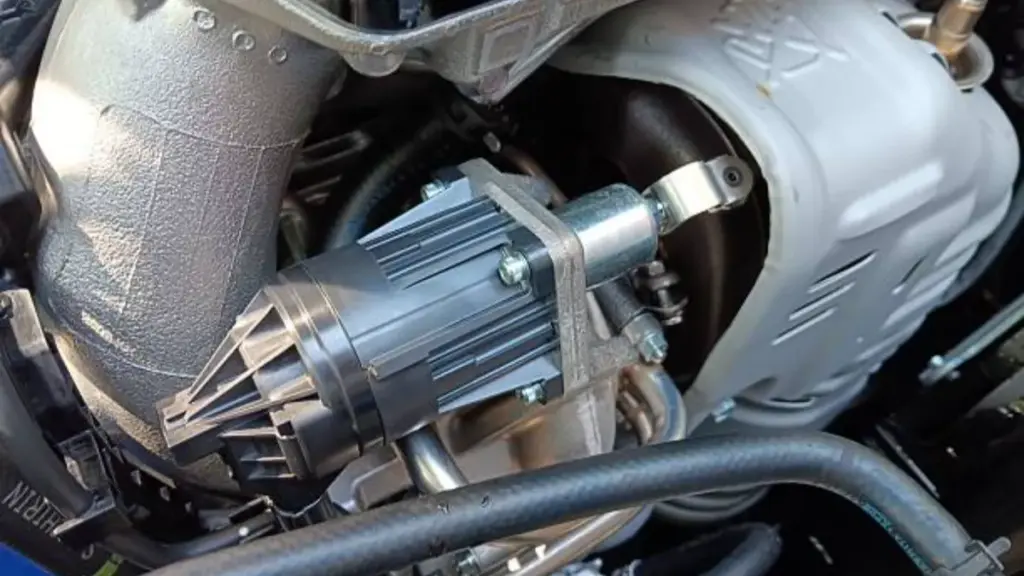
Sviluppo di leghe di alluminio personalizzate: Dalle specifiche alla produzione in 8 Settimane
A319 aluminum alloy sits between stock grades and custom development. Walk the eight-week spec-to-production plan, its verification gates, and when to abort.
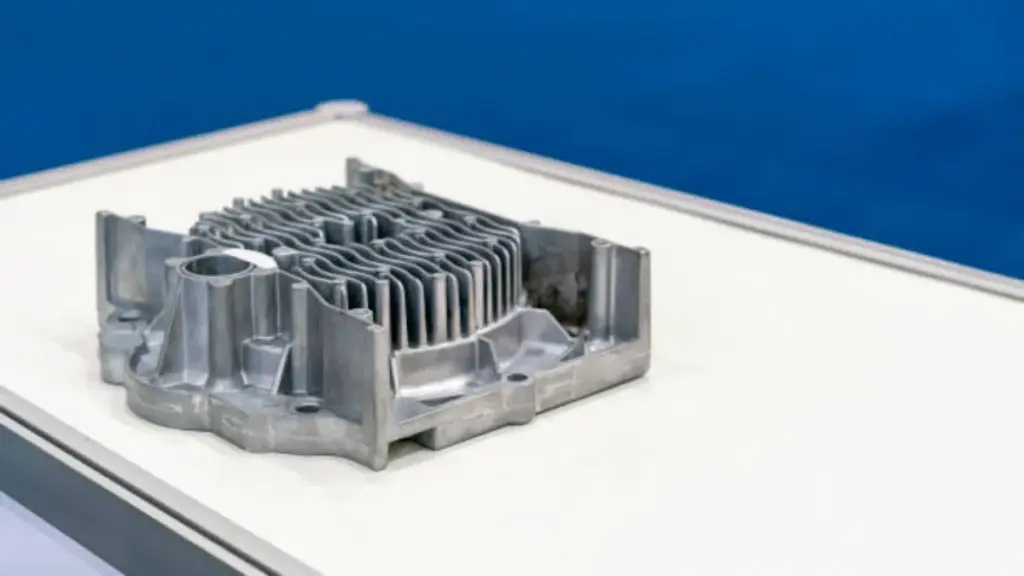
Cos'è una lega personalizzata e quando gli acquirenti dovrebbero richiederne una?
A customized alloy can mean a drawing note or a full development program. Four levels, what each element buys, and when to ask for one.
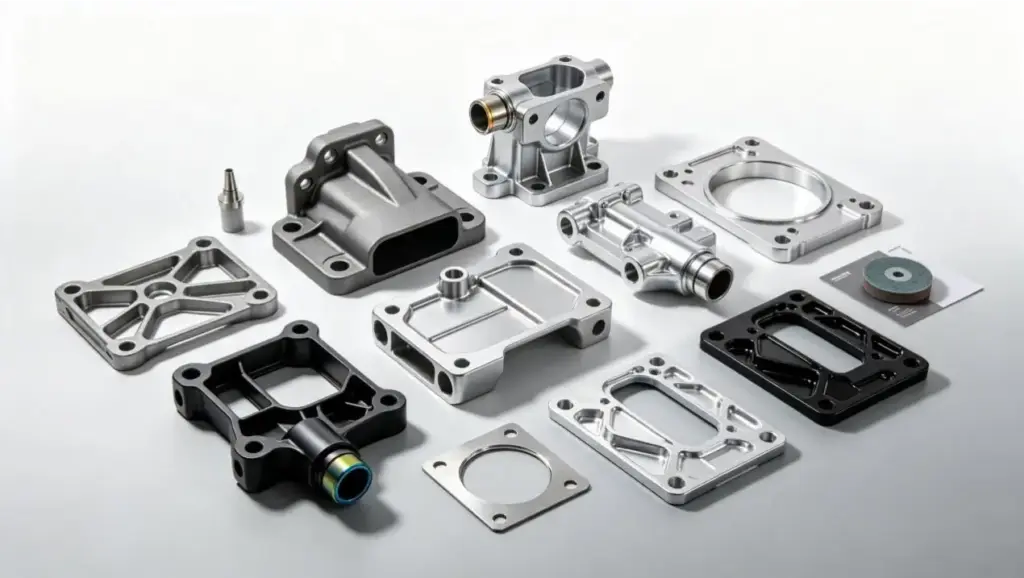
Anodizzazione vs verniciatura a polvere: Selezione del trattamento superficiale per pressofusioni di alluminio
Anodizing vs powder coating for aluminum die castings: how silicon mottling, film thickness, masking and drawing calls decide the right finish.
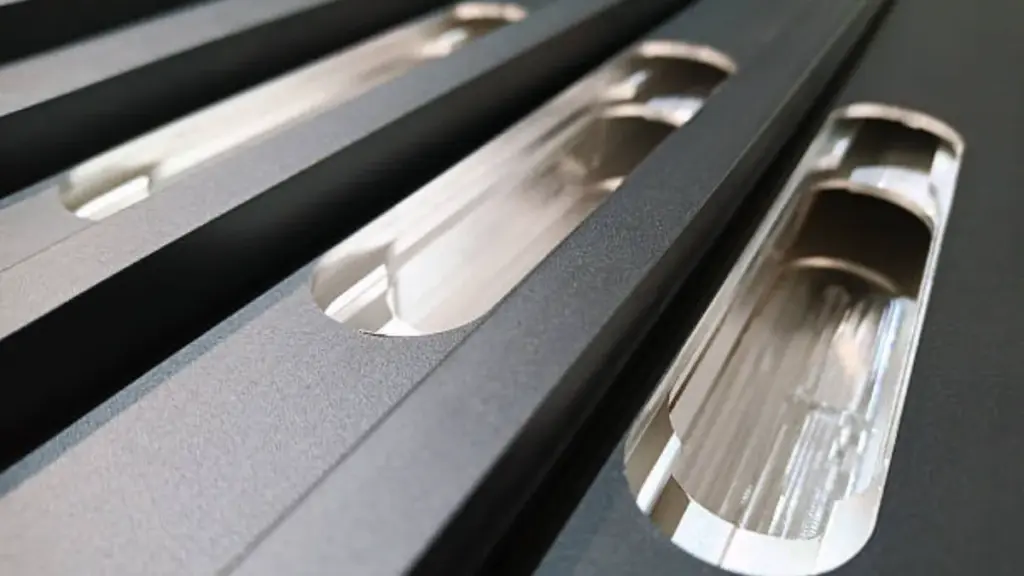
Anodizzazione dell'alluminio pressofuso: Sfide e soluzioni per le leghe ad alto contenuto di silicio
Why ADC12 and A380 silicon blocks anodized color on die cast aluminum, and the porosity, sigillatura, and alloy countermeasures that hold in production.
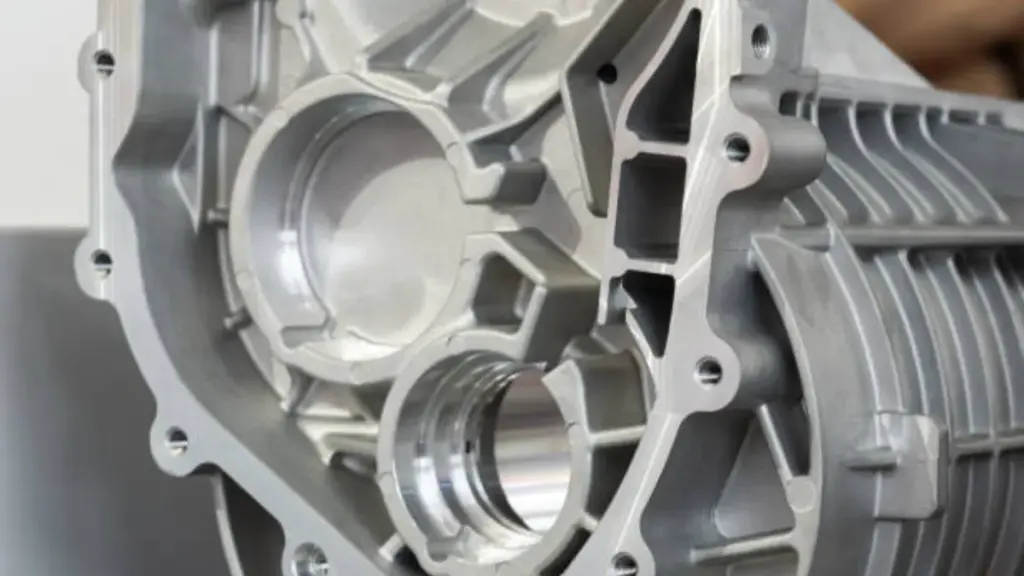
Pressofusione di zinco per hardware automobilistico: IATF 16949 Requisiti che gli acquirenti devono verificare
Verifying zinc die casting suppliers against IATF 16949 scope, PPAP, SPC, and chemistry control, the checks automotive buyers must run.
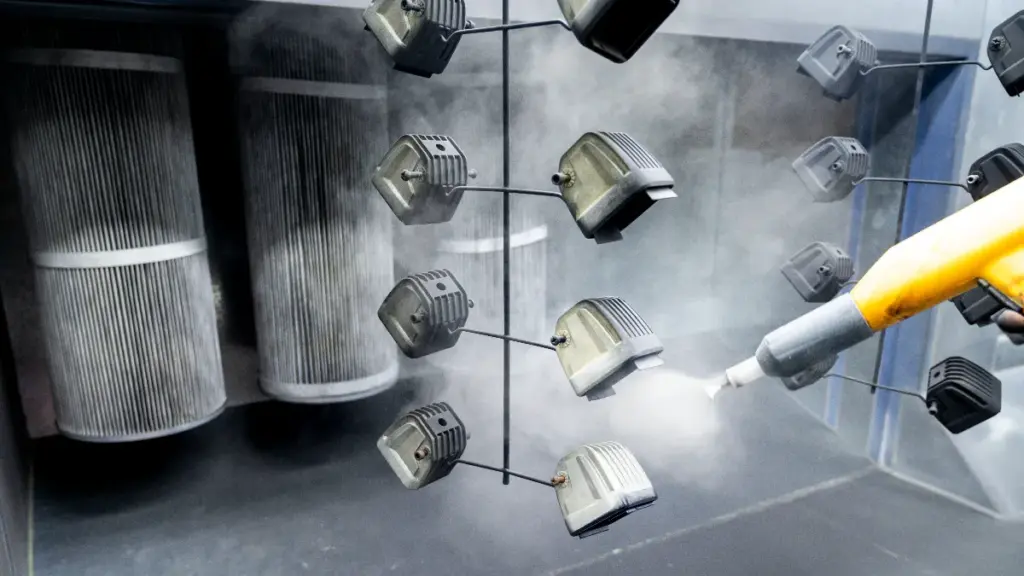
Rivestimento elettroforetico e verniciatura a polvere: Protezione dalla corrosione e confronto dei costi
E-coating vs powder coating compared on film thickness, copertura, colore, corrosion testing, and cost drivers for aluminum die cast parts.
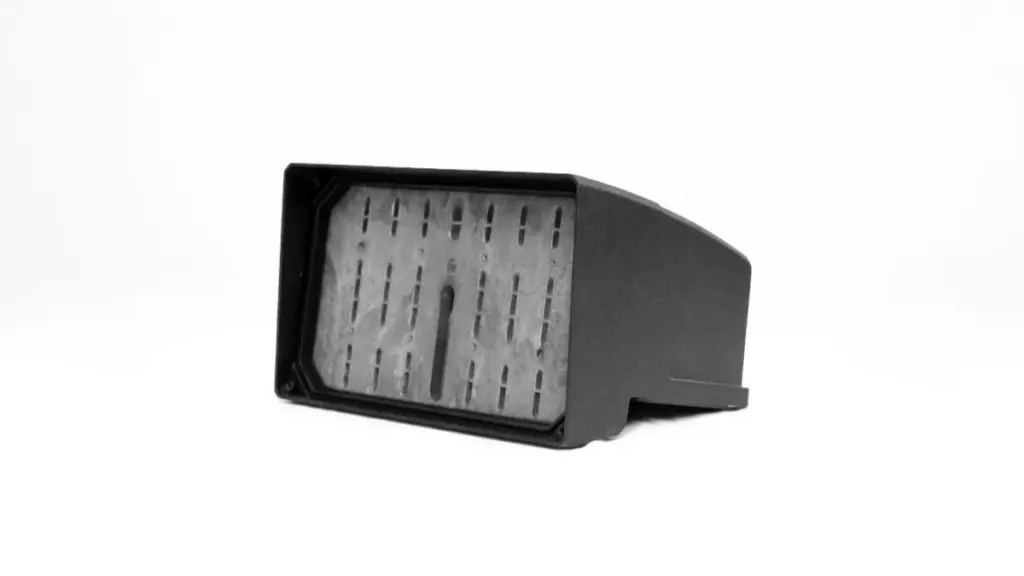
Type II vs Type III Anodizing: Hard Coat Anodize for Wear-Resistant Applications
Type II vs Type III anodizing compared on film thickness, durezza, tolerance growth, and behavior on high-silicon die-cast aluminum.
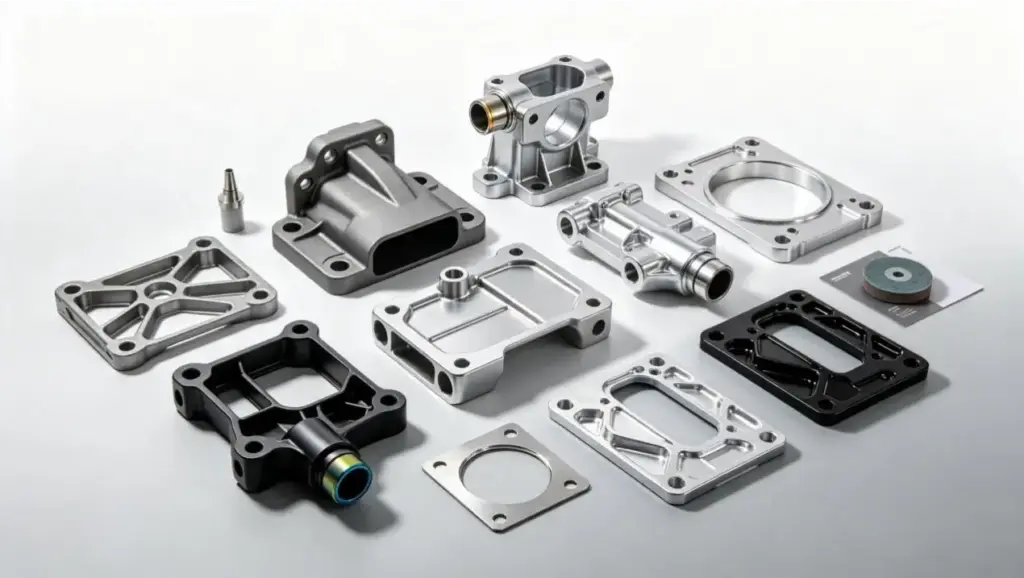
Customized Alloy Cost vs Standard Grades: ROI Analysis for High-Volume Buyers
Compare a custom alloy against standard die-casting grades on total per-piece cost. A line-by-line ROI framework and the volume crossover that decides it.
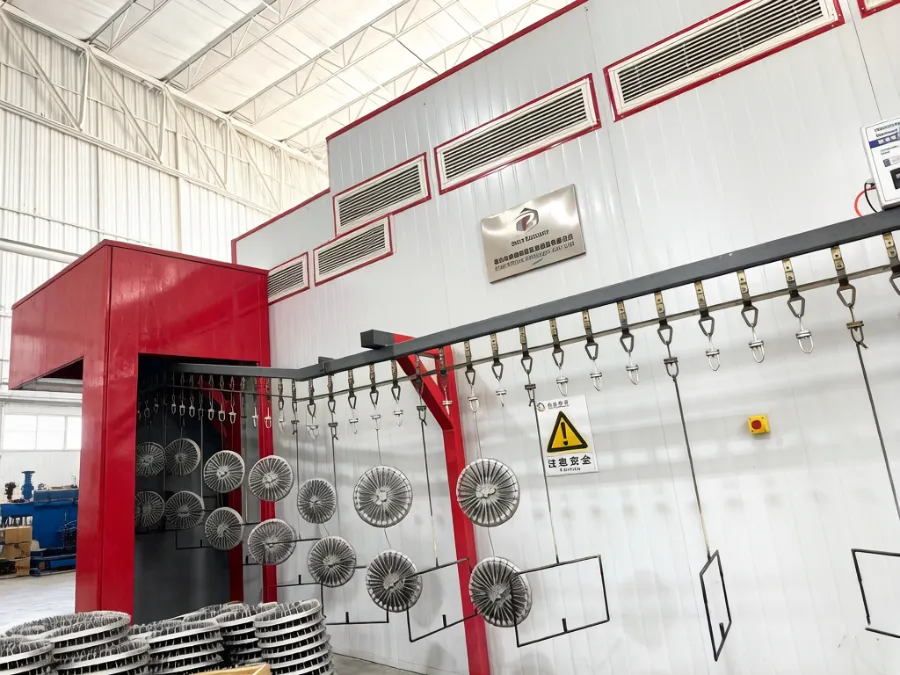
E-Coating for Automotive Die Castings: Cathodic vs Anodic Process Selection
Automotive e-coating for die cast parts: cathodic vs anodic selection, pretreatment, bake limits, and the adhesion evidence an SQE expects before the first dip.



