さまざまな合金が機械的性能の独自の組み合わせを実現します, 料金, と製造性. さまざまな選択肢の中から, 亜鉛 Zamak 5 と ADC12 や A380 などのアルミニウム合金は、産業用途で最も一般的な材料の 2 つです。.
この記事では詳細な情報を提供します, ザマックの客観的な概要 5 材料特性, 一般的なアルミダイカスト材との比較, 各合金がどこで最も優れたパフォーマンスを発揮するかを調査します.
ザマックの概要 5 合金
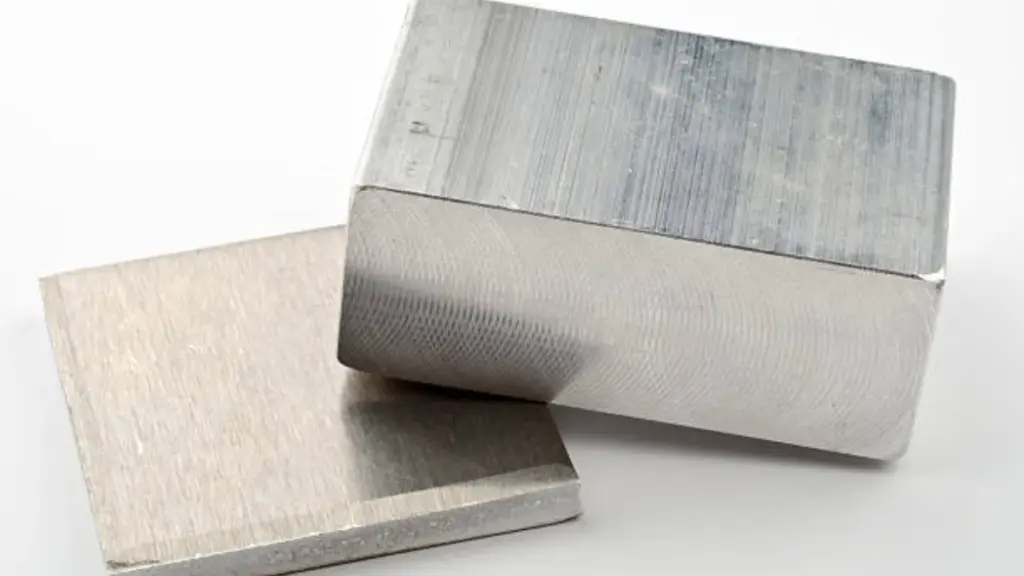
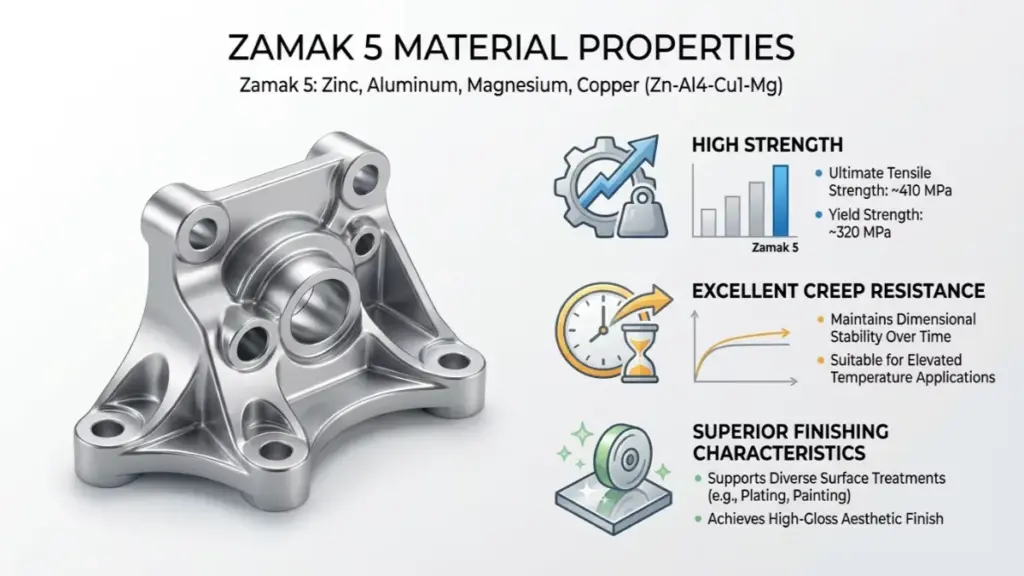
ザマック 5 は、ザマック族に属する亜鉛ベースのダイカスト合金です。 (の頭字語亜鉛, アルミニウム, マグネシウム, そして銅, つまり, 銅) 材料. 強さを兼ね備えていることで有名です, 硬度, 優れた表面仕上げ挙動, 精度と耐久性が要求される装飾部品や構造部品に最適です。.
化学組成と特性
ザマック 5 の配合は銅含有量が高いため、他のザマック グレードとは若干異なります。, 硬度と強度を向上させます. 代表的な構成を以下に示します。:
| 要素 | コンテンツ (%) |
|---|---|
| 亜鉛 (亜鉛) | バランス |
| アルミニウム (アル) | 3.5 – 4.3 |
| 銅 (銅) | 0.75 – 1.25 |
| マグネシウム (マグネシウム) | 0.03 – 0.06 |
| 鉄 (鉄) | < 0.075 |
| 鉛 (鉛) | < 0.005 |
| カドミウム (CD) | < 0.004 |
ザマックとの違い 3 ザマック 5 は主に銅の割合にあります. ザマックの間 3 最小限の銅が含まれています, 負荷 5 ほぼ含まれます 1%, 引張強度と硬度が大幅に向上しますが、延性はわずかに低下します。.
機械的および物理的特性
| 財産 | 負荷 5 代表値 |
|---|---|
| 抗張力 | ~331MPa |
| 降伏強さ | ~260MPa |
| 伸長 | ~7% |
| 硬度 (ブリネル) | 91 HB |
| 密度 | 6.6 – 6.7 g/cm³ |
| 溶解範囲 | 380 – 386℃ |
| 熱伝導率 | 109 w/m・k |
| 電気伝導率 | 27% IACS |
これらの特性により、亜鉛 Zamak 5 は、寸法安定性と優れためっき品質が必要な小型から中型の精密部品に最適な選択肢となります。. この合金は厳しい公差にも対応しています, これは、機械ハウジングや装飾金具などの用途に価値があります。.
アルミダイカスト合金の概要 (ADC12 / A380)
その間 ザマック合金 亜鉛ベースの鋳物が主流, ADC12などのアルミニウム合金(主にアジアで使われている) そしてA380(北米やヨーロッパでは一般的) アルミダイカストの主流素材を代表する. 軽量で熱性能に優れているため、大型のコンポーネントや熱にさらされるコンポーネントに最適です。.
代表的な構成と特性
| 要素 | ADC12 (%) | A380 (%) |
|---|---|---|
| アルミニウム (アル) | バランス | バランス |
| シリコン (そして) | 9.6 – 12.0 | 7.5 – 9.5 |
| 銅 (銅) | 1.5 – 3.5 | 3.0 – 4.0 |
| マグネシウム (マグネシウム) | ≤ 0.3 | 0.1 |
| 鉄 (鉄) | ≤ 1.3 | ≤ 1.3 |
| 亜鉛 (亜鉛) | ≤ 1.0 | ≤ 3.0 |
機械的および物理的特性
| 財産 | ADC12 | A380 |
|---|---|---|
| 抗張力 | ~320MPa | ~317MPa |
| 降伏強さ | ~160MPa | ~180MPa |
| 伸長 | ~1 – 2% | ~3.5% |
| 硬度 (ブリネル) | ~85HB | ~80HB |
| 密度 | 2.7 g/cm³ | 2.7 g/cm³ |
| 熱伝導率 | 96 w/m・k | 96 w/m・k |
アルミニウム合金は強度と軽量性を両立, 熱歪みに耐えながら、複雑な形状に優れた流動性を提供します. これらの機能は、軽量化と熱管理が材料の選択を推進する自動車および電子産業にとって重要です。.
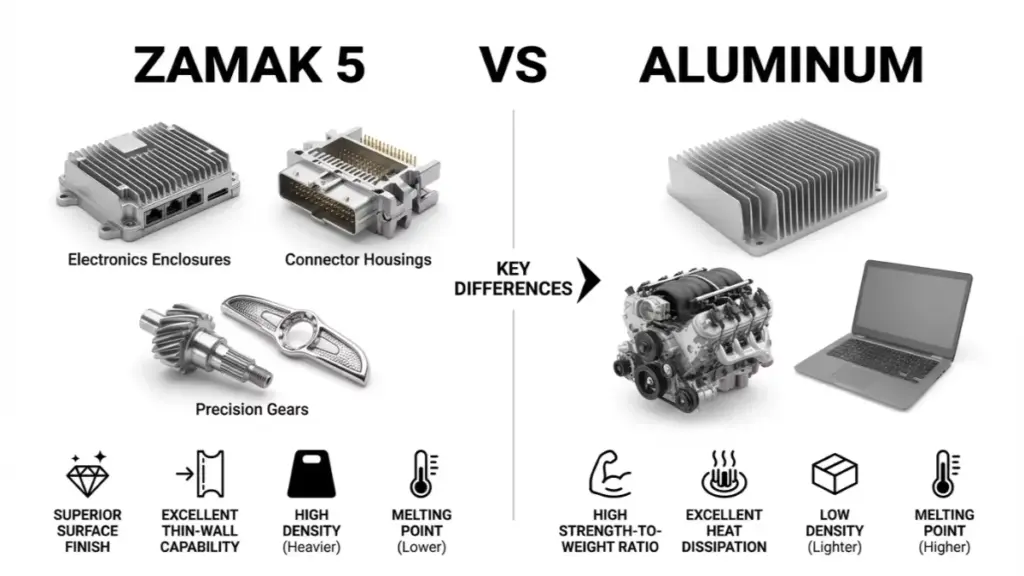
負荷 5 対. アルミニウム合金 – 特性比較
次のセクションでは、機械的な面における亜鉛 Zamak 5 とアルミニウム鋳造合金の主な違いを強調します。, 物理的な, および生産寸法.
機械的および物理的性能
| パラメータ | 負荷 5 | ADC12 / A380 | 重要な洞察 |
|---|---|---|---|
| 抗張力 | ~331MPa | ~320MPa | 同等の強度; 負荷 5 より優れた硬度を提供します. |
| 硬度 | 91 HB | 80–85HB | 負荷 5 部品は摩耗や機械的ストレスに効果的に耐えます. |
| 伸長 | ~7% | 1–3% | アルミのほうが脆い; 負荷 5 破損する前にわずかな変形を許容する. |
| 密度 | 6.6–6.7 g/cm3 | 2.7 g/cm³ | アルミパーツは約 60% 軽量化. |
負荷 5 より高い寸法精度と硬度を実現, 小さなサイズでの精度と強度が重要な部品に最適です, ラッチやギアなど. アルミニウム, 一方で, 軽量化と熱管理が優先される場合に好まれます.
耐食性と表面仕上げ
亜鉛は安定した酸化層により自然に腐食に強い, 亜鉛ザマック 5 は湿気や酸化条件下で強力な性能を発揮します. さらに, 負荷 5 電気めっきを簡単にサポート, 絵画, そしてクロメート処理.
アルミニウムは適度な耐食性を備えていますが、耐久性と外観を向上させるには陽極酸化処理や粉体塗装などの表面処理が必要です。. 特に屋外構造部品に適しています。.
| 側面 | 負荷 5 | アルミニウム (ADC12 / A380) |
|---|---|---|
| 自然耐食性 | 素晴らしい | 良い |
| メッキ / 絵画 | 優れた (鏡面仕上げも可能) | 良い (陽極酸化処理が好ましい) |
| 美的用途 | 素晴らしい | 適度 |
| 環境耐久性 | 高い | 高い (塗装後) |
鋳造と生産の特徴
もう 1 つの重要な違いは、キャスト動作です。亜鉛ザマック5は低温で溶けます (約385℃ vs. アルミニウムは約660℃), エネルギー消費量の削減につながります, サイクルタイムの短縮, 金型寿命の延長.
しかし, ザマック合金は密度が高く、重量と体積当たりの材料コストが高いため、大型部品にはあまり適していません。.
| パラメータ | 負荷 5 | アルミニウム ADC12 / A380 |
|---|---|---|
| 融解温度 | ~385℃ | ~660℃ |
| サイクルタイム | 短い | 適度 |
| 金型の寿命 | より長い | 短い |
| 適切な部品サイズ | 小規模から中規模 | 中~大 |
| 寸法安定性 | 素晴らしい | 良い |
ザマックダイカスト 二次加工なしで薄肉と正確な公差制御をサポート, 一方、アルミニウムダイはより大きなサポートに優れています, 熱放散ハウジングまたはフレーム.
用途に適した材料の選択
ザマック間の「正しい」選択 5 アルミニウムは完全に用途の目標に依存します.
考慮すべきいくつかの指針となる要素を次に示します:
- コンポーネントのサイズと重量:
- より大型または軽量の構造にはアルミニウムが推奨されます.
- 負荷 5 コンパクトに最適, 精密に設計されたコンポーネント.
- 強度と荷重の要件:
- どちらの合金も強力なパフォーマンスを提供します, でもザマック 5 小型機構で優れた硬度と耐摩耗性を実現.
- 表面の美しさ:
- 装飾クロムまたは塗装仕上げが必要な製品の場合 (例えば, ハンドル, 備品), 負荷 5 通常はアルミニウムよりも優れた性能を発揮します.
- 熱と電気のニーズ:
- 導電性と熱放散が重要な場合はアルミニウムが勝ります (例えば, エンジンまたは電子ハウジング).
- 生産効率とコスト:
- 亜鉛合金はより長い工具寿命とより速いサイクルを実現します.
- アルミニウムは材料密度が低いため、大量の部品が必要な場合に 1 個あたりの部品コストが削減されることがよくあります.
本質的には, 負荷 5 高精度のニッチを埋める, 小さな金属パーツ, 一方、アルミニウム合金は依然として大型製品の業界標準です。, 軽量鋳物.
ダイカストソリューションにおけるBIANの専門知識
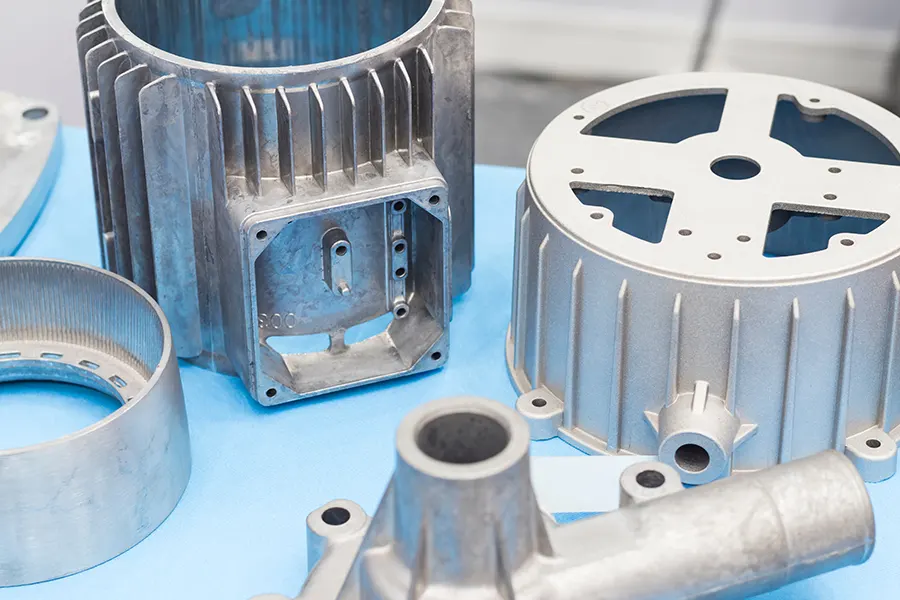
アルミダイカストにおける長年の技術経験, ビアン 金型設計、合金の選択から表面処理、最終組立まで、総合的なエンジニアリングサポートを提供します。.
当社のエンジニアリングチームは、さまざまな合金の取り扱いに熟練しています, 亜鉛 Zamak 5 やアルミニウム グレードなどを含む ADC12 そしてA380, 顧客が客観的かつアプリケーション固有の重要なアドバイスを受けられるようにする.
結論
ザマック 5 とアルミニウム ダイカスト合金を比較すると、両方に独自の利点があることがわかります。:
- Zamak 5 は優れた表面仕上げを提供します, 硬度, 複雑なデザインに対する耐性.
- アルミニウム合金が軽さをもたらします, 熱効率, 大規模コンポーネントに対するコスト効率の向上.
直接的な競争ではなく、, これらの合金は、さまざまなエンジニアリング ニーズにわたって相互に補完します。.
BIAN の役割は、データに基づいた洞察と技術的専門知識を活用して、クライアントがこれらの選択を行えるよう支援することです, 最終製品が設計意図の間で最適なバランスを達成できるようにする, パフォーマンス, 生産効率と.