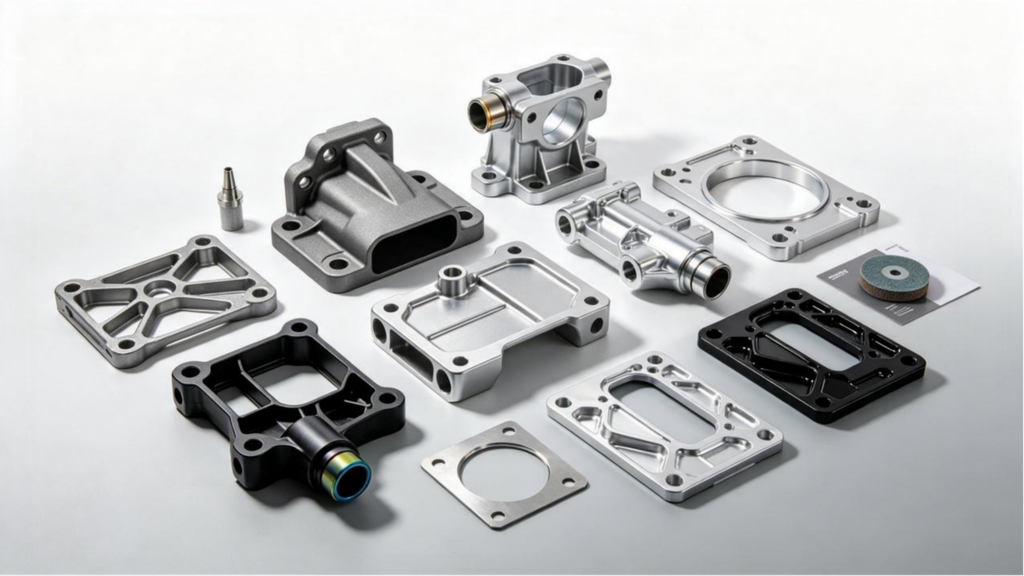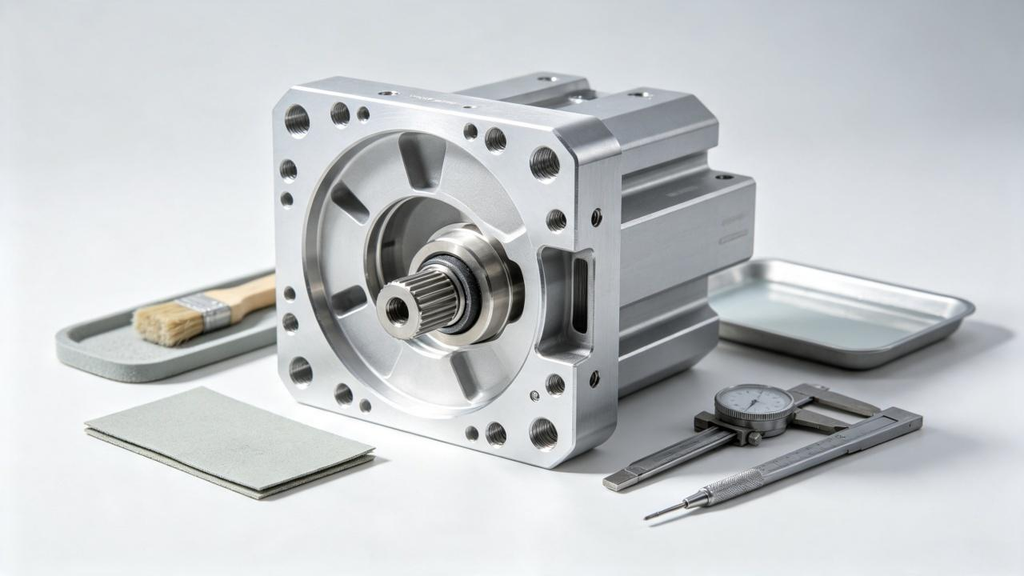
Обеспечение надежных возможностей литья автомобильного качества определяет, будет ли ваша производственная линия оставаться активной или страдать от критических отказов деталей.. OEM-производители требуют абсолютной точности, и не соответствует требованиям IATF 16949 мандаты превращают мелкие дефекты литья в дорогостоящие, массовые остановки сборки.
Этот анализ разрушает строгие рамки соответствия, необходимые для достижения уровня 3 Утверждения PPAP и поддержание уровня дефектов ниже 80 PPM. Мы оцениваем передовые протоколы планирования качества продукции и статистические тесты возможностей., включая цели CpK, указанные выше 1.33, чтобы помочь вам установить безопасную, цепочка поставок без дефектов.
Основные возможности автомобильного литья
Литье автомобильного назначения сочетает в себе методы высокого давления и специализированные сплавы для достижения точности., легкие компоненты, которые уменьшают вес автомобиля и соответствуют строгим стандартам производительности OEM..
Основные методы литья и комплексные операции
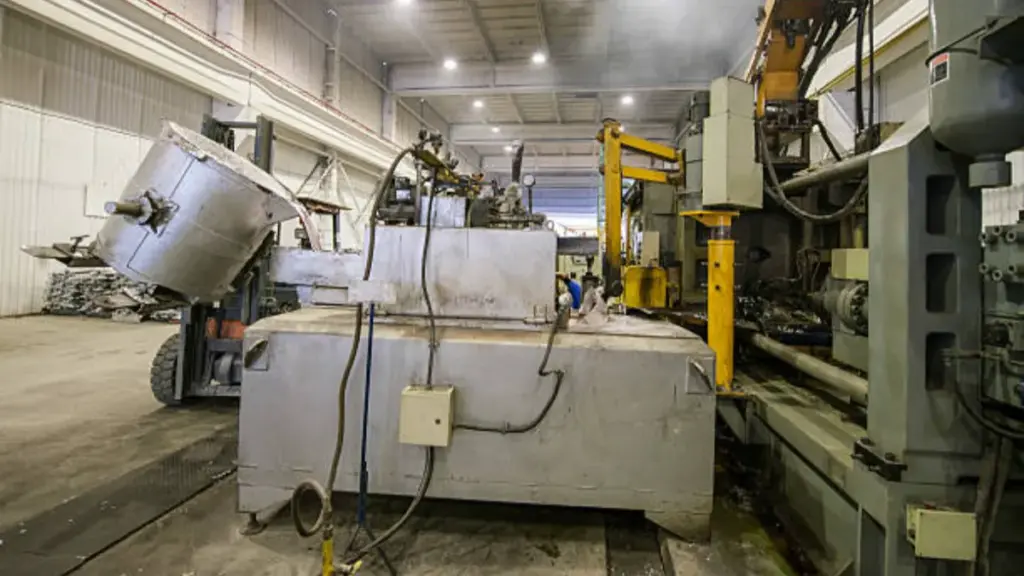
Литейные предприятия применяют точные методы литья в сочетании с собственной отделкой для достижения жестких допусков и соблюдения графиков производства больших объемов..
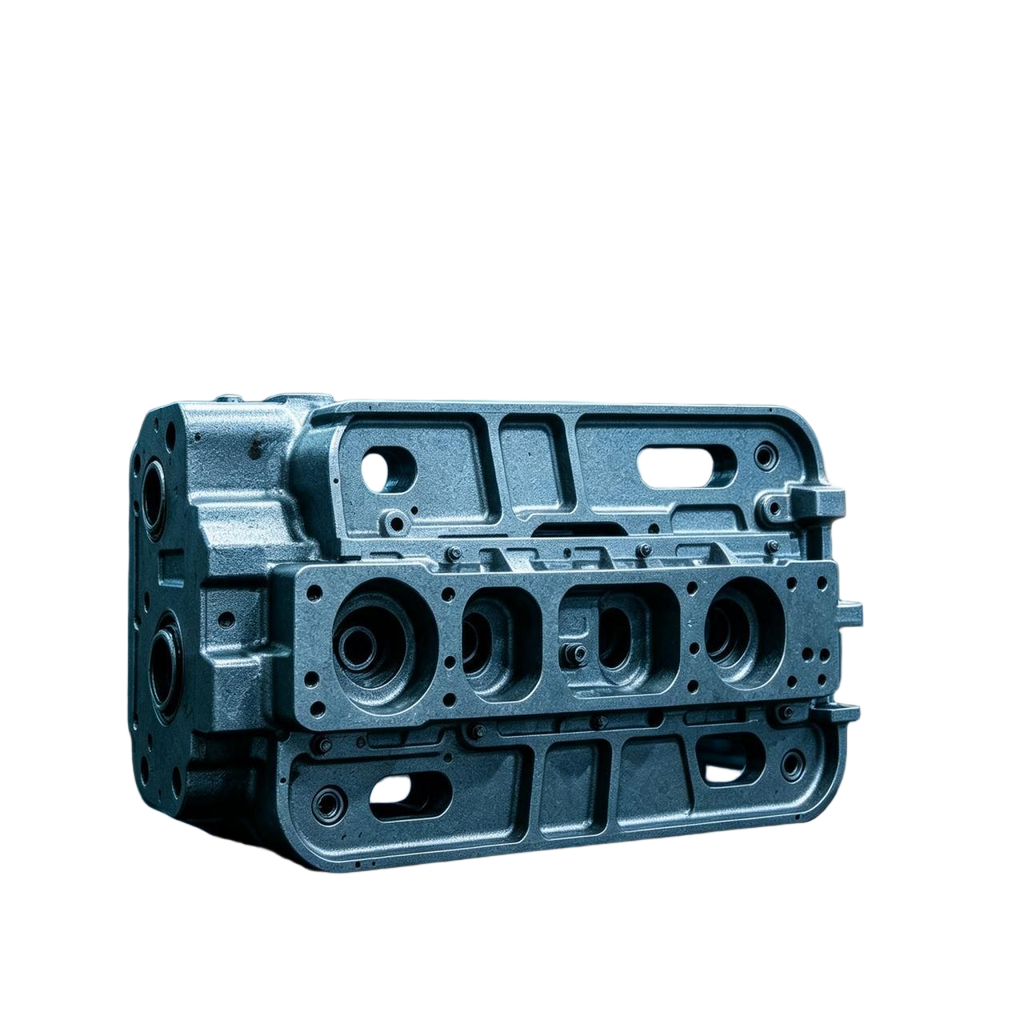
- High-Pressure Die Casting: Применение 1,500 к 25,000 psi быстро формирует сложные детали почти чистой формы, такие как кронштейны двигателя и корпуса трансмиссии. 30 до 60-секундного времени цикла.
- Постоянная форма и центробежное литье: Эти методы контролируют затвердевание и отделяют примеси, создавая плотную структуру., долговечные тормозные барабаны и компоненты подвески.
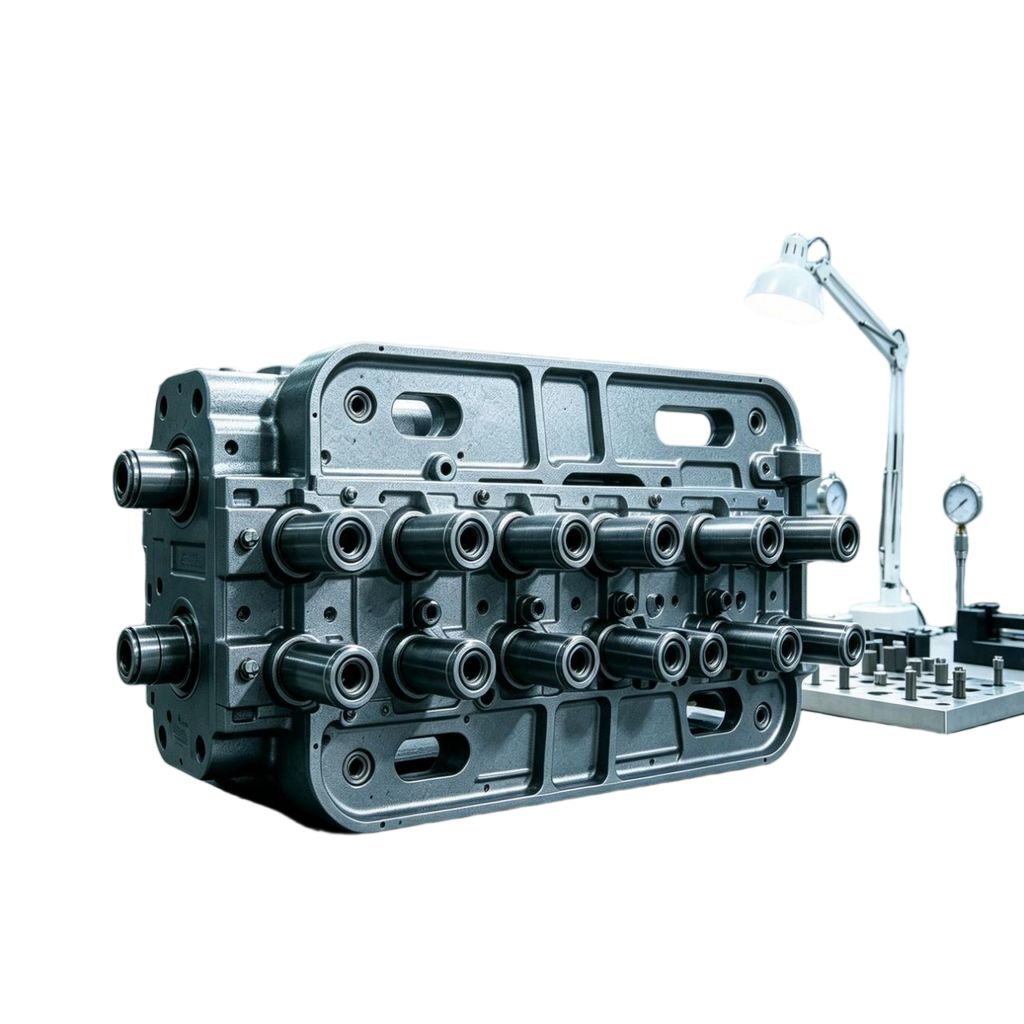
- Вертикально интегрированные операции: Предприятия комбинируют оснастку, многоосевая обработка с ЧПУ, и запатентованные методы формования для уменьшения пористости и обеспечения плотной однородности размеров..
Выбор материала и показатели производительности
Производительность компонентов напрямую зависит от выбранного металлургического профиля, обеспечивающего баланс прочности., масса, и тепловая динамика.
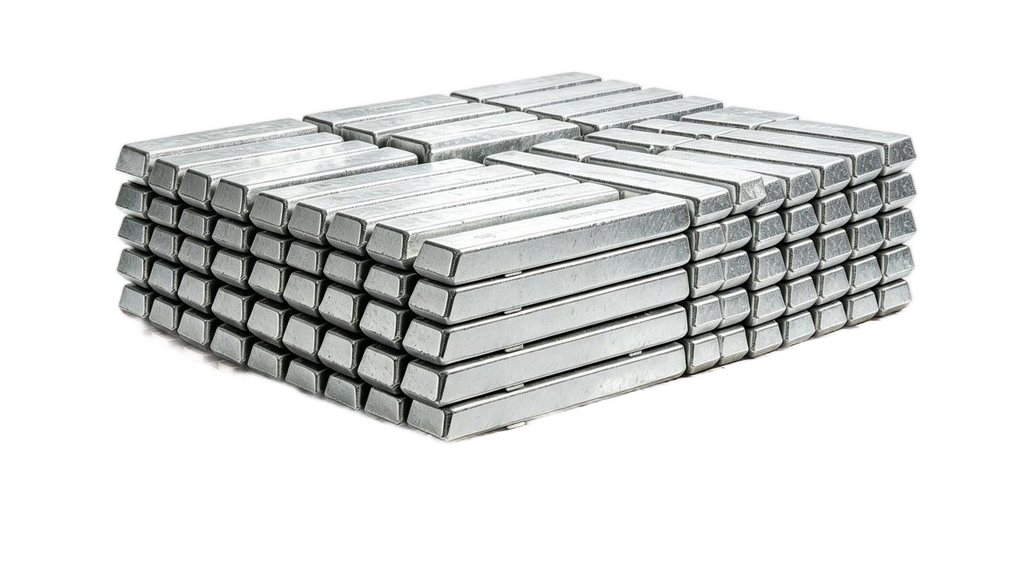
- Алюминиевые сплавы (А356 и 319): Литейные заводы отливают эти сплавы для изготовления блоков двигателей и тормозных суппортов., используя их высокую усталостную прочность, отличная литейность, и поток жидкости через сложные формы.
- Магний и цинк: Замена более тяжелых стальных элементов, эти металлы снижают вес автомобиля примерно 60 процентов и повысить общую топливную экономичность до 25 процент.
- Легирующие элементы: Добавление кремния, медь, а магний увеличивает теплопроводность. Это обеспечивает быстрый отвод тепла, критически важный для тяжелых тормозных систем и трансмиссий электромобилей..
Понимание IATF 16949 Стандарты для OEM-производителей
МАТФ 16949 преобразует общий ISO 9001 базовые показатели в строгие требования к качеству автомобилей. Литейные предприятия должны внедрить основные инструменты, такие как PPAP и SPC, для устранения дефектов и заключения OEM-контрактов..
Переход с ISO 9001 в IATF 16949
ИСО 9001 обеспечивает общую структуру качества, но производители автомобильной техники требуют абсолютной точности. Вы начинаете переход с проведения тщательного анализа пробелов между существующими стандартами ISO. 9001 процессы и строгие автомобильные требования IATF 16949.
Литейные предприятия должны интегрировать основные инструменты для автомобильной промышленности, такие как PPAP., APQP, и FMEA — непосредственно в ежедневные операции литья. Вы отслеживаете и документируете данные на протяжении всего производственного цикла., от первоначального создания восковой модели до фактической заливки расплавленного металла.
Базовые проверки качества больше не работают для автомобильных линий с большим объемом продаж.. Вы модернизируете их, чтобы обеспечить строгий контроль процесса на каждом этапе, чтобы резко снизить процент брака и предотвратить дефекты в высокоточных деталях.. Как только вы заблокируете эти новые элементы управления, вы проводите внутренние аудиты и завершаете планы предварительного аудита, прежде чем назначать обязательный внешний аудит в аккредитованном органе.
Ключевые показатели соответствия для литейных предприятий
Для обеспечения соответствия требованиям и достижения целей OEM, литейные предприятия отслеживают стабильность процесса с помощью конкретных показателей производительности и технических исследований.
- Анализ измерительной системы (MSA): Проводить статистические исследования для отслеживания изменений в инспекционном и испытательном оборудовании., обеспечение жестких допусков для всех литых деталей.
- Управление процессом & Оценка риска: Примените статистический контроль процессов (НПЦ) контролировать консистенцию заливки расплавленного металла и использовать FMEA для оценки рисков дефектов в деталях конструкций..
- Неразрушающий контроль (неразрушающий контроль): Внедрить строгие протоколы испытаний для проверки усталостностойких сплавов и последовательного снижения общего уровня дефектов..
- Специфические требования заказчика: Внедрение требований, специфичных для OEM-производителей, такие как строгие визуальные стандарты, непосредственно в область сертификации, охватывающую все производственные компоненты.
Отслеживание этих показателей избавляет литейное производство от догадок.. Вы полностью полагаетесь на статистические данные, чтобы доказать, что ваши отливки соответствуют точным структурным и размерным требованиям, предъявляемым цепочкой поставок автомобильной промышленности..
Инженерное литье под давлением для мировых брендов
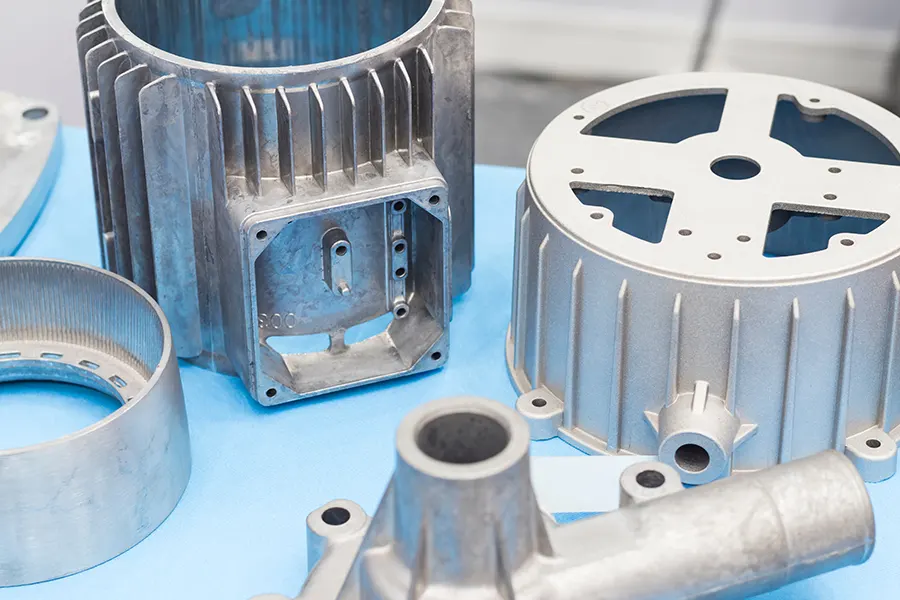
Навигация по аудитам PPAP и APQP
Рамки PPAP и APQP определяют качество автомобилей.. Освоение ранних этапов планирования и проектирования APQP обеспечивает бесперебойную работу, соответствующий уровень 3 Представление PPAP для крупносерийного производства.
| Рамочный элемент | Основной фокус | Первичный выход |
|---|---|---|
| Этап APQP 1 | Определение и объем программы | Согласованные требования клиентов и цели в области качества |
| Этап APQP 2 | Дизайн и разработка продукта | Технические характеристики и инженерное одобрение |
| Уровень PPAP 3 | Комплексное одобрение деталей | Ордер на подачу части (ПСВ) и подтверждающие данные |
Расширенное планирование качества продукции (APQP) Фазы
APQP выступает в качестве дорожной карты для запуска новых автомобильных компонентов.. Это заставляет межфункциональные группы согласовывать спецификации задолго до начала производства., сопровождение проекта на структурированных этапах разработки.
Фаза 1: Планируйте и определяйте программу закладывает основу для разработки продукта. Команды фиксируют технические критерии клиентов, просмотреть записи проектирования, и определить строгие цели в области качества. Использование специальных контрольных списков APQP на этом этапе гарантирует, что ваша команда зафиксирует ожидания, прежде чем приступить к какой-либо фактической проектной работе..
Фаза 2: Проектирование и разработка продукции переводит эти первоначальные требования в жесткие технические спецификации. Инженеры создают чертежи деталей, окончательно утвердить спецификации материалов, и получить одобрение заказчика на проектирование. Здесь вы также устанавливаете процедуры документирования инженерных изменений, чтобы эффективно управлять модификациями на протяжении всего оставшегося цикла разработки..
Процесс утверждения производственных деталей (ППАП) Уровни
Процесс утверждения производственных деталей действует как последний контролер перед массовым производством.. Срабатывает на более поздних этапах проверки APQP., это доказывает, что ваше предприятие может надежно производить детали в соответствии с точными спецификациями.. OEM-производители автомобильной промышленности в значительной степени полагаются на комплексный уровень 3 подача заявки на новые компоненты.
Полный уровень 3 Для подачи PPAP поставщик должен предоставить Гарантию на поставку детали. (ПСВ) наряду с физическими образцами продуктов и обширными вспомогательными данными. Стандартный пакет документации включает в себя:
- FMEA-документы: Анализ отказов конструкции и процесса с целью выявления потенциальных рисков дефектов.
- Анализ измерительной системы (MSA): Исследования, подтверждающие точность работы ваших инструментов контроля и измерительных систем..
- Исследования возможностей: Статистические доказательства того, что производственный процесс находится в пределах строгих допусков., требуя значения CpK больше, чем 1.33.
- Блок-схемы процессов: Подробное отображение всей производственной последовательности от сырья до готовой продукции..
- Образцы продукции: Физические детали, изготовленные с использованием точных инструментов и параметров массового производства..
Отправка этого комплексного пакета данных демонстрирует OEM-производителям, что ваши предприятия могут неоднократно производить детали для массовой сборки, обеспечивая при этом все критически важные показатели качества и инженерные показатели..
Оценка возможностей сертифицированного поставщика
Оценка поставщиков отливок требует строгих проверок на месте и пробных запусков для проверки уровня дефектов менее 80 PPM и IATF. 16949 соблюдение требований перед подписанием контрактов на крупносерийное производство.
Структурированный процесс оценки поставщиков
Вы не можете позволить себе догадок при выборе автомобильного литья.. Команды по закупкам полагаются на жесткий процесс оценки, начиная с подробных анкет.. После этого они проводят 6-8-часовые проверки на месте.. Во время этих визитов, инженеры сносят системы контроля качества поставщика, проверить свои возможности обработки, и проверьте стандарты материалов, такие как спецификации EN для серого чугуна..
Как только поставщик пройдет аудит, покупатели не сразу подписывают долгосрочные контракты. Они требуют пробный заказ на 500 штук для измерения стабильности производства в реальных условиях.. Оценщики тщательно проверяют эти первоначальные партии, чтобы гарантировать, что уровень дефектов остается на низком уровне. 80 частей на миллион (ППМ). Этот шаг является обязательным перед переходом к критически важным для безопасности компонентам, таким как блоки двигателей и элементы шасси..
Ключевые показатели эффективности и сертификаты
Производители оригинального автомобильного оборудования (OEM-производители) требовать строгого соблюдения международных стандартов качества и экологии. Надежные литейные предприятия должны обладать особыми полномочиями и соответствовать жестким эксплуатационным критериям, чтобы иметь право на производство высоконагруженных деталей силовых агрегатов и конструкций..
- Обязательные сертификаты: МАТФ 16949, ИСО 9001, и ИСО 14001:2015 согласие.
- Метрики доставки: 98% к 99% своевременная доставка (OTD) ставки.
- Логистические возможности: Точно в срок (ТОЧНО в срок) интеграция цепочки поставок.
Поскольку цепочки поставок автомобильной продукции адаптируются к агрессивным 2026 производственные требования, оценщики устанавливают эти строгие ключевые показатели эффективности, чтобы предотвратить остановки сборочной линии.. Поставщики должны доказать, что они могут поддерживать эти показатели доставки и качества из месяца в месяц, чтобы поддерживать свой сертифицированный статус..
Часто задаваемые вопросы
В чем разница между ИСО 9001 и IATF 16949?
ИСО 9001 обеспечивает широкую структуру управления качеством для любой отрасли. МАТФ 16949 строится на этом фундаменте, но наслояется строго, автомобильные требования. В литейной среде, МАТФ 16949 требует основных инструментов прогнозирования — APQP, FMEA, НПЦ, и MSA — чтобы остановить такие дефекты, как пористость и усадка, еще до их появления.. Хотя ИСО 9001 требует общего мышления, основанного на риске, OEM-производители считают, что базовый уровень недостаточен для высоконадежных деталей.. Для поставок в глобальные автомобильные сети, литейным заводам необходимы строгие аудиты и сертификаты утвержденных органов, которые IATF 16949 требования.
Как OEM-производители проверяют документацию PPAP?
OEM-производители проверяют документацию PPAP посредством структурированного аудита 18 конкретные элементы, сопоставление представленных данных со строгими техническими стандартами. Они внимательно изучают раздутые рисунки., размерные результаты, и сертификаты материалов, подтверждающие, что литейное производство соответствует всем допускам.. Аудит уделяет большое внимание статистическим данным., проверка исследований возможностей, для которых обычно требуется CpK выше 1,33, и анализ измерительной системы. (MSA) для обеспечения повторяемой точности контроля. OEM-производители корректируют требуемый уровень подачи в зависимости от сложности детали., критичность безопасности, и репутация поставщика. Если проверка выявила несоответствия, поставщик должен исправить процесс и повторно отправить заявку, прежде чем OEM предоставит окончательное разрешение на производство..
Почему APQP важен для поставщиков автомобильного литья?
APQP структурирует разработку продукта для прогнозирования и предотвращения дефектов., непосредственное обеспечение соблюдения IATF 16949 согласие. Процессы литья несут в себе высокие риски, включая пористость, утечки давления, и размерные сдвиги при охлаждении. APQP заставляет межфункциональные группы использовать такие инструменты, как PFMEA, и тщательную проверку проекта, чтобы выявить эти уязвимости на ранних стадиях проектирования.. Такое предварительное планирование позволяет литейным заводам достигать целей с нулевым дефектом при больших объемах производства.. Литейные заводы, которые надежно интегрируют программы запуска APQP и заключают долгосрочные контракты с крупными производителями автомобильного оборудования..
Заключительные мысли
Заводы по производству нестандартных изделий предлагают более низкие первоначальные цены, но приобретение автомобильного литья, сертифицированного IATF 16949, — единственный способ защитить вашу цепочку поставок от дорогостоящих остановок сборочной линии.. Требование строгих рамок APQP и PPAP исключает производственные догадки и фиксирует уровень дефектов ниже 80 PPM для высоконагруженных силовых агрегатов и компонентов конструкции..
Не гадать о качестве автомобилей — проверяйте его с помощью точных статистических данных и физических прототипов.. Мы рекомендуем начать с пробного заказа на 500 деталей, чтобы подтвердить точность литья и лично ознакомиться с нашей полной документацией по PPAP.. Свяжитесь с нашей командой инженеров, чтобы точно согласовать ваши OEM-спецификации и обеспечить долгосрочную производственную схему..