
- All
- Aluminum Alloy
- Aluminum Die Casting
- Anodized
- Automotive Parts Die Casting
- Clear Trivalent Chromium Conversion Coating
- CNC Machining
- Customized Alloy
- E-Coating
- High Pressure Die Casting
- IATF16949
- Industry Guide
- ISO90001
- Leak Testing
- Lighting Parts Die Casting
- Magnesium Alloy
- Magnesium Die Casting
- Manufacturers Directory
- News
- Polishing
- Post Machining
- Post Process
- Powder Coating
- Rapid Prototyping
- Sand Blasting
- Shot Blasted
- Tool and Die Making
- Tool Materials
- Vacuum Die Casting
- Zinc Die Casting
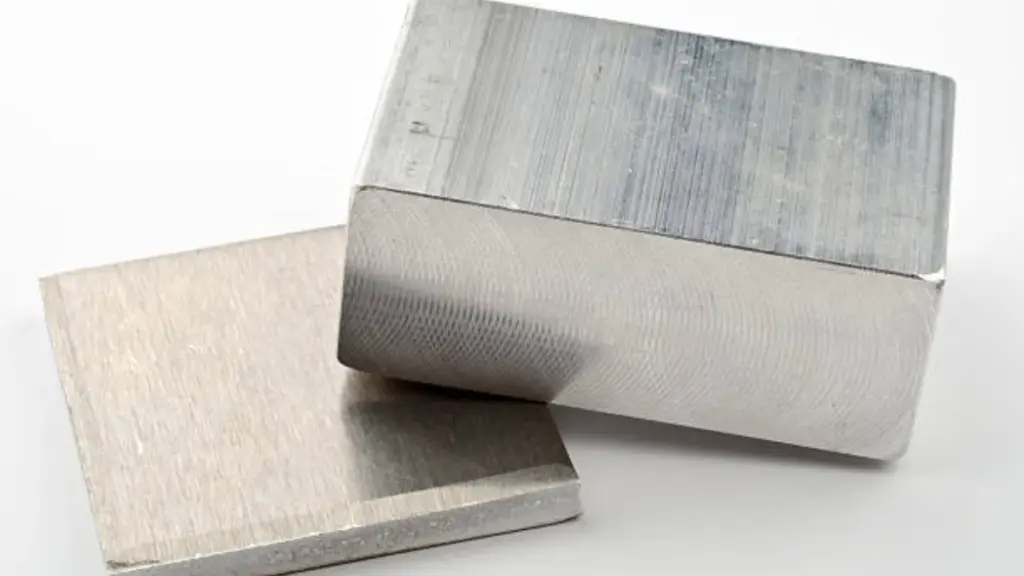
Zamak 5 Material Properties and Comparison with Aluminum Alloys
Different alloys deliver unique combinations of mechanical performance, cost, and manufacturability. Among various options, zinc Zamak 5 and aluminum alloys such as ADC12 and A380 are two of the most common materials in industrial applications.This article ...
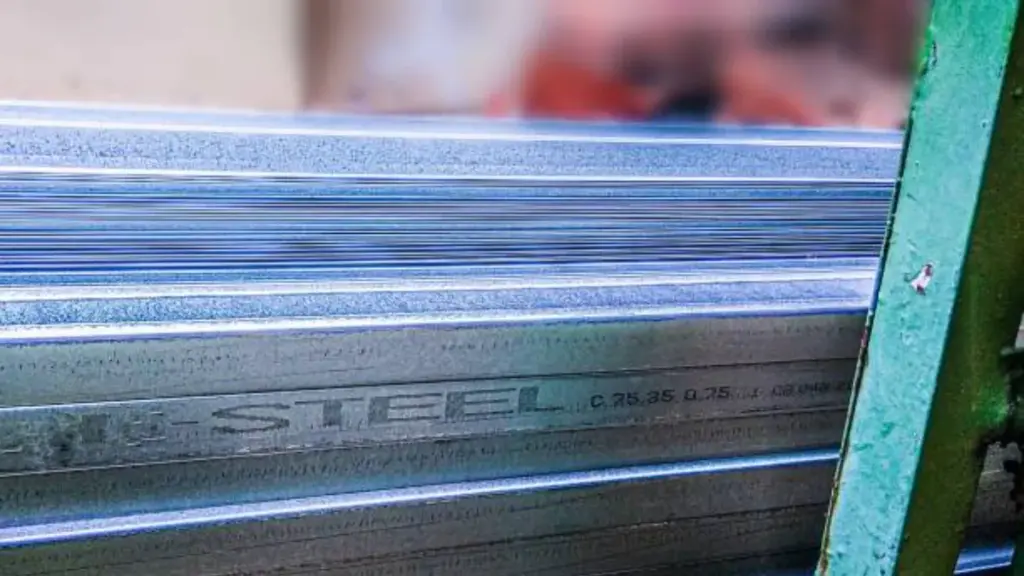
SS400 Material Properties and Applications
SS400 is a widely used carbon structural steel grade under the JIS G3101 standard, valued for its balanced mechanical properties, weldability, and cost-effectiveness in structural engineering projects. Engineers and manufacturers ...
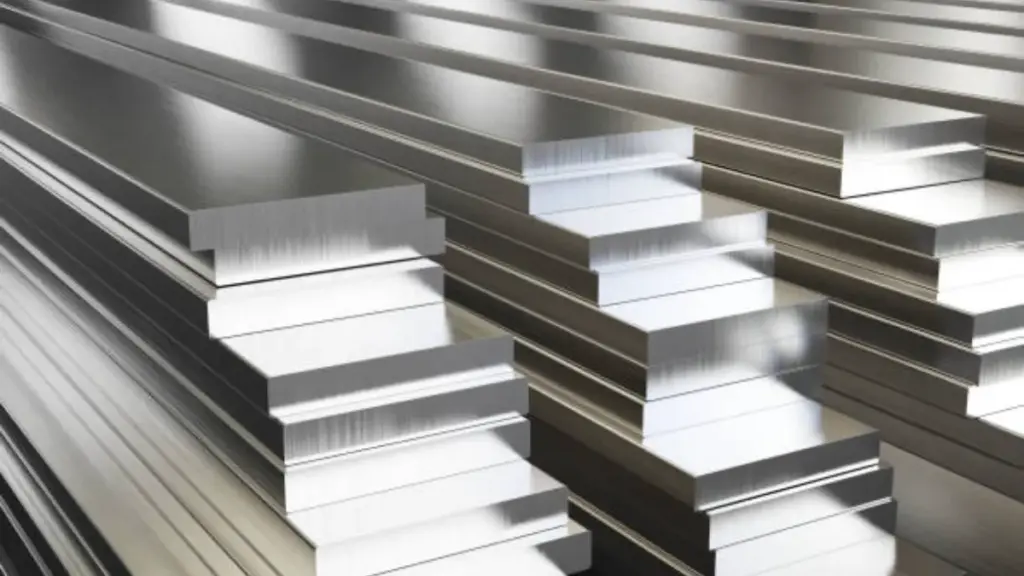
2024 Aluminum vs 6061 Engineering Selection Guide
2024 aluminum and 6061 aluminum belong to fundamentally different alloy families. One prioritizes high strength and fatigue resistance; the other balances mechanical performance with weldability, corrosion resistance, and broad manufacturability. ...
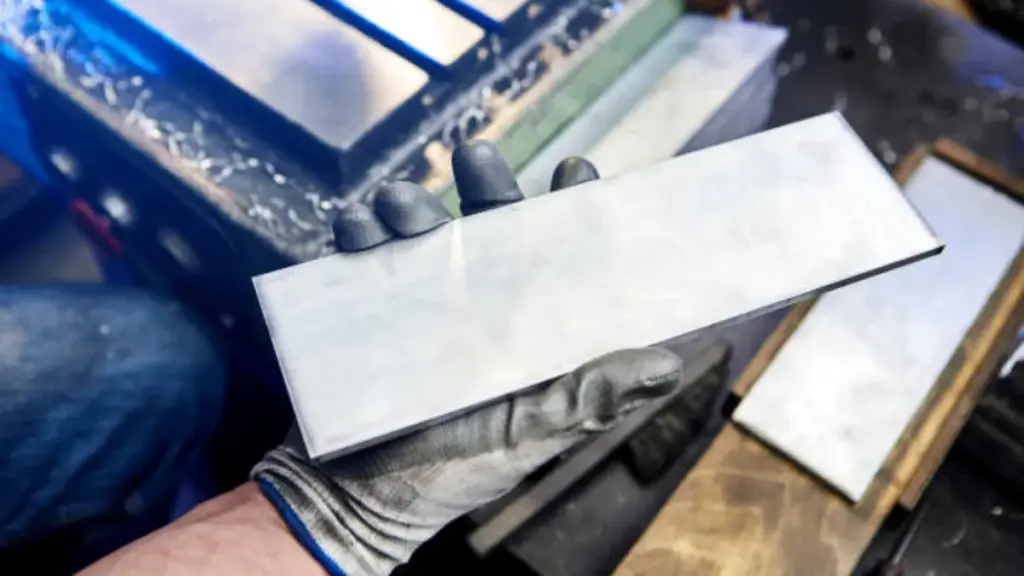
Can You Bend Aluminum Without Breaking It?
Aluminum is valued in engineering for its light weight, corrosion resistance, and favorable strength-to-weight ratio. It appears in structural frames, automotive components, lighting housings, electronic enclosures, and countless fabricated parts. ...
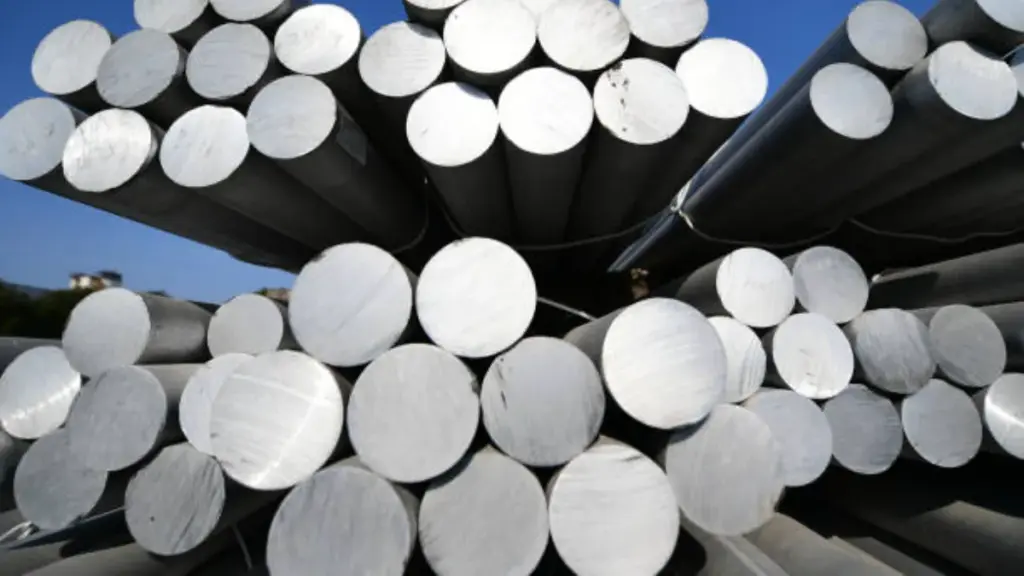
Understanding 6061 Aluminium: Performance, Machining, and Casting Options
Aluminium alloys are central to modern engineering owing to their lightweight, corrosion resistance, and broad processability. Among them, 6061 aluminium stands out as one of the most widely used structural ...
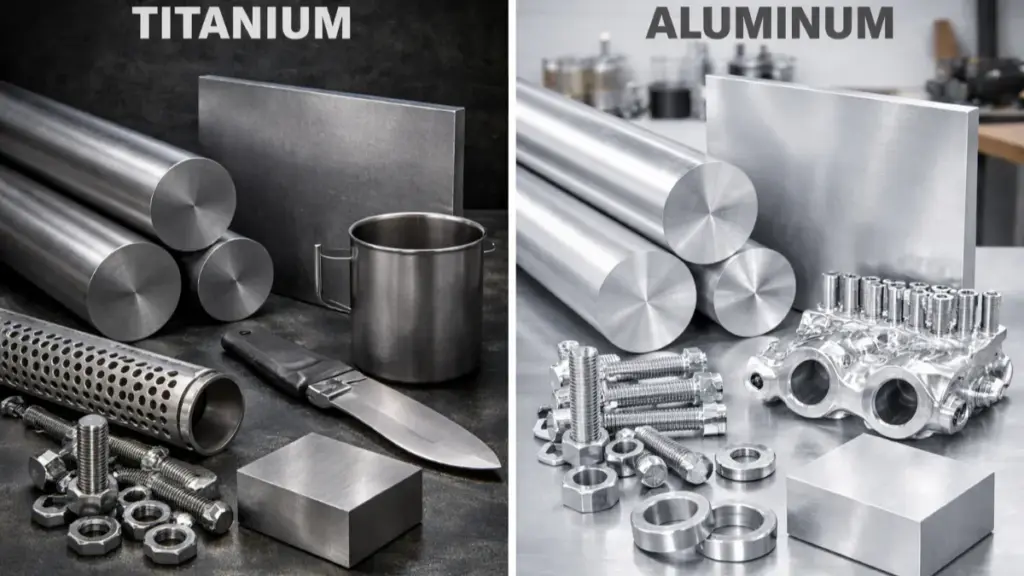
Titanium vs Aluminum: Which Material Should You Choose?
Introduction Material selection is rarely a simple binary decision. When engineers, product designers, or procurement managers compare titanium vs aluminum, they are typically balancing three critical axes: performance, manufacturing feasibility, ...
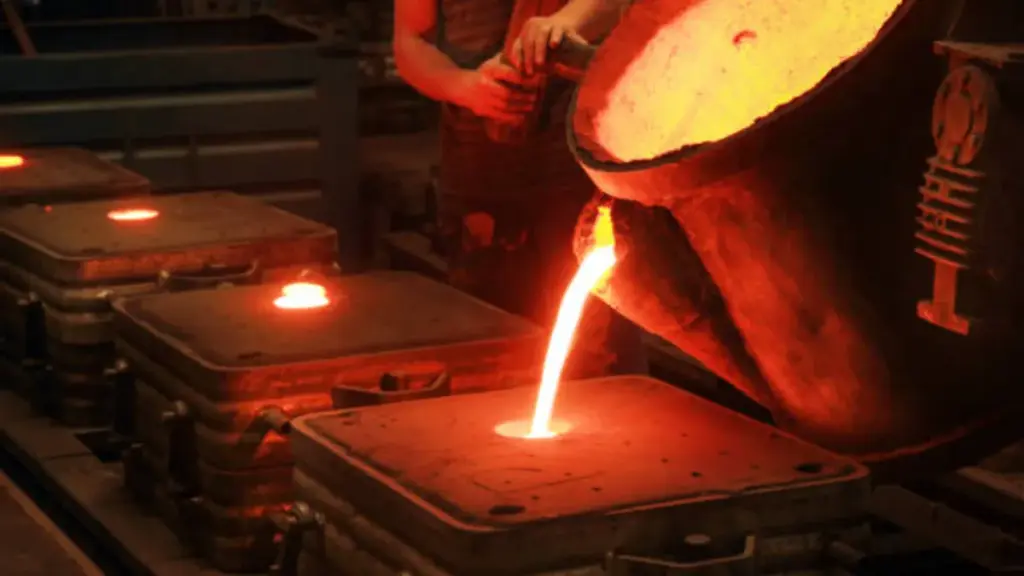
Gravity Casting vs. Die Casting: The Engineer’s Guide to Process Selection
The debate over gravity casting vs die casting often determines whether a critical component fails under load or performs reliably for its entire service life, directly impacting warranty claims and ...
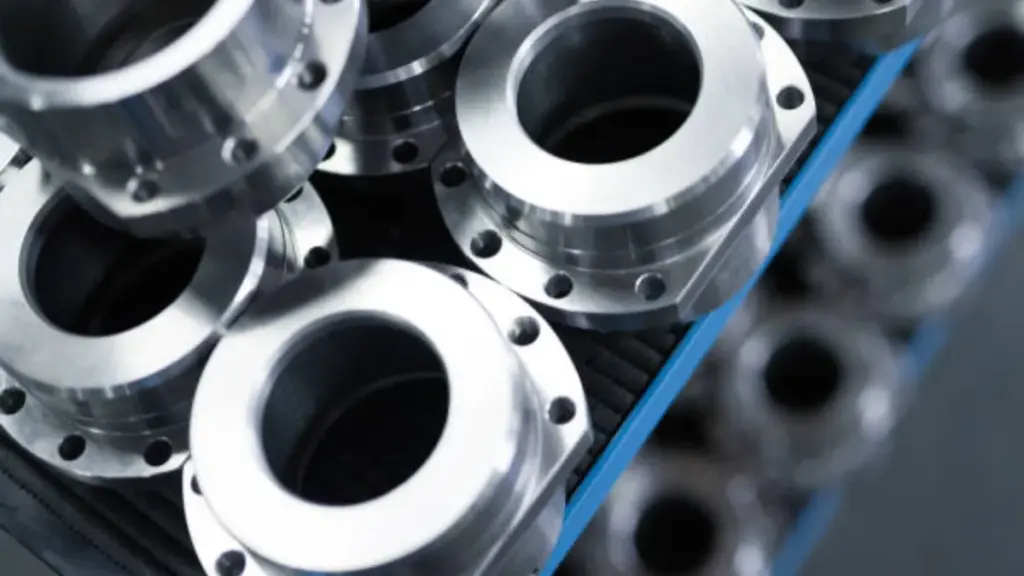
Alloy Steel vs Carbon Steel: Differences & The Lightweight Alternative
The choice between alloy steel vs carbon steel is a critical engineering decision that directly impacts structural integrity, manufacturing costs, and the risk of premature component failure. Selecting the wrong ...
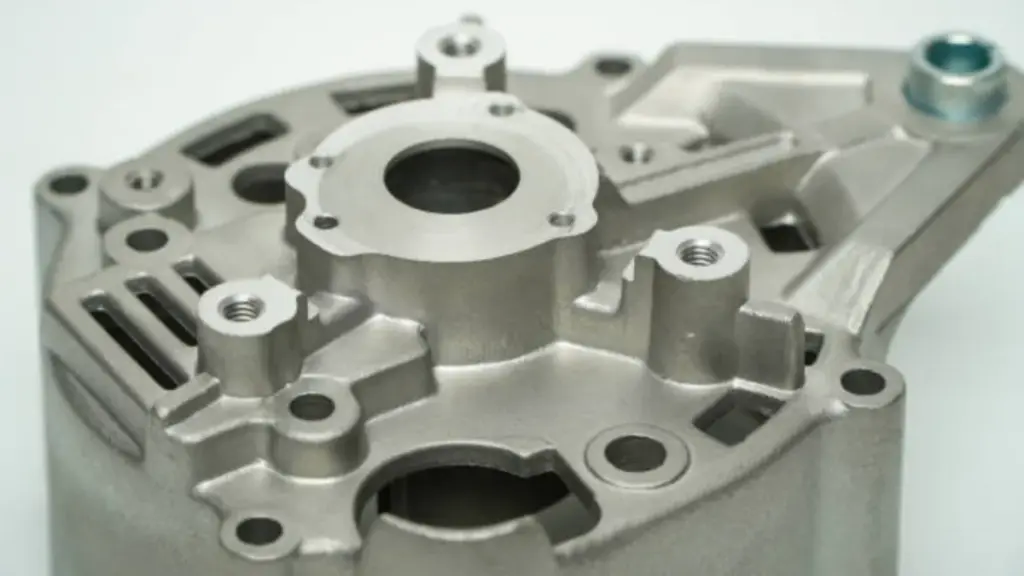
The Engineer’s Guide to Zinc Die Cast Prototypes: Methods, Materials, and Costs
Effective prototype zinc die casting is the primary safeguard against six-figure tooling rework and catastrophic product launch delays. Engineers face constant pressure to validate part designs before committing to expensive, ...



