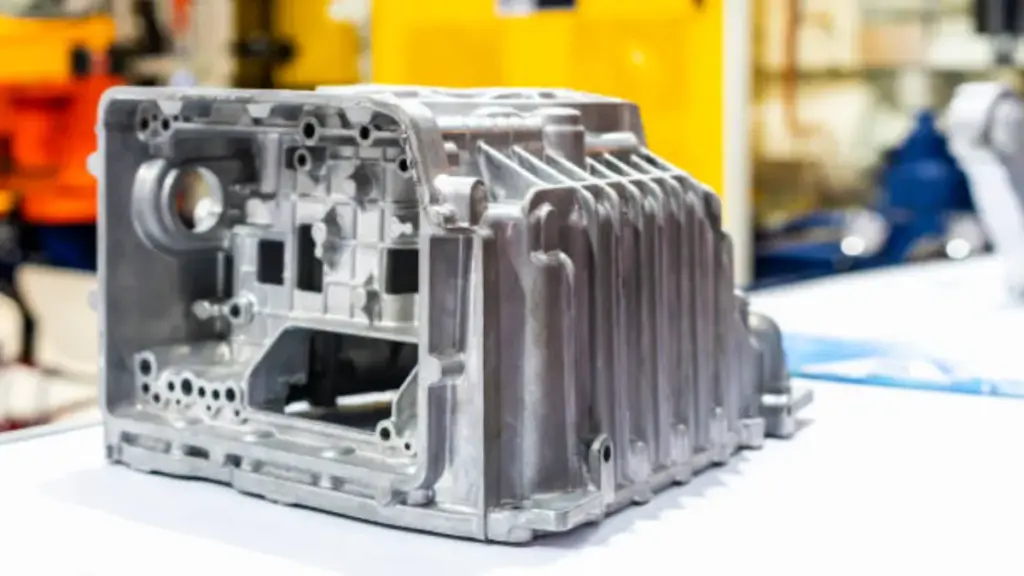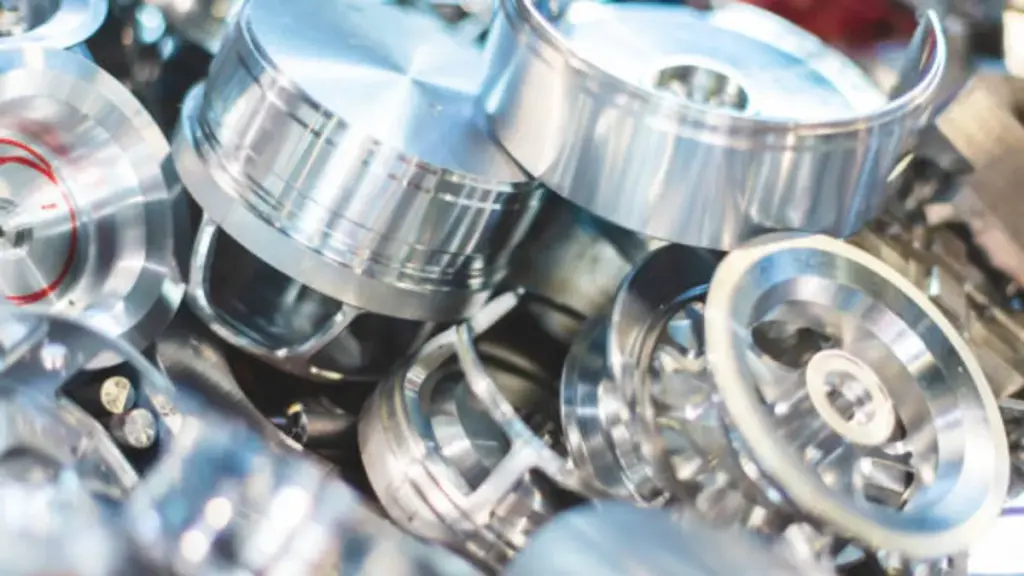
Partnering with a reliable die cast light housing manufacturer in China dictates whether your outdoor luminaires survive extreme thermal loads or fail prematurely in the field. Relying on general metal foundries without LED-specific engineering expertise directly increases porosity risks, compromises IP66 sealing, and drives up costly warranty claims.
This analysis benchmarks supplier capabilities against the Industry Standard. We evaluate critical factors like thermal design support for ADC12 and A380 alloys, in-house CNC machining tolerances, and 1250 to 1600T machine capacity to help you secure a scalable, defect-free supply chain.
How Buyers Shortlist Die Cast Housing Suppliers in China
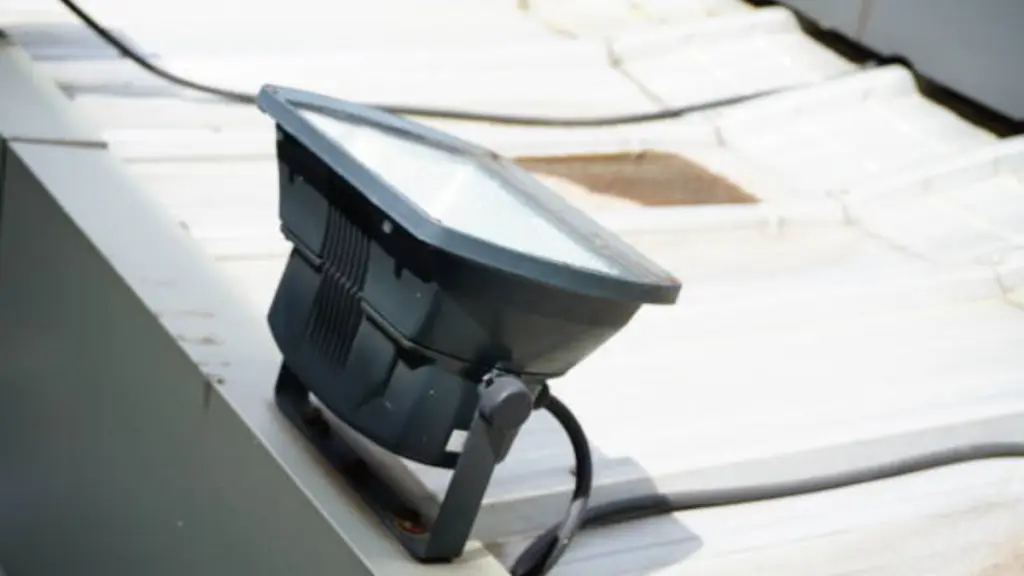
Buyers evaluate die cast housing suppliers in China by checking engineering capability, manufacturing reliability, and commercial transparency before making price decisions.
Initial Filtering by Application and Technical Capability
Supplier screening begins by confirming whether the manufacturer has real experience in LED lighting applications rather than general metal casting. This step ensures the supplier understands thermal behavior, outdoor exposure, and material performance requirements.
Key evaluation areas include:
- LED application experience: Proven production of street light or outdoor housing components
- Material expertise: Stable use of ADC12 and A380 aluminum alloys in die casting
- Environmental understanding: Awareness of heat dissipation, corrosion resistance, and long-term outdoor stability
Suppliers without LED-specific experience often struggle with thermal control and structural reliability in real projects.
Engineering Support, Tooling Control, and Quality Systems
Engineering capability and production control determine whether a design can move smoothly into stable mass production. Strong suppliers actively improve drawings and manage tooling risks before manufacturing begins.
Evaluation focus includes:
- DFM and tooling control: Ability to review 3D files, optimize structure, and simulate mold flow
- Production quality systems: Full IQC, IPQC, and FQC process with documented inspection records
- Certification and traceability: ISO, CE, RoHS compliance with batch-level material tracking
A well-managed engineering and quality system reduces mold rework, improves yield rate, and ensures consistent production across large orders.
Thermal Validation, Outdoor Performance, and Commercial Transparency
Final validation focuses on real-world performance and cost clarity. Suppliers must demonstrate that their products can withstand environmental stress while maintaining predictable pricing structure.
Key verification points include:
- Thermal and IP performance: Verified IP65–IP66 protection and stable heat dissipation data
- Testing and simulation support: IES files, thermal reports, and physical sample validation
- Transparent pricing structure: Clear separation of tooling cost, unit price, finishing, and logistics
Suppliers that cannot provide technical proof or transparent cost breakdowns often introduce hidden risks in long-term projects.
If you are evaluating suppliers, you may also find our article on Top 10 Aluminum Die Casting Suppliers in 2026 useful.
Which In-House Capabilities Strong Housing Manufacturers Should Have
Top-tier die-cast housing suppliers integrate design, casting, machining, and testing under one roof. This minimizes supply chain risks and guarantees precise thermal and mechanical performance for LED applications.
| Capability Area | Critical Process | Direct Impact |
|---|---|---|
| Design & Tooling | DFM & Mold Simulation | Optimizes fins and prevents cold shuts. |
| Casting & Machining | Automated HPDC & CNC | Secures tight tolerances for sealing. |
| Surface Finishing | Chemical Pretreatment | Ensures coastal corrosion resistance. |
| Quality Assurance | CMM & Thermal Validation | Validates LED junction temperatures. |
Product Design and Tooling Engineering
A capable manufacturer starts with a dedicated mechanical design team focused specifically on LED lighting. These engineers translate optical and thermal requirements into manufacturable geometries before cutting any steel.
- Thermal & Optical Focus: Dedicated mechanical design focusing on thermal management and optical interfaces.
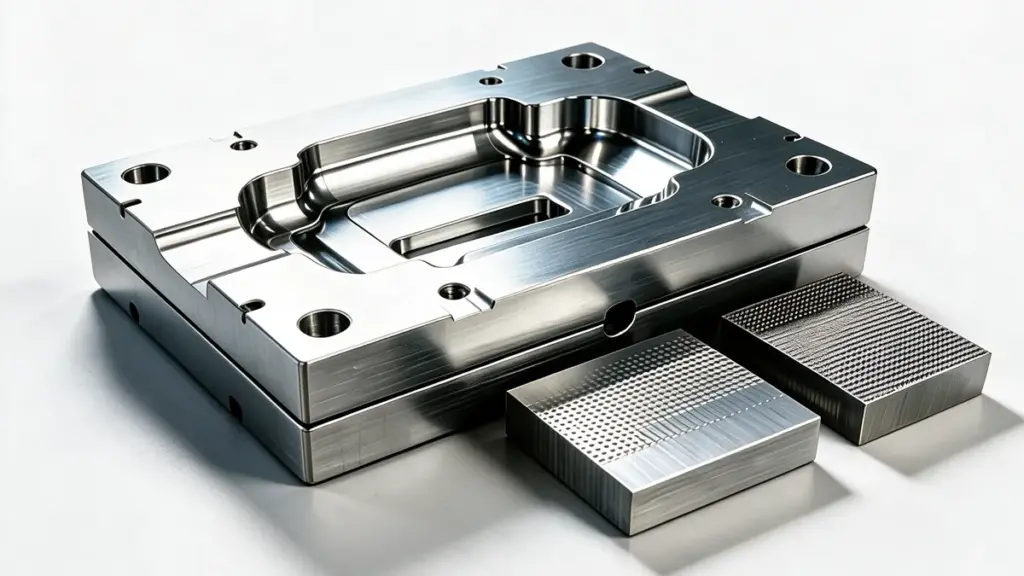
- Mold Optimization: In-house die casting mold design optimized for thin-wall sections and porosity control.
- Defect Prevention: Formal DFM/DFA reviews to prevent cold shuts and simplify component assembly.
Running these reviews early reduces tooling rework and keeps your product launch schedule on track.
High-Pressure Die Casting and CNC Machining
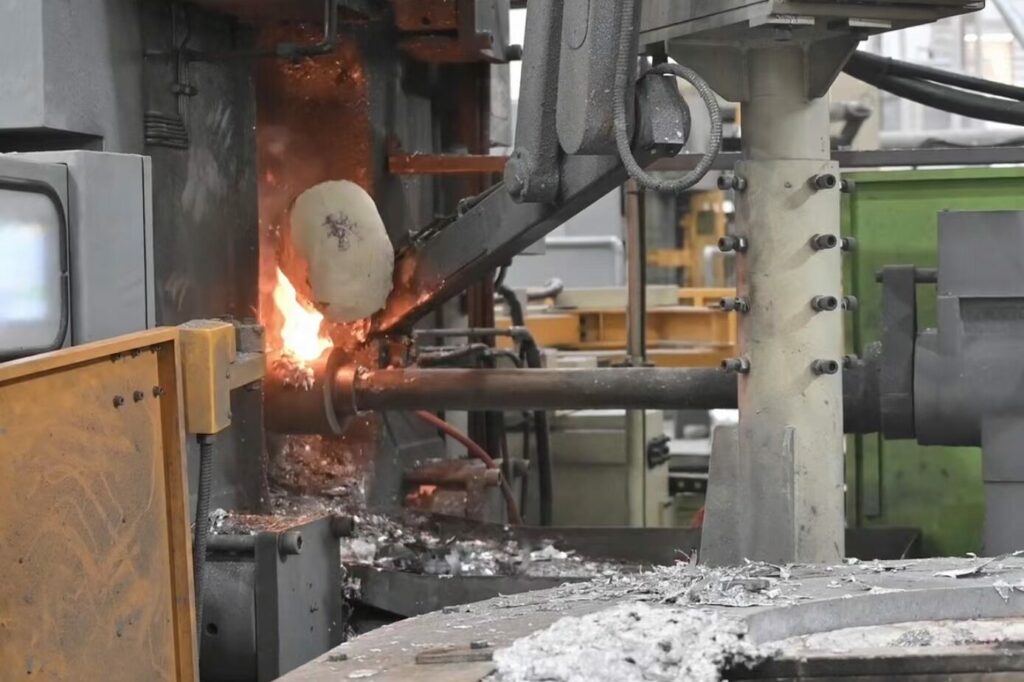
The core of production relies on matching the right machine to the specific housing size. Controlling the casting parameters determines the structural integrity of the final piece.
- Machine Variety: Varied HPDC machine tonnage to handle both compact spot lights and large street light housings.
- Automated Systems: Automated casting operations to stabilize cycle times and protect delicate heat sink fins.
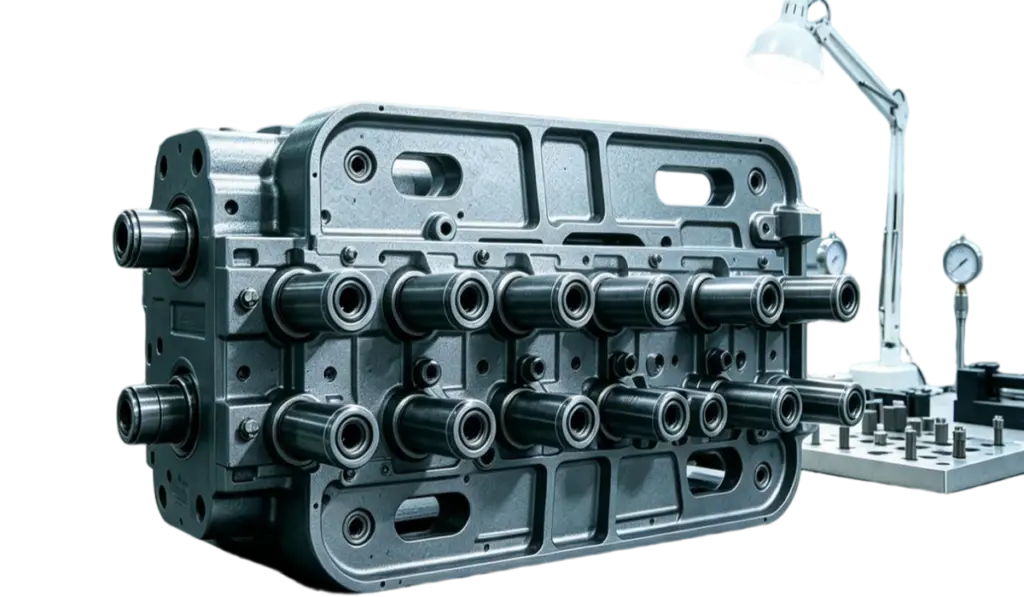
- Precision Machining: Multi-axis CNC machining to achieve tight tolerances on sealing grooves and LED module contact surfaces.
Proper machining guarantees the LED boards sit perfectly flat against the heat sink, transferring heat efficiently and preventing early burnouts.
Surface Finishing and Corrosion Protection
Outdoor luminaires face harsh weather, making in-house finishing a crucial defense against premature failure. Relying on outsourced, low-cost job shops often leads to peeling paint and rust.
- Pre-treatment: Chemical pre-treatment processes to ensure coating adhesion for outdoor luminaires.
- Coating Control: In-house powder coating lines managing film thickness, impact resistance, and UV stability.
- Harsh Environment Testing: Salt spray testing capabilities to validate performance in coastal or industrial environments.
Keeping the coating process under direct factory control ensures the final housing meets strict durability warranties for public and industrial lighting projects.
In-House Testing and Quality Assurance
You cannot fix what you cannot measure. A mature factory builds validation steps into the production flow rather than waiting for field failures.
- Dimensional Checks: Coordinate Measuring Machines (CMM) for precise verification of critical heat-sink planes and mounting holes.
- Ingress Testing: Environmental and water ingress testing to confirm IP65–IP67 ratings on housing assemblies.
- Thermal Validation: Thermal performance verification to ensure the design maintains target LED junction temperatures.
Access to these testing capabilities right on the factory floor allows engineers to quickly correct defects, ensuring batch-to-batch consistency across large production runs.
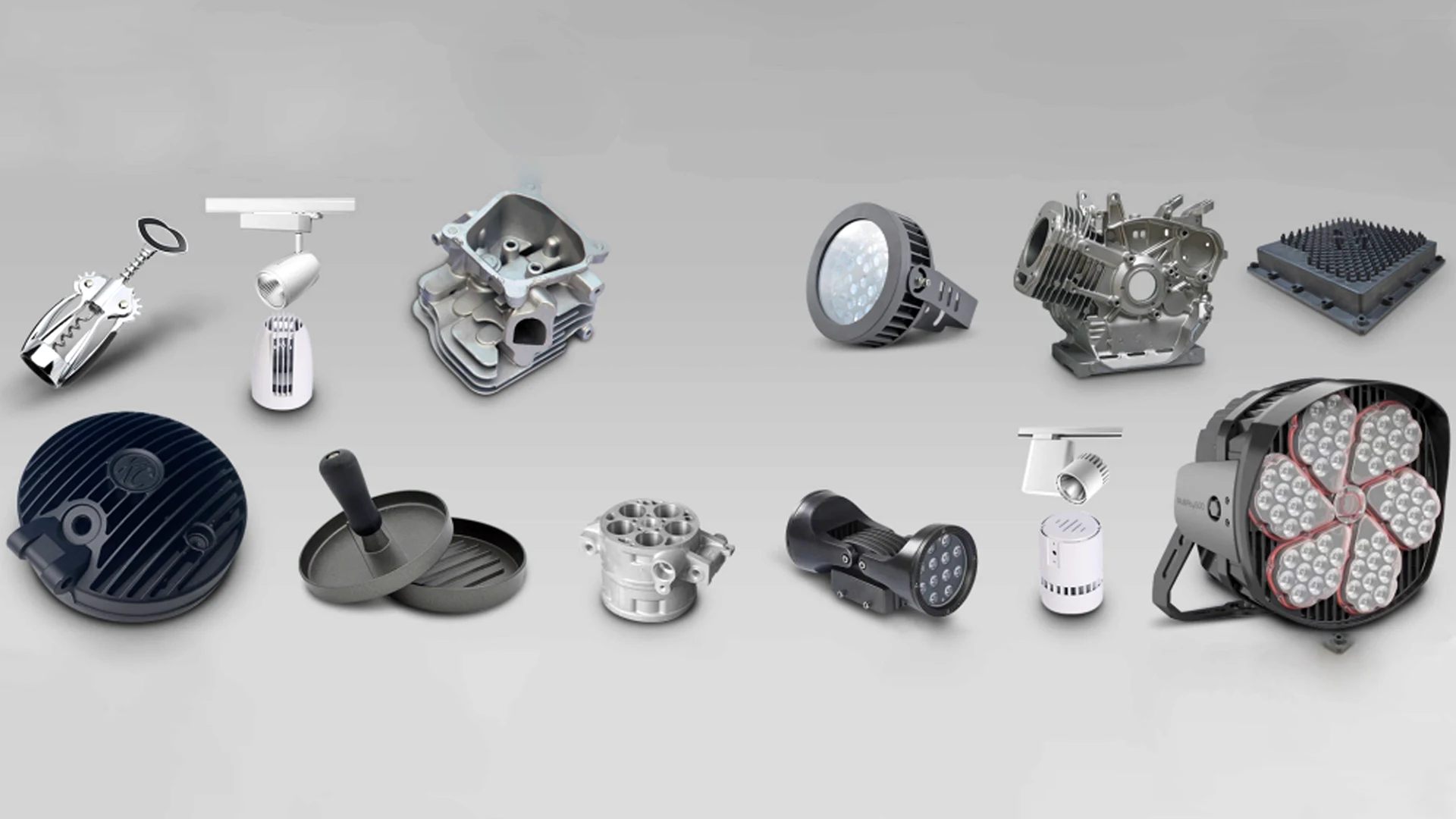
Elevate Quality With Precision Custom Die Casting
Why Engineering Support and DFM Matter in Selection
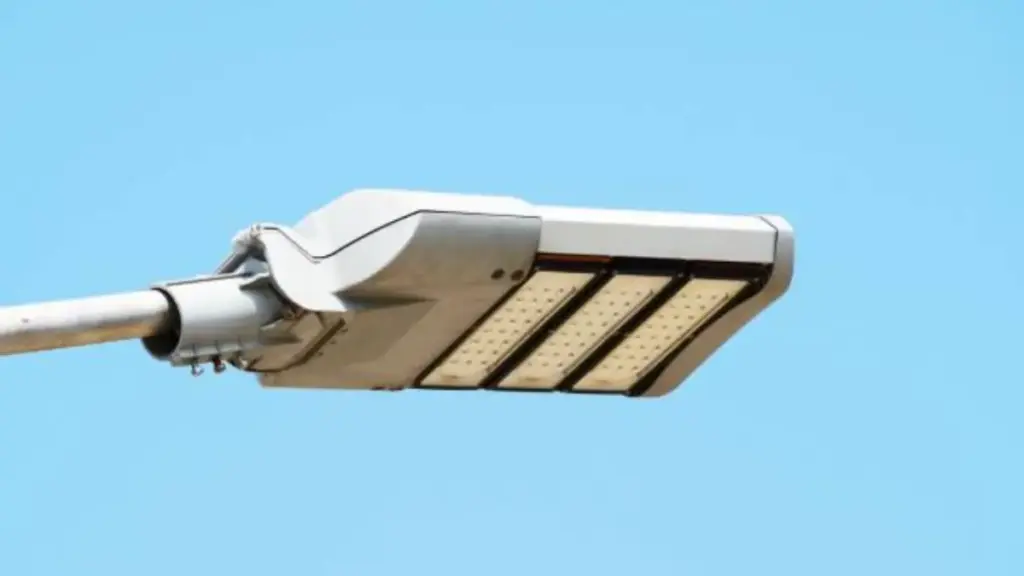
Engineering support and Design for Manufacturability (DFM) dictate the thermal performance, tooling cost, and defect rates of your LED housings long before production begins.
Translating Lighting Specs into Manufacturable Designs
Evaluating a die-cast housing supplier requires looking at how well they convert strict thermal management targets, IP ratings, and photometric requirements into practical die-cast geometry. The engineering team bridges the gap between your ideal LED fixture and real-world high-pressure die casting limits. They adjust the design to meet structural needs without causing manufacturing bottlenecks.
- Heat sink dimensions: Balancing fin height and spacing for maximum heat dissipation while maintaining reliable mold filling and ejection.
- Downstream compatibility: Guaranteeing cast parts align precisely with PCB mounting points and optical lens integration processes.
- Environmental sealing: Adapting the geometry to support tight gasket compression and required IP ratings.
Preventing Tooling Rework and Launch Delays
Tooling for aluminum die-cast light housings demands heavy capital investment. Mistakes identified after cutting steel lead to expensive remachining and severe timeline setbacks. Capable suppliers run flow simulations early to predict and resolve air entrapment, shrinkage, and filling issues before manufacturing the mold.
- Drafts and corners: Correcting under-drafted walls and sharp internal corners to prevent part deformation during ejection.
- Ejector pin placement: Positioning pins away from critical sealing faces to avoid surface interference.
- Design freezing: Locking the final model only after resolving all manufacturability risks to reduce engineering change orders (ECOs) and shorten time-to-market.
Driving Down Total Manufacturing Costs
A systematic DFM process directly lowers the piece price and overall program cost. Engineers analyze the housing to remove unnecessary weight, simplify the tooling structure, and strip out redundant processing steps.
- Material optimization: Establishing uniform wall thickness and placing structural ribs to reduce raw material usage without sacrificing rigidity.
- Tooling simplification: Minimizing the need for expensive tool slides and lifters through strategic parting line layouts.
- Secondary operations: Applying precise machining allowances to limit unnecessary CNC operations and lower overall cycle times.
Securing Long-Term Quality and Field Reliability
Outdoor LED fixtures face extreme weather, wind loads, and temperature fluctuations. Engineering support extends beyond the initial design phase to ensure the housing survives years in the field without failing.
- Environmental sealing: Eliminating porosity, flash, and witness marks near gasket grooves to guarantee consistent waterproofing for outdoor lighting.
- Structural integrity: Strengthening mounting arms and hinge bosses with proper filleting to withstand wind loads, shock, and installation stress.
- Process refinement: Tracking mass production scrap data to continuously refine gating and venting parameters, lowering defect rates over the product lifecycle.
What Quality Systems Buyers Should Verify Before Approval
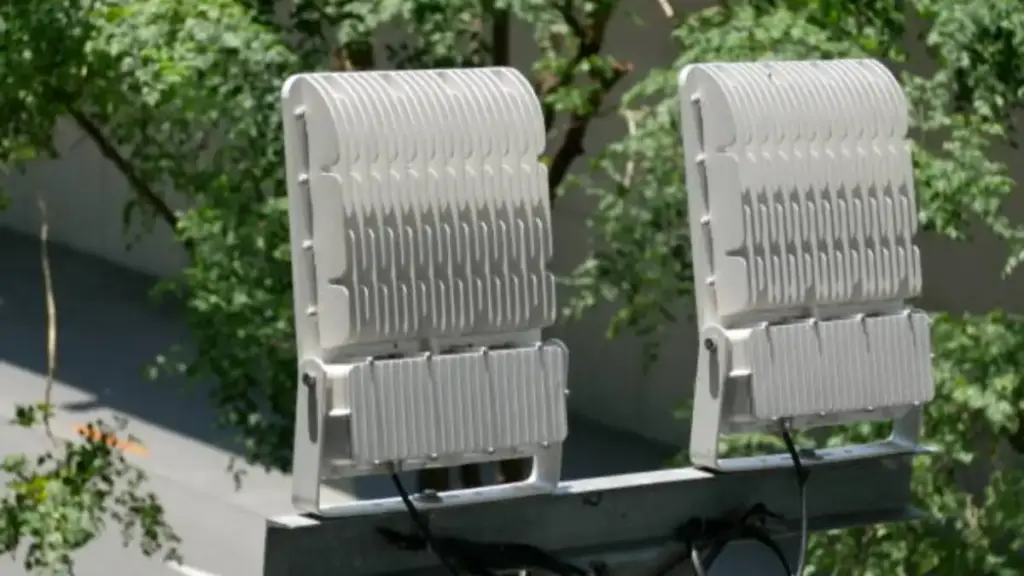
Approving a die-cast housing supplier without verifying their quality systems risks field failures. You need documented proof of process control, not just a good-looking prototype.
Core Certifications and Regulatory Compliance
A supplier claiming high quality means nothing without the operational framework to sustain it over thousands of production cycles. Regulatory and baseline certifications act as your first filter.
- Quality and safety baselines: Request valid ISO 9001, ISO 14001, and ISO 45001 certificates explicitly listing aluminum die casting or lighting housings in their scope.
- Market compliance: Verify that the housing design accommodates market-specific luminaire regulations like CE, RoHS, and UL/ETL.
- Business legitimacy: Cross-check their legal business license against a proven track record of exporting to your target region.
Material and Manufacturing Process Controls
The integrity of an LED housing relies entirely on what happens inside the melting furnace and the mold. If the supplier cannot trace and control their inputs, you will inevitably face porosity or corrosion issues later.
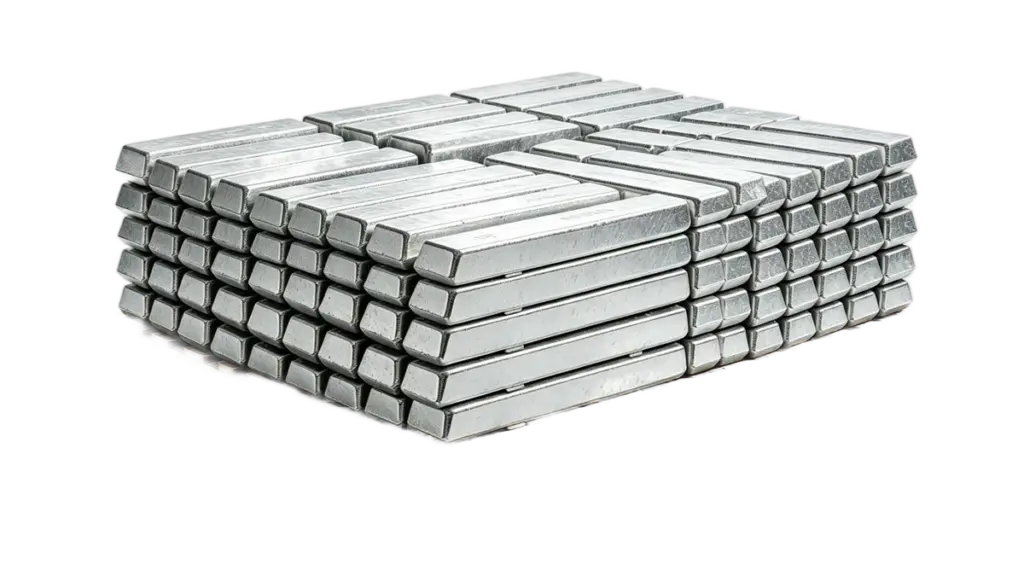
- Alloy composition control: Ask for a documented system governing incoming ingot inspections and mill certificates to prevent the use of contaminated scrap.
- Production parameters: Check process control logs for die casting machine settings, mold maintenance schedules, and CNC machining tolerances.
- Surface treatment specs: Assess documentation for chemical pre-treatment stages and final powder coating thickness or adhesion.
- Subcontractor agreements: Review the quality contracts covering any outsourced steps like specialized machining or external painting lines.
In-House Inspection and Performance Testing
Even the best casting lines produce defects. The difference between a reliable partner and a risky one is whether their inspection loop catches those defects before they reach a shipping container. You need to see physical evidence of their testing infrastructure.
- Inspection gateways: Evaluate the sampling plans and specific pass/fail criteria used during incoming (IQC), in-process (IPQC), and final quality control (FQC).
- Physical protection testing: Look for in-house Ingress Protection (IP) and Impact Protection (IK) testing equipment, or formal partnerships with accredited external labs.
- Environmental endurance: Confirm capabilities for salt spray tests to validate corrosion resistance and thermal cycling to assess material stress.
Traceability and Corrective Action Systems (CAPA)
When a housing cracks in the field or a batch fails an IP test, you need to know exactly what went wrong and how the factory will fix it. A mature supplier operates a closed-loop system to trace issues back to the root cause.
- Lot identification: Verify systems that link a finished housing back to a specific alloy batch, casting machine, and coating date.
- Engineering change control: Assess their ECR/ECO workflows to ensure tool modifications do not accidentally void your product certifications.
- Root cause frameworks: Confirm the presence of a formal Corrective and Preventive Action (CAPA) system utilizing methods like 5-Why or Fishbone analysis.
How Capacity MOQ and Delivery Readiness Affect Decisions
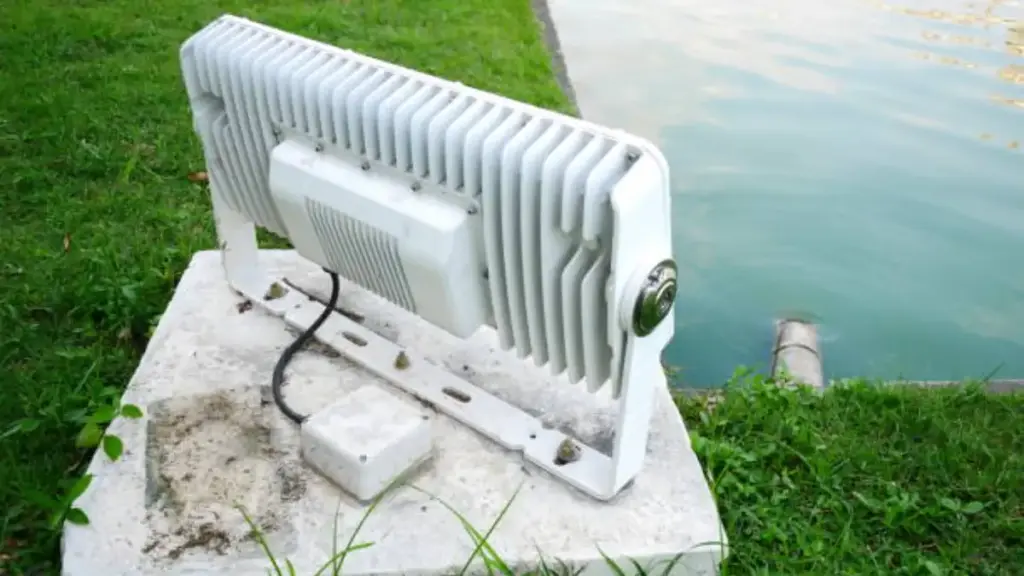
Supplier capacity, MOQ structure, and delivery speed directly determine whether a die cast housing partner can support both pilot runs and large-scale LED production without interruptions.
Matching Factory Capacity to Project Phases
Production planning must align factory capability with different project stages, from sampling to mass rollout.
Early-stage orders usually range from 500 to 2,000 pieces, so the supplier must support small batches without delaying tooling or machine scheduling. For street light housings, machine tonnage between 1250–1600T is often required to ensure stable casting of large heat sink structures.
When demand scales up, capacity limits become a real risk. Many projects fail not due to design issues but because production slots are fully occupied. For this reason, experienced buyers often prepare secondary sourcing options early to avoid supply interruption.
Balancing MOQ with Unit Cost and Portfolio Strategy
MOQ decisions are not only about price—they reflect how tooling cost is distributed across production volume.
Typical MOQs range from 500 to 2,000 pieces, but lower quantities usually increase unit cost because die casting molds require high upfront investment. Larger production runs help reduce per-unit cost through tooling amortization.
In practice, buyers often separate product strategies:
- High-volume models are assigned to large-scale factories in the Yangtze River Delta
- Flexible or test models are produced in Pearl River Delta suppliers with lower MOQ pressure
This balance helps control inventory risk while keeping core product lines cost-efficient.
Assessing Delivery Readiness for Speed-to-Market
Delivery speed is a key factor in LED product competitiveness, especially when designs require fast iteration.
Reliable suppliers should provide sample lead times within 20 days or less, allowing faster engineering validation. In-house mold workshops also matter, because they reduce modification cycles from weeks to just a few days.
On-time delivery performance should stay above 95%, supported by stable production systems such as CMM inspection and X-ray defect detection. Without this control, even small casting issues can delay entire lighting projects.
What Red Flags Matter When Choosing China Suppliers
Selecting a die-cast housing supplier requires careful screening beyond pricing. Weak process control, missing documentation, and unclear manufacturing ownership often lead to long-term quality and delivery risks in outdoor lighting projects.
Missing Certifications, Process Control and Technical Gaps
A reliable supplier must demonstrate both compliance and stable production control. Without verified systems, quality cannot remain consistent across batches, especially in LED outdoor environments.
Red flags usually appear when documentation and engineering depth are weak at the same time. This often signals unstable casting control or limited LED-specific experience.
- Certification gaps: Missing ISO 9001, RoHS, REACH, or CE records for lighting products
- Missing validation data: No IP, salt spray, or thermal performance test reports
- Weak process control: No clear control over casting parameters or machining tolerances
- Limited LED experience: General foundry without dedicated street light housing portfolio
These issues directly increase failure risk once production scales.
Poor Transparency, Engineering Access and Communication Structure
Strong suppliers provide direct factory visibility and clear engineering communication. When transparency is weak, buyers often end up working through intermediaries rather than real manufacturing teams, which increases technical uncertainty during development.
This lack of visibility affects both engineering decisions and delivery stability, especially in tooling and sampling stages.
- No production visibility: No access to real workshop images, casting lines, or live manufacturing records
- Unclear pricing structure: Quotes do not separate tooling, machining, and finishing costs
- Weak engineering communication: Sales teams cannot explain alloy selection or thermal design logic
- Trading dependency risk: Heavy reliance on intermediaries instead of in-house technical teams
Without clear communication channels, project execution becomes unpredictable and difficult to control.
Commercial Risk, IP Control and After-Sales Weakness
Beyond technical capability, commercial structure and long-term responsibility define whether a supplier can support stable production. Weak agreements often create dependency risks after tooling investment begins.
At this stage, switching suppliers becomes costly, so contract clarity and cost transparency are critical.
- No mold ownership clarity: Lack of agreement on tooling ownership or transfer rights
- Missing engineering documentation: Refusal to provide full CAD files or maintenance records
- Unrealistic pricing structure: No clear explanation of tooling, unit cost, or process breakdown
- Weak after-sales commitment: No defined responsibility for coating, corrosion, or structural issues
A reliable partner should support long-term production stability, not only initial quotation.
If you are evaluating suppliers, you may also find our article on How to Evaluate Street Light Housing Die Cast Factories useful.
Frequently Asked Questions
How can I verify if a Chinese die casting supplier is a real factory instead of a trading company?
Check their Chinese business license on the GSXT system to ensure “die casting” is explicitly listed in their business scope. Request a live video tour or conduct an independent audit to physically verify the presence of cold-chamber die casting machines, a tooling maintenance room, and CNC machining equipment.
What certifications are essential for die-cast LED light housing manufacturers?
A qualified manufacturer must hold an active ISO 9001 certification covering metal casting or lighting components. They also need to provide RoHS and REACH compliance declarations for their aluminum alloys and powder coatings. For the finished product, their housing designs must have proven track records of passing IP65-IP66 and IK08+ testing.
How do I evaluate a supplier’s thermal design capabilities?
Ask for examples of past LED housing projects where they provided Design for Manufacturability (DFM) feedback on heat sink fin geometry, draft angles, and wall thickness. A competent supplier will use thermal analysis and moldflow simulation to balance heat dissipation requirements with structural integrity and minimal casting porosity.
What is the typical lead time for custom die-cast lighting tooling?
New mold development for a custom LED light housing typically takes 30 to 60 days from final 3D drawing approval to the first trial (T1) samples. Once the first article inspection is approved, standard mass production takes an additional 25 to 40 days depending on the order volume and specific surface treatment requirements.
Why is aluminum alloy verification so critical for street light housings?
Using low-grade scrap aluminum significantly degrades the material’s thermal conductivity, structural strength, and corrosion resistance. To ensure long-term outdoor performance, require the factory to provide batch-level spectrometer certificates verifying the exact chemical composition of standard lighting alloys like ADC12 or A380.
Final Thoughts
Choosing a reliable partner for die-cast light housings in China is not only a cost decision, but also a long-term reliability strategy. Strong manufacturing partners combine in-house DFM support, stable process control, and verified thermal performance to reduce the risk of outdoor field failures and long-term maintenance issues.
At Bian Diecast, we support LED lighting projects with integrated mold design, precision casting, comprehensive testing, and dedicated project management to keep development, production, and delivery aligned. If you are evaluating a new supplier, you can share your 3D drawings or request a standard sample for engineering review, and our team will provide a detailed castability assessment based on your application requirements.