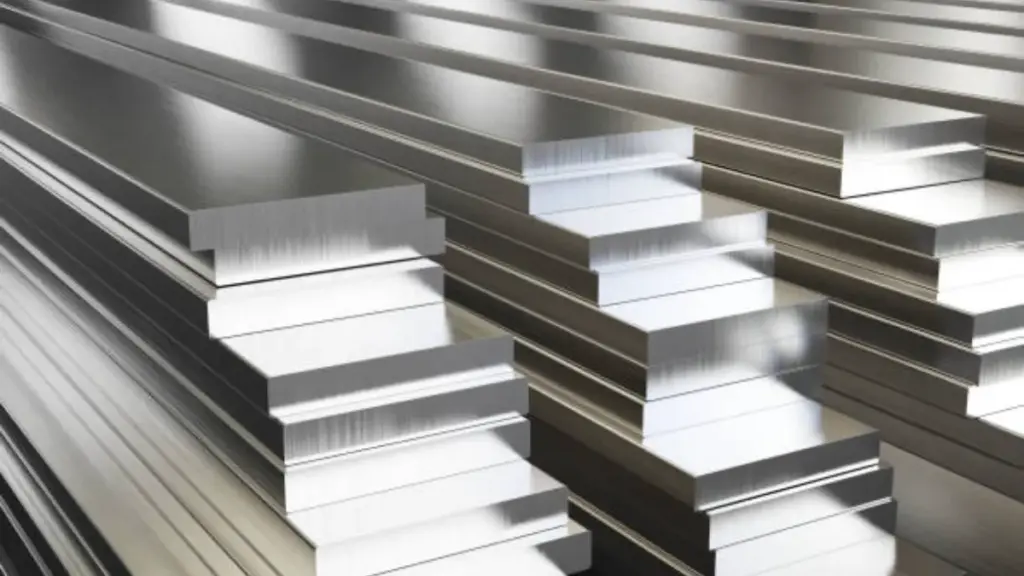
Die Automobilindustrie durchläuft einen der bedeutendsten Materialumwälzungen in der Geschichte. Wenn Sie heute durch ein modernes Montagewerk gehen, werden Sie auf Ingenieure stoßen, die von einer einzigen Kennzahl besessen sind: Gewicht. Jedes Kilogramm, das aus einem Fahrzeug entfernt wird, führt direkt zu einer geringeren Kraftstoffeffizienz, größere EV-Reichweite, schnellere Beschleunigung, und geringere Emissionen. Im Zentrum dieser Revolution steht Aluminium – ein Material, das im Stillen das Material, aus dem Autos auf allen Ebenen der Lieferkette hergestellt werden, verändert hat.
In diesem Artikel wird das Gesamtbild aufgeschlüsselt: aus dem Verbundmaterialmix eines modernen Fahrzeugs, warum Aluminium immer wieder gegenüber Stahl siegt, dorthin, wo Präzisionsdruckguss in die Produktionsgeschichte passt.
Woraus moderne Autos eigentlich bestehen
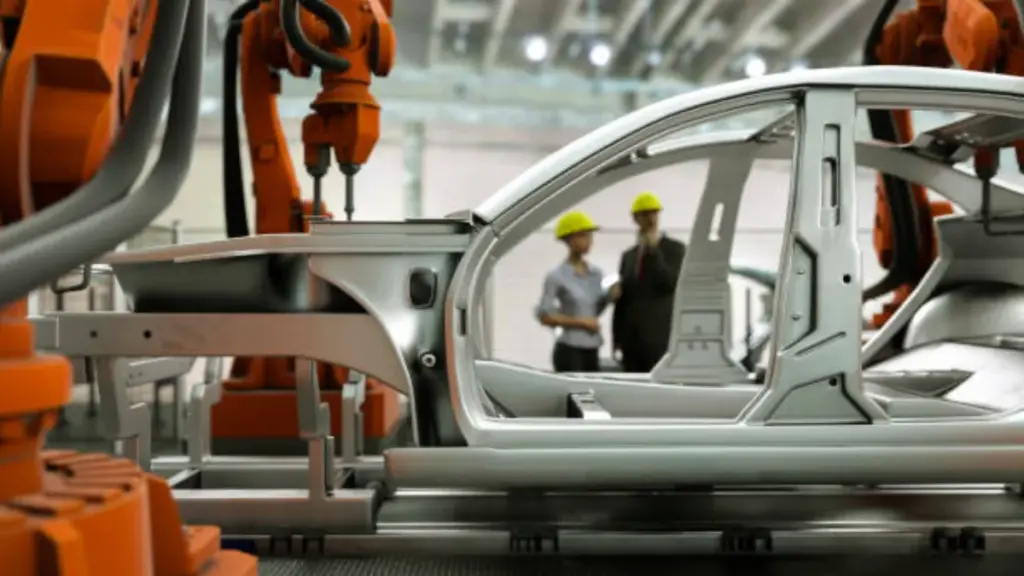
Wenn Sie einen modernen Personenkraftwagen auseinandernehmen und alle Komponenten nach Material sortieren würden, Der Zusammenbruch würde die meisten Menschen überraschen. Moderne Autos sind nicht einfach “aus Metall.” Sie werden aus einem sorgfältig ausgewogenen Materialportfolio hergestellt, jeweils für eine bestimmte Gewichtskombination ausgewählt, Stärke, kosten, und Herstellbarkeit.
Durchschnittlich, Ein modernes Auto enthält ungefähr die folgende Materialzusammensetzung:
So sind auch Autos aus Aluminium? Ja – und das in zunehmendem Maße. Dabei hat Stahl nach wie vor den größten Gewichtsanteil, Der Anteil von Aluminium ist in den letzten zwei Jahrzehnten dramatisch gewachsen und zeigt keine Anzeichen einer Verlangsamung. Die eigentliche Frage ist nicht, ob Aluminium vorhanden ist, sondern wie tief es sich in die Kernstruktur- und Antriebssysteme eingebettet hat.
Warum Aluminium in modernen Fahrzeugen Stahl überholt hat
Aluminium hat Stahl nicht über Nacht verdrängt. Für den größten Teil des 20. Jahrhunderts, Stahl dominierte den Fahrzeugbau, einfach weil er billig war, stark, und einfach im Maßstab zu schweißen. Aluminium war größtenteils Flugzeugen vorbehalten, Premium-Sportwagen, und exotische Anwendungen, bei denen die Kosten gegenüber der Leistung zweitrangig waren.
Der Wendepunkt kam in den 1990er Jahren und beschleunigte sich in den 2000er Jahren, als die Vorschriften zum Kraftstoffverbrauch weltweit verschärft wurden. Die Autohersteller haben eine einfache Gleichung entdeckt: Die Gewichtsreduzierung eines Fahrzeugs war oft kostengünstiger und effektiver als die Entwicklung einer völlig neuen Motortechnologie, um die Emissionsziele zu erreichen.
Fords Entscheidung, den F-150 – Amerikas meistverkauftes Fahrzeug – auf eine Aluminiumkarosserie umzustellen 2015 markierte einen Wendepunkt. Es signalisierte, dass Aluminium von der Nische zum Mainstream gelangt war. Seitdem, Aluminium in Automobilanwendungen hat sich von Karosserieteilen auf Hilfsrahmen ausgeweitet, Crash-Strukturen, und zunehmend in elektrifizierte Antriebsstrangkomponenten.
Zu den Haupttreibern dieser Verschiebung gehören strengere Emissionsstandards in der EU und Nordamerika, das rasante Wachstum von Elektrofahrzeugen, bei denen jedes Kilogramm die Batteriekosten direkt senkt, Verbrauchernachfrage nach besseren Leistungskennzahlen, und Fortschritte in der Aluminiumlegierungstechnik, die das Material schweißbarer und formbarer gemacht haben als frühere Generationen.

Wie Aluminium in wichtigen Eigenschaften im Vergleich zu Stahl abschneidet
Um zu verstehen, warum die Wahl auf Aluminium fällt, müssen die tatsächlichen Leistungsdaten nebeneinander betrachtet werden. Der Vergleich ist nicht einfach “leichter ist besser” – Es beinhaltet Kompromisse über mehrere technische Dimensionen hinweg.
Was diese Tabelle verdeutlicht, ist, dass Aluminium nicht bei jeder Kennzahl gewinnt – es gewinnt bei den Kennzahlen, die für das moderne Fahrzeugdesign am wichtigsten sind. Der Vorteil im Verhältnis von Festigkeit zu Gewicht bedeutet, dass Ingenieure oft eine gleichwertige strukturelle Leistung mit einer Aluminiumkomponente erreichen können, die etwa halb so viel wiegt wie ihr Gegenstück aus Stahl. Der Vorteil der Korrosionsbeständigkeit ist besonders wertvoll bei Unterboden- und Aufhängungsanwendungen, die Streusalz und Feuchtigkeit ausgesetzt sind.
Welche Teile eines Autos eigentlich aus Aluminium bestehen
Wenn Leute fragen, aus welchem Material Autos bestehen, Sie sind oft überrascht, wie weit Aluminium über die Karosserieteile hinaus vorgedrungen ist. Automobilkomponenten aus Aluminium sind mittlerweile in fast jedem System eines modernen Fahrzeugs zu finden.
Körper und Struktur: Haubenverkleidungen, Kofferraumdeckel, Türverkleidungen, und zunehmend Ganzkörper-in-White (Bank) Strukturen auf Premium- und Performance-Fahrzeugen. Der Ford F-150 Gehäuse aus Aluminiumlegierung in Militärqualität ca. eingespart 300 kg im Vergleich zur vorherigen Stahlkonstruktion.
Antriebsstrang: Motorblöcke, Zylinderköpfe, Getriebegehäuse, und Ölwannen gehörten zu den frühesten Aluminiumanwendungen im Automobilbereich. Die meisten heute hergestellten Benzin- und Dieselmotoren verwenden Blöcke aus Aluminiumlegierung anstelle von Gusseisen.
Federung und Fahrwerk: Steuerarme, Knöchel, Hilfsrahmen, und Halterungen verwenden zunehmend Aluminium, um die ungefederte Masse zu reduzieren – ein entscheidender Faktor für die Fahrqualität und das Ansprechverhalten beim Handling. Eine geringere ungefederte Masse verbessert direkt den Reifenkontakt mit der Straße.
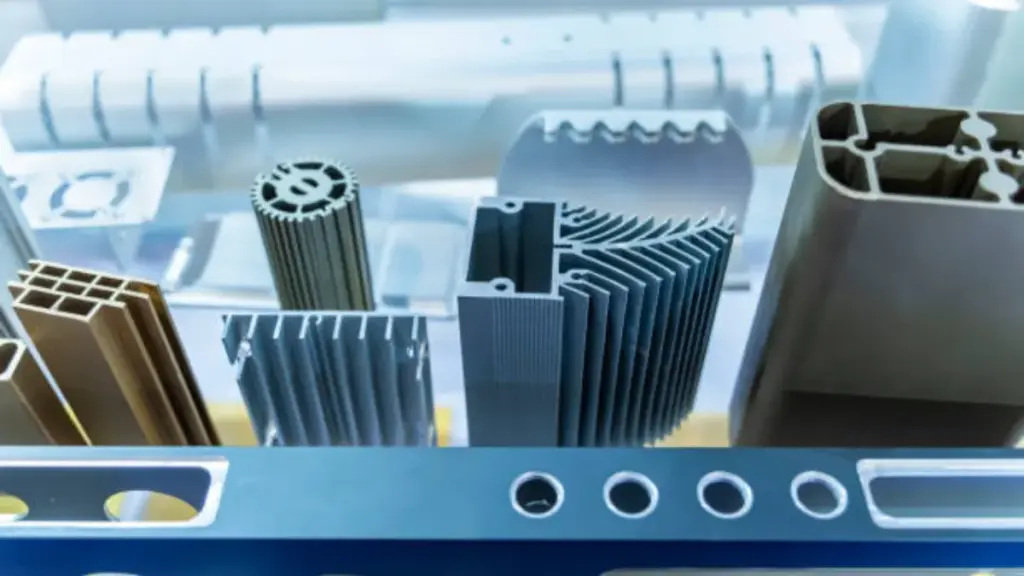
Wärmemanagement: Heizkörper, Ladeluftkühler, Und Wärmetauscher sind auf die außergewöhnliche Wärmeleitfähigkeit von Aluminium angewiesen – etwa fünfmal höher als die von Stahl –, um die Motor- und Batterietemperaturen effizient zu verwalten.
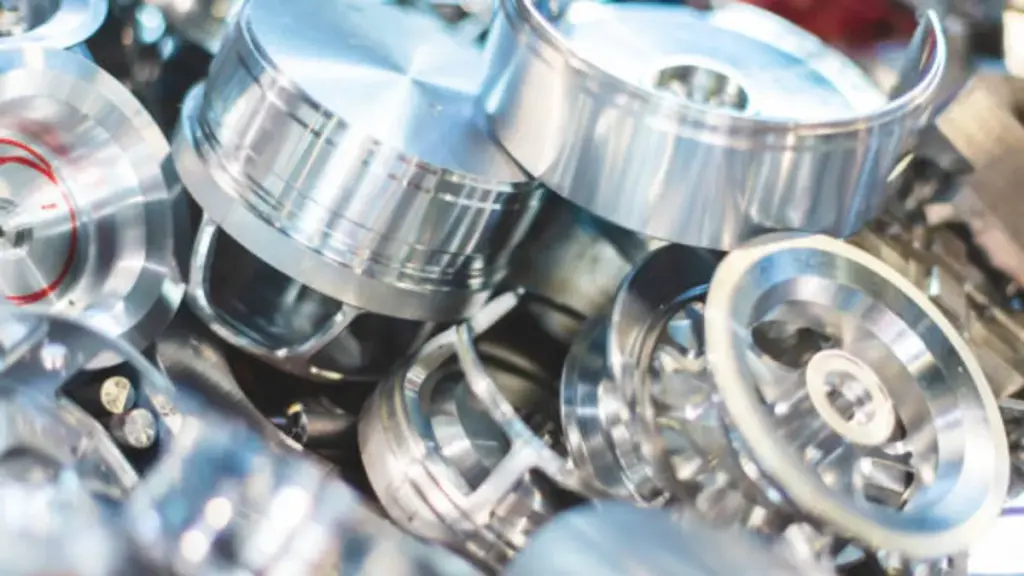
Räder: Aluminiumgussräder gehören mittlerweile in den meisten Fahrzeugsegmenten zum Standard, Durch den Austausch von Stahlrädern wird nicht nur Gewicht eingespart, sondern auch die Wärmeableitung von Bremssystemen verbessert.
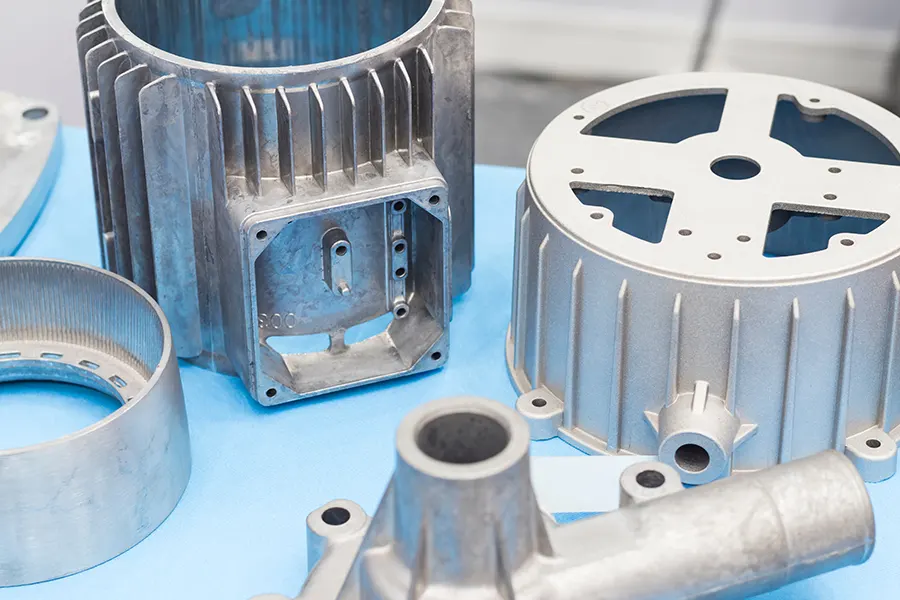
Elektrische und elektronische Gehäuse: Motorabdeckungen, Steckergehäuse, und immer häufiger verwenden Wechselrichtergehäuse Druckgussaluminium für die Kombination aus EMI-Abschirmung, Wärmemanagement, und strukturelle Steifigkeit.
Elektrofahrzeuge treiben die Aluminiumnachfrage noch weiter in die Höhe
Der Übergang zu Elektrofahrzeugen hat den Einsatz von Aluminium im Automobildesign grundlegend erhöht. In einem Verbrennerfahrzeug, Zusätzliches Gewicht kostet Kraftstoffeffizienz. In einer EV, es kostet Reichweite – und Reichweite kostet Batteriekapazität.
Jede weitere 100 kg in einem Elektrofahrzeug erfordert etwa 10–15 kWh zusätzliche Batteriekapazität, um die Reichweitenziele einzuhalten, Dies führt direkt zu höheren Batteriekosten pro Fahrzeug. Der Druck zur Gewichtsminimierung ist bei Elektrofahrzeugen strukturell größer als bei jeder früheren Fahrzeuggeneration.
Das am schnellsten wachsende Aluminiumanwendungen in ElektrofahrzeugenS:
- Gehäuse für Akkupacks & Wärmemanagementplatten — Strukturschutz, Wärmeissipation, und Crash-Compliance in einer Komponente
- Gehäuse für Elektromotoren — Die Wärmeleitfähigkeit von Aluminium leitet die Wärme während des Motorbetriebs ab
- Wechselrichter & Onboard-Ladegehäuse — EMI-Abschirmung kombiniert mit leichter Struktur
- Strukturelle Batterierahmen — dient gleichzeitig als Fahrzeugbodenstruktur, um Gesamtmasse zu sparen
Tesla, BYD, Rivian, und praktisch jeder große europäische OEM hat die Ziele für den Aluminiumgehalt auf EV-Plattformen erhöht. Dieser Trend zeigt keine Anzeichen einer Umkehr.
Wo Aluminium zu kurz kommt
Die Vorteile von Aluminium gehen mit zwei echten Kompromissen einher, die bei einer ehrlichen Beurteilung berücksichtigt werden müssen.
Kosten:
- Rohaluminium wird etwa zum drei- bis vierfachen Preis von Stahl pro Kilogramm gehandelt
- Für die Verbindung sind selbststanzende Nieten erforderlich, Reibrührschweißen, oder Strukturklebstoffe – kein herkömmliches Punktschweißen
- Druckgusswerkzeuge und -geräte stellen ein erhebliches Vorabkapital dar
Reparierbarkeit:
- Aluminium verfügt über ein ausgeprägtes elastisches Gedächtnis – es neigt eher zur Rissbildung als zur Verformung, wenn es kalt bearbeitet wird
- Für die Unfallreparatur sind spezielle Ausrüstung und geschulte Techniker erforderlich
- Eine Kreuzkontamination mit Stahlpartikeln führt zu galvanischer Korrosion, die vollständig getrennte Reparaturumgebungen erfordern
- Vielen unabhängigen Geschäften fehlt diese Möglichkeit, was die Versicherungskosten erhöhen kann
Diese Herausforderungen haben die Akzeptanz nicht gebremst. Sie haben den Druck nach oben verlagert – hin zu Lieferanten, die Komponenten von Anfang an präzise entwickeln müssen.
Wie Präzisionsdruckguss Aluminium in Autoteile verwandelt
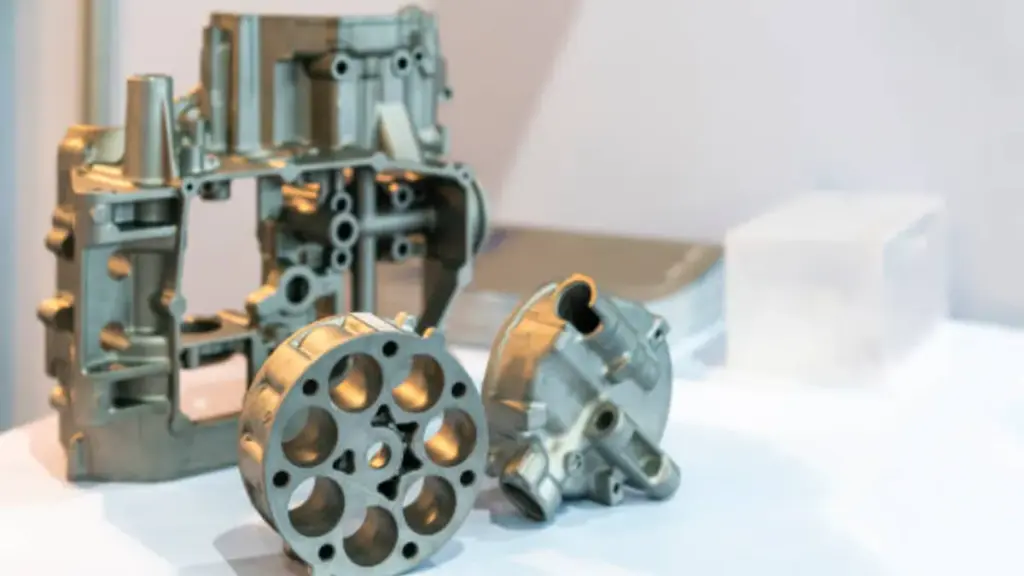
Für Komplexe, Automobilkomponenten aus Aluminium in großen Stückzahlen, Der Hochdruck-Kokillenguss ist das vorherrschende Produktionsverfahren.
Geschmolzene Legierung – typischerweise ADC12, A380, oder AlSi12 – wird bei 700–1.000 bar in Präzisionsstahlwerkzeuge eingespritzt, Herstellung endkonturnaher Teile mit Wandstärken von bis zu 1.5 mm und Toleranzen von bis zu ±0,1 mm bei kritischen Merkmalen.
Für Teile in Automobilqualität, Vakuumunterstützter Druckguss reduziert die innere Porosität – wichtig für Batteriegehäuse, hydraulische Körper, und strukturelle Knoten, die Helium-Lecktests bestehen müssen.
Eine typische Post-Casting-Sequenz umfasst::
- CNC-Bearbeitung von Dichtflächen und Gewindeelementen
- Kugelstrahlen oder chemische Reinigung
- Überprüfung der KMG-Abmessungen
- Röntgenprüfung auf innere Mängel
- Oberflächenbehandlung: Eloxieren, Pulverbeschichtung, oder malen
Warum globale Automobilhersteller mit spezialisierten Gusslieferanten zusammenarbeiten
Da Automobilkomponenten aus Aluminium immer anspruchsvoller werden, Automobilhersteller und Tier 1 Zulieferer gehen bei der Wahl ihrer Casting-Partner immer wählerischer vor. Batteriegehäuse und Strukturknoten erfordern verfahrenstechnische Tiefe – nicht nur Produktionsvolumen.
Das Tri-Base-Modell befasst sich direkt mit Tarif- und Lieferkettenrisiken:
- China — Werkzeugentwicklung, Ingenieurstiefe, kosteneffizientes Prototyping
- Mexiko — Nearshore-Produktion für nordamerikanische Kunden, kürzere Vorlaufzeiten
- Vietnam — ASEAN-Ursprungszertifizierung, günstige Zollbehandlung für Zielmärkte
Druckgussmöglichkeiten für die Automobilindustrie Abdeckung der EV-Motorgehäuse, Batteriepackstrukturen, Wechselrichtergehäuse, Aufhängungskomponenten, und Wärmemanagementbaugruppen – von der DFM-Überprüfung bis zur Validierung der Massenproduktion.
Abschluss
Aluminium hat sich von einer Nischenwahl zum bestimmenden Material des modernen Fahrzeugdesigns entwickelt. Da die Einführung von Elektrofahrzeugen zunimmt, Die Nachfrage nach Präzisions-Aluminium-Druckguss wird nur noch zunehmen – und Lieferanten, die in der Lage sind, die Anforderungen der Automobilindustrie auf globaler Ebene zu erfüllen, werden eine immer wichtigere Position in der Lieferkette einnehmen.