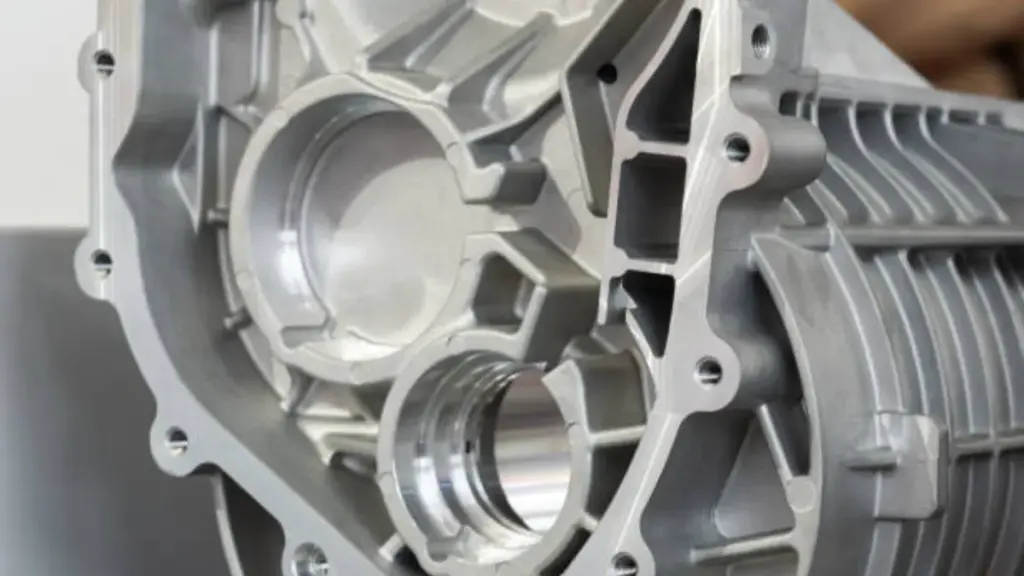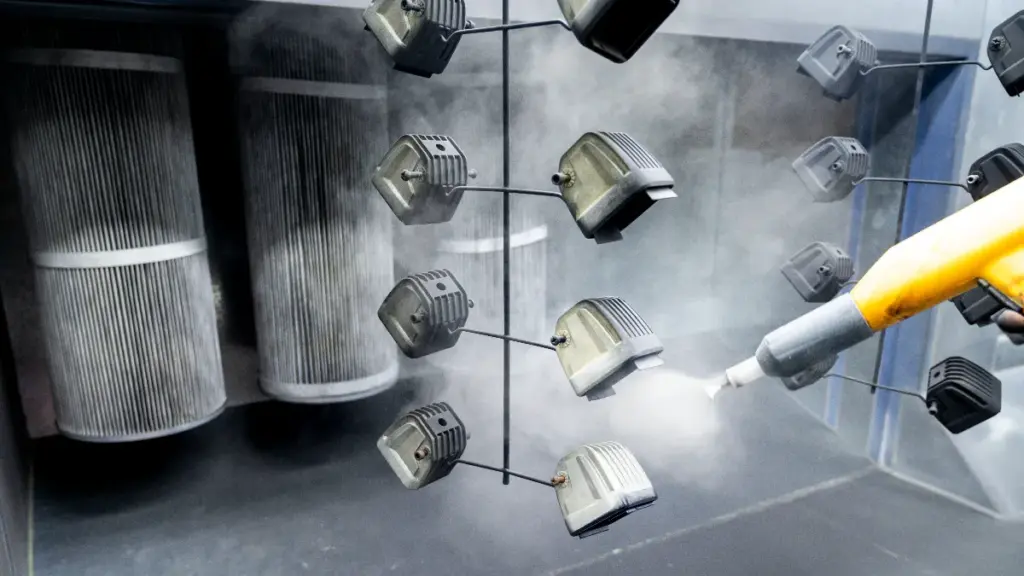
In aluminum die casting manufacturing, the casting process is only half the story. What happens after demolding—the surface finishing—determines whether a part is truly ready for its intended application. Among the various surface treatment options available, electrophoretic coating (e-coating) stands out as one of the most advanced and reliable solutions for protecting and enhancing aluminum die castings .
At Foshan Nanhai Bian Metal Product Co., Ltd., we recognize that not every casting requires the same surface finish. A decorative automotive interior component demands different treatment than an industrial valve body or a battery enclosure. That’s why we take a tailored approach to electrophoretic coating—applying the right process for each product, based on its function, environment, and customer specifications.
What Is Electrophoretic Coating?
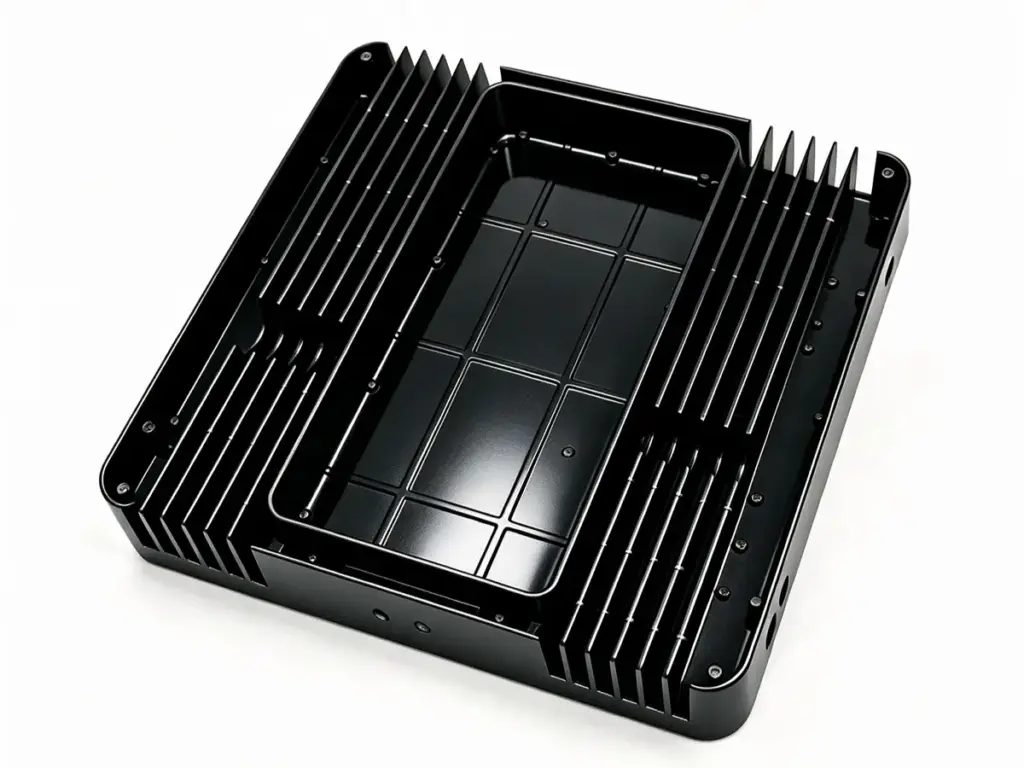
Electrophoretic coating is a process that uses an electric field to deposit paint particles suspended in a water-based solution onto a conductive substrate. The coated part serves as one electrode, and the paint particles migrate toward it, depositing uniformly across the entire surface—including recesses, cavities, and complex geometries that would be difficult to coat using traditional spraying methods .
This technology, first developed in the 1930s and commercially applied in the 1960s, has become a cornerstone of surface finishing in the automotive, construction, hardware, and electronics industries due to its excellent performance and environmental advantages .
Key Advantages of Electrophoretic Coating
1. Superior Corrosion Resistance
One of the most significant benefits of e-coating is its exceptional corrosion protection. Modern epoxy-based anodic electrophoretic coatings for aluminum alloys have demonstrated outstanding corrosion resistance, with neutral salt spray resistance reaching up to 3,000 hours. This makes e-coating the preferred choice for components exposed to harsh environments—from underhood automotive parts to outdoor lighting fixtures and marine applications.
The coating forms a dense, uniform barrier that prevents moisture and corrosive agents from reaching the aluminum substrate, significantly extending component service life.
2. Uniform Coating on Complex Geometries
Unlike spray painting or powder coating, electrophoretic coating providesexcellent penetrationinto recesses, blind holes, and internal cavities . The coating thickness is remarkably consistent, with thickness deviations as small as0.1 microns. This makes e-coating particularly valuable for complex die castings with:
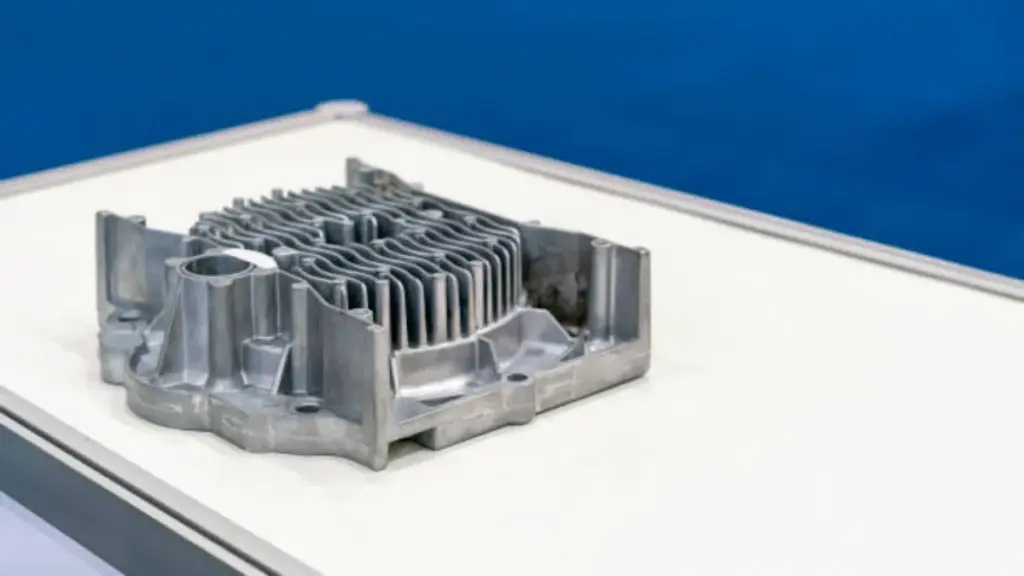
- Deep ribs and fins
- Internal channels and passages
- Complex three-dimensional shapes
- Hard-to-reach corners and crevices
The result is complete, uniform coverage with no “dead zones” where corrosion could initiate.
3. Excellent Mechanical Properties
E-coated surfaces offer a compelling combination of hardness and flexibility. Typical epoxy electrophoretic coatings achieve2H pencil hardnessand1 mm flexibility, providing excellent resistance to chipping, scratching, and impact . This durability ensures the coating maintains its protective function even under mechanical stress during assembly or service.
4. Superior Adhesion
The electrochemical deposition process creates a strong chemical bond between the coating and the aluminum substrate. For optimal results, aluminum die castings are typically pre-treated with shot blasting and chemical conversion coating (such as phosphate or chromate-free treatments) to ensure excellent adhesion and maximize corrosion protection .
5. Environmental Friendliness
Electrophoretic coating is one of the most environmentally friendly painting processes available today . Key environmental advantages include:
- Water-based chemistry:Over 80% of the coating composition is water, significantly reducing volatile organic compound (VOC) emissions compared to solvent-based paints .
- Low toxicity:Modern e-coat formulations use acrylic or epoxy resins that are non-toxic and lead-free .
- High material utilization:Excess coating material can be recovered and reused, minimizing waste .
- Reduced wastewater:The process generates significantly less wastewater than conventional painting methods .
6. Decorative Appearance
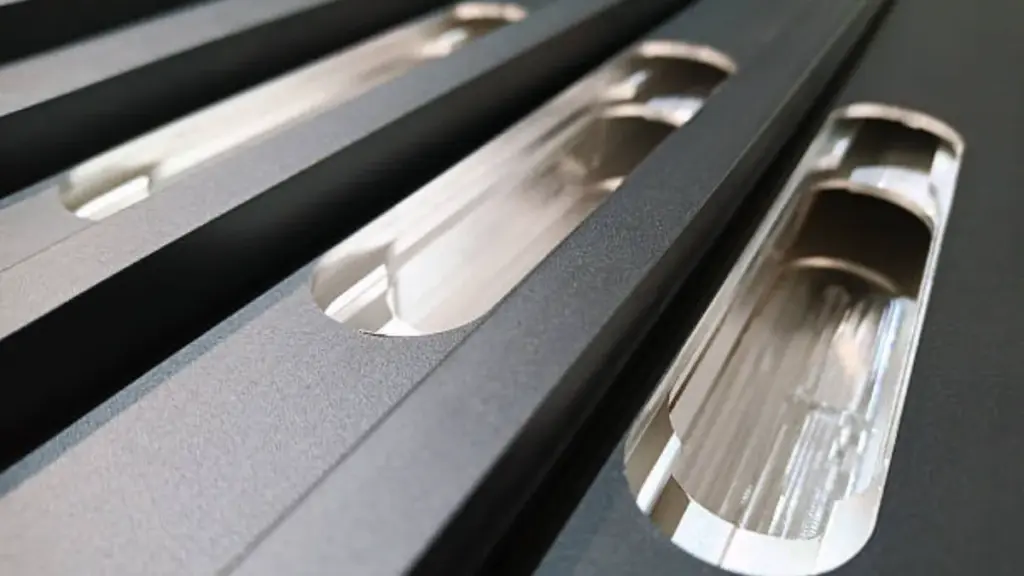
Electrophoretic coatings provide a smooth, level, and visually appealing finish. Transparent e-coats can preserve the metallic luster of aluminum while adding corrosion protection, creating an attractive “clear-coated” appearance. Colored e-coats are available in black, gray, silver, champagne, gold, and stainless-steel-like finishes, offering both protection and aesthetic enhancement .
Electrophoretic Coating for Your Diverse Applications
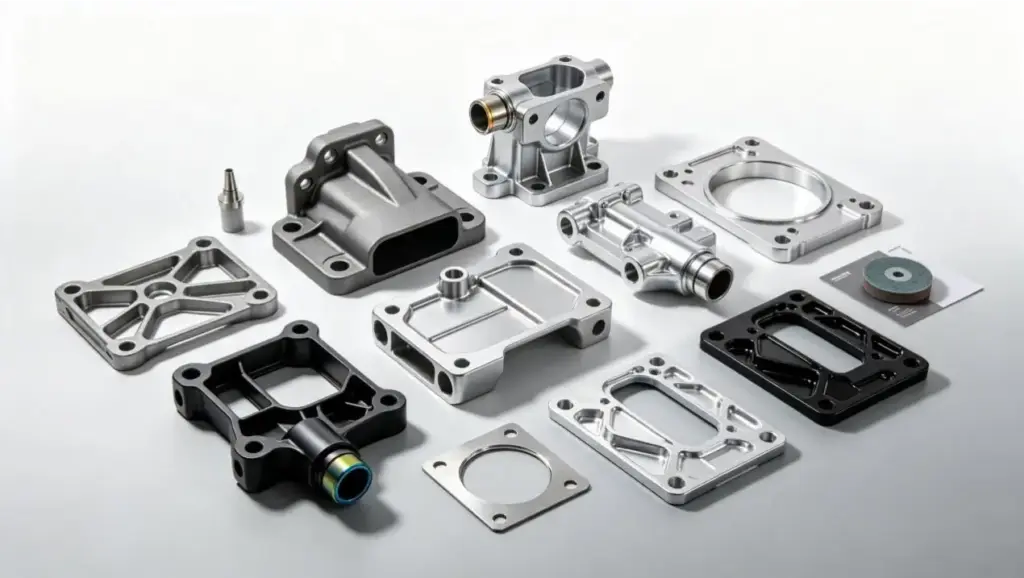
Over the years, we have provided electrophoretic coating services for a remarkably wide range of applications. Each product family has its own unique finishing requirements:
Automotive & EV Components
Parts:DC/DC converters, On-Board Chargers (OBC), Electric Vehicle Communication Controllers (EVCC), PTC controllers, motor controller housings, battery trays.
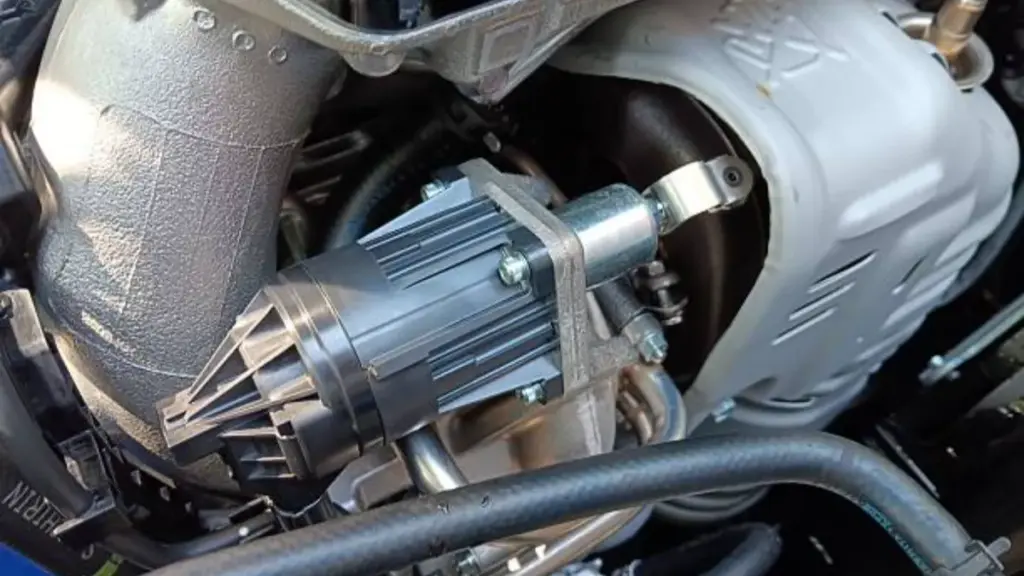
E-coating Benefits:The automotive industry demands exceptional corrosion resistance. Research shows e-coatings for automotive aluminum alloy components must meet stringent performance requirements including excellent salt spray and humidity resistance . E-coating provides the100% coverage of complex internal geometries that is essential for components with cooling channels or sealing surfaces.
Energy Storage & Electrical Enclosures
Parts:New energy storage enclosures, protective boxes, explosion-proof housings, junction boxes, heat sinks, battery housings, gas component housings.
E-coating Benefits:These components require reliable corrosion protection and uniform coverage to ensure long-term performance in demanding environments. The excellent edge coverage of e-coating ensures that even sharp edges and corners—typical failure points for corrosion—are fully protected.
Lighting Products
Parts:Automotive lamp housings, indoor/outdoor lighting, commercial and industrial lighting, emergency lights, LED lights, solar lights, floodlights, high-bay lights, explosion-proof lights, stadium lights, street lights, waterproof covers.
E-coating Benefits:Lighting components exposed to weather require reliable corrosion protection. E-coated surfaces also provide excellent adhesion for subsequent powder coating when enhanced durability or special colors are needed .
Automation Machinery & Electronics
Parts:Machinery components, computer parts, telecommunications housings, motor housings, instrument parts, cleaning equipment components.
E-coating Benefits:The uniform coating thickness ensures consistent performance and appearance, while the coating’s dielectric properties provide insulation for electronic enclosures.
Piping, Plumbing & Infrastructure
Parts:Valves, mechanical joints/fittings, fire hydrants, water diversion pipes and fittings.
E-coating Benefits:Components in contact with water require excellent corrosion resistance. The complete coverage of internal passages ensures all surfaces are protected.
Construction, Furniture & Medical Equipment
Parts:Infrastructure components, building parts, office furniture, household goods, medical equipment bases.
E-coating Benefits:The attractive, smooth finish enhances product appearance while providing durable protection against wear and corrosion.
Kitchen & Food-Related Products
Parts:Barbecue and baking accessories, cookware, kitchen utensils.
E-coating Benefits:The smooth, uniform coating is easy to clean and provides a hygienic surface for food-contact applications.
Cable Management
Parts:Cable hooks and hangers.
E-coating Benefits:Corrosion-resistant coating ensures long service life in both indoor and outdoor installations.
When Is Electrophoretic Coating Not the Right Choice?
While e-coating offers numerous advantages, we recognize that not every part requires electrophoretic coating. We work closely with each customer to evaluate:
- Functional requirements:Does the part need corrosion protection, or is appearance the primary concern?
- Environmental exposure:Will the part face harsh conditions such as salt spray, chemicals, or UV radiation?
- Application environment:Is it an internal component, exterior part, or food-contact application?
- Cost considerations:We balance quality with economy, applying just the right level of finishing for the product’s needs.
It’s important to note that e-coating has limitations: color selection is somewhat limited compared to powder coating, primarily available in black, gray, silver, and a few other colors . Additionally, e-coat films are relatively thin (10-20 microns), offering less impact resistance than thicker powder coatings . For high-decorative applications or parts requiring extreme impact resistance, alternative finishes such as powder coating may be more appropriate.
Our Electrophoretic Coating Process
We follow a rigorous e-coating process to ensure consistent, high-quality results:
1. Pre-Treatment
Aluminum die castings undergo thorough cleaning to remove die lubricants and contaminants. Shot blasting is commonly used to clean the surface and provide a suitable texture for coating adhesion . A chemical conversion coating is then applied to enhance adhesion and corrosion resistance.
2. Electrophoretic Deposition
Parts are immersed in the e-coat bath, and an electric current is applied. The coating deposits uniformly over all surfaces, including internal cavities and complex geometries.
3. Curing
The coated parts are baked at controlled temperatures to crosslink the coating, achieving the desired mechanical properties and corrosion resistance. Typical curing conditions for high-performance epoxy e-coats are approximately 110°C for 30 minutes .
4. Quality Inspection
Every batch undergoes visual inspection, thickness measurement, and adhesion testing to ensure compliance with customer specifications.
Why Choose Bian Metal for Electrophoretic Coating?
- Application-Specific Finishing:We don’t over-finish or under-finish—we apply exactly what your product needs.
- Broad Industry Experience:From automotive powertrains to decorative lighting and food-contact parts, we have experience across virtually every industry.
- ISO 9001:2015 Quality System:Every finishing operation follows documented procedures and is subject to regular quality audits.
- Comprehensive Infrastructure:We have the equipment and skilled operators to handle both high-volume e-coating and precision manual finishing.
- Partner-Centric Approach:We collaborate with you to define the right finishing specifications and ensure consistent results, batch after batch.
Conclusion
Electrophoretic coating is not just a surface treatment—it is a comprehensive solution that enhances corrosion resistance, provides uniform coverage on complex geometries, and delivers an attractive, durable finish. At Bian Metal, we treat e-coating with the same rigor and attention as the casting process itself. We understand that a part’s surface condition can affect its performance, safety, assembly, and visual appeal.
Whether you need corrosion protection for automotive components, uniform coating for complex enclosures, or a durable finish for outdoor lighting fixtures, we have the expertise and capability to deliver.
Contact us today to discuss your surface finishing requirements. Let us show you how our commitment to quality extends from molten metal to the finished surface.
Foshan Nanhai Bian Metal Product Co., Ltd.
ISO 9001:2015 Certified Aluminum Die Casting Manufacturer
Certificate No.: 41925Q10330-04R0S | Valid Until: 23 April 2028