Las piezas de iluminación de fundición a presión de aluminio son el factor decisivo entre un dispositivo que sobrevive al estrés comercial y uno que falla debido a una rápida degradación térmica.. La refrigeración inadecuada aumenta la temperatura de las uniones de los LED, Reducir la vida útil de los componentes a la mitad y generar costosas reclamaciones de garantía..
Este análisis compara los gabinetes comerciales con los estándares de fabricación que cumplen con NADCA.. Evaluamos métricas de conductividad térmica que van desde 150 a 200 W/m·K y espesores de base óptimos entre 2 y 5 mm para ayudarlo a diseñar una disipación de calor superior y extender la longevidad operativa.
Comprensión de la fundición a presión de aluminio para piezas de iluminación
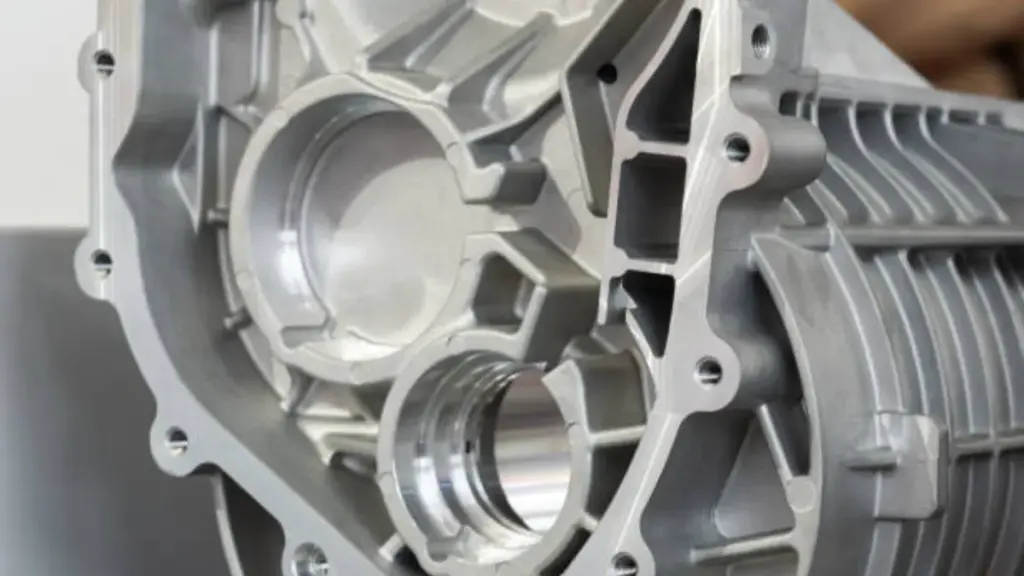
La fundición a presión de aluminio transforma aleaciones fundidas en carcasas de iluminación de alta densidad. Esto garantiza una disipación de calor excepcional y tolerancias estrictas, fundamentales para prolongar la vida útil de los componentes LED sensibles..
El proceso de fundición a presión a alta presión
El proceso de fundición a alta presión comienza cuando los fabricantes funden aleaciones de aluminio a temperaturas extremas.. Luego, una máquina de cámara fría inyecta este metal fundido directamente en moldes de acero diseñados con precisión..
Esta configuración de maquinaria separa intencionalmente el crisol del sistema de inyección primaria.. Aislar la fuente de calor protege el equipo de daños térmicos graves durante ciclos de producción continuos..
Para garantizar la integridad estructural, Los ingenieros diseñan cuidadosamente geometrías de moldes con líneas de separación exactas y puntos de inyección estratégicos.. Esto evita que el metal se solidifique prematuramente y garantiza que llene completamente cada sección de la compleja cavidad..
Beneficios de gestión térmica y precisión
Los LED de alta potencia generan un calor intenso, hacer de la gestión térmica un requisito de ingeniería crítico. La fundición a presión resuelve este problema transformando la propia carcasa en un sistema de refrigeración altamente eficiente..
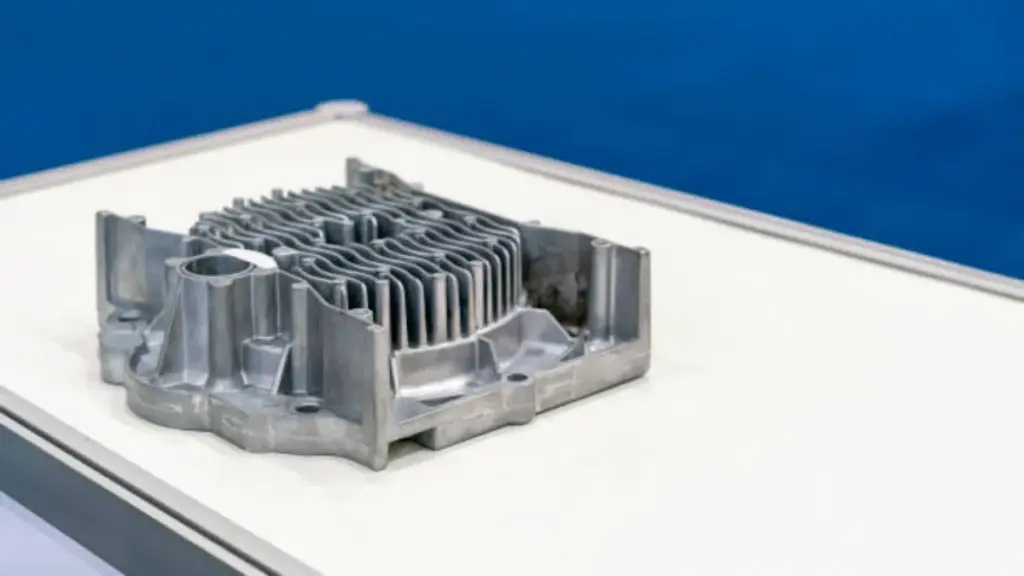
- Refrigeración integrada: Las carcasas de fundición funcionan como radiadores integrados.. Las finas aletas de refrigeración alejan rápidamente el calor de los sensibles componentes LED internos.
- Vida útil extendida: La densa estructura de aluminio ofrece una alta conductividad térmica.. Esto sostiene el rendimiento a largo plazo para la calle., industrial, e instalaciones de iluminación arquitectónica.
- Precisión de fabricación: El proceso de fundición mantiene tolerancias estrictas y acabados superficiales suaves.. Admite fácilmente la producción en masa de piezas resistentes y perfiles de iluminación complejos..
Adquisición de carcasas ligeras duraderas para aplicaciones comerciales
Las aleaciones de fundición a presión de aluminio como A380 y ADC12 proporcionan la resistencia estructural y la gestión térmica necesarias para las carcasas ligeras comerciales., Ampliación de la vida útil de los LED en entornos de alto estrés..
Selección de aleaciones de aluminio para entornos de uso intensivo
Los accesorios de iluminación comercial soportan vibraciones constantes, variaciones climáticas, y altas cargas de calor. Para construir recintos duraderos, Los ingenieros dependen en gran medida de aleaciones de aluminio específicas que equilibran la integridad estructural con las capacidades de enfriamiento..
- Resistencia mecánica: Las aleaciones de aluminio como A380 y ADC12 ofrecen resistencias a la tracción superiores 300 MPa y tasas de alargamiento cercanas 3%. Esto permite que las carcasas absorban el impacto y resistan la fatiga en instalaciones comerciales al aire libre..
- Gestión Térmica: Estas aleaciones presentan una alta conductividad térmica que va desde 160 a 200 W/m · k. El material aleja rápidamente el calor de los conjuntos de LED, que detiene la fatiga térmica y prolonga la vida útil del recinto.
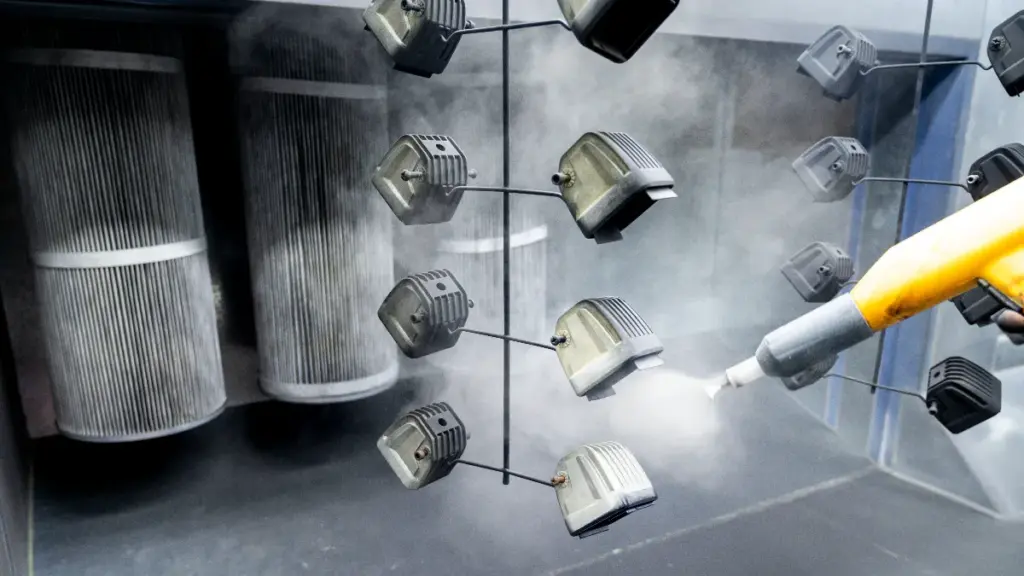
- Resistencia a la corrosión: Se forman capas de óxido natural en la superficie del aluminio.. Cuando combinas esto con tratamientos superficiales como anodizado o recubrimiento en polvo, Las carcasas bloquean la degradación ambiental incluso en lugares marinos hostiles o adyacentes a automóviles..
Evaluación de proveedores y estándares de control de calidad
Encontrar la aleación adecuada es sólo la mitad del proceso. Necesita un socio de fabricación capaz de convertir esa materia prima en componentes impecables a escala.. Elija proveedores con amplia experiencia en la industria que sigan procesos que cumplan con NADCA. Esto garantiza la repetibilidad de grandes volúmenes y mantiene tolerancias constantes de hasta ±0,05 mm por pulgada..
- Verificación de materiales y dimensiones: Pruebe las composiciones químicas de las materias primas inmediatamente. Realice inspecciones dimensionales utilizando máquinas de medición por coordenadas antes de dar luz verde a la producción a gran escala..
- Detección de defectos: Dar prioridad a los socios que utilizan pruebas no destructivas como rayos X o análisis espectrales.. Estos métodos detectan defectos internos y porosidad al principio del proceso de fabricación., ahorrando tiempo y dinero.
- Mantenimiento de matrices: Mire los protocolos de mantenimiento de moldes del proveedor.. El tratamiento térmico regular prolonga la vida útil del troquel y reduce los costos de los ciclos de producción continuos que abarcan 2026 y más allá.
Fundición a presión de precisión para una fabricación sin defectos
Estrategias avanzadas de disipación de calor para reducir la estrangulación térmica
La disipación de calor eficaz evita la estrangulación térmica en LED de alta potencia. La combinación de una geometría de aleta de precisión con las aleaciones de aluminio adecuadas garantiza un rendimiento constante y duplica la vida útil del dispositivo..
| Material | Conductividad térmica (W/m · k) | Densidad (g/cm³) |
|---|---|---|
| Aluminio fundido a presión (ADC12) | 150 | 2.7 |
| Aluminio extruido | 200 | 2.7 |
| Cobre | 400 | 8.9 |
Optimización de la geometría de las aletas y el espesor de la base
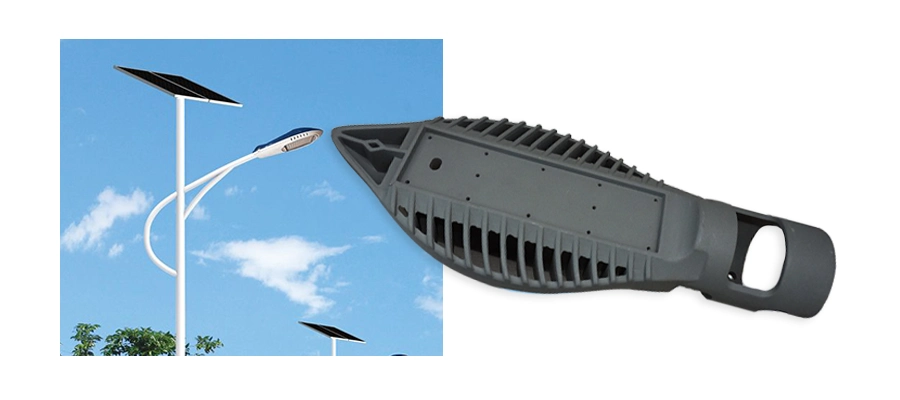
La fundición a presión permite a los ingenieros moldear, delgado, y aletas densamente espaciadas directamente en la carcasa de iluminación. Esta geometría de aleta específica maximiza la superficie disponible, Impulsando una convección natural superior en comparación con los métodos de mecanizado estándar.. El diseño aleja el calor del núcleo rápidamente, evitando la acumulación térmica que degrada el rendimiento del LED.
Conseguir los cimientos correctos es igualmente fundamental para la gestión térmica.. Diseñamos espesores de base estrictamente entre 2 y 5 milímetros. Este rango preciso garantiza una distribución uniforme del calor desde la placa de circuito LED hacia las aletas de refrigeración, eliminando al mismo tiempo el peso innecesario del material y evitando costes excesivos de producción..
Evaluación de opciones de aleaciones y métodos de posprocesamiento
La selección de materiales dicta la base térmica de cualquier dispositivo de iluminación.. La selección de aluminio ADC12 proporciona una conductividad térmica confiable de 150 W/m·K junto con una baja densidad de 2.7 g/cm³. Esta aleación reduce activamente el peso de las piezas y los costos de producción a granel cuando se compara con aluminio extruido o alternativas de cobre más pesadas..
después del casting, Las operaciones secundarias aumentan aún más el rendimiento.. Utilizamos mecanizado CNC para aplanar y refinar las superficies de contacto., asegurando la máxima transferencia térmica desde la placa de circuito al disipador de calor. También aplicamos tratamientos térmicos T6 o T7 para aumentar la resistencia estructural de la pieza sin provocar una caída en la conductividad térmica natural del metal..
Preguntas frecuentes
¿Qué hace que el aluminio sea el mejor material para la fundición a presión de iluminación??
El aluminio ofrece una alta conductividad térmica. (100-200 W/m · k) para disipar el calor del LED de manera efectiva. Presenta una excelente relación resistencia-peso., creando accesorios robustos sin exceso de masa. Las aleaciones como la A360 proporcionan una fuerte resistencia a la corrosión contra la lluvia., nieve, y humedad. La fundición a presión permite diseños 3D complejos con tolerancias estrictas, haciéndolo asequible para la fabricación de gran volumen y al mismo tiempo manteniendo la reciclabilidad de circuito cerrado al máximo. 95%.
¿Cómo afecta directamente la disipación de calor a la vida útil de las lámparas??
La refrigeración inadecuada aumenta la temperatura de la unión del LED, acelerar la degradación de los componentes. Cada aumento de 10°C por encima del umbral de diseño reduce a la mitad la vida útil de un LED. La disipación de calor eficiente evita la depreciación irreversible del lumen, cambios de color, y fracasos prematuros. Los disipadores de calor de aluminio fundido a presión de alta calidad extraen el exceso de calor de los chips y lo expulsan al aire., mantener las temperaturas de funcionamiento estables y maximizar la longevidad del accesorio.
¿Qué deben buscar los principiantes a la hora de adquirir carcasas ligeras y duraderas??
Los compradores deben priorizar las aleaciones con un contenido equilibrado de silicio y hierro para garantizar una alta resistencia estructural y una fluidez óptima del metal.. Inspeccione las piezas de muestra en busca de marcas de contracción., amarillamiento, o molde, que indican una mala ventilación o tratamientos superficiales defectuosos. Compruebe que las carcasas tengan un espesor de pared uniforme para evitar tensiones internas y grietas.. Solicitar informes de inspección de defectos, verificar los certificados de composición de aleaciones, y probar prototipos para determinar la planitud de la superficie y la adhesión del recubrimiento antes de realizar pedidos en volumen.
¿Cómo pueden los ingenieros veteranos eliminar eficazmente la estrangulación térmica en diseños personalizados??
Los ingenieros detienen la estrangulación térmica manteniendo temperaturas uniformes dentro de ±15 °C en todas las zonas para evitar desgarros calientes en reflectores de iluminación de paredes delgadas.. Optimizan los materiales de las matrices con aceros para herramientas de alta calidad., integrar canales de enfriamiento conformes, e implementar imágenes térmicas para monitorear las temperaturas de la superficie en tiempo real. Controlar las temperaturas de fusión entre 700 °C y 720 °C y aplicar fundición a presión de alto vacío elimina el aire atrapado, reducir los defectos de gas y mejorar el rendimiento de enfriamiento de piezas hasta 40%.
Pensamientos finales
Mientras que las carcasas de iluminación genéricas ofrecen costos iniciales más bajos, Invertir en aleaciones de aluminio fundido a presión de precisión como ADC12 es la única forma confiable de proteger su marca contra fallas prematuras de los LED y estrangulamiento térmico severo.. La fundición de alta presión bloquea el espesor de base exacto y la geometría de aleta necesarios para maximizar la disipación de calor en entornos comerciales hostiles.. Asociarse con un estricto, El fabricante que cumple con NADCA protege sus márgenes a largo plazo frente a costosos reemplazos en el campo.
No conjetures con el rendimiento térmico cuando puedes verificar la calidad de fabricación de primera mano.. Recomendamos comenzar con un pedido de muestra física para probar nuestra integridad estructural., tolerancias estrictas, y acabados superficiales directamente en su línea de montaje. Póngase en contacto con nuestro equipo de ingeniería hoy para revisar sus especificaciones OEM personalizadas y asegurar una cadena de suministro confiable para sus ciclos de producción de alto volumen..