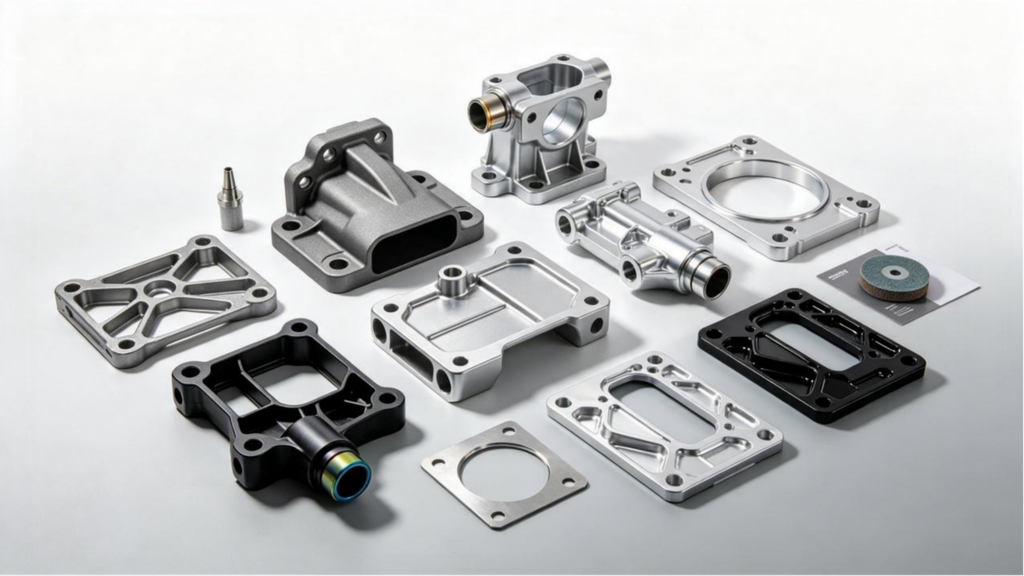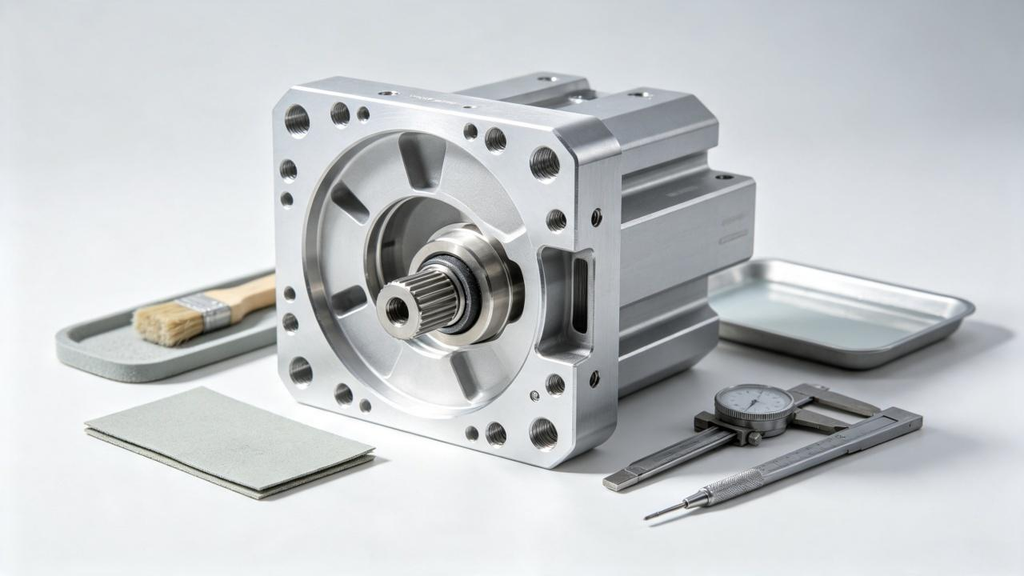
La especificación del material de la carcasa del motor eléctrico determina directamente si un vehículo alcanza su autonomía de conducción objetivo o sufre una rápida degradación térmica.. Cada kilogramo de más agota la vida útil de la batería, obligando a los fabricantes a depender de costosos, celdas de batería de gran tamaño solo para mantener el rendimiento básico.
Este análisis compara aleaciones estructurales y compuestos poliméricos avanzados con estándares automotrices rigurosos.. Evaluamos métricas de conductividad térmica alcanzando 150 W/m·K y reducciones de densidad específicas que amplían la autonomía total del vehículo hasta 8 por ciento, ayudándole a obtener resultados de fabricación altamente eficientes.
El papel de las carcasas de los motores en la eficiencia de los NEV
Las carcasas de los motores aumentan directamente la eficiencia de los NEV mediante la gestión del calor, perdiendo peso, y amortiguar las vibraciones, En última instancia, se extiende la autonomía y la vida útil de los componentes..
Gestión térmica y disipación de calor.
El calor destruye los motores eléctricos.. Para evitar esto, Los ingenieros diseñan carcasas de motores para extraer agresivamente el calor de los componentes internos críticos.. Estos componentes se basan en estrictas especificaciones térmicas para mantener el máximo rendimiento..
- Conductividad térmica: El aluminio fundido ofrece 150 W/m·K de conductividad térmica para mantener las temperaturas internas estrictamente por debajo de 80°C.
- Integración de refrigeración: Los canales internos gestionan activamente los caudales de refrigerante entre 5 y 10 l/min.
- Expansión de superficie: Las aletas exteriores aumentan la superficie total hasta 50% para impulsar una rápida transferencia de calor por convección.
Controlar estas cargas térmicas produce ganancias de rendimiento inmediatas. El control térmico eficiente aumenta la eficiencia general del motor hasta 10% al tiempo que se extiende significativamente la vida útil operativa del aislamiento interno y los rodamientos..
Materiales livianos e integridad estructural
Cada kilogramo extra agota la vida útil de la batería. Los fabricantes diseñan carcasas de motor modernas para equilibrar una ligereza extrema con una resistencia mecánica robusta para mantener el vehículo en movimiento con una sola carga..
- Resistencia del material: Las piezas fundidas de aleación de aluminio pesan apenas 2 a 5 kg mientras ofrece resistencias a la tracción de 200 a 300 MPa para maximizar la densidad de potencia.
- Absorción de carga dinámica: Los soportes amortiguadores de vibraciones especializados mantienen una alineación precisa del motor y reducen las pérdidas de energía mecánica durante el funcionamiento..
- Protección ambiental: Las superficies anodizadas perduran 1,000 horas en duras pruebas de niebla salina, y los sellos herméticos impiden que la humedad arruine los componentes electrónicos sensibles..
Estas opciones de diseño estructural optimizan directamente la autonomía del vehículo y garantizan que los componentes internos sobrevivan a las duras condiciones ambientales..
Materiales primarios utilizados en carcasas de motores eléctricos
Aluminio, acero, y los polímeros avanzados dominan la construcción de carcasas de motores, Equilibrio de la gestión térmica., rigidez estructural, y reducción de peso para satisfacer demandas específicas de rendimiento industrial y automotriz.
| Categoría de material | Ventaja principal | Aplicación primaria |
|---|---|---|
| Aleaciones de aluminio fundido | Baja densidad y rápida disipación del calor. | Unidades de automóvil, bombas de agua |
| Acero y hierro de alta resistencia | Excepcional rigidez y amortiguación de vibraciones. | Motores industriales de servicio pesado |
| Compuestos poliméricos avanzados | Resistencia química y aislamiento dieléctrico. | Servomotores y micromotores de baja inercia. |
Aleaciones de aluminio fundido
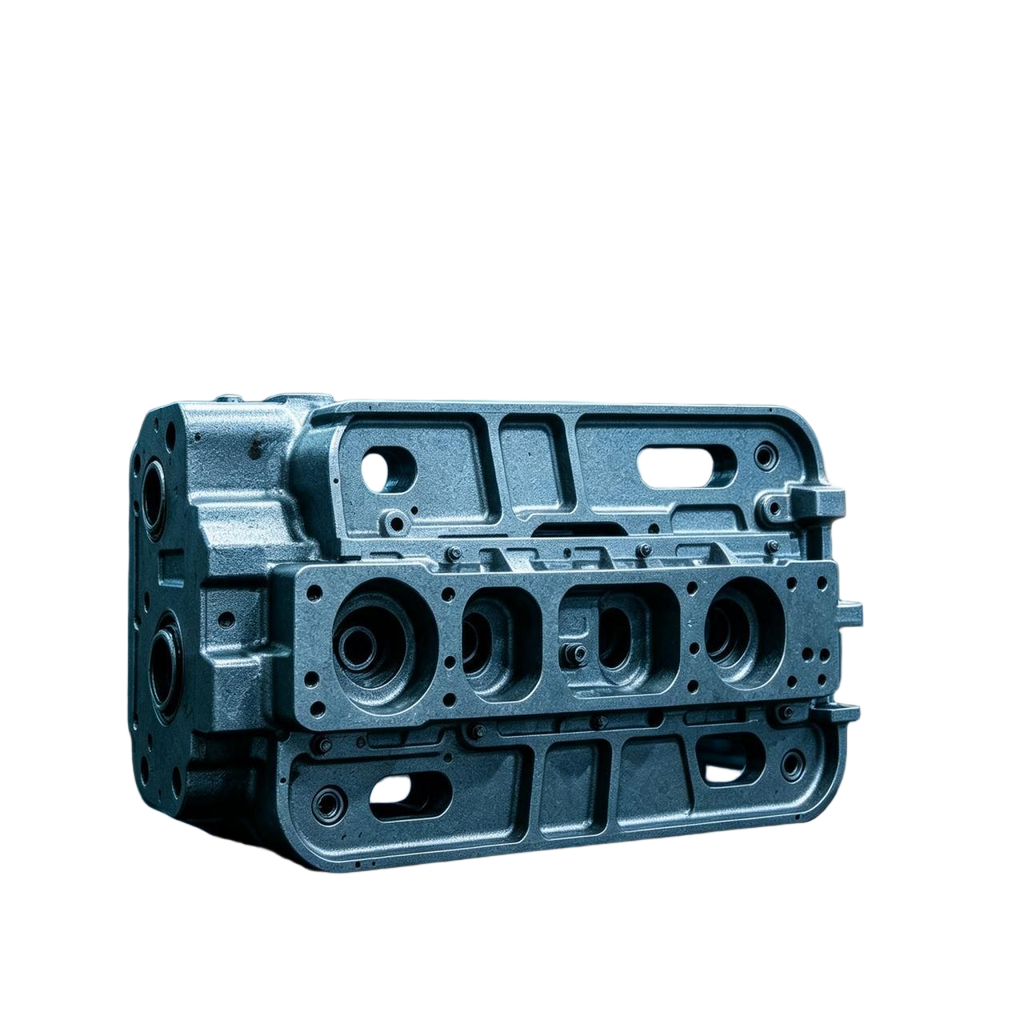
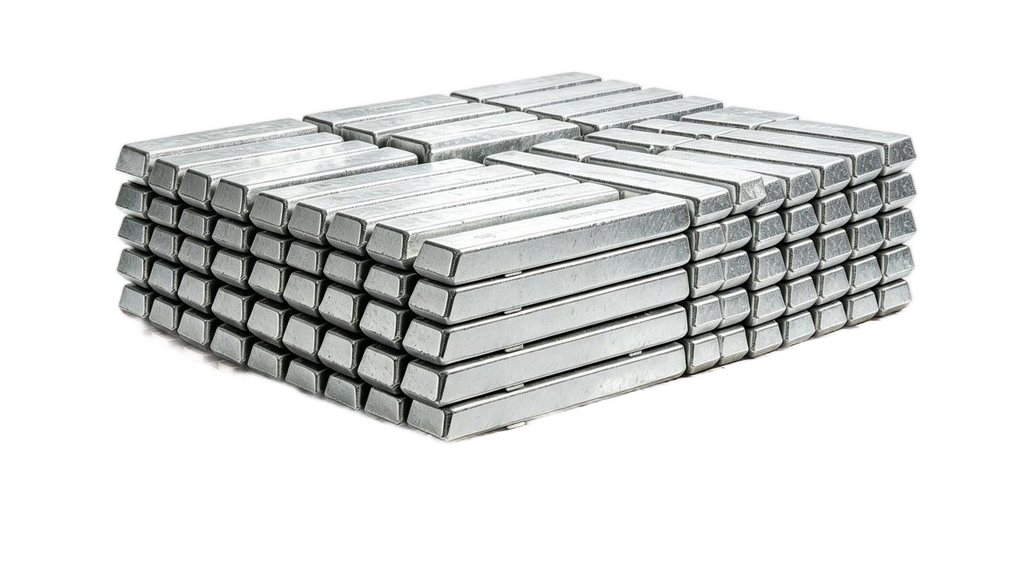
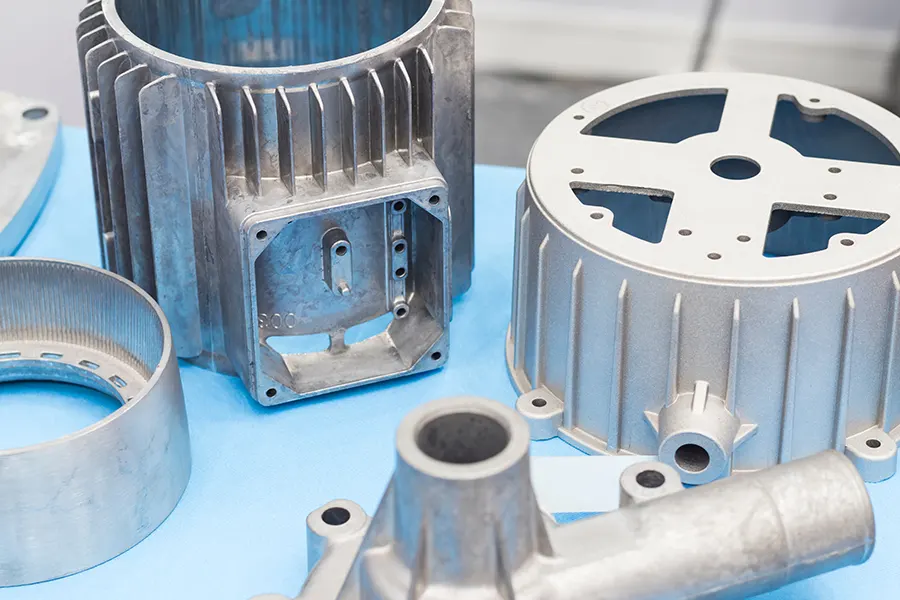
Los fabricantes dependen en gran medida de aleaciones de aluminio como ADC12 y A356 para construir carcasas de motores modernas.. Estos materiales poseen una densidad excepcionalmente baja., pesa aproximadamente una quinta parte de las carcasas de hierro fundido equivalentes. Esta drástica reducción de peso mejora directamente el rendimiento en aplicaciones sensibles al peso sin comprometer la integridad estructural..
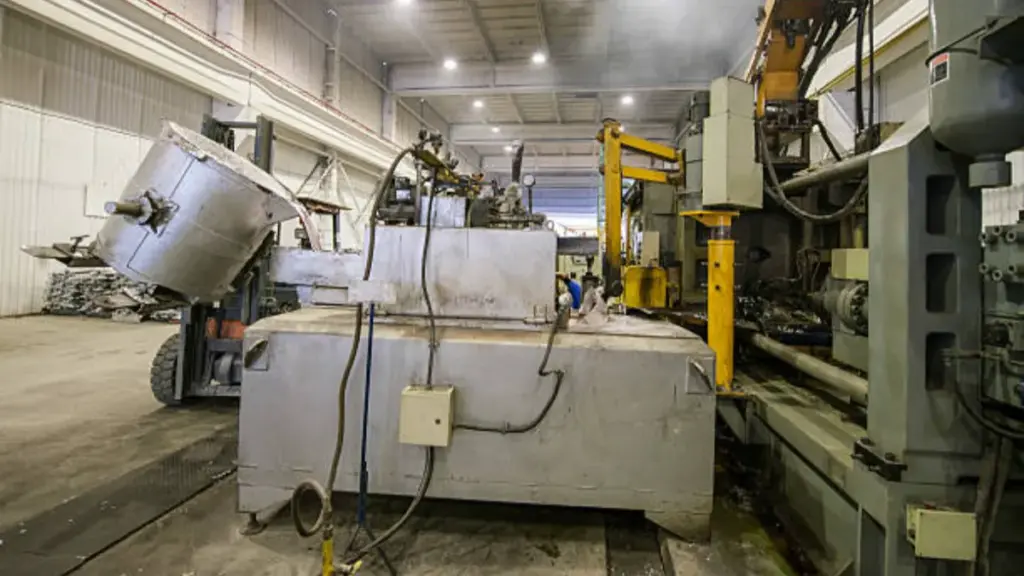
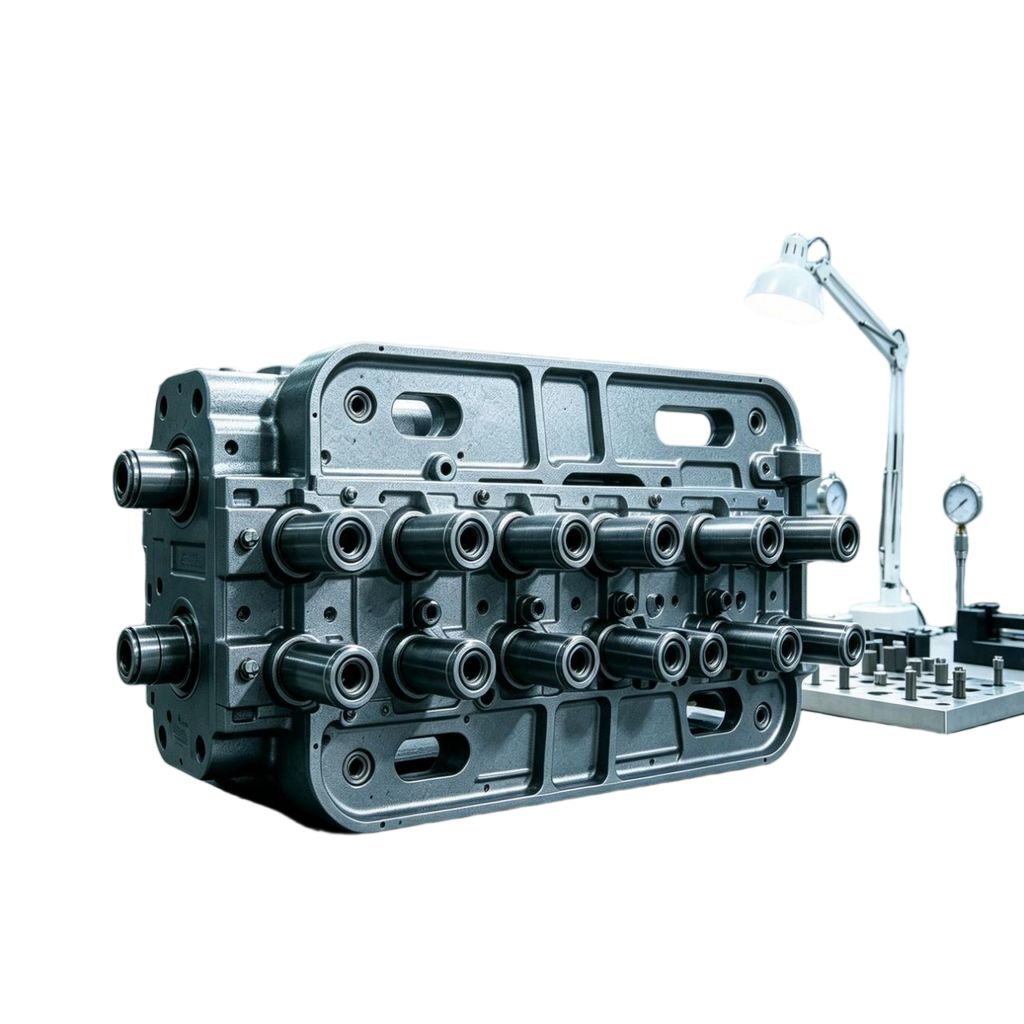
La alta conductividad térmica garantiza una rápida disipación del calor.. Mantiene activamente bajas temperaturas operativas en unidades automotrices de alto rendimiento., servomotores, y bombas de agua. Los ingenieros combinan esta eficiencia térmica con técnicas de fundición a presión y extrusión.. Estos métodos de fabricación permiten que las líneas de producción creen formas de carcasas complejas manteniendo bajos los costos de molde y una fabricación general altamente versátil..
Acero y hierro de alta resistencia
Cuando la estabilidad mecánica prima sobre el ahorro de peso, El hierro fundido ofrece una rigidez y amortiguación de vibraciones excepcionales.. Los profesionales de la industria lo consideran el material estándar para motores industriales de servicio pesado que habitualmente experimentan intensos golpes mecánicos en el piso de las instalaciones..
El acero de alta resistencia proporciona una alternativa altamente rentable para motores de uso general donde la rápida disipación de calor tiene menor prioridad.. Tanto el hierro fundido como el acero de alta resistencia se adaptan perfectamente a unidades grandes y entornos de alta temperatura.. Debido a que estos metales ofrecen solo una resistencia a la corrosión básica moderada, Las instalaciones a menudo aplican recubrimientos superficiales para aumentar su durabilidad frente a elementos operativos agresivos..
Compuestos poliméricos avanzados
Los diseñadores seleccionan termoplásticos específicos para aplicaciones específicas que requieren una construcción extremadamente liviana y una fuerte resistencia química.. Los polímeros estándar utilizados incluyen:
- policarbonato
- ABS
- Nylon
Estos compuestos avanzados proporcionan excelentes propiedades dieléctricas.. Establecen un aislamiento incorporado y minimizan activamente la interferencia electromagnética alrededor de armaduras y estatores.. Los ingenieros especifican estos polímeros principalmente para servomotores y micromotores especializados de baja inercia.. Los metales siguen siendo la opción principal estricta para el soporte estructural en escenarios de carga alta., pero los polímeros llenan vacíos operativos críticos donde la reducción de peso y el aislamiento eléctrico superan la fuerza física pura..
Fundición a presión de precisión diseñada para un máximo retorno de la inversión
Cómo los materiales de la vivienda afectan el peso en vacío de los NEV
La elección de materiales en las carcasas de los motores eléctricos determina directamente el peso en vacío de los NEV. Pasar de metales pesados a compuestos avanzados reduce masa, ampliar instantáneamente la autonomía del vehículo.
Diferencias de densidad entre los materiales de la vivienda
Los ingenieros evalúan los materiales de la vivienda basándose en estrictas métricas de densidad para eliminar el peso muerto del chasis del vehículo..
- Aleaciones de aluminio: Domina los diseños estándar con una densidad de alrededor 2,700 kg/m³, ofreciendo un 60 a 70% Reducción de peso en comparación con equivalentes pesados de hierro fundido o acero..
- Polímeros avanzados y resinas termoestables: Empuje la densidad hacia abajo a 1,200 a 1,800 kg/m³, logrando un extra 20 a 30% Ahorro de peso respecto a las opciones tradicionales de aluminio..
- SMC y CFRP: Los compuestos magnéticos blandos y los plásticos reforzados con fibra de carbono reducen el peso de los componentes específicos hasta en 50% manteniendo una alta integridad estructural.
Reducción de peso en vacío y extensiones de alcance
Las carcasas de los motores eléctricos representan 10 a 20% del peso total del motor. Esta métrica vincula la elección del material directamente con la masa total del vehículo..
Reducir el peso del motor 10% gracias a materiales de carcasa más ligeros se amplía la autonomía del vehículo en 5 a 8%. En términos prácticos, esto suma aproximadamente 20 kilómetros a un paquete de baterías estándar sin necesidad de mayor, celdas de batería más caras.
Para mantener el rendimiento en estas configuraciones livianas, Los ingenieros integran canales de refrigeración directa en carcasas de polímero de baja densidad.. Esta estrategia gestiona la producción térmica directamente en la fuente., evitando completamente la necesidad de agregar conductores de calor de metales pesados nuevamente al conjunto del motor.
Estrategias de conductividad térmica y disipación de calor.
La disipación de calor eficaz requiere combinar metales exteriores de alta conductividad con compuestos de encapsulado avanzados y compuestos estructurales para transferir el calor interno rápidamente sin comprometer el aislamiento eléctrico..
Perfiles de conductividad térmica de materiales de carcasa
La eficiencia del motor depende de hacer coincidir el material estructural adecuado con las demandas térmicas y eléctricas específicas de cada zona de componentes.. Los ingenieros utilizan un enfoque escalonado en la selección de materiales para garantizar que el calor se mueva de manera efectiva desde el núcleo hacia el exterior..
- Rieles: Servir como principal mecanismo de transferencia de calor.. Las aleaciones de aluminio ofrecen 200-250 W/m · k, estableciendo una línea de base térmica alta que supera los perfiles de conducción más bajos de hierro fundido y acero inoxidable.
- Plásticos TCEI: Térmicamente conductivo, Los plásticos eléctricamente aislantes proporcionan una distribución de calor específica para componentes internos como revestimientos de ranuras y bobinas., logrando hasta 4 W/m·K conductividad en el plano.
- Compuestos epoxi avanzados: Incorporar cargas específicas como nitruro de aluminio. (AlN) y grafeno para elevar los niveles extremos de conductividad hasta 61.3 W/m·K manteniendo la resistividad eléctrica necesaria.
Métodos integrados de disipación de calor
La selección de materia prima solo resuelve parte de la ecuación térmica. Los espacios de aire internos actúan como aislantes., atrapando el calor cerca de los devanados. Erradicar estas brechas requiere estrategias de integración específicas para construir puentes térmicos continuos con el entorno externo..
- Compuestos de encapsulado térmicamente conductores: Elimine los huecos internos para conducir el calor directamente desde los estatores y los devanados a la carcasa exterior.. Como beneficio secundario crítico, amortiguan activamente las vibraciones mecánicas durante el funcionamiento.
- Rellenos impregnantes especializados: Los fabricantes mezclan nitruro de boro o carburo de silicio directamente en epoxis. Esta técnica optimiza la transferencia térmica continua sin eliminar las propiedades vitales de aislamiento eléctrico..
- Capas de interfaz de alta eficiencia: Las películas de grafeno y nanotubos de carbono se despliegan en uniones críticas, Acelerar la propagación del calor entre los componentes internos discretos y la carcasa de refrigeración exterior..
Pensamientos finales
Conformarse con lo pesado, Los materiales genéricos para la vivienda reducen los costos iniciales de fabricación., pero penaliza severamente la autonomía y la eficiencia térmica de su NEV. El aluminio fundido con precisión y los compuestos avanzados brindan las relaciones exactas de resistencia y peso necesarias para eliminar el peso muerto y controlar el calor interno.. La integración de estos materiales de alto rendimiento actúa como su mejor defensa contra fallas prematuras del motor y protege la reputación de su marca en un mercado altamente competitivo..
No deje la confiabilidad de los componentes al azar. Recomendamos solicitar una muestra de material para probar de primera mano la conductividad térmica y la integridad estructural de nuestras carcasas.. Póngase en contacto con nuestro equipo de ingeniería para analizar sus especificaciones OEM exactas y asegurar una cadena de suministro confiable para su próxima producción..
Preguntas frecuentes
¿Cuál es el material más común para las carcasas de motores NEV??
Las aleaciones de aluminio dominan el mercado de vehículos de nuevas energías (NEVADA) carcasas de motor. Ofrecen una alta relación resistencia-peso., Excelente conductividad térmica para la disipación del calor., y fuerte resistencia a la corrosión. Mientras que el hierro fundido y el acero inoxidable proporcionan durabilidad, su mayor peso restringe su uso en diseños de vehículos eléctricos donde maximizar la autonomía es la máxima prioridad.
¿Cómo mejora la reducción del peso en vacío la autonomía general de los vehículos eléctricos??
Reducir el peso de un vehículo eléctrico reduce directamente la energía necesaria para la aceleración, superando la resistencia a la rodadura, y mantener la velocidad en las autopistas. La investigación muestra una 10% La reducción de la masa del vehículo puede aumentar la autonomía hasta 13.7%. Integración de componentes ligeros, como carcasas de motor de aluminio, reduce tanto el peso total como el no suspendido. Esto permite a los fabricantes instalar paquetes de baterías más pequeños mientras preservan o extienden la distancia total de conducción..
¿Son viables los materiales compuestos para los futuros motores de vehículos eléctricos??
Sí, Materiales compuestos como polímeros reforzados con fibra de carbono. (CFRP) y compuestos magnéticos blandos (SMC) son altamente viables para motores EV. Proporcionan reducciones masivas de peso., mejor regulación térmica, y alta capacidad de corriente eléctrica. Los costes de producción y las complejas técnicas de unión siguen planteando desafíos. La industria está ampliando rápidamente la adopción de materiales compuestos para construir materiales más ligeros., carcasas de motores más eficientes y reducir la dependencia de metales de tierras raras.