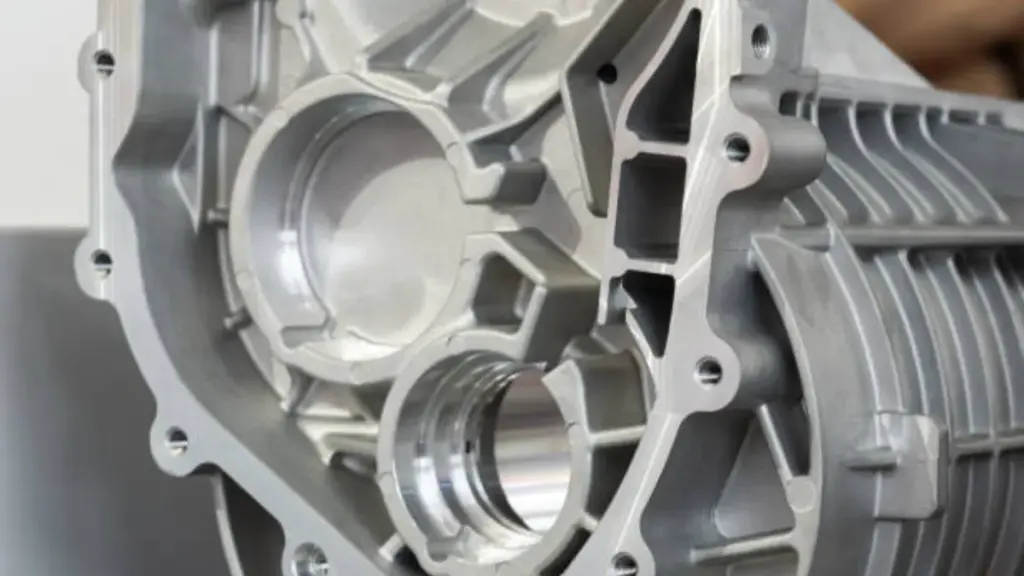
Elegir carcasas de reflector solo por precio unitario a menudo conduce a riesgos de rendimiento ocultos que aparecen después de la instalación.. Diseño térmico débil, mal sellado, o la calidad de fundición inestable puede reducir rápidamente la confiabilidad de la iluminación y aumentar el costo de mantenimiento en proyectos al aire libre.
Esta guía ayuda a compradores e ingenieros a evaluar carcasas de reflectores desde un nivel de sistema., centrándose en la elección del material, resistencia estructural, calidad de herramientas, y control de acabado. Explica cómo evitar errores comunes de abastecimiento y lograr un mejor rendimiento a largo plazo mientras se mantienen los costos de fabricación bajo control..
Conceptos básicos de resistencia y costo de las carcasas de reflectores
El costo y la resistencia de la vivienda con reflector dependen del equilibrio de la estructura, rendimiento térmico, y durabilidad en exteriores para un funcionamiento confiable a largo plazo en entornos reales.
Por qué el costo y la resistencia deben evaluarse juntos
El costo y la resistencia siempre deben evaluarse como un solo sistema., factores no separados. Una vivienda de menor coste puede reducir el gasto inicial, pero a menudo introduce riesgos ocultos durante la operación a largo plazo..
En aplicaciones reales, la mayoría de las fallas provienen de una disipación de calor inestable o un control estructural débil. Por ejemplo, La calidad insuficiente del aluminio o el espesor de pared insuficientemente diseñado pueden provocar deformaciones., falla de sellado, o sobrecalentamiento de los componentes LED. Estos problemas aumentan la frecuencia del mantenimiento y el costo total del ciclo de vida..
Por esta razón, costo total de propiedad (costo total de propiedad) Es un método de evaluación más confiable que el precio unitario solo..
Factores clave de rendimiento detrás de la durabilidad de la vivienda
Varios factores de ingeniería determinan si una carcasa de reflector puede mantener un rendimiento estable en ambientes exteriores.:
- Rendimiento térmico: Mantiene la estabilidad de la temperatura del LED y previene la degradación temprana del lumen
- Rendimiento de sellado: Garantiza protección IP a largo plazo contra la entrada de polvo y agua.
- Estabilidad estructural: Soporta carga de viento, vibración, y resistencia al impacto mecánico
- Sistema de protección de superficies: Protege contra la corrosión, exposición a los rayos ultravioleta, y falla del recubrimiento
Estos sistemas están interconectados. La debilidad en un área a menudo acelera el fracaso en otras., reduciendo la vida útil general.
Cómo el entorno de la aplicación cambia los requisitos de diseño
Las carcasas de los reflectores deben coincidir con los entornos de instalación reales., porque las condiciones exteriores afectan directamente la carga estructural, tasa de corrosión, y rendimiento de sellado.
- Ambientes residenciales y comerciales ligeros.: Diseño equilibrado con resistencia estructural moderada y rentabilidad para un uso estable a largo plazo
- Entornos industriales y viales.: Mayor resistencia a las vibraciones y estructura reforzada para soportar tensiones mecánicas continuas.
- Ambientes costeros o marinos: Protección contra la corrosión mejorada y sistemas de recubrimiento mejorados para resistir la exposición a la sal y la humedad.
Hacer coincidir la resistencia del diseño con las condiciones de aplicación ayuda a prevenir tanto el diseño excesivo como el insuficiente., Mejorar la rentabilidad y la confiabilidad del ciclo de vida..
Elección de materiales y compensaciones de costos
La selección de materiales afecta directamente la resistencia de la carcasa del reflector, rendimiento térmico, resistencia a la corrosión, y costo del ciclo de vida, lo que lo convierte en un factor clave para equilibrar la durabilidad con la eficiencia de fabricación.
Aluminio fundido a presión versus plásticos versus alternativas de metal
Diferentes materiales crean diferentes estructuras., térmico, y características de costos. La elección del material de carcasa adecuado depende del entorno operativo, requisitos de desempeño, y vida útil esperada.
| Material | Ventajas clave | Limitaciones | Aplicaciones típicas |
|---|---|---|---|
| Aluminio fundido a presión | Excelente fuerza, disipación de calor, y equilibrio de costos | Mayor coste de material que los plásticos. | Comercial, industrial, calzada, e iluminación deportiva |
| Plástico PC/ABS | Bajo costo y peso ligero | Rendimiento térmico limitado y durabilidad UV | Iluminación residencial de bajo consumo |
| policarbonato | Alta resistencia al impacto y bajo peso. | Gestión del calor menos eficaz a alta potencia | Carcasas protectoras y accesorios especiales para exteriores |
| Acero inoxidable / Metales especiales | Resistencia a la corrosión y durabilidad superiores | Mayor peso y coste de fabricación | Marina, costero, y ambientes extremos |
Para la mayoría de proyectos de iluminación exterior, Las carcasas de reflectores de aluminio fundido proporcionan el mejor equilibrio de resistencia estructural., gestión térmica, eficiencia de fabricación, y control de costos a largo plazo.
Impacto en la selección del material de la lente y la cubierta
Los materiales de las lentes y la cubierta desempeñan un papel clave en la estabilidad óptica y la protección del medio ambiente., y afectan directamente el costo de mantenimiento a largo plazo..
- vidrio templado: Alta claridad óptica, fuerte resistencia al rayado, y rendimiento UV estable durante una larga vida útil
- policarbonato: Alta resistencia al impacto, Adecuado para entornos públicos o de alto riesgo., pero puede degradarse sin protección UV
- Acrílico: Opción rentable con buena transparencia, pero menor resistencia al impacto y variación de temperatura.
Una falta de coincidencia entre la resistencia de la carcasa y la durabilidad de la lente a menudo conduce a una degradación óptica temprana, incluso si la estructura de la vivienda permanece intacta.
Cómo la elección de materiales influye en el coste total del ciclo de vida
La selección de materiales afecta no solo al costo de producción., sino también la frecuencia de mantenimiento, ciclos de reemplazo, y confiabilidad del sistema en aplicaciones reales al aire libre.
Una carcasa de plástico de bajo coste puede reducir la inversión inicial, pero la exposición a los rayos UV y el estrés térmico pueden acortar la vida útil y aumentar las visitas de mantenimiento.. A diferencia de, El aluminio fundido requiere un mayor costo inicial, pero reduce los gastos operativos a largo plazo gracias a una mejor estabilidad y durabilidad..
Es por eso que la selección de materiales siempre debe seguir una lógica de costo del ciclo de vida en lugar de centrarse únicamente en el precio unitario..
Un tema relacionado es Materiales de fundición a presión, lo que explica cómo afecta el rendimiento general.
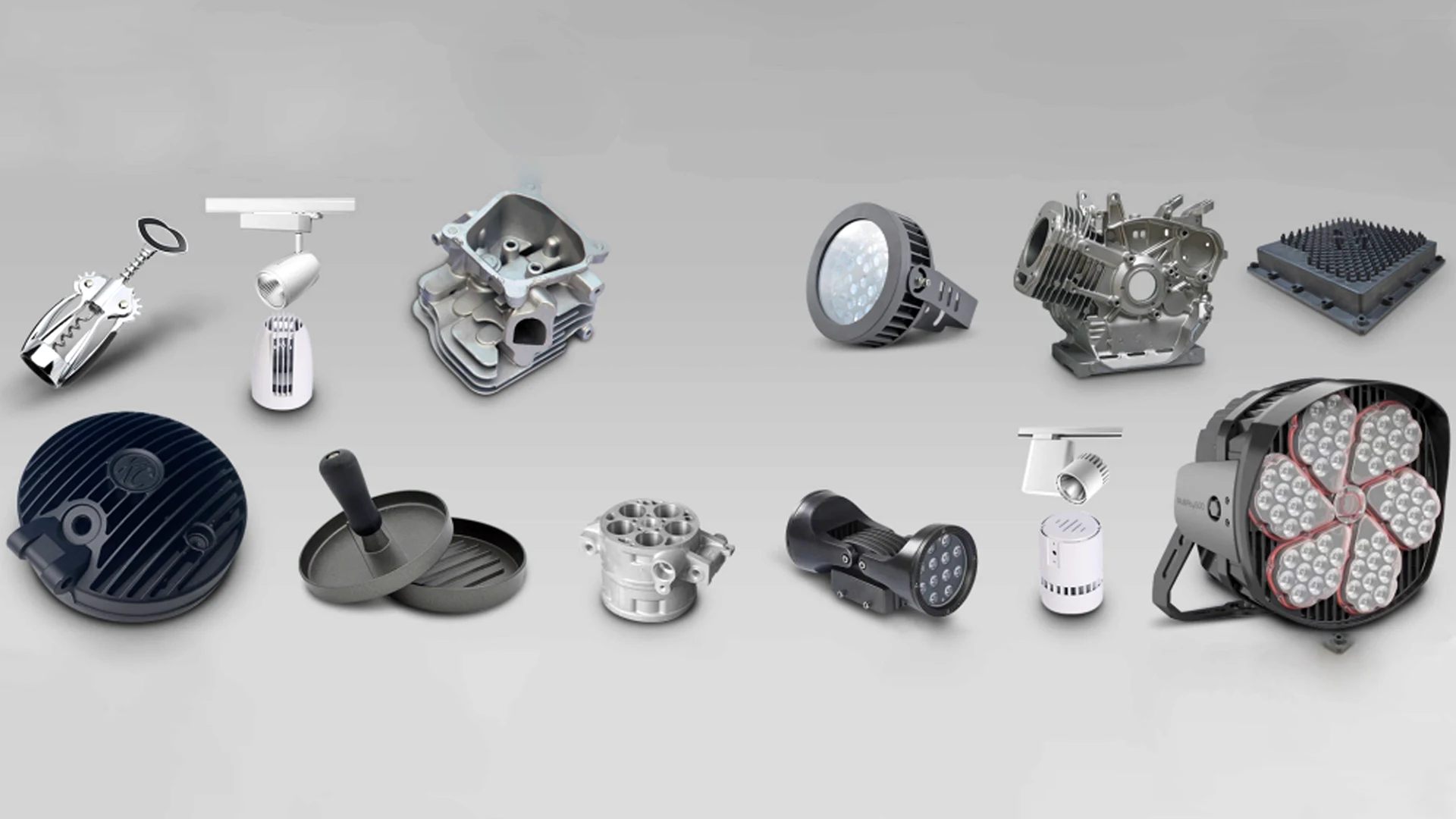
IATF 16949 Soluciones integrales certificadas de fundición a presión
Espesor de pared y resistencia estructural
El espesor de la pared define cómo una carcasa de reflector equilibra la resistencia estructural, confiabilidad del sellado, y costo de producción en condiciones de estrés al aire libre.
Por qué el espesor de la pared define la confiabilidad en exteriores
El espesor de la pared determina si una carcasa puede mantener un rendimiento estable en condiciones de estrés exterior a largo plazo..
El grosor adecuado admite funciones clave:
- Estabilidad mecánica: Reduce el agrietamiento y la deformación bajo vibración y tensión de instalación.
- Rendimiento de sellado: Mantiene una compresión estable de la junta para una protección IP confiable
- Resistencia de carga: Fortalece los puntos de montaje bajo fuerza continua.
- Estabilidad de forma: Limita la distorsión causada por la presión del viento y los ciclos térmicos.
Si el espesor es demasiado bajo, Las fallas a menudo comienzan en las áreas de sellado y montaje.. si es demasiado alto, Costo de material y aumento de peso., mientras que la eficiencia de fundición disminuye debido a un enfriamiento más lento.
Optimización estructural: costillas, jefes, y refuerzo local
Las modernas carcasas de reflectores utilizan refuerzos específicos en lugar de un espesor de pared uniforme para equilibrar la resistencia y la eficiencia del material..
Los métodos de optimización clave incluyen:
- Costillas para rigidez: Mejora la rigidez sin aumentar significativamente el peso.
- Jefes reforzados: Proteja las interfaces de los tornillos contra peladuras o fracturas.
- Engrosamiento local: Fortalecer zonas de alto estrés como juntas y soportes.
Este diseño mejora la eficiencia estructural al tiempo que estabiliza el proceso de fundición.. También reduce el riesgo de contracción y ayuda a mantener una calidad constante en la producción en masa..
Estrategia de espesor por tipo de aplicación (Comercial / Industrial / Marina)
Diferentes entornos requieren diferentes niveles de resistencia estructural, por lo que el espesor de la pared debe coincidir con las condiciones reales de tensión de la aplicación..
| Tipo de aplicación | Requisito estructural | Enfoque de diseño |
|---|---|---|
| iluminación comercial | Durabilidad equilibrada para entornos urbanos | Espesor rentable con protección contra la corrosión estándar |
| iluminación industrial | Alta vibración y resistencia al funcionamiento continuo. | Estructura reforzada con soporte de montaje más fuerte. |
| Iluminación marina/costera | Alta resistencia a la corrosión y a la exposición a las inclemencias del tiempo. | Mayor resistencia estructural con diseño protector mejorado |
Una combinación adecuada evita tanto el exceso como la falta de ingeniería. El sobrediseño aumenta el costo sin ganar rendimiento, mientras que un diseño insuficiente acorta la vida útil y aumenta el costo de mantenimiento.
Para comprender mejor el sistema completo, vea nuestro desglose de: Carcasa LED de aluminio fundido a presión: Consejos de diseño para un máximo rendimiento
Complejidad de herramientas y factores de costos ocultos
El costo de herramientas en carcasas de reflectores aumenta con la complejidad de la geometría, requisitos de estabilidad de producción, y riesgos de mantenimiento del molde a largo plazo, especialmente cuando los diseños incluyen características térmicas y de sellado funcionales..
Cómo las características de diseño aumentan la complejidad del molde
En la producción de viviendas de fundición a presión, La complejidad de las herramientas crece rápidamente cuando se agregan características funcionales para mejorar el rendimiento térmico y de sellado..
En lugar de ver cada función por separado, Es más útil comprender cómo cada decisión de diseño se traduce en el impacto de las herramientas.:
| Característica de diseño | Desafío de herramientas | Costo / Impacto en la producción |
|---|---|---|
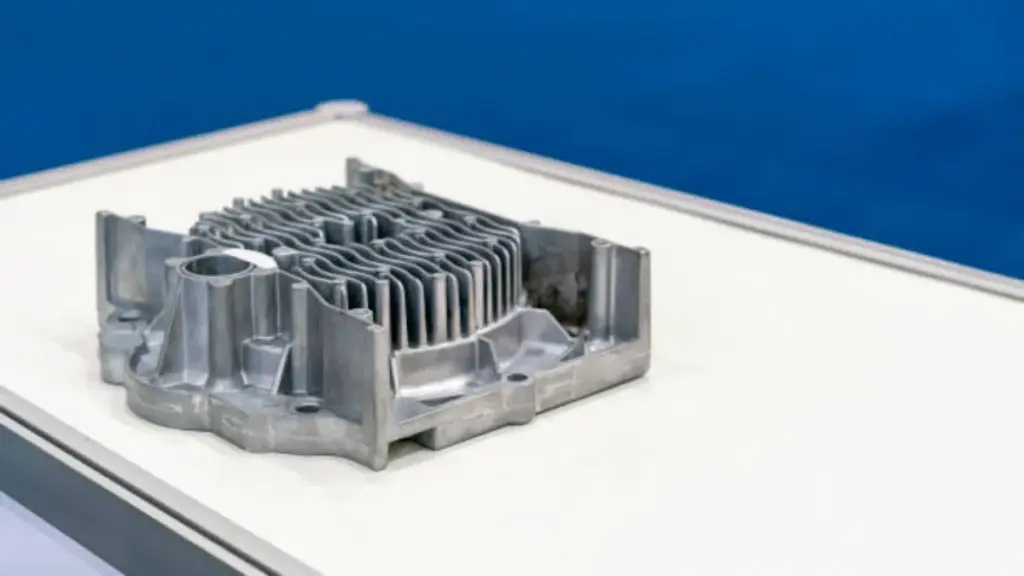
| Aletas del disipador de calor | Requieren núcleos deslizantes y control preciso de la cavidad | Mayor tiempo de ciclo y mayor riesgo de desgaste del molde |
| Ranuras de sellado IP | Exija mecanizado y alineación de alta precisión | Mayor riesgo de rechazo y control de calidad más estricto |
| Sistemas de montaje integrados | Introducir socavados y diseño de herramientas de varias piezas. | Mayor complejidad del molde y coste de mantenimiento. |
| Diseños de múltiples compartimentos | Requieren núcleos y estructuras de sellado adicionales | Mayor costo de herramientas y ciclos de producción más lentos. |
A medida que aumenta la complejidad, El tiempo del ciclo se vuelve más largo y la estabilidad de la herramienta se vuelve más difícil de controlar.. Esto también aumenta el riesgo de desviación dimensional durante la producción en masa., especialmente en proyectos de iluminación de gran volumen.
Costos ocultos en el desgaste de herramientas, Tasa de chatarra, y mantenimiento
El costo de las herramientas no termina con la compra del molde.. La producción a largo plazo a menudo genera costos acumulativos más altos que la inversión inicial..
Los principales factores de costos ocultos incluyen:
- Desgaste del molde: Las aletas delgadas y los bordes afilados aceleran la erosión y reducen la vida útil de la herramienta.
- Aumento de la tasa de chatarra: Un diseño de flujo deficiente conduce a la porosidad, contracción, o llenado incompleto
- Tiempo de inactividad por mantenimiento: El reemplazo frecuente de plaquitas interrumpe los programas de producción
- Retrasos no planificados: Los ciclos de reparación de herramientas extienden el tiempo de entrega y afectan la estabilidad de la entrega
Estos factores impactan directamente el costo unitario a lo largo del tiempo.. Una herramienta que parece rentable al principio puede volverse costosa después de repetidos ciclos de producción..
DFM y simulación como herramientas de control temprano de riesgos
El control temprano del diseño es la forma más efectiva de reducir el costo de las herramientas y mejorar la estabilidad de la producción..
Diseño para la fabricabilidad (DFM) Combinado con la simulación ayuda a estabilizar tanto el costo como la calidad antes de que comience la producción en masa..
Las herramientas clave de ingeniería incluyen:
- Simulación de flujo de molde: Mejora el flujo de metal y reduce el riesgo de porosidad.
- Simulación térmica: Optimiza la estructura del disipador de calor sin sobrediseñar
- Optimización de la geometría: Reduce los cortes innecesarios y simplifica las herramientas.
- Validación de procesos: Mejora la estabilidad de la fundición antes del compromiso de las herramientas.
La optimización temprana reduce no solo el costo de herramientas sino también el riesgo de fallas a largo plazo en aplicaciones de iluminación exterior..
Impactos en los costos de mecanizado y acabado
después del casting, El mecanizado y el acabado determinan la precisión dimensional final., protección de superficies, y durabilidad a largo plazo de las carcasas de los reflectores, influyendo directamente tanto en el rendimiento como en el coste de producción.
Operaciones de mecanizado secundario y acumulación de costos
Se requiere mecanizado para lograr superficies de sellado precisas., precisión de montaje, e interfaces funcionales que no se pueden formar durante la fundición..
Cada operación agrega costos acumulativos a toda la producción.:
- Tiempo de máquina y desgaste de herramientas.: Los ciclos más largos aumentan el costo de fabricación por unidad
- Complejidad del accesorio: Se necesitan plantillas personalizadas para un posicionamiento estable
- Tolerancias estrictas: Una mayor precisión aumenta el riesgo de inspección y rechazo
- Mecanizado multieje: Las geometrías complejas requieren equipos avanzados y una configuración más larga
Incluso pequeños ajustes de diseño pueden multiplicar el tiempo de mecanizado. Durante una tirada de producción completa, Estos costos a menudo superan las expectativas iniciales., especialmente en proyectos de iluminación de gran volumen.
Sistemas de acabado de superficies y compensaciones de durabilidad
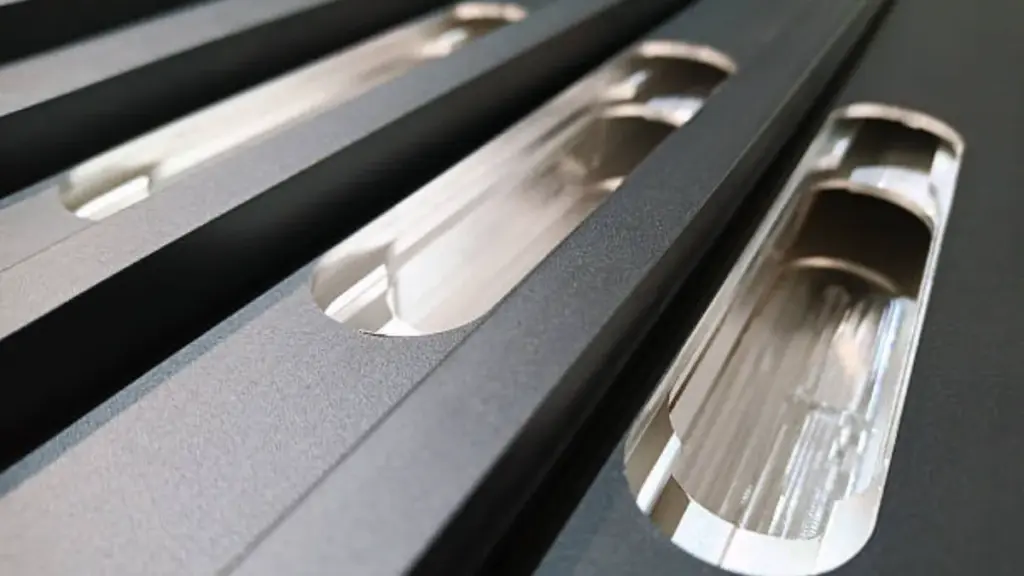
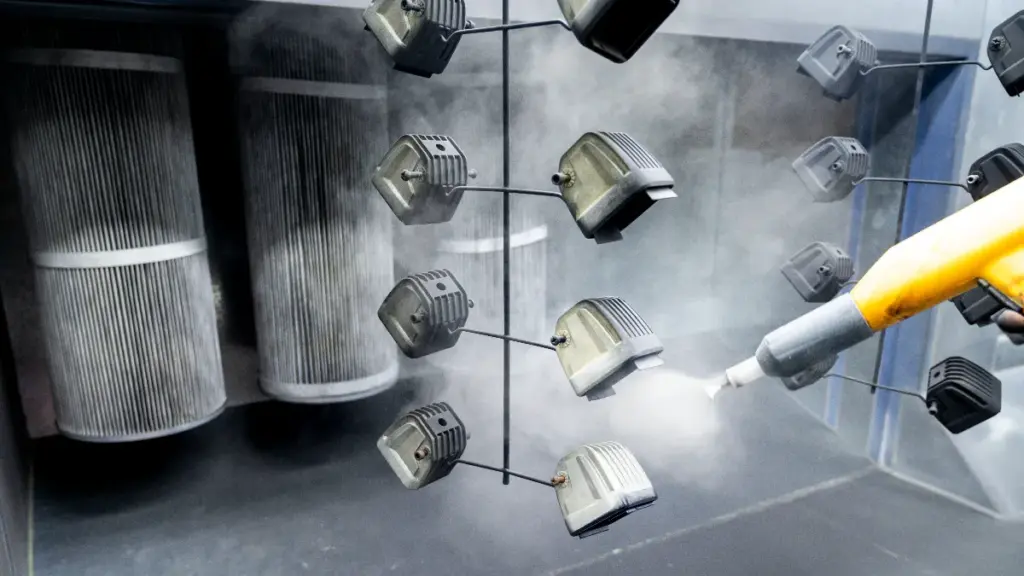
Acabado de superficies protege las carcasas de los reflectores contra la corrosión, exposición a los rayos ultravioleta, y daños ambientales a largo plazo.
Los diferentes sistemas de acabado crean claras compensaciones entre costo y rendimiento:
| Tipo de acabado | Nivel de rendimiento | Impacto en los costos | Aplicación típica |
|---|---|---|---|
| Recubrimiento en polvo | Protección contra la corrosión estándar | Bajo a medio | Iluminación exterior general |
| Anodizado | Fuerte resistencia a la corrosión | Medio a alto | Entornos industriales |
| Revestimiento de calidad marina | Máxima durabilidad | Alto | Climas costeros y duros |
El acabado de mayor calidad aumenta el costo inicial, pero reduce la frecuencia de mantenimiento y extiende la vida útil, especialmente en ambientes exteriores hostiles.
Cómo la calidad del mecanizado afecta el recubrimiento y la resistencia a la corrosión
La calidad del mecanizado influye directamente en el rendimiento de los recubrimientos a lo largo del tiempo.. La mala preparación de la superficie a menudo se convierte en la causa principal de las fallas tempranas en el campo..
Los problemas típicos incluyen:
- Mala adherencia: Las superficies contaminadas o rugosas reducen la fuerza de unión del recubrimiento.
- Corrosión de los bordes: Los bordes mecanizados no sellados permiten la entrada de humedad.
- Espesor de revestimiento desigual: Las superficies irregulares provocan zonas de protección débiles
El mecanizado de alta calidad mejora la estabilidad del recubrimiento y garantiza una protección uniforme en toda la carcasa.. Esto extiende directamente la vida útil y reduce el costo de mantenimiento a largo plazo., especialmente en aplicaciones al aire libre expuestas a la humedad y la sal.
Control de costos sin pérdida de rendimiento
El control de costes en carcasas reflectoras se centra en mejorar el diseño estructural, eficiencia térmica, y métodos de fabricación sin reducir la durabilidad en exteriores ni la confiabilidad a largo plazo.
Estrategias de fabricación y diseño para el control de costos.
| Área de optimización | Estrategia clave | Costo Beneficio |
|---|---|---|
| Material & Estructura | Plataformas de vivienda estandarizadas y familias de productos modulares | Menor inversión en herramientas y costos de producción más estables |
| Diseño Térmico | Rutas de calor optimizadas y geometría eficiente del disipador de calor | Consumo de material reducido sin sacrificar el rendimiento de refrigeración |
| Eficiencia óptica | Lentes de mayor eficiencia y distribución de luz mejorada | Menores requisitos de alimentación de LED y diseños de carcasa más pequeños |
| Proceso de montaje | Número reducido de sujetadores y estructura de ensamblaje simplificada. | Menor coste laboral y menos errores de producción. |
| Mantenimiento & Servicio | Disposición de componentes accesible y diseño fácil de mantener | Reducción del tiempo de mantenimiento y menor coste del ciclo de vida |
| Controles inteligentes | Sensores, sistemas de atenuación, y control de operación inteligente | Menor consumo de energía y mejor costo total de propiedad |
Preguntas frecuentes
¿Cómo pueden los compradores evaluar la calidad de la vivienda con reflectores antes de realizar un pedido grande??
Solicitar muestras es el enfoque más confiable. Los compradores deben evaluar la consistencia dimensional., calidad del acabado superficial, interfaces de sellado, densidad de fundición, y diseño del disipador de calor. También es útil revisar los procedimientos de inspección de producción y las certificaciones de materiales antes de aprobar la producción en masa..
¿Qué certificaciones se requieren comúnmente para proyectos de viviendas con reflectores??
Los requisitos varían según el mercado objetivo.. Las certificaciones comunes incluyen CE, RoHS, UL, ETL, y normas de seguridad regionales. Si bien las certificaciones generalmente se aplican al dispositivo de iluminación completo, El diseño de la vivienda debe respaldar el cumplimiento manteniendo la integridad estructural., distancias de seguridad eléctrica, y rendimiento de protección del medio ambiente.
¿Qué tan temprano debe comenzar la optimización de herramientas durante el desarrollo del producto??
La optimización de las herramientas debe comenzar durante la etapa de diseño inicial.. Primeras revisiones de DFM, simulación de flujo de molde, y la validación estructural ayudan a identificar los riesgos de fabricación antes de construir las herramientas.. Esto reduce los cambios de ingeniería., acorta los ciclos de desarrollo, y reduce el costo general del proyecto.
¿El aluminio fundido a presión es siempre la mejor opción para las carcasas de reflectores??
No necesariamente. El aluminio fundido a presión suele ser la solución preferida para la iluminación exterior comercial e industrial porque combina resistencia, rendimiento térmico, y rentabilidad. Sin embargo, Las aplicaciones de menor consumo de energía o entornos especializados pueden beneficiarse de materiales alternativos dependiendo de los requisitos del proyecto y las restricciones presupuestarias..
¿Cuál es su MOQ común para carcasas de reflectores de fundición a presión personalizadas??
No hay MOQ para el primer pedido de tres veces. Puede probar la cantidad y lanzar mejor el mercado. Posteriormente, MOQ 500 unidades para productos normales y 1000 unidades para productos de tamaño pequeño..
Pensamientos finales
Equilibrar el costo y la resistencia en las carcasas de los reflectores requiere comprender los materiales, estructura, estampación, y fabricando juntos. Depender únicamente del precio unitario a menudo conduce a mayores costos de mantenimiento y fallas a largo plazo en el uso en exteriores..
Un bien diseñado solución de aluminio fundido a presión Garantiza un rendimiento estable y rentabilidad durante todo el ciclo de vida.. Para proyectos confiables, Bian Diecast Proporciona una calidad de producción constante y soporte de fabricación a largo plazo..