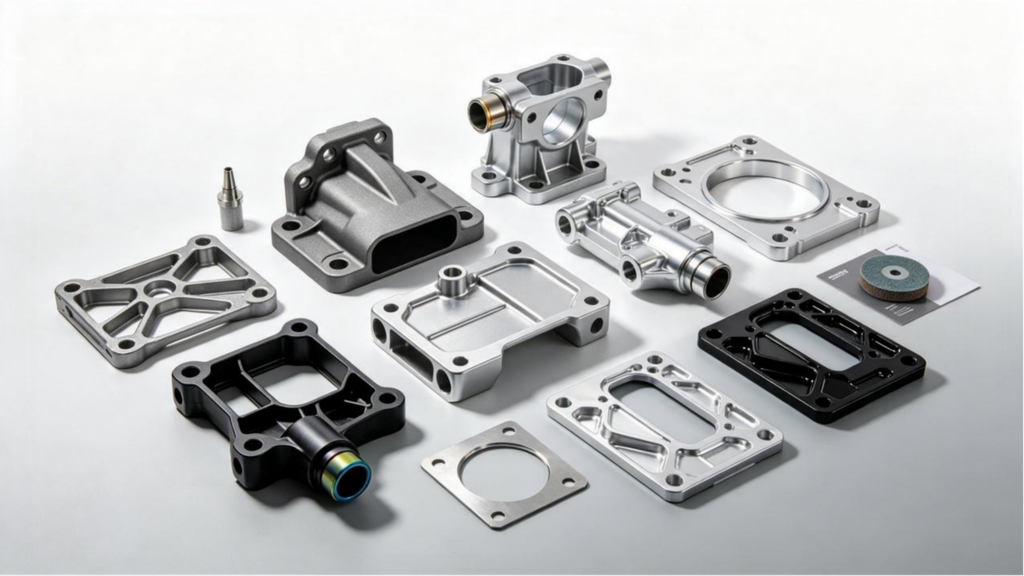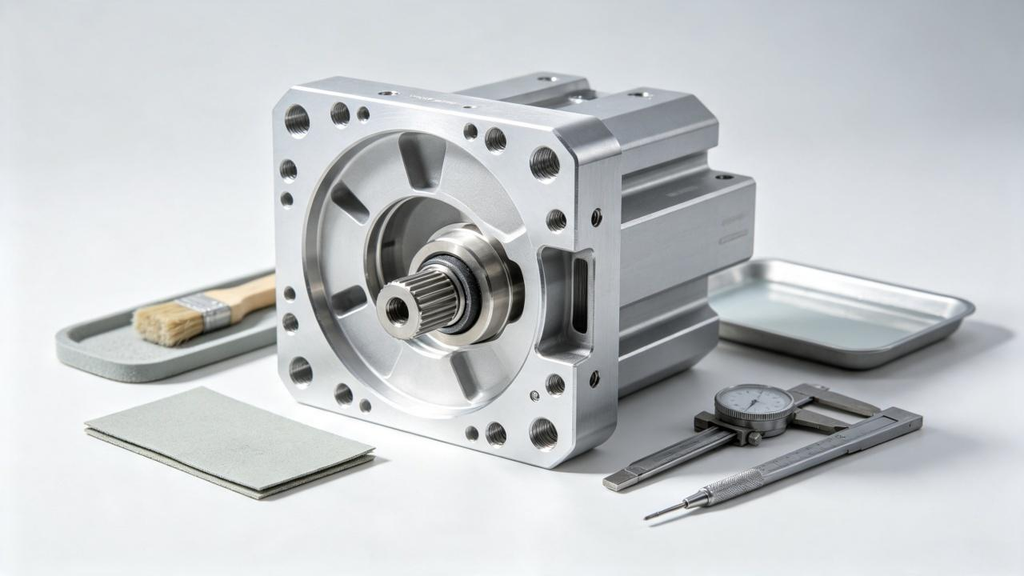
यह निर्धारित करना कि वास्तव में ज़माक मिश्र धातु क्या है, उन निर्माताओं के लिए आधार रेखा के रूप में कार्य करता है जो महंगी माध्यमिक मशीनिंग और उत्पादन मार्जिन को नष्ट करने वाले धीमे चक्र समय को बायपास करना चाहते हैं।. गलत कास्टिंग सामग्री का चयन बढ़ी हुई उपयोगिता ओवरहेड और तेजी से टूलींग गिरावट की गारंटी देता है.
यह विश्लेषण जिंक-आधारित फॉर्मूलेशन के मुकाबले मानक कास्टिंग धातुओं को बेंचमार्क करता है. हम थर्मल दक्षता का मूल्यांकन करते हैं 380 को 420 डिग्री सेल्सियस और एक सिद्ध 500 स्केलेबल को सुरक्षित करने में आपकी सहायता के लिए प्रतिशत टूलींग जीवन विस्तार, पासे से सीधे निकट-जाल-आकार का परिणाम.
ज़माक मिश्र धातु और जिंक डाई कास्टिंग को समझना
ज़माक मिश्र धातु एल्यूमीनियम के साथ जस्ता आधार को जोड़ती है, मैगनीशियम, और उच्च शक्ति प्रदान करने के लिए तांबा, तेज़ चक्र समय और कम ऊर्जा उत्पादन लागत के साथ सटीक डाई-कास्ट हिस्से.
ज़माक मिश्र धातु की संरचना और गुण
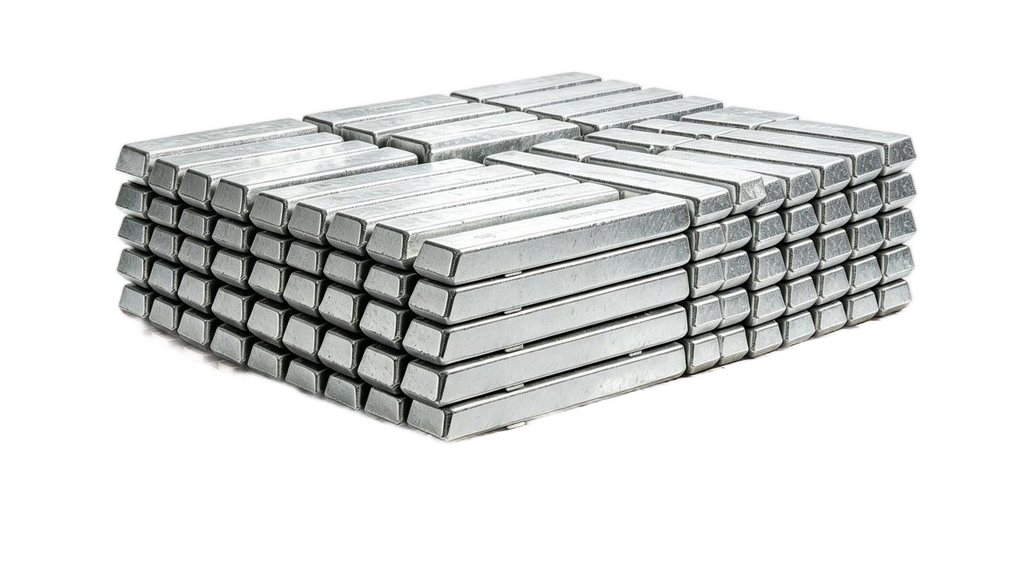
मिश्रधातुओं का ज़माक परिवार मोटे तौर पर प्राथमिक जस्ता आधार को मिश्रित करता है 4% अल्युमीनियम, मैग्नीशियम और तांबे के विशिष्ट परिवर्धन के साथ. यह रासायनिक संरचना आपके द्वारा चुने गए सटीक ग्रेड के आधार पर विशिष्ट संरचनात्मक लाभ प्रदान करती है. सुविधाएं अलग-अलग यांत्रिक आवश्यकताओं के लिए विशेष ग्रेड से मेल खाती हैं, ज़माक के उच्च-शक्ति प्रदर्शन से स्केलिंग 2 ज़माक की व्यापक विनिर्माण बहुमुखी प्रतिभा के लिए 3.
- थर्मल दक्षता: 380°C और 420°C के बीच कम पिघलने बिंदु निर्माताओं को निर्माण के दौरान ऊर्जा खपत को काफी कम करने की अनुमति देते हैं.
- यांत्रिक अखंडता: सामग्री परिचालन तनाव के तहत उच्च तन्यता ताकत और उत्कृष्ट कंपन भिगोना प्रदान करती है.
- सौंदर्यात्मक गुणवत्ता: कास्टिंग स्वाभाविक रूप से चिकनी सतह फिनिश उत्पन्न करती है जो सीधे सजावटी हार्डवेयर के लिए उपयुक्त होती है.
जिंक डाई कास्टिंग के फायदे और उद्योग में उपयोग
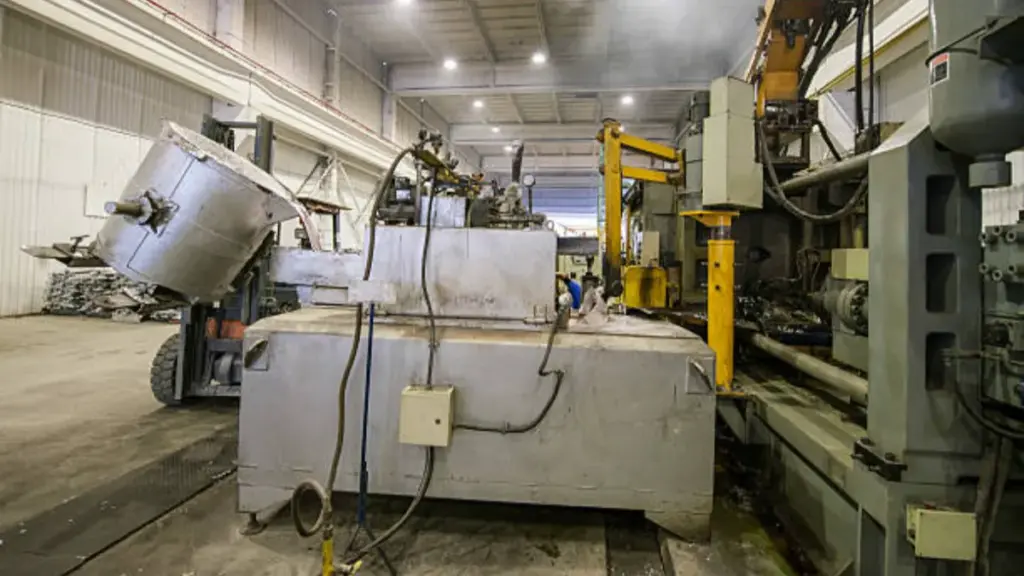
निर्माता मुख्य रूप से सामग्री की उच्च तरलता का लाभ उठाने के लिए हॉट-चेंबर उच्च दबाव डाई कास्टिंग का उपयोग करके ज़माक को आकार देते हैं. कास्टिंग प्रक्रिया न्यूनतम ठोसकरण संकोचन उत्पन्न करती है. यह भौतिक स्थिरता इंजीनियरों को अत्यधिक सटीक डिजाइन और निर्माण करने में सक्षम बनाती है, धातु के ठंडा होने पर आयामी सटीकता खोए बिना पतली दीवार वाले घटक.
- उत्पादन अर्थशास्त्र: तेज चक्र समय और विस्तारित टूलींग जीवन एल्यूमीनियम कास्टिंग संचालन की तुलना में उत्पादन लागत को काफी कम रखता है.
- मुख्य अनुप्रयोग: मोटर वाहन, इलेक्ट्रानिक्स, और मशीनरी क्षेत्र कनेक्टर्स के लिए इन टिकाऊ कास्टिंग का उपयोग करते हैं, आवास, और संपूर्ण संरचनात्मक फिटिंग 2026.
- वहनीयता: अंतर्निहित पुनर्चक्रण क्षमता और कम सामग्री अपशिष्ट जिंक डाई कास्टिंग को उच्च मात्रा वाले विनिर्माण वातावरण के लिए एक व्यावहारिक विकल्प बनाते हैं.
सटीक भागों के लिए ज़माक के मुख्य लाभ
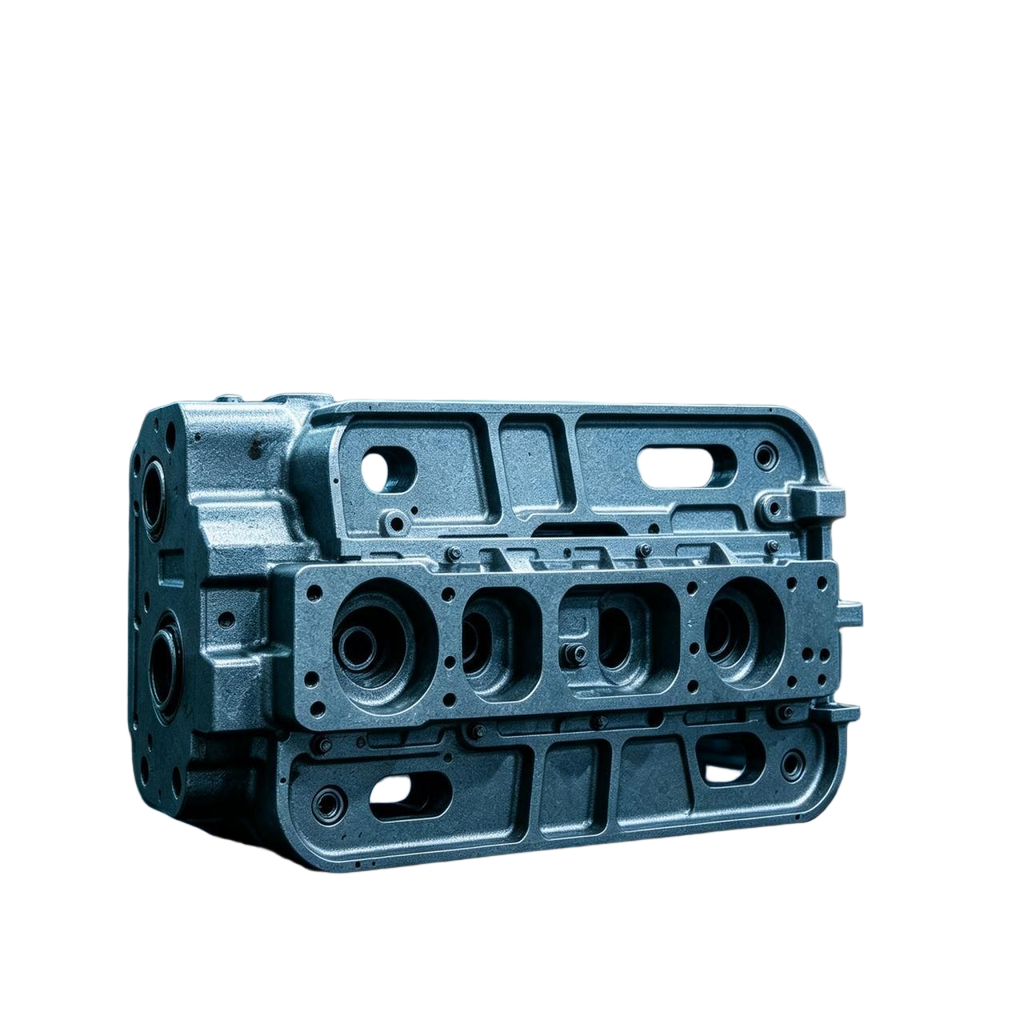
ज़माक डाई कास्टिंग कम पिघलने बिंदु और लगभग-नेट-आकार परिशुद्धता के माध्यम से विनिर्माण लागत को कम करती है, महँगी द्वितीयक मशीनिंग को ख़त्म करना और उपकरण के जीवन को महत्वपूर्ण रूप से बढ़ाना.
| लाभ श्रेणी | ज़माक प्रदर्शन | परिचालन प्रभाव |
|---|---|---|
| थर्मल दक्षता | 380-420°C गलनांक | पिघलने के दौरान ऊर्जा की खपत कम हो जाती है |
| टूलींग पहनना | 500% एल्यूमीनियम की तुलना में अधिक लंबा जीवन मर जाता है | उपकरण परिशोधन व्यय कम हो जाता है |
| सतही समापन | असाधारण रूप से चिकनी एज़-कास्ट | अतिरिक्त पॉलिशिंग की आवश्यकता को दूर करता है |
कम लागत वाली धातु का चयन
ज़माक सटीक डाई-कास्टिंग के लिए अत्यधिक आक्रामक लागत प्रोफ़ाइल प्रदान करता है. मिश्र धातु 380°C और 420°C के बीच कम गलनांक पर काम करती है. एल्यूमीनियम या पीतल जैसे उच्च पिघलने वाले विकल्पों की तुलना में यह कम तापीय आवश्यकता पिघलने और परिवर्तन के लिए आवश्यक ऊर्जा में भारी कटौती करती है।. निर्माता उपयोगिता ओवरहेड में तत्काल कटौती देखते हैं.
- ऊर्जा दक्षता: कम पिघलने वाले तापमान पर पिघलने और परिवर्तन के लिए कम ऊर्जा की आवश्यकता होती है.
- उत्पादन गति: तेज़ इंजेक्शन चक्र और उच्च गति कास्टिंग दरें उच्च-मात्रा वाले रनों में लागत में कटौती करती हैं.
- उपकरण दीर्घायु: सौम्य प्रसंस्करण उपकरण के जीवन को बढ़ाता है और उपकरण परिशोधन व्यय को कम करता है.
माध्यमिक मशीनिंग को न्यूनतम करना
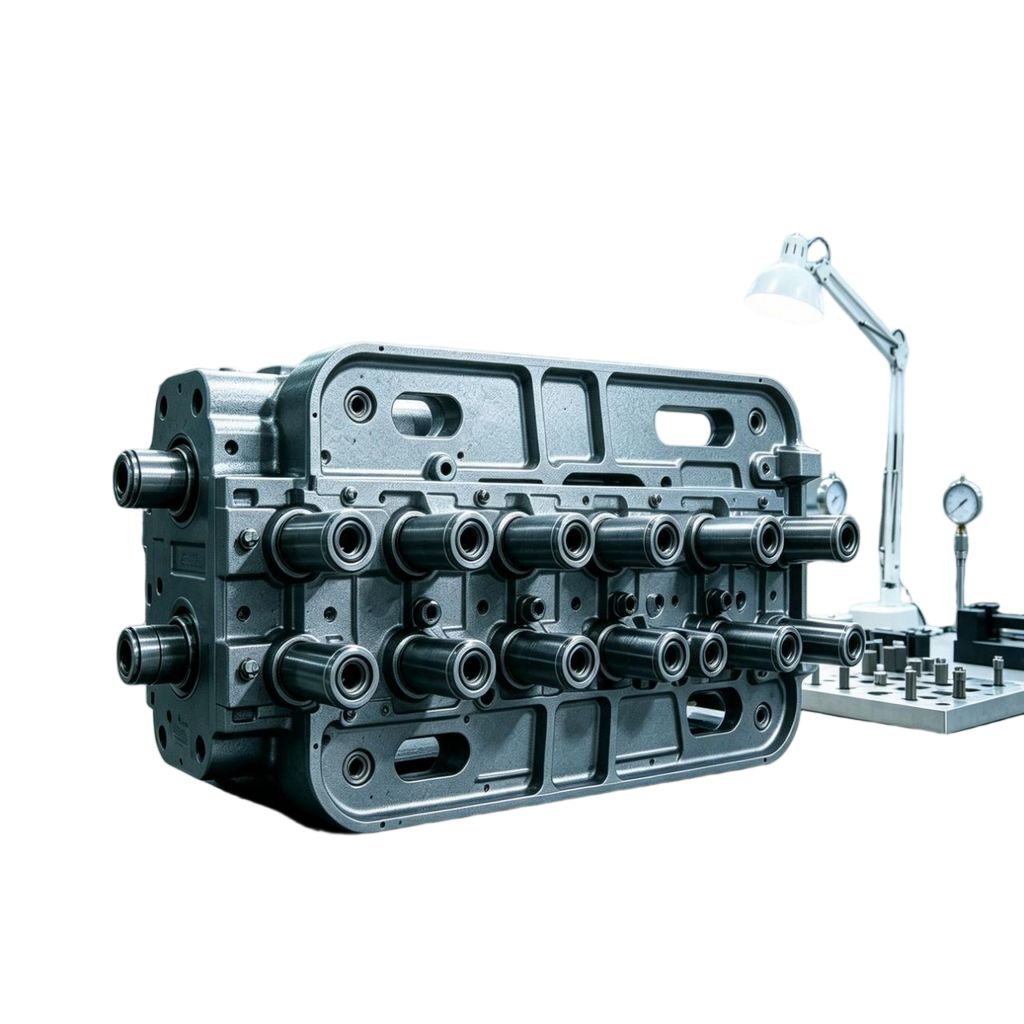
सटीक भागों की ढलाई का मतलब आमतौर पर प्रसंस्करण के बाद की उच्च लागत को स्वीकार करना होता है. ज़माक सीधे पासे से नेट-आकार के घटकों को वितरित करके इस गतिशीलता को फ़्लिप करता है. मिश्र धातु की उच्च तरलता आपके सांचों को पहली बार में ही तेज आकृति और छोटे विवरण कैप्चर करने की अनुमति देती है, सीएनसी मशीन को बायपास करना.
- एकीकृत सुविधाएँ: उच्च परिशुद्धता डाई को सीधे जटिल ज्यामिति और धागे बनाने की अनुमति देती है.
- सतही गुणवत्ता: चिकनी एज़-कास्ट सतहें अतिरिक्त पॉलिशिंग या सतह उपचार की आवश्यकता को दूर करती हैं.
- सहनशीलता नियंत्रण: आयामी स्थिरता सिकुड़न को रोकती है और भागों को बिना दोबारा काम किए सख्त सहनशीलता के भीतर रखती है.
इन चरणों को समेकित करके, आप लीड समय को कम करते हैं और श्रम को ख़त्म करते हैं, मशीन, और ऊर्जा लागत द्वितीयक संचालन से जुड़ी हुई है.
सटीक डाई कास्टिंग के साथ बड़े पैमाने पर उत्पादन
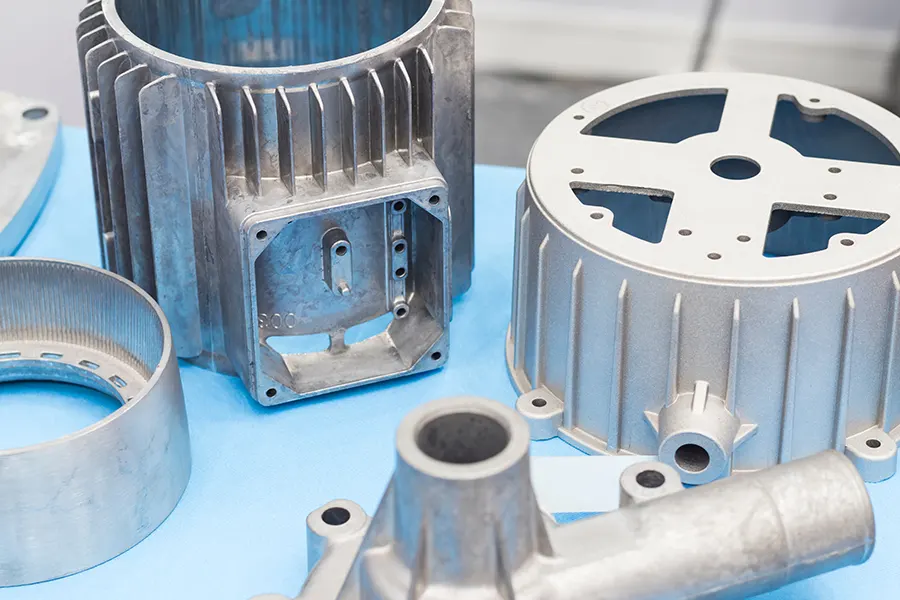
सामान्य ज़माक ग्रेड की तुलना करना
भार 3 अत्यधिक लचीले उत्तर अमेरिकी मानक के रूप में कार्य करता है, जबकि ज़माक 5 मांग वाले संरचनात्मक अनुप्रयोगों के लिए ताकत और कठोरता बढ़ाने के लिए तांबा जोड़ता है.
भार 3
निर्माता चारों ओर मिश्रण करते हैं 96% जस्ता, 4% अल्युमीनियम, और 0.03% ज़माक बनाने के लिए मैग्नीशियम 3. यह बेसलाइन ग्रेड उत्कृष्ट कास्टेबिलिटी प्रदान करता है, उच्च लचीलापन, और दीर्घकालिक आयामी स्थिरता, एक तन्य शक्ति के निकट पहुँचना 283 एमपीए. निर्माता उत्तरी अमेरिका में कस्टम पार्ट्स के लिए इसका भारी उपयोग करते हैं, आंतरिक ऑटोमोटिव हैंडल, और गैर-संरचनात्मक घटकों को संतुलित ताकत और सौंदर्यशास्त्र की आवश्यकता होती है.
भार 5
निर्माता इसके बारे में जोड़ते हैं 1% तांबे के मानक मिश्रण के लिए 96% जिंक और 3-4% ज़माक बनाने के लिए एल्यूमीनियम 5. अतिरिक्त तांबा ज़माक बनाता है 5 के बारे में 10% ज़माक से अधिक मजबूत 3, बढ़ती कठोरता, तन्यता ताकत, और लचीलापन कम करते हुए संक्षारण प्रतिरोध. इंजीनियर कार्यात्मक ऑटोमोटिव घटकों और अन्य डाई-कास्ट भागों के लिए इस ग्रेड का चयन करते हैं जिनके लिए उच्च तन्यता प्रदर्शन और रेंगना प्रतिरोध की आवश्यकता होती है.
अक्सर पूछे जाने वाले प्रश्नों
ज़माक मिश्र धातु के मुख्य घटक क्या हैं??
ज़माक मिश्र धातुएँ जस्ता आधारित हैं, ऊपर से मिलकर 95% जस्ता. मुख्य मिश्र धातु तत्वों में शामिल हैं 4% मजबूती और कास्टेबिलिटी के लिए एल्युमीनियम, कठोरता के लिए मैग्नीशियम की मात्रा का पता लगाएं, और तांबे के विभिन्न स्तर (तक 3.3%) क्रूरता और रेंगना प्रतिरोध में सुधार करने के लिए. ग्रेड-विशिष्ट विविधताएँ मौजूद हैं, जैसे ज़माक 3 (मानक आधार रेखा) और ज़माक 5 (जिसमें अतिरिक्त मजबूती के लिए उच्च तांबा होता है). निर्माता लोहे जैसी अशुद्धियों को सख्ती से सीमित करते हैं, नेतृत्व करना, और उच्च प्रदर्शन बनाए रखने के लिए टिन.
ज़माक की तुलना डाई कास्टिंग में एल्यूमीनियम से कैसे की जाती है??
ज़माक थोड़ी अधिक तन्यता ताकत प्रदान करता है, पहनने के प्रतिरोध के लिए बेहतर कठोरता, और ADC12 या A380 जैसे विशिष्ट एल्यूमीनियम डाई-कास्टिंग मिश्र धातुओं की तुलना में बेहतर लचीलापन. यह कम तापमान पर पिघल जाता है (एल्यूमीनियम के 660°C की तुलना में लगभग 385°C), reducing energy costs and extending tooling life while allowing faster cycle times. एल्युमीनियम के बारे में है 60% हल्का, इसे बड़े या वजन-संवेदनशील घटकों के लिए बेहतर बनाना. ज़माक उच्च परिशुद्धता में उत्कृष्टता प्राप्त करता है, पेचीदा, और टिकाऊ छोटे हिस्से.
क्या ज़माक को सतह परिष्करण या चढ़ाना की आवश्यकता है?
कार्यात्मक उद्देश्यों के लिए सतह परिष्करण की सख्त आवश्यकता नहीं है. ज़माक स्वाभाविक रूप से डाई-कास्टिंग प्रक्रिया से सीधे एक बहुत ही चिकनी सतह फिनिश और अच्छा संक्षारण प्रतिरोध प्रदान करता है. अभी तक, सजावटी के लिए, सौंदर्य संबंधी, or high-wear applications, ज़माक फिनिशिंग और प्लेटिंग को आसानी से स्वीकार करता है. सामान्य उपचारों में क्रोम से पॉलिश करना या चढ़ाना शामिल है, निकल, या कठोर वातावरण में उपस्थिति बढ़ाने और सेवा जीवन का विस्तार करने के लिए सोना.
अंतिम विचार
जबकि वैकल्पिक धातुएँ सटीक घटकों के लिए व्यवहार्य लग सकती हैं, ज़माक उपयोगिता ओवरहेड को कम करने और महंगी माध्यमिक मशीनिंग को खत्म करने का सबसे प्रभावी मार्ग प्रदान करता है. उच्च-पिघलने वाली मिश्र धातुओं पर भरोसा करने से आपको आक्रामक टूलींग पहनने और प्रसंस्करण के बाद की बढ़ी हुई लागत को वहन करने के लिए मजबूर होना पड़ता है. ज़माक डाई कास्टिंग पर मानकीकरण सीधे मोल्ड से लगभग-नेट-आकार सटीकता प्रदान करके आपके मार्जिन की रक्षा करता है.
भौतिक प्रदर्शन पर अनुमान न लगाएं-संरचनात्मक अखंडता और सतह की समाप्ति स्वयं सत्यापित करें. हम अनुशंसा करते हैं कि ज़माक का मूल्यांकन करने के लिए एक भौतिक नमूने से शुरुआत करें 3 या ज़माक 5 आपकी सटीक यांत्रिक आवश्यकताओं को पूरा करता है. अपने ओईएम विनिर्देशों पर चर्चा करने और अपने अगले उच्च-मात्रा उत्पादन चक्र को अनुकूलित करने के लिए हमारी इंजीनियरिंग टीम से संपर्क करें.