>

ザマック合金とは? 精密部品向けの亜鉛ダイカストの探求

ザマック合金とは? 精密部品向けの亜鉛ダイカストの探求

目次

Determining exactly what is zamak alloy serves as the baseline for manufacturers looking to bypass the expensive secondary machining and slow cycle times that destroy production margins. Choosing the wrong casting material guarantees inflated utility overhead and rapid tooling degradation.

This analysis benchmarks standard casting metals against zinc-based formulations. We evaluate thermal efficiencies at 380 に 420 degrees Celsius and a proven 500 percent tooling life extension to help you secure a scalable, near-net-shape result straight from the die.

Understanding Zamak Alloy and Zinc Die Casting

Zamak alloys combine a zinc base with aluminum, マグネシウム, and copper to deliver high-strength, precision die-cast parts with fast cycle times and low energy production costs.

Composition and Properties of Zamak Alloys

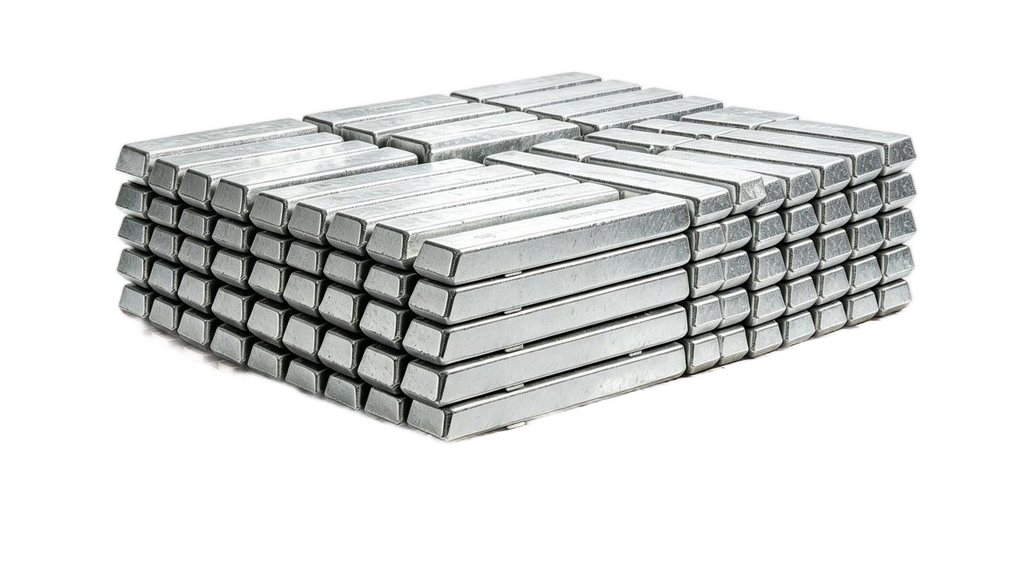
The Zamak family of alloys blends a primary zinc base with roughly 4% アルミニウム, along with specific additions of magnesium and copper. This chemical makeup provides distinct structural benefits depending on the exact grade you select. Facilities match specialized grades to varying mechanical needs, scaling from the high-strength performance of Zamak 2 to the widespread manufacturing versatility of Zamak 3.

  • Thermal Efficiency: Low melting points between 380°C and 420°C allow manufacturers to significantly lower energy consumption during fabrication.
  • 機械的完全性: The material delivers high tensile strength and excellent vibration damping under operational stress.
  • Aesthetic Quality: Castings produce a naturally smooth surface finish directly suitable for decorative hardware.

Zinc Die Casting Advantages and Industry Uses

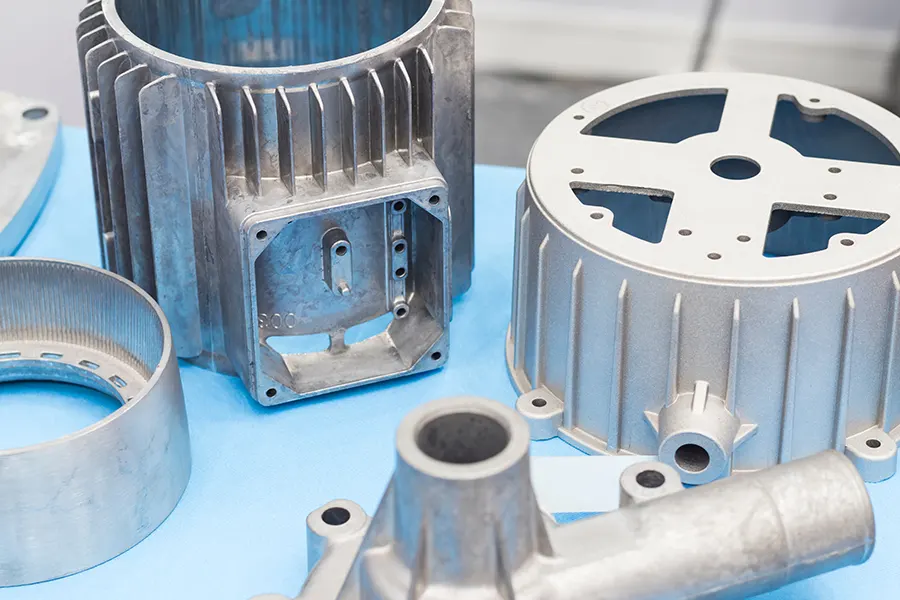
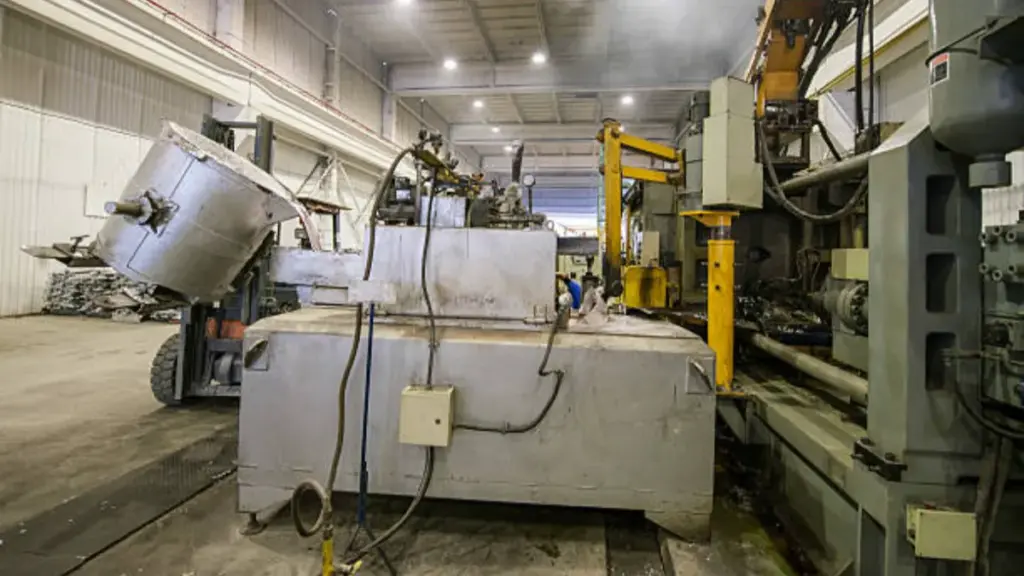
Manufacturers primarily shape Zamak using hot-chamber high-pressure die casting to leverage the material’s high fluidity. The casting process generates minimal solidification shrinkage. This physical stability enables engineers to design and create highly precise, thin-walled components without losing dimensional accuracy as the metal cools.

  • Production Economics: Faster cycle times and extended tooling life keep production costs substantially lower compared to aluminum casting operations.
  • Core Applications: 自動車, エレクトロニクス, and machinery sectors utilize these durable castings for connectors, ハウジング, and structural fittings throughout 2026.
  • 持続可能性: Inherent recyclability and low material waste make zinc die casting a practical choice for high-volume manufacturing environments.

Key Advantages of Zamak for Precision Parts

Zamak die casting drives down manufacturing costs through low melting points and near-net-shape precision, eliminating expensive secondary machining and significantly extending tool life.

Advantage Category Zamak Performance Operational Impact
Thermal Efficiency 380–420°C Melting Point Slashes energy consumption during melting
Tooling Wear 500% longer life than aluminum dies Drops equipment amortization expenses
表面仕上げ Exceptionally smooth as-cast Removes need for extra polishing

Low-Cost Metal Selection

Zamak offers a highly aggressive cost profile for precision die-casting. The alloy operates at a low melting point between 380°C and 420°C. This lower thermal requirement drastically cuts the energy you need for melting and transformation compared to higher-melting alternatives like aluminum or brass. Manufacturers see immediate reductions in utility overhead.

  • Energy Efficiency: Low melting temperatures require less energy for melting and transformation.
  • 生産速度: Faster injection cycles and high-speed casting rates cut costs in high-volume runs.
  • Equipment Longevity: Gentle processing extends tool life and lowers equipment amortization expenses.

Minimizing Secondary Machining

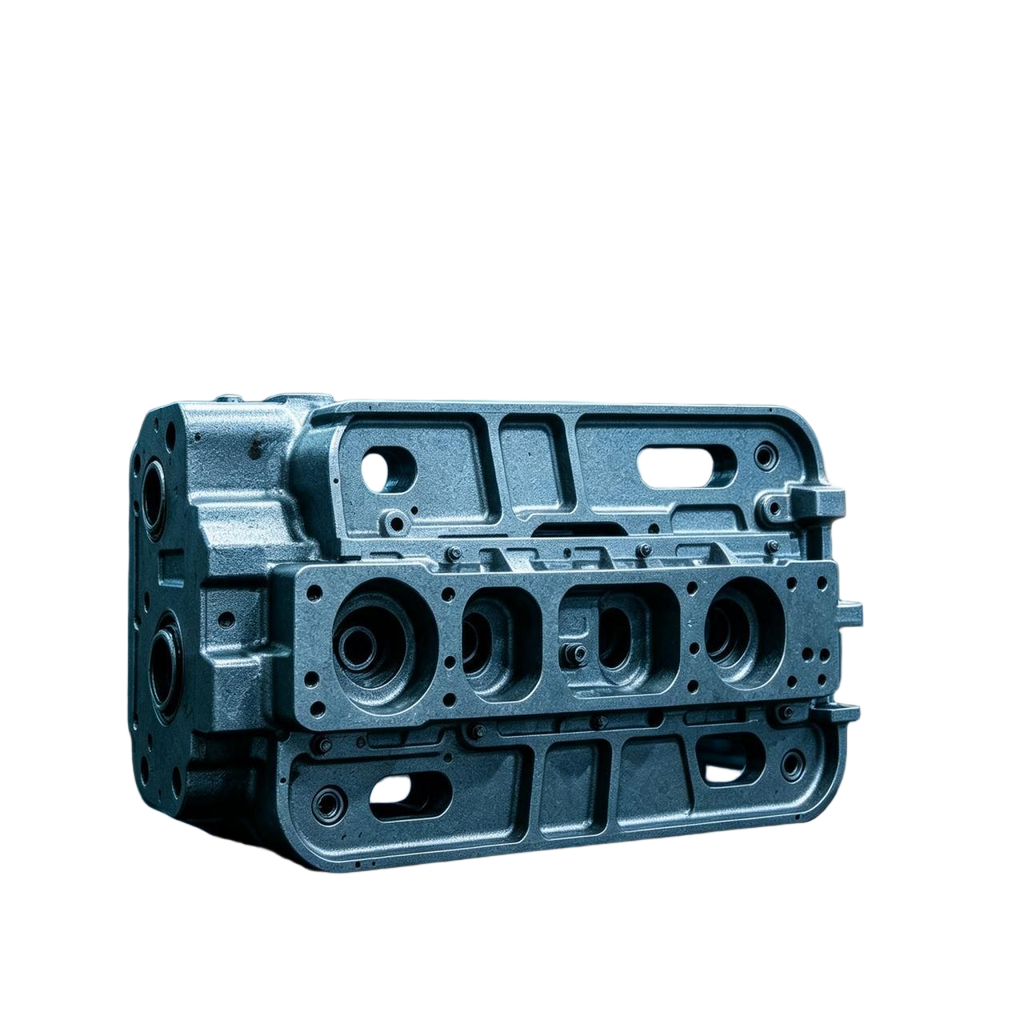
Casting precision parts usually means accepting high post-processing costs. Zamak flips this dynamic by delivering near-net-shape components straight from the die. The high fluidity of the alloy allows your molds to capture sharp contours and tiny details on the first pass, bypassing the CNC machine.

  • 統合された機能: High precision allows dies to form complex geometries and threads directly.
  • Surface Quality: Smooth as-cast surfaces remove the need for extra polishing or surface treatments.
  • 公差制御: Dimensional stability prevents shrinking and keeps parts within strict tolerances without rework.

By consolidating these steps, you shorten lead times and eliminate the labor, 機械, and energy costs tied to secondary operations.

Scale Production With Precision Die Casting

Leverage our vertically integrated manufacturing facility to lower total landed costs and eliminate supply chain risks. From rigorous DFM analysis to zero-defect mass production, we deliver automotive-grade consistency for your metal components.

ダイカスト ソリューションを詳しく見る →

CTA画像

Comparing Common Zamak Grades

負荷 3 serves as the highly ductile North American standard, while Zamak 5 adds copper to boost strength and hardness for demanding structural applications.

負荷 3

Makers mix around 96% 亜鉛, 4% アルミニウム, そして 0.03% magnesium to create Zamak 3. This baseline grade offers excellent castability, high ductility, 長期的な寸法安定性, reaching a tensile strength near 283 MPa. Manufacturers use it heavily in North America for custom parts, interior automotive handles, and non-structural components needing balanced strength and aesthetics.

負荷 5

Producers add about 1% copper to the standard mix of 96% zinc and 3-4% aluminum to form Zamak 5. The extra copper makes Zamak 5 about 10% stronger than Zamak 3, increasing hardness, 抗張力, and corrosion resistance while lowering ductility. Engineers select this grade for functional automotive components and other die-cast parts that require high tensile performance and creep resistance.

よくある質問

What are the main components of Zamak alloy?

Zamak alloys are zinc-based, consisting of over 95% 亜鉛. The main alloying elements include about 4% aluminum for strength and castability, trace amounts of magnesium for hardness, and varying levels of copper (まで 3.3%) to improve toughness and creep resistance. Grade-specific variations exist, ザマックなど 3 (the standard baseline) そしてザマック 5 (which contains higher copper for added strength). Manufacturers strictly limit impurities like iron, 鉛, and tin to maintain high performance.

How does Zamak compare to aluminum in die casting?

Zamak offers slightly higher tensile strength, superior hardness for wear resistance, and better ductility than typical aluminum die-casting alloys like ADC12 or A380. It melts at a lower temperature (around 385°C compared to aluminum’s 660°C), reducing energy costs and extending tooling life while allowing faster cycle times. Aluminum is about 60% ライター, making it preferable for large or weight-sensitive components. Zamak excels in high-precision, 複雑な, and durable small parts.

Does Zamak require surface finishing or plating?

Surface finishing is not strictly required for functional purposes. Zamak inherently provides a very smooth surface finish and good corrosion resistance straight from the die-casting process. Yet, for decorative, 美的, or high-wear applications, Zamak readily accepts finishing and plating. Common treatments include polishing or plating with chrome, ニッケル, or gold to enhance appearance and extend service life in harsh environments.

最終的な考え

While alternative metals might seem viable for precision components, Zamak provides the most effective path to slash utility overhead and eliminate expensive secondary machining. Relying on higher-melting alloys forces you to absorb aggressive tooling wear and bloated post-processing costs. Standardizing on Zamak die casting directly protects your margins by delivering near-net-shape accuracy straight from the mold.

Don’t guess on material performance—verify the structural integrity and surface finish yourself. We recommend starting with a physical sample to evaluate how Zamak 3 またはザマック 5 fits your exact mechanical needs. Contact our engineering team to discuss your OEM specifications and optimize your next high-volume production cycle.

共有:

サイモン・フー

私はビアン・ダイキャストの創設者です, 高性能金型と高品質アルミダイカスト部品の両方に特化した精密ダイカストソリューションプロバイダー. オーバーで 100 成功したプロジェクトを世界中に配信 15+ 国, 金型の設計と最適化から大規模な鋳造生産に至るまで、バリューチェーン全体にわたって深い専門知識をもたらします。. 今日, 私たちは誇りを持って中国のトップ企業への戦略的サプライヤーとしての役割を果たします 5 EVブランド, DC/DCC/OBC/PTC/EVCCコンバータハウジングや構造部品などの重要なダイカスト部品の製造. 工場のスマート化に役立つ実践的な洞察を共有します, より確実な調達決定 - カスタム金型が必要か、すぐに取り付けられる鋳物が必要か. 次のプロジェクトには専門家の製造サポートが必要です? 話しましょう.

私達にメッセージを送ります

目次

ワッツアップ