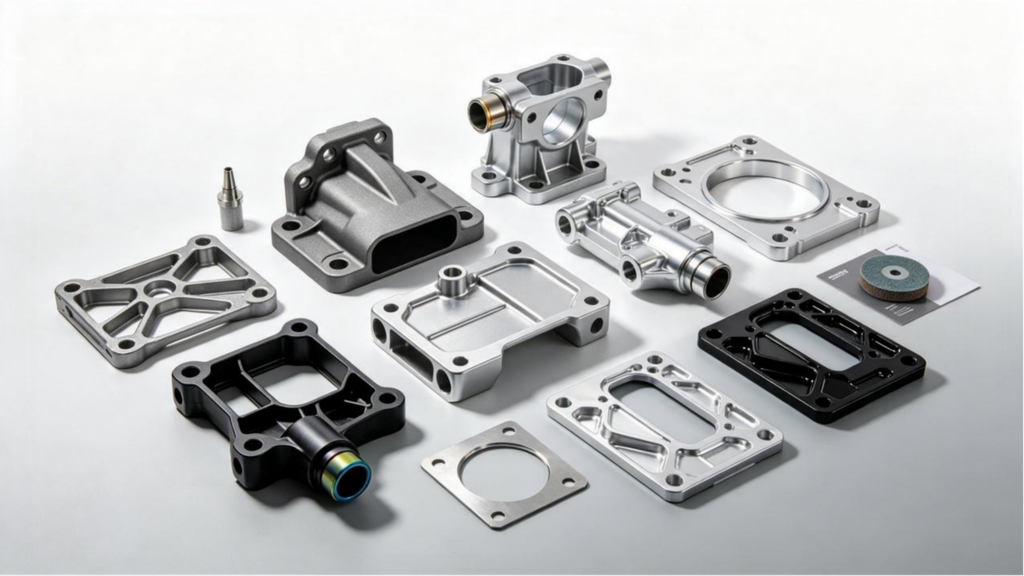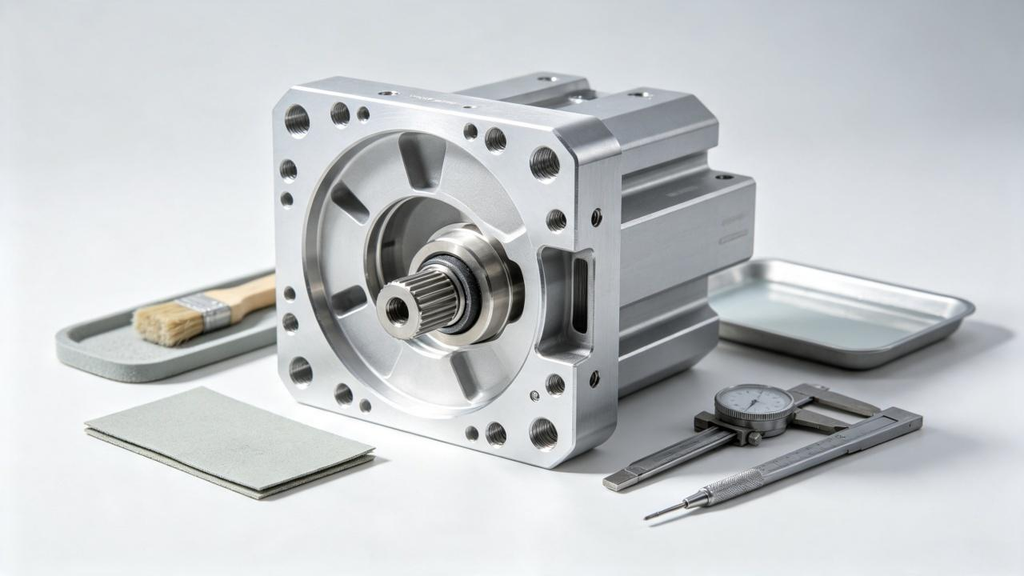
Determinare esattamente cos'è la lega di zamak funge da punto di riferimento per i produttori che desiderano aggirare le costose lavorazioni secondarie e i tempi di ciclo lenti che distruggono i margini di produzione. La scelta del materiale di colata sbagliato garantisce spese generali eccessive e un rapido degrado degli utensili.
Questa analisi confronta i metalli di colata standard con le formulazioni a base di zinco. Valutiamo le efficienze termiche a 380 A 420 gradi Celsius e una provata 500 percentuale di estensione della vita degli utensili per aiutarti a garantire una scalabilità, risultato quasi netto direttamente dalla fustella.
Comprensione della lega di zama e della pressofusione di zinco
Le leghe di Zama combinano una base di zinco con l'alluminio, magnesio, e rame per fornire alta resistenza, pezzi pressofusi di precisione con tempi di ciclo rapidi e bassi costi di produzione energetica.
Composizione e proprietà delle leghe di zama
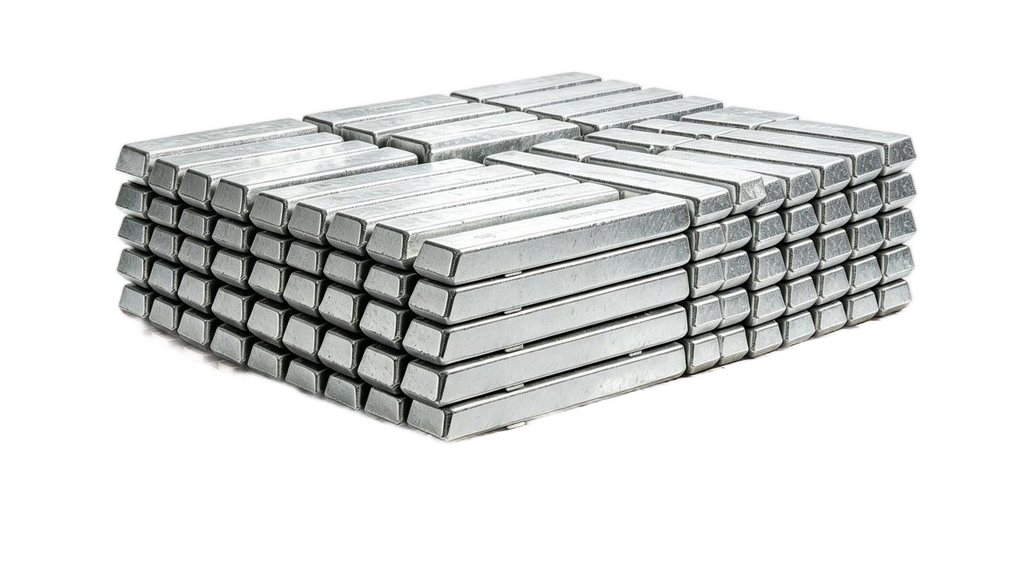
La famiglia di leghe Zamak unisce una base primaria di zinco con metalli grossolani 4% alluminio, insieme ad aggiunte specifiche di magnesio e rame. Questa composizione chimica offre vantaggi strutturali distinti a seconda del grado esatto selezionato. Le strutture abbinano qualità specializzate a diverse esigenze meccaniche, ridimensionamento dalle prestazioni ad alta resistenza di Zamak 2 alla diffusa versatilità produttiva della Zama 3.
- Efficienza termica: I bassi punti di fusione tra 380°C e 420°C consentono ai produttori di ridurre significativamente il consumo energetico durante la fabbricazione.
- Integrità meccanica: Il materiale offre un'elevata resistenza alla trazione e un eccellente smorzamento delle vibrazioni in condizioni di stress operativo.
- Qualità estetica: Le fusioni producono una finitura superficiale naturalmente liscia adatta direttamente all'hardware decorativo.
Vantaggi della pressofusione di zinco e usi industriali
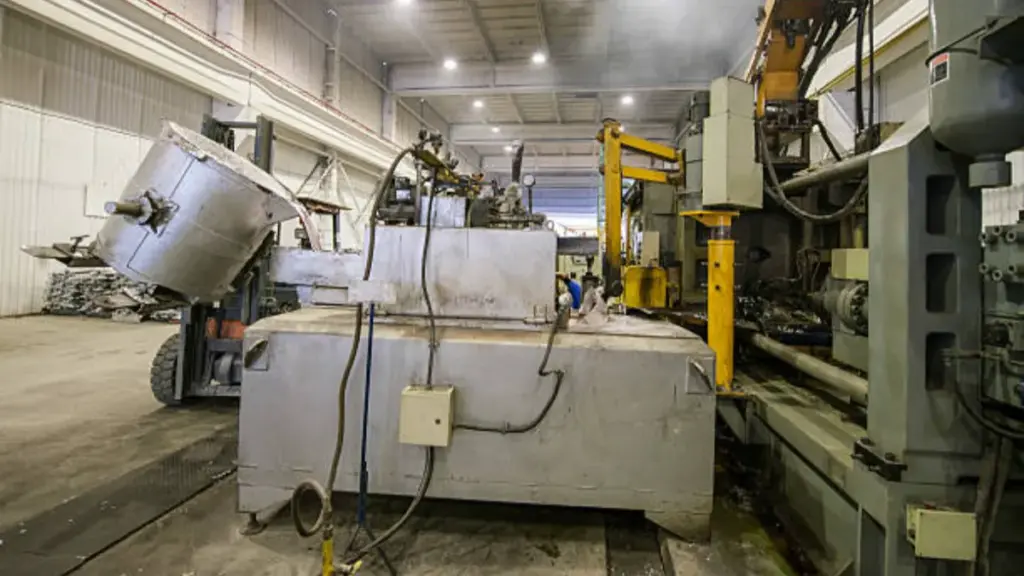
I produttori modellano principalmente la zama utilizzando la pressofusione ad alta pressione a camera calda per sfruttare l’elevata fluidità del materiale. Il processo di fusione genera un ritiro minimo da solidificazione. Questa stabilità fisica consente agli ingegneri di progettare e creare prodotti estremamente precisi, componenti a pareti sottili senza perdere la precisione dimensionale quando il metallo si raffredda.
- Economia della produzione: Tempi di ciclo più rapidi e una maggiore durata degli utensili mantengono i costi di produzione sostanzialmente più bassi rispetto alle operazioni di fusione dell'alluminio.
- Applicazioni principali: L'automotivo, elettronica, e i settori dei macchinari utilizzano questi getti durevoli per i connettori, alloggiamenti, e raccordi strutturali in tutto 2026.
- Sostenibilità: La riciclabilità intrinseca e il basso spreco di materiale rendono la pressofusione di zinco una scelta pratica per gli ambienti di produzione ad alto volume.
Principali vantaggi della zama per pezzi di precisione
La pressofusione di zama riduce i costi di produzione grazie ai bassi punti di fusione e alla precisione della forma quasi perfetta, eliminando costose lavorazioni secondarie e prolungando significativamente la durata dell'utensile.
| Categoria di vantaggio | Prestazioni in zama | Impatto operativo |
|---|---|---|
| Efficienza termica | 380Punto di fusione –420°C | Riduce il consumo di energia durante la fusione |
| Usura degli utensili | 500% maggiore durata rispetto alle matrici in alluminio | Riduce le spese di ammortamento delle attrezzature |
| Finitura superficiale | As-cast eccezionalmente liscio | Elimina la necessità di lucidatura extra |
Selezione di metalli a basso costo
Zamak offre un profilo di costo molto aggressivo per la pressofusione di precisione. La lega opera a un basso punto di fusione compreso tra 380°C e 420°C. Questo minore fabbisogno termico riduce drasticamente l'energia necessaria per la fusione e la trasformazione rispetto ad alternative a punto di fusione più elevato come l'alluminio o l'ottone. I produttori vedono riduzioni immediate dei costi generali delle utility.
- Efficienza energetica: Le basse temperature di fusione richiedono meno energia per la fusione e la trasformazione.
- Velocità di produzione: Cicli di iniezione più rapidi e velocità di colata ad alta velocità riducono i costi nelle tirature ad alto volume.
- Longevità dell'attrezzatura: La lavorazione delicata prolunga la durata dell'utensile e riduce le spese di ammortamento delle apparecchiature.
Minimizzazione della lavorazione secondaria
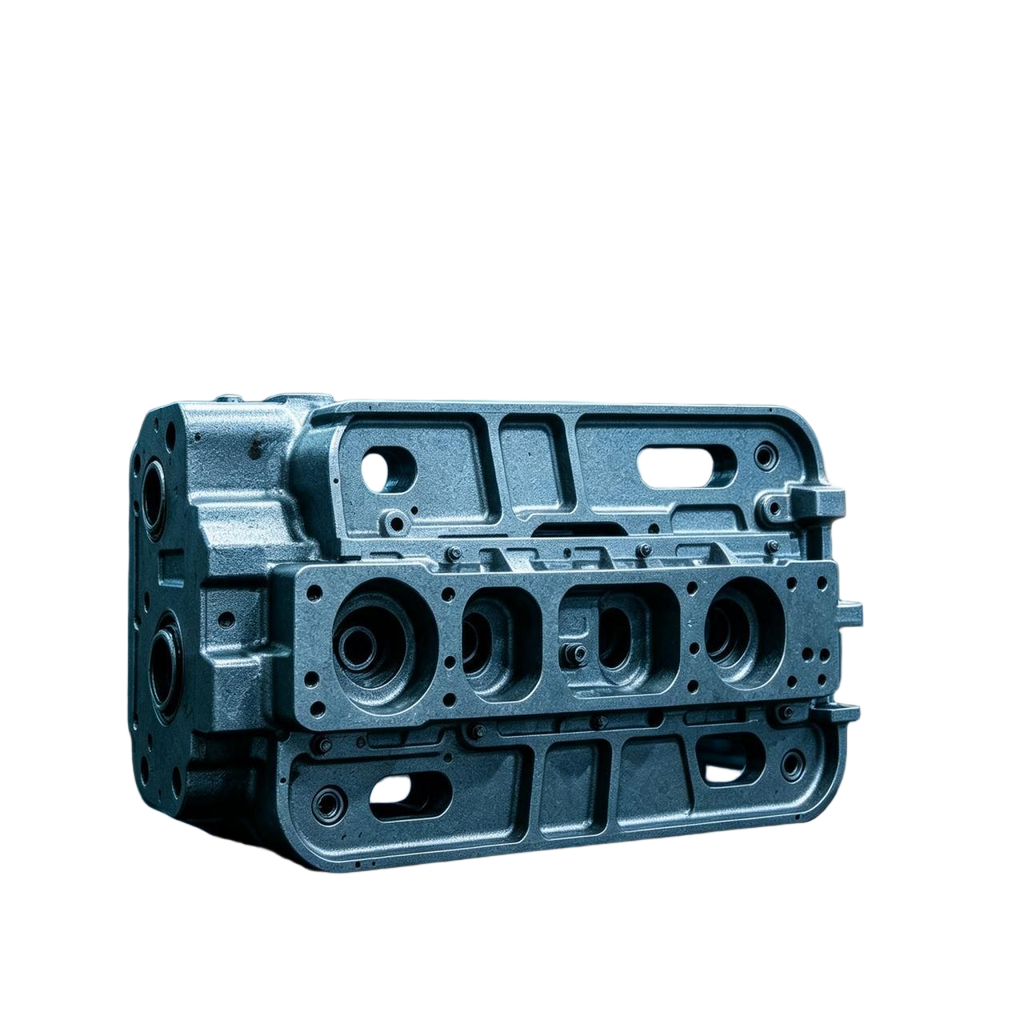
La fusione di pezzi di precisione solitamente significa accettare elevati costi di post-lavorazione. Zamak ribalta questa dinamica fornendo componenti dalla forma quasi perfetta direttamente dallo stampo. L'elevata fluidità della lega consente ai tuoi stampi di catturare contorni netti e piccoli dettagli al primo passaggio, bypassando la macchina CNC.
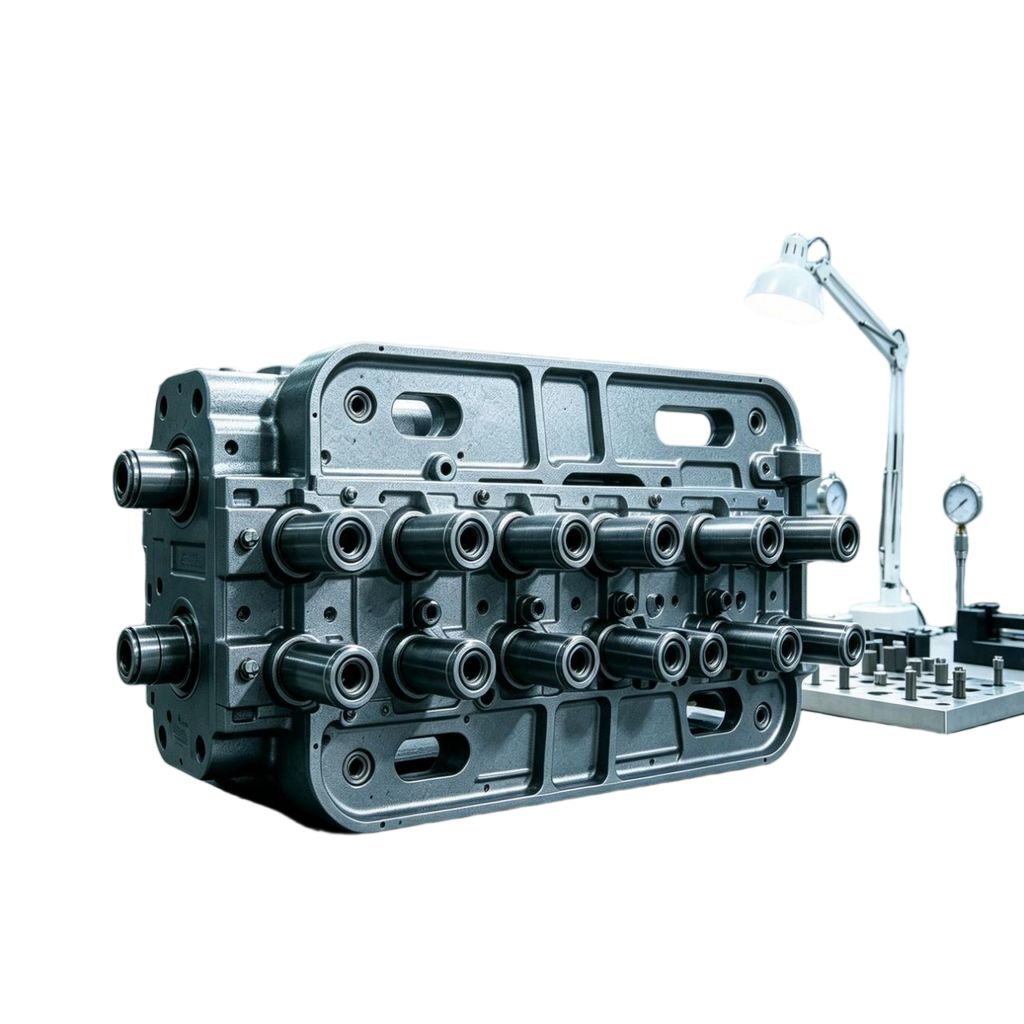
- Funzionalità integrate: L'elevata precisione consente alle matrici di formare direttamente geometrie e filettature complesse.
- Qualità della superficie: Le superfici lisce come colate eliminano la necessità di lucidatura o trattamenti superficiali aggiuntivi.
- Controllo della tolleranza: La stabilità dimensionale previene il restringimento e mantiene le parti entro tolleranze rigorose senza rilavorazioni.
Consolidando questi passaggi, riduci i tempi di consegna ed elimini la manodopera, macchina, e costi energetici legati alle operazioni secondarie.
Produzione in scala con pressofusione di precisione
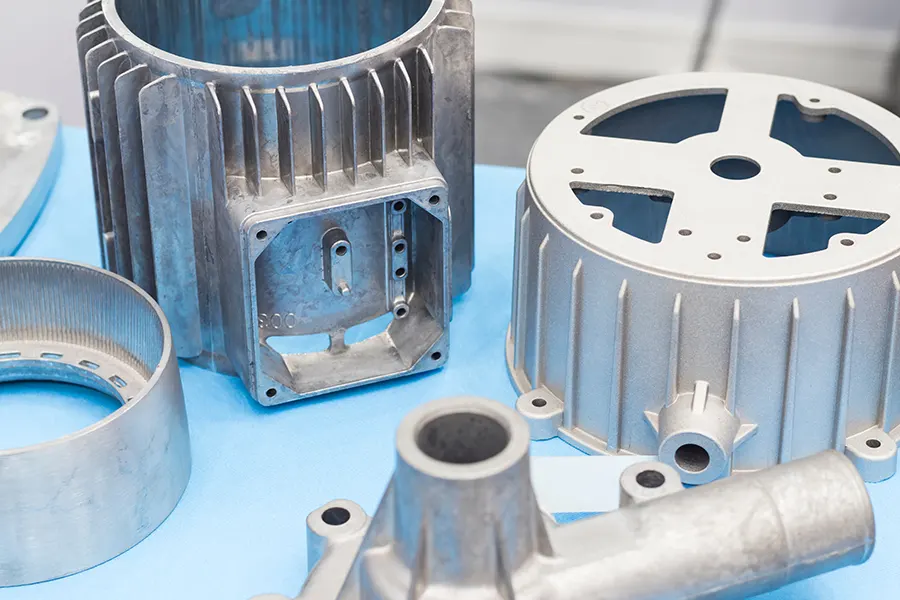
Confronto tra i gradi comuni di Zamak
Carichi 3 funge da standard nordamericano altamente duttile, mentre Zamak 5 aggiunge rame per aumentare la resistenza e la durezza per applicazioni strutturali impegnative.
Carichi 3
I creatori si mescolano 96% zinco, 4% alluminio, E 0.03% magnesio per creare Zamak 3. Questo grado di base offre un'eccellente colabilità, elevata duttilità, e stabilità dimensionale a lungo termine, raggiungendo una resistenza alla trazione vicina 283 MPa. I produttori lo utilizzano pesantemente in Nord America per parti personalizzate, maniglie interne di autoveicoli, e componenti non strutturali che necessitano di resistenza ed estetica equilibrate.
Carichi 5
I produttori aggiungono 1% rame alla miscela standard di 96% zinco e 3-4% alluminio per formare Zama 5. Il rame extra produce Zamak 5 Di 10% più forte di Zamak 3, durezza crescente, resistenza alla trazione, e resistenza alla corrosione riducendo la duttilità. Gli ingegneri selezionano questo grado per componenti automobilistici funzionali e altre parti pressofuse che richiedono elevate prestazioni di trazione e resistenza allo scorrimento.
Domande frequenti
Quali sono i componenti principali della lega Zamak?
Le leghe di zama sono a base di zinco, composto da oltre 95% zinco. I principali elementi di lega includono circa 4% alluminio per resistenza e colabilità, tracce di magnesio per la durezza, e diversi livelli di rame (fino a 3.3%) per migliorare la tenacità e la resistenza al creep. Esistono variazioni specifiche del grado, come Zamak 3 (la linea di base standard) e Zamak 5 (che contiene rame più elevato per una maggiore resistenza). I produttori limitano rigorosamente le impurità come il ferro, Guida, e stagno per mantenere elevate prestazioni.
Come si confronta la Zama con l'alluminio nella pressofusione?
La zama offre una resistenza alla trazione leggermente superiore, durezza superiore per la resistenza all'usura, e migliore duttilità rispetto alle tipiche leghe per pressofusione di alluminio come ADC12 o A380. Si scioglie ad una temperatura più bassa (circa 385°C rispetto ai 660°C dell’alluminio), riducendo i costi energetici e prolungando la durata degli utensili consentendo tempi di ciclo più rapidi. L'alluminio riguarda 60% più leggero, rendendolo preferibile per componenti di grandi dimensioni o sensibili al peso. Zamak eccelle nell'alta precisione, intricato, e piccole parti durevoli.
Zamak richiede finitura superficiale o placcatura?
La finitura superficiale non è strettamente necessaria per scopi funzionali. La zama fornisce intrinsecamente una finitura superficiale molto liscia e una buona resistenza alla corrosione direttamente dal processo di pressofusione. Ancora, per decorativo, estetico, o applicazioni ad alta usura, Zamak accetta prontamente la finitura e la placcatura. I trattamenti comuni includono la lucidatura o la placcatura con cromo, nichel, o oro per migliorare l'aspetto e prolungare la durata in ambienti difficili.
Considerazioni finali
Mentre i metalli alternativi potrebbero sembrare praticabili per componenti di precisione, Zamak fornisce il percorso più efficace per ridurre i costi generali ed eliminare costose lavorazioni secondarie. Affidarsi a leghe a punto di fusione più elevato costringe ad assorbire l’usura aggressiva degli utensili e i costi di post-lavorazione eccessivi. La standardizzazione sulla pressofusione di Zamak protegge direttamente i vostri margini offrendo una precisione quasi perfetta direttamente dallo stampo.
Non tirare a indovinare sulle prestazioni del materiale: verifica tu stesso l'integrità strutturale e la finitura superficiale. Consigliamo di iniziare con un campione fisico per valutare come funziona la Zamak 3 o Zama 5 si adatta perfettamente alle tue esigenze meccaniche. Contatta il nostro team di ingegneri per discutere le specifiche OEM e ottimizzare il prossimo ciclo di produzione ad alto volume.