Engenheiros, compradores, e designers de produtos frequentemente se deparam com a mesma pergunta: qual é exatamente a diferença entre alumínio fundido e alumínio? A confusão é compreensível. Ambos os termos referem-se ao mesmo metal em seu núcleo, no entanto, eles descrevem coisas fundamentalmente diferentes quando se trata de fabricação, desempenho, e aplicação.
Este guia detalha o que é alumínio fundido versus alumínio em termos simples – cobrindo processos de produção, propriedades mecânicas, casos de uso do mundo real, e como tomar a decisão certa sobre materiais e processos para o seu projeto.
A definição básica de material de alumínio
Alumínio é um elemento químico (símbolo: Al, número atômico 13) e um dos metais mais abundantes na Terra. Na sua forma pura, o alumínio é macio, leve, e altamente resistente à corrosão — mas muito fraco para a maioria das aplicações estruturais ou industriais.
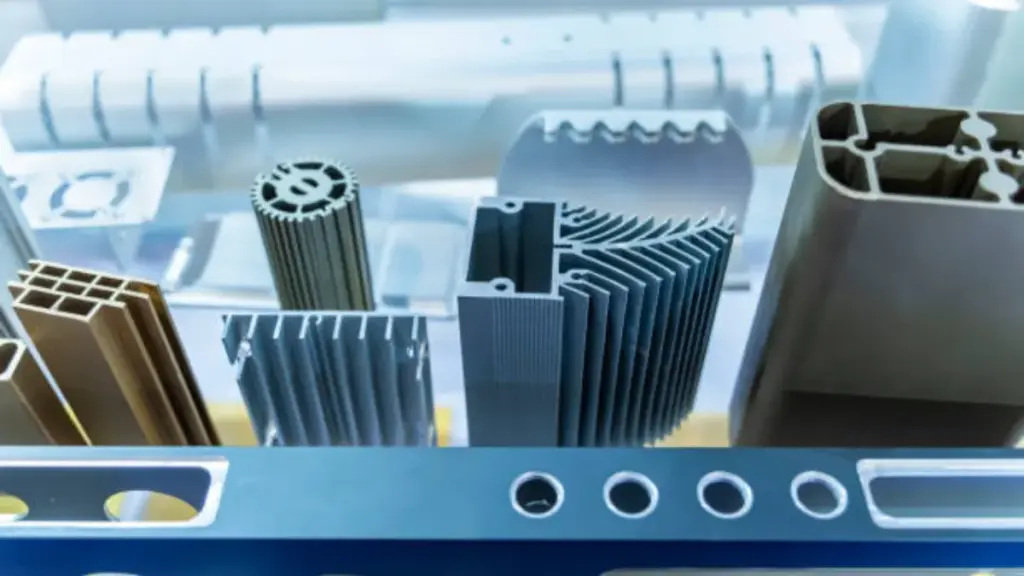
Para tornar o alumínio útil, é ligado a outros elementos, como silício (E), cobre (Cu), magnésio (mg), e zinco (Zn). Esses elementos de liga melhoram drasticamente a resistência, dureza, usinabilidade, e desempenho térmico. O resultado é uma família de ligas de alumínio que podem ser processadas de maneiras muito diferentes, dependendo dos requisitos do uso final..
É aqui que a terminologia se divide. “Alumínio” como um termo amplo abrange a matéria-prima e todas as suas formas de liga. O que importa para as decisões de engenharia e fabricação é como o alumínio é moldado e processado, e é aí que o alumínio fundido entra em cena.
Alumínio Fundido vs Alumínio Forjado
A distinção mais importante não é sobre o metal em si, mas sobre a rota de fabricação.
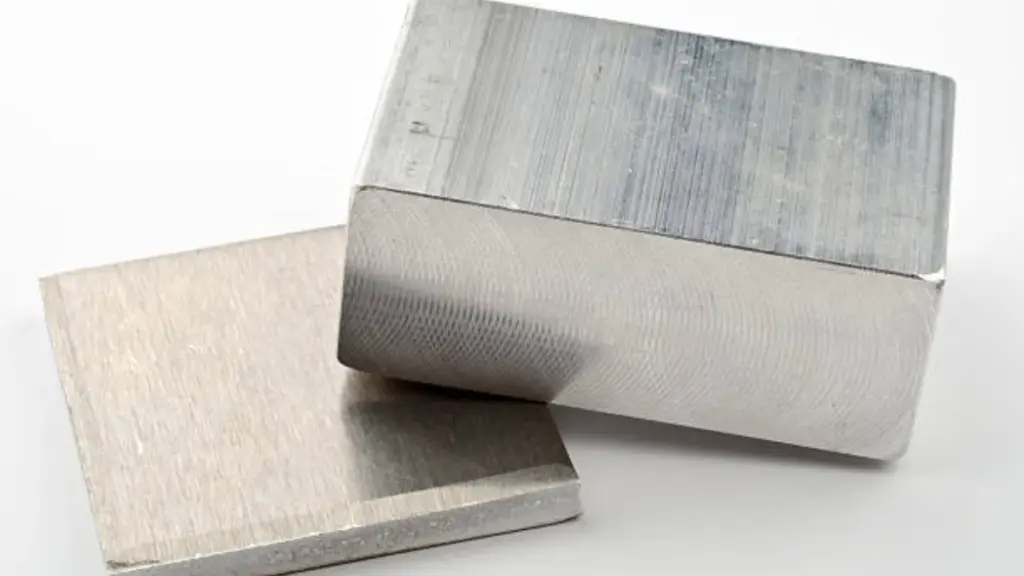
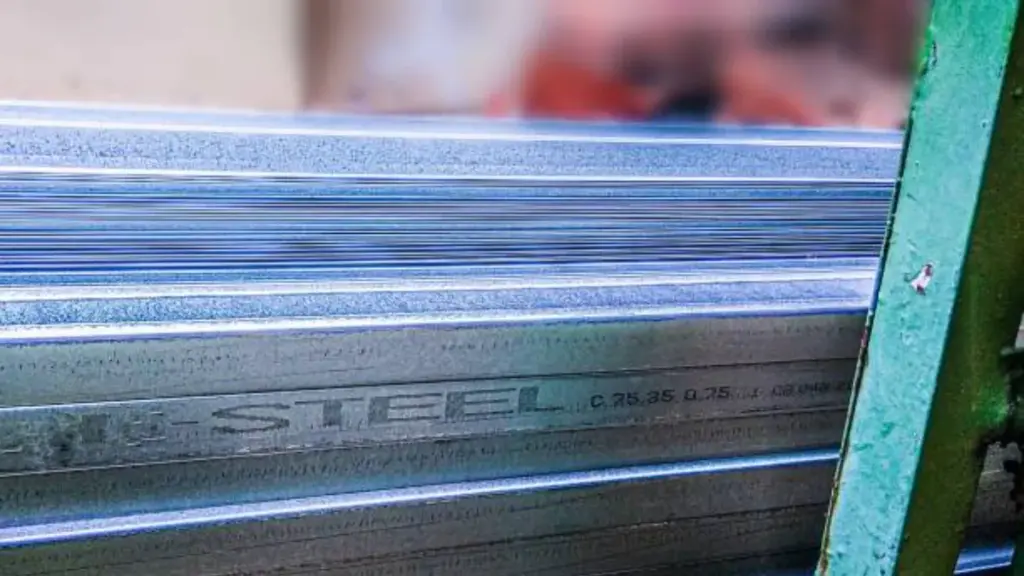
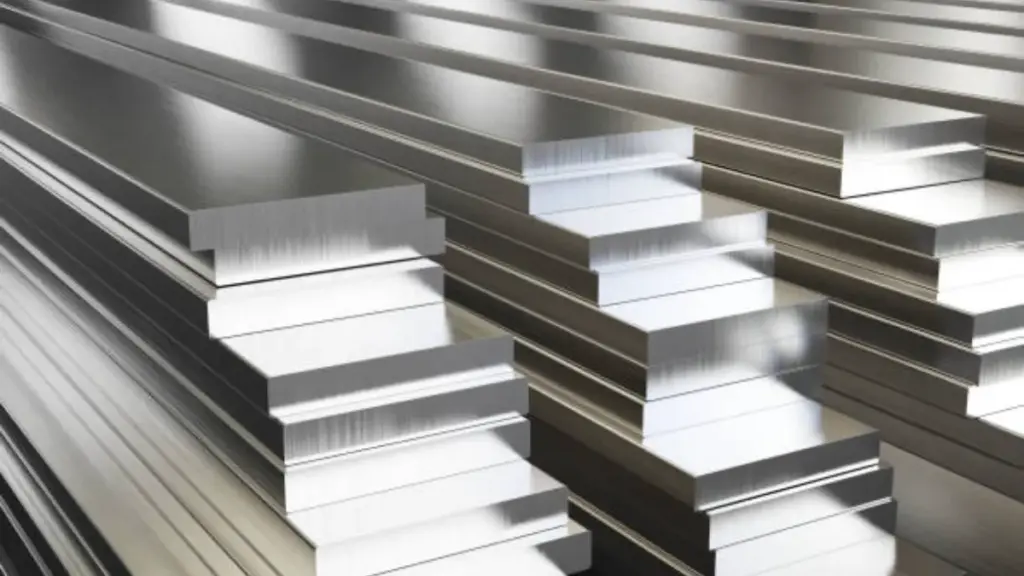
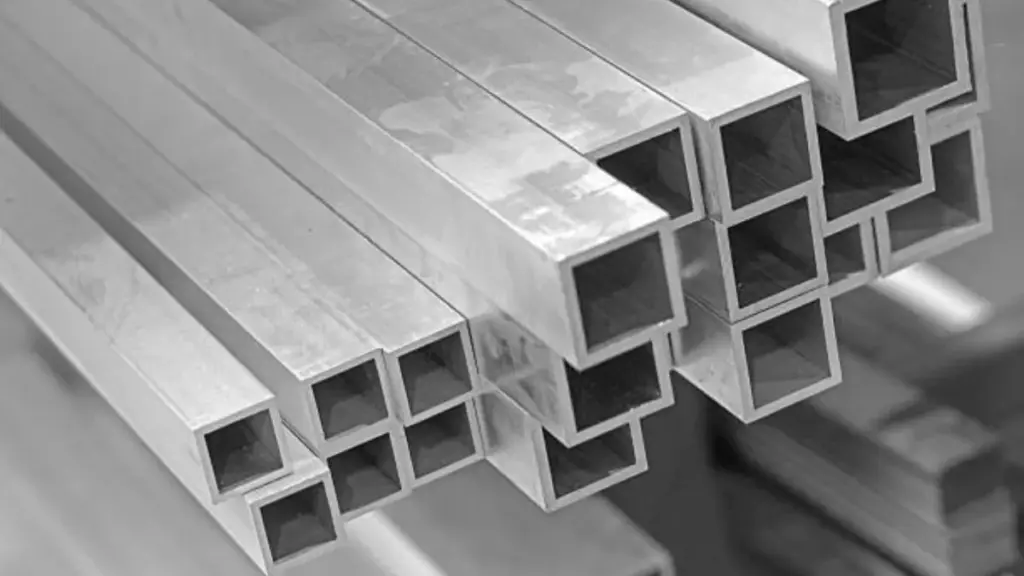
Alumínio forjado é trabalhado mecanicamente em forma. O tarugo de alumínio é empurrado, retirado, enrolado, ou martelado - por extrusão, forjamento, ou laminação - para produzir folhas, varas, tubos, e perfis. O trabalho mecânico refina a estrutura do grão e melhora significativamente a resistência à tração e a ductilidade.
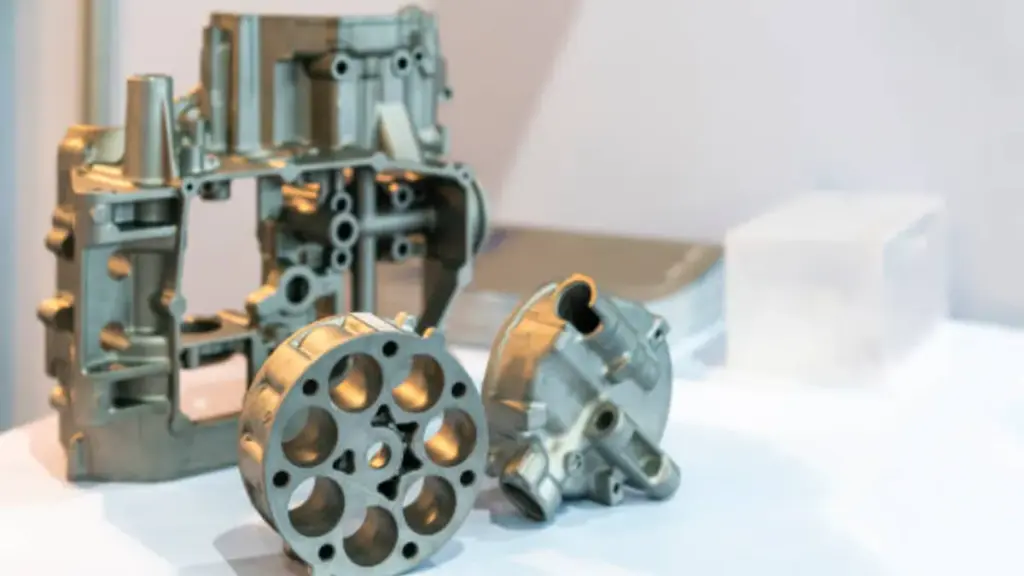
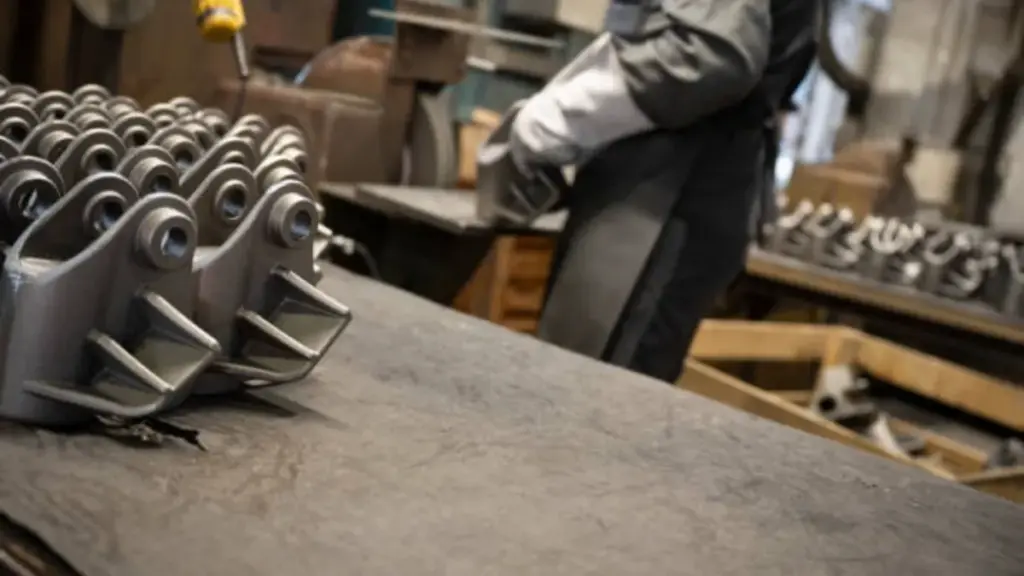
Alumínio fundido é produzido fundindo uma liga de alumínio e despejando ou injetando o metal fundido em uma cavidade do molde, onde se solidifica na forma desejada. Os principais métodos de fundição incluem:
- Fundição sob pressão — o alumínio fundido é injetado em um molde de aço sob alta pressão. Ideal para alto volume, peças de geometria complexa.
- Fundição em areia — o alumínio fundido é derramado em um molde de areia. Menor custo de ferramentas, adequado para peças grandes ou de baixo volume.
- Fundição por gravidade - depende da gravidade em vez da pressão. Usado para peças de média complexidade que exigem bom acabamento superficial.
Fundição sob pressão, em particular, é o processo dominante para componentes de alumínio industriais e automotivos porque oferece tolerâncias dimensionais restritas, excelente detalhe de superfície, e tempos de ciclo rápidos em escala.
Propriedades Mecânicas: Força, Dureza, e porosidade
Compreender as diferenças de propriedades mecânicas entre o alumínio fundido e o alumínio forjado é fundamental para fazer a escolha certa de engenharia.
Resistência à tracção é onde o alumínio forjado normalmente vence. Uma liga forjada comum como 6061-T6 oferece uma resistência à tração de aproximadamente 310 MPa, enquanto uma liga de fundição amplamente utilizada como A380 fica por aí 310 MPa fundido - comparável no papel, mas com uma ressalva importante: porosidade.
Porosidade é a fraqueza definidora do alumínio fundido. Durante a solidificação, bolhas de gás ou vazios de contração podem ficar presos dentro da peça. Esses microdefeitos reduzem a seção transversal de suporte de carga efetiva e criam pontos de concentração de tensão. Em fundição padrão, algum grau de porosidade é esperado. A fundição sob pressão assistida a vácuo reduz significativamente isso, tornando as peças adequadas para aplicações estanques à pressão e críticas de segurança.
Dureza e resistência ao desgaste em alumínio fundido pode ser aprimorado através da seleção de ligas e tratamento térmico. Ligas como A356-T6 alcançam bons níveis de dureza adequados para componentes estruturais automotivos. Ligas forjadas como 7075-T6, no entanto, permanecer em um nível de desempenho mais alto para aplicações aeroespaciais e estruturais de alto estresse.
Condutividade térmica é uma área onde o alumínio fundido realmente se destaca. Ligas como ADC12 e AlSi12 oferecem excelente dissipação de calor – e é exatamente por isso que o alumínio fundido é a escolha padrão para dissipadores de calor LED, carcaças de motor, e gabinetes eletrônicos.
Vantagens do alumínio fundido para complexos, Peças de alto volume
Para fabricantes que produzem complexos, componentes de precisão em escala, o alumínio fundido - e especificamente a fundição sob pressão - oferece um conjunto de vantagens que os processos de alumínio forjado simplesmente não conseguem igualar.
Liberdade geométrica é o mais significativo. A fundição sob pressão pode produzir peças com recortes, canais internos, paredes finas (até 1,5 mm), chefes integrados, e texturas de superfície complexas — tudo em uma única foto. Alcançar a mesma geometria através da usinagem de alumínio forjado exigiria múltiplas configurações, significativamente mais desperdício de material, e custo por unidade muito mais alto.
Consistência dimensional é outra vantagem importante. Um molde de fundição sob pressão bem projetado, combinado com parâmetros de processo controlados, oferece repetibilidade peça a peça dentro de tolerâncias rigorosas em centenas de milhares de ciclos. Essa consistência é essencial para as cadeias de fornecimento de OEMs automotivos, onde o desvio em um alojamento ou suporte pode afetar a montagem na linha de montagem.
Eficiência em forma de rede significa que as peças fundidas sob pressão saem do molde próximas de suas dimensões finais, exigindo usinagem secundária mínima. Combinado com acabamento CNC pós-processo onde são necessárias tolerâncias rigorosas, isso cria um fluxo de produção eficiente e econômico — especialmente para pedidos de alto volume acima 5,000 pedaços.
Flexibilidade multiliga também diferencia a fundição sob pressão. Os fabricantes podem escolher entre uma variedade de ligas de alumínio. Tal como ADC12 para uso geral, AlSi12 para melhor fluidez e resistência ao calor, A356 para maior desempenho mecânico, dependendo da temperatura da aplicação, estrutural, e requisitos de corrosão.
Aplicações do mundo real em todos os setores
A combinação de peso leve do alumínio fundido, desempenho térmico, flexibilidade de projeto, e a resistência à corrosão tornou-o o material preferido em uma ampla gama de indústrias.
Iluminação LED e luminárias exteriores
A dissipação de calor é crítica em sistemas LED. Caixas de alumínio fundido para iluminação pública, luzes do túnel, e luminárias industriais altas servem como dissipadores de calor integrados, retirando o calor dos chips LED para prolongar a vida útil. A capacidade de moldar geometrias de aletas complexas diretamente no alojamento elimina a necessidade de componentes separados de gerenciamento térmico.
Veículos automotivos e de novas energias (NEV)
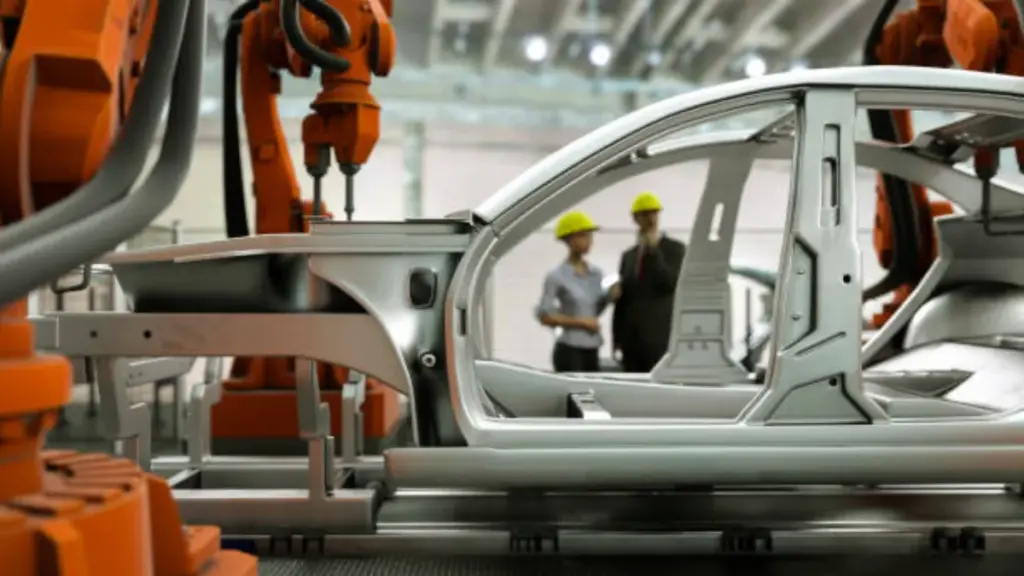
Carcaças de motor, gabinetes de inversor, unidade de controle eletrônico (ECU) invólucros, tampas de transmissão, e os suportes estruturais do sistema de bateria são comumente produzidos por meio de fundição de alumínio. À medida que as plataformas EV exigem mais leves, componentes mais eficientes termicamente, o alumínio fundido tornou-se ainda mais central no design do trem de força.
Equipamentos Industriais e Comunicações
Gabinetes para controladores industriais, componentes da estação base de comunicação, e caixas de dispositivos de monitoramento contam com alumínio fundido para suas propriedades de blindagem EMI, rigidez estrutural, e capacidade de vedação com classificação IP.
Produtos de consumo e comerciais
Utensílios de cozinha (panelas de alumínio fundido), ferragens para móveis, caixas de ferramentas elétricas, e componentes de equipamentos esportivos aproveitam a conformabilidade e a durabilidade do alumínio fundido em bens de consumo acabados.
Como escolher a liga e o processo certos para o seu projeto
Escolher entre alumínio fundido e alumínio forjado — ou selecionar o método de fundição correto — se resume a uma avaliação estruturada dos requisitos do seu projeto.
Etapa 1: Definir complexidade geométrica. Se sua peça tiver geometria 3D complexa, recursos internos, ou paredes finas, lançar é quase sempre o caminho correto. Se a peça for um perfil simples ou placa plana, extrusão ou chapa metálica pode ser mais econômica.
Etapa 2: Avalie os requisitos de carga mecânica. Se a peça for um membro estrutural primário sob altas cargas dinâmicas ou de impacto, ligas forjadas (particularmente 6061-T6 ou 7075-T6) pode ser mais apropriado. Para caixas, gabinetes, colchetes, e dissipadores de calor, o alumínio fundido normalmente oferece desempenho suficiente.
Etapa 3: Avalie o volume e a economia unitária. A fundição sob pressão tem um investimento inicial mais alto em ferramentas, mas um custo por unidade mais baixo em escala. Para volumes acima de 3.000–5.000 peças por ano, fundição sob pressão é geralmente a escolha mais econômica para peças complexas.
Etapa 4: Considere os requisitos de superfície e vedação. Peças que requerem vedação hermética ou estanque a fluidos (como tampas de caixa de velocidades ou corpos hidráulicos) deve especificar a fundição a vácuo para minimizar a porosidade e garantir um desempenho confiável e livre de vazamentos.
Etapa 5: Selecione a liga certa. ADC12 e A380 são burros de carga para aplicações industriais em geral. AlSi12 oferece maior fluidez e é popular para componentes de iluminação de paredes finas. A356-T6 fornece maior resistência ao escoamento para peças automotivas de suporte de carga.
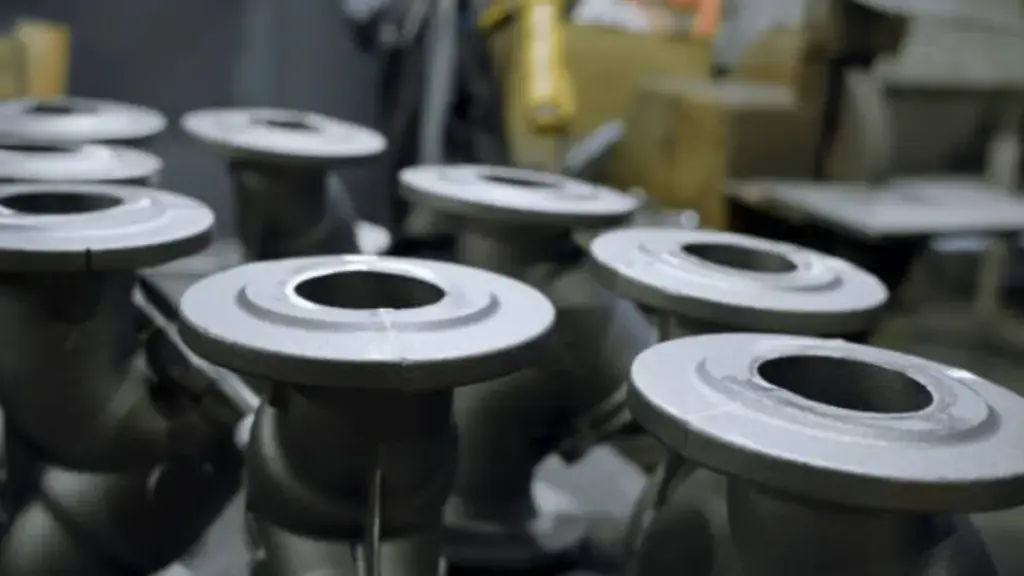
Por que adquirir peças de alumínio fundido da Bian Diecast?
Escolher a liga e o processo certos é apenas metade da equação – a outra metade é encontrar um fabricante que possa realmente executá-lo com consistência em escala.
Experiência de recompensa em fundição sob pressão de alumínio fundido. Controle de porosidade, otimização do fluxo do molde, gerenciamento de espessura de parede, e a precisão dimensional pós-moldada não são problemas que você resolve apenas com o equipamento. Eles exigem anos de conhecimento acumulado de processos em ambientes de produção reais.
Bian Diecast é uma parada única fundição de alumínio fabricante na China, com uma equipe central de engenharia com 15 a 20 anos de experiência prática no setor automotivo, iluminação, e projetos de fundição industrial. Desde DFM e simulação de fluxo de molde até acabamento CNC, revestimento em pó, e inspeção de saída – cada etapa ocorre sob o mesmo teto em Foshan.
Para clientes que gerenciam riscos da cadeia de suprimentos global, Bian opera em três bases de produção – China, México, e Vietnã – dando aos OEMs e aos compradores de marcas a flexibilidade para a produção perto da costa, reduzir a exposição tarifária, e reduzir os prazos de entrega para os principais mercados sem sacrificar a qualidade de fabricação.
Se o seu próximo projeto exigir componentes de alumínio fundido, entre em contato com Bian Diecast para uma revisão técnica e orçamento.