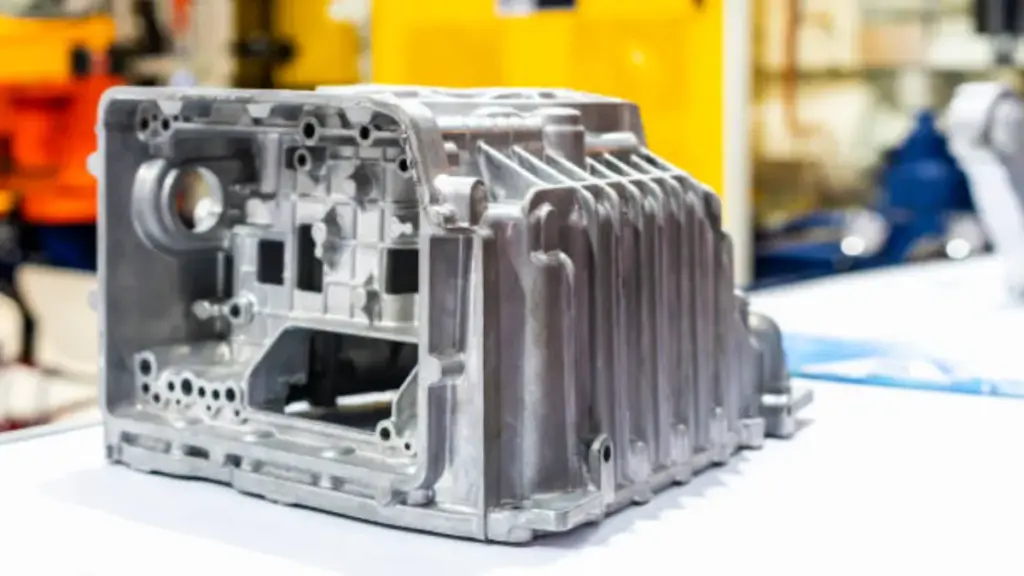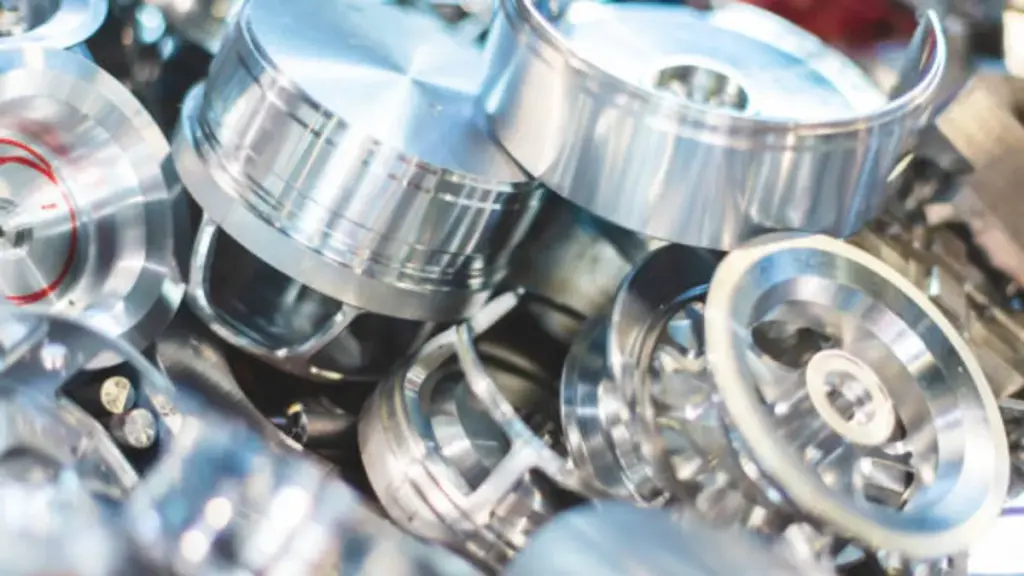
Magnesium alloys are the lightest structural metal materials available for practical applications, with a density of just 1.74 g/cm³ – approximately 35% lighter than aluminum and 75% lighter than steel. As lightweighting becomes a core priority across global manufacturing, magnesium alloys offer an exceptionally attractive material solution for automotive, aerospace, 3C electronics, and power tool industries.
Beyond being lightweight, magnesium alloys provide excellent strength-to-weight ratio, superior vibration damping, outstanding EMI shielding capabilities, and exceptional thin-wall formability – making them the ideal choice for products that demand “lighter, thinner, stronger.”
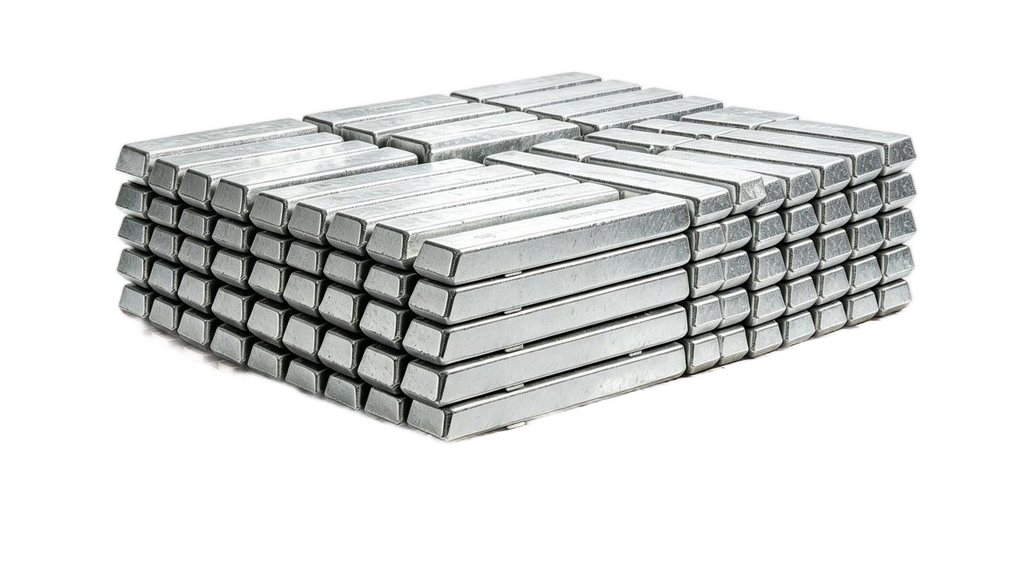
Why Choose Magnesium Alloy Die Casting?
- Extreme lightweighting – Density 1.74 g/cm³: ~35% lighter than aluminum, ~75% lighter than steel – the ultimate lightweight metal for structural applications
- High strength-to-weight ratio – Superior to aluminum alloys – maintains structural integrity while minimizing mass
- Excellent vibration damping – Significantly higher damping capacity than aluminum – effectively absorbs vibration and impact energy – enhances product comfort and durability
- Excellent EMI shielding – Superior electromagnetic interference shielding – ideal for electronic device enclosures
- Outstanding thin-wall formability – Wall thickness down to 0.6-0.8mm – meets the ultra-slim requirements of consumer electronics
- Good thermal conductivity – Approximately 120-140 W/(m·K) – meets moderate thermal management needs
- Excellent dimensional stability – High precision castings with low coefficient of thermal expansion
- 100% recyclable – Fully recyclable, supporting circular economy principles
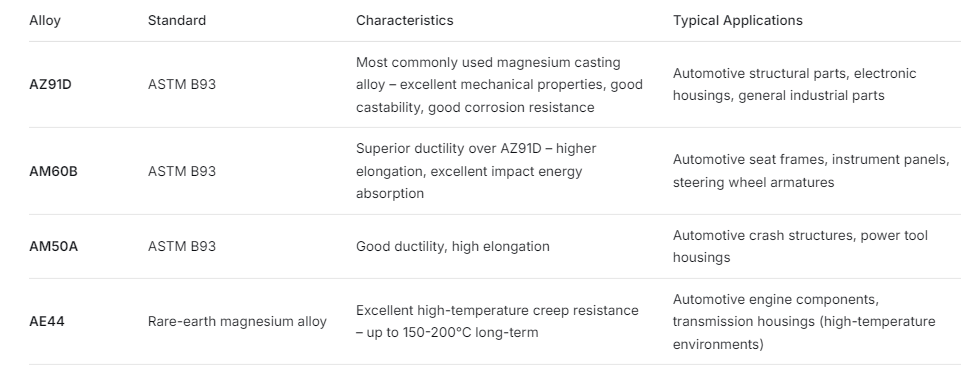
Common Die Casting Magnesium Alloy
Typical Applications of Magnesium Die Casting
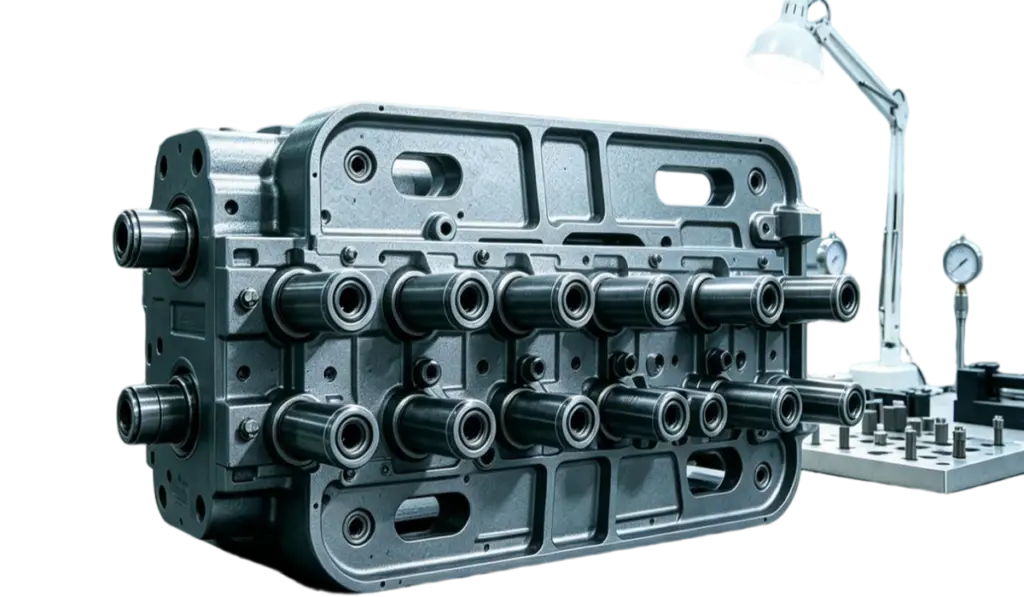
- Automotive Lightweighting – Instrument panel cross-car beams (CCB), seat frames, steering wheel armatures, console frames, transmission housings, engine brackets, door inner panels, crash beams
- 3C Electronics – Laptop enclosures, tablet housings, smartphone mid-frames, camera bodies, drone housings, VR/AR device structural parts
- Power Tools – Drill housings, angle grinder housings, chainsaw enclosures, garden tool housings
- Medical Equipment – Wheelchair frames, mobile device structural parts, surgical instrument handles
- Aerospace – Interior structural parts, seat components, instrument panel brackets
- Sports Equipment – Bicycle frames, golf club heads, ski binding components
- Technical Considerations for Magnesium Die Casting
Magnesium die casting differs from aluminum in several key aspects:
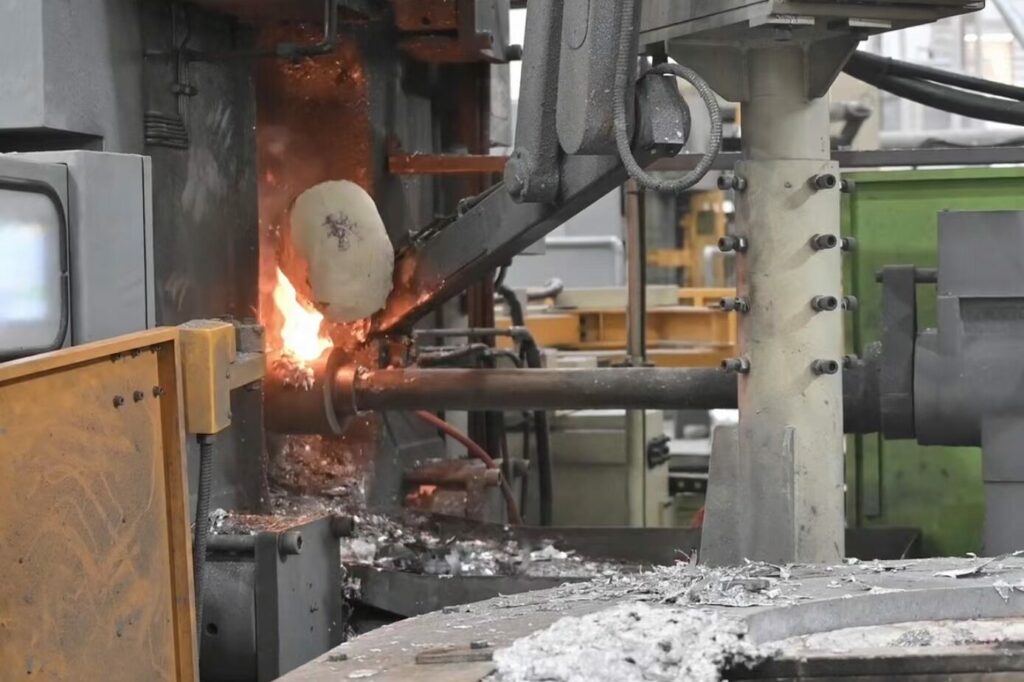
- Melting protection – Magnesium oxidizes and burns easily in the molten state – requires protective atmospheres (SF₆/CO₂ gas mixtures) or flux coverings during melting
- Pouring temperature control – Magnesium casting temperature range: 650-680°C – approximately 50°C lower than aluminum – extends tool life
- Hot-chamber vs. cold-chamber – Hot-chamber for small precision parts (3C); cold-chamber for large structural parts (automotive)
- Release agent management – Requires specialized magnesium-compatible release agents – avoid water contact to prevent violent reactions
Why Choose Magnesium Die Casting?
- Significant weight reduction – Aluminum-to-magnesium conversion: ~30-35% additional weight savings; steel-to-magnesium: ~70-75% weight reduction
- Balance of performance and manufacturability – Proven die casting technology enabling high-volume production
- Cost competitiveness – Magnesium raw material prices are stabilizing – per-volume costs are becoming comparable to aluminum
- Environmental sustainability – Magnesium is abundant (seawater extraction), low-energy recycling, lower carbon footprint than steel and some plastics
Our Magnesium Die Casting Capabilities:
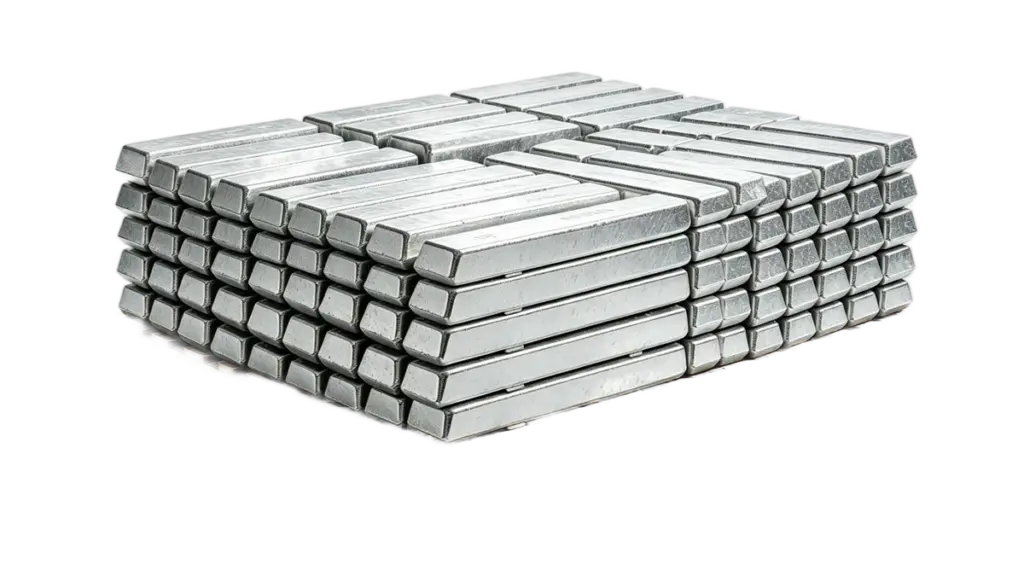
- Raw materials: AZ91D / AM60B / AM50A (other grades available upon request)
- Casting methods: Cold-chamber (large parts) / Hot-chamber (precision small parts)
- Clamping force: 200T – 4,500T
- Part weight range: 0.01kg – 15kg
- Minimum wall thickness: down to 0.6mm
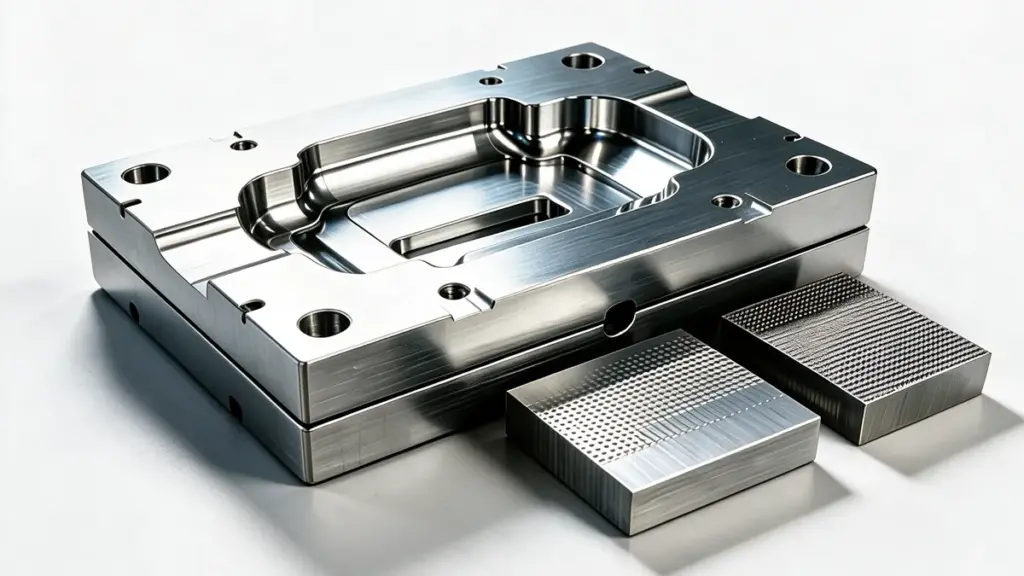
- Post-processing: CNC machining, deburring, surface finishing (micro-arc oxidation, chemical conversion coatings)
- Certified: IATF 16949 / ISO 9001
- Dual facilities: Foshan, China + Monterrey, Mexico (20,000㎡ each)
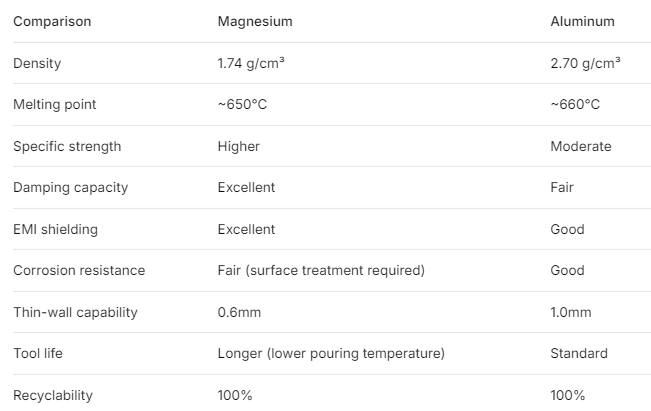
Magnesium vs. Aluminum – Comparison
Contact us for a magnesium die casting quote.