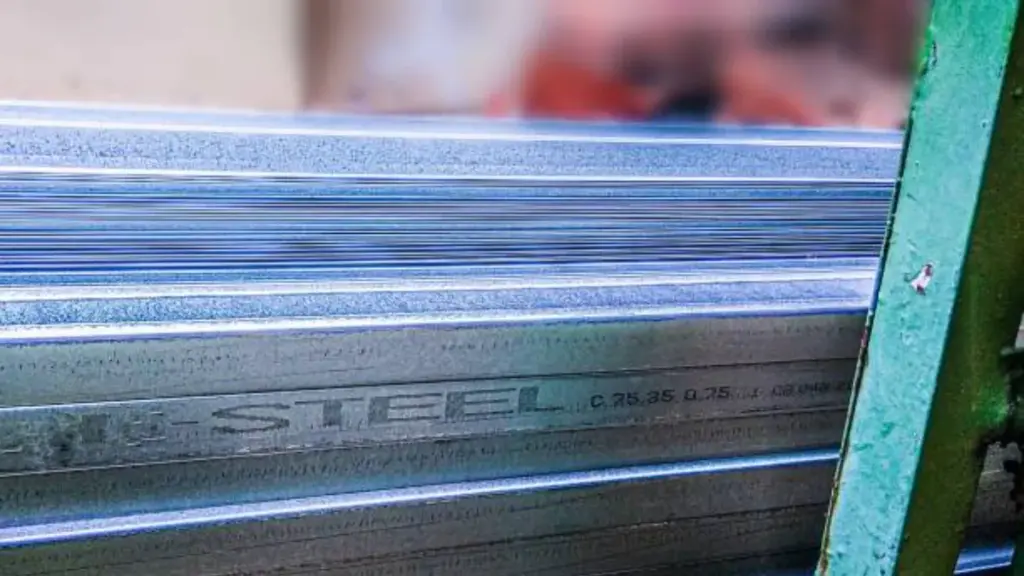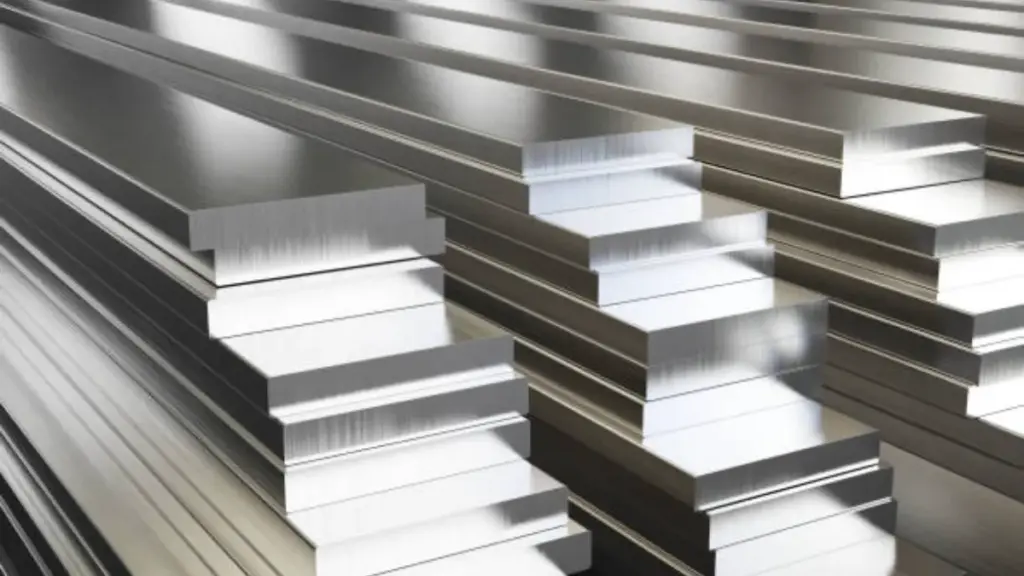
Aluminium wird in der Technik wegen seines geringen Gewichts geschätzt, Korrosionsbeständigkeit, und günstiges Verhältnis von Festigkeit zu Gewicht. Es erscheint in Strukturrahmen, Automobilkomponenten, Beleuchtungsgehäuse, elektronische Gehäuse, und unzählige gefertigte Teile.
Dennoch taucht bei Designbesprechungen und in der Werkstatt immer wieder eine Frage auf:
Kann man Aluminium biegen, ohne es zu zerbrechen??
Die technisch korrekte Antwort lautet: manchmal – und nur unter den richtigen Bedingungen.
Die Biegeleistung hängt von der Legierungschemie ab, Temperament, Kornstruktur, Dehnungsverteilung, und Geometrie. Noch wichtiger, in vielen industriellen Anwendungen, Biegen ist möglicherweise nicht einmal der optimale Herstellungsansatz.
In diesem Artikel wird das Biegen von Aluminium aus Material- und Fertigungsperspektive untersucht, und beurteilt dann, wann die Fertigung dem Aluminiumdruckguss weichen sollte.
Was „Kann man Aluminium biegen?“?„Das bedeutet wirklich
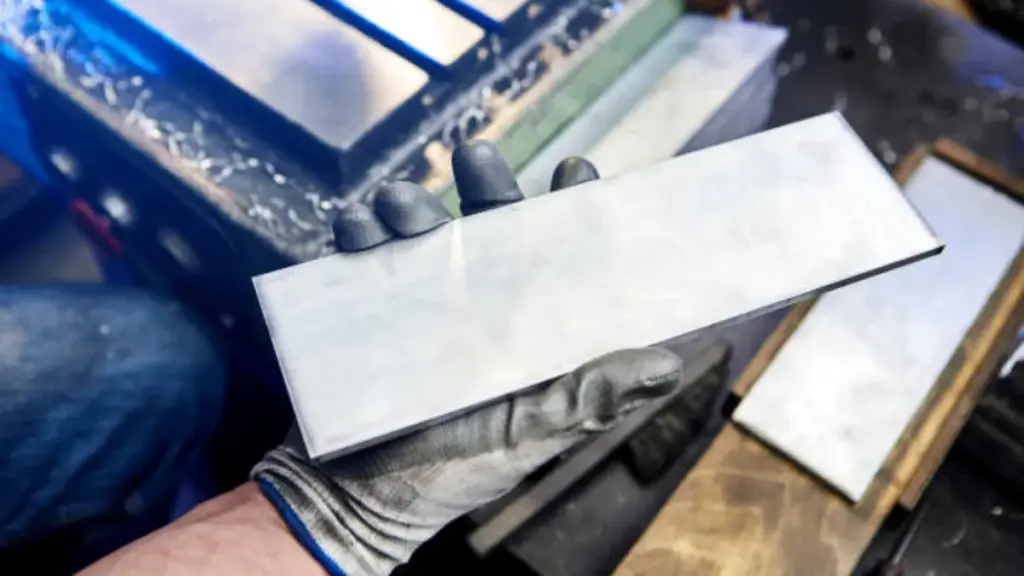
Wenn jemand fragt, „Kann man Aluminium biegen??”, Sie fragen nicht nach reinem Aluminium. Sie fragen, ob eine bestimmte Legierung, in einem bestimmten Temperamentszustand, kann plastische Verformungen tolerieren, ohne seine Bruchdehnung zu überschreiten.
Beim Biegen, Die Belastung ist nicht einheitlich:
- Der Innenradius wird komprimiert.
- Die neutrale Achse bleibt relativ stabil.
- Der Außenradius erfährt eine Zugdehnung.
Risse treten auf, wenn die Zugspannung an der Außenfläche die Dehnfähigkeit der Legierung übersteigt.
Aus technischer Sicht, Die Biegefrage reduziert sich auf drei Variablen:
- Legierungszusammensetzung
- Temperament (O, H32, T4, T6, usw.)
- Innenbiegeradius relativ zur Materialstärke
Ohne diese Variablen zu definieren, Die Frage kann nicht zuverlässig beantwortet werden.
Welche Aluminiumlegierungen können sicher gebogen werden?
Die Biegsamkeit variiert stark zwischen den Legierungsfamilien. Knetlegierungen bieten im Allgemeinen eine höhere Duktilität als Gusslegierungen.
Nachfolgend finden Sie eine vergleichende Übersicht, die für typische Umformentscheidungen relevant ist:
| Legierung | Temperament | Typische Dehnung | Biegsamkeit | Notizen |
|---|---|---|---|---|
| 3003 | H14 | 10–20 % | Exzellent | Gängige Blechlegierung, hochformbar |
| 5052 | H32 | 12–18 % | Sehr gut | Stark und korrosionsbeständig |
| 6061 | O | ~20 % | Gut | Erweicht, formbar |
| 6061 | T6 | 8–10 % | Beschränkt | Hohe Festigkeit, Rissanfällig bei engen Radien |
| 6063 | T5/T6 | 8–12 % | Mäßig | Gängige Extrusionslegierung |
| A380 (Druckguss) | Im Gusszustand | 1–3 % | Arm | Hoher Siliziumgehalt, geringe Duktilität |
| ADC12 (Druckguss) | Im Gusszustand | 1–3 % | Arm | Zum Gießen konzipiert, bildet sich nicht |
Legierungsspezifische Fragen
- Kannst du dich beugen? 5052 Aluminium?
Ja. 5052 ist aufgrund seines Magnesiumgehalts und der relativ hohen Dehnung eine der zuverlässigsten Legierungen zum Blechbiegen. Es wird häufig für Schiffsplatten und geformte Halterungen verwendet. - Kannst du dich beugen? 6061 Aluminium?
Es kommt auf das Temperament an. Im O-Zustand, es lässt sich gut biegen. Im T6-Zustand, es wird deutlich weniger duktil. - Kannst du dich beugen? 6061 T6-Aluminium?
Nur mit großen Biegeradien und sorgfältiger Kantenvorbereitung. Enge Biegungen führen häufig zu Oberflächenrissen. - Kannst du dich beugen? 6063 Aluminium?
Mäßig. Die Leistung in extrudierten Profilen ist akzeptabel, aber die Fehlertoleranz ist geringer 5052 bei aggressiven Umformvorgängen.
Die drei Regeln für rissfreie Biegungen
Das Biegen von Aluminium ist vorhersehbar, wenn die richtigen Umformprinzipien angewendet werden.
1. Halten Sie einen angemessenen Biegeradius ein
Der minimale Innenbiegeradius wird normalerweise als Vielfaches der Dicke ausgedrückt (T). Stärkere Härtegrade erfordern größere Radien. Der Versuch, den Radius unterhalb der empfohlenen Grenzwerte zu halten, erhöht das Frakturrisiko dramatisch.
2. Biegen Sie sich quer zur Faser
Gewalztes Aluminiumblech hat eine gerichtete Kornstruktur. Das Biegen parallel zur Faser verringert die Dehnungstoleranz. Das Biegen senkrecht zur Faser verbessert die Zuverlässigkeit.
3. Kontrollieren Sie die Kantenqualität und Kaltverfestigung
Gescherte Kanten mit Mikrokerben können beim Umformen zu Rissen führen. Entgraten und die richtige Werkzeugausrichtung reduzieren die Spannungskonzentration. Zusätzlich, Wiederholtes Nachbiegen erhöht die Kaltverfestigung und verringert die Bruchfestigkeit.
Diese Regeln gelten hauptsächlich für bearbeitete Bleche und extrudierte Produkte. Gusslegierungen verhalten sich anders.
Wenn Tempern Sinn macht
Eine verwandte technische Variante der Frage ist: Kann man Aluminium mit Hitze biegen??
In bestimmten Fällen, Ja. Glühen reduziert die Versetzungsdichte und stellt die Duktilität wieder her, insbesondere bei vergütbaren Legierungen wie z 6061.
Typische Industrieszenarien, in denen das Glühen gerechtfertigt ist:
- Bildung 6061 vor der erneuten Alterung auf T6
- Erreichen einer komplexen Geometrie vor der endgültigen Festigkeitsbehandlung
- Reduzierung der Rissbildung in hochwertigen Materialbeständen
Jedoch, Glühen ist keine universelle Lösung. Es stellt vor:
- Vorübergehender Kraftabbau
- Zusätzliche Prozesszeit
- Mögliche Dimensionsinstabilität
- Notwendigkeit einer kontrollierten Nachwärmebehandlung
Für die Fertigung kleiner Stückzahlen, Glühen kann praktisch sein. Für skalierte Fertigung, Wiederholte thermische Zyklen verringern die Produktionseffizienz und erhöhen die Kosten. Auf höheren Komplexitätsstufen, Es kann sinnvoller sein, das Teil für den Guss neu zu konstruieren, als die Härtebedingungen für das Biegen immer wieder zu ändern.
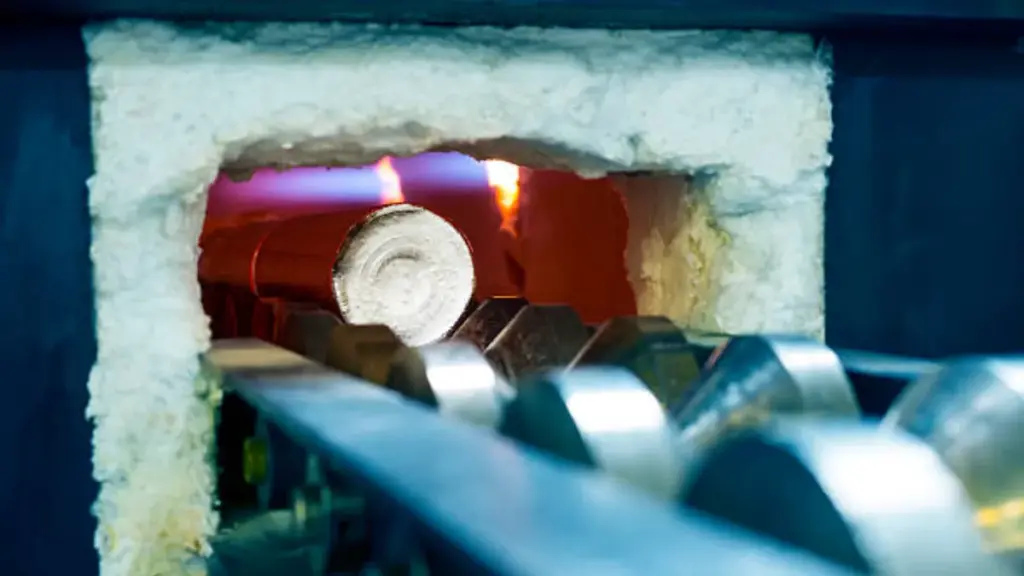
Können Sie Aluminiumdruckguss biegen? (ADC12, A380, usw.)?
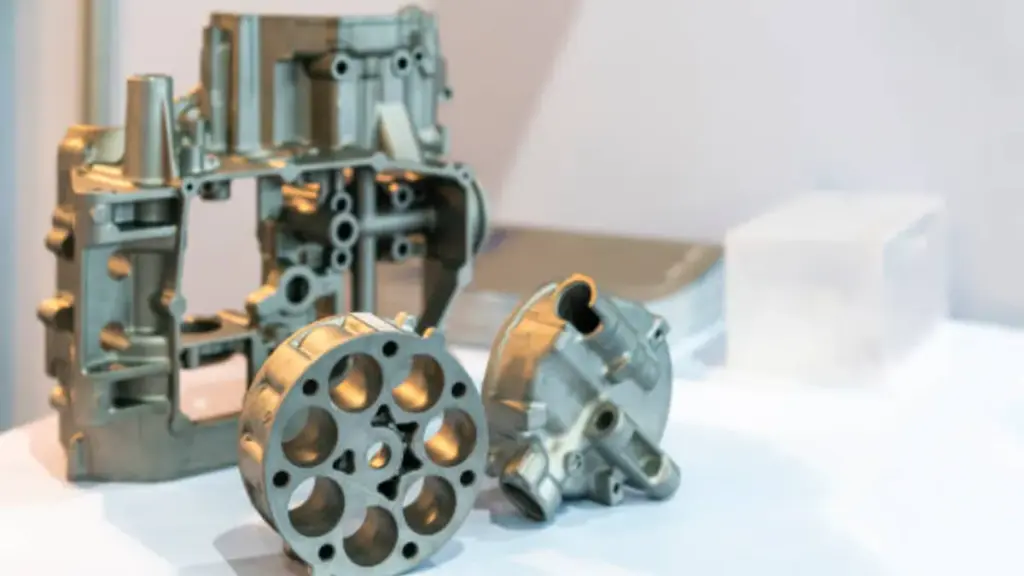
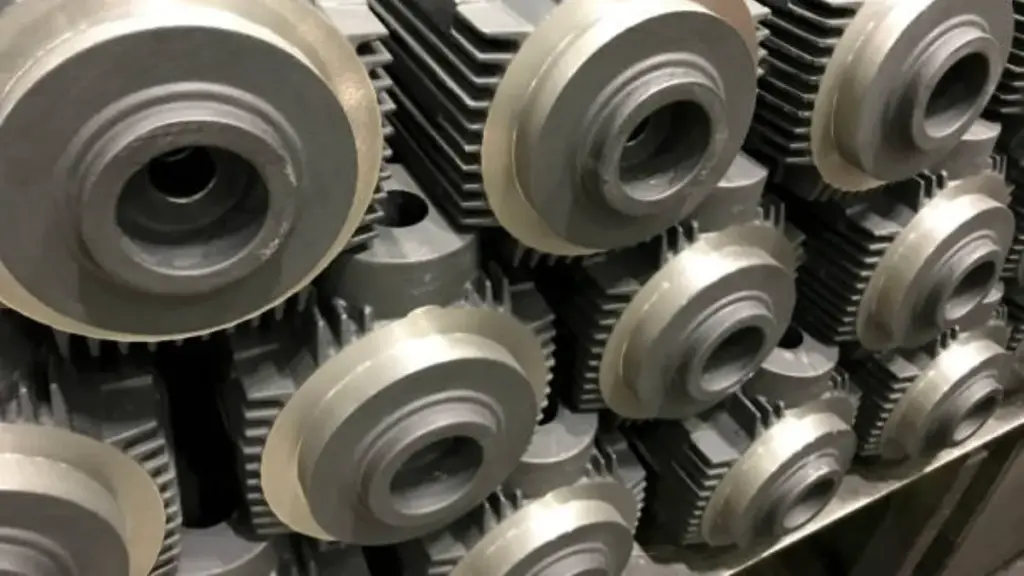
Bei der industriellen Produktion werden häufig Druckgussmaterialien wie ADC12 oder A380 verwendet. Diese Legierungen sind für die Formfüllleistung ausgelegt, keine plastische Verformung.
Hoher Siliziumgehalt (typischerweise 8–12 %) verbessert sich:
- Flüssigkeit
- Dimensionsstabilität
- Verschleißfestigkeit
- Oberflächenbeschaffung
Aber es reduziert die Dehnung deutlich. Typische Dehnungswerte für Aluminiumdruckguss liegen bei 1–3 %.
Aus materialwissenschaftlicher Sicht, Die siliziumreiche Mikrostruktur enthält harte Phasen, die die Zugspannung begrenzen. Wenn versucht wird, sich zu beugen, Sprödbruch tritt vor nennenswerter Verformung auf.
In fertigungstechnischer Hinsicht:
Das Biegen von Aluminiumdruckgussteilen wird grundsätzlich nicht empfohlen.
Wenn ein Druckgussbauteil eine Krümmung erfordert, Rippen, Chefs, oder abgewinkelte Geometrie, Diese Merkmale sollten direkt in die Formkonstruktion integriert werden.
Biegen vs. Aluminiumdruckguss
Die Fertigungsentscheidung wird strategisch, wenn die geometrische Komplexität zunimmt.
Für einfache flache Halterungen oder Kleinserien-Prototypen, Das Biegen von Aluminiumblech ist effizient und wirtschaftlich.
Jedoch, Betrachten Sie eine Komponente, die Folgendes erfordert:
- Mehrere Richtungskurven
- Geschweißte Verstärkungen
- Gewindebosse
- Integrierte Rippen
- Montageflächen mit engen Toleranzen
- Abgedichtete Gehäusegeometrie
Die Fertigung umfasst dann mehrere Arbeitsgänge: Schneiden, Bildung, Schweißen, Bearbeitung, Schleifen, Beschichtung. Jeder Schritt erhöht die Arbeitskosten, Verzerrungsrisiko, und Toleranzstapelung.
Aluminium-Druckguss, im Gegensatz dazu, ermöglicht:
- Monolithische Strukturgeometrie
- Integrierte Funktionsmerkmale
- Reduzierte Montagevorgänge
- Verbesserte Wiederholbarkeit im großen Maßstab
- Optimierte Wärmeableitung
Während Druckguss erfordert Werkzeuginvestitionen, Die Stückkosten sinken bei mittleren bis hohen Produktionsmengen erheblich. Durch die Eliminierung von Schweißnähten und Spannungskonzentrationen verbessert sich häufig die strukturelle Integrität.
Auswahl des richtigen Herstellungsprozesses
| Vergleichsfaktor | Biegen & Herstellung | Aluminium-Druckguss |
|---|---|---|
| Geometriekomplexität | Begrenzt durch Biegeradius und Schweißnahtdurchführbarkeit | Hohe Gestaltungsfreiheit mit integrierten Features |
| Strukturelle Integrität | Schweißnähte und Spannungskonzentrationen vorhanden | Monolithische Struktur ohne Schweißverbindungen |
| Integrierte Funktionen (Bosse, Rippchen) | Erfordert sekundäres Schweißen oder maschinelle Bearbeitung | Direkt in die Form entworfen |
| Toleranzkontrolle | Kumulierte Toleranzstapel aus mehrstufigen Prozessen | Hohe Wiederholgenauigkeit, sobald das Werkzeug validiert ist |
| Eignung des Produktionsvolumens | Niedrige bis mittlere Lautstärke | Mittlere bis hohe Lautstärke |
| Stückkostentrend | Arbeitsgetrieben, nimmt mit der Komplexität zu | Werkzeuggesteuert, nimmt mit der Skalierung ab |
| Versiegelt / Geschlossene Strukturen | Erfordert Schweiß- und Versiegelungsarbeiten | Einteiliger geschlossener Guss möglich |
Die entscheidende technische Frage lautet nicht nur: „Kann man Aluminium biegen?“?“, sondern „welcher Herstellungsprozess am besten zu den Leistungs- und Produktionszielen passt.“?”
Wenn Konstruktionen strukturelle Belastungen beinhalten, integrierte Funktionen, oder hohe jährliche Volumina, Aluminiumdruckguss bietet häufig einen überlegenen langfristigen Wert.
Bei BIAN, Wir agieren als One-Stop-Hersteller von Aluminium-Druckguss, Unterstützung globaler OEM- und Industriekunden auf der ganzen Welt Automobil, Beleuchtung, Industrielle Steuerung, und Verbrauchersektoren.
Ihr One-Stop-Hersteller von Aluminium-Druckguss
- Formenbau und eigene Fertigung
- Aluminium-Druckguss (160T–1250T Kaltkammermaschinen)
- CNC-Präzisionsbearbeitung (100+ Maschinen)
- Oberflächenveredelung (Pulverbeschichtung, Malerei)
- Montage und Verpackung
- Vollständige Inspektion: CMM, Röntgen, Spektrometer, Salzsprühnebel
- ISO9001 und IATF 16949 zertifizierte Systeme
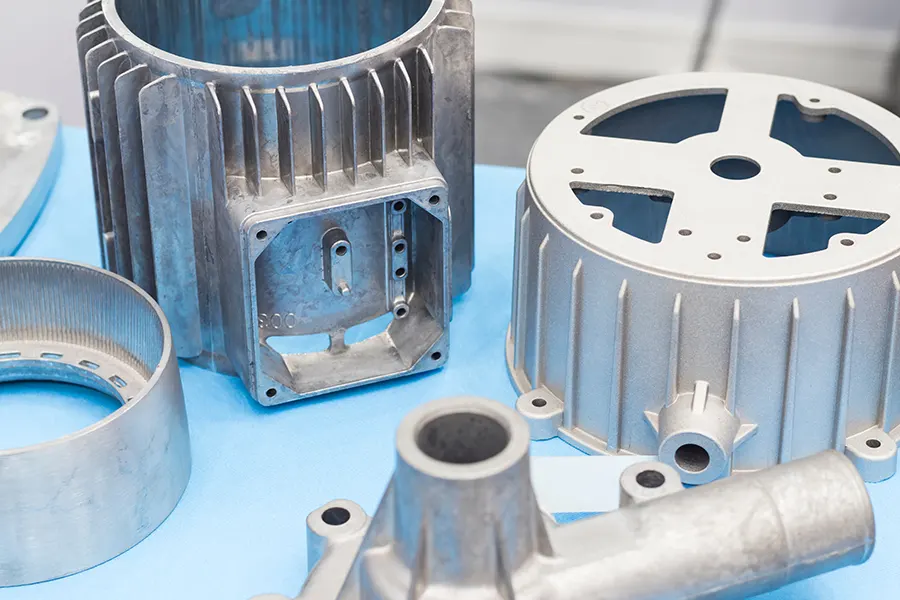
Dual-Base-Produktionsstrategie
- Primäre Produktionsstätte in Foshan, China (15,000–18.000㎡)
- Mexiko Einrichtung, die nordamerikanische Kunden bedient
- Optimierte Logistik und Reduzierung des Zollrisikos
Anstatt Bleche zu biegen und Baugruppen zu schweißen, Viele Kunden wechseln zum Druckguss:
- Höhere strukturelle Konsistenz
- Reduzierte Montagekosten
- Verbesserte Oberflächenästhetik
- Integriertes Leichtbaudesign
- Skalierbare Produktionsökonomie
Eine frühzeitige technische Zusammenarbeit ermöglicht eine Designoptimierung vor Werkzeuginvestitionen, Eine spätere kostspielige Neugestaltung wird vermieden.