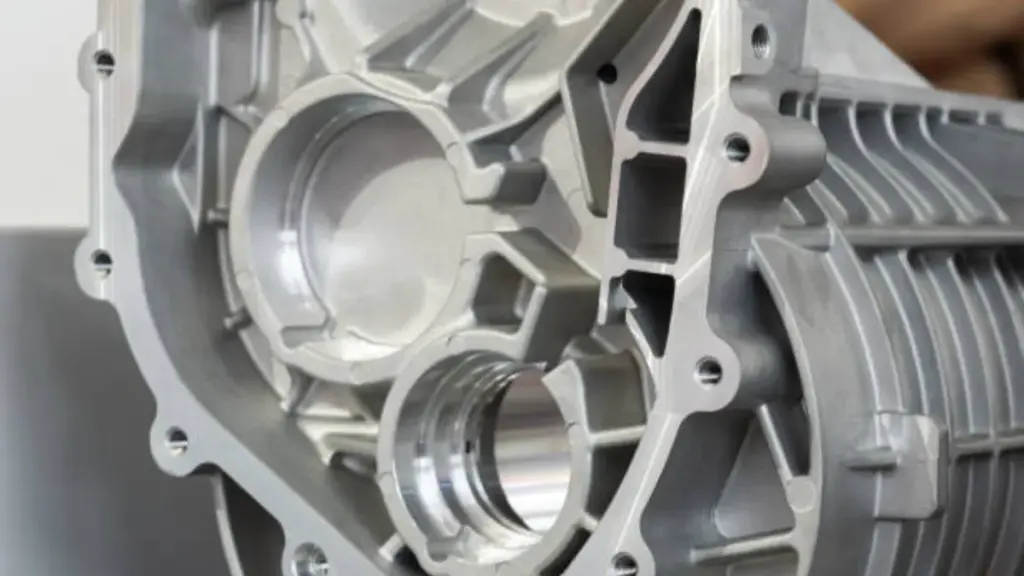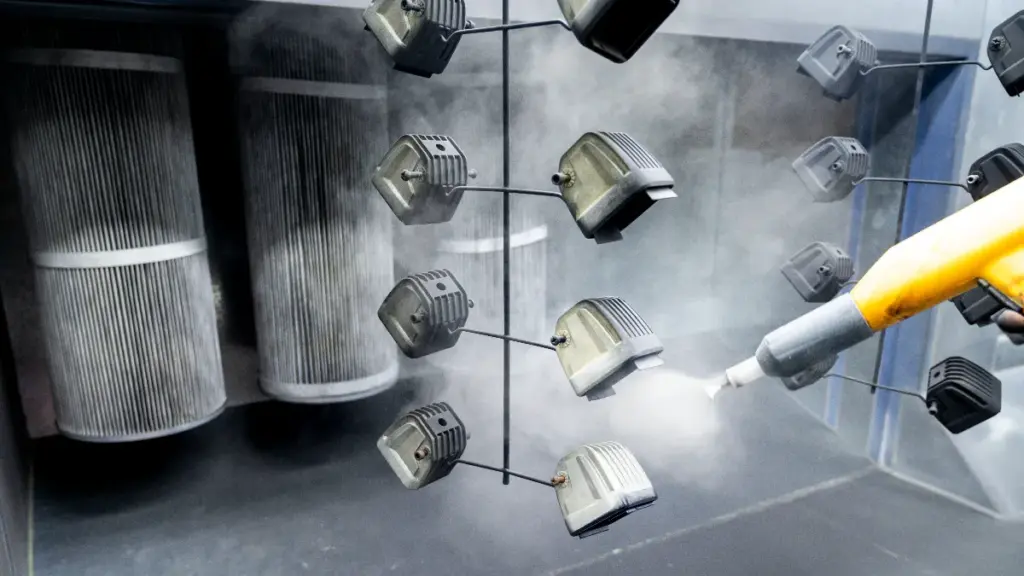
In der Aluminium-Druckgussproduktion, Die Form ist Ihr Gelddrucker. Jede Ausfallstunde kommt Sie teuer zu stehen – das ist eine Tatsache. Deshalb hat es für jeden Druckgießer oberste Priorität, dass Ihre Formen länger und zuverlässiger laufen.
Das Arbeitsumfeld eines Druckgussform ist geradezu höllisch. Die Hohlraumoberfläche kommt wiederholt mit geschmolzenem Aluminium in Berührung 600–700°C, Anschließend wird es durch Trennmittel und Wasser schnell abgekühlt. Thermocycling, Hochdruckeinwirkung, Aluminium-Strömungserosion, Löten… unter diesen brutalen Bedingungen, Formenstahl ist ständigen Bedrohungen ausgesetzt: thermische Ermüdungsrisse, Abplatzen, Kantenkollaps, Erosion, und Löten.
Um all dem standzuhalten, Der Formstahl selbst muss außergewöhnlich sein. Unsere beiden am häufigsten verwendeten Premium-Materialien –H13 ESR und 8418– Wie wählt man zwischen ihnen?? Lassen Sie es uns aus praktischer Sicht des Druckgusses aufschlüsseln.
| Eigentum | H13 ESR | 8418 |
|---|---|---|
| Thermische Ermüdungsbeständigkeit | Exzellent | Ausgezeichnet bis überlegen |
| Zähigkeit | Exzellent | Sehr hoch |
| Heiße Härte | Exzellent | Exzellent |
| Wärmeleitfähigkeit | Gut | Gut bis sehr gut |
| Beständigkeit gegen Hitzeprüfung | Sehr gut | Exzellent |
| Große Werkzeuganwendungen | Geeignet | Besonders geeignet |
| Komplexe Formgeometrie | Geeignet | Starke Wahl |
| Bewerbungshistorie | Sehr umfangreich | Zunehmender Einsatz in anspruchsvollen Anwendungen |
| Kosten | Sparsamer | Generell höher |
| Beste Verwendung | Ausgewogene Leistung und Kosten | Hohe Nachfrage, Anwendungen mit verlängerter Werkzeuglebensdauer |
Thermische Ermüdungsbeständigkeit: Die erste Verteidigungslinie
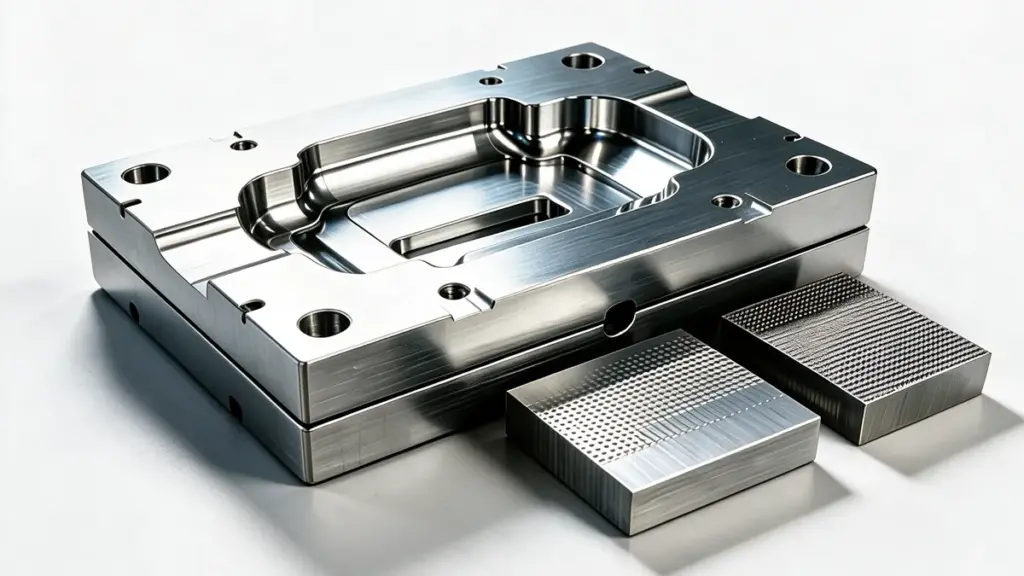
Beginnen wir mit dem Endergebnis:thermische Ermüdungsrissbildung ist die #1 Ursache für das Versagen der Druckgussform, Sie machen 60–70 % aller Ausfälle aus.
Die Hohlraumoberfläche dehnt sich bei thermischen Wechseln wiederholt aus und zieht sich zusammen. Es kommt zu thermischer Belastung. Wenn die Spannung die Elastizitätsgrenze des Materials überschreitet, Es entstehen Mikrorisse. Das ist “Wärmeprüfung.” Einmal eingeleitet, Risse vertiefen sich nur, bis die Form verschrottet wird.
H13 ESR, dank seines Elektroschlackenumschmelzens (ESR) Verfeinerung, bietet hohe Reinheit, minimale innere Mängel, und übertrifft herkömmliche Stähle für Elektroöfen bereits bei der thermischen Ermüdung, was ihn zur gängigsten Wahl macht.
8418, Jedoch, wurde mit einem expliziteren Ziel entwickelt:verbesserte thermische Ermüdungsbeständigkeit. Seine optimierte Chemie (höherer Mo, unteres Si) Reduziert wirksam die thermische Belastung und verhindert Hitzestau. Einige Daten deuten darauf hin, dass eine Reduzierung des Stickstoffgehalts die thermische Ermüdungsleistung von weiter verbessert 8418.
Fazit: Wenn Ihre Form empfindlich auf Hitzeeinwirkung reagiert, oder wenn die Betriebsbedingungen besonders streng sind, 8418Der thermische Ermüdungsvorteil wird deutlicher.
Zähigkeit & Schlagfestigkeit: Der Wert von ESR
Druckguss ist ein Hochdruckverfahren. Schimmelpilze halten nicht nur Hitze, sondern auch erheblichen mechanischen Einwirkungen stand. Unzureichende Zähigkeit führt zum Abplatzen, Kantenkollaps, oder sogar katastrophale Risse.
Sowohl H13 ESR als auch 8418 Nutzen Sie dieElektro Art des Umschmelzens (ESR) Verfahren. Der Kernwert dieses Prozesses istReinigung: Reduzierung von Schwefel, Phosphor, und andere Verunreinigungen, Minimierung nichtmetallischer Einschlüsse, und Beseitigung der chemischen Entmischung. Das Ergebnis wird deutlich verbessertSauberkeit und ist Grate, mit einer deutlichen Steigerung der Zähigkeit.
Der Unterschied: 8418 ist ein verbesserter Warmarbeitsstahl mit höheren Zähigkeitsmargen, Dadurch ist es besonders für dickere Zwecke geeignet, großflächige Teile und komplexe Formgeometrien.
Rote Härte (Heiße Härte) & Erosionsbeständigkeit
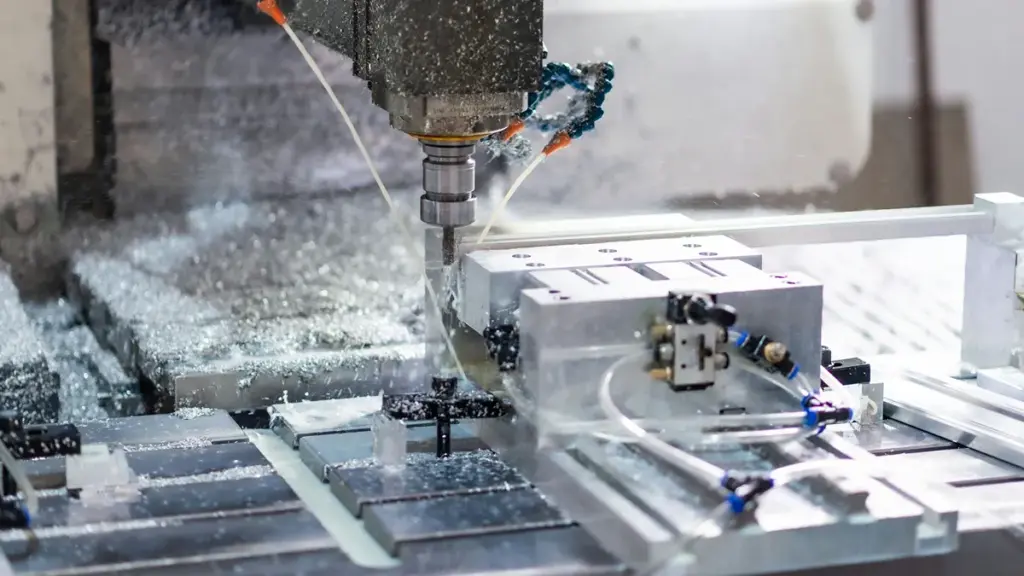
Wenn Formen über einen längeren Zeitraum mit geschmolzenem Aluminium bei hoher Temperatur in Kontakt kommen, Die Oberflächenhärte kann nicht sinken. Einmal weich, Die Hohlraumoberfläche wird durch den Aluminiumfluss erodiert, Bildung “Gruben,” Maßgenauigkeit verlieren, und möglicherweise zu Lötstellen führen.
Die Rothärte von H13 ESR ist für die allermeisten Fälle ausreichend Aluminium-Druckgussanwendungen. Jedoch, 8418, mit seinemerhöhter Mo-Gehalt, Bietet hervorragende Hochtemperaturfestigkeit und Anlassbeständigkeit, Aufrechterhaltung einer hervorragenden Leistung auch bei extrem hohen Temperaturen (z.B., 680°C-Umgebungen).
In Bezug auf die Beständigkeit gegen Erosion durch geschmolzenes Aluminium (Löten): desto dichter und sauberer ist die Stahlmatrix, desto besser ist seine Widerstandsfähigkeit “Angriff” durch geschmolzenes Aluminium. Beide Klassen schneiden in dieser Hinsicht gut ab, 8418 bietet jedoch aufgrund seiner überlegenen Hochtemperatureigenschaften ein geringeres Lötrisiko.
Andere Schlüsseleigenschaften: Wärmeleitfähigkeit, Polierbarkeit, Stabilität der Wärmebehandlung
- Wärmeleitfähigkeit: 8418 nimmt a anLow-Si-Design für eine höhere Wärmeleitfähigkeit, Ermöglicht eine schnellere Wärmeableitung aus dem Hohlraum, um lokale Überhitzung zu reduzieren und thermische Rissbildung zu verzögern.
- Polierbarkeit: Hochreiner Stahl weist nach dem Polieren weniger Oberflächenfehler auf. Sowohl H13 ESR als auch 8418 bieten eine gute Polierbarkeit, um kosmetische Oberflächenanforderungen zu erfüllen.
- Stabilität der Wärmebehandlung: Beide Sorten erreichen eine einheitliche Härte (44–48 HRC für typisch Die Casting -Anwendungen) mit minimaler Verzerrung. 8418Die Härtbarkeit ist hervorragend, Daher ist es ideal für große Formen.
Auswahlhilfe: H13 ESR oder 8418?
Priorisieren Sie H13 ESR, wenn:
- Konventionelle Aluminium-Druckgussteile mit nicht extremen Geometrien; erwartete Formlebensdauer von 50.000–80.000 Schüssen.
- Suche nach einer ausgewogenen Lösung zwischen Leistung und Kosteneffizienz.
- Ich bevorzuge einen reifen, Mainstream-Wahl mit umfassender Anwendungshistorie und kontrolliertem Risiko.
Erwägen Sie ein Upgrade auf 8418 Wann:
- Maschinen mit großer Tonnage (z.B., 1600T und höher) dick produzieren, großflächige Bauteile.
- Komplexe Formgeometrie mit dünnen Wänden, tiefe Hohlräume, Scharfe Ecken – Merkmale, die anfällig für Risse sind.
- Anspruchsvolle längere Lebensdauer der Form, reduzierte Wartungshäufigkeit, und verlängerte Produktionszyklen.
- Thermische Ermüdungsrisse sind die Hauptursache für aktuelle Formenausfälle.
Um es einfach auszudrücken: H13 ESR ist Ihr “Hauptkraft”– Ausgewogen, zuverlässig, und kostengünstig. 8418 ist dein “Spezialeinheiten”– gebaut für harte Schlachten, längeres Leben, zu höheren Kosten.Die Wahl hängt von Ihrem Fehlermodus und Ihrer Kostengleichung ab.
Bei beiden handelt es sich um erstklassige Stähle – wählen Sie mit Bedacht aus, und sie werden zu leistungsstarken Werkzeugen zur Kostensenkung und Effizienzsteigerung.
Unser Team aus Materialspezialisten hilft Ihnen gerne bei der Auswahl des optimalen Formenstahls für Ihre spezifische Anwendung. Kontaktieren Sie uns für eine Beratung.
Anna Deng
Internationaler Vertriebsleiter
Telefon: +86 18988689969
WhatsApp: +86 18988689969
WeChat: 18988689969 / denglijuan1025
E-Mail: sales@mag-cast.com