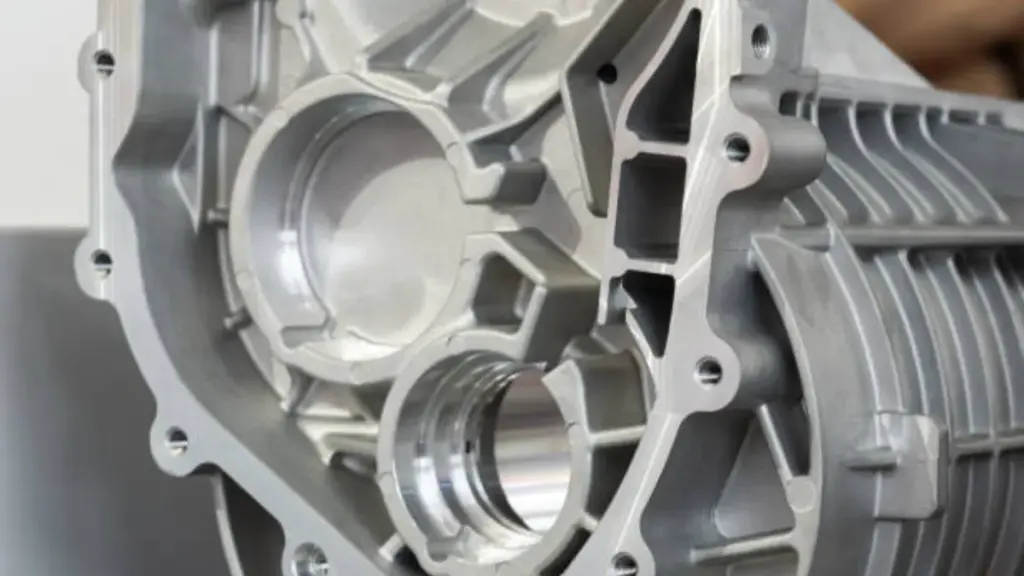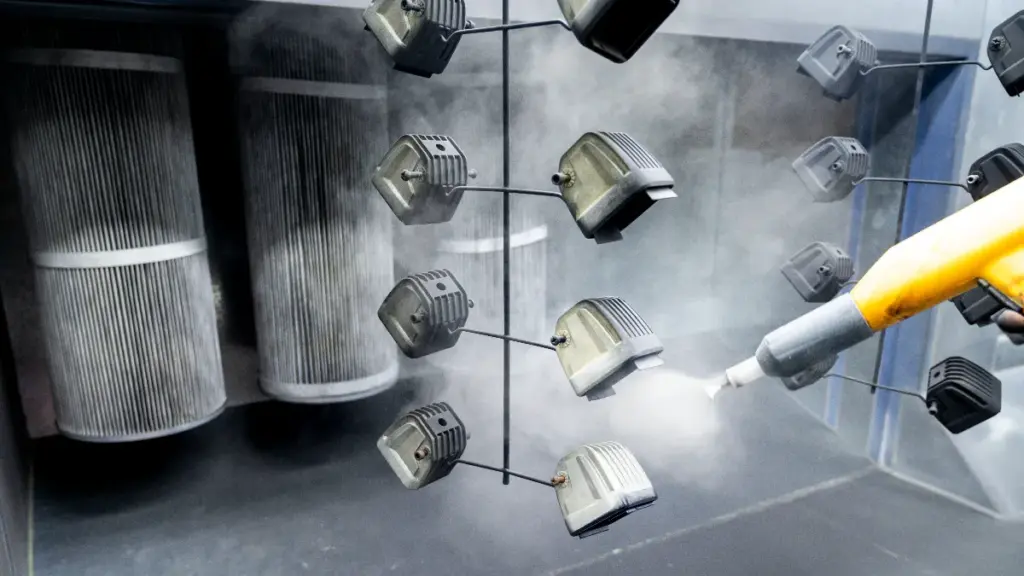
アルミダイカスト製造において, 金型はお金のプリンターです. 1 時間ダウンするたびに多大なコストがかかります - それは事実です. したがって、金型をより長く、より確実に稼働し続けることは、すべてのダイカストにとって最優先事項です。.
の労働環境 ダイカスト金型 まさに地獄です. キャビティ表面は溶融アルミニウムと繰り返し接触します。 600–700℃, その後、離型剤と水によって急速に冷却されます. サーマルサイクリング, 高圧衝撃, アルミニウムフローエロージョン, はんだ付け… この過酷な状況下で, 金型鋼は絶え間ない脅威に直面しています: 熱疲労亀裂, チッピング, エッジ崩壊, 侵食, そしてはんだ付け.
これらすべてに耐えるために, 金型鋼自体が優れている必要があります. 当社で最もよく使用される 2 つのプレミアム素材 —H13 ESRと 8418—どのように選択しますか? 実用的なダイカストの観点から分析してみましょう.
| 財産 | H13 ESR | 8418 |
|---|---|---|
| 耐熱疲労性 | 素晴らしい | 優れたものから優れたものまで |
| 靭性 | 素晴らしい | 非常に高い |
| 熱間硬度 | 素晴らしい | 素晴らしい |
| 熱伝導率 | 良い | 良いから非常に良い |
| 耐熱性チェック | とても良い | 素晴らしい |
| 大型ダイの用途 | 適切な | 特に適している |
| 複雑な金型形状 | 適切な | 強力な選択 |
| 申請履歴 | 非常に広範囲にわたる | 要求の厳しいアプリケーションでの使用が増加 |
| 料金 | より経済的 | 一般に高い |
| ベストユース | バランスの取れたパフォーマンスとコスト | 需要の高い, ダイ寿命延長アプリケーション |
耐熱疲労性: 防衛の第一線
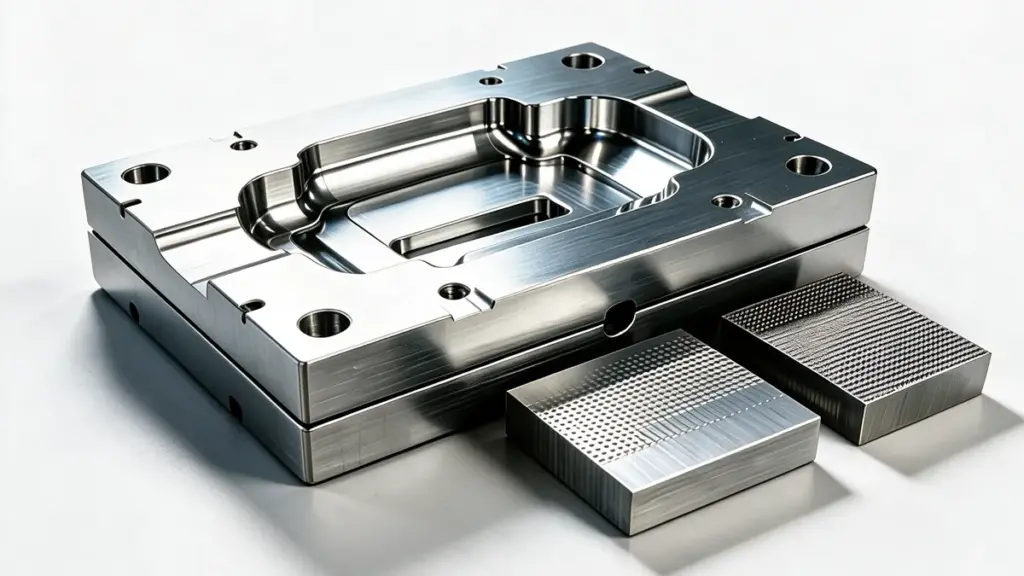
結論から始めましょう:熱疲労亀裂は、 #1 ダイカスト金型の故障の原因, すべての失敗の 60 ~ 70% を占める.
キャビティ表面は熱サイクル下で膨張と収縮を繰り返します。. 熱応力が蓄積する. 応力が材料の弾性限界を超えた場合, 微細な亀裂が現れる. これは “熱チェック。” 開始すると, 金型を廃棄するまで亀裂は深まるばかりです.
H13 ESR, エレクトロスラグ再溶解のおかげで (ESR) 洗練, 高純度を提供します, 最小限の内部欠陥, すでに熱疲労において従来の電炉鋼を上回っており、主流の選択肢となっています。.
8418, しかし, より明確な目標を持って設計されています—熱疲労耐性の向上. 最適化された化学 (より高いMo, 低Si) 熱応力を効果的に軽減し、ヒートチェックを抑制します。. 一部のデータは、窒素含有量を減らすと熱疲労性能がさらに向上することを示唆しています。 8418.
結論: 金型が熱に弱い場合はチェックしてください, または動作条件が特に厳しい場合, 8418の熱疲労の利点がさらに顕著になります.
靭性 & 耐衝撃性: ESRの価値
ダイカストは高圧プロセスです. 金型は熱に耐えるだけでなく、重大な機械的衝撃にも耐えます. 靭性が不足するとチッピングが発生します, エッジ崩壊, あるいは壊滅的な亀裂さえも.
H13 ESR と 8418 を活用するエレクトロ 再溶解の一種 (ESR) プロセス. このプロセスの核となる価値は、精製: 硫黄を減らす, リン, およびその他の不純物, 非金属介在物を最小限に抑える, 化学物質の偏析を排除する. 結果は大幅に改善されました清潔さと バリ, 靭性が著しく増加した.
違い: 8418 より高い靭性マージンを備えた改良された熱間加工鋼です, 特に厚いものに適しています, 大きな断面の部品と複雑な金型形状.
赤の硬度 (熱間硬度) & 耐浸食性
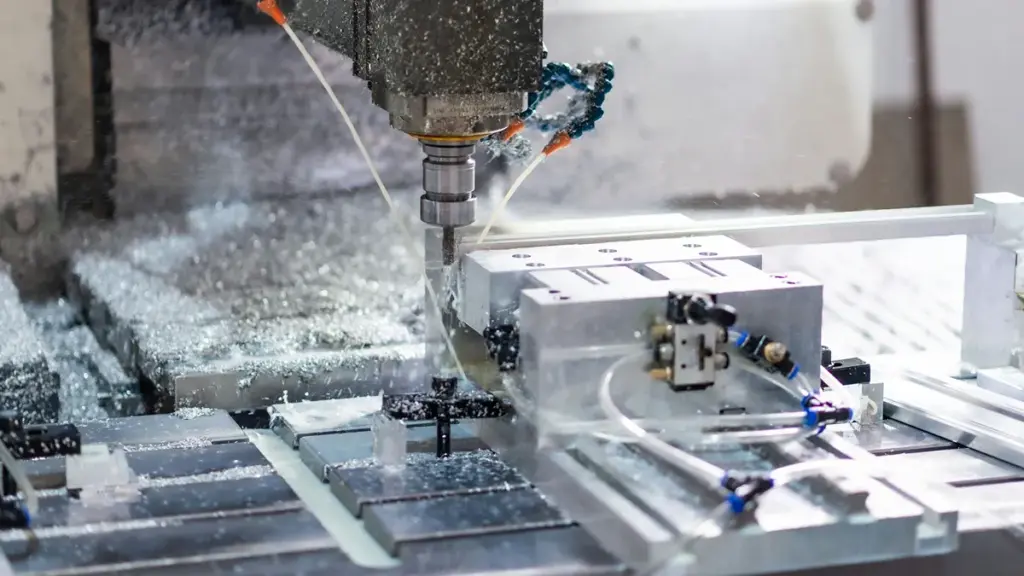
金型が高温の溶融アルミニウムに長時間接触した場合, 表面硬度が下がらない. 柔らかくなったら, キャビティ表面はアルミニウムの流れによって侵食されます, 形にする “穴,” 寸法精度が失われる, はんだ付けの原因となる可能性があります.
H13 ESR の赤色の硬度は、ほとんどの用途に十分です。 アルミダイカスト用途. しかし, 8418, それとMo含有量の増加, 優れた高温強度と耐焼戻し性を実現, 超高温条件下でも優れた性能を維持 (例えば, 680℃環境).
アルミ溶融浸食に対する耐性について (はんだ付け): 鋼母材がより緻密でよりきれいになる, 抵抗する能力が優れているほど “攻撃” 溶融アルミニウムによる. この点ではどちらのグレードも優れたパフォーマンスを発揮します, しかし、8418 は優れた高温特性を備えているため、はんだ付けのリスクが低くなります。.
その他の主要なプロパティ: 熱伝導率, 研磨性, 熱処理の安定性
- 熱伝導率: 8418 を採用します低Si設計 より高い熱伝導率を実現するために, キャビティからの熱抽出を高速化して局所的な過熱を軽減し、熱亀裂を遅らせることができます。.
- 研磨性: 高純度鋼なので研磨後の表面欠陥が少ない. H13 ESR と 8418 化粧面の要件を満たす良好な研磨性を提供します.
- 熱処理の安定性: どちらのグレードも均一な硬度を実現 (44–48 HRC(典型的な場合) ダイキャスティングアプリケーション) 歪みを最小限に抑えた. 8418焼入性が優れています, 大型金型に最適です.
セレクションガイド: H13 ESR または 8418?
次の場合に H13 ESR を優先します。:
- 極端ではない形状の従来のアルミニウム ダイカスト; 予想される金型寿命は 50,000 ~ 80,000 ショット.
- パフォーマンスと費用対効果のバランスの取れたソリューションを追求.
- 成熟したものを好む, 豊富なアプリケーション履歴と管理されたリスクを備えた主流の選択肢.
へのアップグレードを検討してください 8418 いつ:
- 大トン数の機械 (例えば, 1600T以上) 厚いものを作る, 大型構造部品.
- 薄肉の複雑な金型形状, 深い空洞, 鋭い角 - 亀裂が入りやすい部分.
- 金型の長寿命化が求められる, メンテナンス頻度の削減, 生産サイクルの延長.
- 熱疲労亀裂は現在の金型故障の主な原因です.
簡単に言うと: H13 ESR はあなたのものです “主力”—バランスの取れた, 信頼性のある, そして費用対効果. 8418 あなたの “特殊部隊”—厳しい戦いのために作られた, 長寿命, より高いコストで.選択は故障モードとコスト計算式によって決まります.
どちらも高級鋼です - 賢明に選択してください, これらはコスト削減と効率向上のための強力なツールになります。.
当社の材料専門家チームは、お客様の特定の用途に最適な金型鋼の選択をお手伝いいたします。. ご相談はお問い合わせください.
アンナ・デン
インターナショナルセールスマネージャー
電話: +86 18988689969
ワッツアップ: +86 18988689969
微信: 18988689969 / デンリジュアン1025
電子メール: sales@mag-cast.com