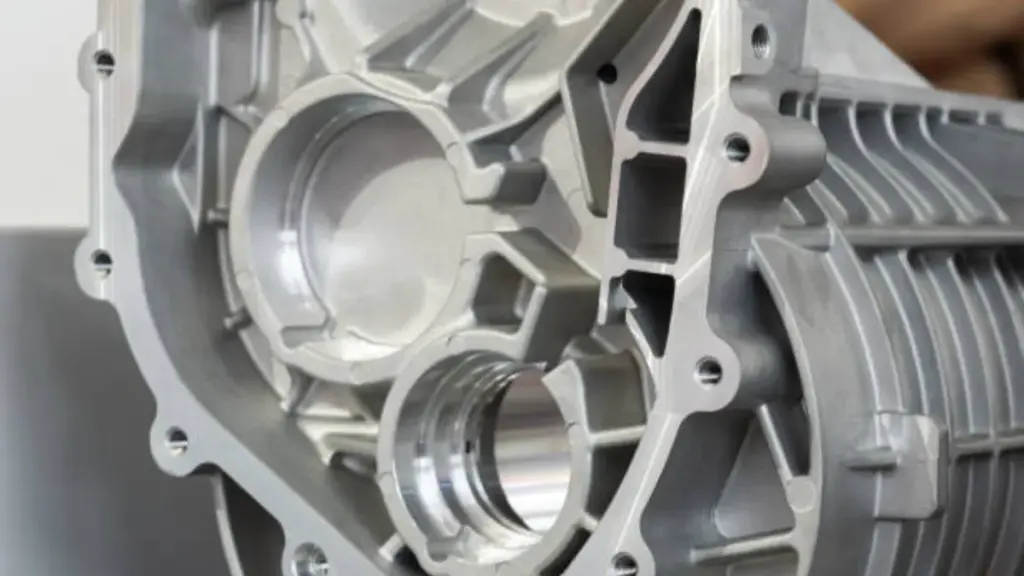
Leichte Gehäuse-Druckgussteile werden häufig in LED-Straßenlaternen verwendet, Flutlichter, und industrielle Beleuchtungssysteme, wo gleichbleibende Qualität und Rückverfolgbarkeit der Produktion von entscheidender Bedeutung sind. Da OEM-Käufer eine größere Transparenz der Herstellungsprozesse fordern, Rückverfolgbarkeit ist zu einem wichtigen Faktor bei der Lieferantenauswahl geworden. Bei Bian Diecast, Wir verwenden ein Manufacturing Execution System (MES) um Produktionsdaten während des gesamten Herstellungsprozesses zu verfolgen, von der Rohstoffüberprüfung bis zum endgültigen Versand. In diesem Artikel, Wir werden untersuchen, wie MES die Rückverfolgbarkeit von Druckgussteilen für Leuchtengehäuse verbessert und warum es Leuchtenherstellern und -käufern dabei hilft, eine bessere Qualitätskontrolle zu erreichen, schnellere Problemlösung, und stärkeres Vertrauen in die Lieferkette.
Warum Rückverfolgbarkeit bei Druckgussprojekten für Leichtbauwohnungen wichtig ist
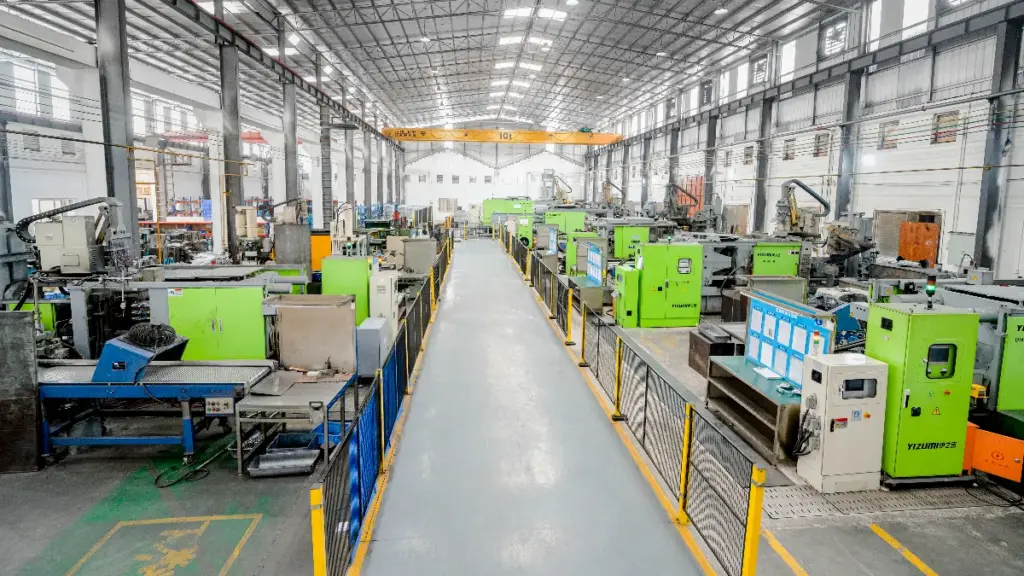
Rückverfolgbarkeit ist das Rückgrat der Qualitätskontrolle beim Druckguss von Leichtgehäusen. Es schränkt Rückrufe ein, stellt die Audit-Compliance sicher, und wirkt sich durch die Isolierung exakter Prozessvariablen direkt auf Ihr Endergebnis aus.
Qualitätssicherung und Fehlereindämmung
Wenn ein Kunde einen thermischen Fehler oder ein Leck meldet, Das Erraten der Grundursache kostet Zeit und Geld. Druckguss hat inhärente Variablen, und Sie benötigen einen direkten Einblick in die genauen Vorgänge während der Produktion.
- Variable Verknüpfung: Verbindet Schmelzanalyse- und Inspektionsergebnisse direkt mit einzelnen Leuchtengehäusen.
- Beschleunigung an der Wurzel: Beschleunigt Untersuchungen bei Leckagen, Korrosion, oder thermische Ausfälle.
- Gezielte Eindämmung: Ermöglicht es Betrieben, bestimmte Chargen zu isolieren, anstatt einen gesamten Produktionslauf unter Quarantäne zu stellen.
Einhaltung von Industriestandards
Beleuchtungs-OEMs fordern strenge Anforderungen auf Automobilniveau für den Straßenverkehr, Tunnel, und industrielle Beleuchtungsprogramme. Ohne harte Daten, Eine Prüfung zu überstehen ist ein harter Kampf.
- Standardausrichtung: Erfüllt ISO 9001 und von großen OEMs geforderte Qualitätsstandards auf Automobilniveau.
- Auditbereitschaft: Erzeugt objektive Konformitätsnachweise für die Sicherheit, Haltbarkeit, und EMV-Audits.
- Spezifikationsnachweis: Bestätigt, dass die gelieferten Gehäuse perfekt den genehmigten Materialspezifikationen und validierten Prozessfenstern entsprechen.
Verwalten technischer Änderungen
Beleuchtungsprogramme entwickeln sich ständig weiter. Sie passen die Kühlkörpergeometrien zur thermischen Optimierung an oder optimieren die Montagefunktionen für neue Halterungen. Die Verfolgung dieser Verschiebungen verhindert Chaos am Fließband und im Feld.
- Revisionskontrolle: Verhindert die versehentliche Vermischung verschiedener Designrevisionen innerhalb derselben globalen Lieferung.
- Änderungsverfolgung: Protokolliert häufige Aktualisierungen der Kühlkörpergeometrie, Montagefunktionen, und Oberflächenbehandlungen.
- Klarheit im Außendienst: Ermöglicht Außendienstteams, ausgefallene Einheiten auf ihre genauen Design- und Prozessversionen zurückzuverfolgen.
Kostenkontrolle und Reduzierung des Garantierisikos
Ein pauschaler Rückruf vernichtet Margen. Wenn Sie genau wissen, welche Maschine, Schicht, und die Legierungscharge verursachte einen Defekt, Ihr finanzielles Risiko schrumpft von Tausenden Einheiten auf nur eine Handvoll.
- Rückrufbeschränkung: Schränkt die verdächtige Population auf ein bestimmtes Zeitfenster ein, Maschine, oder Legierungslos.
- Ausschussreduzierung: Korreliert abnormale Fehlerspitzen direkt mit dem Werkzeugverschleiß oder bestimmten Materialchargen.
- Haftungsklarheit: Verwendet überprüfbare Daten, um die Verantwortlichkeiten zwischen Gießereien zu klären, Beschichter, und Leuchtenmonteure.
Wie MES Gussbearbeitungsinspektionen und Versandaufzeichnungen verbindet
| Produktionsphase | Erfasste Daten | Rückverfolgbarkeitswert |
|---|---|---|
| Casting | Schmelzspezifikationen, Einspritzgeschwindigkeit, Die Zeit | Legt den genauen Teileursprung fest |
| Bearbeitung | CNC-Programme, Werkzeugverschleiß, Routenführung | Kartiert physische Transformationen |
| Inspektion | Dichtheitsprüfungen, CMM-Prüfungen, Visuals | Löst die Vorwärts-/Rückwärtsverfolgung aus |
| Logistik | Container-IDs, Kundenaufträge | Ermöglicht eine gezielte Feldeindämmung |
Datenerfassung in der Casting-Phase
Die Rückverfolgbarkeitskette beginnt in dem Moment, in dem geschmolzenes Aluminium auf die Form trifft. Anstatt sich auf manuelle Protokolle zu verlassen, Das Ausführungssystem erfasst Echtzeitvariablen direkt aus der Gusszelle, um die Basisschicht der Teilegenealogie aufzubauen.
- Zeichnen Sie die Schmelzdaten des Ofens auf: Enthält Legierungsspezifikationen, Lieferantenchargen, und Temperaturprofile.
- Erfassen Sie die Parameter der Druckgussmaschine: Verfolgt die Einspritzgeschwindigkeit, Verstärkungsdruck, und sterben Temperatur Zyklus für Zyklus.
- Weisen Sie eine Gusslos-ID zu und verknüpfen Sie sie: Sofort anwendbar durch direkte Lasermarkierung oder Behälterverfolgung.
Durch die Verknüpfung dieser spezifischen Parameter mit einer Chargen-ID können Rohstoffprobleme oder Ofenabweichungen bereits frühzeitig im Prozess isoliert werden. Sie wissen genau, welcher Schuss welchem Temperaturfenster entspricht.
Verfolgung von Bearbeitungstransformationen
Rohgussteile durchlaufen vor dem Zusammenbau mehrere Sekundärvorgänge. Durch die Verfolgung dieser physischen Transformationen wissen Sie genau, welche Werkzeuge verwendet werden, Betreiber, und Vorrichtungen interagierten mit jedem Gehäuse.
- Routing-Sequenzen protokollieren: Verfolgt Maschinen-IDs und CNC-Programmrevisionen für eine genaue Versionskontrolle.
- Zeichnen Sie Inline-SPC-Messungen auf: Erfasst Werkzeugverschleißdaten, Zykluszeiten, und Offset-Änderungen.
- Scannen Sie Serien- oder Chargen-IDs: Verbindet bearbeitete Teile vor und nach dem Betrieb wieder mit ihren Gussursprüngen.
Integration von Inspektions- und Qualitätsaufzeichnungen
Qualitätsprüfungen haben keinen Sinn, wenn sie vom physischen Teil losgelöst sind. MES fügt Pass/Fail-Kriterien und exakte Messungen direkt dem digitalen Läufer hinzu.
- Prüfergebnisse beifügen: Verknüpft Maßprüfungen, Sichtprüfungen, und Lecktestdaten direkt an Teile- oder Chargenidentifikatoren weiterleiten.
- Lösen Sie die Vorwärtsverfolgbarkeit aus: Verhindert, dass verdächtige Teile automatisch in die Verpackung oder weitere Bearbeitung gelangen.
- Sorgen Sie für Rückverfolgbarkeit: Ruft spezifische Guss- oder Bearbeitungsparameter zur sofortigen Ursachenanalyse ab.
Wenn ein Gehäuse den IP-Dichtheitstest nicht besteht, Ingenieure ermitteln die exakte Temperatur und Einspritzgeschwindigkeit der Matrize, die während ihrer Herstellung verwendet wurde, um die Grundursache zu beheben.
Verknüpfung von Logistik und ausgehenden Sendungen
Das letzte Glied in der Kette übersetzt interne Produktionskennzahlen in ausgehende Logistikaufzeichnungen. In dieser Phase wird sichergestellt, dass OEM-Kunden einen dokumentierten Nachweis der Prozesskontrolle erhalten.
- Verifizierte Teile zuordnen: Platziert Teile auf bestimmten Paletten, Boxen, oder Mehrwegbehälter zur Aufrechterhaltung der Genealogie.
- Container-IDs verbinden: Ordnet einzelne Paletten Kundenaufträgen zu, Lieferscheine, und ausgehende Sendungsaufzeichnungen.
- Ermöglichen Sie eine gezielte Eindämmung: Ermittelt die genauen Versandorte für alle betroffenen Teile- oder Chargencodes.
Bei Bian Diecast, Unser MES integriert die Materialverfolgung, Druckguss, CNC-Bearbeitung, Inspektion, und Sendungsaufzeichnungen in einen einheitlichen digitalen Workflow. Dadurch kann unser Team schnell Produktionsverläufe und Qualitätsdokumentationen abrufen, wenn Kunden technische Unterstützung benötigen, Audit-Aufzeichnungen, oder Ursachenforschung.
Hochpräzise kundenspezifische Druckgusslösungen
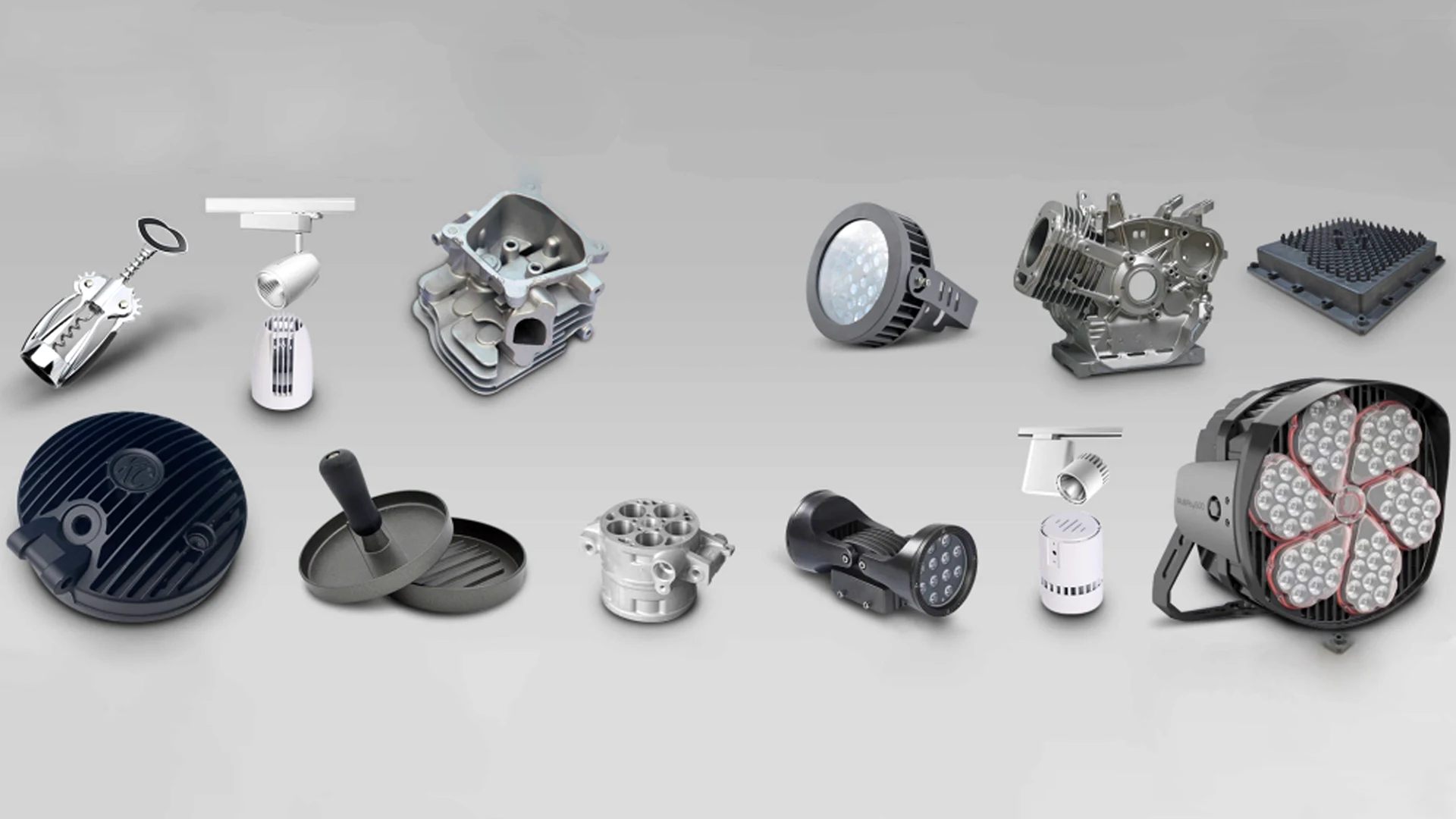
Die Rückverfolgbarkeit von Qualitätsproblemen hilft Käufern, diese schneller zu untersuchen
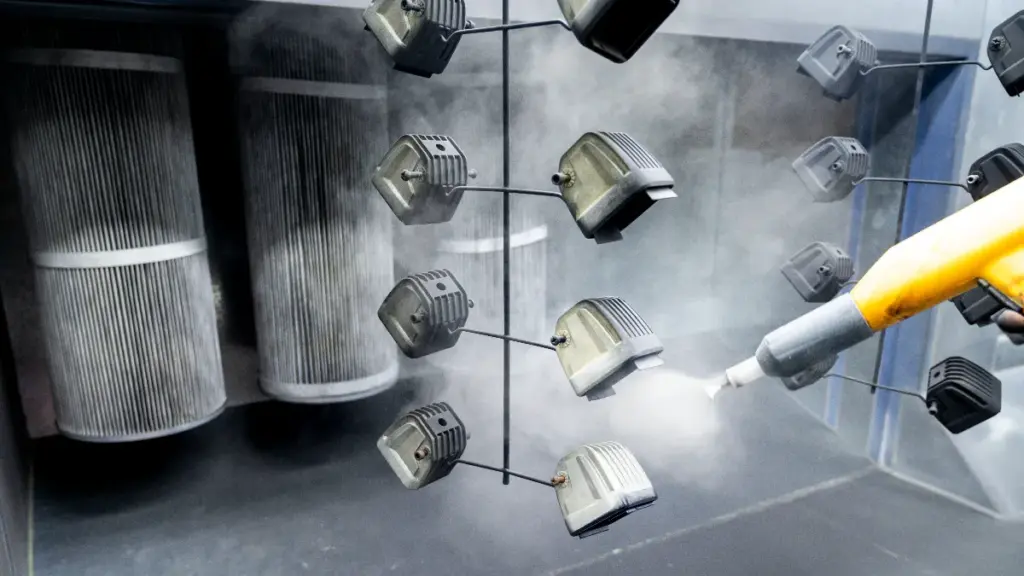
Rückverfolgbarkeitssysteme isolieren die genauen Ursachen von Gussfehlern, Käufern wird ermöglicht, bestimmte Chargen einzudämmen, anstatt ganze Lieferungen zurückzurufen oder Produktionslinien anzuhalten.
Luftleckagen und strukturelle Integritätsfehler
Wenn zusammengebaute Leuchten die IP-Schutzprüfungen aufgrund von Wassereintritt oder Kondensation nicht bestehen, Durch die Rückverfolgbarkeit werden diese Fehler direkt mit der Produktionsquelle verknüpft. Käufer können die genaue Druckgussmaschine bestimmen, Schmelzcharge, und Prozessfenster, das für den Fehler verantwortlich ist.
- Ursachenisolierung: Verfolgen Sie Gasporosität und Kaltabschaltungen, um gebrochene Befestigungslaschen oder strukturelle Risse zu erklären.
- Gezielte Eindämmung: Beschränken Sie den Aufwand für erneute Tests auf präzise Serienbereiche, anstatt ganze Lieferungen zu stoppen.
Maßabweichungen und Montagepassung
Wenn die Leiterplatten oder Dichtungen des Leichtmotors nicht richtig im Gehäuse sitzen, Rückverfolgbarkeitsdaten trennen Gussabweichungen von Bearbeitungsfehlern nach der Bearbeitung. Dies verhindert, dass Bediener einwandfreie Teile verschrotten, während Ingenieure die Ursache eines Montageproblems erraten.
- Casting-Variablen: Verschieben Sie falsch ausgerichtete Lochmuster oder eine schlechte Ebenheit der Dichtung auf schwankende Werkzeugtemperaturen oder eine verschlechterte Werkzeugausrichtung.
- Bearbeitungsfehler: Verknüpfen Sie Gehäuse außerhalb der Toleranz mit exakten CNC-Zentren, Fixture-IDs, und bestimmte Programmversionen.
Oberflächenfehler, Beschichtung, und vorzeitige Korrosion
Vorzeitige Korrosion und Lackhaftungsfehler bei Außenbeleuchtungen erfordern eine sofortige Untersuchung. Eine nachvollziehbare Aufzeichnung erkennt sofort einen Gussfehler, wie oberflächengebundene Porosität, durch Kontamination der nachgeschalteten Beschichtungsanlage.
- Beschichtungsprozesse: Binden Sie Blasenbildung und Haftungsfehler bei der Pulverbeschichtung an bestimmte Vorbehandlungsbelastungen, chemische Badkonzentrationen, oder Aushärteofeneinstellungen.
- Materielle Integrität: Korrelieren Sie fehlgeschlagene Außenumgebungstests mit der genauen Legierungscharge und den Aufzeichnungen der eingehenden Materialprüfung.
Mängel bei Wärmemanagement und Wärmeableitung
Die Temperaturen der LED-Sperrschicht hängen vollständig von den Kühlkörpereigenschaften des Druckgussgehäuses ab. Wenn Module im Betrieb überhitzen, Käufer verwenden Trace-Daten, um zu überprüfen, ob der Fehler auf das Gusssubstrat oder den endgültigen Montageprozess der LED-Platine zurückzuführen ist.
- Gussvarianten: Ordnen Sie thermische Ausfälle einer inkonsistenten Wandstärke oder inneren Porosität zu, die die Wärmeleitfähigkeit verringert.
- Leistungsbenchmarking: Vergleichen Sie die Wärmeableitungsdaten verschiedener Legierungschargen und gezielte Modifikationen der Formkühlung.
Gefälschte Teile und Einbrüche aus gemischten Quellen
Uneinheitliche Qualität bei optisch identischen Gehäusen weist häufig auf eine unbefugte Vermischung in der Lieferkette hin. Permanente Identifizierungsmethoden geben Käufern die Möglichkeit, die Herkunft der Komponenten sofort zu validieren und eine strenge Qualitätsüberwachung aufrechtzuerhalten.
- Herkunftsüberprüfung: Bestätigen Sie die Teileauthentizität mithilfe direkter Lasermarkierungen, Nadelprägecodes, oder eingebettete RFID-Tags.
- Verantwortung des Lieferanten: Erkennen Sie nicht genehmigte Subunternehmer, die in die Lieferkette gelangen, und stellen Sie sicher, dass Korrekturmaßnahmen auf die tatsächliche Ursache des Herstellungsfehlers abzielen.
Wie Lasermarkierung die Chargenverfolgung in der gesamten Wohnungsbauproduktion unterstützt
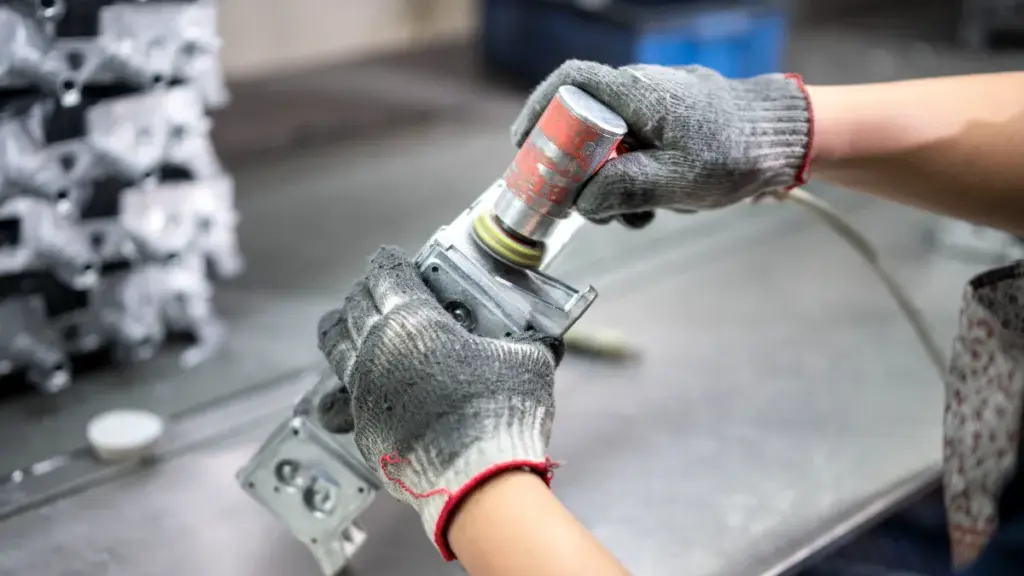
Lasermarkierte 2D-Data-Matrix-Codes stellen eine dauerhafte digitale Verbindung zwischen jedem physischen Gehäuse und seiner MES-Produktionsgeschichte her, Die Gewährleistung der Rückverfolgbarkeit übersteht aggressive Nachgussvorgänge ohne manuelle Werkzeugwechsel.
Direkte Integration mit Manufacturing Execution Systemen (MES)
Durch die Lasermarkierung wird eine dauerhafte Einbettung vorgenommen, maschinenlesbare Kennzeichnung direkt auf der Aluminium-Druckgussoberfläche. Dieser Identifikator fungiert als zentraler Anker für das Fabriknetzwerk.
- Primärer digitaler Schlüssel: Als Hauptauslöser für MES-Plattformen dienen lasermarkierte 2D-Data-Matrix-Codes, Sofortiges Abrufen vollständiger Teilehistorien.
- Parameterzuordnung: Der Code ordnet jedes physische Gehäuse bestimmten Schmelzchargen zu, Die Hohlräume, Bedienerwechsel, und Injektionsparameter.
- Dynamische Aktualisierung: Die Software aktualisiert variable Chargeninformationen dynamisch, Dadurch entfällt die Notwendigkeit, die Produktion wegen physischer Werkzeugänderungen anzuhalten.
Erleichtert die Nachverfolgung auf Los- und Einheitenebene
Produktionsvolumen und Haftungsrisiko bestimmen, wie detailliert Ihre Rückverfolgbarkeit sein muss. Konfigurierbare Lasersysteme passen sich im Handumdrehen an beide Produktionsstile an.
- Verfolgung auf Chargenebene: Überwacht großvolumige Chargen, die durch bestimmte Legierungsschmelzen oder feste Produktionszyklen definiert sind.
- Rückverfolgbarkeit auf Einheitenebene: Weist jedem einzelnen Gussstück eine eindeutige Seriennummer zu, um bei risikoreichen oder komplexen Gehäusen maximale Granularität zu gewährleisten.
- Gezielte Eindämmung: Ermöglicht gezielte Eindämmungsstrategien, wenn Prozessparameter während einer bestimmten Aufnahme abweichen, Gutteile aus der Schrotttonne retten.
Aufrechterhaltung der Rückverfolgbarkeit durch Post-Casting-Workflows
Leichte Gehäuse werden einer brutalen Nachbearbeitung unterzogen. Ein Rückverfolgungssystem versagt, wenn der Code während der Oberflächenvorbereitung verschwindet. Wir kalibrieren Lasersysteme so, dass sie tief genug ätzen, um die gesamte Endbearbeitungssequenz zu überstehen.
- Operationswiderstand: Die Laserparameter sind so optimiert, dass die Markierungen aggressiven Folgevorgängen wie Kugelstrahlen standhalten, CNC-Bearbeitung, und thermische Pulverbeschichtung.
- Automatisiertes Scannen: Vision-Systeme lesen den 2D-Code beim anschließenden Beschneiden automatisch, entgraten, und Montageplätze ohne manuellen Eingriff.
- Komponentenprotokollierung: Das System protokolliert Inline-Prüfentscheidungen und Unterbaugruppenkomponenten (wie LED-Platinen und Silikondichtungen) direkt gegen den Ausweis des Castings.
Ermöglicht eine schnelle Vorwärts- und Rückverfolgbarkeit
Wenn ein Defekt auftritt, Geschwindigkeit ist Ihre primäre Verteidigung. Permanente Lasermarkierungen verwandeln langsame manuelle Untersuchungen in sofortige Datenbankabfragen.
- Vorwärtsrückverfolgbarkeit: Spuren vermuten Schmelzen oder Prozessabweichungen, um betroffene Gehäuse zu isolieren, bevor sie die Versandrampe erreichen.
- Rückverfolgbarkeit: Das Feld „Links“ führt direkt zurück zu spezifischen Druckgussprozesssignaturen und Werkzeugwartungsdaten.
- Quarantänereduzierung: Begrenzt die Größe der Produktquarantänen und minimiert die Untersuchungszeit im Vergleich zu gefährdeten Produkten, Methoden zur Papier- und Etikettenverfolgung.
Was Käufer in einem System zur Rückverfolgbarkeit von Lieferanten überprüfen sollten
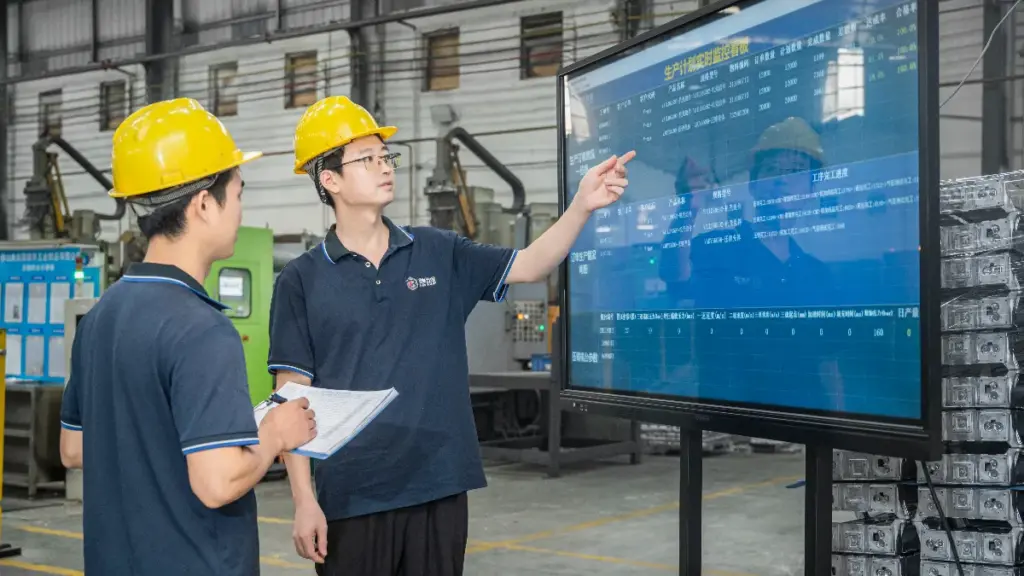
Stellen Sie sicher, dass das Rückverfolgbarkeitssystem eines Lieferanten die genaue Geschichte jedes Leuchtengehäuses rekonstruiert, vom Eingang der Rohlegierung bis zum endgültigen Versand, mittels direkter Teilemarkierung und MES-Integration.
Umfang der Rückverfolgbarkeit und Teileidentifizierung
Ein zuverlässiges System führt eine vollständige End-to-End-Vorwärts- und Rückverfolgbarkeit durch. Wenn ein Gehäuse vor Ort ausfällt, Sie müssen in der Lage sein, es bis zur genauen Ofenschmelze zurückzuverfolgen. Umgekehrt, wenn ein Lieferant eine fehlerhafte Legierungscharge meldet, Sie müssen sofort erkennen, welche Kundensendung diese Teile enthält.
Sie benötigen klare Definitionen der Losgrößen und der spezifischen Teilemarkierungsmethoden, die auf dem Gussboden verwendet werden. Zu den gängigen Identifikationsstrategien gehören::
- Lasergravur: Bringt dauerhafte Markierungen an, die einer Verarbeitung mit hoher Hitze standhalten.
- 2D-Matrix-Beschriftungen: Bietet hohe Dichte, maschinenlesbare Daten für automatisiertes MES-Scannen.
- Eingegossene Codes: Integriert Hohlraum-IDs oder Gießereilogos direkt in das physische Formwerkzeug.
Diese Identifikatoren müssen harte Sekundärprozesse überstehen. Stellen Sie sicher, dass die Codes nach dem Strahlen vollständig lesbar bleiben, taumelnd, CNC-Bearbeitung, und abschließende Pulverbeschichtung.
Wärmeverfolgung von Rohstoffen und Legierungen
Die Materialintegrität bestimmt die thermische und mechanische Leistung eines Leuchtengehäuses. Das MES des Lieferanten muss jede Produktionscharge direkt mit bestimmten Legierungsqualitäten verknüpfen, Schmelz- oder Wärmezahlen, und die Analysezertifikate des vorgelagerten Metalllieferanten (CoAs).
Zur Validierung des tatsächlich gegossenen Metalls, Überprüfen Sie, wie die Gießerei die chemische Zusammensetzung protokolliert. Das Rückverfolgbarkeitssystem sollte automatisch RFA- oder OES-Spektrometerwerte für jede Schmelze erfassen und zuordnen. Bewerten Sie ihre physischen und digitalen Kontrollen, um eine Vermischung von Legierungen zu verhindern. Wenn ein Ofen von A380 auf wechselt ADC12, Das System muss die Produktion sperren, bis die Bediener die Umstellung bestätigt haben, Dadurch wird sichergestellt, dass sich Legierungen, die nicht den Spezifikationen entsprechen, niemals in derselben Pfanne vermischen.
Prozessparameter und Qualitätsdatenprotokollierung
Die Verfolgung des physischen Teils löst nur einen Teil des Rätsels. Sie müssen beurteilen, ob das System kritische Druckgussvariablen für jedes Los oder jeden Schuss erfasst. Suchen Sie nach Datenprotokollen zur Schmelztemperatur, Einspritzgeschwindigkeitsprofile, und Vakuumstatus.
Die Werkzeugbedingungen wirken sich drastisch auf die Gussqualität aus. Stellen Sie sicher, dass der Lieferant die Wartungshistorie aktiv verfolgt, Kavitätenersatz, und Werkzeugverschleißgrenzen. Diese Daten müssen mit bestimmten Produktionsdaten verknüpft sein, damit Sie einen plötzlichen Anstieg des Grats oder der Porosität mit einer abgenutzten Wendeschneidplatte in Zusammenhang bringen können.
Qualitätsprüfungen haben keinen Wert, wenn sie in isolierten Tabellenkalkulationen stattfinden. Stellen Sie sicher, dass das MES alle Inspektionsergebnisse direkt mit den entsprechenden Maschinen- und Chargen-IDs verknüpft. Dazu gehört:
- Dimensionsmessungen: Verknüpft CMM-Berichte für kritische Montagevorsprünge und Linsensitze mit bestimmten Chargen-IDs.
- Röntgenkontrollen: Ordnet interne Porositätsscans direkt der entsprechenden Gießmaschine zu.
- Dichtheitsprüfungen: Verknüpft Druckabfallaufzeichnungen für IP-geschützte Gehäuse mit der genauen Produktionscharge.
Unterlieferanten- und Fremdverarbeitungsanbindung
Viele Druckguss-Gießereien greifen bei Spezialarbeiten auf externe Partner zurück. Prüfen Sie, ob ausgelagerte Prozesse vorhanden sind, wie lokalisiert Oberflächenveredelung, E-Beschichtung, oder Präzisionsbearbeitung, fallen unter den Hauptrahmen für die Rückverfolgbarkeit. Eine Lücke auf der Unterlieferantenebene beeinträchtigt das gesamte Gehäuse.
Zugekaufte Komponenten, die im Inneren des Gehäuses verwendet werden, erfordern die gleiche Prüfung. Dichtungen, Gewindeeinsätze, und Dichtungen müssen auf die Chargennummern ihrer ursprünglichen Unterlieferanten zurückverfolgbar bleiben. Überprüfen Sie die MES-Architektur des Hauptlieferanten, um sicherzustellen, dass diese externen Komponentenchargen während der Endmontage und Verpackung korrekt mit internen Produktionschargen zusammengeführt werden.
Systemintegration und Rückrufbereitschaft
Bewerten Sie die MES- und ERP-Infrastruktur des Lieferanten hinsichtlich zentraler Tracking-Funktionen. Das System muss elektronische Läufer nutzen, um Paletten zu verfolgen, Durchsetzung der automatisierten Datenerfassung an Inspektionsstationen, und führen Sie strenge Kontrollen durch, die den Versand nicht konformer Bestände physisch und digital verhindern.
Um zu beweisen, dass das System unter Druck funktioniert, Fordern Sie eine Proberückrufdemonstration an. Bitten Sie den Lieferanten, eine bestimmte Teilenummer des Leuchtengehäuses zu verwenden und eine schnelle Auswirkungsanalyse durchzuführen. Sie sollten das genaue Fehlerfenster isolieren und innerhalb von Minuten eine genaue Liste der betroffenen Sendungen erstellen.
Bestätigen Sie die Datenzugänglichkeit, bevor Sie Verträge unterzeichnen. Wenn ein Audit stattfindet oder ein Feldfehler auftritt, kommt es zu Spitzenausfällen, Sie brauchen sofort Antworten. Rückverfolgbarkeitsberichte, Materialzertifikate, und Prozessprotokolle müssen bei Bedarf generiert werden, Nachweis, dass der Lieferant seine Abläufe anhand überprüfbarer Daten kontrolliert.
Abschluss
Da die Qualitätsansprüche in der gesamten Beleuchtungsbranche weiter steigen, Rückverfolgbarkeit wird zu einem wesentlichen Bestandteil der modernen Druckgussfertigung. Ein MES-gesteuertes System hilft bei der Verbindung von Materialien, Produktionsprozesse, Inspektionen, und Sendungen in eine vollständige digitale Akte, was schnellere Ermittlungen ermöglicht, stärkere Qualitätskontrolle, und verbesserte OEM-Konformität.
Bei Bian Diecast, Wir investieren kontinuierlich in digitale Fertigungs- und Rückverfolgbarkeitssysteme, um unseren Kunden zu mehr Produktionstransparenz und Qualitätskonsistenz zu verhelfen. Ganz gleich, ob Sie neue Leichtbauprojekte entwickeln oder langfristige Druckgusslieferanten evaluieren, Ein starkes MES-basiertes Rückverfolgbarkeitssystem kann in der gesamten Lieferkette wertvolles Vertrauen schaffen.
Häufig gestellte Fragen
Was ist MES in der Fertigung??
Ein Manufacturing Execution System (MES) ist eine Werkstattsoftware, die die Produktion in Echtzeit verfolgt und verwaltet. Für den Leichtgehäuse-Druckguss, Es sitzt zwischen ERP-Systemen und Maschinensteuerungen, um Schussparameter zu überwachen, Spurlegierungschargen, und zeichnen Sie eine detaillierte Produktgenealogie vom Schmelzofen bis zur Endmontage auf.
Warum ist die Rückverfolgbarkeit für Druckguss-Leuchtengehäuse so wichtig??
Durch die Rückverfolgbarkeit wird jedes Gussstück mit seiner spezifischen Materialwärme in Verbindung gebracht, Maschine, Hohlraum, und Prozessbedingungen. Dies ermöglicht es Herstellern, die Grundursache von Mängeln schnell zu identifizieren, Isolieren Sie betroffene Chargen, um den Umfang des Rückrufs zu minimieren, und liefern einen objektiven Nachweis der Konformität für sicherheitskritische Automobil- und Industriebeleuchtungsanwendungen.
Welche Daten erfasst die Laserbeschriftung auf einem Druckgussgehäuse??
Lasermarkierte 2D-DataMatrix-Codes dienen als physische Verbindung zum digitalen MES-Datensatz eines Teils. Der Code selbst identifiziert normalerweise die Seriennummer des Teils, Produktionslos, und Zeitstempel, während das MES diese ID nutzt, um umfangreiche Prozessverläufe abzurufen, inklusive Gussparameter, Bearbeitungsversätze, Beschichtungschargendaten, und Inspektionstestergebnisse.
Kann ein MES physische Gussteile mit seinen Prüfprotokollen verknüpfen??
Ja. Durch Scannen der eindeutigen Kennung eines Castings, Inline-Vision-Systeme, Lecktester, und manuelle Prüfstationen senden Pass/Fail-Daten und Fehlercodes direkt an das MES. Dadurch entsteht ein einheitlicher Datensatz, der Qualitätsergebnisse und physikalische Abmessungen dauerhaft mit den genauen Maschinenparametern verknüpft, mit denen das Teil hergestellt wurde.
Wie unterstützt Rückverfolgbarkeitssoftware Lieferantenaudits??
Ein MES sorgt zentral für die Bereitstellung, objektiver Nachweis materieller Einnahmen, eingehende Inspektionsergebnisse, und genaue Einsatzorte für Zulieferkomponenten. Prüfer können bestimmte Materialchargen im gesamten Produktionsfluss verfolgen, um die Einhaltung zu überprüfen, Analysieren Sie historische Fehlerraten, und strukturieren leistungsbasierte Lieferantenbewertungen.