Ausfälle von LED-Straßenlaternengehäusen können ein profitables Beleuchtungsprojekt schnell zu einem kostspieligen Wartungsaufwand machen. Probleme wie Wassereintritt, Überhitzung, Korrosion, und Dichtungsfehler treten oft auf, lange bevor die LED ihre erwartete Lebensdauer erreicht, zu Gewährleistungsansprüchen führen, Ersatzkosten, und geringere Projektrenditen. Für Beleuchtungsmarken, OEM-Käufer, und Auftragnehmer, Das Verständnis dieser Ausfallrisiken ist entscheidend für die Verbesserung der langfristigen Zuverlässigkeit.
In diesem Artikel werden die häufigsten Fehlermechanismen beim Design von LED-Straßenlaternengehäusen erläutert und die Materialauswahl erläutert, Fertigungsqualität, und Validierungstests wirken sich direkt auf die Leistung im Freien und die Lebenszykluskosten aus.
Warum LED-Straßenlaternengehäuse versagen
Die Zuverlässigkeit im Außenbereich hängt davon ab, wie gut ein Gehäuse mit Hitze umgeht, Feuchtigkeit, Stress, und Umweltexposition zusammen, nicht nur LED-Leistung.
Das Gehäuse als ganzheitliches Schutzsystem
Viele Käufer setzen auf LEDs, Fahrer, und optische Leistung bei der Bewertung von Außenbeleuchtungsprodukten. Jedoch, Das Gehäuse spielt eine ebenso wichtige Rolle, da es alle kritischen Komponenten im Inneren der Leuchte schützt.
Ein gut gestaltetes Gehäuse für LED-Straßenlaternen muss mehrere Funktionen gleichzeitig ausführen:
- Wärmemanagement: Während des Betriebs entstehende Wärme abführen.
- Umweltschutz: Wasser verhindern, Staub, und Verunreinigungen gelangen nicht in das Gehäuse.
- Strukturelle Unterstützung: Widerstehen Sie Vibrationen, Windlasten, und mechanische Beanspruchung.
- Korrosionsbeständigkeit: Oberflächen vor Feuchtigkeit schützen, UV-Belastung, und raue Außenbedingungen.
Weil diese Funktionen eng miteinander verbunden sind, Die Verbesserung eines Bereichs ohne Berücksichtigung der anderen kann zu neuen Zuverlässigkeitsrisiken führen. Erfolgreiches Wohndesign erfordert einen ausgewogenen Ansatz, anstatt sich auf ein einziges Leistungsziel zu konzentrieren.
Die häufigsten Fehlermechanismen bei Outdoor-Projekten
Ausfälle von Außengehäusen sind in der Regel auf eine Kombination von Umwelt- und Herstellungsfaktoren zurückzuführen und nicht auf einen einzelnen Defekt.
Zu den häufigsten Fehlermechanismen gehören::
- Übermäßige Hitze: Beschleunigt die Alterung der Komponenten und verkürzt die Lebensdauer.
- Eindringen von Feuchtigkeit: Führt zu Korrosions- und elektrischen Zuverlässigkeitsproblemen.
- Porosität in Druckgussteilen: Erzeugt potenzielle Leckpfade und Schwachstellen.
- Verschleiß der Dichtung: Reduziert die langfristige Dichtungsleistung.
- Fehler bei der Oberflächenbeschichtung: Setzt Metalloberflächen Umwelteinflüssen aus.
- Mechanische Ermüdung: Schwächt mit der Zeit die strukturelle Stabilität.
Diese Probleme entwickeln sich oft schleichend und bleiben möglicherweise unbemerkt, bis die Leistung nachlässt.
Warum mehrere Fehlermodi häufig gleichzeitig auftreten
Wohnungsversagen treten selten isoliert auf. Stattdessen, Ein Problem löst oft ein anderes aus.
Zum Beispiel, Übermäßige Hitze kann die Alterung der Dichtung beschleunigen. Da die Dichtleistung nachlässt, Feuchtigkeit dringt leichter in das Gehäuse ein. Die Anwesenheit von Feuchtigkeit fördert dann die Korrosion, was sowohl die strukturelle Integrität als auch den Umweltschutz weiter schwächt.
Diese Wechselwirkung zwischen Wärme, Feuchtigkeit, Dichtungsleistung, und Materialverschlechterung erklärt, warum Ausfälle bei der Außenbeleuchtung mit der Zeit oft schwerwiegender werden. Das Verständnis dieser Beziehungen hilft Herstellern und Käufern, potenzielle Risiken zu erkennen, bevor Produkte in die Massenproduktion gehen.
Um das Gesamtsystem besser zu verstehen, siehe unsere Aufschlüsselung von Beleuchtungsteile aus Aluminiumdruckguss.
Risiken von Hitze- und Feuchtigkeitsschäden
Umweltbelastungen schwächen nach und nach die Gehäuseleistung von Außenbeleuchtungssystemen und beschleunigen den langfristigen Material- und Elektronikverfall.
Wie übermäßige Hitze die Lebensdauer einer Leuchte verkürzt
Wärme ist ein unvermeidbares Nebenprodukt des LED-Betriebs. Selbst hocheffiziente Leuchten wandeln einen Teil ihrer elektrischen Energie in Wärme um. Wenn ein Gehäuse diese Wärme nicht effektiv ableiten kann, Die Innentemperaturen steigen und belasten die LEDs kontinuierlich, Fahrer, Siegel, und Strukturbauteile. In Außenumgebungen, Direkte Sonneneinstrahlung kann die Gehäusetemperaturen weiter erhöhen, Dadurch wird das Wärmemanagement noch wichtiger.
| Hitzebedingtes Problem | Auswirkungen auf die Leuchtenleistung |
|---|---|
| Erhöhte LED-Sperrschichttemperatur | Beschleunigt den Lumenverlust und verringert mit der Zeit die Lichtleistung. |
| Überhitzung des Fahrers | Verkürzt die Lebensdauer elektronischer Komponenten und erhöht das Ausfallrisiko. |
| Alterung der Dichtung | Reduziert die Dichtungsleistung und erhöht das Risiko des Eindringens von Feuchtigkeit. |
| Wärmeausdehnung | Erzeugt mechanische Belastungen, die die langfristige Integrität des Gehäuses beeinträchtigen können. |
Eindringen von Feuchtigkeit und interne Kondensation
Nicht immer dringt Wasser durch sichtbare Lecks in ein Gehäuse ein. Auch in Gehäusen der Schutzart IP65 oder IP66, Temperaturschwankungen können zu Druckunterschieden führen, die feuchte Luft durch kleine Lücken um Dichtungen oder Kabeleinführungen ins Innere saugen.
Wenn das Gehäuse abkühlt, Auf Innenflächen kann sich Kondenswasser bilden. Im Laufe der Zeit, Diese Feuchtigkeit kann zur Korrosion der Steckverbinder führen, Leiterplatten beschädigen, und die Isolationsleistung verringern. Weil sich nach und nach Kondenswasser bildet, es bleibt oft unbemerkt, bis Zuverlässigkeitsprobleme auftreten.
Die kombinierte Wirkung von Wärme und Feuchtigkeit
Hitze und Feuchtigkeit wirken weitaus zerstörerischer, wenn sie zusammen auftreten. Erhöhte Temperaturen beschleunigen die Alterung der Dichtung, während Feuchtigkeit geschwächte Dichtungssysteme ausnutzt. Gleichzeitig, Warme und feuchte Bedingungen beschleunigen die Korrosion sowohl an Metallkomponenten als auch an elektronischen Baugruppen.
Infolge, Kleinere thermische oder Dichtungsprobleme können sich nach und nach zu größeren Zuverlässigkeitsproblemen entwickeln. Ein erfolgreiches Gehäusedesign für LED-Straßenlaternen erfordert daher ein Wärmemanagement, Dichtungsleistung, und Umweltschutz als einheitliches System zusammenarbeiten.
Einwandfreier Druckguss, Von der Form bis zum Finish
Porositäts- und Dichtungsfehlerstellen
Die Fertigungsqualität spielt eine Schlüsselrolle für die langfristige Dichtungsstabilität und die allgemeine Zuverlässigkeit von Außengehäusen.
Warum Porosität bei leichten Druckgussgehäusen wichtig ist
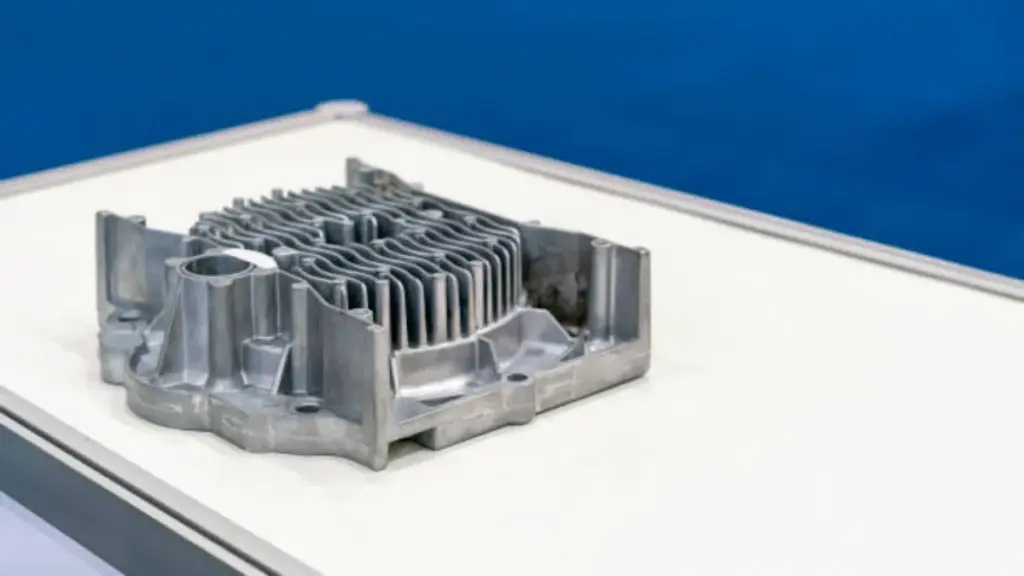
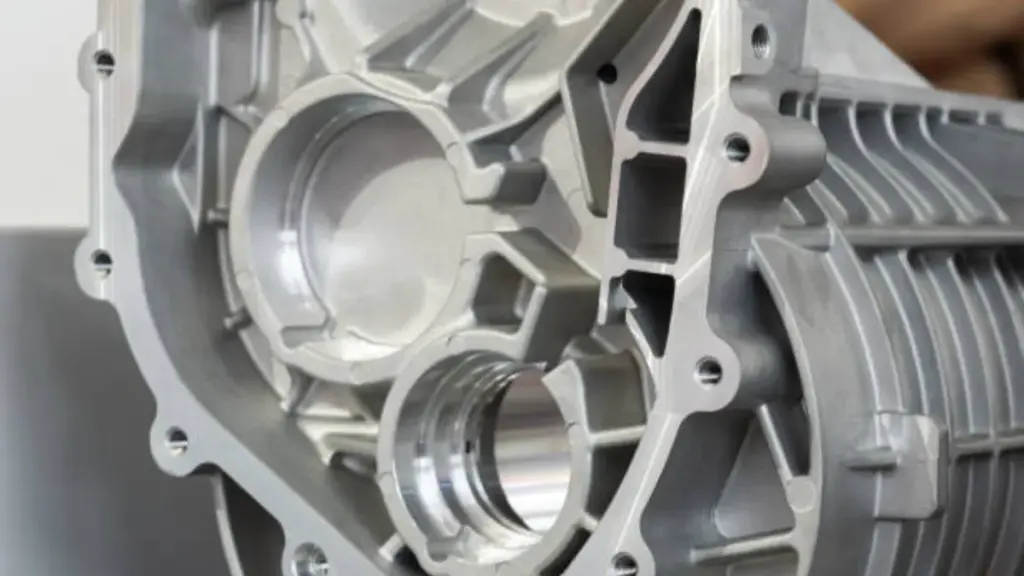
Aluminium-Druckguss bietet hervorragende Wärmeleitfähigkeit und strukturelle Effizienz, Dies macht es zu einer häufigen Wahl für Außenbeleuchtungsanwendungen. Jedoch, Der Prozess muss sorgfältig kontrolliert werden, da die innere Porosität die Dichtungsleistung direkt beeinflussen kann, Beschichtungsqualität, und langfristige Haltbarkeit.
Die folgende Tabelle zeigt, wie Porosität an verschiedenen Orten die Wohnsicherheit beeinflussen kann.
| Porositätsort | Mögliche Auswirkungen |
|---|---|
| Interne Strukturbereiche | Reduzierte mechanische Festigkeit und geringere Ermüdungsbeständigkeit. |
| Oberflächenregionen | Beschichtungsfehler, Blasenbildung, und verringerter Korrosionsschutz. |
| Dichtflächen | Höheres Risiko des Eindringens von Feuchtigkeit und des Verlusts der IP-Leistung. |
| Bearbeitete Merkmale | Luftleckage, Dichtungsinstabilität, und Montageherausforderungen. |
Kritische Dichtungsbereiche, die häufig ausfallen
Nicht alle Dichtflächen bergen das gleiche Risiko. Bestimmte Standorte sind einer stärkeren Wassereinwirkung ausgesetzt, Temperaturschwankungen, und mechanische Beanspruchung während des Betriebs.
Zu den häufigsten Versiegelungsbereichen mit hohem Risiko gehören::
- Objektivschnittstellen: Ständige Einwirkung von Regen und UV-Strahlung kann die Dichtwirkung allmählich schwächen.
- Gehäusedeckelverbindungen: Wiederholte thermische Ausdehnung und Kontraktion belasten die Dichtungskompression ständig.
- Kabeleinführungspunkte: Kabelöffnungen schaffen natürliche Wege für Feuchtigkeit, wenn die Abdichtung nicht ordnungsgemäß gewährleistet ist.
- Lüftungs- und Fahrerraum: Druckausgleichsfunktionen und Servicezugangsbereiche erfordern eine besonders präzise Dichtungskontrolle.
Weil diese Regionen einen direkten Einfluss auf die IP-Leistung haben, Selbst kleine Maßabweichungen können die Wahrscheinlichkeit einer langfristigen Undichtigkeit erhöhen.
Wie Herstellungsfehler langfristige Leckpfade schaffen
Dichtungsfehler werden nicht immer durch Dichtungsmaterialien verursacht. In vielen Fällen, Herstellungsfehler führen zu Bedingungen, die das Dichtungssystem mit der Zeit allmählich schwächen.
Beispiele hierfür sind ungleichmäßige Dichtungskomprimierung, übermäßige Oberflächenrauheit, Grate in der Nähe von Dichtflächen, verformte Gegenstücke, oder inkonsistente Platzierung der Befestigungselemente. Individuell, Diese Mängel können geringfügig erscheinen. Jedoch, nach Jahren des Temperaturwechsels, Vibration, und Umweltexposition, sie können sich zu dauerhaften Leckpfaden entwickeln.
Aus diesem Grund, zuverlässig Leuchtengehäuse aus Druckguss erfordern mehr als gutes Design. Präzisionsguss, präzise Bearbeitung, und eine konsequente Montagekontrolle sind ebenso wichtig für die langfristige Aufrechterhaltung der Dichtungsleistung im Außenbereich.
Probleme mit Korrosion und Oberflächenbeschaffenheit
Durch Korrosion werden Aluminiumoberflächen in der Außenbeleuchtung nach und nach geschwächt, Auswirkungen sowohl auf Schutzbeschichtungen als auch auf die langfristige strukturelle Stabilität unter rauen Umgebungsbedingungen.
Häufige Korrosionsmechanismen in der Außenbeleuchtung
Im Außenbereich sind Metallgehäuse ständig Feuchtigkeit ausgesetzt, Salz, und Schadstoffe. Im Laufe der Zeit, Diese Bedingungen lösen verschiedene Korrosionsarten aus, die die Leistung langsam schwächen.
Zu den üblichen Korrosionsmechanismen gehören::
- Galvanische Korrosion: Tritt auf, wenn verschiedene Metalle in einer feuchten Umgebung in Kontakt kommen, was zu einem schnelleren Materialverlust führt.
- Lochfraß: Verursacht örtlich begrenzten Schaden, insbesondere in Küstengebieten oder Gebieten mit hohem Salzgehalt.
- Spaltkorrosion: Entsteht in engen Spalten, in denen Feuchtigkeit eingeschlossen bleibt.
- Atmosphärische Korrosion: Verursacht durch langfristige Einwirkung von Feuchtigkeit und Luftschadstoffen.
Obwohl sie sich auf unterschiedliche Weise bilden, Alle diese Mechanismen verringern die Haltbarkeit des Gehäuses, wenn der Oberflächenschutz nicht ausreicht.
Fehler in der Oberflächenbeschaffenheit, die die Verschlechterung beschleunigen
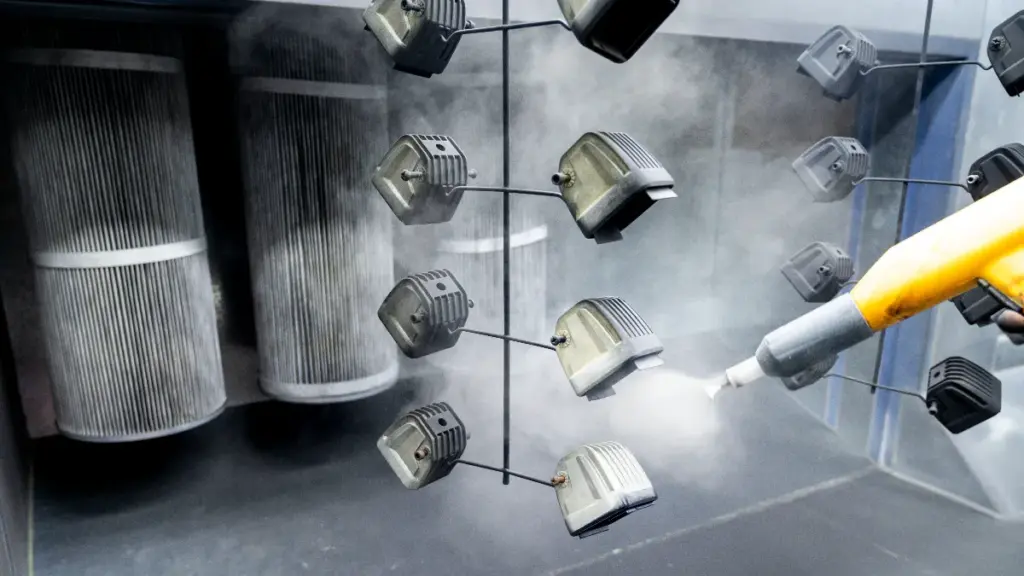
Oberflächenbeschichtungen dienen als erste Schutzschicht gegen äußere Einflüsse. Ihre Leistung hängt stark von der Beschichtungsqualität und der Oberflächenvorbereitung ab.
Häufige Probleme mit der Beschichtung sind Blasenbildung, Peeling, Kreiden, UV-Abbau, und Unterschichtkorrosion. Diese Probleme beginnen oft als kosmetische Mängel, setzen die Aluminiumoberfläche jedoch nach und nach Feuchtigkeit aus und beschleunigen die Korrosion.
Sobald das Beschichtungssystem beeinträchtigt ist, Die Verschlechterung breitet sich schneller im gesamten Gehäuse aus. Deshalb ist die Qualität der Vorbehandlung wichtig, Haftung der Beschichtung, und Prozesskontrolle sind ebenso wichtig wie die Auswahl der Beschichtung für eine langfristige Zuverlässigkeit im Außenbereich.
Wir erläutern dieses Konzept auch ausführlicher in unserem Artikel über Was ist die Oberflächenbeschaffenheit von Druckgussteilen?.
Umgebungsbedingungen, die das Korrosionsrisiko erhöhen
Der Schweregrad der Korrosion variiert erheblich je nach Installationsumgebung. Die Auswahl des geeigneten Legierungs- und Beschichtungssystems erfordert ein Verständnis der Bedingungen, denen die Leuchte während ihrer gesamten Lebensdauer ausgesetzt sein wird.
| Umfeld | Primäres Korrosionsrisiko |
|---|---|
| Küstengebiete | Salzsprühnebelbelastung und beschleunigte Lochfraßkorrosion. |
| Industriegebiete | Chemische Schadstoffe, saure Ablagerungen, und atmosphärische Korrosion. |
| Regionen mit hoher Luftfeuchtigkeit | Ständige Feuchtigkeitseinwirkung und kondensationsbedingte Korrosion. |
| Städtische Straßen | Fahrzeugemissionen, Staubansammlung, und Luftschadstoffe. |
Die Anpassung des Gehäusematerials und der Oberflächenbehandlung an die Installationsumgebung ist oft eine der effektivsten Möglichkeiten, die langfristige Zuverlässigkeit zu verbessern und die Wartungskosten zu senken.
Zuverlässigkeitstests vor der Massenproduktion
Durch Tests vor der Produktion können Konstruktions- und Fertigungsrisiken frühzeitig erkannt werden, Reduzierung unerwarteter Ausfälle bei Außeneinsatzbedingungen.
Designvalidierung durch EVT, TVT, und PVT
Zuverlässig Gehäuse für LED-Straßenlaternen Die Entwicklung basiert auf einem strukturierten Validierungsprozess. Jede Stufe zielt auf ein anderes Risikoniveau ab, von der frühen Design-Machbarkeit bis zur stabilen Massenproduktionskonsistenz.
Die folgende Tabelle zeigt, wie EVT, TVT, und PVT unterscheiden sich in Zweck und Schwerpunkt:
| Bühne | Schwerpunkt | Schlüsselbewertungsbereich |
|---|---|---|
| EVT (Technischer Validierungstest) | Konzeptvalidierung | Thermisches Design, Struktur fit, und grundsätzliche Abdichtungsmöglichkeit |
| TVT (Designvalidierungstest) | Validierung der Designzuverlässigkeit | IP-Tests, Vibration, Temperaturwechsel, Korrosionsbeständigkeit |
| PVT (Produktionsvalidierungstest) | Überprüfung der Massenproduktion | Prozessstabilität, Werkzeugkonsistenz, und Wiederholbarkeit der Montage |
Prüfung der Umwelt- und mechanischen Zuverlässigkeit
Vor dem Einsatz im Freien, Gehäuse müssen eine Reihe von Tests bestehen, die reale Betriebsbelastungen simulieren. Diese Tests helfen dabei, vorherzusagen, wie sich das Produkt unter langfristiger Umwelteinwirkung verhält.
| Testtyp | Zweck |
|---|---|
| IP-Tests | Überprüfen Sie die Beständigkeit gegen das Eindringen von Wasser und Staub unter standardisierten Bedingungen. |
| Thermocycling | Bewerten Sie die Stabilität und Dichtungsleistung der Dichtung bei wiederholten Temperaturänderungen. |
| Salzsprühtest | Bewerten Sie die Korrosionsbeständigkeit in Küstenumgebungen und Umgebungen mit hohem Salzgehalt. |
| Vibrationsprüfung | Simulieren Sie die Transportbelastung und die langfristige Belastung durch Straßenvibrationen. |
| Schlagprüfung | Validieren Sie die mechanische Haltbarkeit gegen zufällige oder umweltbedingte Einwirkungen. |
Diese Tests tragen dazu bei, sicherzustellen, dass die Leistung nicht nur theoretisch, sondern auch unter realen Außenbedingungen stabil ist.
Überprüfung der Material- und Prozessqualität
Das Testen fertiger Produkte allein kann keine langfristige Zuverlässigkeit garantieren. Konsistenz in Materialien und Herstellungsprozesse spielen eine ebenso wichtige Rolle bei der Vermeidung von Feldausfällen.
Hersteller müssen mehrere Schlüsselfaktoren kontrollieren:
- Druckgussqualität: Stabiler Guss reduziert interne Defekte, die zu Strukturschwäche oder Dichtungsversagen führen können.
- Porositätskontrolle: Geringe Porosität trägt dazu bei, die Dichtungsintegrität aufrechtzuerhalten und versteckte Leckpfade zu verhindern.
- Beschichtungsleistung: Die richtige Dicke und Haftung gewährleisten einen langfristigen Korrosionsschutz in rauen Umgebungen.
- Dichtungsleistung: Härte und Elastizität des Materials wirken sich direkt auf die Langzeitstabilität der Dichtung aus.
- Konsistenz der Baugruppe: Kontrolliertes Drehmoment und kontrollierte Ausrichtung sorgen für einen gleichmäßigen Dichtungsdruck über alle Einheiten hinweg.
Zusammen, Diese Faktoren stellen sicher, dass jedes Druckguss-Leuchtengehäuse auch bei großen Produktionschargen eine konstante Leistung beibehält, Reduzierung der Variation und Verbesserung der langfristigen Zuverlässigkeit.
So verhindern Sie das Scheitern von Außenunterkünften
Die Zuverlässigkeit der Außenbeleuchtung hängt von Entscheidungen ab, die lange vor der Installation getroffen werden. Starke Leistung entsteht durch die Ausrichtung des Designs, Materialien, Dichtungsstrategie, und Produktionssteuerung in einem durchgängigen System.
Verbessern Sie das Gehäusedesign und die Materialauswahl
Langfristige Haltbarkeit beginnt mit technischen Entscheidungen, die festlegen, wie sich das Gehäuse unter Hitze verhält, laden, und Umweltstress.
Schlüsseldesign Zu den Prioritäten gehören:
- Auswahl der Aluminiumlegierung: Wählen Sie Qualitäten mit hoher Wärmeleitfähigkeit und Korrosionsbeständigkeit für den Außenbereich
- Kühlkörpergeometrie: Entwerfen Sie die Lamellenstruktur, um den Luftstrom und die Wärmeableitungseffizienz zu maximieren
- Strukturelle Festigkeitsbalance: Sorgen Sie für Steifigkeit, ohne unnötiges Gewicht oder Spannungskonzentration zu erzeugen
- Hardwarekompatibilität: Verwenden Sie korrosionsbeständige Befestigungselemente, um galvanische Reaktionen zu vermeiden
- Umweltanpassung: Passen Sie die Materialien an die Küste an, urban, oder industriellen Bedingungen
Die Materialauswahl sollte immer den realen Betriebsumgebungen entsprechen, nicht nur theoretische Designziele. Eine Nichtübereinstimmung ist oft der erste Auslöser für langfristige Feldausfälle.
Bauen Sie ein zuverlässiges Dichtungs- und Wärmemanagementsystem auf
Wärmekontrolle und Dichtungsleistung müssen als einheitliches System funktionieren. Wenn sie separat konzipiert sind, Normalerweise schwächt das eine das andere im echten Außeneinsatz.
Die folgende Tabelle zeigt, wie wichtige Systemelemente beide Funktionen unterstützen:
| Systemelement | Designzweck | Zuverlässigkeitsvorteil |
|---|---|---|
| Gleichmäßige Dichtungskompression | Sorgen Sie für einen gleichbleibenden Dichtungsdruck | Reduziert die langfristige IP-Verschlechterung |
| Druckausgleichsöffnungen | Gleicht interne Luftdruckänderungen aus | Verhindert die Bildung von Kondenswasser |
| Wärmeisolationsdesign | Hitzeempfindliche Bauteile trennen | Verlängert die Lebensdauer von Treiber und LED |
| Effiziente Wärmeableitungspfade | Leiten Sie die Wärme von den internen Modulen weg | Stabilisiert die Betriebstemperatur |
| Kabelabdichtungssysteme | Blockieren Sie externe Feuchtigkeitseintrittspunkte | Verbessert die langfristige Wasserdichtigkeit |
Wenn diese Elemente gemeinsam entworfen werden, Das Gehäuse behält ein stabiles thermisches Verhalten bei und schützt gleichzeitig interne Komponenten vor Feuchtigkeit und Druckänderungen im Laufe der Zeit.
Häufig gestellte Fragen
Wie bewerten OEM-Käufer die Qualität eines Straßenlaternengehäuses aus Druckguss vor der Massenproduktion??
Käufer überprüfen in der Regel die Konsistenz der Proben, dimensionale Genauigkeit, Haftung der Beschichtung, und Testberichte. Eine stabile Produktionsfähigkeit ist oft wichtiger als die Leistungsergebnisse einzelner Prototypen.
Warum versagen einige Gehäuse von LED-Straßenlaternen, selbst wenn sie die IP65- oder IP66-Tests bestehen??
IP-Bewertungen messen nur die kurzzeitige Wasser- und Staubbeständigkeit unter kontrollierten Bedingungen. Sie spiegeln langfristige Auswirkungen wie Temperaturschwankungen nicht vollständig wider, Materialalterung, oder Robbenermüdung.
Was sind häufige Frühwarnzeichen für eine Verschlechterung der Wohnqualität in Außenbeleuchtungssystemen??
Typische Anzeichen sind Verfärbungen der Oberfläche, Kleinere Beschichtungsfehler, und leichte Dichtungsinstabilität. Diese Frühindikatoren deuten oft darauf hin, dass sich innerhalb des Gehäuses tiefere strukturelle oder materielle Probleme entwickeln.
Wie kann Gehäusedesign die Lebensdauer einer LED-Straßenleuchte verlängern??
Ein gut gestaltetes Gehäuse verlängert die Lebensdauer durch effektives Wärmemanagement mit Aluminium und integrierten Kühlrippen, robuster Umweltschutz mit mindestens Schutzart IP65 und korrosionsbeständigen Beschichtungen, und starkes mechanisches Design, um Vibrationen und Stößen standzuhalten. Zusätzlich, Funktionen wie modular, Der werkzeuglose Zugriff auf Treiber und Überspannungsschutz vereinfacht die Wartung und ermöglicht den Austausch von Komponenten, Dadurch wird die allgemeine Nutzbarkeit des Geräts verlängert.
Letzte Gedanken
Ausfälle von LED-Straßenlaternengehäusen haben selten eine einzige Ursache. Hitze, Feuchtigkeit, Korrosion, Porosität, und Dichtungsprobleme treten oft im Laufe der Zeit auf, Reduziert die langfristige Leistung im Freien. Zuverlässige Ergebnisse hängen von einem Designansatz auf Systemebene ab, der die thermische Kontrolle abdeckt, Dichtungsintegrität, und Fertigungskonsistenz.
Für OEM-Käufer und Beleuchtungsmarken, Die Leistung muss anhand von Proben und Validierungsdaten überprüft werden, nicht nur Spezifikationen. Arbeiten mit Bian Diecast Trägt dazu bei, eine stabile und gleichbleibende Qualität des LED-Straßenlaternengehäuses sicherzustellen Druckguss Leistung für langfristige Outdoor-Projekte.