Einführung
Die Materialauswahl ist selten eine einfache binäre Entscheidung. Wenn Ingenieure, Produktdesigner, oder Beschaffungsmanager vergleichen Titan mit Aluminium, Sie gleichen typischerweise drei kritische Achsen aus: Leistung, Machbarkeit der Herstellung, und Kostenkontrolle. Das „beste“ Material hängt weniger von abstrakter Überlegenheit als vielmehr davon ab, ob das Material mit dem Mechanischen übereinstimmt, Umwelt, und wirtschaftlichen Anforderungen eines konkreten Projekts.
Im Frühstadium von R&D, Die Debatte dreht sich oft um Gewicht und Kraft. Später, während das Design reift, Die Aufmerksamkeit verlagert sich auf die Komplexität der Bearbeitung, Skalierbarkeit der Produktion, und Auswirkungen auf das Budget. Für industrielle Käufer, insbesondere in der Luft- und Raumfahrt, Automobil, Elektronik, und Industrieausrüstungssektor, Dieser Vergleich wird eher zu einer strukturierten Bewertung als zu einer theoretischen Diskussion.
Eine der am häufigsten gesuchten Fragen in diesem Bereich ist, ob Titan stärker oder leichter ist. Anfragen wie z „Ist Aluminium leichter als Titan“ Und „Titan vs. Aluminiumgewicht“ zeigen, dass Entscheidungsträger nicht nur nach Rohdaten suchen, sondern nach umsetzbaren Leitlinien. Dieser Artikel bietet einen systematischen Vergleich, um diese Entscheidung zu untermauern.
Hauptunterschiede in den mechanischen Eigenschaften
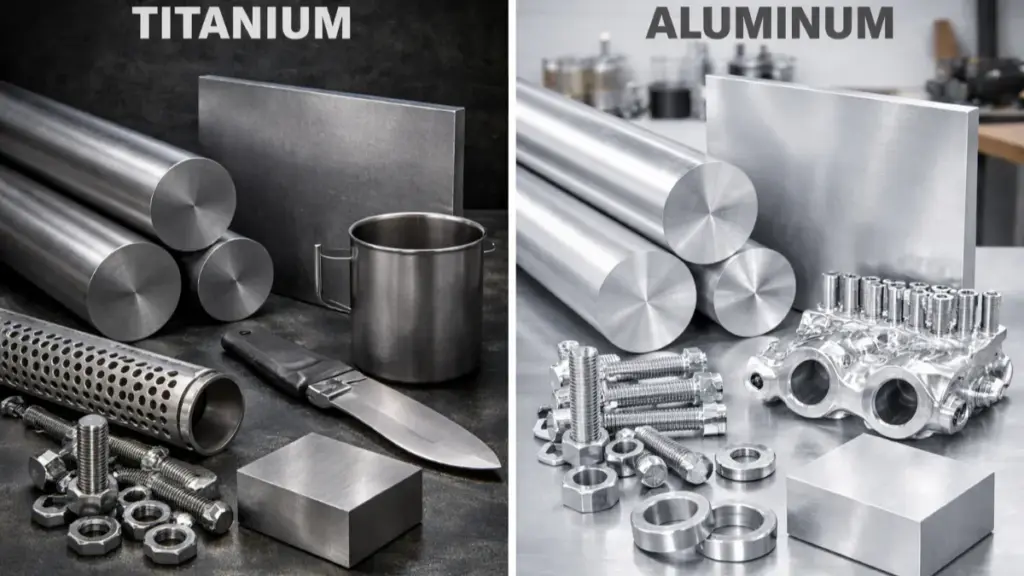
Auf mechanischer Ebene, Titan und Aluminium unterscheiden sich deutlich in der Dichte, Zugfestigkeit, Steifheit (Elastizitätsmodul), und Ermüdungsleistung. Diese Parameter haben direkten Einfluss auf die strukturelle Integrität, Sicherheitsfaktoren, und langfristige Haltbarkeit.
Nachfolgend finden Sie einen vereinfachten Vergleich handelsüblicher Legierungen wie z 6061 Aluminium Und Grad 5 (Ti-6Al-4V) Titan.
| Eigentum | Aluminium (6061) | Titan (Ti-6Al-4V) |
|---|---|---|
| Dichte | ~2,7 g/cm³ | ~4,5 g/cm³ |
| Zugfestigkeit | ~310 MPa | ~900 MPa |
| Streckgrenze | ~275 MPa | ~830 MPa |
| Elastizitätsmodul | ~69 GPa | ~110 GPa |
| Schmelzpunkt | ~660°C | ~1668°C |
Aus diesem Vergleich, Es ergeben sich zwei grundlegende Schlussfolgerungen:
- Titan ist deutlich stärker.
- Aluminium ist pro Volumeneinheit wesentlich leichter.
Die mechanische Wahl, Daher kommt es darauf an, ob die Anwendung belastungs- oder gewichtsbegrenzt ist.
Festigkeits-Gewichts-Verhältnis im Strukturdesign
Das Verhältnis von Festigkeit zu Gewicht ist der Punkt, an dem die Debatte zwischen Titan und Aluminium nuanciert wird. Obwohl Titan ungefähr ist 60% dichter als Aluminium, Seine Zugfestigkeit kann je nach Legierungsauswahl fast dreimal höher sein.
Das bedeutet für ein Bauteil, das streng auf Tragfähigkeit ausgelegt ist, Möglicherweise ist weniger Titan erforderlich, um die gleiche strukturelle Festigkeit zu erreichen. In einigen optimierten Designs, Dies kann die höhere Dichte ausgleichen. Jedoch, Das bedeutet nicht automatisch, dass Titanteile leichter sind.
Bei der Bewertung des Gewichts von Aluminium vs. Titan, Ingenieure müssen Geometrie und Wandstärke berücksichtigen. Wenn beide Materialien in identischen Formen verwendet werden, Aluminium wiegt aufgrund seiner geringeren Dichte immer weniger. Dies beantwortet direkt die häufig gestellte Frage: ist Aluminium leichter als Titan? Ja, Aluminium hat eine geringere Dichte und ist pro Kubikzentimeter leichter.
Jedoch, wenn das Titanbauteil aufgrund höherer Festigkeit dünner ausgelegt werden kann, Der endgültige Massenunterschied kann sich verringern.
Dieser designbedingte Kompromiss ist besonders bei Halterungen für die Luft- und Raumfahrt relevant, Motorsportkomponenten, und leistungsstarke Verbraucherprodukte, bei denen es auf das Gramm ankommt, die Sicherheitsmargen jedoch nicht beeinträchtigt werden dürfen.
Korrosionsbeständigkeit und Hochtemperaturleistung
Ein weiterer entscheidender Faktor ist die Umweltbeständigkeit.
Korrosionsbeständigkeit
Titan bildet eine äußerst stabile und selbstheilende Oxidschicht, Bietet außergewöhnlichen Widerstand gegen:
- Meerwasser
- Chloride
- Saure Umgebungen
- Biomedizinische Exposition
Aluminium bildet zudem eine natürliche Oxidschicht, Es ist jedoch weniger robust gegenüber aggressiven chemischen oder maritimen Bedingungen. In vielen industriellen Anwendungen, Aluminium muss eloxiert werden, Pulverbeschichtung, oder andere Oberflächenbehandlungen zur Verbesserung der Haltbarkeit.
Hochtemperaturleistung
Der Schmelzpunktunterschied ist dramatisch:
- Aluminium: ~660°C
- Titan: ~1668°C
Dies definiert ihre Eignung in Umgebungen mit erhöhten Temperaturen. Titan behält seine strukturelle Integrität bei Temperaturen bei, bei denen Aluminium deutlich weicher werden würde. Aus diesem Grund, Titan wird häufig in Flugzeugtriebwerken verwendet, Abgasanlagen, und hitzekritische Baugruppen.
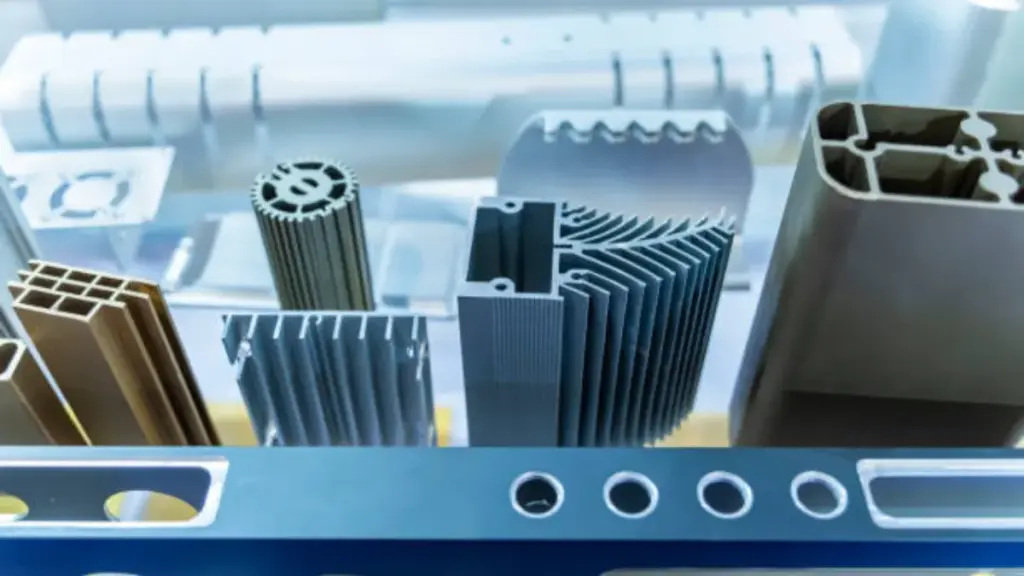
Aluminium, im Gegensatz dazu, zeichnet sich eher durch Wärmeableitung als durch Hitzebeständigkeit aus. Seine hohe Wärmeleitfähigkeit macht es ideal für:
- Kühlkörper
- Elektronikgehäuse
- LED-Beleuchtungsgehäuse
- Batteriegehäuse
Daher, Beim Vergleich geht es nicht darum, was „besser“ ist,” sondern ob das Design Wärmewiderstand oder Wärmeleitfähigkeit erfordert.
Bearbeitungs- und Fertigungskomplexität
Bei Entscheidungen zwischen Titan und Aluminium wird häufig die Machbarkeit der Herstellung zum versteckten Kostenfaktor.
Verarbeitbarkeit
Aluminium ist für seine hervorragende Bearbeitbarkeit bekannt:
- Hohe Schnittgeschwindigkeiten
- Geringer Werkzeugverschleiß
- Gute Oberflächenbeschaffenheit
- Stabile Spanbildung
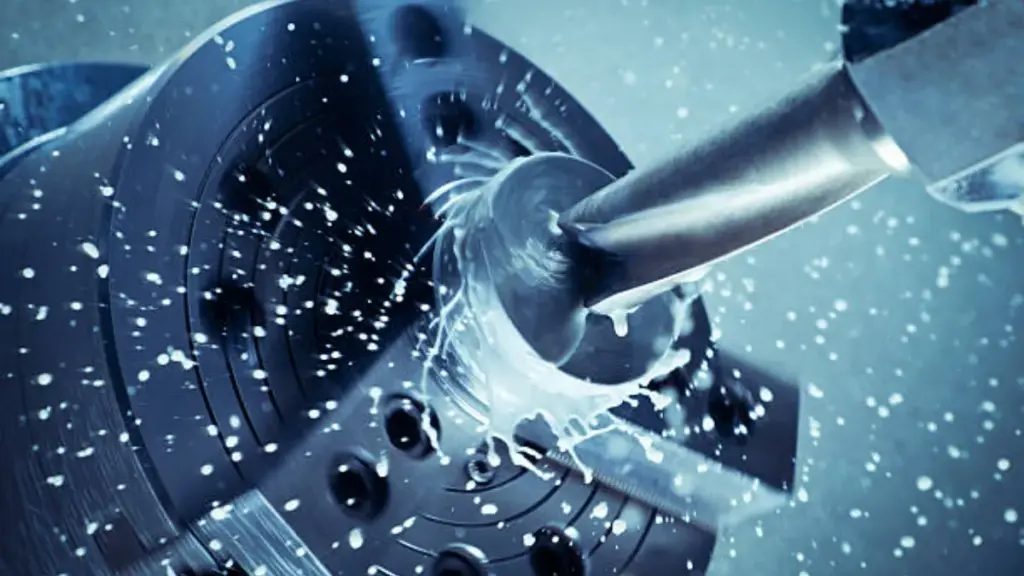
Titan stellt die gegenteilige Herausforderung dar:
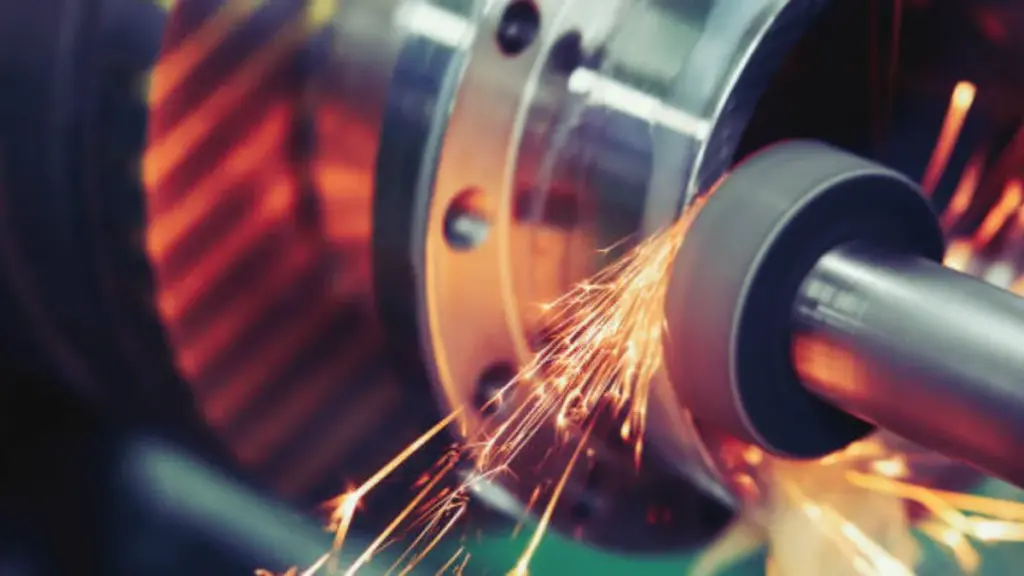
- Geringe Wärmeleitfähigkeit (Die Wärme konzentriert sich auf die Schneidkante)
- Schneller Werkzeugverschleiß
- Langsamere Schnittgeschwindigkeiten
- Höhere Werkzeugkosten
Dieser Unterschied wirkt sich erheblich auf die Produktionseffizienz und die Zykluszeit aus.
Gießen und Formen
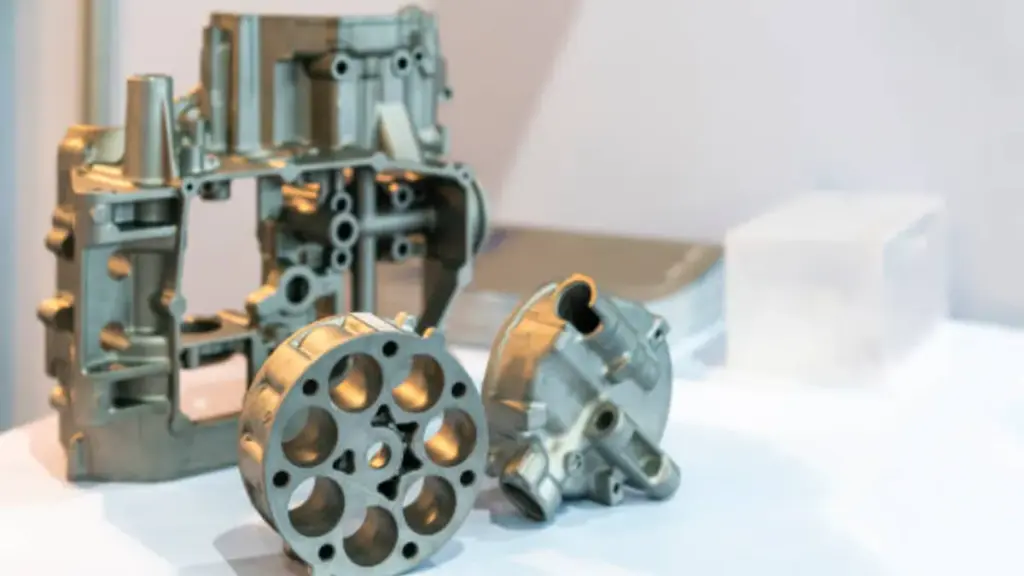
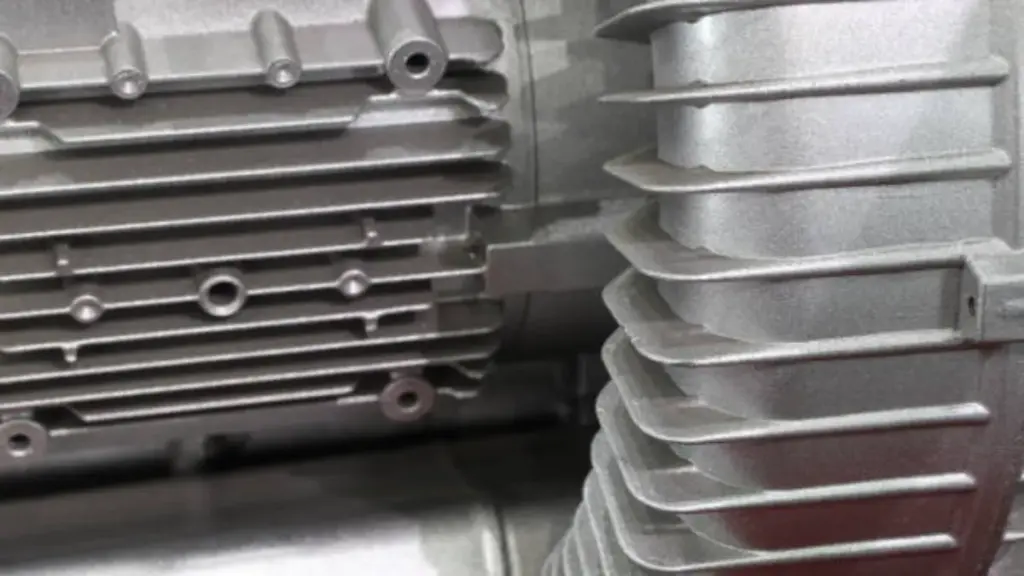
Aluminium wird häufig im Druckguss verwendet, Schwerkraftguss, und CNC-Bearbeitung. Sein niedrigerer Schmelzpunkt macht es energieeffizient für Gießprozesse und geeignet für die Produktion in großem Maßstab.
Titanguss ist technisch möglich, aber weitaus aufwendiger, Normalerweise sind Vakuumumgebungen und spezielle Formen erforderlich. Aufgrund von Kosten- und Prozessbeschränkungen wird es beim Großserien-Druckguss selten verwendet.
Für Unternehmen, die Gehäuse entwerfen, Gehäuse, Strukturhalterungen, oder Automobilteile, Aluminium bietet eine skalierbare Herstellbarkeit, mit der Titan wirtschaftlich nicht mithalten kann.
Kostenunterschiede zwischen Rohstoff und Produktion
Rohstoffkosten
Titan-Rohmaterial kann fünf- bis zehnmal teurer sein als Aluminium, abhängig von der Legierungssorte und den Marktbedingungen.
Bearbeitungskosten
Titan erfordert:
- Spezialwerkzeuge
- Langsamere Bearbeitungsgeschwindigkeiten
- Häufigerer Werkzeugwechsel
- Höherer Energieeintrag
Angebote aus Aluminium:
- Schnellere Produktionszyklen
- Geringere Maschinenstillstandszeiten
- Höhere Lieferantenverfügbarkeit
Wenn die Gesamtbetriebskosten bewertet werden – einschließlich Material, Bearbeitung, Abschluss, und Ausschussrate – Aluminium bietet häufig erhebliche Budgetvorteile für nicht extreme Anwendungen.
Für großvolumige Industrieprodukte, Dieser Unterschied verstärkt sich dramatisch.
Typische Anwendungen in der Luft- und Raumfahrt und Industrie
Die endgültige Materialentscheidung wird klarer, wenn man reale Anwendungen untersucht.
Titananwendungen
- Komponenten für Luft- und Raumfahrtmotoren
- Strukturteile für Flugzeugzellen
- Medizinische Implantate (Biokompatibilität)
- Hochleistungs-Motorsport
Die hohe Festigkeit von Titan, Ermüdungsbeständigkeit, und Korrosionsstabilität rechtfertigen den Premiumpreis in diesen Sektoren.
Aluminiumanwendungen
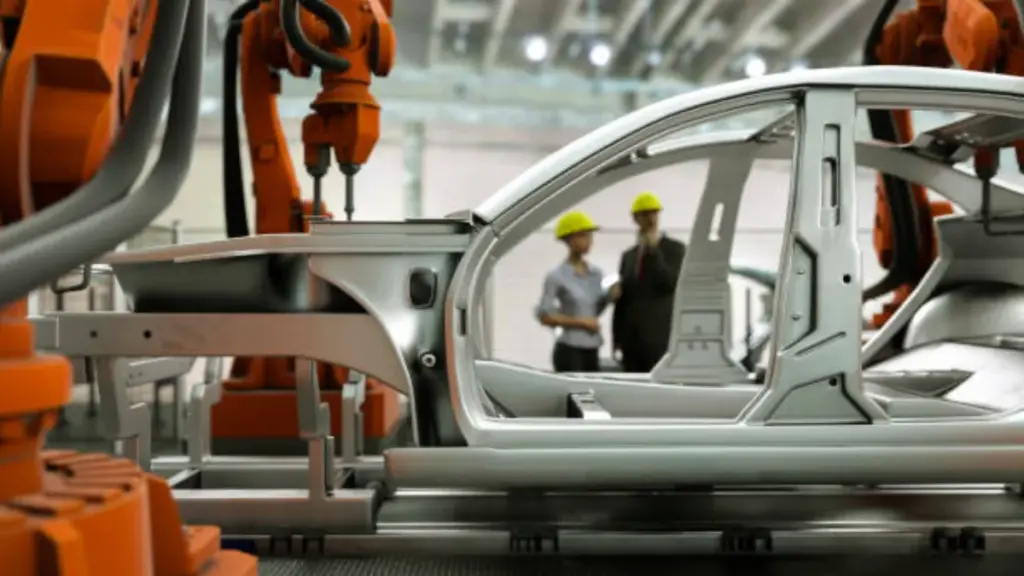
- Automobil-Strukturbauteile
- Elektronische Gehäuse
- Kühlkörper und Kühlsysteme
- Industriegehäuse
- Konsumgüter
In diesen Anwendungen, Gewichtsersparnis, Herstellbarkeit, und Kosteneffizienz überwiegen extreme Festigkeitsanforderungen.
Die weit verbreitete Verwendung von Aluminium im Transport- und Elektronikbereich spiegelt ein ausgewogenes Leistungs-Kosten-Verhältnis wider.
Wenn Aluminiumdruckguss die praktische Lösung ist
Nach Leistungsvergleich, Herstellbarkeit, und Kosten, Viele Industrieprojekte konzentrieren sich letztendlich auf Aluminium – insbesondere wenn Skalierbarkeit und strukturelle Eignung übereinstimmen.
Für Unternehmen, die komplexe Formen benötigen, enge Toleranzen, und wiederholbare Produktionsqualität, Druckguss wird zu einem logischen Fertigungsweg.
Wenn Ihr Projekt Aluminiumkomponenten erfordert – insbesondere in mittleren bis großen Stückzahlen – kann die Zusammenarbeit mit einem spezialisierten Hersteller die Entwicklungszeit und das Lieferkettenrisiko erheblich reduzieren.
BIAN ist als Kompletthersteller von Aluminium-Druckguss tätig, Bereitstellung integrierter Lösungen vom Formenbau und der Werkzeugentwicklung bis hin zu Gießen, Bearbeitung, Oberflächenveredelung, und Qualitätsprüfung. Diese End-to-End-Fähigkeit ermöglicht es Käufern:
- Optimieren Sie die Lieferantenkoordination
- Reduzieren Sie die Vorlaufzeiten
- Verbessern Sie die Kostenvorhersehbarkeit
- Behalten Sie die Maßhaltigkeit bei
Anstatt sich für das Casting bei mehreren Anbietern zurechtzufinden, CNC-Bearbeitung, und Abschluss, Ein konsolidierter Druckgusspartner vereinfacht die Ausführung und unterstützt die Massenproduktion.
Bei Materialauswahlentscheidungen, bei denen Aluminium technisch ausreichend und wirtschaftlich sinnvoll ist, Die Fertigungskapazität wird zum nächsten strategischen Vorteil.
Abschluss
Beim Vergleich zwischen Titan und Aluminium geht es nicht darum, einen Gesamtsieger zu erklären. Es handelt sich um eine strukturierte Bewertung von Kompromissen:
- Titan bietet überlegene Festigkeit und Korrosionsbeständigkeit.
- Aluminium bietet eine geringere Dichte, einfachere Bearbeitung, und Kosteneffizienz.
- Titan weist in extremen thermischen und chemischen Umgebungen eine bessere Leistung auf.
- Aluminium zeichnet sich durch Wärmeableitung und skalierbare Fertigung aus.
Wenn bei Ihrem Projekt maximale Festigkeit in rauen Umgebungen im Vordergrund steht und die Kosten zweitrangig sind, Titan kann gerechtfertigt sein.
Wenn Ihr Entwurf eine Leichtbauweise erfordert, effiziente Produktion, und Budgetkontrolle – insbesondere im großen Maßstab – ist Aluminium oft die praktischere Lösung.
Letztlich, Eine erfolgreiche Materialauswahl hängt von der Abstimmung der mechanischen Anforderungen ab, Umweltbelastung, Produktionsmethode, und wirtschaftlicher Zwänge. Wenn diese Faktoren sorgfältig bewertet werden, Die Antwort auf Titan vs. Aluminium wird im Kontext Ihrer spezifischen technischen Ziele deutlich.