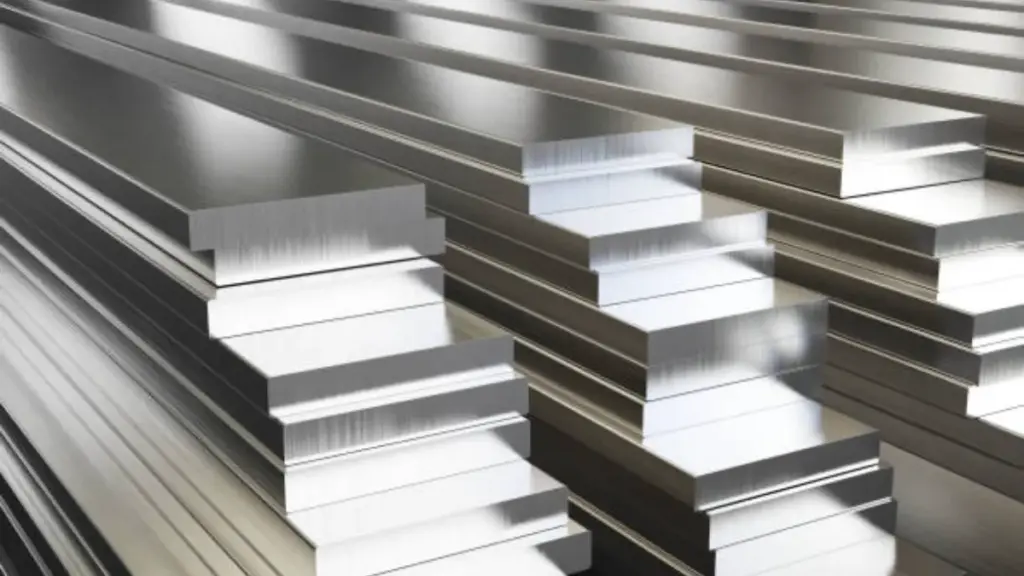
SS400 é um tipo de aço estrutural de carbono amplamente utilizado sob o padrão JIS G3101, valorizado por suas propriedades mecânicas equilibradas, soldabilidade, e rentabilidade em projetos de engenharia estrutural. Engenheiros e fabricantes frequentemente pesquisam propriedades de materiais SS400 para validar projetos, comparar equivalentes, e garantir a conformidade com os padrões internacionais. Este guia fornece uma visão geral abrangente da perspectiva do fabricante, ajudando você a selecionar e aplicar o SS400 de maneira eficaz em aplicações do mundo real.
O que é material SS400?
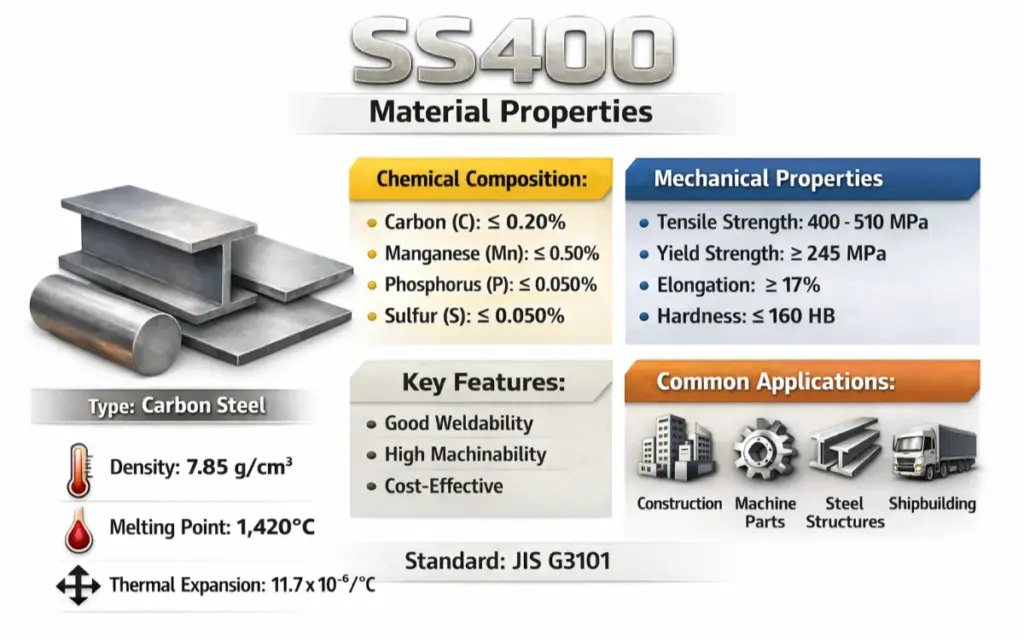
SS400 representa um aço estrutural de carbono fundamental na especificação JIS G3101, fornecidos principalmente como chapas laminadas a quente, seções, e barras para construção em geral e máquinas. O “SS” prefixo indica “aço estrutural,” enquanto “400” aproxima sua resistência à tração mínima em MPa, distinguindo-o de classes superiores como SS490 ou SS540. A filosofia de design desta classe prioriza a versatilidade em detrimento do desempenho especializado, tornando-o um produto básico em projetos estruturais japoneses e exportados desde a década de 1970.
Sua composição química como aço de baixo carbono não apresenta tampas rígidas no carbono (normalmente ≤0,25%) ou manganês (≤1,50%), mas limites rigorosos para o fósforo (P ≤0,050%) e enxofre (S ≤0,050%) para reduzir a fragilidade e promover a ductilidade. O equivalente de carbono resultante (CE ≈0,35-0,40 para fórmula IIW) garante baixa temperabilidade durante a soldagem, minimizando os riscos de rachaduras a frio. Os fabricantes apreciam esta previsibilidade, pois suporta fabricação consistente sem extensa pré-- ou tratamentos pós-solda, mesmo em juntas multipasse até 40 mm de espessura.
Propriedades Mecânicas do Material SS400
Tração, Força de rendimento e alongamento
- Resistência à tracção: 400–510MPa, fornecendo capacidade de carga robusta para vigas e colunas.
- Força de rendimento: Mínimo 245 MPa (valor base para seções finas), com valores reais muitas vezes 10-20% maior em moinhos modernos.
- Alongamento: 17–21% (comprimento de medição 5,65√A), indicando ductilidade suficiente para projetos sísmicos ou propensos a impactos.
Efeito da espessura na resistência ao escoamento
A espessura influencia profundamente o desempenho do SS400 devido ao tamanho do grão e às variações da taxa de resfriamento na laminação. JIS G3101 exige mínimos conservadores para refletir a variabilidade do mundo real.
| Grossura (t) | Mínimo. Força de rendimento (MPa) | Implicação do projeto |
|---|---|---|
| ≤ 16 milímetros | ≥ 245 | Ideal para molduras leves; tensão máxima admissível ~165 MPa (FS=1,5) |
| 16–40mm | ≥ 235 | Comum para vigas; ajustar os cálculos de flambagem para baixo |
| 40–100mm | ≥ 215 | Vigas pesadas; aumentar os tamanhos das seções para a mesma carga |
| > 100 milímetros | ≥ 205 | Fundações; verifique com UT para laminações |
Os engenheiros devem consultar a espessura exata dos desenhos e MTRs – ignorar isso pode aumentar os custos de material ou comprometer as margens de segurança.
Propriedades Físicas e Trabalhabilidade
Os atributos físicos do SS400 permitem simulações de engenharia precisas, enquanto sua funcionalidade simplifica os fluxos de trabalho de fabricação. Densidade em 7850 kg/m³ facilita estimativas precisas de massa para guindastes e fundações, com módulo de Young de 200-210 GPa proporcionando rigidez previsível em cálculos de deflexão. Coeficiente de expansão térmica (11.7 × 10⁻⁶/K) e condutividade (51-60 W/m · k) apoiar a modelagem de tensão térmica em estruturas aquecidas.
Para trabalhabilidade:
- Soldabilidade: CE <0.40 permite soldagem multipasse sem pré-aquecimento (até 20 milímetros); use eletrodos E4303 para filetes.
- Usinabilidade: Avanços/velocidades semelhantes ao aço-carbono (120 m/min torneamento de metal duro); baixo desgaste de ferramentas para protótipos.
- Formabilidade: Raios de curvatura ≥2t para curvas de 90°, trabalhável a frio até 10 mm de espessura.
Essas características reduzem o tempo de compra em 20-30% versus aços de maior resistência, por benchmarks do setor.
Proteção contra corrosão e tratamentos de superfície
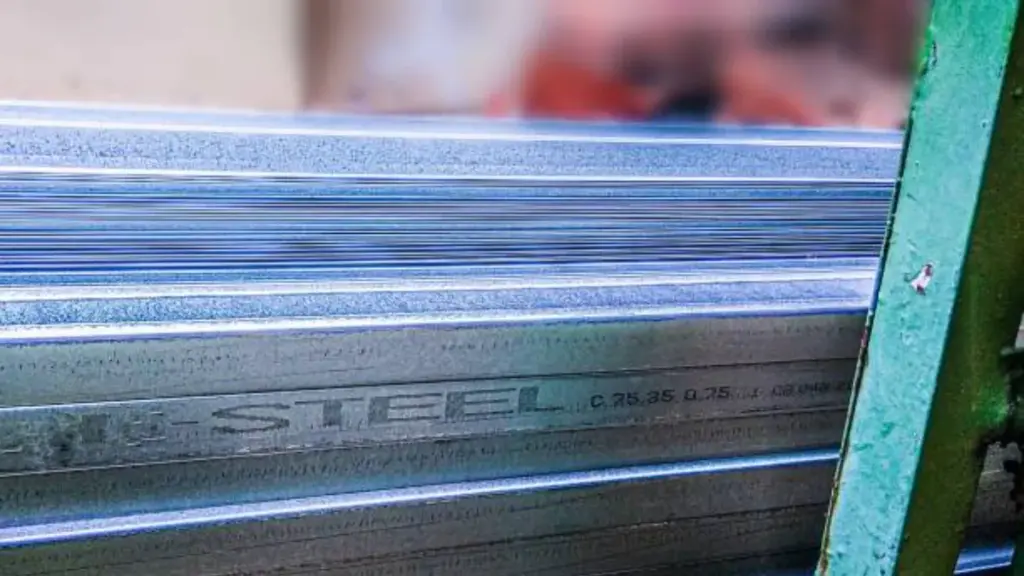
SS400 desprotegido corrói em 50-100 µm/ano em atmosferas C3 (urbano/industrial), acelerando para 200+ µm/ano perto da costa devido a cloretos. Pitting sob revestimentos apresenta riscos ocultos, potencialmente reduzindo pela metade a vida útil do projeto sem intervenção. Padrões como ISO 9223 classificar exposições, orientando os níveis de proteção das áreas rurais (C2) para offshore (C5M).
As estratégias recomendadas incluem:
- Galvanização: 85 μm zinco (ISO 1461) para 25+ anos em C4; duplex com pintura para C5.
- Revestimentos Orgânicos: Primer epóxi (80 µm) + Acabamento PU (60 µm); inspecionar cada 5 anos.
- Metalização: Alumínio pulverizado a arco (150 µm) para áreas de alto calor ou desgastadas.
Preparação via Sa 2.5 blasting ensures adhesion >5 MPa. A análise do ciclo de vida muitas vezes favorece a galvanização para pontes de 50 anos, equilibrando custos iniciais com manutenção mínima.
Notas Equivalentes e Padrões Globais
| Região/Padrão | Nota | Principais semelhanças | Diferenças do SS400 |
|---|---|---|---|
| EUA | ASTM A36 | Tração 400-550 MPa; Rendimento ≥250 MPa (t≤200 mm) | Mais especificações químicas; END opcional |
| China | GB/T 700 Q235B | Força semelhante; boa soldabilidade | Impacto testado; rendimento subclasses (A/B/C/D) |
| Europa | EM 10025 S235JR | Rendimento ≥235 MPa; Tração ~360-510 MPa | 27J Charpy a +20°C obrigatório |
| Coréia | KS D3503 SS400 | Correspondência direta | Alinhamento JIS idêntico |
Os swaps equivalentes de material Ss400 funcionam para 80% de casos, mas verifique a resistência, efeitos de espessura, e consumíveis de soldagem. A36 combina com os EUA. códigos perfeitamente; Q235D para regiões frias.
Formulários disponíveis e especificações de fornecimento
SS400 é enviado em formatos padronizados otimizados para eficiência estrutural:
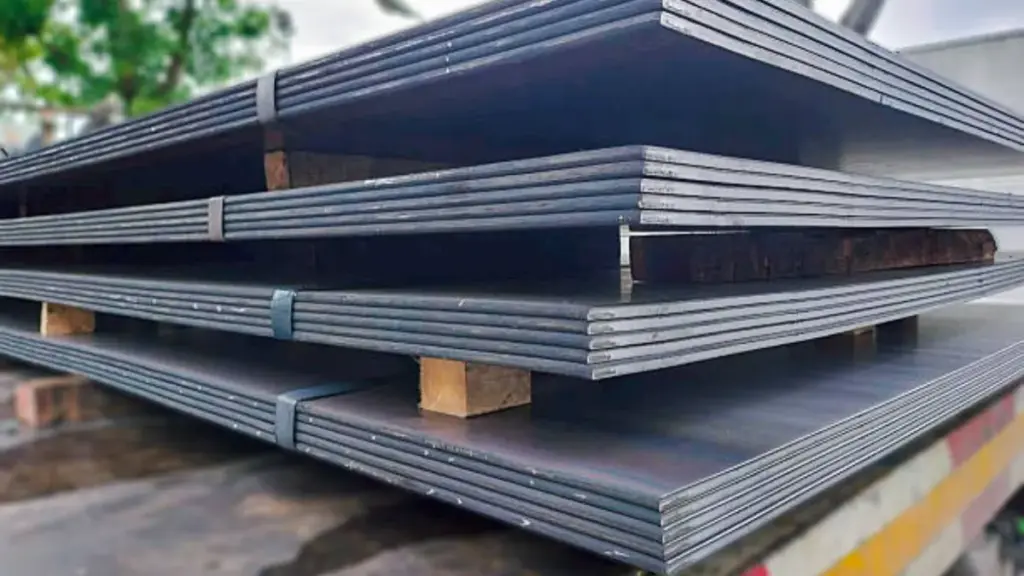
- Placas/Folhas: 1.6-200 mm de espessura, larguras 1.0-3.5 eu, comprimentos 2-12 eu.
- Seções: Vigas H (100-900 mm altura), canais (50-400 milímetros), ângulos (25×25 a 200×200 mm).
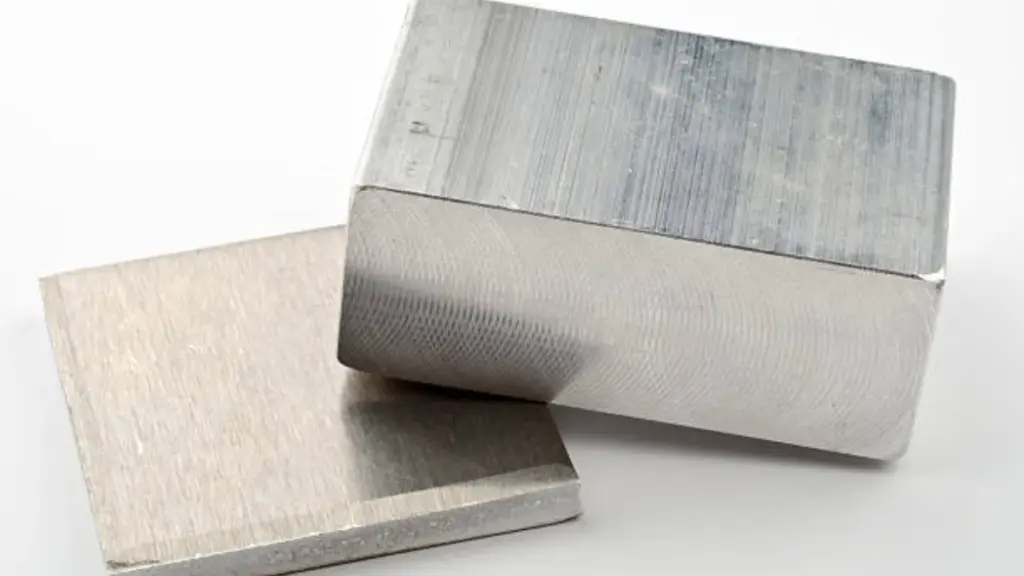
- Barras: Rodadas (10-250 ele), apartamentos (até 300×40 mm).
Tolerâncias de acordo com JIS G3193: espessura ±0,5 mm (6-20 placas mm), largura ±10-15 mm, planicidade ≤1,5% da largura. MTRs incluem química, EUA (por nível JIS G0303 2), e marcação (grau/calor/lote). As usinas de estoque oferecem produtos normalizados ou laminados; corte personalizado economiza logística. Especifique EN 10204 3.1 certificados para exportações.
Aplicações típicas de material SS400
O perfil balanceado do SS400 brilha em funções estruturais que exigem soldabilidade e resistência moderada. Os principais setores incluem:
- Construção: Vigas e colunas soldadas para armazéns, plataformas, e quadros de vários andares; cantoneira de ferro para reforço em retrofits sísmicos.
- Infraestrutura: Vigas de ponte, lajes de aproximação, e suportes ferroviários onde a resistência à fadiga (~150 MPa em 10^7 ciclos) lida com vibrações de tráfego.
- Marinho & Indústria pesada: Reforços do casco do navio e estruturas das anteparas que resistem à flexão; vigas de pista de guindaste resistindo a cargas de elevação cíclicas.
- Máquinas & Fabricação: Bases para prensas, estruturas transportadoras, e racks de armazenamento – sua usinabilidade reduz o tempo de configuração em 25%.
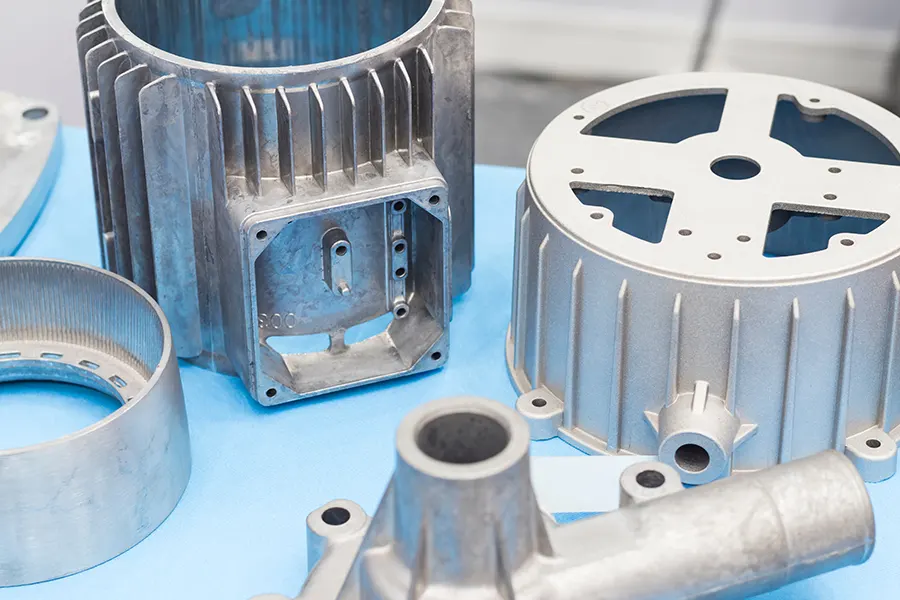
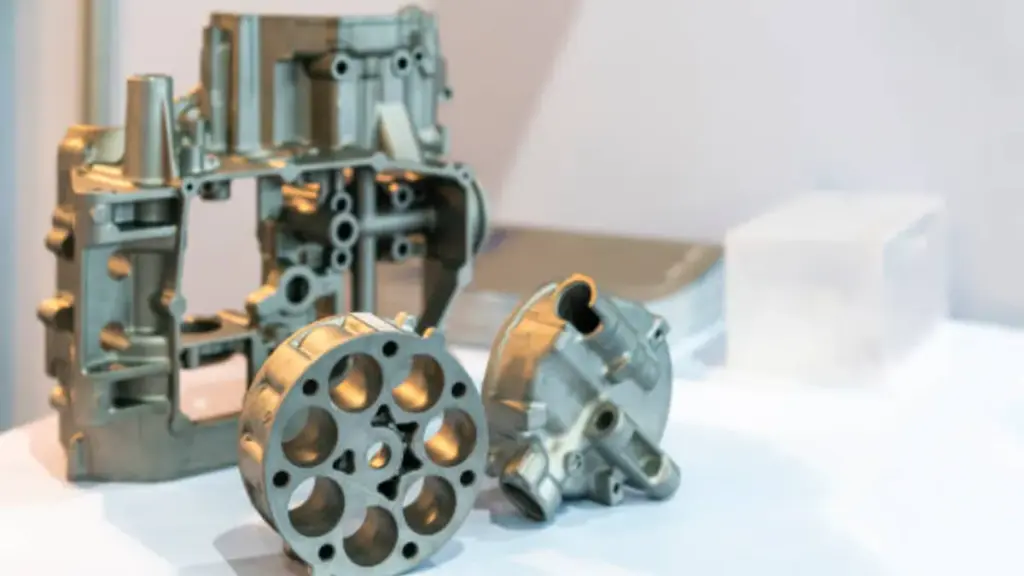
Na fundição sob pressão especificamente, SS400 forma bases de molde e acessórios de suporte não essenciais. Esses componentes de baixo estresse priorizam a estabilidade e o custo em detrimento do alto polimento, permitindo aços para ferramentas premium (por exemplo, H13) para cáries. Emparelhado com fundições de alumínio como A380 ou ADC12, Os gabaritos SS400 permitem a produção precisa de carcaças de motores EV e estruturas de iluminação sem distorção.
Perspectiva do fabricante de fundição sob pressão
Selecione SS400 quando o rendimento precisar (205-245 MPa por espessura) alinhe-se com o orçamento e a facilidade de fabricação - ideal para bases de moldes, quadros, e protótipos. Escale para classes mais altas para fadiga de alto ciclo ou ambientes agressivos; sempre calcule equivalentes com fatores específicos do local, como classe de corrosão.
No BIAN O Elenco, aproveitamos as bases de molde SS400 como bases confiáveis para a elaboração do A380, ADC12, e cavidades AlSi9Cu3 - perfeitas para Caixas de lâmpadas LED para estradas, carcaças de inversores automotivos, e controle industrial gabinetes. Nossa loja de moldes integrada (10+ rodízios de câmara fria de 160-1250T, 100+ CNCs, linhas de pulverização internas) produz montagens completas, desde estruturas de aço até peças fundidas com acabamento superficial.
China dupla-México instalações cortadas nos EUA. tarifas e prazos de entrega. IATF 16949 a certificação garante que cada componente seja rastreado com relatórios MTRs e RoHS compatíveis.
A integração perfeita aguarda